
Bar in València, Spain
Vinorte Winebar
100Pearl PointsWine-first choice

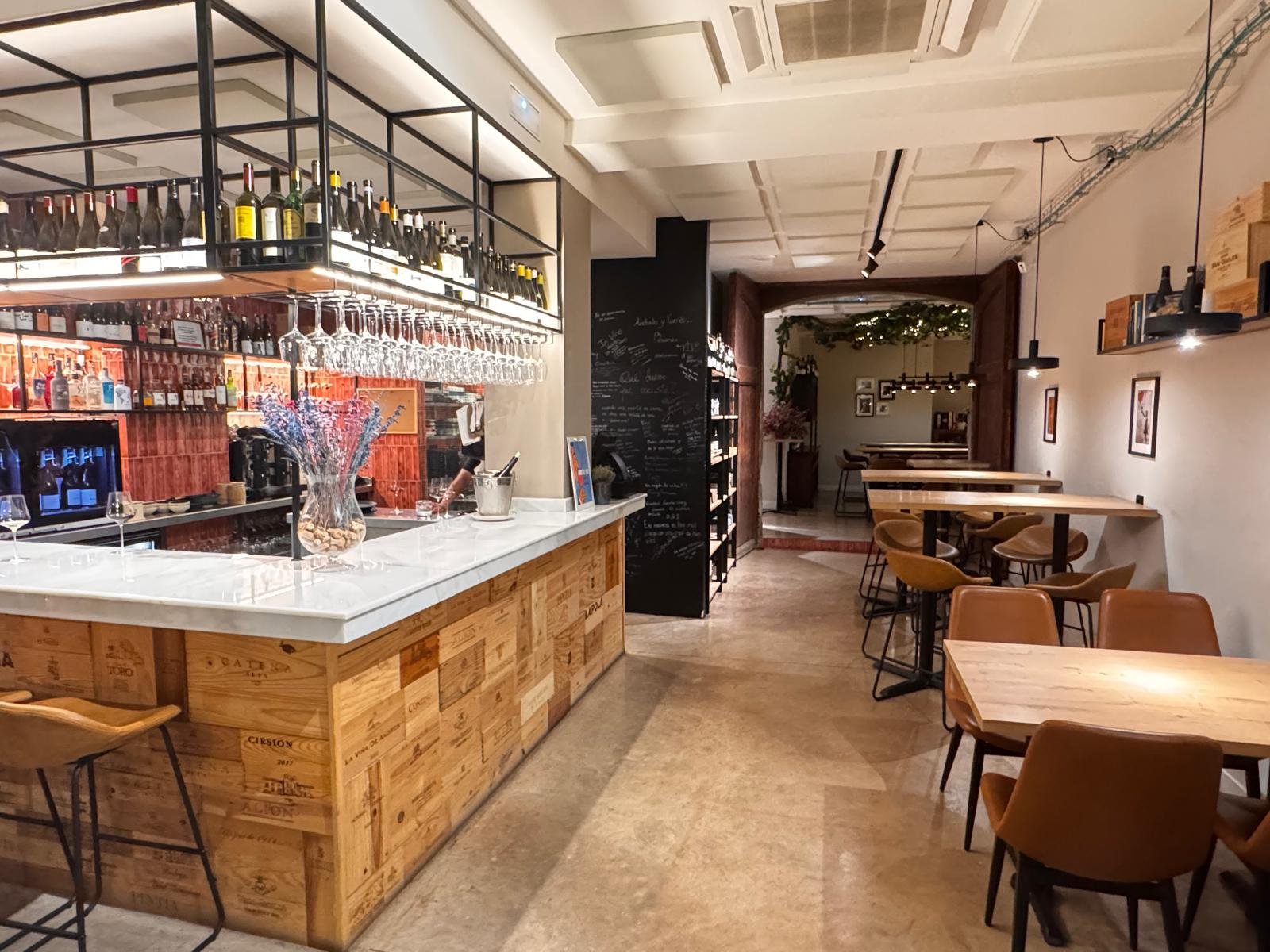
About Vinorte Winebar
A wine-first València pick with Star Wine List recognition for 2026, Vinorte Winebar is easiest to recommend for small groups who want a bottle-led evening without a formal restaurant commitment. Best used as a flexible wine stop rather than a guaranteed full-dinner plan.
Vinorte Winebar is a València winebar with Star Wine List recognition in 2026. That is the clearest verified signal for travelers deciding whether to include it in an evening plan. The confirmed profile is otherwise lean, so treat it as a winebar to consider in València rather than as a venue with verified details on cuisine, menu format, price range, seating, or service style.
The confirmed hours make it most useful from the afternoon into the evening: Monday, Tuesday, Wednesday, Friday, and Saturday from 2 PM to 12:30 AM; Sunday from 2 PM to 10 PM; and closed Thursday. Dress code is smart casual. If you need a broader dining plan around it, use our full València restaurants guide for other options.
Choose it for the winebar profile, not for unverified menu details
The strongest confirmed reason to choose Vinorte Winebar is its winebar identity, reinforced by Star Wine List recognition in 2026. Beyond that, the verified data does not establish a specific cuisine, signature dishes, tasting format, price point, or allergy and dietary policy. Plan accordingly: it is safest to make decisions from the confirmed winebar profile and current hours rather than assuming a full restaurant-style experience.
For comparison research, you can look at Le Bar de Vins, Maestro Bar, Metabar, Trotamundos, and Ultramarinos Agustin Rico, or continue with other dining options more generally. For a wider trip plan, pair the night with our full València hotels guide, our full València wineries guide, or our full València experiences guide.
Best for a flexible València evening
Vinorte Winebar's verified opening pattern gives it flexibility: it opens at 2 PM on most operating days and runs until 12:30 AM on Monday, Tuesday, Wednesday, Friday, and Saturday. Sunday is shorter, closing at 10 PM, and Thursday is closed. Those hours make it easier to place in an afternoon, early-evening, or later-evening plan, depending on the day.
Because there is no verified seat count, reservation policy, or group-size guidance in the available data, avoid building a plan around specific capacity assumptions. The grounded approach is simple: check directly before going if timing, party size, or a particular style of visit matters.
For travelers building a wine-focused València plan, Vinorte Winebar is one confirmed option to keep on the shortlist. Choose it for the verified winebar profile, smart-casual dress code, and published hours, while keeping any detailed expectations about food, pricing, or service format open until confirmed directly.
Frequently Asked Questions
Is the food good at Vinorte Winebar?
The verified data does not confirm cuisine, dishes, menu format, or price range. The clearest confirmed signal is that Vinorte Winebar is a winebar in València with Star Wine List recognition in 2026.
Is Vinorte Winebar open late?
Yes on several days. Vinorte Winebar is open until 12:30 AM on Mon, Tue, Wed, Fri, and Sat. Sun closes earlier at 10 PM, and Thu is closed. The venue is in València.
Do I need a reservation at Vinorte Winebar?
The verified data does not confirm a reservation policy or booking difficulty. If timing or party size matters, check directly with Vinorte Winebar before going.
What's the best time to go to Vinorte Winebar?
Use the confirmed hours as the guide: it opens at 2 PM on Mon, Tue, Wed, Fri, Sat, and Sun. It closes at 12:30 AM on Mon, Tue, Wed, Fri, and Sat, and at 10 PM on Sun. Thu is closed.
Is Vinorte Winebar good for a date?
It may suit a wine-focused plan in València, but the verified data does not confirm ambience, seating, or service style. The confirmed dress code is smart casual.
Location
C. de Cervantes, 10, Extramurs, 46007 València, Valencia, Spain
València, Spain
Compare Vinorte Winebar
How Vinorte Winebar compares
Vinorte Winebar is the wine-led option in this València set, with Star Wine List recognition giving it a clearer quality signal than a generic neighborhood bar. For groups of four, that matters: the format supports bottle-sharing and conversation better than a louder, cocktail-first night.
Compared with Trotamundos, Ultramarinos Agustin Rico, and Metabar, choose it when wine is the reason for the booking. Compared with Maestro Bar and Le Bar de Vins, it is the safer first look when a recognized wine list and easy booking are the priorities.
Where to look if this does not fit
If the group cannot make Vinorte Winebar work, start with Le Bar de Vins for another wine-focused València option. If the night needs more of a general bar feel, compare Maestro Bar before widening the search.
How it compares in València
Choose Vinorte Winebar when the group cares about wine depth and wants an easy booking. Against Trotamundos, Ultramarinos Agustin Rico, and Metabar, the clearer reason to come here is the Star Wine List signal rather than a broader bar-night promise. It is the practical choice for a four-person wine catch-up, especially if the plan needs flexibility.
Maestro Bar and Le Bar de Vins are the closer cross-shops if the decision is specifically about wine in València. Pick Vinorte Winebar first when recognition and ease matter; look at Le Bar de Vins when the group wants another wine-focused option, and Maestro Bar when the night needs a different bar feel. With no confirmed price tiers across the set, do not over-read value. Use format and booking friction as the deciding factors.
Recognized By

Explore València
Save or rate Vinorte Winebar on Pearl
Keep this venue in your Pearl passport, rate it after you visit, and track it alongside every other place you collect.