Sushi Sasabune
Ala Moana - Kakaako, Urban Honolulu
Bar in Urban Honolulu, United States
 Book with Pearl
Why go
Book Sushi Sasabune for a focused dinner when the occasion calls for sushi and low booking friction matters. The value case is harder to judge without a listed price range or menu details, so it is strongest for small groups and dates that want the meal itself to be the plan.
About Sushi Sasabune
Sushi Sasabune is a dinner option in Urban Honolulu with a limited weekly schedule and a smart casual dress code. The practical details are straightforward: it is open Tuesday through Saturday from 5:30–10 PM and closed Sunday and Monday. Plan around those basics rather than assuming a specific style of service.
Choose it for a planned dinner night
The practical appeal is the narrow dinner schedule: service runs Tuesday through Saturday evenings, with Sunday and Monday off. That gives the meal a clear evening-only shape, but it also limits flexibility for visitors trying to fit dinner around other plans in Urban Honolulu. The smart casual dress code also makes it better suited to a planned night out than an improvised stop.
The tradeoff is transparency. This is not the place to choose because a checklist proves the spend in advance. Choose it because the essentials fit the night: Sushi Sasabune, Urban Honolulu, dinner hours, and smart casual dress. If the evening needs drinks before or after, use Our full Urban Honolulu bars guide; if the night needs a broader restaurant scan, start with Our full Urban Honolulu restaurants guide.
The value question comes down to occasion fit
For a planned dinner, Sushi Sasabune works well when the schedule and dress code match the occasion. It is less useful for anyone who needs lunch, Sunday or Monday availability, a set price range, or seating and menu structure details before deciding. For alternate routes around the city, also keep separate guides to Urban Honolulu hotels, wineries, and experiences.
Cross-shopping should stay practical. Sushi Izakaya Gaku, Sushi Murayama, Sushi ii, and Sushi Gyoshin OMAKASE are names to compare when deciding among dinner plans. If the group mainly wants a different kind of stop, Pint and Jigger is another option to consider.
Planning details
- Location
- 1417 S King St, Honolulu, HI 96814
- Website
- sasabuneh.com
- Phone
- +1 808 947 3800
The take
The Take
The Vibe
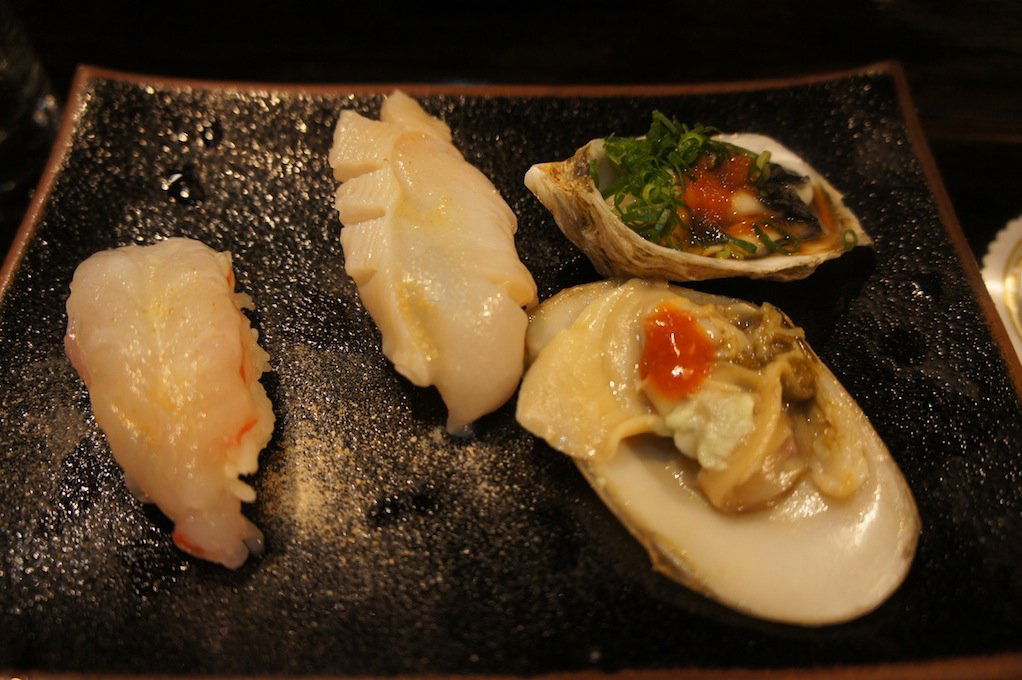
Sushi Sasabune presents a restrained, old-school omakase experience tucked into a South King Street neighborhood block. The room favors function over flourish: low-key seating at the counter, disciplined service and an emphasis on technique rather than performance. The place reads as a classic, quietly minimalist sushi counter — part of Honolulu’s long-established Japanese-American food culture rather than the Instagram-ready theatrics that have blossomed elsewhere. If you appreciate tradition, subtlety and an environment that prizes the quality of fish and the chef’s judgement over spectacle, Sasabune feels like a rare, understated example of that lineage.
Best For
This is an ideal stop for diners who want a straightforward omakase counter experience rooted in local tradition. The format rewards people who are comfortable surrendering choices to the chef — solo diners, serious sushi enthusiasts and locals who value disciplined technique over showmanship get the most out of a visit. It’s also well suited to quiet, focused meals rather than loud celebrations; the neighbourhood, counter-driven setup encourages attentive tasting and a measured, chef-led pace. Expect an experience oriented around the sequence and quality of the fish rather than theatrical plating or paired spectacle.
Ordering Tips
Approach the meal with openness and minimal requests: the omakase here is a negotiation of trust, so sit at the counter, follow the chef’s lead and eat what arrives. Don’t expect elaborate tableside narration, dramatic performance or heavy wine-pairing fanfare — the emphasis is on disciplined technique and the fish itself. If you have strong allergies or unavoidable dislikes, mention them up front, but otherwise resist directing the menu; the point of this style is to let the chef shape the progression. Quiet appreciation and patience are the best companions at this counter.
Venue details
Ambiance
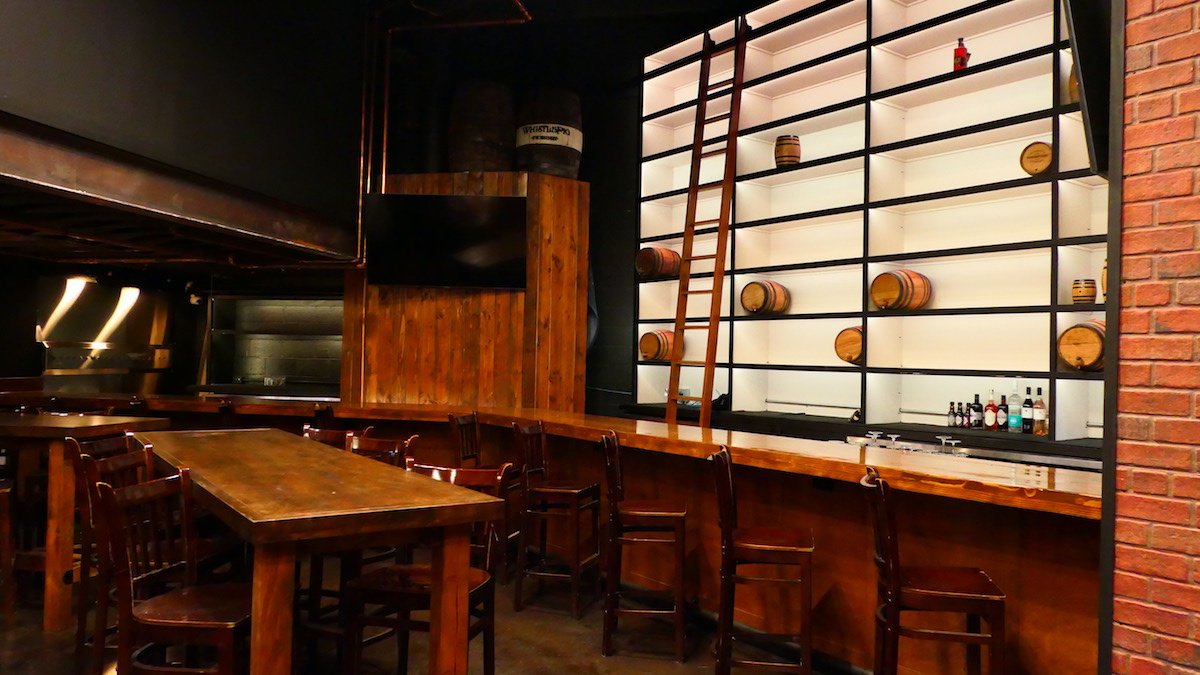
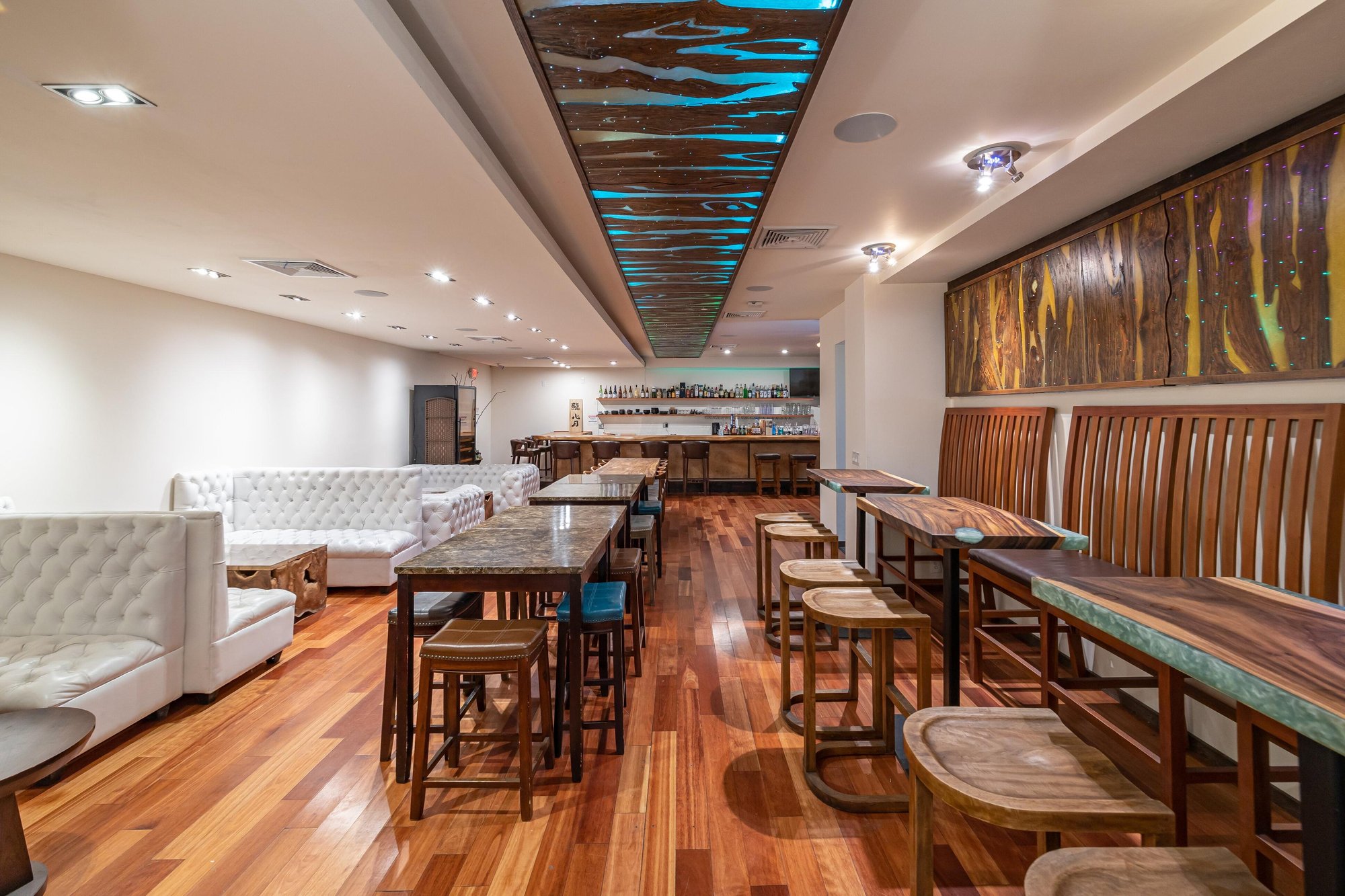
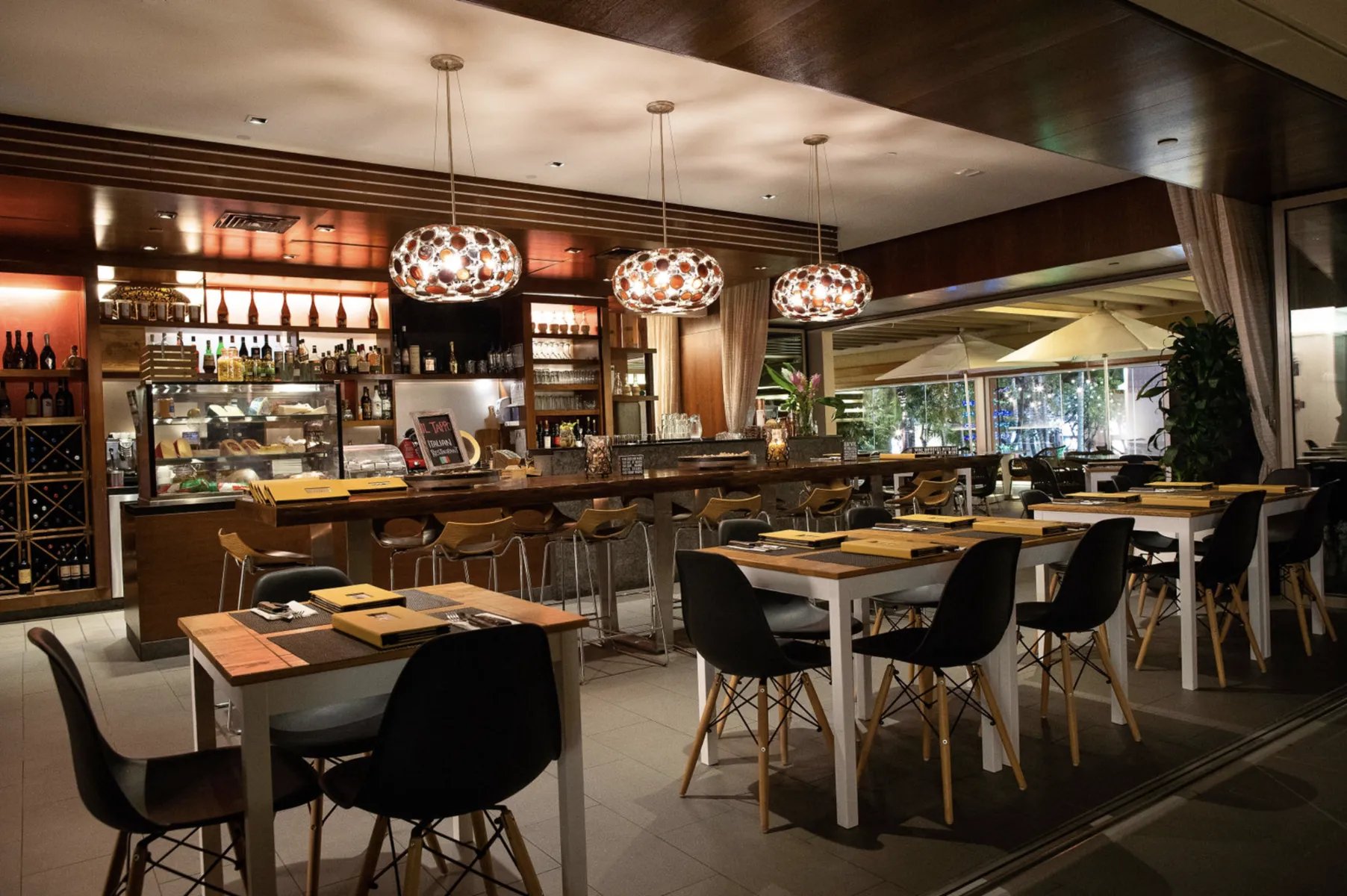
Intimate sushi bar setting focused on the chef's craft with a calm, relaxed atmosphere.
Tags
Vibe
Best For
Experience
Format
Accessibility
At the Bar
- Bar Category
- Sake Bar
- Late Night
- Closes by 10pm
- Music
- Soft Music
Know before you go
Know Before You Go
- Getting there
- 1417 S King St, Honolulu, HI 96814
Planning details
Location
Also consider
Where to go if this does not fit
If the table wants a livelier sushi-adjacent meal, try Sushi Izakaya Gaku. If the group wants cocktails instead of a meal-first sushi plan, pivot to Pint and Jigger.
Bar context
How it compares for Urban Honolulu sushi nights
Sushi Sasabune is the practical pick if the goal is a focused sushi dinner with easy booking rather than a high-effort reservation chase. Sushi Izakaya Gaku is better for a looser, more social meal, while Sushi Murayama and Sushi ii make more sense for diners comparing sushi counters by format and occasion feel.
For value, the issue is price visibility. Sushi Sasabune can be a smart celebration booking if the group is comfortable choosing based on format and timing, but diners who need a clearer spend before committing should compare it against Sushi Gyoshin OMAKASE and the other sushi peers before locking the night. If the group's real priority is drinks, conversation, and a longer bar stop, Pint and Jigger is the better fit.
Ambiance-wise, choose Sushi Sasabune for a meal-first night. Choose Sushi Izakaya Gaku when the table wants more range and a less formal rhythm, and choose Pint and Jigger when sushi is secondary to cocktails.
Explore Urban Honolulu
Around this place
Discover more on Pearl
Unlock the full Sushi Sasabune guide in Pearl, including awards, comparisons, FAQs, planning details, and nearby places.
Compare Sushi Sasabune
| Venue | Location | Awards |
|---|---|---|
| Sushi Sasabune | Urban Honolulu | No published awards |
| Sushi Izakaya Gaku | Urban Honolulu | No published awards |
| Sushi Murayama | Urban Honolulu | No published awards |
| Sushi ii | Urban Honolulu | No published awards |
| Sushi Gyoshin OMAKASE | Urban Honolulu | No published awards |
| Pint and Jigger | Urban Honolulu | No published awards |
How Sushi Sasabune Urban Honolulu compares with similar nearby venues.
FAQ
Frequently Asked Questions
Does Sushi Sasabune have outdoor seating?
Plan with the main details first: Sushi Sasabune is open Tuesday through Saturday from 5:30–10 PM, closed Sunday and Monday, and has a smart casual dress code.
Does Sushi Sasabune have happy hour deals?
Sushi Sasabune’s dinner schedule is Tuesday through Saturday from 5:30–10 PM, with Sunday and Monday closed.
Is the food good at Sushi Sasabune?
Use Sushi Sasabune when its basics fit your plan: an Urban Honolulu dinner from Tuesday through Saturday, 5:30–10 PM, with smart casual dress.
What's the crowd like at Sushi Sasabune?
Plan ahead around its schedule: Sushi Sasabune is closed Sunday and Monday and opens Tuesday through Saturday from 5:30–10 PM.
Is Sushi Sasabune good for a date?
It can work for a date if the plan is a smart casual dinner in Urban Honolulu during its Tuesday-to-Saturday, 5:30–10 PM hours. If you want to compare it with a different kind of venue, Pint and Jigger is another option.
What's the best time to go to Sushi Sasabune?
The dining window is Tuesday through Saturday from 5:30–10 PM, with Sunday and Monday closed. Choose a time within that window that fits your plan, and compare options such as Sushi Murayama if you are deciding among dinners.