
Die Mosel
Traben-Trarbach
Bar in Traben-Trarbach, Germany
 Book with Pearl
The Read
Mosel Valley Riverside Pours
Price
$30–50per person
Why go
Book Die Mosel if the point of the evening is wine rather than a broad restaurant experience. Star Wine List recognition gives it a clear trust signal in Traben-Trarbach, and easy booking makes it a practical first-night choice for couples or small groups who want a composed Mosel wine stop.
About Die Mosel
Die Mosel is a Traben-Trarbach venue with evening hours from Wednesday through Sunday and additional midday opening on Friday, Saturday, and Sunday. Key planning details: it is closed Monday and Tuesday, the dress code is smart casual, and it has Star Wine List recognition for 2026.
A Traben-Trarbach stop with Star Wine List recognition
For visitors comparing places in Traben-Trarbach, Die Mosel stands out for its Star Wine List recognition in 2026. It is also a smart-casual option with useful opening windows for both evening and weekend midday plans.
That makes Die Mosel a sensible candidate for travelers who want a smart-casual stop in Traben-Trarbach and are planning around the published opening windows. If food, budget, dietary requirements, or a specific service format is central to the decision, check directly with the venue before building the visit around it.
Go when the hours fit your plan
Die Mosel is open Wednesday and Thursday from 5–10 PM. On Friday, Saturday, and Sunday, it is open from 12–3 PM and again from 5–10 PM. It is closed on Monday and Tuesday.
Those hours make it possible to plan either an evening visit from Wednesday through Sunday or a midday stop on Friday through Sunday. If booking difficulty, table size, outdoor seating, or walk-in policy matter to your group, confirm those points directly.
For trip planning around it, compare Die Mosel with other Traben-Trarbach options, or consider related venues such as Bar Botanik, Salon Bourbon, Sixtyfour°, WINE IN THE HOOD, and Weingasthaus Breuer's when building a wider shortlist.
Quick reference: choose Die Mosel when its Traben-Trarbach location, smart-casual dress code, hours, and Star Wine List 2026 recognition match the kind of stop you are planning.
Planning details
- Location
- Rißbacher Str. 13, 56841 Traben-Trarbach, Germany
- Reservations
- Book on TheFork
- Website
- diemosel.wine
- Phone
- +49 176 40133263
The take
The Take
The Vibe
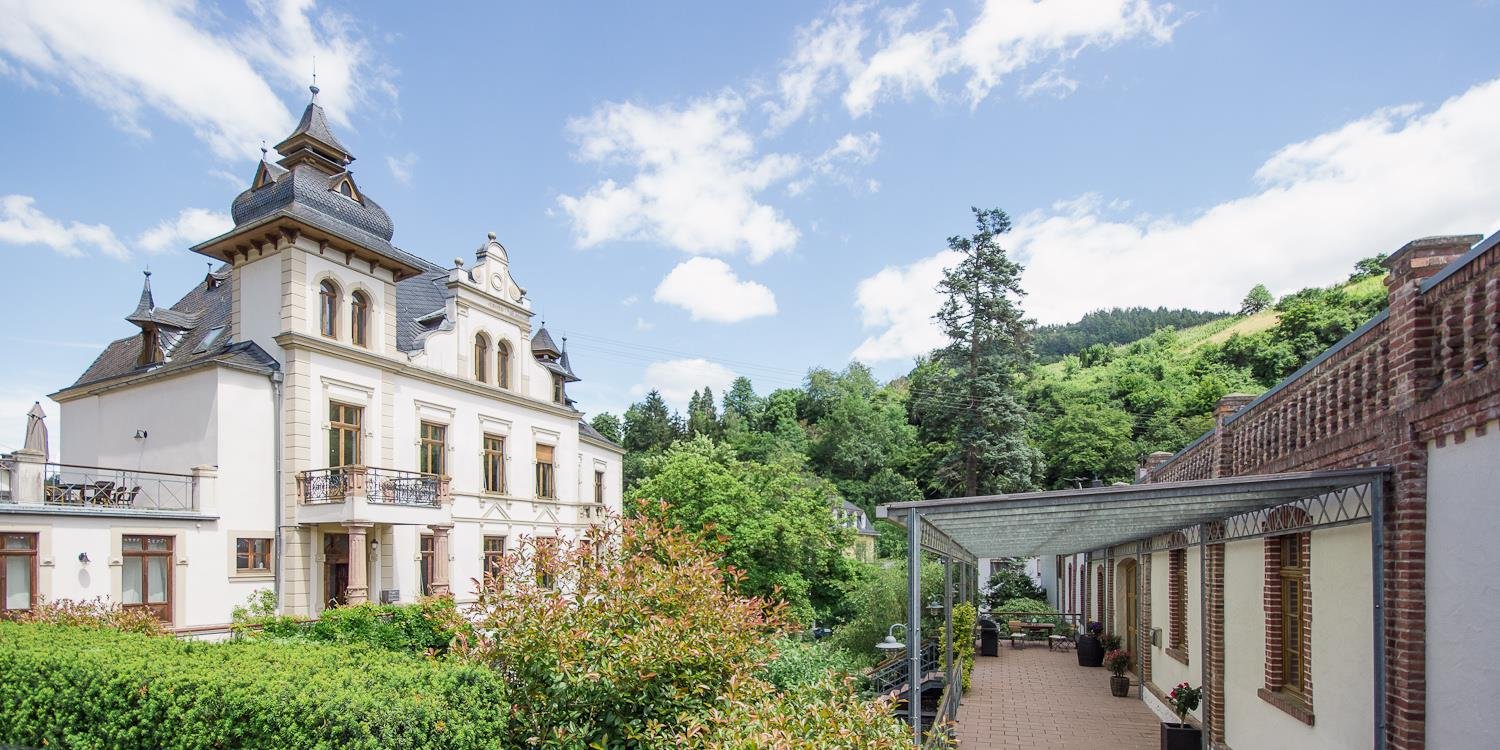
Die Mosel leans entirely on place: the river is not backdrop but raison d'être. Positioned on the water's edge, the bar foregrounds the steady flow of the Mosel and the vine‑clad slate slopes that rise from the banks. The surrounding town's history — a historic bridge and a long tradition as a trading point for Riesling — gives visits a quietly storied feel. Instead of theatrical service or ambitious mixology, the venue privileges an unforced, riverside experience: relaxed, picturesque and anchored in the geography and wine culture of Traben‑Trarbach.
Best For
This is a stop for people who make the river their route: cyclists on the Moselradweg, boaters and day‑trippers who value an unobstructed sightline and a good glass over gastronomic fireworks. It suits solo travelers looking for a peaceful pause, couples drawn to the view, and small groups who want to watch river traffic and the terraces of vineyards across the water. The venue reads as a practical, scenic waypoint rather than a destination for elaborate dining, so expectations skew toward the view and the wine.
Ordering Tips
Keep the focus simple: prioritize a well‑chosen glass and the riverside setting. The town's history as a Riesling trading point makes local white wine an especially appropriate choice, and the copy emphasizes "the quality of the glass in hand" over cocktail theatrics or complex kitchen offerings. Plan visits in the warmer months if you want to arrive by boat or cycle in — the river is navigable and the cycling route passes through town — and expect straightforward, casual service that centers the view.
Venue details
Ambiance
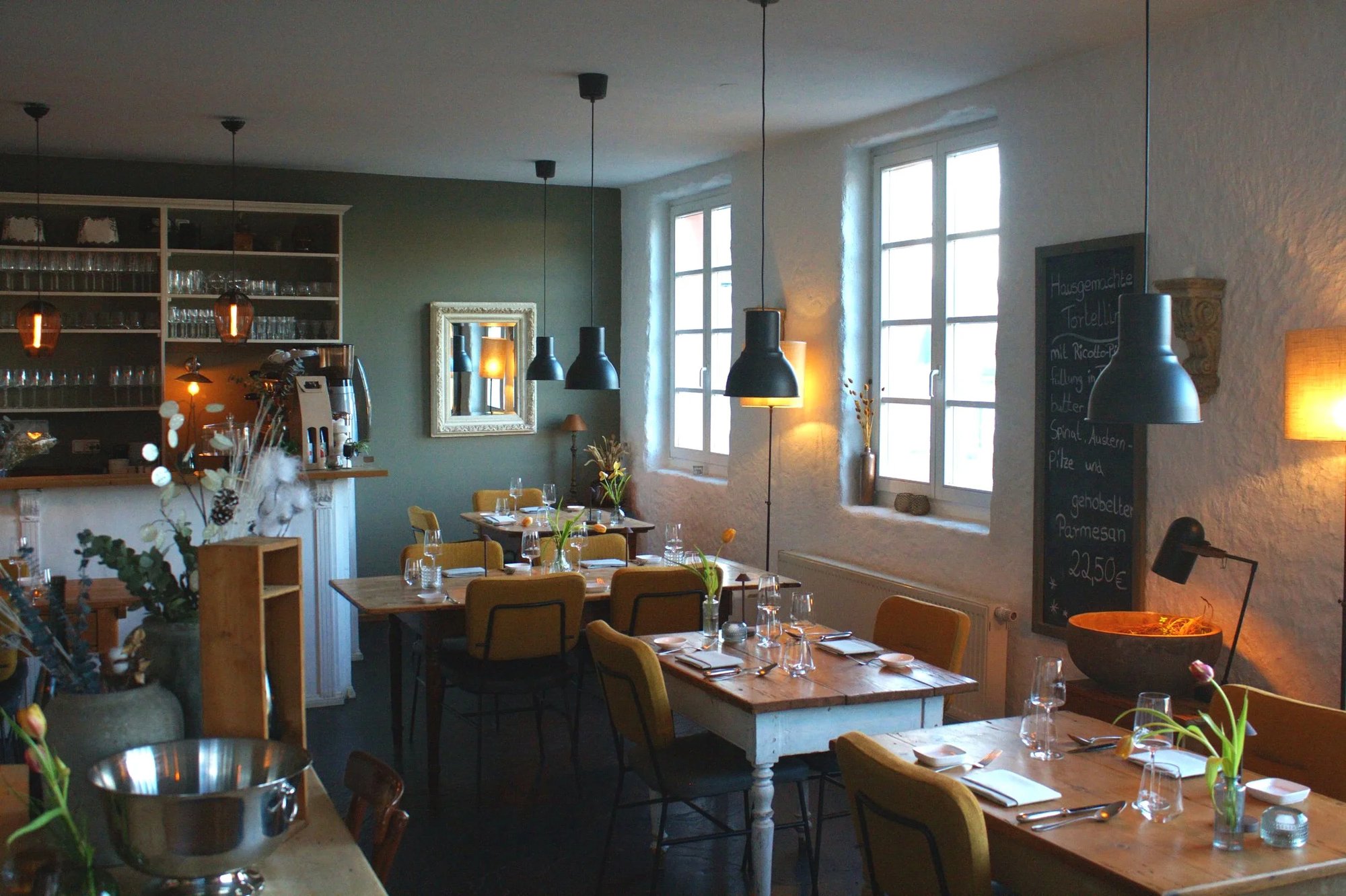
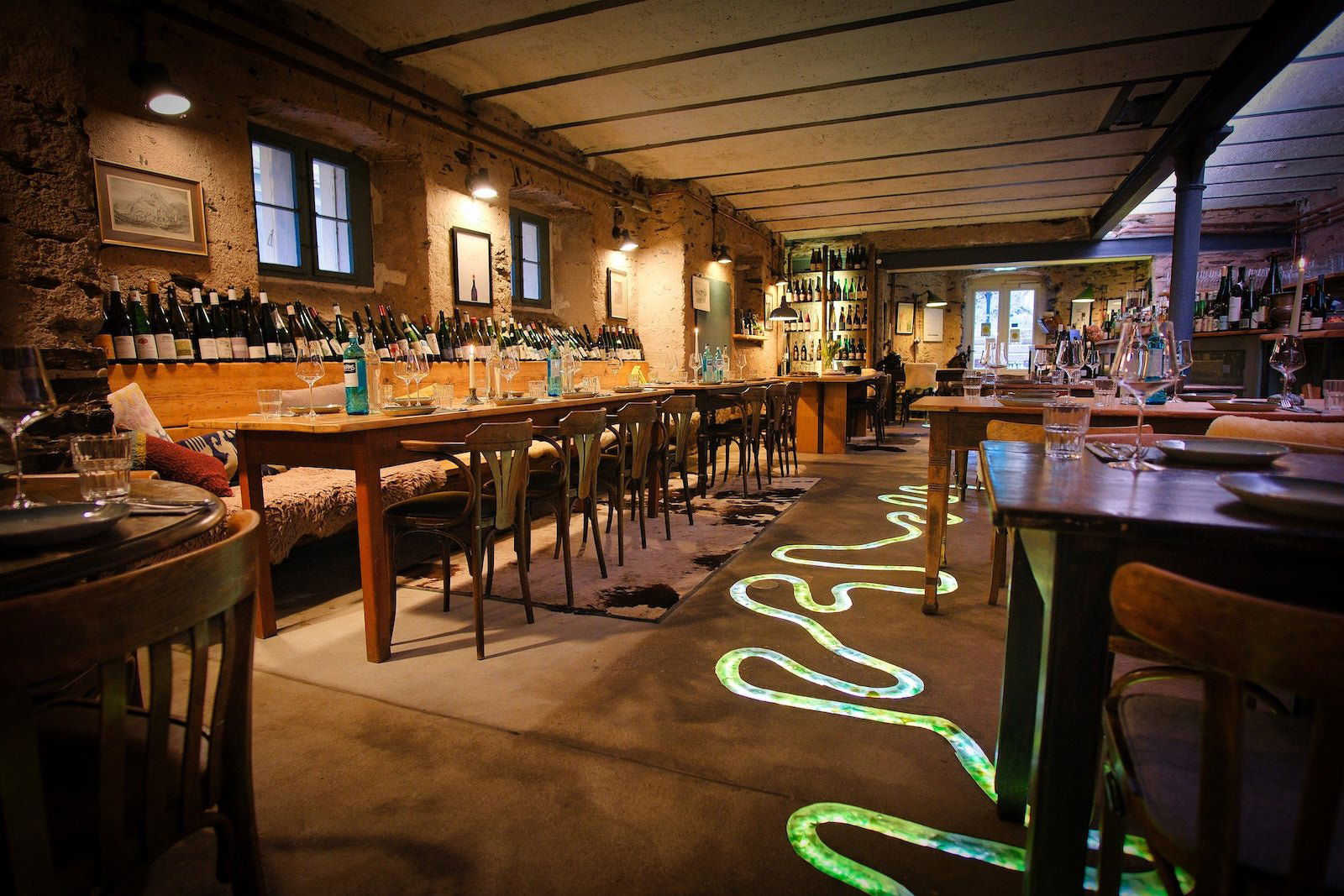
Cozy historic villa with elegant rustic style, warm lighting, trendy decorations, and magical terrace views over the Mosel river.
Tags
Vibe
Best For
Experience
Format
View
Accessibility
At the Bar
- Bar Category
- Wine Bar
- Late Night
- Closes by Midnight
Know before you go
Know Before You Go
- Getting there
- Rißbacher Str. 13, 56841 Traben-Trarbach, Germany
Planning details
Location
Rißbacher Str. 13, 56841 Traben-Trarbach, Germany · Directions
Recognition and awards

Also consider
Where to go if you cannot get in
Try Weingasthaus Breuer's if the group still wants a wine-friendly local feel. If the plan is more drinks-led than wine-led, cross-shop Salon Bourbon or Sixtyfour° instead.
Bar context
How Die Mosel compares in Traben-Trarbach
Choose Die Mosel when wine credibility is the deciding factor. Among the listed Traben-Trarbach alternatives, it has the clearest third-party wine signal thanks to Star Wine List recognition, so it is the safer pick for a first-time visitor who wants the evening anchored by the list rather than by cocktails, a broad menu, or a louder bar mood.
Weingasthaus Breuer's is the more natural cross-shop if the group wants a wine-gasthaus feel, while Sixtyfour° and Salon Bourbon make more sense when the night is framed as drinks first. For readers building a looser bar route, WINE IN THE HOOD and Bar Botanik are better comparison points than restaurant substitutes.
On value, the practical call is to avoid treating these as interchangeable. Die Mosel is the choice for a calmer, wine-led evening with easy booking; the others are better used as backups or second stops if the group wants a different atmosphere after the first glass.
Explore Traben-Trarbach
Around this place
Discover more on Pearl
Unlock the full Die Mosel guide in Pearl, including awards, comparisons, FAQs, planning details, and nearby places.
Compare Die Mosel
| Venue | Location | Awards |
|---|---|---|
| Die Mosel | Traben-Trarbach | Star Wine Lists 2026 |
| Weingasthaus Breuer's | Rüdesheim | No published awards |
| Sixtyfour° | Kirchberg | No published awards |
| Salon Bourbon | Luxembourg | No published awards |
| WINE IN THE HOOD | Wiesbaden | No published awards |
| Bar Botanik | Cologne | No published awards |
How Die Mosel Traben-Trarbach compares with similar nearby venues.
FAQ
Frequently Asked Questions
Is Die Mosel open late?
Die Mosel is open until 10 PM on Wednesday through Sunday. It is closed Monday and Tuesday, with additional 12–3 PM opening on Friday, Saturday, and Sunday.
Does Die Mosel have outdoor seating?
Is the food good at Die Mosel?
Plan around its Traben-Trarbach location, smart-casual dress code, hours, and Star Wine List 2026 recognition; check directly for cuisine type, dishes, menu format, or pricing.
Is Die Mosel good for a date?
Die Mosel may fit a date plan if you want a smart-casual Traben-Trarbach stop during its opening hours. Check directly if specific atmosphere, seating, and service details matter to your plan.