
Paris Paris
Trinity Bellwoods, Toronto
Bar in Toronto, Canada
 Book with Pearl
The Read
Price
$30–50per person
Why go
Paris Paris is worth booking when wine is the main reason for the night and the group wants an easygoing Ossington setting rather than a formal tasting format. Star Wine List recognition gives the drinks program credibility, while the broader appeal is flexibility: date, group dinner, or late west-end stop.
About Paris Paris
Paris Paris is a Toronto venue with a smart casual dress code and Star Wine List recognition for 2026. For planning purposes, those two facts set the clearest expectations: guests have a dress-code baseline, and the venue has wine-list recognition from Star Wine List. Its schedule is particularly useful for planning: it is closed Monday, opens at noon Tuesday through Friday, opens at 11 AM Saturday and Sunday, and runs later on Thursday, Friday, and Saturday.
Details like a menu, cuisine, prices, seating details, patio information, or service formats are not available. It's best to plan based on its hours, dress code, and wine-list recognition, approaching it through the known essentials rather than through assumptions about the experience. Check the venue's official channels before relying on details beyond those facts, especially if a specific meal style, budget, table arrangement, or accommodation would affect whether it is the right choice.
Book it for its hours and a smart casual Toronto plan
Paris Paris is easiest to assess when timing is the priority. Tuesday and Wednesday run from 12–11 PM; Thursday and Friday run from 12 PM–2 AM; Saturday runs from 11 AM–2 AM; and Sunday runs from 11 AM–11 PM. Monday is closed. That schedule gives a clear weekly rhythm: no service on Monday, midweek service begins at noon and ends at 11 PM, and the longest windows fall toward the end of the week.
The later Thursday-to-Saturday schedule can make it useful for plans that need more flexibility, particularly when the group is trying to avoid a hard early cutoff or wants a visit that can run later in the evening. The weekend opening time also differs from the weekday pattern, with Saturday and Sunday starting at 11 AM rather than noon. Meanwhile, the smart casual dress code gives guests a clear baseline for what to wear. Exact menu format, pricing, seating style, and dietary accommodations are not available, so confirm those directly if they matter to your plans.
Who should choose it over another Toronto option
Choose Paris Paris when the Star Wine List recognition and the posted hours fit the plan. Those are the strongest reasons to put it on a shortlist: the wine-list recognition gives the venue a defined point of interest, while the hours help determine whether it works for the specific day and time you have in mind. If you are comparing other options, Bar Koukla, Superpoint, Manita Ossington, Côte de Bœuf, and Fallen Feather are other names to consider, depending on what details you need for the night you want.
The short answer: Paris Paris is a fit when you want a Toronto venue with smart casual dress and late hours on Thursday, Friday, and Saturday. It is also a sensible candidate when you prefer to make decisions from available information, which is most useful around timing, dress, and wine-list recognition. If you need anything more specific, it's best to check directly before making plans. For more Toronto planning, use our full Toronto restaurants guide or our full Toronto bars guide.
Planning details
- Location
- 146 Ossington Ave, Toronto, ON M6J 2Z5, Canada
- Reservations
- Book on OpenTable
- Website
- parisparis.ca
- Phone
- +1 437-983-8774
The take
The Take
The Vibe
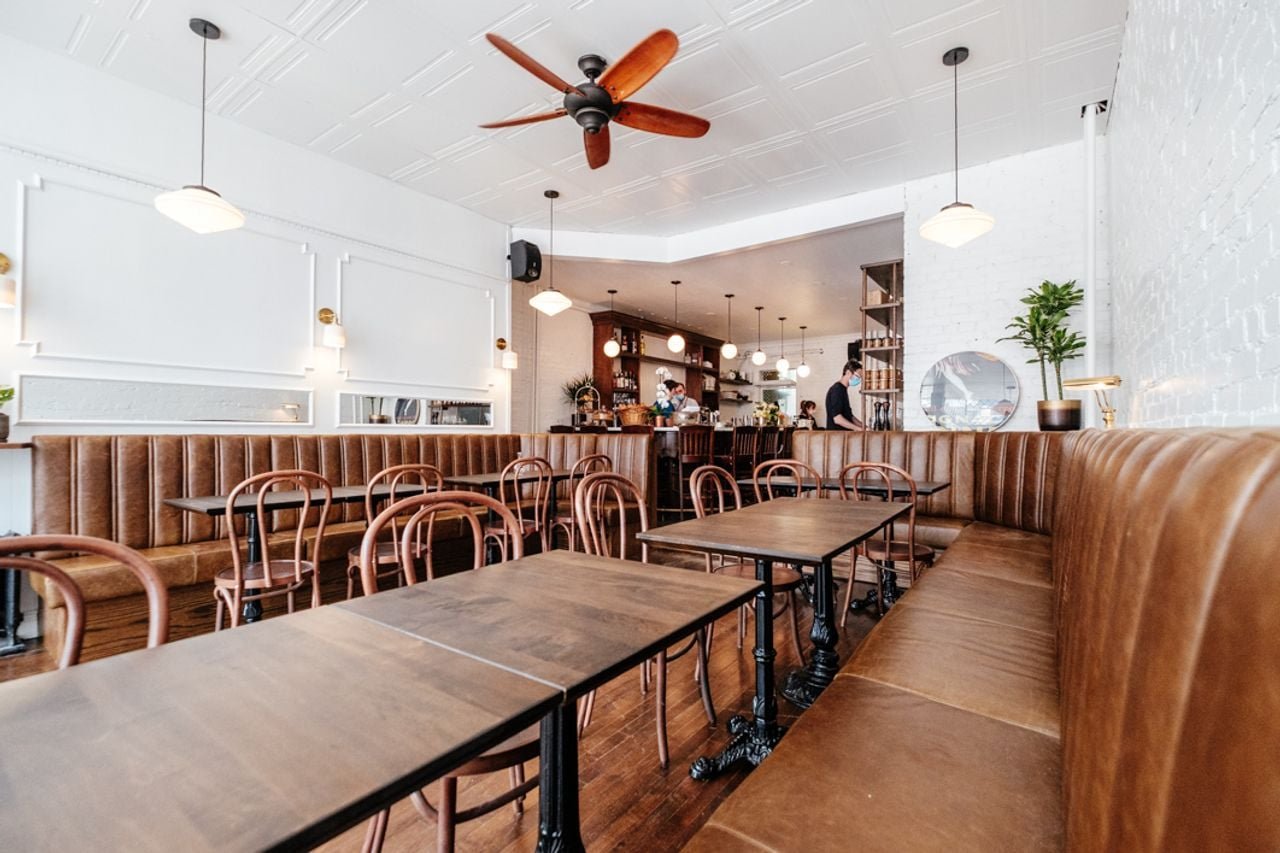
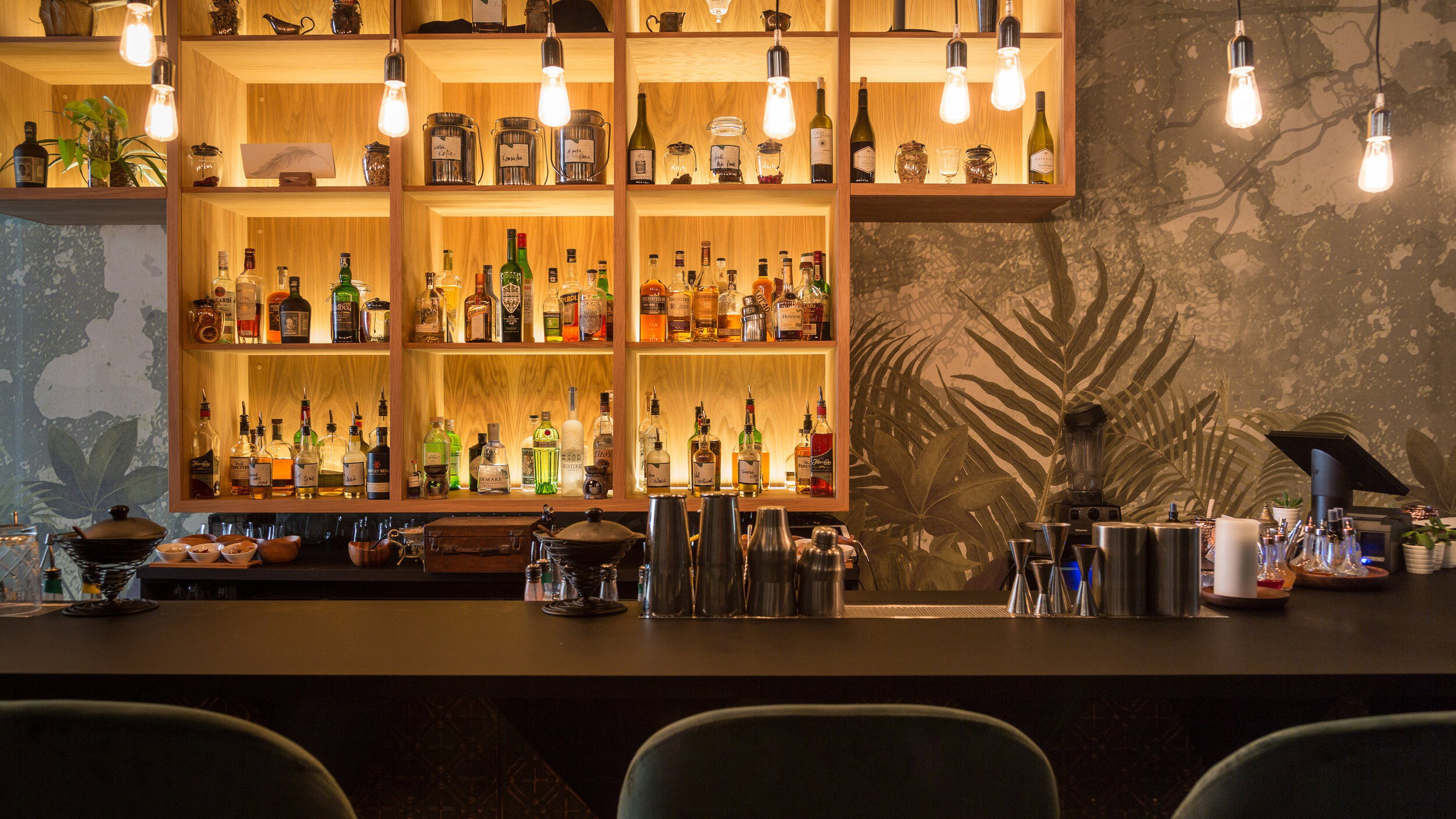
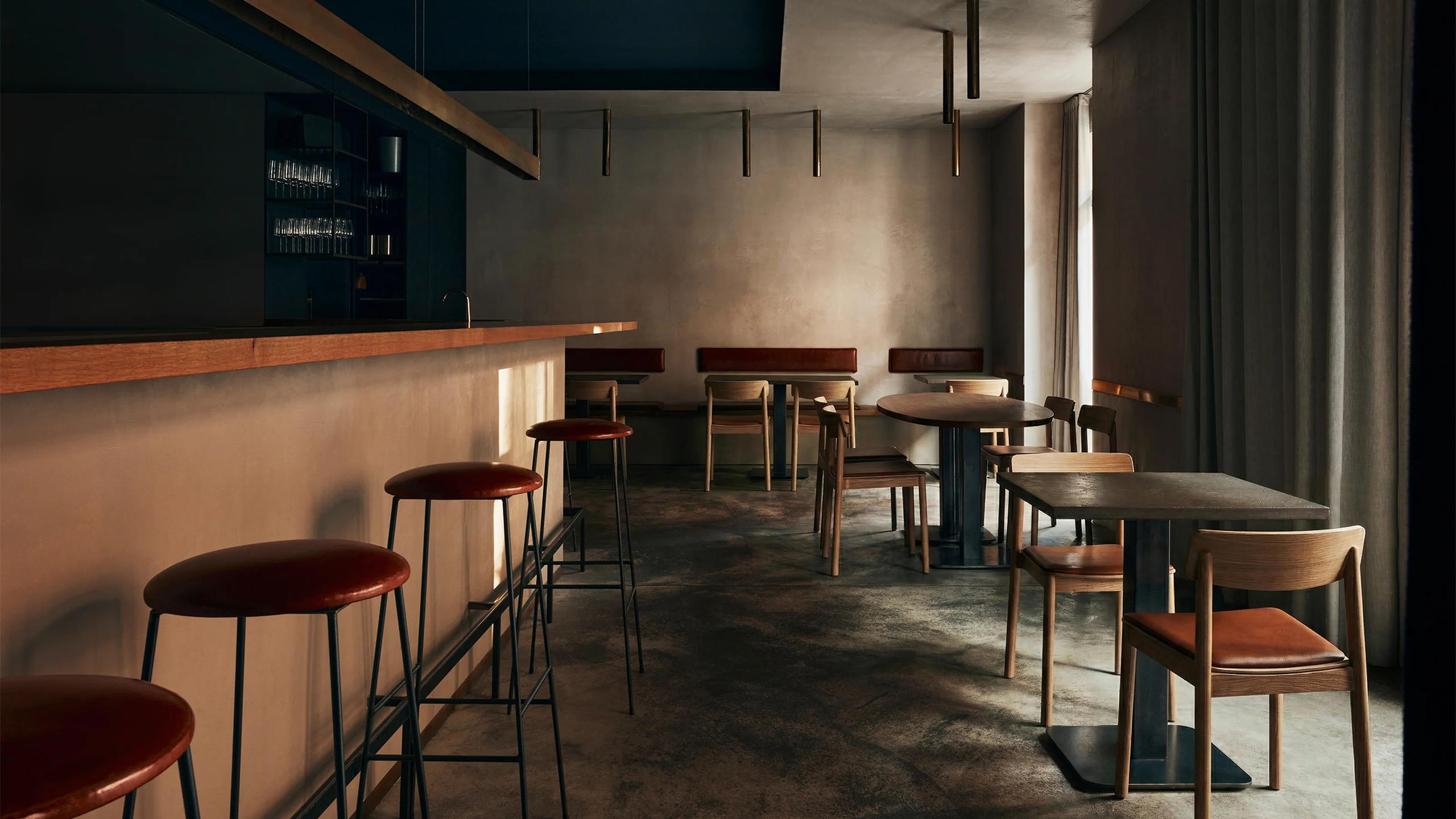
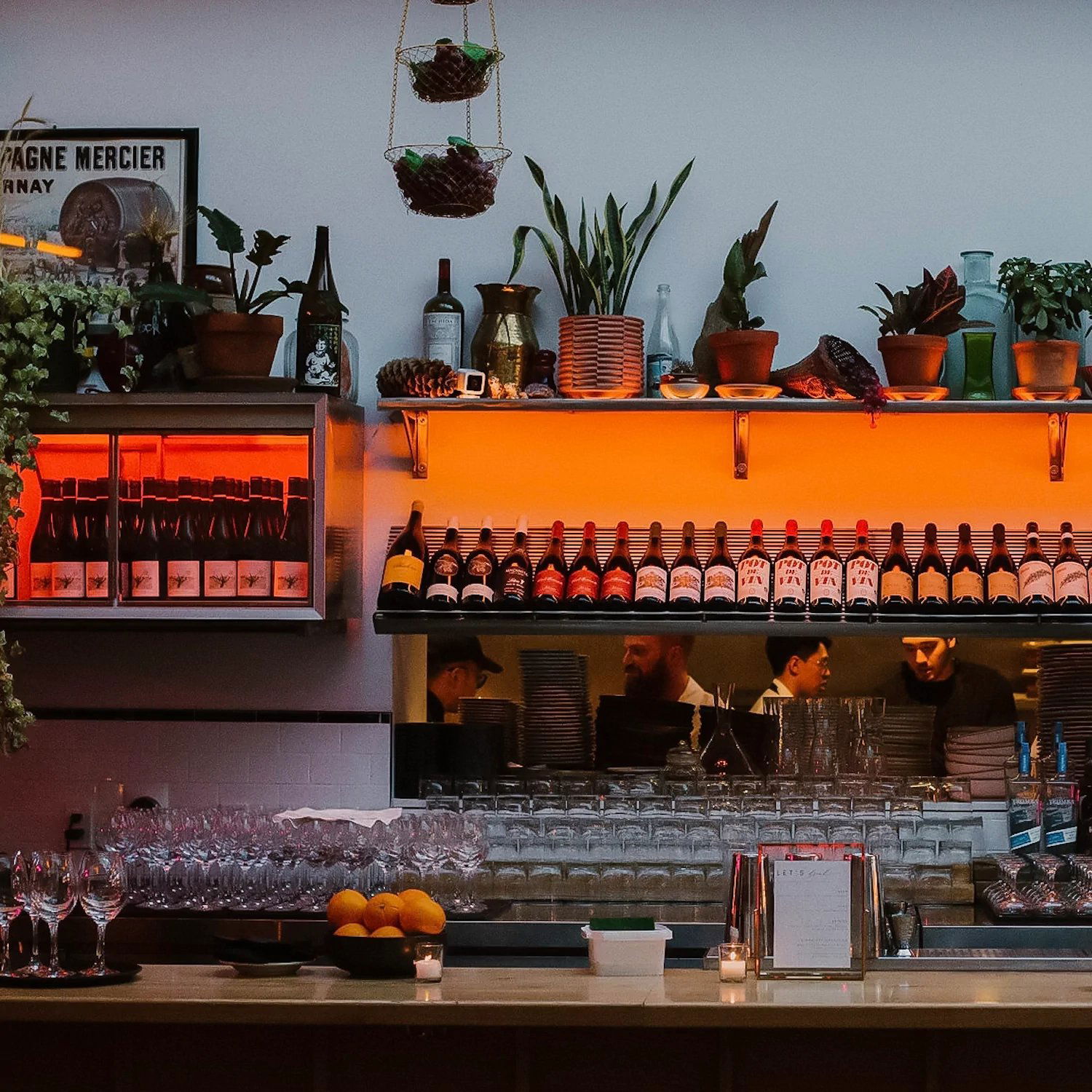
Paris Paris reads like a thoughtfully curated neighborhood wine bar that leans into a sophisticated, intimate sensibility. The move to a larger space at 146 Ossington is handled without surrendering the attention-holding intimacy of classic small-format wine bars; instead, the room opens up into a bright, airy interior defined by long marble counters and afternoon light. The tone is serious about wine but relaxed about hospitality—an environment that nods to Lyon and Marseille wine bars, where design and list work in concert to reward quiet curiosity rather than theatrical showmanship.
Best For
This is a spot for people who want to savor wine and conversation across afternoon and evening hours. Its bright, counter-focused room suits pairs on a date, colleagues stopping by after work, and small groups interested in a thoughtful bottle or glass. The bar’s placement within Ossington’s wine corridor makes it a natural casual hangout while its deliberate curatorial approach also makes it a good choice for anyone keen to learn more about natural and low-intervention wines. Expect an experience that privileges attentive dialogue over loud nightlife energy.
Ordering Tips
Approach the list with curiosity: the selections at Paris Paris deliberately mix classic bottles with low-intervention and natural wines, and the copy notes many choices 'require more explanation and reward more curiosity.' Ask staff for context when you see unfamiliar producers or terms—servers here are likely prepared to explain stylistic intent and what makes a pét-nat approachable versus technically driven. If you want to linger, choose counter seating at the long marble bar to take in the room and the pace of service, and be open to trusting recommendations that bridge classics and adventurous picks.
Venue details
Ambiance
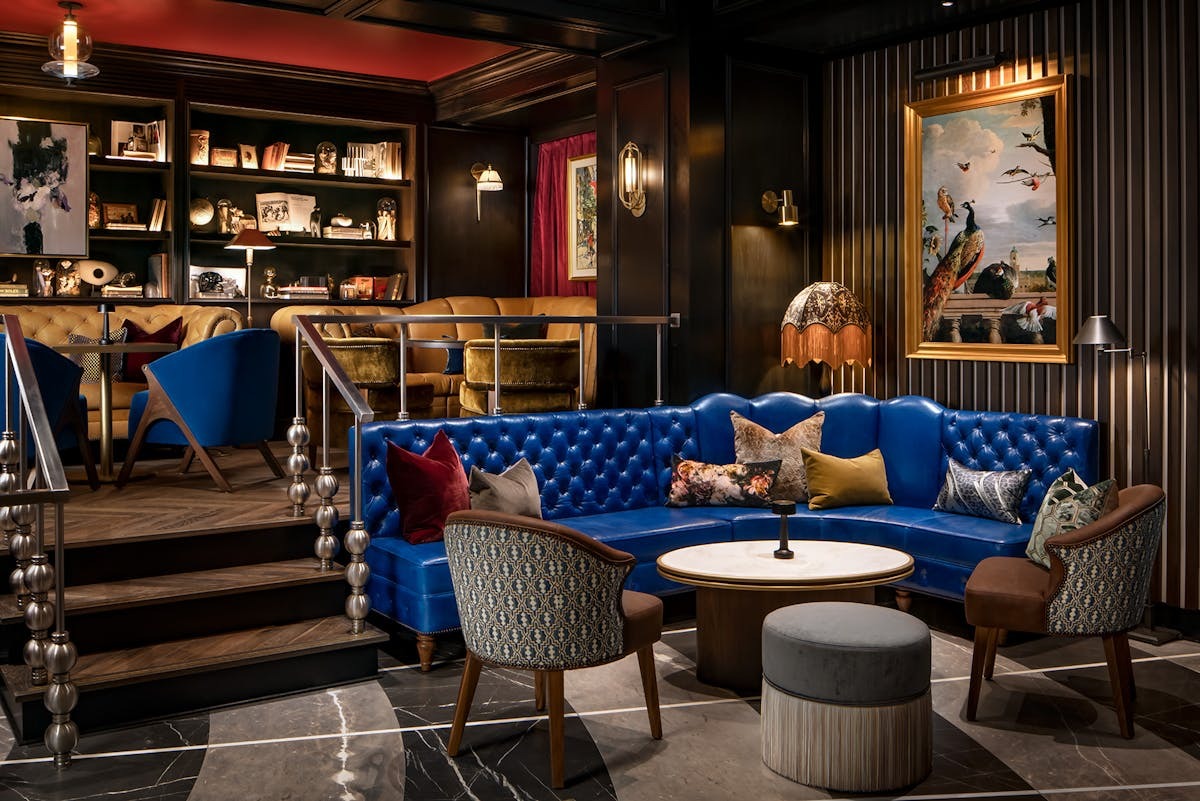
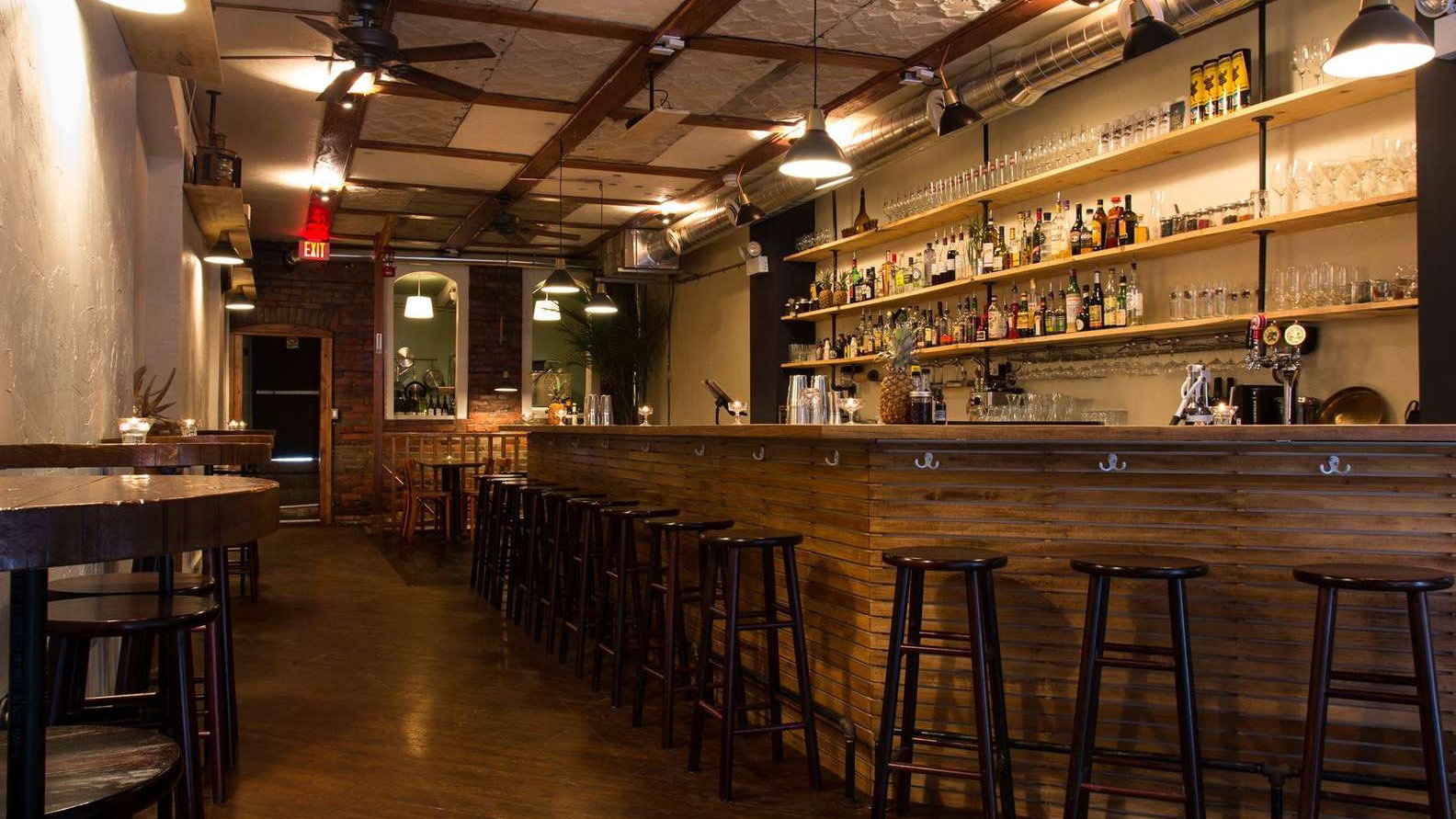
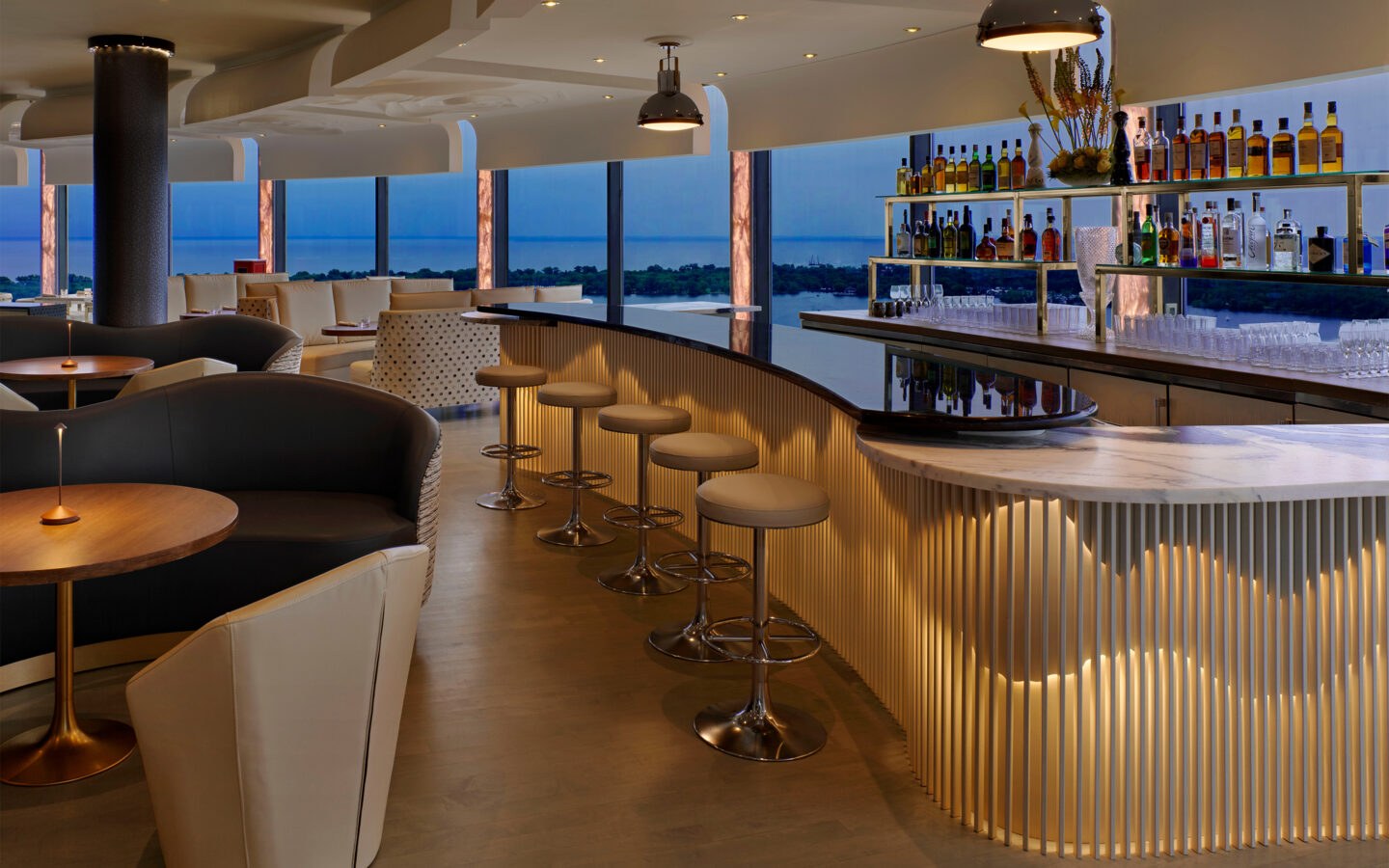
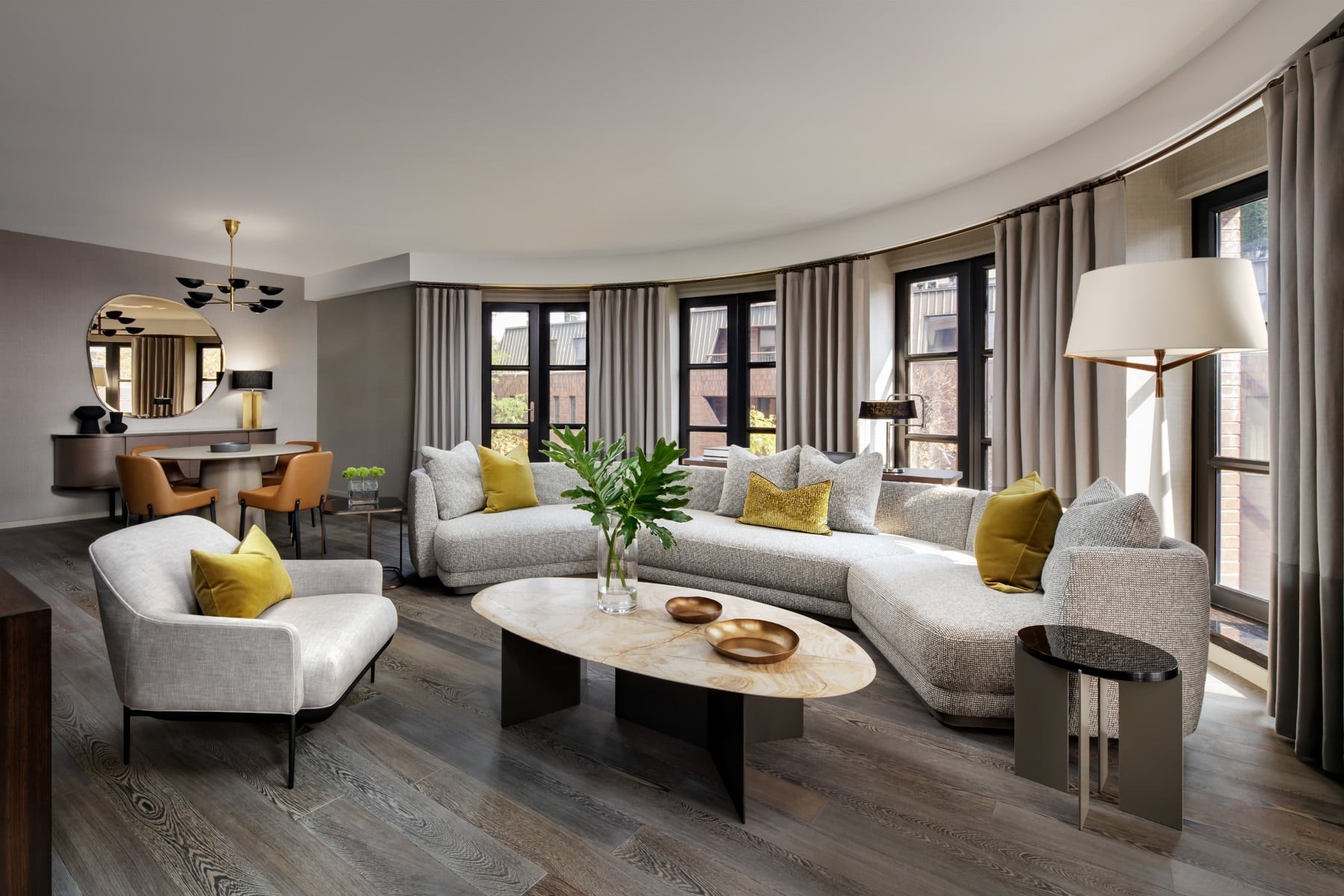
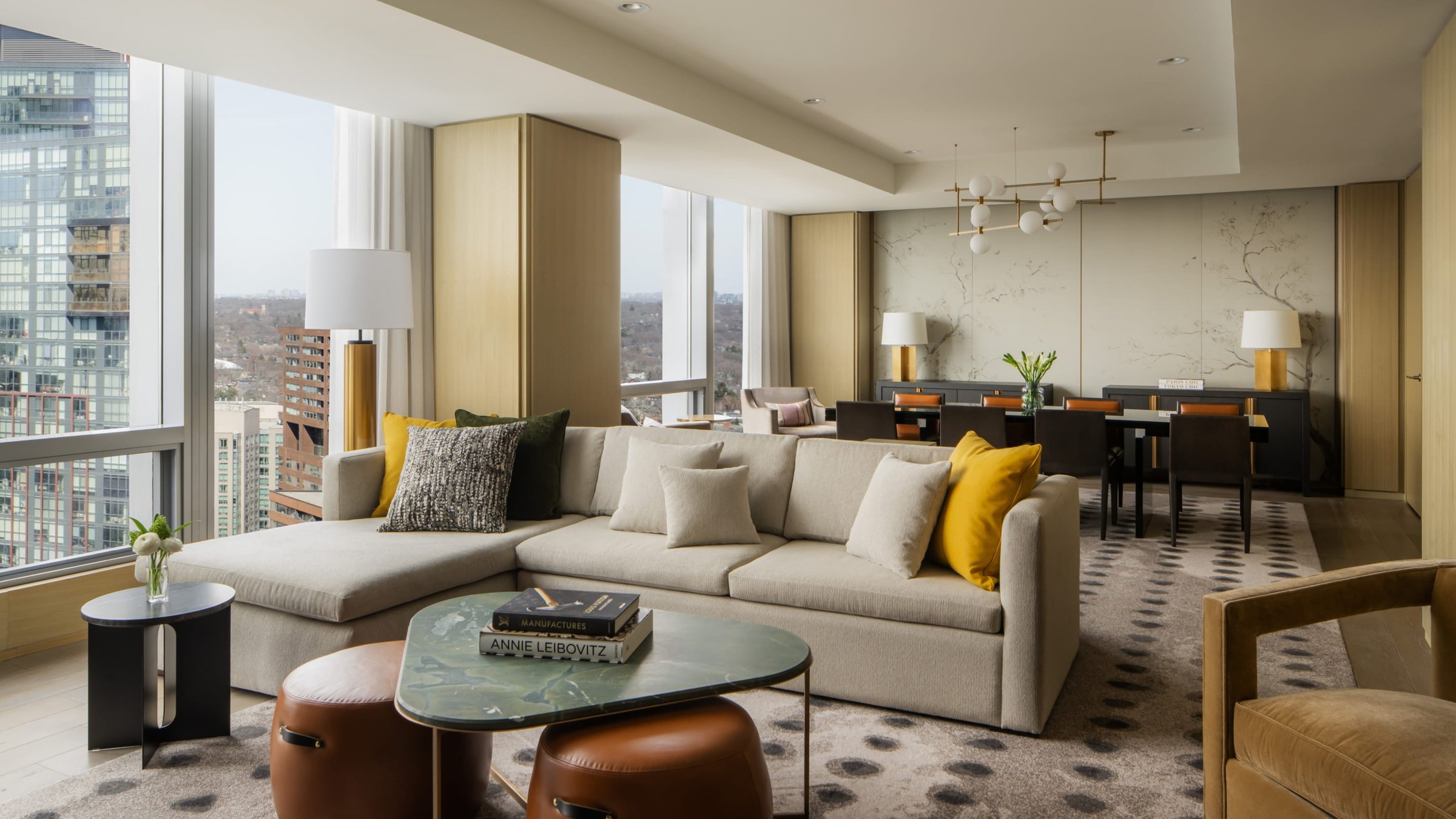
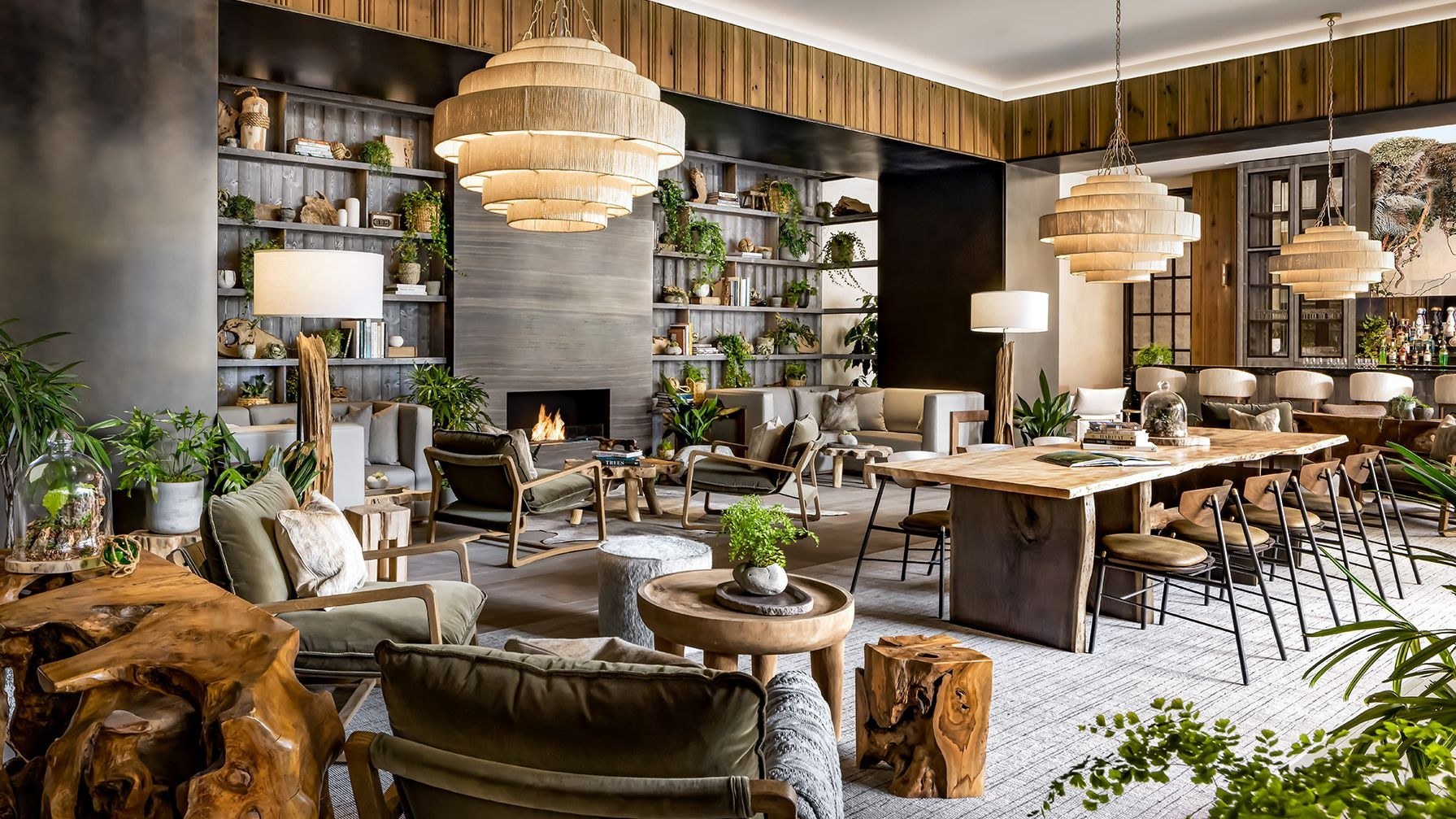
Relaxed and refined with natural light from skylights and giant windows, warm wood interiors, exposed brick, potted plants, and a swooping wood bar.
Tags
Vibe
Best For
Experience
Format
At the Bar
- Bar Category
- Wine Bar
Know before you go
Know Before You Go
- Getting there
- 146 Ossington Ave, Toronto, ON M6J 2Z5, Canada
Planning details
Location
146 Ossington Ave, Toronto, ON M6J 2Z5, Canada · Directions
Recognition and awards

Also consider
Also Consider
- Côte de Bœuf, Notable alternative
- Superpoint, Notable alternative
- Bar Koukla, Notable alternative
- Fallen Feather, Notable alternative
- Manita Ossington, Notable alternative
Bar context
How Paris Paris compares in Toronto
Paris Paris is the wine-first choice in this Ossington set, especially for groups who want a flexible night rather than a strict dinner plan. Côte de Bœuf is the stronger pick when food is the main event, while Paris Paris makes more sense when the bottle list is driving the booking.
For casual value, Superpoint is easier to justify when the group wants pizza, drinks, and low-pressure energy. Bar Koukla is better for a more bar-centered night, while Paris Paris suits drinkers who want wine depth without making the evening feel formal.
If the goal is an all-day neighborhood option, Manita Ossington is the cleaner fallback. Fallen Feather is worth cross-shopping for a different bar mood, but Paris Paris is the safer recommendation when the group's shared priority is wine and an easy booking.
Around this place
Discover more on Pearl
Unlock the full Paris Paris guide in Pearl, including awards, comparisons, FAQs, planning details, and nearby places.
Compare Paris Paris
| Venue | Location | Awards |
|---|---|---|
| Paris Paris | Toronto | Star Wine Lists 2026 |
| Côte de Bœuf | Toronto | No published awards |
| Superpoint | Toronto | No published awards |
| Bar Koukla | Toronto | No published awards |
| Fallen Feather | Toronto | No published awards |
| Manita Ossington | Toronto | No published awards |
How Paris Paris Toronto compares with similar nearby venues.
FAQ
Frequently Asked Questions
What's the crowd like at Paris Paris?
Crowd details are not specified. Paris Paris is in Toronto, has a smart casual dress code, and keeps later hours on Thursday, Friday, and Saturday.
Is the food good at Paris Paris?
Food details are not available. Its recognition is Star Wine List (2026), which relates to wine-list recognition rather than a dining award.
Is Paris Paris good for a date?
It may be a practical Toronto date option if its hours and smart casual dress code fit your plan. For menu, seating, or atmosphere details, check the venue directly before making plans.
Is Paris Paris good for groups?
Group suitability is not available. Key planning details include the Toronto location, smart casual dress code, Star Wine List (2026) recognition, and the posted weekly hours.