MARU Japanese Bistro
Leslieville, Toronto
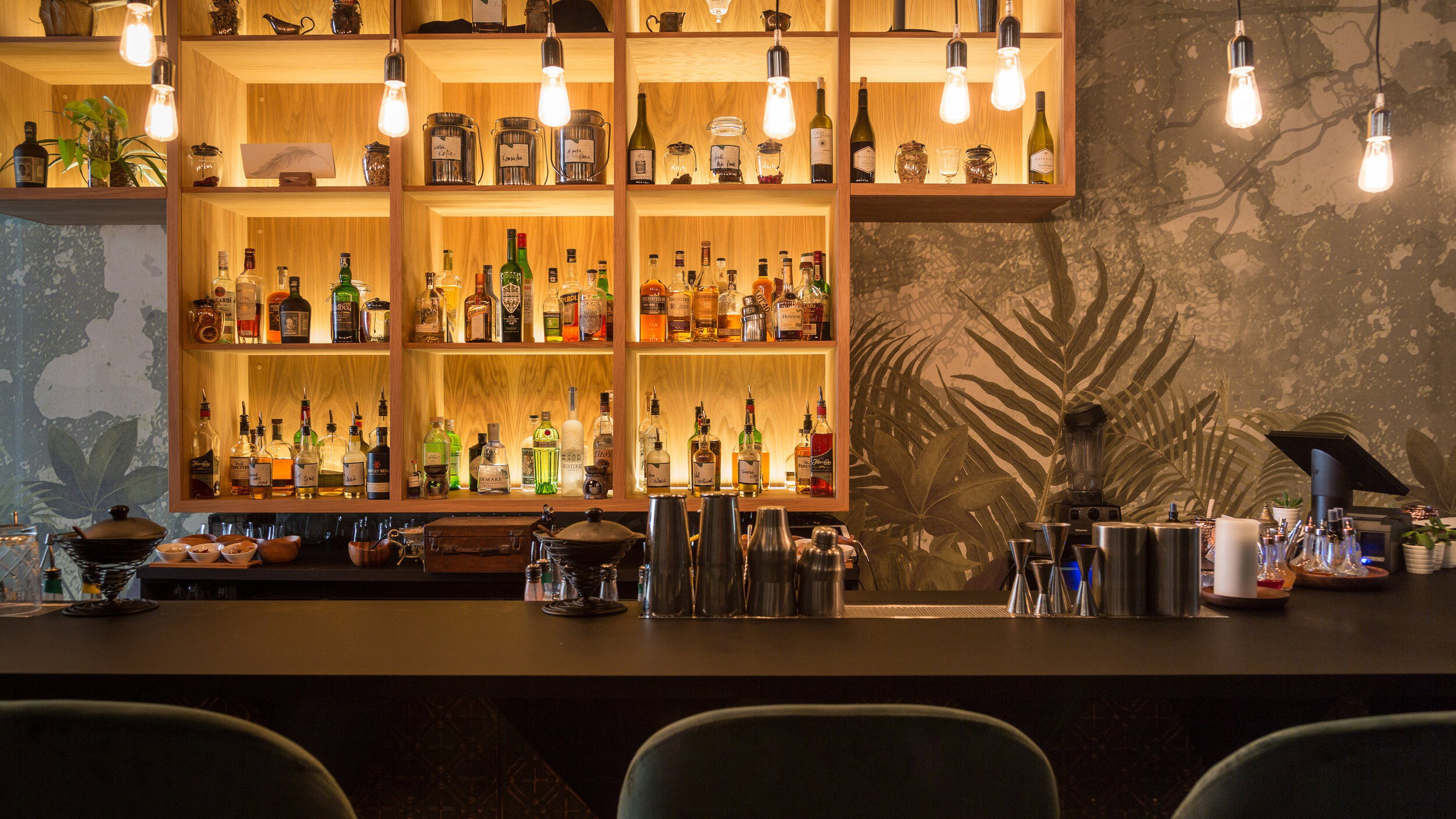
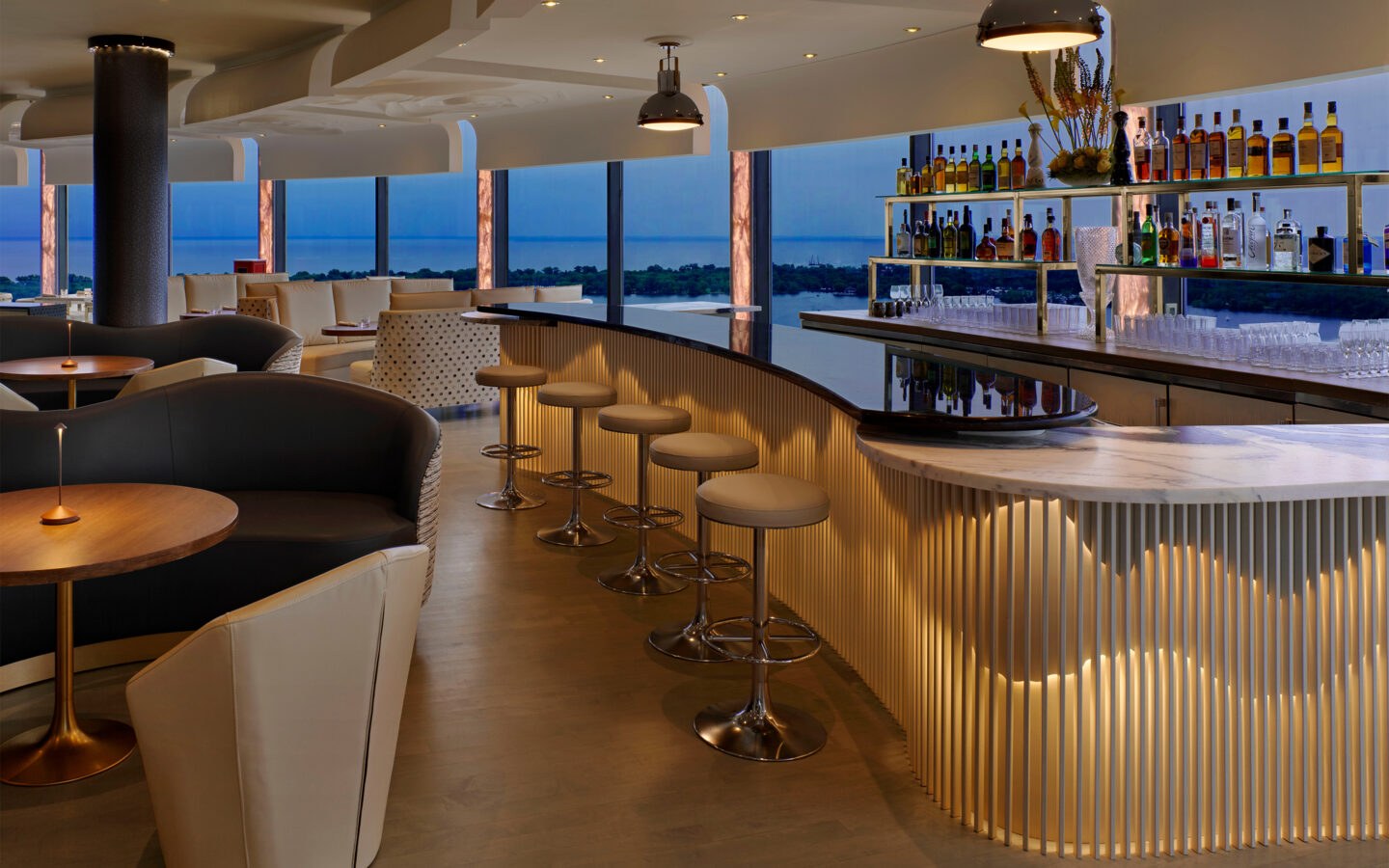
Bar in Toronto, Canada
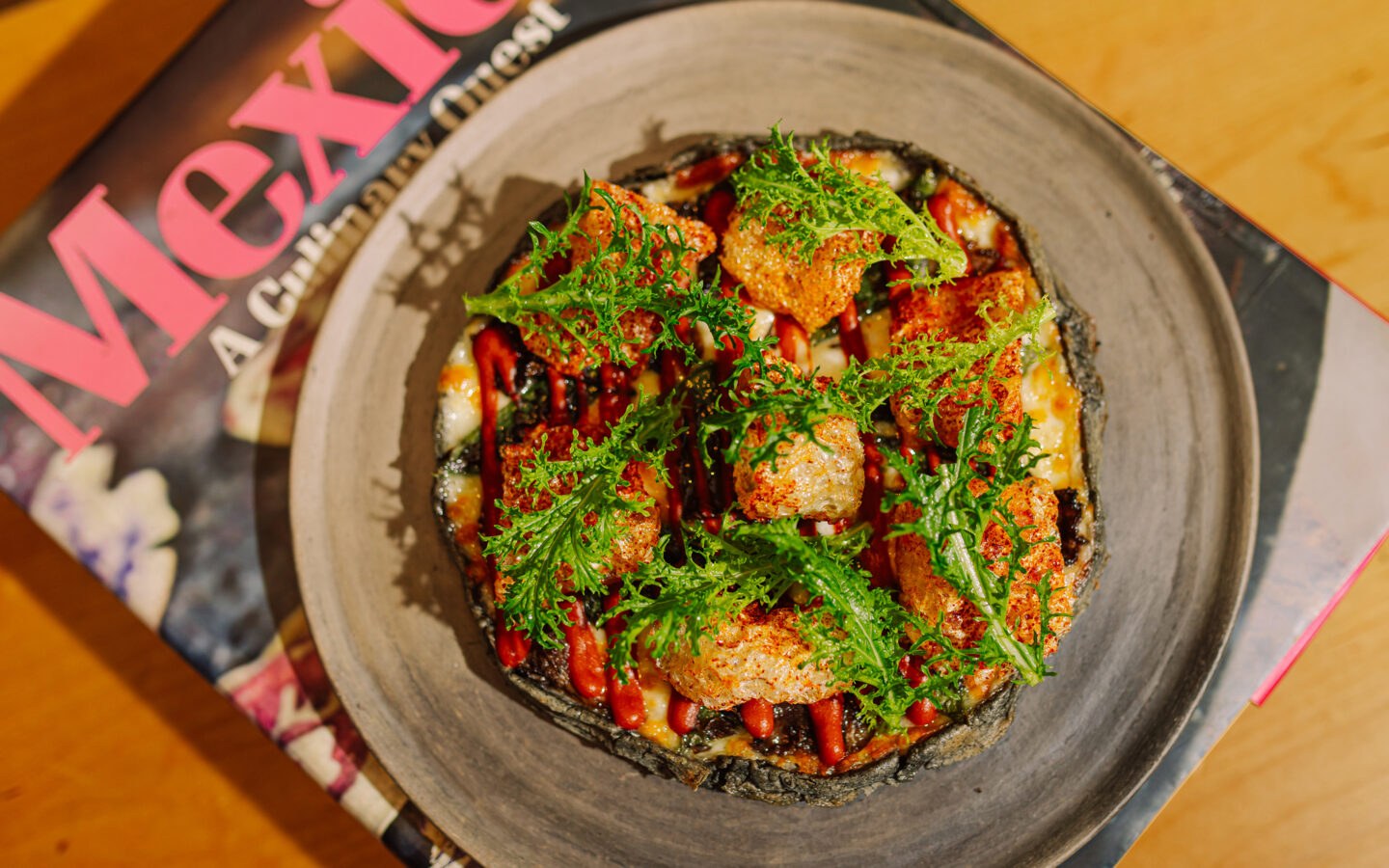
 Book with Pearl
Why go
MARU Japanese Bistro is a practical Queen Street East option when you want an easy Japanese-leaning meal without building the whole night around a hard reservation. It makes sense for casual plans and east-end itineraries; it is less persuasive for diners seeking published awards, a known chef format, or a high-stakes special-occasion booking.
About MARU Japanese Bistro
MARU Japanese Bistro is a Toronto venue. The basics are direct: it is in Toronto, the dress code is casual, and the posted schedule runs Wednesday, Thursday, and Sunday from 12–8:30 PM, Friday and Saturday from 4–10 PM, and closed Monday and Tuesday.
Because details like price range, awards, chef details, menu format, seating setup, or drinks program are not specified, it's best to evaluate MARU Japanese Bistro practically. Consider it when the posted hours and casual dress code fit your plan, rather than treating it as a destination booking built around accolades or a specific service style.
Book for ease, not for a high-stakes night out
Reservation difficulty, price range, or special-occasion format are not specified. That means the decision should be based on the basics: Toronto location, casual dress code, and whether the current hours work for your schedule.
Value also cannot be fully assessed. Without pricing or menu details, it is better to check the venue directly before making plans that depend on budget, dietary needs, specific dishes, or a particular dining format.
Good fit for a Toronto plan, weaker as a standalone destination
MARU Japanese Bistro can be considered as part of a broader Toronto itinerary, especially if its posted opening days and casual dress code match the kind of stop you need. Readers comparing across categories can use our full Toronto restaurants guide for meal-focused alternatives, then look at our full Toronto bars guide if the night is about drinks after dinner.
For broader comparison planning, other Toronto options in Pearl's coverage include Barrio Cervecería, Belle Isle, FARMACIA HEALTH BAR, Godspeed Brewery, and Rorschach Brewing Co. Use those as general reference points, but confirm each venue's current details directly before building a plan around hours, group needs, outdoor seating, or specific services.
Quick reference: choose MARU Japanese Bistro if you want a casual Toronto option and the posted hours fit; compare elsewhere if the night depends on specific pricing, awards, a named beverage program, or a specific dining format.
Planning details
- Location
- 1402 Queen St E, Toronto, ON M4L 1C9, Canada
- Reservations
- Book on Resy
- Website
- marubistro.com
- Phone
- +1 416 466 4666
The take
The Take
The Vibe
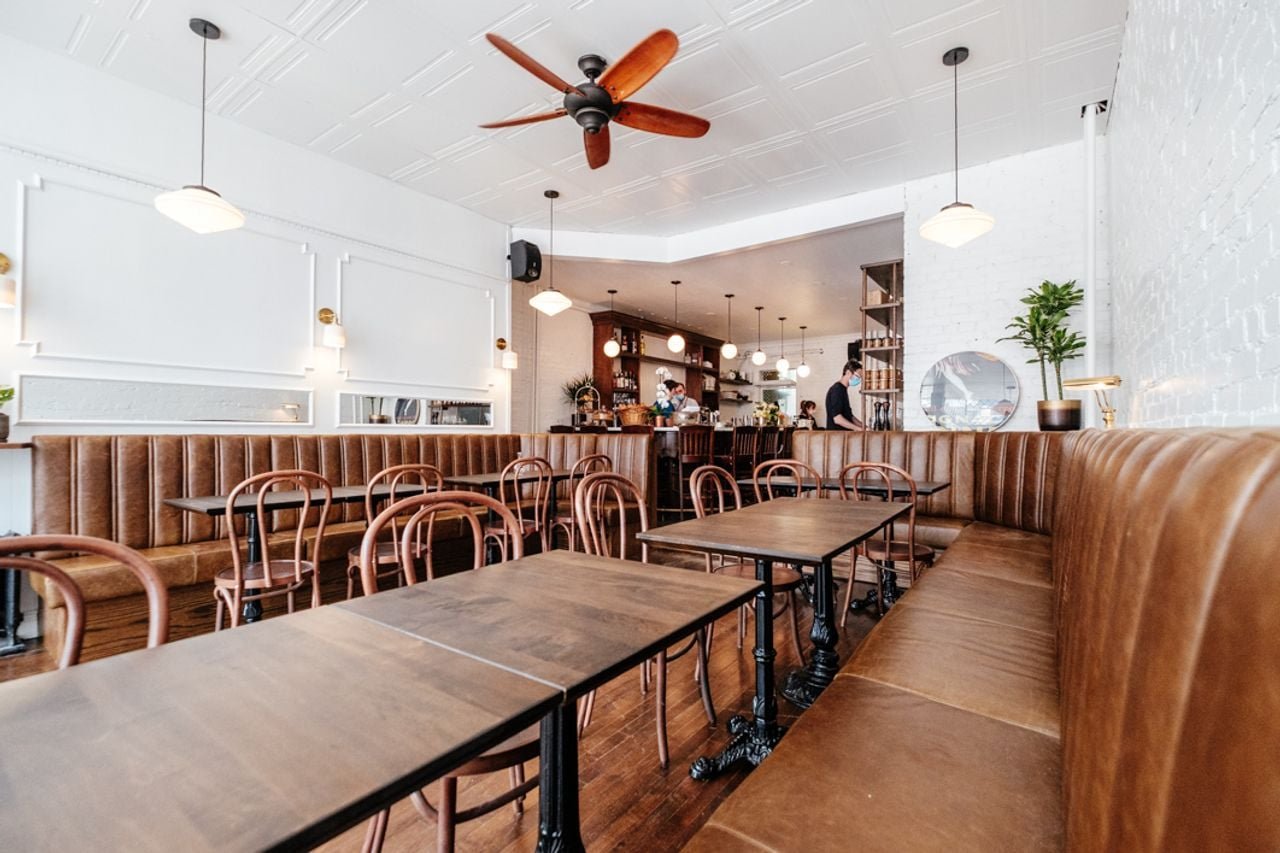
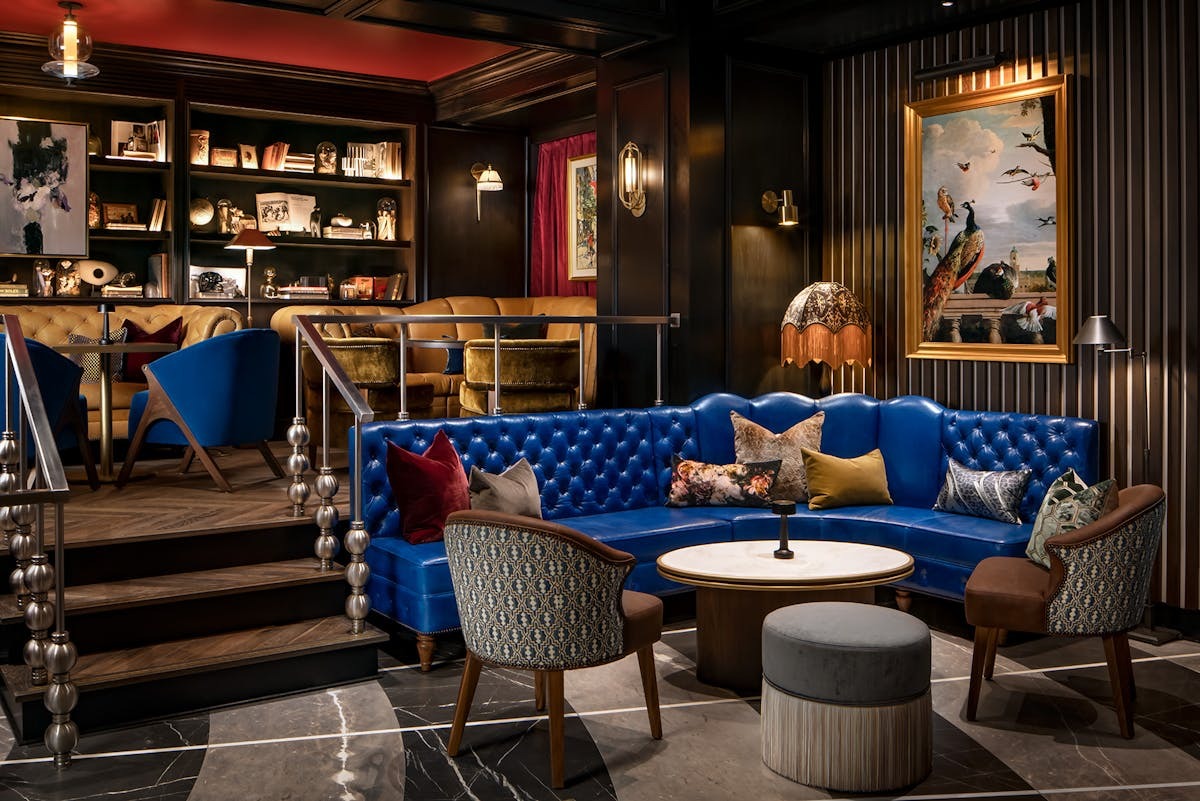
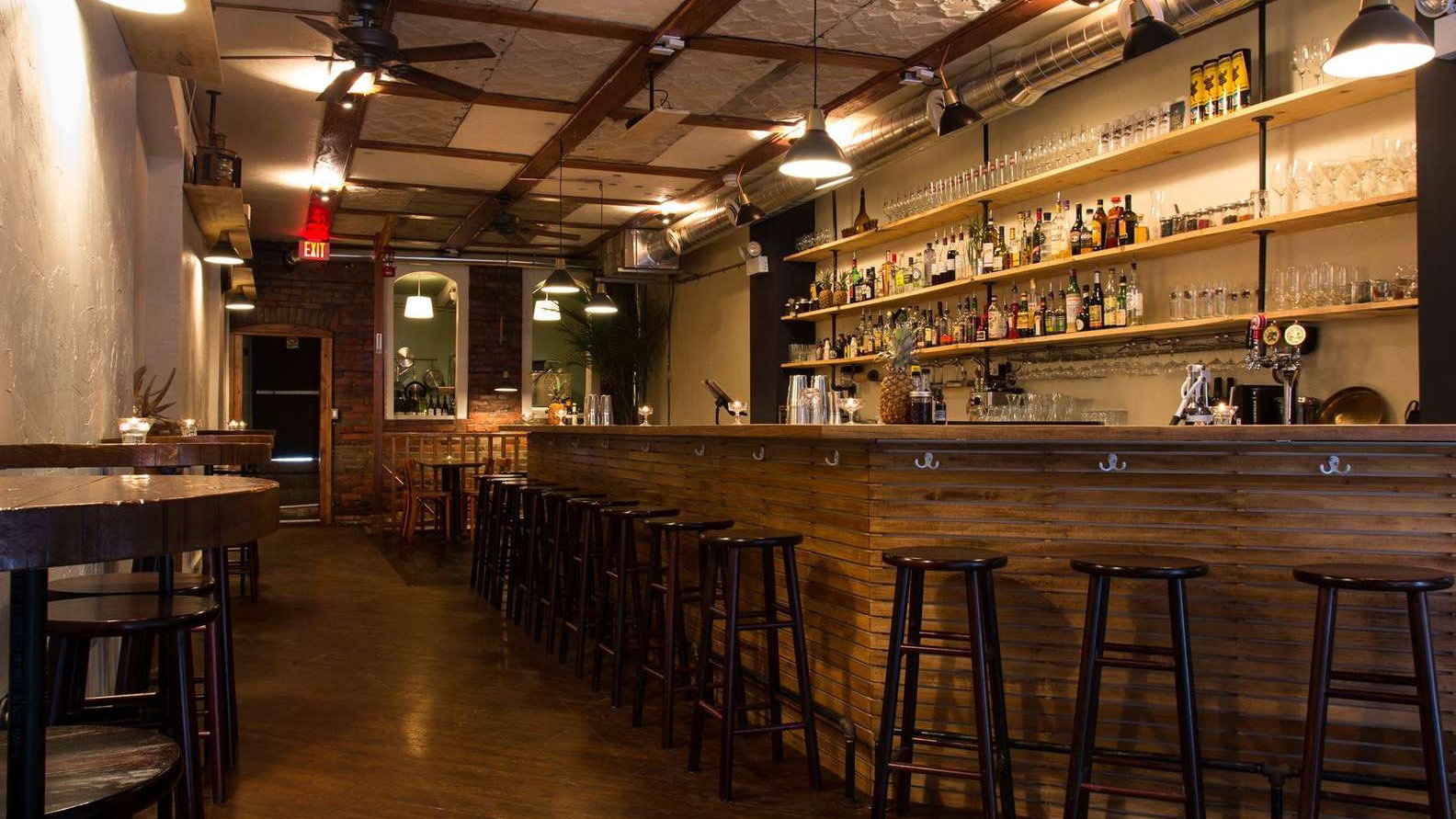
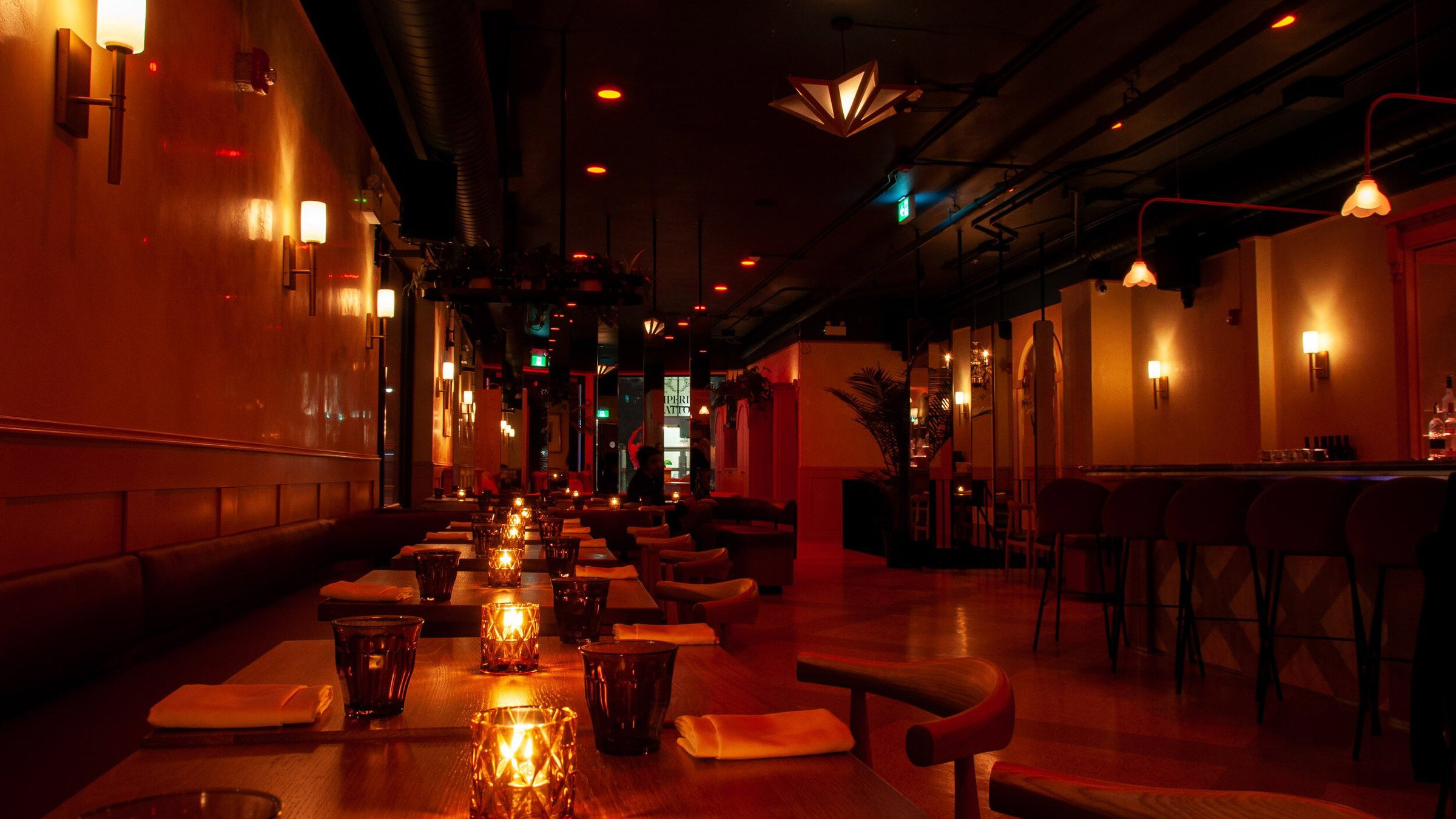
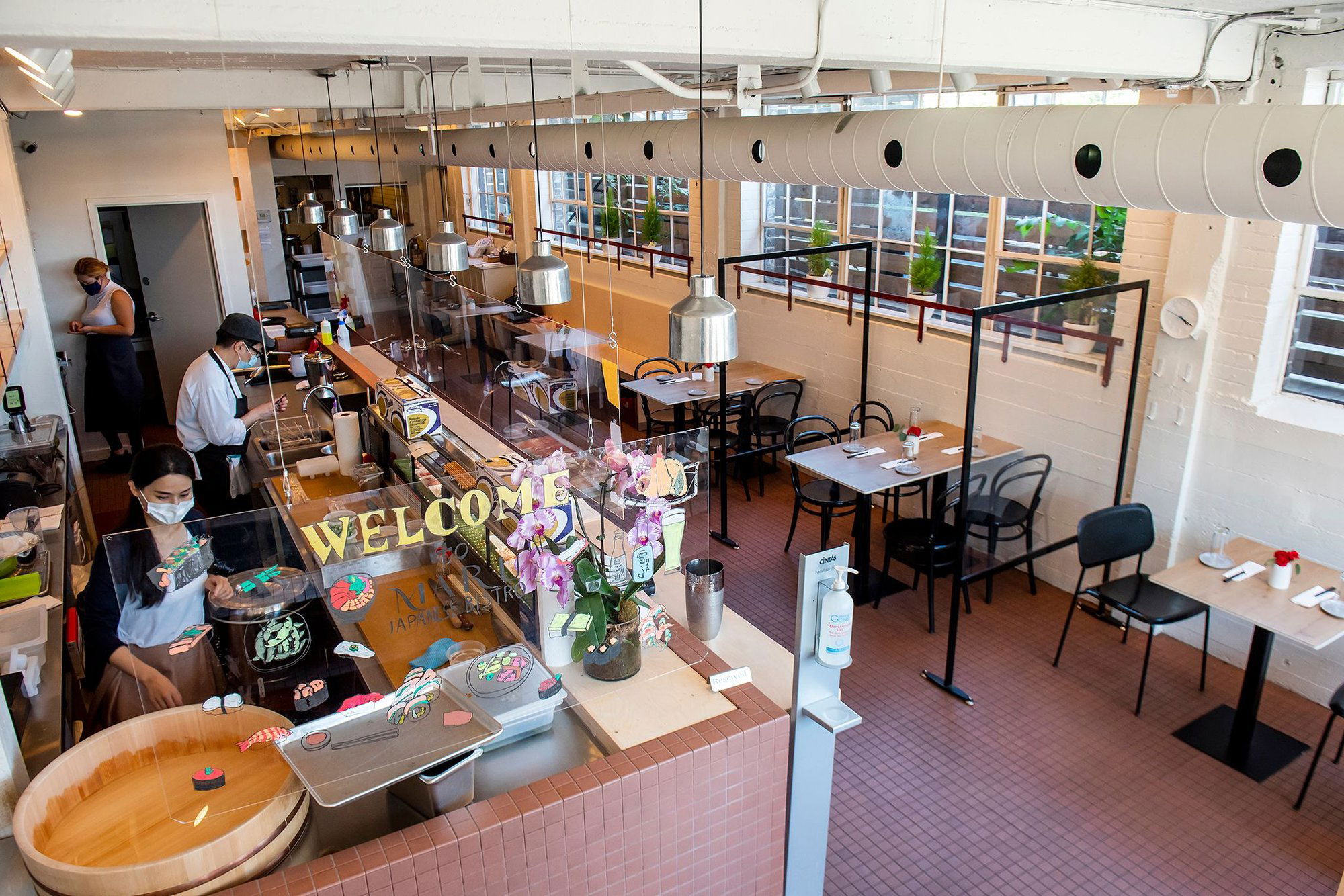
MARU presents a compact, drink‑forward izakaya sensibility in Leslieville: small rooms and a personal kitchen make the dining room feel intimate and approachable. The bar‑centric format keeps the mood casual but purposeful, prioritizing shared plates and a tight drinks list that steer the evening. The writing frames the bistro as a neighbourhood anchor rather than a destination spectacle, so the energy stays human‑scaled—conversational, social and focused on sustaining a relaxed session rather than delivering a formal multi‑course anchor to the night.
Best For
This is a night‑time, after‑work proposition: an izakaya‑style bistro that thrives on small plates and drinks rather than a sit‑down tasting menu. It suits pairs and small groups who want a relaxed, convivial evening in Leslieville—neighbors dropping by for a few drinks, repeat visitors sampling rotating plates, and couples seeking an intimate date night that feels unpretentious. Because the kitchen is designed to extend the session, plan MARU as a place to linger through cocktails and shared dishes at dinner service.
Ordering Tips
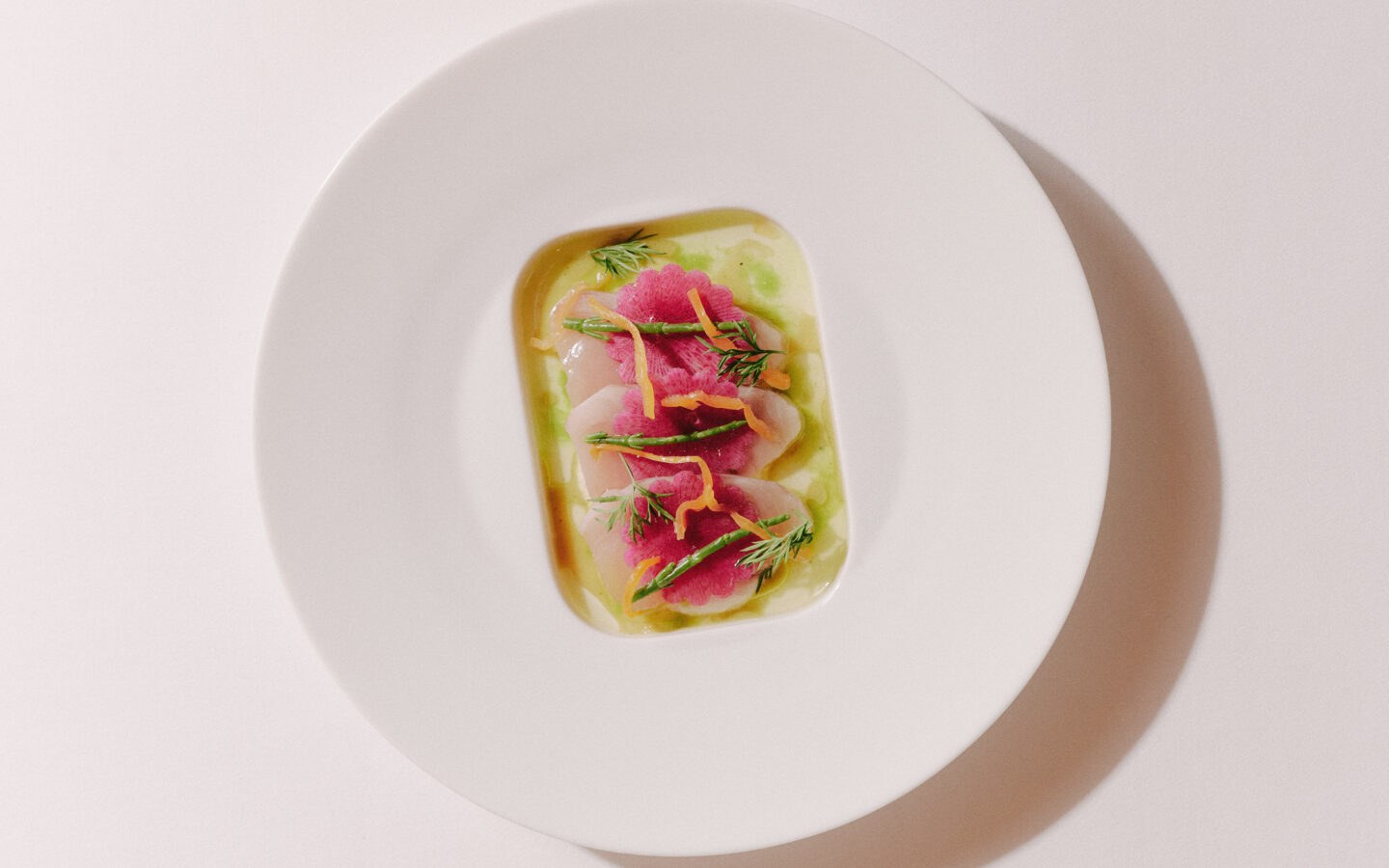
Order with the izakaya logic in mind: pick several small plates that play off the tight drinks list rather than a single large entrée. The editorial notes that the kitchen cycles saline, fatty and acidic flavors to reset the palate—alternate items with those contrast points to keep the session lively. Let the bar guide you: the venue emphasizes a curated drinks program, so ask staff for pairings or to steer you through the limited list. Come prepared to share and to pace the meal across a few rounds rather than one plated course.
Venue details
Ambiance
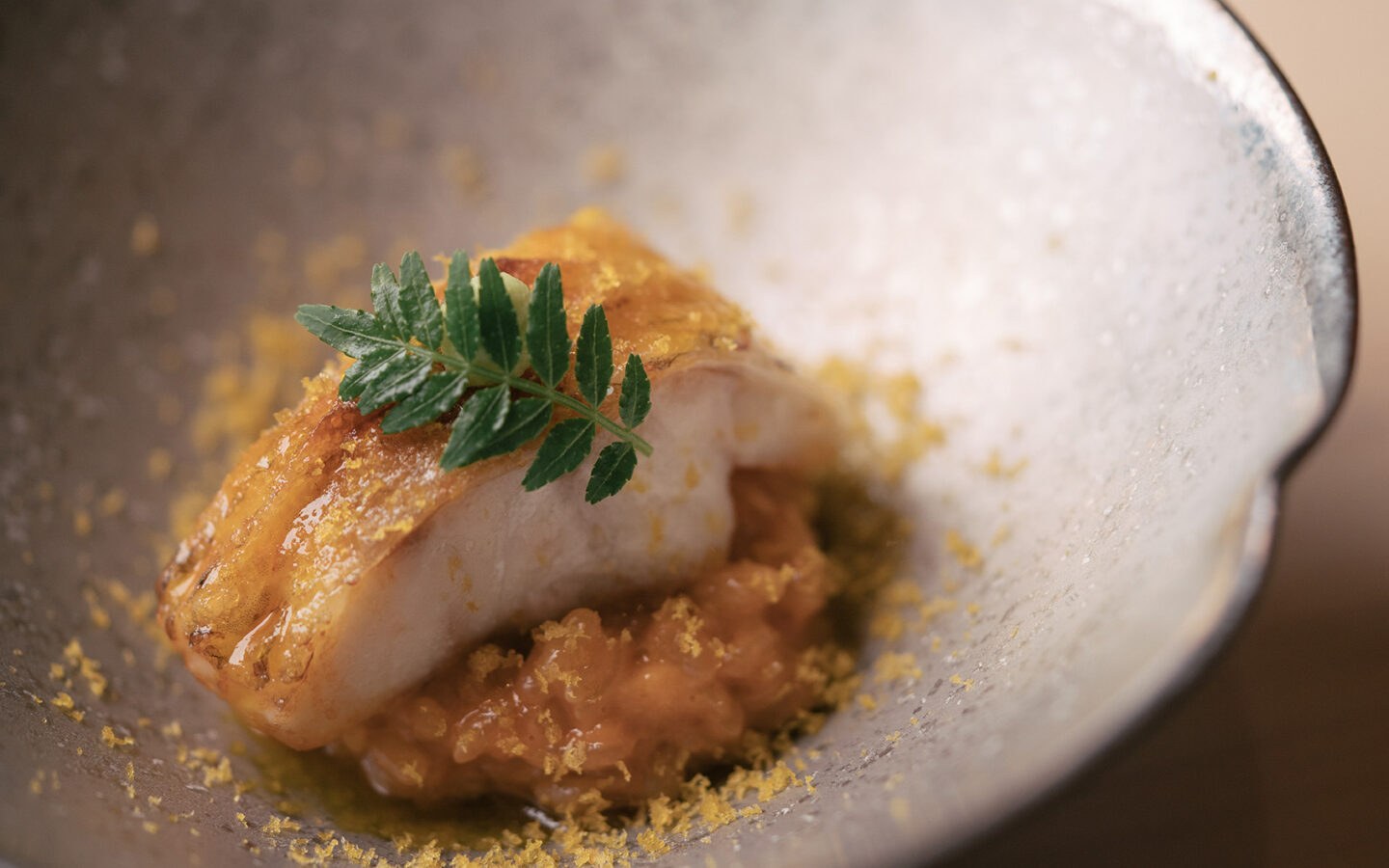
Welcoming and cordial with soft music, friendly attentive staff, and meticulous presentation.
Tags
Vibe
Best For
Experience
Format
Accessibility
At the Bar
- Bar Category
- Sake Bar
- Late Night
- Closes by 10pm
- Music
- Soft Music
Signature Pours
- hojicha peach lemonade
- matcha yuzuade
Know before you go
Know Before You Go
- Getting there
- 1402 Queen St E, Toronto, ON M4L 1C9, Canada
Planning details
Location
Also consider
Also Consider
- Rorschach Brewing Co., Notable alternative
- Belle Isle, Notable alternative
- Godspeed Brewery, Notable alternative
- Barrio Cervecería, Notable alternative
- FARMACIA HEALTH BAR, Notable alternative
Bar context
How it compares for value and effort
MARU Japanese Bistro is the easier meal-first choice if the plan starts with dinner on Queen Street East and the group does not want a bar-led night. Rorschach Brewing Co. Godspeed Brewery, and Barrio Cervecería make more sense when beer, drinks, and a looser hangout format matter more than a bistro meal.
For ambiance, the decision is format-driven. Choose MARU Japanese Bistro when the evening needs a sit-down restaurant feel. Choose Belle Isle if the night is more about a bar stop, or FARMACIA HEALTH BAR if the group wants a lighter, wellness-leaning stop rather than a conventional dinner.
On booking difficulty, MARU Japanese Bistro has the advantage for low-friction planning. The peers listed here are stronger cross-shops when the value of the night comes from drinks, casual energy, or a flexible crawl. For a food-first plan in Toronto's east end, start with MARU Japanese Bistro; for a drinks-first plan, start with Rorschach Brewing Co. or Godspeed Brewery.
Around this place
Discover more on Pearl
Unlock the full MARU Japanese Bistro guide in Pearl, including awards, comparisons, FAQs, planning details, and nearby places.
Compare MARU Japanese Bistro
| Venue | Location | Awards |
|---|---|---|
| MARU Japanese Bistro | Toronto | No published awards |
| Rorschach Brewing Co. | Toronto | No published awards |
| Belle Isle | Toronto | No published awards |
| Godspeed Brewery | Toronto | 2025 Canada's 50 Best Bars · #41 |
| Barrio Cervecería | Toronto | No published awards |
| FARMACIA HEALTH BAR | Toronto | No published awards |

How MARU Japanese Bistro Toronto compares with similar nearby venues.
FAQ
Frequently Asked Questions
Is MARU Japanese Bistro good for groups?
Group suitability is not specified. If you are planning for a group, confirm directly with MARU Japanese Bistro before relying on seating, reservations, or party-size availability.
What's the best time to go to MARU Japanese Bistro?
Use the posted hours to choose your timing. MARU Japanese Bistro is open Wednesday, Thursday, and Sunday from 12–8:30 PM, and Friday and Saturday from 4–10 PM. It is closed Monday and Tuesday.
Is MARU Japanese Bistro good for a date?
It may suit a casual date if the Toronto location, casual dress code, and posted hours fit your plan. Details about ambiance, seating style, pricing, or reservations are not available, so confirm directly if those factors matter.
Is MARU Japanese Bistro open late?
MARU Japanese Bistro is not typically a late-night venue. Its latest closing time is 10 PM on Friday and Saturday. Wednesday, Thursday, and Sunday close at 8:30 PM.