Kintaro Izakaya
Church and Wellesley, Toronto
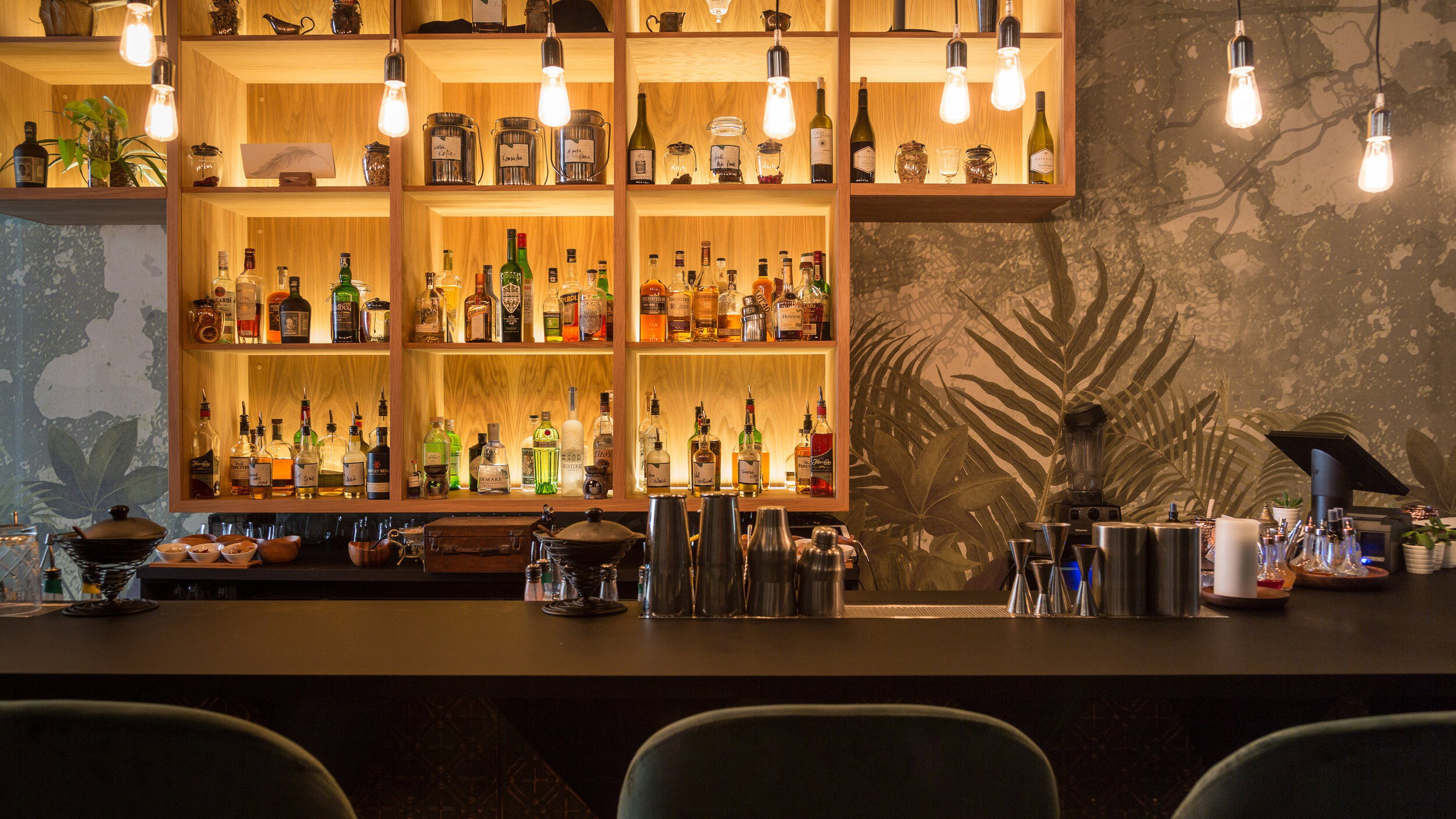
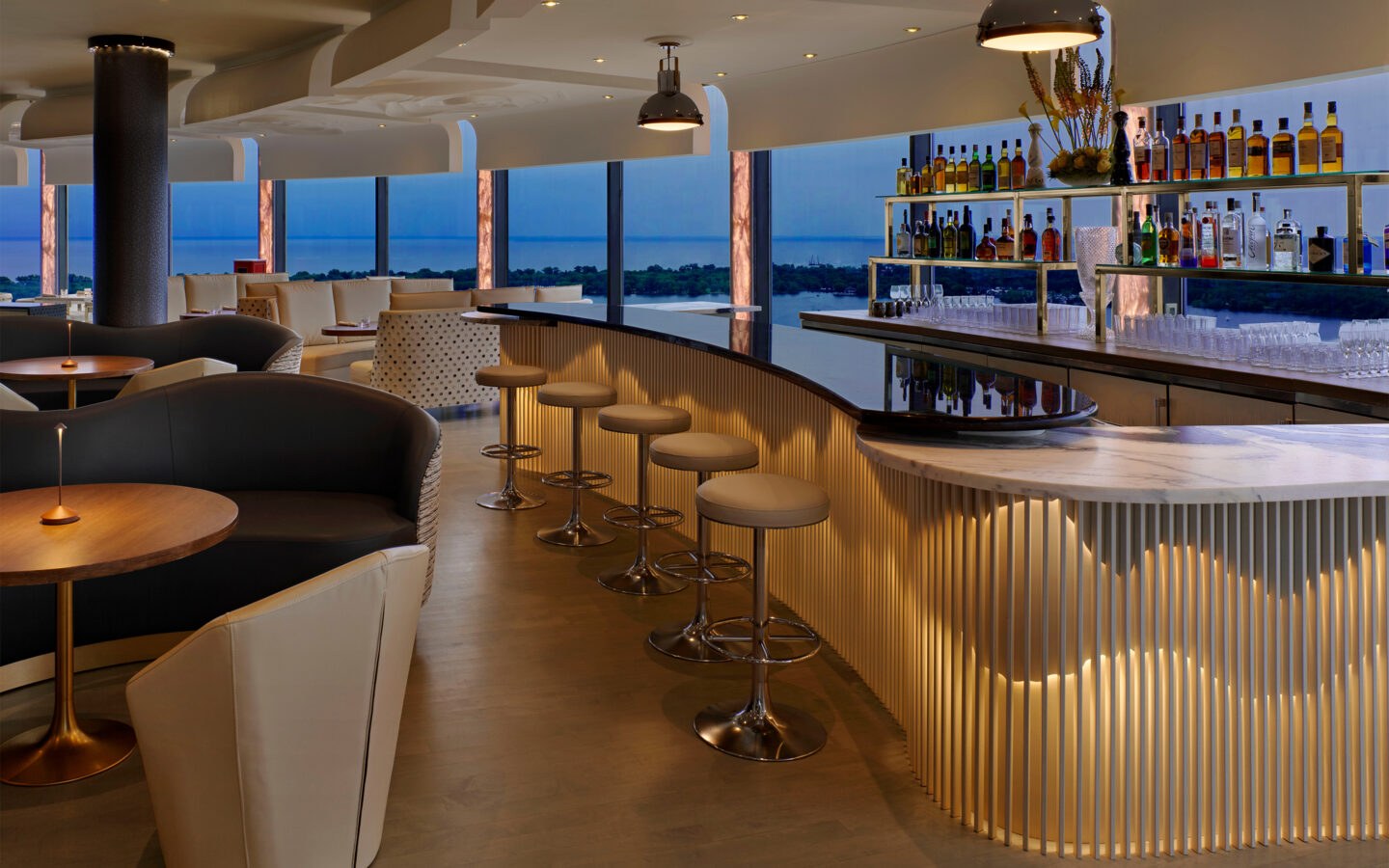
Bar in Toronto, Canada
 Book with Pearl
The Read
Price
$20–30per person
Why go
Kintaro Izakaya is a practical Church Street option for a casual Toronto group night, especially when the plan needs flexibility more than ceremony. Treat it as a late-friendly, easygoing pick for four or more, not a destination dinner built around awards, chef credentials, or a confirmed tasting format.
About Kintaro Izakaya
Kintaro Izakaya is a Toronto venue with casual dress and evening hours every day. It opens at 5 PM daily, stays open until 1 AM Monday through Thursday and Sunday, and stays open until 2 AM on Friday and Saturday. For planning purposes, it is a casual Toronto option with late-night hours.
It is best not to over-plan around specifics such as a particular menu, drink program, chef, price tier, or service format. Kintaro Izakaya is a practical evening stop to research directly before you go, especially if your plans depend on a specific dish, reservation need, dietary accommodation, or group setup.
A casual Toronto pick with late-night hours
The tradeoff is that there is not enough detail to sell it as a destination restaurant on food credentials alone. Awards, chef-led format, named signature dishes, price tier, or seating details are not available, so the safer recommendation is practical rather than celebratory: consider it when casual dress and late hours matter, and confirm any finer details directly.
For readers building a broader Toronto plan, this sits closer to the practical end of the decision tree. Use our full Toronto restaurants guide when dinner quality is the anchor, our full Toronto bars guide when drinks drive the night, and our full Toronto hotels guide if location needs to line up with where the group is staying. Our full Toronto experiences guide and our full Toronto wineries guide are better for planning around the meal rather than relying on specifics about this venue.
Who should choose it first
Choose Kintaro Izakaya if you want a casual Toronto venue with evening and late-night hours. Skip making it the anchor for a milestone dinner, a quiet business meal, or a trip planned around a chef name, award trail, specific cuisine, or set menu unless you confirm those details directly. In that sense, the value is situational: it is most useful when the basics fit your night.
Planning details
- Location
- 459 Church St, Toronto, ON M4Y 2C5, Canada
- Website
- kintaroizakaya.com
- Phone
- +1 647 560 5335
The take
The Take
The Vibe
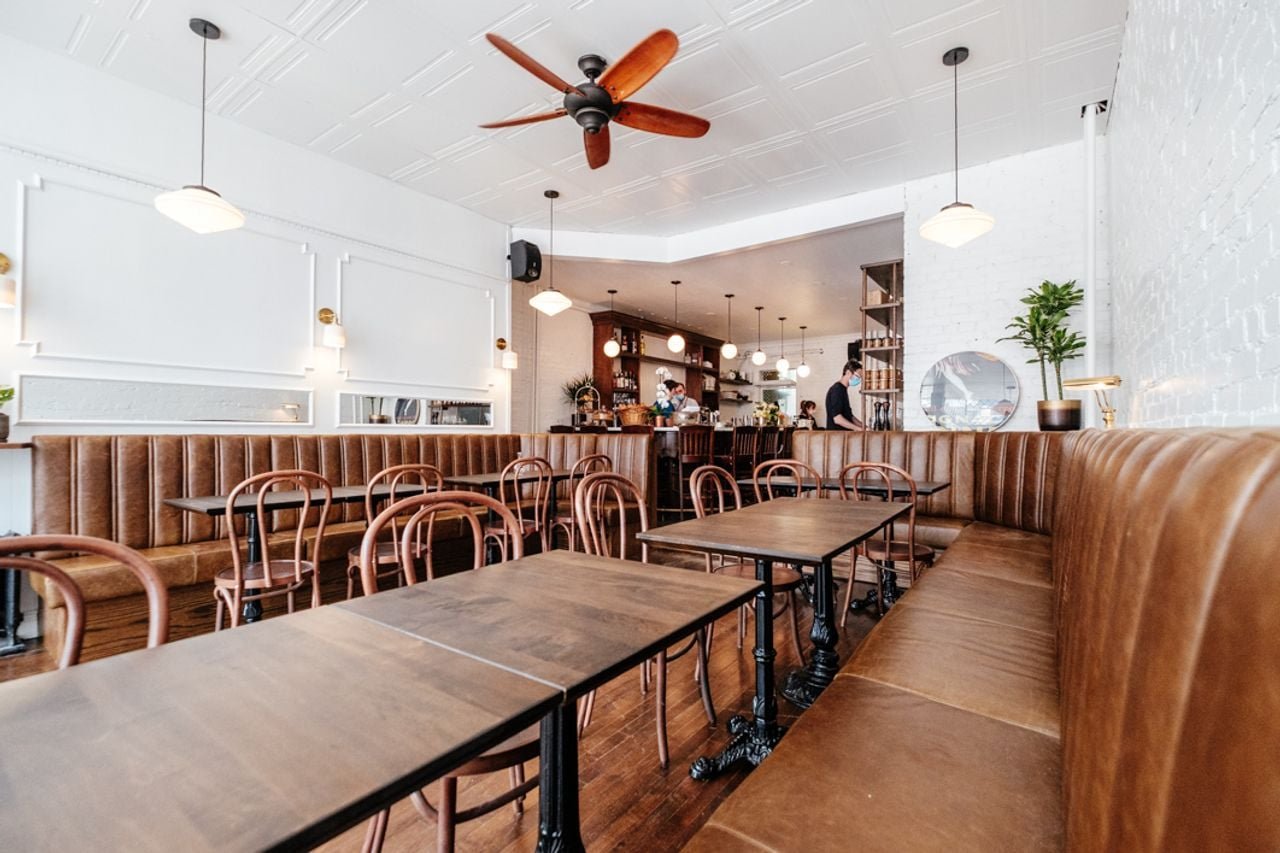
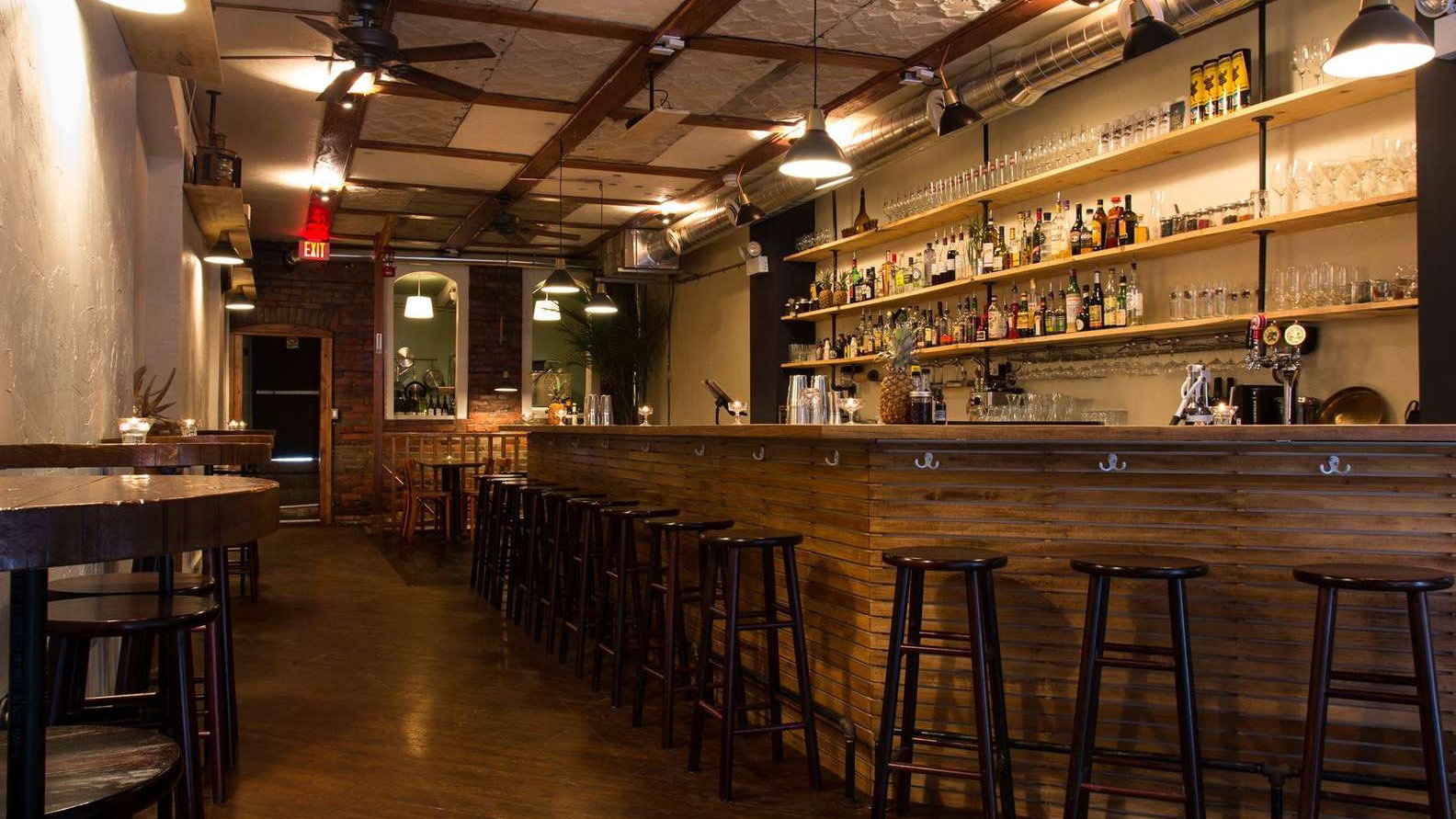
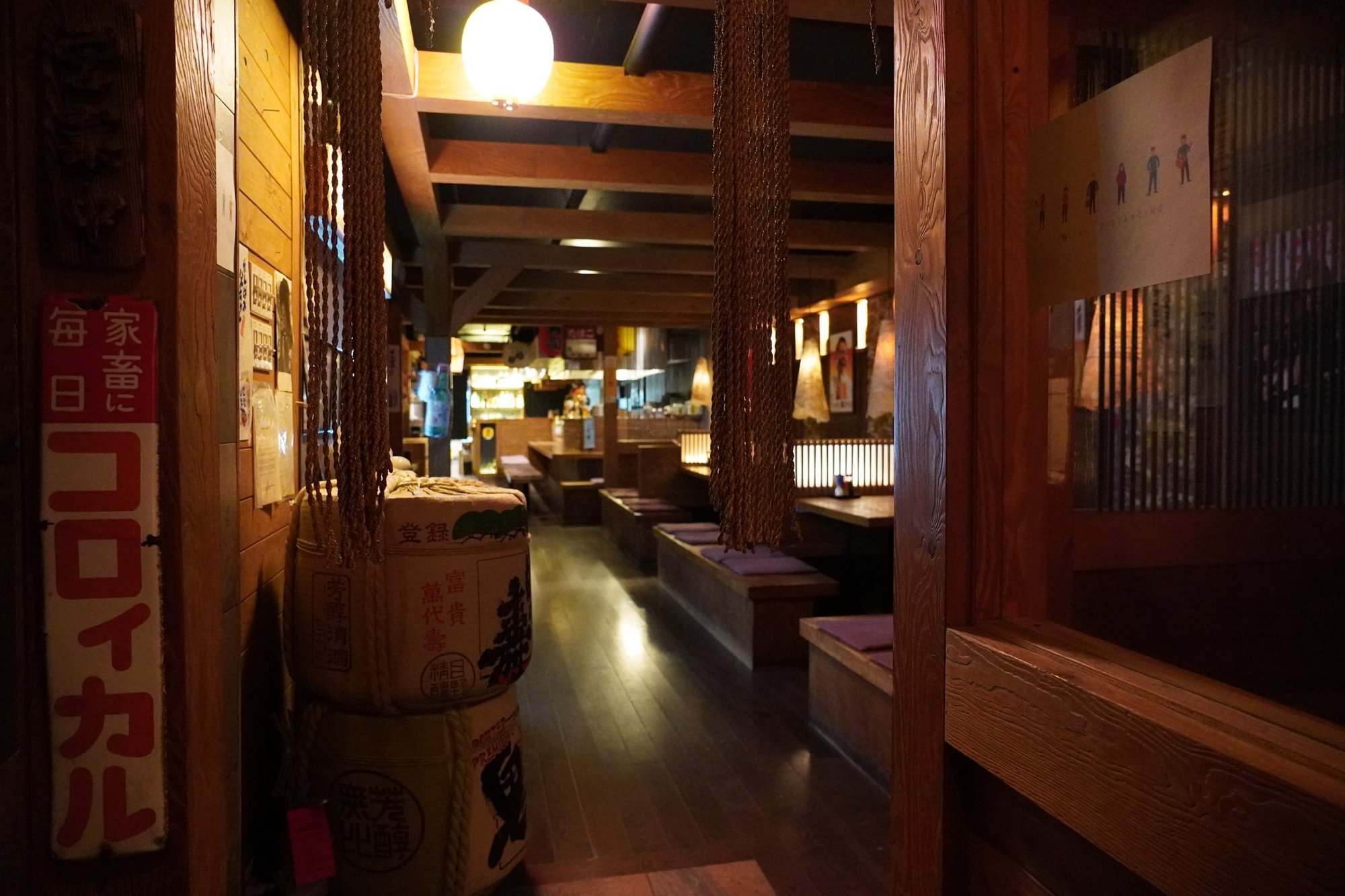
Kintaro Izakaya feels like a straightforward, unpretentious neighbourhood spot that leans into the izakaya tradition: shared small plates, communal tables, and a social tempo set by groups rather than the kitchen. Located on Church Street in the Village, the place emphasizes provenance and thoughtful sourcing within a mid-range price point, but it keeps service relaxed and unceremonious. The writing frames it as approachable and conversational, the sort of place that favors generous, sharable cooking and a convivial crowd over formality or presentation flourishes.
Best For
This is a go-to for after-work stands and casual group dinners: the format rewards ordering a handful of plates to pass around and letting the table set the pace. It performs best in the evening — dinner into late-night — when colleagues, friends, and small groups can trade skewers and beers without fuss. Because the dining room privileges communal seating and a social rhythm, it’s less about solitary tasting and more about lively conversation and shared bites among a small party.
Ordering Tips
Order with sharing in mind: the izakaya model here is built around small plates, grilled skewers (yakitori-style) and fried snacks meant to circulate. Pace your choices to match the table — start with a few skewers and snacks, add larger grilled items as the group settles in, and pair simply with cold beer or casual drinks. The copy also flags an attention to provenance, so expect the kitchen to focus on where proteins and produce come from rather than elaborate single-plate presentations.
Venue details
Ambiance
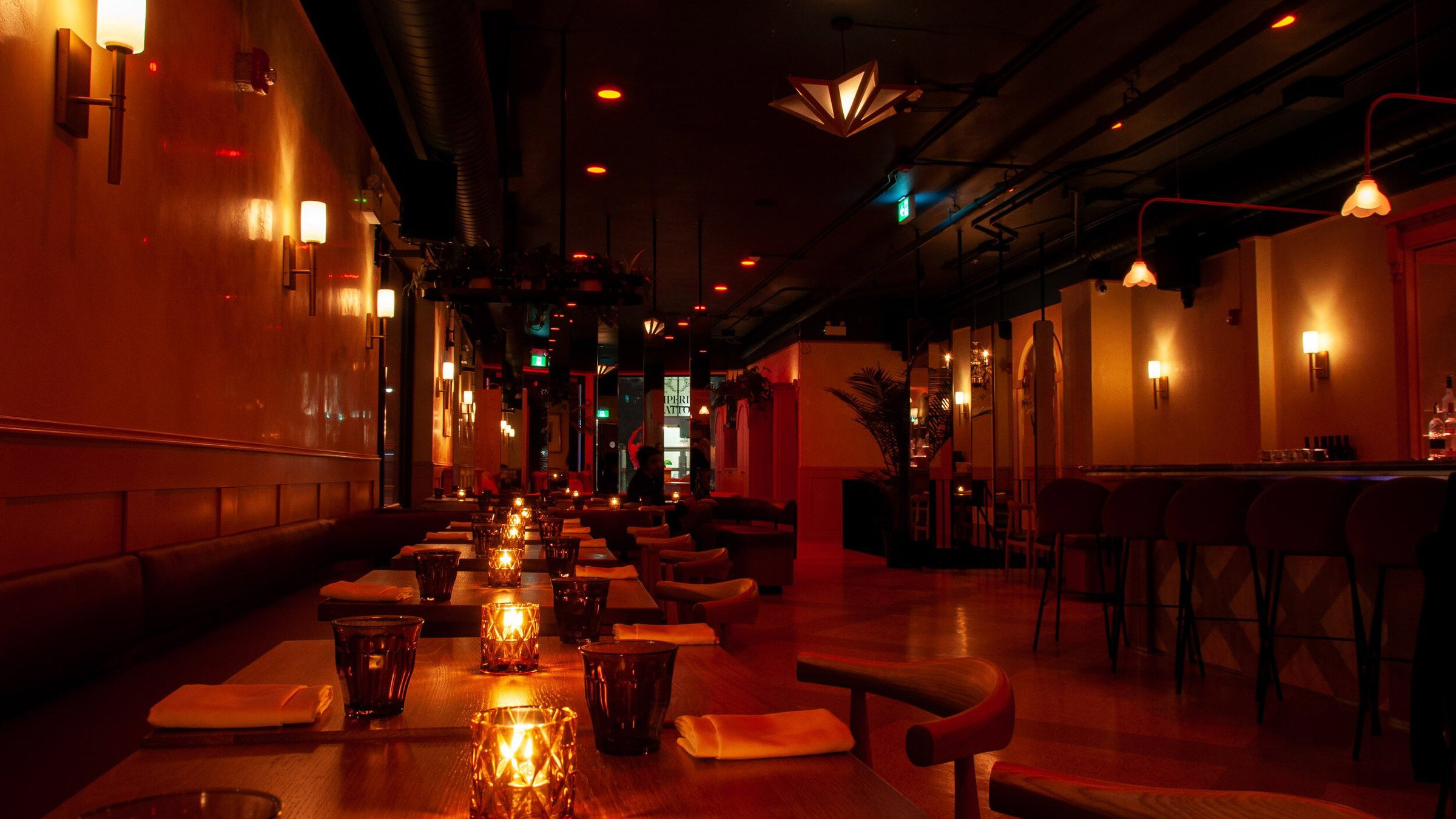
Cozy and casual Japanese atmosphere with a bustling, convivial vibe praised for its warmth and authenticity.
Tags
Vibe
Best For
Experience
Format
At the Bar
- Bar Category
- Sake Bar
- Late Night
- Open Until 2am
Signature Pours
Matcha Melon
Know before you go
Know Before You Go
- Getting there
- 459 Church St, Toronto, ON M4Y 2C5, Canada
Planning details
Location
Also consider
Where to go if this does not fit
Try Woosuk Pocha if the goal is another social, casual group night in Toronto. Pick PLANTA if the group needs a more diet-flexible dinner choice with a clearer plant-forward angle.
Bar context
How it compares
Kintaro Izakaya is the practical group pick in this set: choose it when the night needs flexibility and a casual shared-table rhythm. Kanari Restaurant is the better cross-shop if the group wants a more restaurant-led evening, while Woosuk Pocha is the closer alternative for a social, late-night feel.
For a quieter or more flexible daytime-to-evening plan, Page One Coffee + Bar is easier to slot into a looser itinerary. If sushi is the actual craving, J San Sushi Bar is the cleaner choice than treating an izakaya as a sushi substitute. For plant-forward dining or a group with dietary constraints, PLANTA is the safer pick.
Booking difficulty appears easier here than at venues where the meal is the whole event, so the decision is less about securing a trophy table and more about matching the room to the night. Choose Kintaro Izakaya for a relaxed group hang; choose Kanari Restaurant or PLANTA when the dinner itself needs to feel more planned.
Around this place
Discover more on Pearl
Unlock the full Kintaro Izakaya guide in Pearl, including awards, comparisons, FAQs, planning details, and nearby places.
Compare Kintaro Izakaya
| Venue | Location | Awards |
|---|---|---|
| Kintaro Izakaya | Toronto | No published awards |
| Kanari Restaurant | Toronto | No published awards |
| Woosuk Pocha | Toronto | No published awards |
| Page One Coffee + Bar | Toronto | No published awards |
| J San Sushi Bar | Toronto | No published awards |
| PLANTA | Toronto | No published awards |
How Kintaro Izakaya Toronto compares with similar nearby venues.
FAQ
Frequently Asked Questions
Is Kintaro Izakaya open late?
Yes. Kintaro Izakaya opens at 5 PM daily and stays open until 1 AM Monday through Thursday and Sunday, then until 2 AM on Friday and Saturday.
What's the best time to go to Kintaro Izakaya?
Hours begin at 5 PM daily. If timing matters, check directly before you go; crowd patterns or reservation details are not available.
What is Kintaro Izakaya known for?
Kintaro Izakaya is known for its Toronto location, casual dress code, and evening-to-late-night hours.