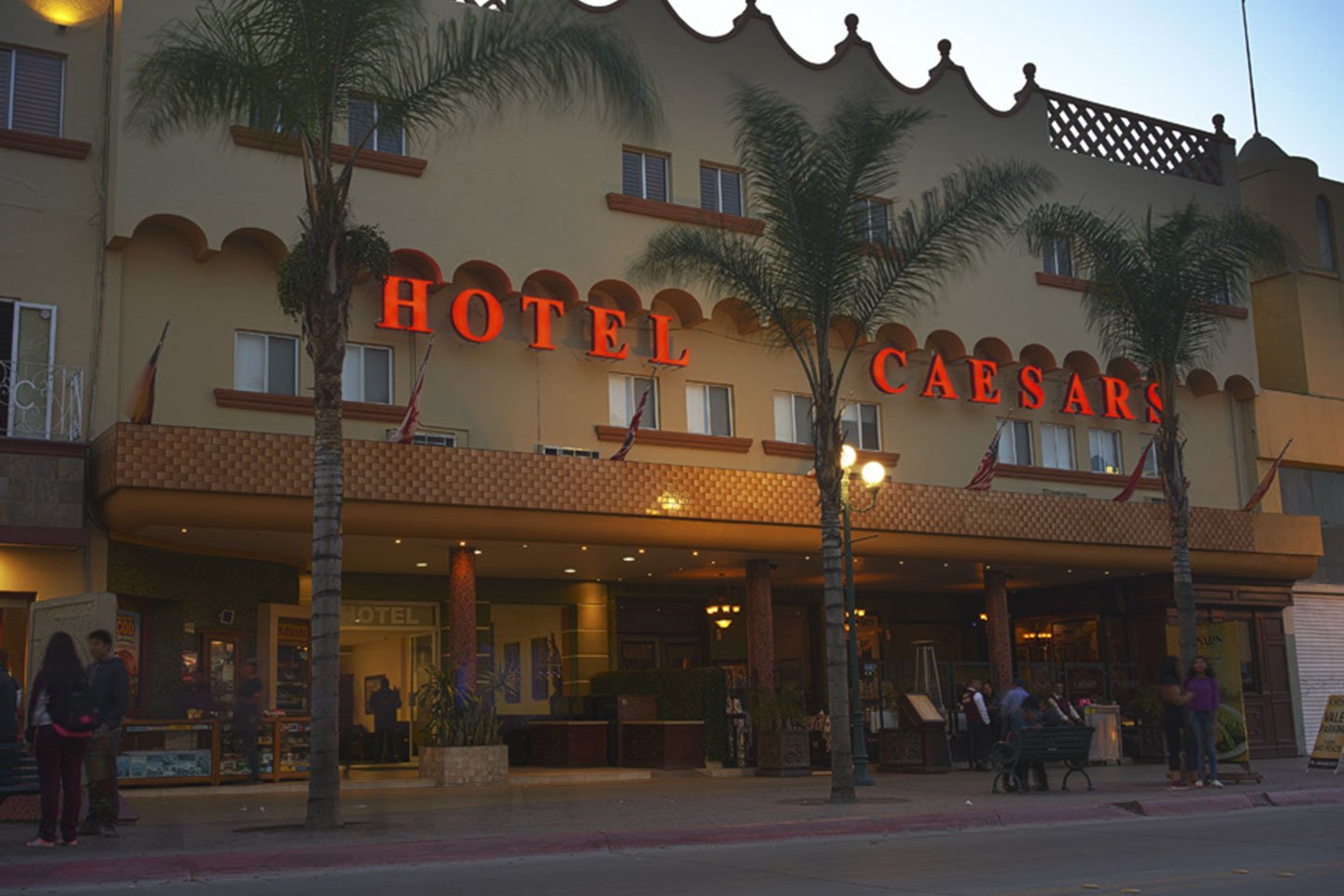
Caesar's Restaurante
Zona Centro, Tijuana
Bar in Tijuana, Mexico
 Book with Pearl
Why go
Caesar's Restaurante is a practical Zona Centro pick for groups, dates, and low-pressure celebrations when central location and easy planning matter more than a high-concept format. Go early evening with 4+ people, especially if dinner needs to connect cleanly with bars or border-crossing logistics.
About Caesar's Restaurante
Caesar's Restaurante is a Tijuana restaurant with daily operating hours and a smart casual dress code. It is open Monday through Thursday from 12–9:30 PM, Friday and Saturday from 12–10 PM, and Sunday from 12–8:30 PM.
Plan around the details available rather than assuming a specific cuisine, menu format, price tier, seating setup, or service style. For readers building a fuller trip, our full Tijuana restaurants guide, our full Tijuana bars guide, and our full Tijuana experiences guide are better starting points for sequencing the night.
Plan with the basics
Caesar's Restaurante can be considered when you want a Tijuana restaurant with known hours and a smart casual dress expectation. Details such as table size, booking policy, menu breadth, outdoor seating, takeout, delivery, or dietary accommodations are not specified, so confirm those directly before making plans for a larger party.
For a date or small dinner, the same caution applies: the useful details are the city, the hours, and the smart casual dress code. It should not be described as a chef-counter restaurant, tasting-menu destination, luxury dining room, or drinks-led venue unless those details are specified.
Plan the timing around the group, not the hype
The practical timing note is to work within the published hours. Caesar's Restaurante opens at 12 PM daily, closes at 9:30 PM Monday through Thursday, 10 PM on Friday and Saturday, and 8:30 PM on Sunday. Groups should avoid planning too close to closing, especially on Sunday when the evening window is shorter.
If this is one stop in a broader plan, compare it with other venues you are considering, such as Aruba Day Drink, Atalaya, La Bella Pizza, Spoon House Korean Cuisine and Cocktails, or The Balboa South, using the details available for each. For hotels and broader planning, use our full Tijuana hotels guide and other Tijuana travel resources.
Planning details
- Location
- Av. Revolución 8190, Zona Centro, 22000 Tijuana, B.C., Mexico
- Website
- tijuanacaesars.com
- Phone
- +52 664 685 1927
The take
The Take
The Vibe
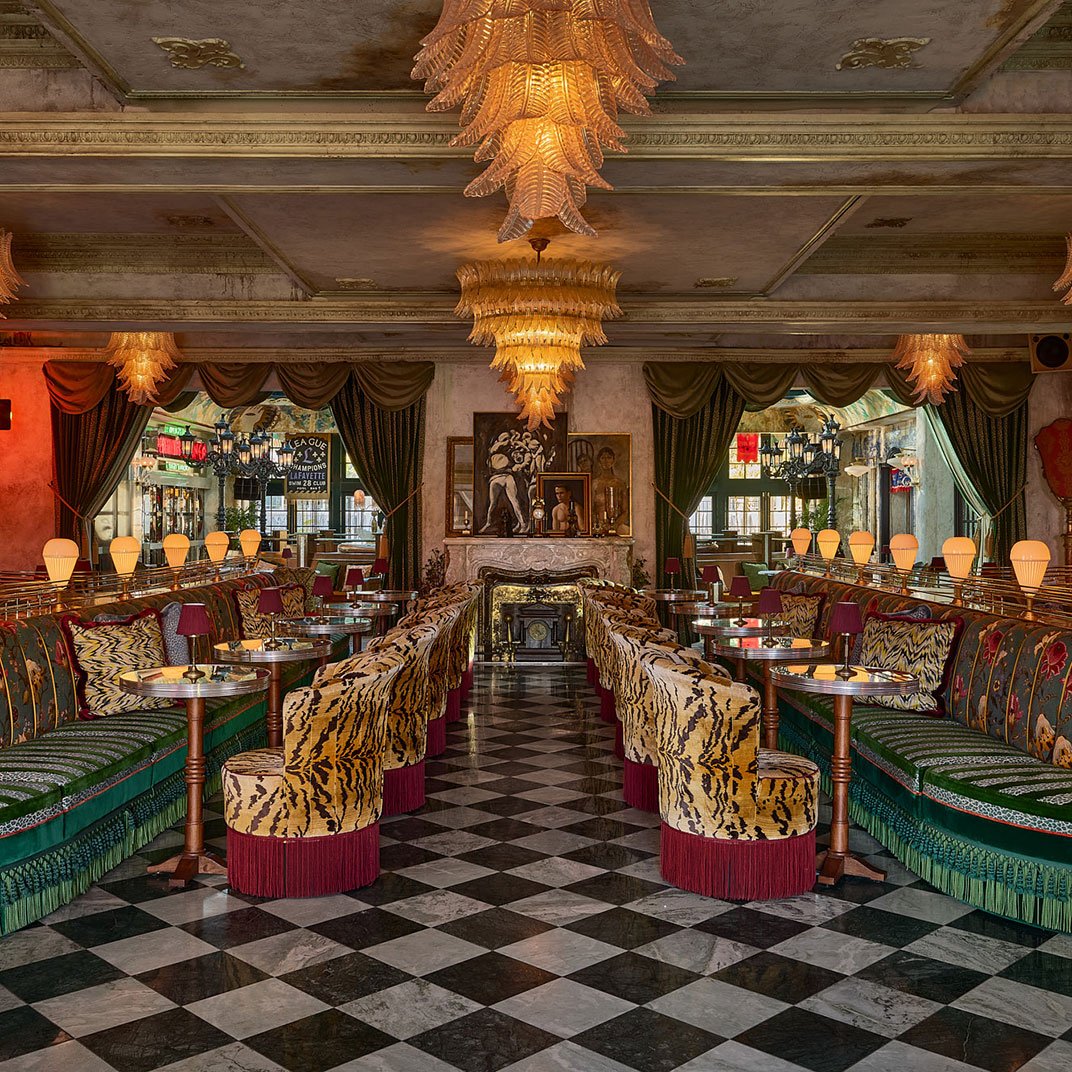
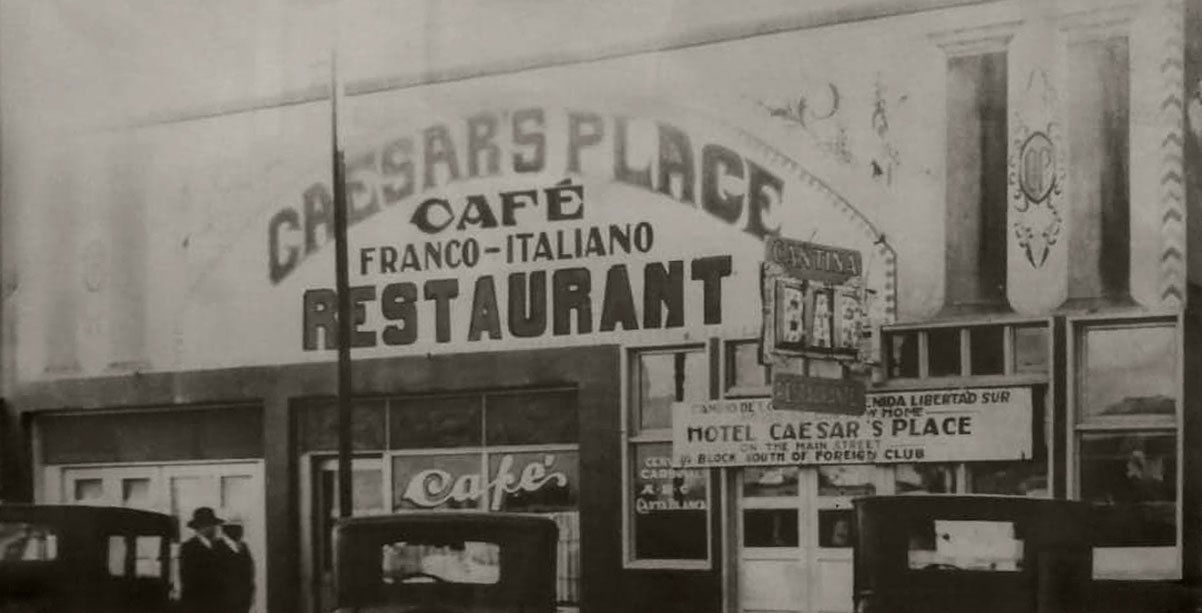
Caesar's Restaurante reads as a living piece of Tijuana history. The copy foregrounds the restaurant’s provenance — the tableside salad invented at this address in the 1920s — and positions the room as an institution shaped by Prohibition-era cocktail culture. Rather than chasing current trends, the venue rests on the weight of that past: a place people visit for continuity and story as much as for food and drink. The writing emphasizes historical gravity and ritual, so the overall impression is of a storied, time-honored dining room that privileges provenance and tradition over novelty.
Best For
This is a destination for visitors who care about culinary history and cross-border provenance. Travelers and locals alike come to Caesar’s to connect with the origin story of the Caesar salad and to experience a cocktail programme tied to that past — it suits an evening visit or a late-night stop driven by curiosity as much as appetite. It isn’t presented as a cutting-edge, trend-driven spot; instead it works best for people treating the meal as a cultural pilgrimage, a special occasion, or a historically minded night out rather than a casual grab-and-go.
Ordering Tips
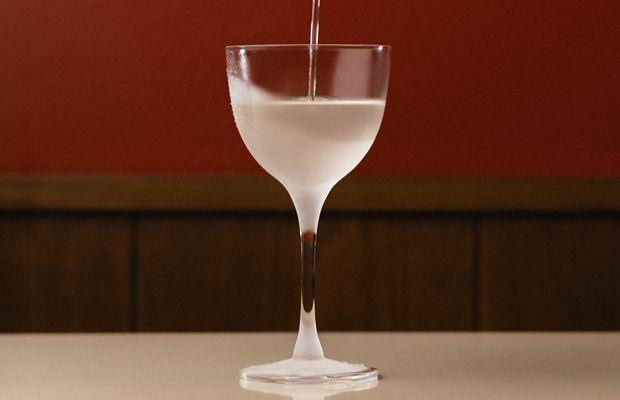
When visiting Caesar’s, prioritize the items that speak to its origin story and cocktail lineage. The description highlights the famed tableside salad from the 1920s and an editorial focus on the drink programme, so ordering the classic tableside Caesar and a cocktail that reflects the restaurant’s era are sensible choices. Because the venue is discussed as an institution rather than a trend-focused bar, expect traditional preparations and time-honored service rituals; let staff guide you toward the historical staples on the menu.
Venue details
Ambiance
Historic Prohibition-era atmosphere with elegant, classic dining room lighting.
Tags
Vibe
Best For
Experience
Format
Accessibility
At the Bar
- Bar Category
- Lounge
- Late Night
- Closes by Midnight
- Music
- Live Music
- Live Music
- Yes
Know before you go
Know Before You Go
- Getting there
- Av. Revolución 8190, Zona Centro, 22000 Tijuana, B.C., Mexico
Planning details
Location
Av. Revolución 8190, Zona Centro, 22000 Tijuana, B.C., Mexico · Directions
Also consider
Also Consider
- Aruba Day Drink, Notable alternative
- Atalaya, Notable alternative
- La Bella Pizza, Notable alternative
- Spoon House Korean Cuisine and Cocktails, Notable alternative
- The Balboa South, Notable alternative
Bar context
How it compares in Tijuana
Caesar's Restaurante is the group-dinner choice in this set: more useful when the plan needs a central meal, a recognizable downtown setting, and an easier booking profile. Aruba Day Drink is the better fit when drinks lead the night, but it is less of an all-purpose dinner anchor for mixed-age or 4+ groups.
Atalaya, La Bella Pizza, Spoon House Korean Cuisine and Cocktails, and The Balboa South read more like alternatives for a specific craving or bar-led plan than direct replacements for a central Tijuana group meal. Choose Caesar's Restaurante when certainty, location, and a low-drama table matter more than chasing a narrower concept.
Explore Tijuana
Around this place
Discover more on Pearl
Unlock the full Caesar's Restaurante guide in Pearl, including awards, comparisons, FAQs, planning details, and nearby places.
Compare Caesar's Restaurante
| Venue | Location | Awards |
|---|---|---|
| Caesar's Restaurante | Tijuana | No published awards |
| Aruba Day Drink | Tijuana | 2026 North America's 50 Best Bars · #512025 North America's 50 Best Bars · #222024 North America's 50 Best Bars · #162023 World's 50 North America's Best Bars · #40 |
| Atalaya | Baja California | No published awards |
| La Bella Pizza | Chula Vista | No published awards |
| Spoon House Korean Cuisine and Cocktails | Chula Vista | No published awards |
| The Balboa South | Chula Vista | No published awards |

How Caesar's Restaurante Tijuana compares with similar nearby venues.
FAQ
Frequently Asked Questions
Does Caesar's Restaurante have happy hour deals?
Is Caesar's Restaurante open late?
It is open late enough for many dinner plans, but not for a true late-night plan. Friday and Saturday run until 10 PM, while Sunday closes at 8:30 PM and Monday through Thursday close at 9:30 PM.
Does Caesar's Restaurante have outdoor seating?
Is Caesar's Restaurante good for a date?
It may work for a date if the hours and smart casual dress code fit your plan. A specific atmosphere, cuisine, price tier, or service format is not specified, so check directly if those factors matter.
What's the crowd like at Caesar's Restaurante?
A specific crowd or scene is not specified. Caesar's Restaurante is in Tijuana, keeps daily hours, and has a smart casual dress code; for atmosphere, confirm with recent official or firsthand sources.