
Bowie
Regentes, The Hague
Bar in The Hague, Netherlands
 Book with Pearl
The Read
Residential Wine Corner
Why go
A wine-first Hague pick with 2026 Star Wine List recognition, better suited to curious drinkers than diners looking for a fully documented restaurant experience. Use it for a flexible glass-led stop, a date, or a pre- or post-dinner plan; choose a hotel lounge instead if atmosphere and service ritual matter more than the list.
About Bowie
Should you go to Bowie in The Hague? Consider it if you want a smart-casual stop with long opening hours and Star Wine List recognition in 2026. While its city, hours, dress code, and recognition are known, details like specific cuisine, menu format, price range, chef, seat count, or booking setup are not available.
A smart-casual stop with wine recognition
Bowie's Star Wine List (2026) recognition is a key feature. This makes it a good option when that recognition aligns with your plans, but it's wise to be cautious about assumptions beyond that. Information on cuisine, chef, menu, or food format is not available, so it is not presented as a dinner recommendation.
Its practical appeal is the schedule. Bowie opens at 9 AM daily, closes at 12 AM from Sunday through Thursday, and stays open until 1 AM on Friday and Saturday. That gives it flexibility for a daytime, evening, or late-night stop in The Hague, depending on the day.
Compare it with other The Hague options
For a The Hague night out, Bowie can be compared with names such as Marius Wijncafé, Des Indes Lounge, Albert Bar & Lounge, Brasserie Lalou, Vivre, or other dining and drinking options in the city. The distinction to keep in mind is simple: Bowie has Star Wine List recognition, while other venues may suit different moods or plans.
The dress code is smart casual. Other practical details, including price range, seat count, reservation requirements, and booking channel, are not available. If those details matter for your group, check directly before building the night around the visit.
How to use it in a Hague night out
The safest way to use Bowie is as a flexible The Hague stop with long hours and Star Wine List recognition, not as the only meal plan unless you have checked current details directly. It can work before or after another booking, or as one option in a broader evening. For dinner planning, compare it with the full The Hague restaurants guide if a meal needs to be locked in separately.
Verdict is direct: go when the Star Wine List recognition, smart-casual dress code, and long opening hours fit the occasion. Cross-shop with other The Hague options when you need menu details, pricing, seating information, or a more defined dining format.
Planning details
- Location
- Regentesselaan 24A, 2562 CS Den Haag, Netherlands
- Website
- barbowie.nl
- Phone
- +31 70 206 6926
The take
The Take
The Vibe
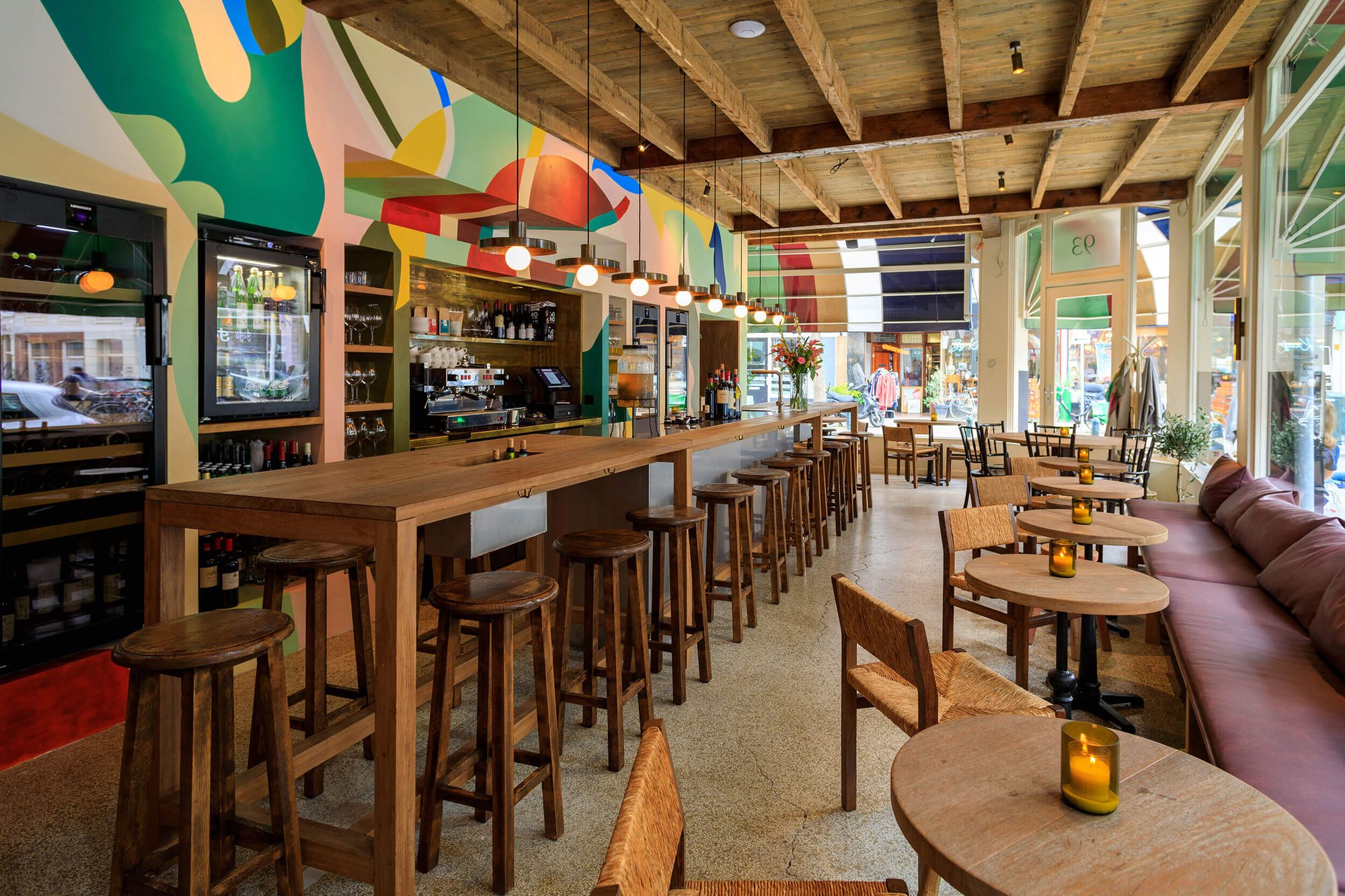
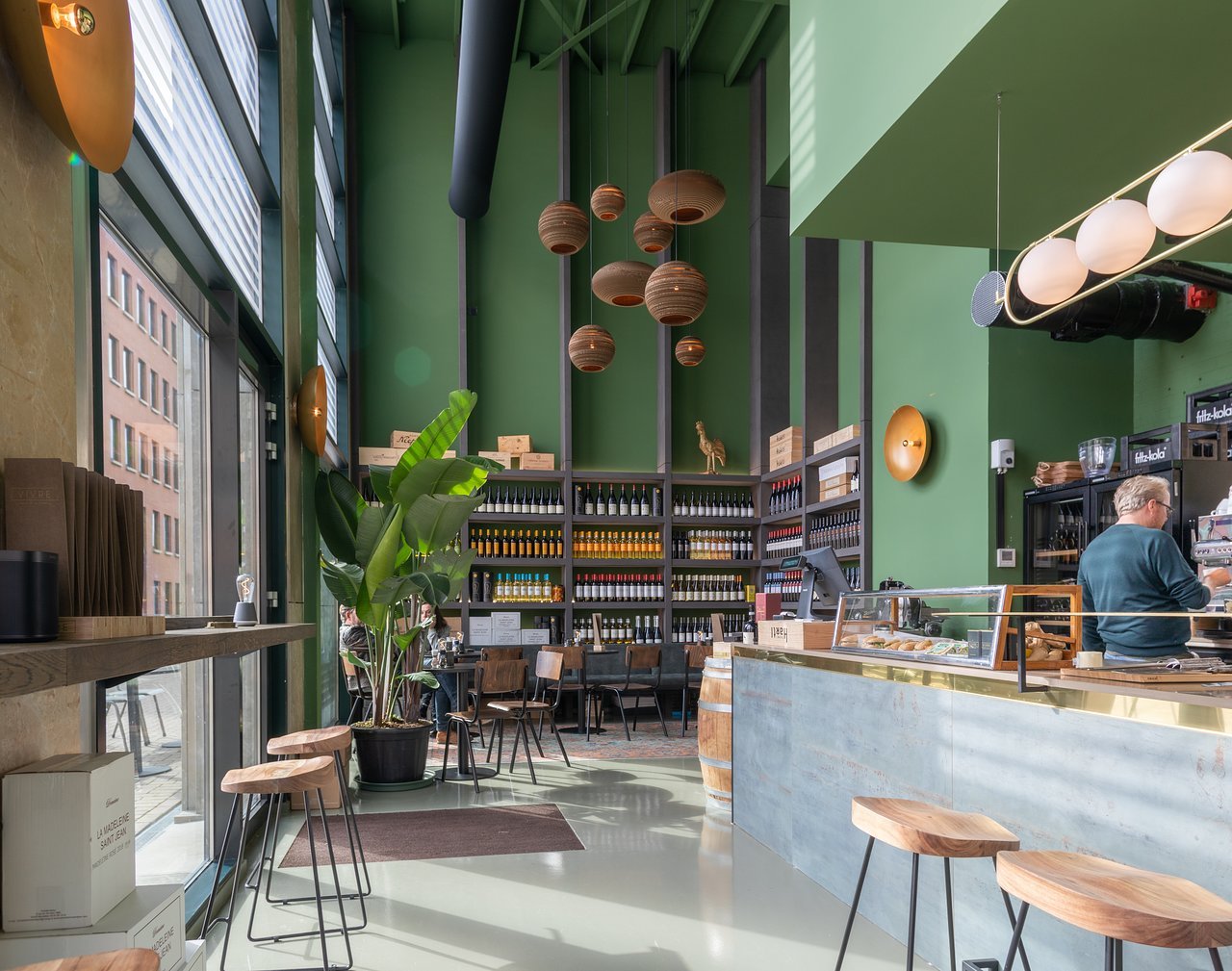
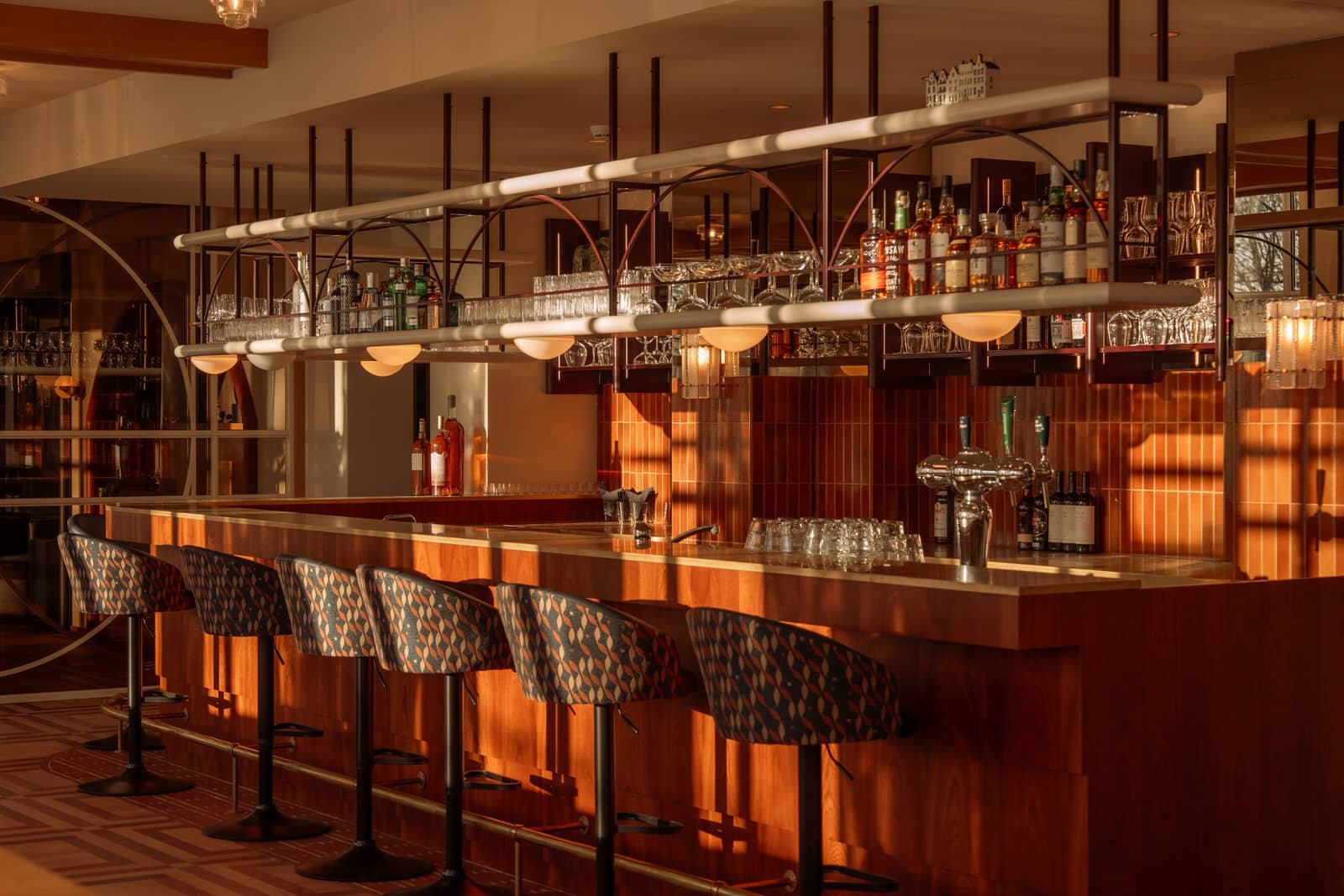
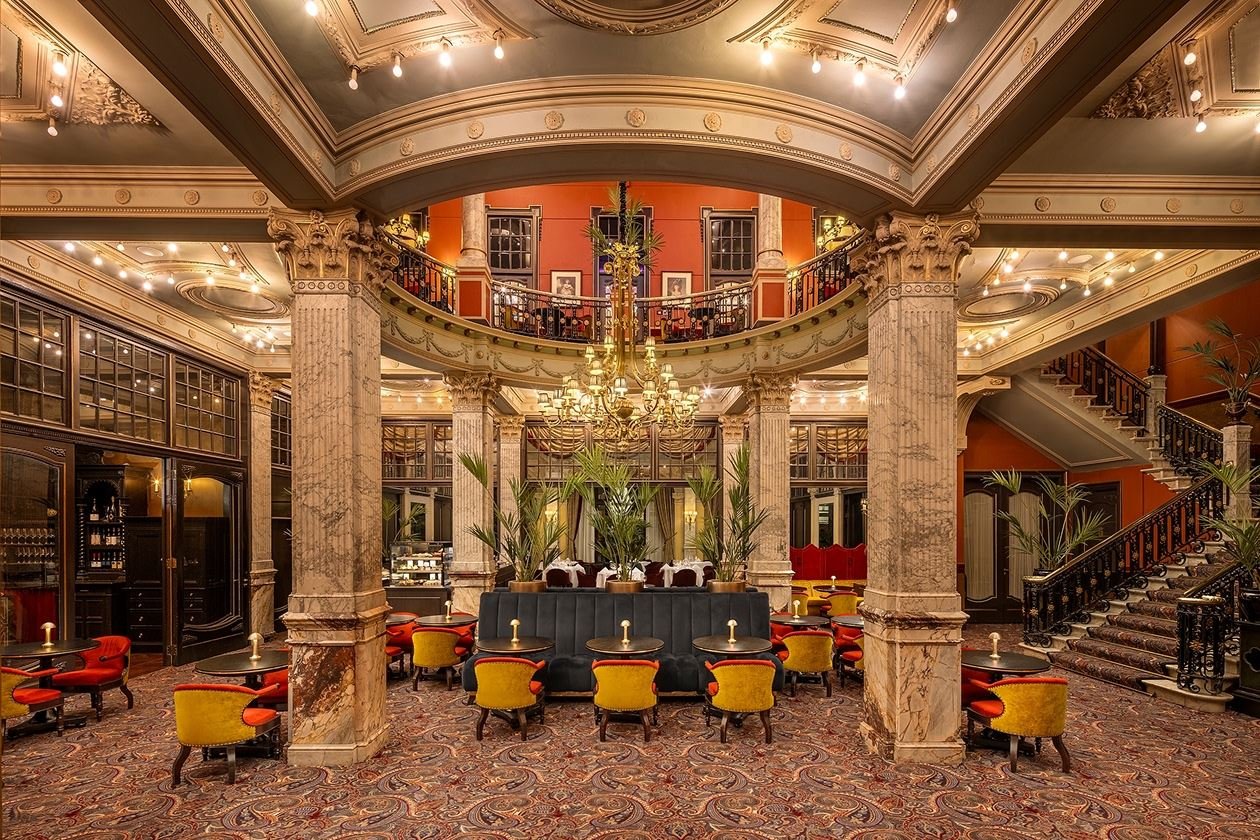
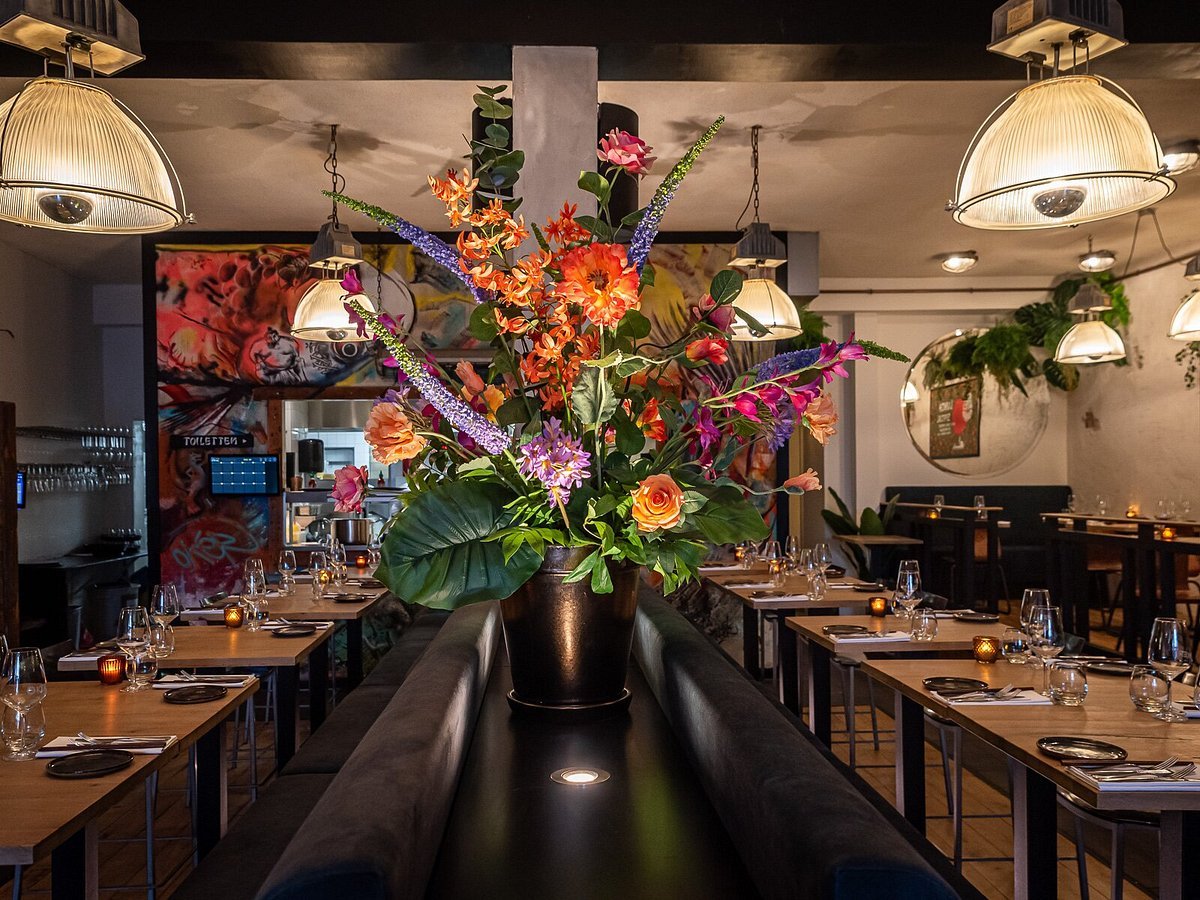
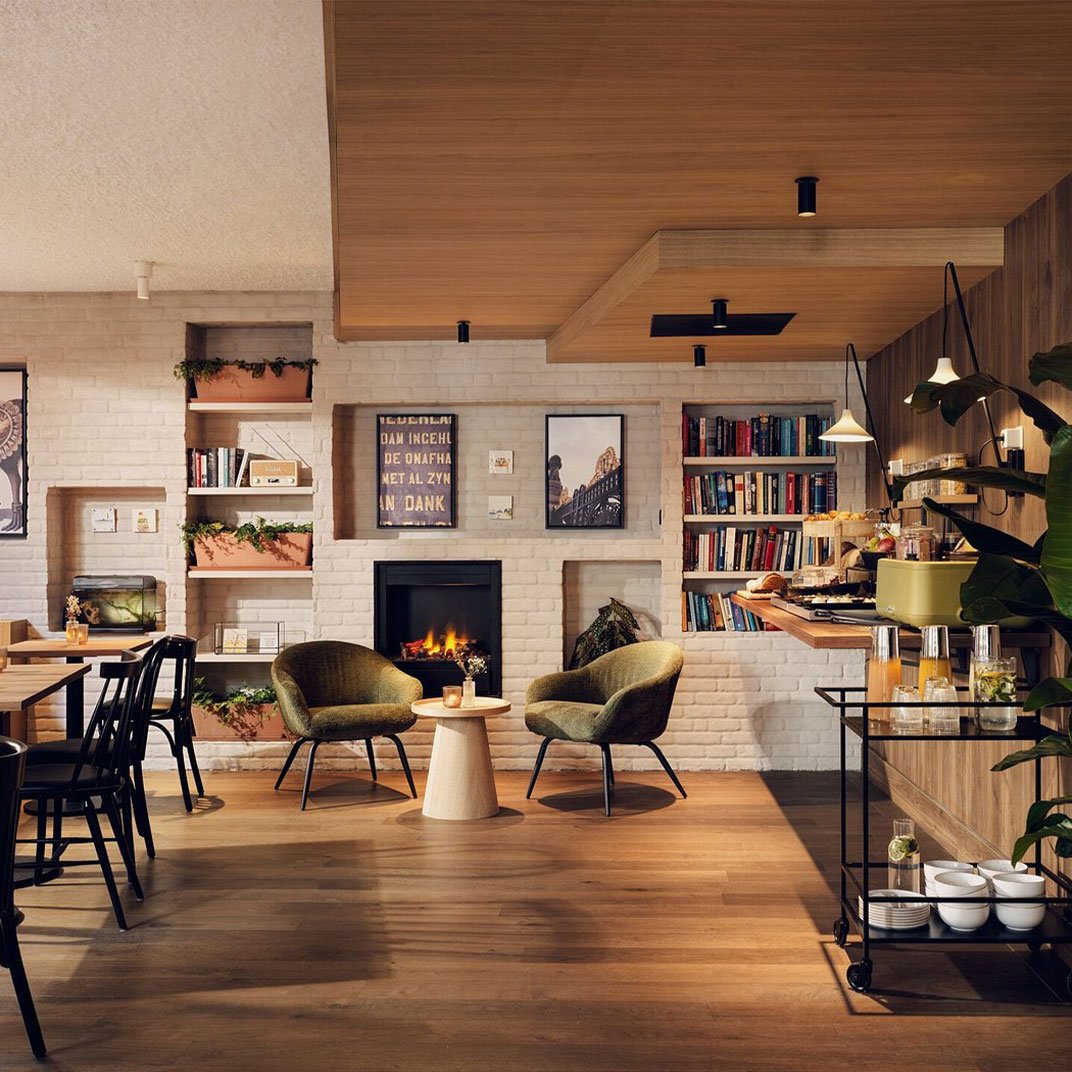
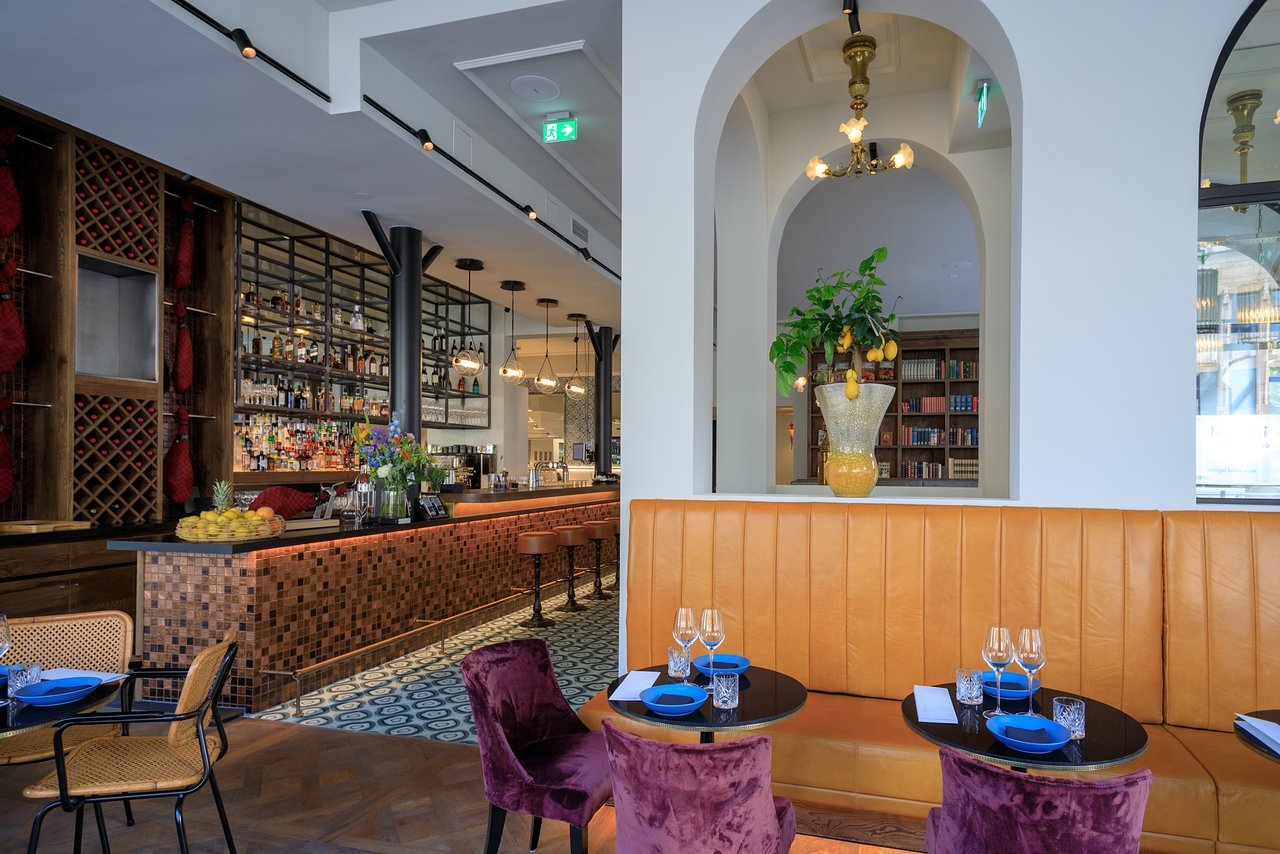
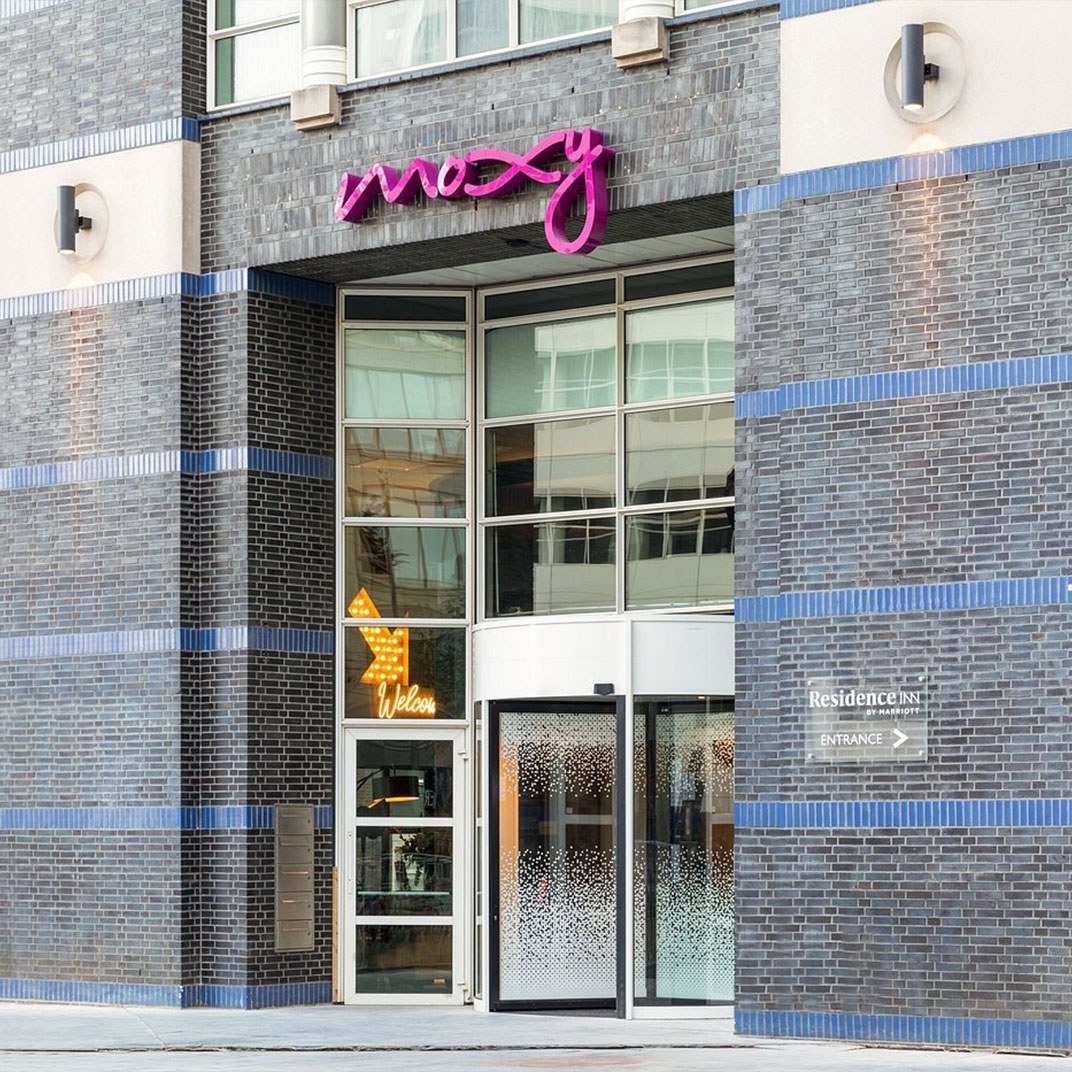
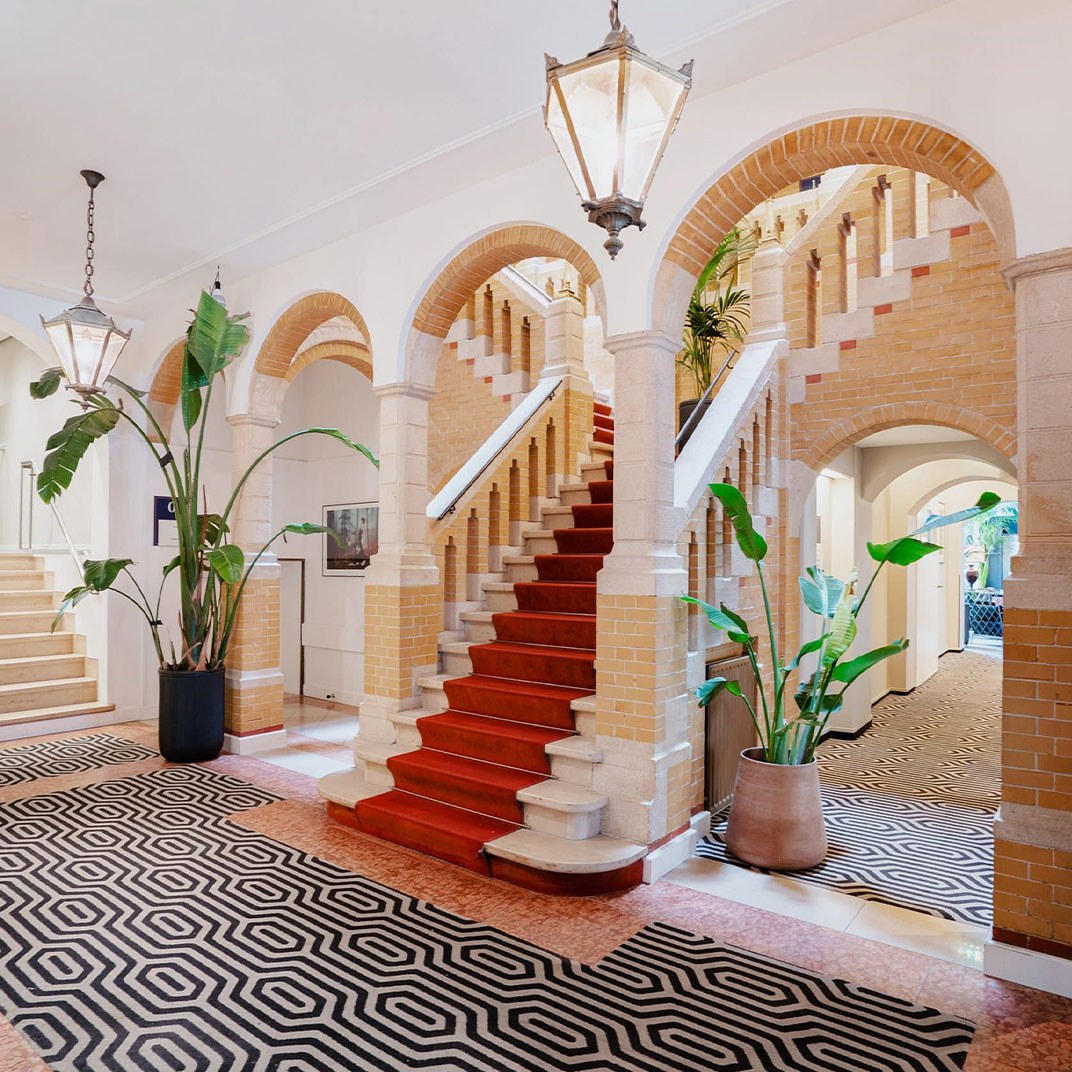
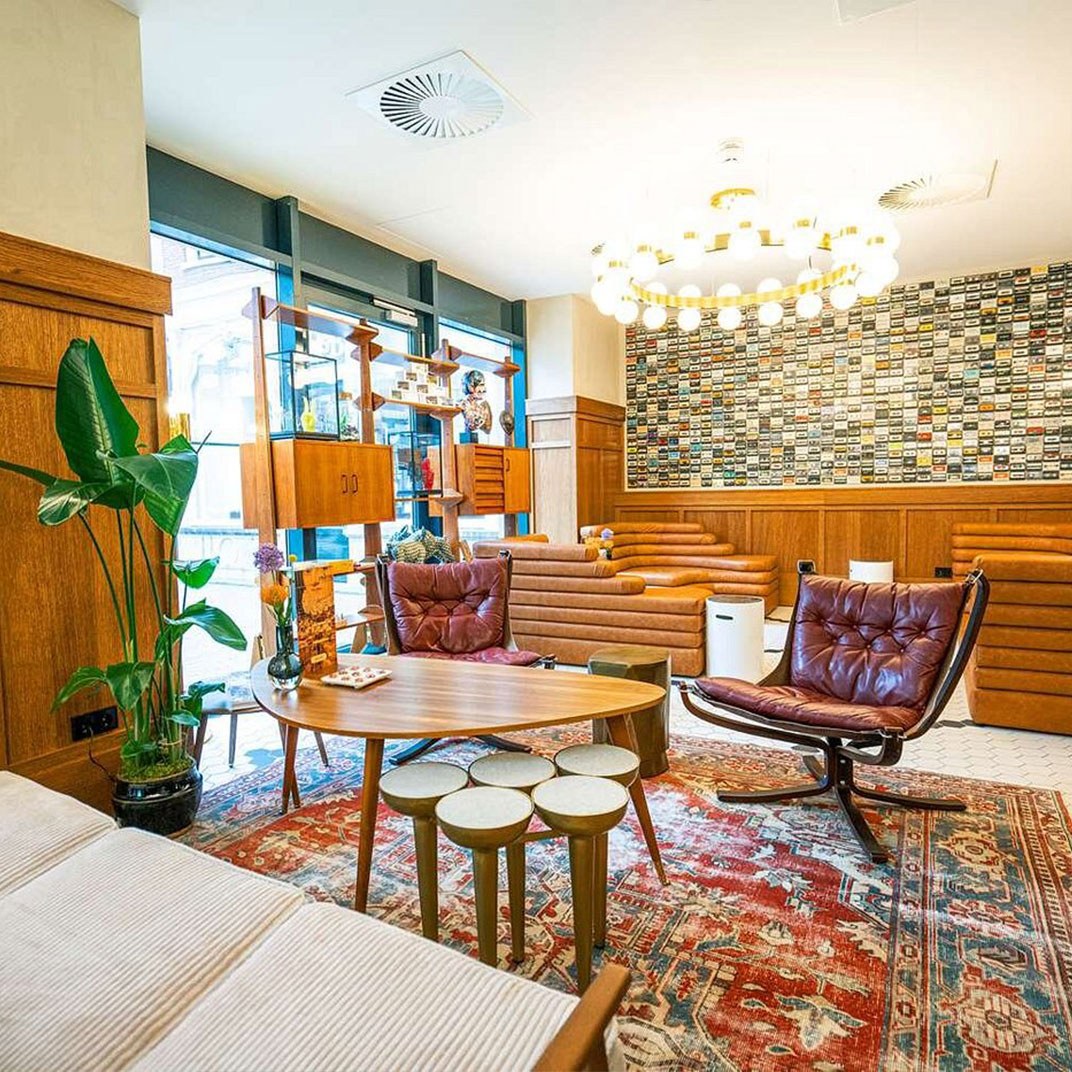
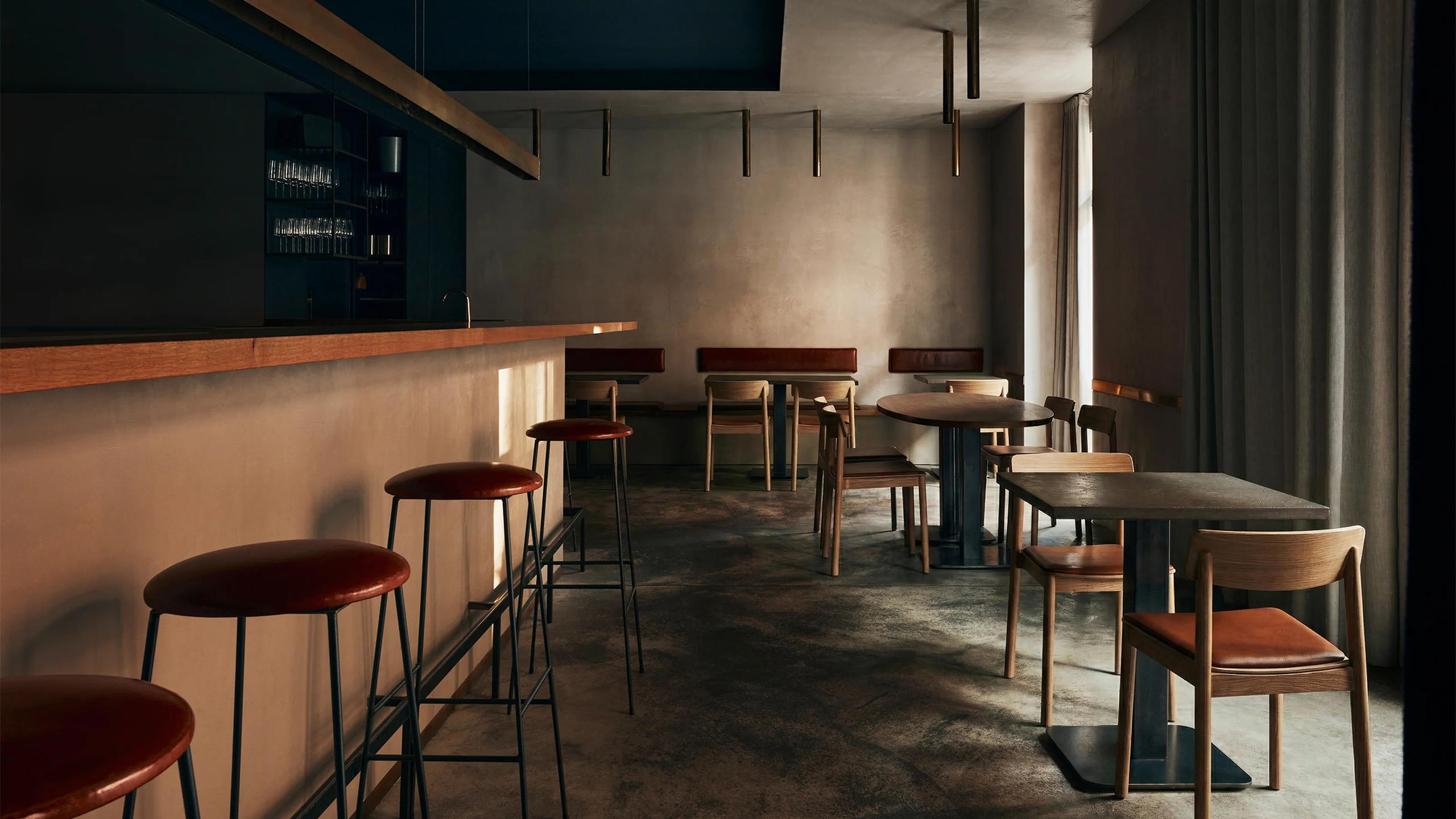
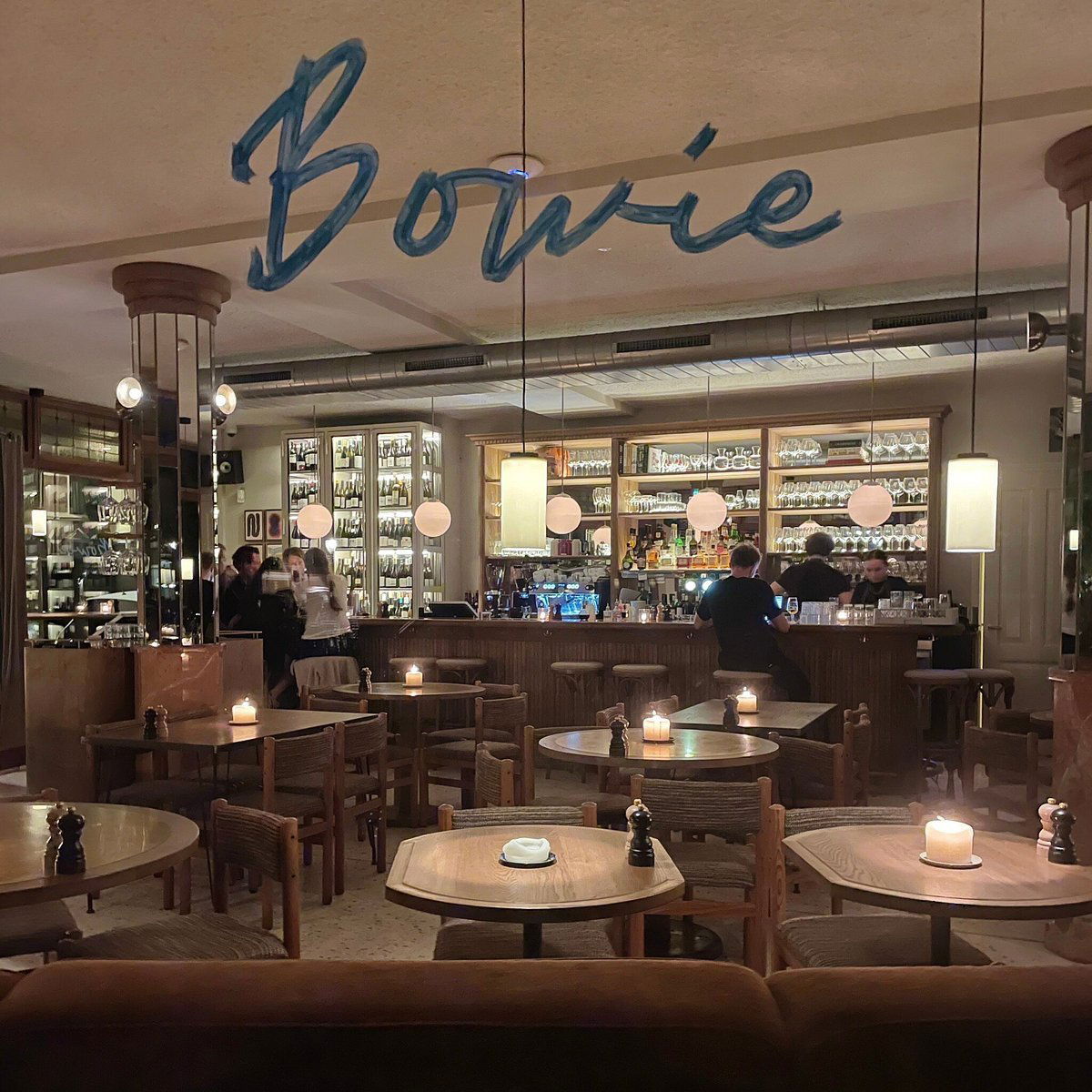
Bowie reads like the kind of neighbourhood wine bar that quietly anchors a residential corner. The angled, corner room opens from multiple sightlines and stakes a claim in the streetscape, so the space feels like an extension of daily life rather than a destination theatre piece. Styling is noted as more carefully considered than the ordinary local bar, which gives the place a modestly sophisticated, charming tone. Inside you encounter a room populated by people who know the place and what they want, which keeps the atmosphere intimate and conversational.
Best For
This is a neighbourhood stop that rewards deliberate visits: it suits after-work drinks, low-key date nights and solo evenings when you want a reliably settled room rather than a centre‑of‑town spectacle. Because Bowie is embedded in a residential district and frequented by locals, it’s ideal for anyone seeking a familiar, conversational spot to linger over a bottle or a glass. It deliberately occupies a different position from the city’s polished wine rooms, making it a comfortable choice for everyday occasions and quiet celebrations among friends.
Ordering Tips
Treat Bowie like a local ritual: leave the centre with intention and let the neighbourhood rhythm set the pace. The narrative suggests a crowd of regulars and a well-run room, so come prepared to linger and to ask staff for direction rather than expecting a showy tasting menu. Keep your expectations modest and social—this is a place for enjoying wine in a considered, quietly stylish setting where the bar’s geometry and the neighbourhood context shape the experience.
Venue details
Ambiance
Cozy atmosphere with nice interior and terrace, always full but relaxed where everyone does their thing.
Tags
Vibe
Best For
Experience
Format
At the Bar
- Bar Category
- Wine Bar
- Late Night
- Open Until 2am
Know before you go
Know Before You Go
- Getting there
- Regentesselaan 24A, 2562 CS Den Haag, Netherlands
Planning details
Location
Recognition and awards

Also consider
If you cannot get in
Try Marius Wijncafé first if the goal is still wine in The Hague. Choose Des Indes Lounge instead if the group wants a more polished lounge setting and the wine list is only part of the night.
Bar context
How Bowie compares in The Hague
Against Marius Wijncafé, Bowie is the cleaner choice when the wine list is the main event and the meal format is secondary. Marius Wijncafé is the safer cross-shop for readers who want the comfort of a café-style wine setting; Bowie is the pick for a more list-driven stop.
Des Indes Lounge and Albert Bar & Lounge make more sense when the occasion calls for hotel-lounge polish, a dressed-up room, or a slower drink. Bowie is easier to frame as a wine decision than an atmosphere decision, which is useful if the group cares more about what is in the glass than where the glass is served.
Vivre and Brasserie Lalou are better cross-shops when the night needs a more defined dining or brasserie-style shape. For value, the strongest move is to use Bowie as the wine stop rather than force it to carry the whole evening.
Around this place
Discover more on Pearl
Unlock the full Bowie guide in Pearl, including awards, comparisons, FAQs, planning details, and nearby places.
Compare Bowie
| Venue | Location | Awards |
|---|---|---|
| Bowie | The Hague | Star Wine Lists 2026 |
| Marius Wijncafé | The Hague | No published awards |
| Des Indes Lounge | The Hague | No published awards |
| Albert Bar & Lounge | The Hague | No published awards |
| Vivre | The Hague | No published awards |
| Brasserie Lalou | Delft | No published awards |
How Bowie The Hague compares with similar nearby venues.
FAQ
Frequently Asked Questions
What's the best time to go to Bowie?
Choose the timing based on the hours: Bowie opens at 9 AM daily and runs until 12 AM from Sunday through Thursday. Friday and Saturday extend to 1 AM, making those the later-closing options in The Hague.
Do I need a reservation at Bowie?
Reservation requirements are not available. If you are planning for a specific date, especially a Friday or Saturday night, check directly with Bowie before you go.
Does Bowie have happy hour deals?
No happy hour information is available. Do not plan the visit around discounts unless Bowie confirms current offers directly.
Is the food good at Bowie?
Information on cuisine, menu, chef, or food format is not available, so the food cannot be assessed. The strongest signal is the Star Wine List (2026) recognition.
Is Bowie good for a date?
It can be a practical option if smart-casual dress, long hours, and a Star Wine List-recognised setting fit what you want. If you need seating, pricing, or menu details, check with Bowie before making it the main plan.