
Bar in Tel Aviv, Israel
Romano
100ptsJaffa Border Dining
About Romano
Romano occupies a corner of Jaffa Road where Tel Aviv's dining scene compresses into something denser and more deliberate. The menu architecture here does the editorial work — structured to reveal a kitchen's priorities rather than simply list options. For those tracking the city's more serious restaurant addresses, Romano belongs on the itinerary alongside the bars and tables that define contemporary Tel Aviv eating.
The Address and What It Signals
Derech Jaffa 9 sits at a point where Tel Aviv and Jaffa begin their historic negotiation with each other — a stretch that has absorbed waves of neighbourhood reinvention without losing its foundational character. Restaurants along this corridor tend to operate with a self-assurance that comes from location rather than novelty. Romano holds that position: a room that, before a dish arrives, communicates something about where it places itself in the city's dining order. The physical approach matters here. The street-level presence on Jaffa Road is not theatrical, which in Tel Aviv's current dining moment reads as a deliberate choice rather than an oversight. The city's more considered restaurants have largely moved away from the heavy-handed entrance gestures that defined an earlier generation of openings.
How the Menu Does the Thinking
In Tel Aviv's contemporary restaurant tier, menu architecture has become as revealing as the food itself. The most instructive kitchens build their lists not as catalogues of capability but as arguments — a sequenced case for how a particular kitchen understands hospitality, sourcing, and the relationship between small plates and anchoring mains. Romano's structure falls into this more deliberate category. The menu reads as a series of editorial decisions rather than an attempt to cover every preference. That restraint, when executed consistently, separates the restaurants that know what they are from those still auditioning for an identity.
What the architecture of a menu reveals, specifically, is the kitchen's confidence in its own point of view. A list that moves cleanly from lighter, more acidic openings through richer mid-course territory to protein-anchored conclusions is making a claim about pacing and intention. It asks the diner to follow rather than choose freely from an undifferentiated array. Romano operates in that mode. The approach places it within a cohort of Tel Aviv restaurants that treat the dining experience as something with a beginning and a direction, rather than a buffet of autonomous dishes.
Romano in Tel Aviv's Broader Scene
Tel Aviv has developed one of the more interesting mid-to-upper restaurant tiers in the region over the past decade. The city's dining identity does not resolve into a single tradition , it sits at the intersection of Levantine ingredient culture, European technique, and a genuine local confidence that resists easy categorisation. Restaurants that succeed in this environment tend to do so by finding a specific register and holding it rather than trying to synthesise everything at once.
Romano's position on Jaffa Road places it geographically and conceptually between the looser, more casual eating of the Carmel Market area and the denser, more composed restaurant strip that runs toward the northern neighbourhoods. That middle ground is where much of the city's most interesting contemporary cooking has settled. For readers cross-referencing Tel Aviv's cocktail and bar scene alongside its restaurants, the same Tel Aviv addresses that repay attention for drinking , Imperial Craft, Bar 51, Bosser, and Brix , tend to cluster in areas where the restaurant offering is also worth the walk. Romano fits that pattern.
Globally, the restaurant type Romano represents , menu-led, location-grounded, without the scaffolding of a hotel group or a celebrity chef narrative , has consolidated in most serious food cities into a recognisable tier. You find equivalent formats in the programs at Kumiko in Chicago and in the deliberate hospitality structures that characterise places like Jewel of the South in New Orleans or Bar Leather Apron in Honolulu , establishments where the format is the statement, and the details are built to support it rather than distract from it. Julep in Houston, Superbueno in New York City, The Parlour in Frankfurt, and 1806 in Melbourne each operate with a similar discipline: the program defines the experience, not the other way around.
Planning a Visit
Derech Jaffa 9 is accessible on foot from central Tel Aviv and sits close enough to the Carmel Market area that a visit fits naturally into an evening that begins elsewhere. Given Romano's positioning in a neighbourhood that draws consistent local and visitor interest, confirming a reservation ahead of your visit is the more reliable approach , the Jaffa Road corridor does not lack for foot traffic, and tables at the more considered restaurants along it tend to fill faster than casual observers expect. For the wider context of where Romano fits within Tel Aviv's restaurant and bar geography, our full Tel Aviv restaurants guide covers the city's key addresses across formats and price points.
Frequently Asked Questions
- What is the atmosphere like at Romano?
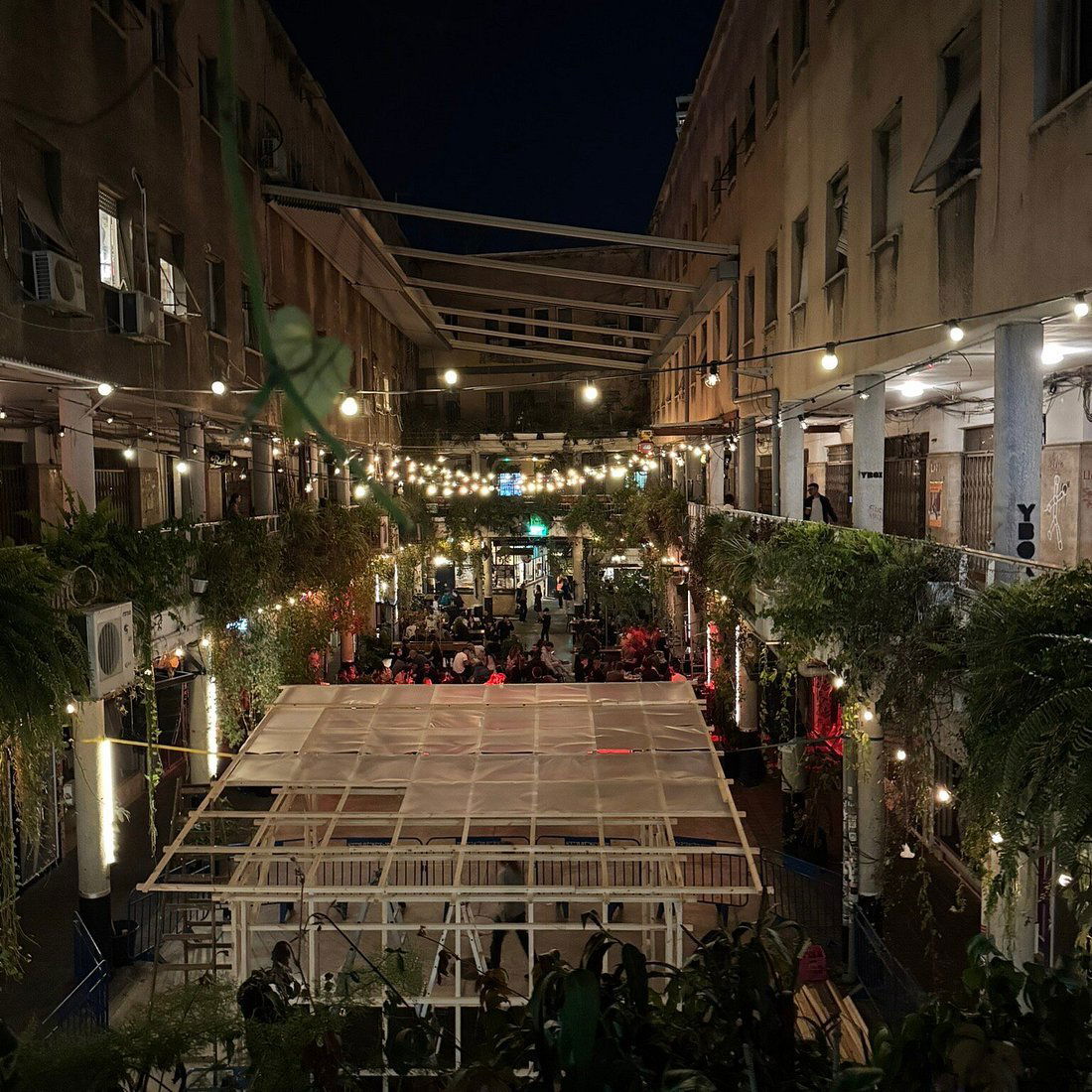
- Romano occupies a room on Jaffa Road with the self-assurance that comes from a considered location rather than theatrical design. The atmosphere is grounded rather than performative , consistent with the more deliberate tier of Tel Aviv's current restaurant scene, where the room supports the food rather than competing with it.
- What cocktail do people recommend at Romano?
- Romano is positioned as a restaurant address rather than a cocktail destination. For Tel Aviv's stronger cocktail programs, the city's dedicated bar scene , including Imperial Craft and Brix , offers more focused technical programs. Romano's drinks list likely supports the food rather than operating as a standalone draw.
- What is the standout thing about Romano?
- The menu architecture is the most instructive thing about Romano. The list reads as a sequenced argument about what the kitchen values rather than a broad catalogue of options , a structural discipline that separates it from the more diffuse mid-range restaurant openings that have populated Tel Aviv in recent years.
- Should I book Romano in advance?
- The Jaffa Road corridor draws consistent traffic from locals and visitors, and the more composed restaurants along it tend to fill without much warning. Booking ahead is the practical approach, particularly on weekends. Without confirmed hours or an online booking link available, contacting the venue directly at the address on Derech Jaffa 9 is the most reliable route.
- Is Romano worth the trip?
- For diners who respond to menu-led restaurants with a clear structural point of view, Romano represents a worthwhile addition to a Tel Aviv itinerary. The Jaffa Road location also makes it logical to combine with other addresses in the area rather than treating it as a standalone destination requiring a dedicated crossing of the city.
- Does Romano reflect Tel Aviv's Levantine ingredient culture in its menu?
- Tel Aviv's stronger contemporary kitchens tend to engage with Levantine sourcing as a baseline assumption rather than an explicit theme , produce from the surrounding region appears as ingredient rather than concept. Romano, positioned on the Jaffa Road corridor close to the Carmel Market supply chain, operates in a context where that ingredient access is practical rather than aspirational. How explicitly the kitchen foregrounds those references depends on menu decisions that shift seasonally, which is one reason confirming the current menu before visiting is worth the step.
Related editorial
- Best Fine Dining Restaurants in ParisFrom three-Michelin-star icons to the next generation of Parisian chefs pushing boundaries, these are the restaurants that define fine dining in the world's culinary capital.
- Best Luxury Hotels in RomeFrom rooftop terraces overlooking ancient ruins to Michelin-starred hotel dining, these are the luxury hotels that make Rome unforgettable.
- Best Cocktail Bars in KyotoFrom sleek lounges to hidden speakeasies, Kyoto's cocktail scene blends Japanese precision with global influence in ways you won't find anywhere else.
Save or rate Romano on Pearl
Keep this venue in your Pearl passport, rate it after you visit, and track it alongside every other place you collect.