
Bar in Tampa, United States
Sunda New Asian
100ptsShared-Plate Pan-Asian
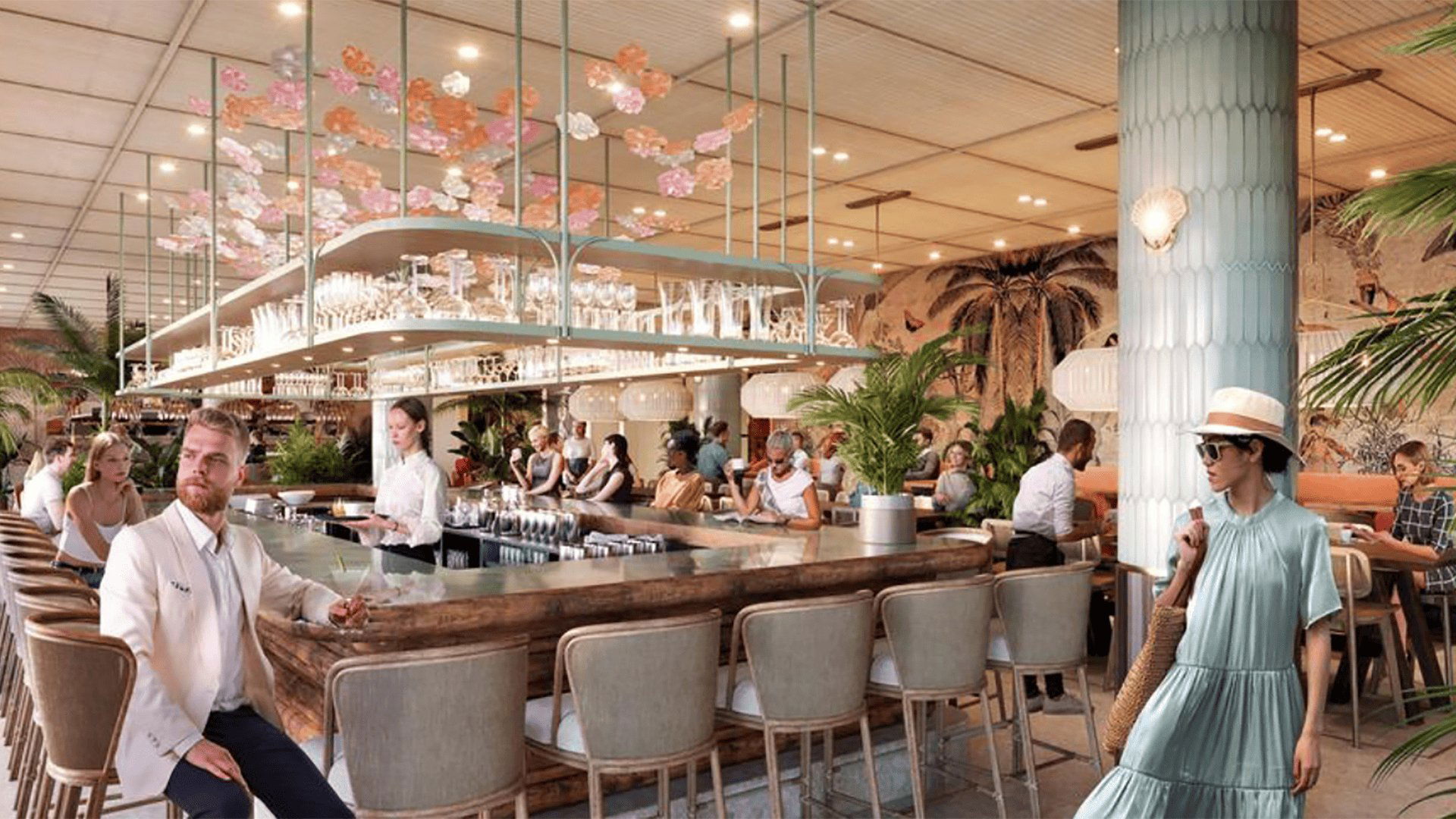
About Sunda New Asian
Sunda New Asian sits in Tampa's Midtown district, where pan-Asian cooking has found a more polished register than the city's older strip-mall standbys. The format runs through shared plates and a bar program calibrated to match the kitchen, making it a natural fit for the kind of meal that moves in stages rather than courses. For Tampa's broader dining scene, it represents a shift toward Asian-inflected cooking that takes its cues from Chicago and New York rather than the local chain template.
Where Midtown Tampa Sets the Pace
Midtown Tampa arrived as a planned mixed-use district in a city that had long concentrated its dining energy in Hyde Park, Channelside, and Ybor. The format is familiar to anyone who has watched similar corridors open in Nashville or Charlotte: wide pavements, ground-floor restaurants flanked by retail, parking structures dressed in facade panels. What matters is not the architecture but what fills it. Sunda New Asian, at 3648 Midtown Drive, occupies a space designed for volume and social noise, the kind of room where the bar program and the dining floor operate as one continuous event rather than separate functions. Approaching on a Friday evening, the sound reaches you before the signage does.
That physical register matters for how you read the meal. Sunda is not a quiet counter or a minimalist tasting room. It belongs to the American pan-Asian genre that treats the dining ritual as something cumulative and social: plates arrive in waves, the bar runs cocktails calibrated to cut through soy-forward sauces and chili heat, and the pacing assumes you will be there for two hours rather than ninety minutes. Understanding that contract before you sit down shapes the experience considerably.
The Pan-Asian Tradition This Kitchen Draws From
Pan-Asian cooking in American cities has a complicated reputation. At its weakest, it papers over genuine regional distinctions with a vague Pacific Rim aesthetic. At its most considered, it operates more like a curatorial stance: drawing from Japanese, Thai, Korean, Vietnamese, and Filipino sources with enough technical discipline that the borrowing reads as intentional rather than opportunistic. The Sunda brand, which originated in Chicago before expanding, sits in the second category. The Chicago location developed a following in the River North market, where it competed directly with the city's more established Asian-inflected dining rooms. That competitive context is worth carrying into a Tampa reading: this is not a local independent building a menu from scratch, but a concept that has been pressure-tested in a harder dining market.
For Tampa, that lineage provides a calibration point. The city's Asian dining scene has historically been strongest in its Vietnamese and Thai registers, concentrated in specific corridors rather than spread across the upscale market. Sunda operates at a price point and format scale that positions it closer to the hotel-adjacent dining rooms and chef-driven independents in Hyde Park than to the neighborhood specialists. That is a different competitive set, and it performs a different function for the city's dining map.
How the Meal Actually Moves
The dining ritual at a shared-plates pan-Asian room follows its own logic, and Sunda's format rewards a specific approach. The table is not organized around a single protein or a linear progression from light to heavy. Instead, the meal builds laterally: cold preparations alongside warm ones, raw bar options alongside wok-finished dishes, cocktails chosen to work across multiple flavor registers rather than pair with a single course. Regulars at this style of restaurant know to resist the instinct to over-order early. The kitchen moves at pace, and plates can arrive quickly enough that a table of four who ordered twelve dishes in the first five minutes will run out of surface before they run out of appetite.
The bar program deserves attention as a structural element of that ritual rather than an afterthought. Cocktails at pan-Asian rooms of this type increasingly borrow from the same ingredient vocabulary as the kitchen: yuzu, lychee, shiso, ginger in forms beyond the syrup register. Diners traveling from cities with more developed cocktail cultures, those who know Kumiko in Chicago or Bar Leather Apron in Honolulu, will find the genre familiar. For Tampa specifically, the bar program places Sunda in a tier above the casual cocktail lists at many of the city's busier Asian restaurants.
Tampa's own bar scene offers useful context. Rooms like Armature Works and Ash operate with different formats and focuses, while 7th + Grove and American Legion Post 111 represent the city's more neighborhood-rooted drinking culture. Sunda occupies a different register: the bar is designed to function as the entry point to the full dining experience, not as a destination in its own right. That distinction matters for how you plan the evening.
Tampa Context and Where This Fits
Tampa's dining market has matured considerably in the last decade, with independent chef-driven rooms gaining ground against the national chain infrastructure that still dominates the suburban corridors. Midtown represents the city's bet on a more urban format, and Sunda's presence there signals something about who the district is designed for: professionals, hotel guests from the adjacent properties, and diners who arrived expecting a city-standard experience rather than a local curiosity. That is not a criticism. A city needs venues that can absorb a pre-concert table of eight as competently as a date-night two-leading, and Sunda is built to do both.
For visitors arriving from cities with more developed pan-Asian dining scenes, places where Superbueno in New York City or Jewel of the South in New Orleans set a reference standard, Sunda will read as polished and reliable rather than revelatory. For Tampa diners who want a shared-plates Asian room with a serious bar program in a neighborhood where most alternatives are steakhouses and Italian groups, it fills a real gap. Those two readings are not contradictory; they just reflect where the city is in its dining trajectory.
Visitors building a broader Tampa itinerary should consult our full Tampa restaurants guide for how Sunda maps against the city's other dining priorities. Those interested in the broader American cocktail scene might also reference Julep in Houston, ABV in San Francisco, or The Parlour in Frankfurt on the Main for a sense of where ambitious bar programs operate globally.
Planning the Visit
Sunda sits at 3648 Midtown Drive in Tampa's Midtown district, accessible by car with parking in the district's structured garage. Midtown's format means the walk from parking to door is short, but the area gets congested on weekend evenings when multiple venues are operating at capacity. Booking ahead is the sensible approach for Thursday through Saturday; the room is large enough to absorb walk-ins on quieter nights but busy enough on peak evenings that arriving without a reservation carries real risk of a long bar wait. The meal rewards a relaxed pace, so plan for a full two hours rather than treating it as a quick stop before another commitment.
Frequently Asked Questions
- What do regulars order at Sunda New Asian?
- Sunda's format is designed around shared plates, and experienced diners tend to build the table around a mix of raw or lightly prepared dishes alongside wok-finished and sauced preparations. The bar program is an integral part of how regulars approach the meal, with cocktails chosen to work across the kitchen's range of flavor profiles rather than anchor to a single dish. The Chicago location's track record in a competitive pan-Asian market suggests the kitchen's more technically demanding preparations are worth attention.
- What makes Sunda New Asian worth visiting?
- In Tampa's Midtown district, where the dining options lean heavily toward steakhouses, pizza groups, and casual American formats, Sunda provides the city's clearest example of pan-Asian cooking at a full-service, bar-forward scale. The concept's Chicago origins mean it has been calibrated against a harder dining market than most of its local competition, and the result is a room that performs consistently across group sizes and occasions. For visitors who want a reliable, mid-to-upper price point dinner that does not require navigating the city's more scattered independent scene, it is a practical anchor.
- How hard is it to get in to Sunda New Asian?
- The room is large by Tampa standards, which means it absorbs demand more readily than a small-format independent would. Thursday through Saturday evenings fill up, and a reservation made a few days in advance is advisable for those dates. Weeknight visits are more forgiving. The bar area typically takes walk-ins even when the dining floor is committed to reservations, making it a reasonable fallback for spontaneous evenings.
- Is Sunda New Asian better for first-timers or repeat visitors?
- If you have not encountered the Sunda format before, the first visit is leading spent understanding the shared-plates rhythm: order in stages, engage the bar program as part of the meal structure, and resist over-ordering in the first round. Repeat visitors get more from the menu because they can move past the format orientation and focus on the kitchen's range. In Tampa's current dining context, where pan-Asian rooms at this price point are scarce, first-timers are likely to find the experience more distinctive than visitors arriving from Chicago or New York, where the competitive set is larger.
- How does Sunda New Asian compare to other Asian-inflected dining in Tampa?
- Tampa's Asian dining scene is strongest in its Vietnamese and Thai registers, concentrated in specific neighborhood corridors that operate at lower price points and more casual formats. Sunda occupies a different tier: a full-service room with a cocktail program, designed for longer meals and larger groups, and priced accordingly. The closest functional comparisons are not other Asian restaurants in the city but the upscale independents and hotel-adjacent dining rooms in Hyde Park and downtown, where the format expectations are similar even if the cuisines differ.
Related editorial
- Best Fine Dining Restaurants in ParisFrom three-Michelin-star icons to the next generation of Parisian chefs pushing boundaries, these are the restaurants that define fine dining in the world's culinary capital.
- Best Luxury Hotels in RomeFrom rooftop terraces overlooking ancient ruins to Michelin-starred hotel dining, these are the luxury hotels that make Rome unforgettable.
- Best Cocktail Bars in KyotoFrom sleek lounges to hidden speakeasies, Kyoto's cocktail scene blends Japanese precision with global influence in ways you won't find anywhere else.
Save or rate Sunda New Asian on Pearl
Keep this venue in your Pearl passport, rate it after you visit, and track it alongside every other place you collect.