
Bar in Tampa, United States
BellaBrava Tampa
100ptsResidential Anchor Dining
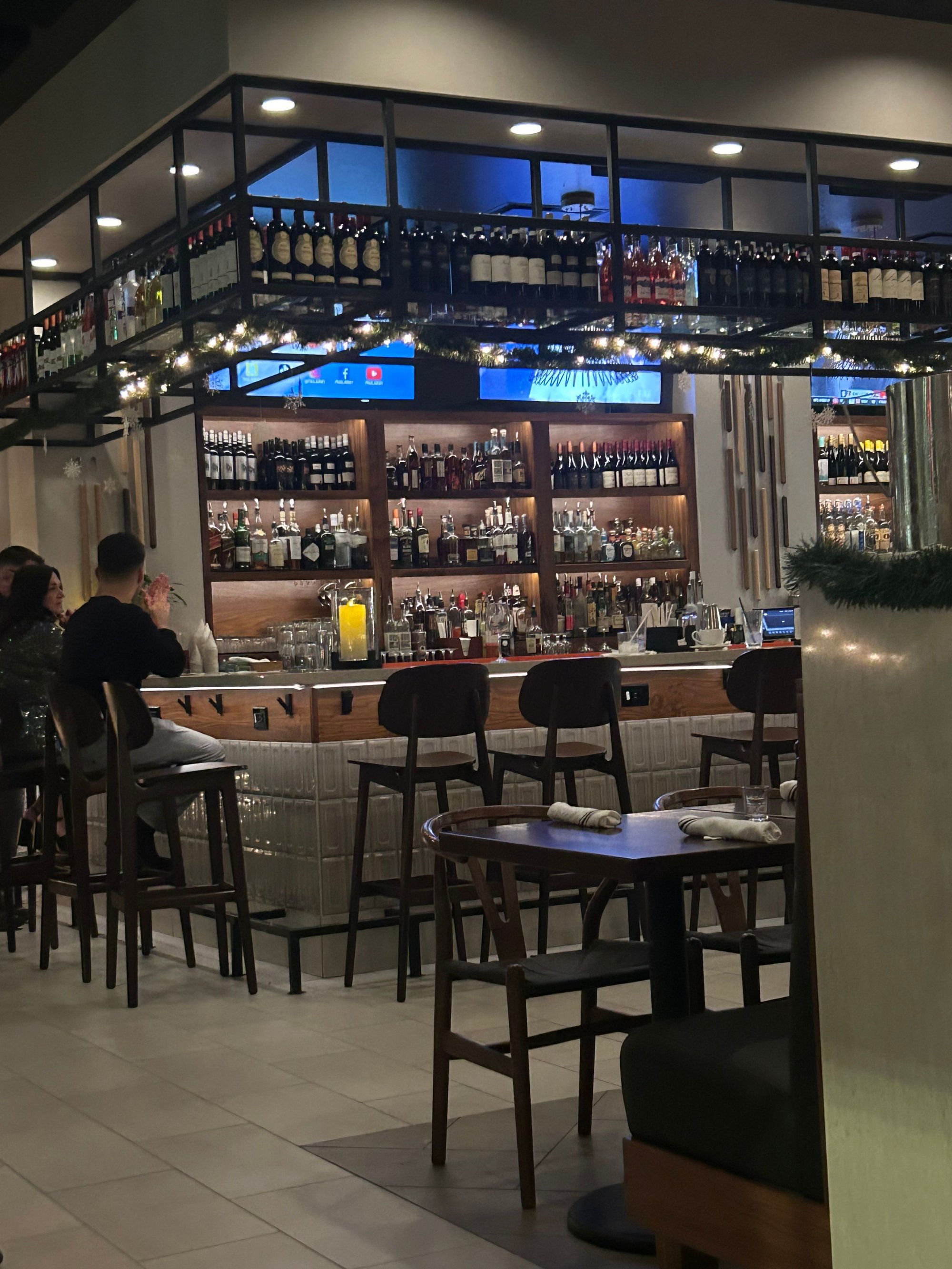
About BellaBrava Tampa
BellaBrava Tampa occupies a stretch of Tampa where the line between regular and first-timer blurs quickly. The room functions as a genuine neighbourhood anchor, drawing a cross-section of locals who return on habit rather than occasion. For visitors, it offers a low-pressure entry point into the city's dining scene without the formality of the downtown corridor.
The Room Before You Order
Tampa's most durable gathering places share a quality that has nothing to do with tasting menus or curated playlists: the room feels inhabited. BellaBrava, located at 1015 Gramercy Lane in the 33607 zip code, sits in that category. The address places it away from the Channelside tourist corridor and the more self-conscious bar programming of Ybor City, which means the crowd tends to be local in the oldest sense of the word. People here are regulars before they remember deciding to become regulars.
That dynamic matters in Tampa, a city whose dining and drinking scene has fragmented noticeably over the past decade. On one end, you have the food-hall model exemplified by Armature Works, which aggregates concepts under one roof and draws a broad, often transient crowd. On the other, you have specialist bar programs at places like Ash and 7th + Grove, where the emphasis on craft and credential is front and centre. BellaBrava occupies a different register entirely: the neighbourhood anchor that predates the trend cycle and persists because it has become genuinely embedded in the social fabric of its immediate area.
What the Crowd Tells You
The neighbourhood watering hole, as a category, is under more pressure in American cities than it has been in generations. Rising rents push venues toward concepts with higher margins or stronger social-media identities. The regulars who once supported a place on a Tuesday night now have more options, more delivery apps, and more competing demands on their time. Against that backdrop, venues that maintain a loyal repeat customer base are doing something structurally right, even if that thing is difficult to articulate in a press release.
At BellaBrava, the evidence of that loyalty is visible in the texture of the room rather than in any formal award or ranking. Compare this to the community-club model of American Legion Post 111, where membership creates a built-in regular base. BellaBrava earns the same density of familiar faces through repetition and consistency rather than institutional structure. The distinction is worth making: post-based clubs generate loyalty through obligation and identity; neighbourhood restaurants generate it through reliability and comfort. The latter is harder to engineer and harder to sustain.
The Role of the Neighbourhood Anchor
Within Tampa's broader drinking and dining geography, the 33607 area functions differently from the high-visibility corridors that attract most critical attention. It is residential in character, with a density of long-term residents who have seen concepts open and close and who calibrate their loyalty accordingly. A venue that survives here does so because it has consistently delivered on a basic contract: show up, be consistent, make people feel that the room is theirs.
That contract is not trivial. Across American mid-size cities with strong food cultures, the venues that anchor residential neighbourhoods often outlast the ones that generate more initial noise. In Tampa specifically, the pattern holds: the places that function as community rooms tend to accumulate a kind of social capital that insulates them from the volatility that affects trend-driven concepts. For context on how neighbourhood-anchored bars operate in other American cities, the model at Julep in Houston and ABV in San Francisco each demonstrate how deep local roots produce a different kind of durability than critical acclaim alone. The dynamic at Bar Leather Apron in Honolulu and Kumiko in Chicago shows the same principle operating at the higher end of the formality spectrum.
Placing BellaBrava in Context
Tampa's Italian-American restaurant tradition runs deep, stretching back to the Ybor City cigar-factory era when Sicilian and Cuban immigrant communities established the food culture that still defines the city's most distinctive culinary identity. Modern venues in that tradition occupy a spectrum from the straightforwardly casual to the self-consciously refined. BellaBrava sits closer to the accessible end of that range, which is not a criticism: the venues that sustain a neighbourhood function are almost always the ones that resist the temptation to over-concept themselves.
Compared to the higher-formality Italian programming you find in cities like New York or Chicago, Tampa's Italian dining scene generally leans toward generosity of portion and informality of service over technical precision. That reflects both the demographic history of the city and the practical reality that Florida's hospitality market rewards approachability. BellaBrava's address and apparent positioning place it squarely within that tradition. For international context on how a bar or restaurant can build community identity through a distinct sense of place, The Parlour in Frankfurt, Jewel of the South in New Orleans, and Superbueno in New York City each offer useful comparison points for how neighbourhood identity shapes a room's character.
Planning Your Visit
BellaBrava is located at 1015 Gramercy Lane, Tampa, FL 33607, a residential address that puts it outside the main tourist corridors. For visitors, the practical advice is to treat this as a local-neighbourhood destination rather than a destination dining experience in the conventional sense: arrive without elaborate expectations, and let the room set the terms. Current hours, reservation options, and menu specifics are leading confirmed directly with the venue, as published information on those details is limited. For a broader orientation to where BellaBrava fits within Tampa's dining geography, our full Tampa restaurants guide maps the city's key neighbourhoods and dining categories.
Frequently Asked Questions
- What do regulars order at BellaBrava Tampa?
- The venue's specific menu and signature items are not documented in detail in available sources, which is itself a signal: places with strong regular bases often don't rely on a single signature dish to drive return visits. The draw tends to be consistency across the menu rather than a single showpiece item. For current dish recommendations, checking directly with the venue or recent local reviews is the most reliable approach.
- Why do people go to BellaBrava Tampa?
- The primary draw is the neighbourhood-anchor dynamic rather than a specific cuisine category or price-tier position. Tampa's dining scene has split between high-concept programming and approachable local fixtures; BellaBrava functions in the latter category, drawing people who want a reliable room with a familiar face behind the bar rather than a new concept to evaluate. The address in the 33607 area puts it in a residential pocket that rewards repeat visits over first-time novelty-seeking.
- Should I book BellaBrava Tampa in advance?
- If the venue operates primarily as a neighbourhood anchor serving a local regular crowd, walk-in availability is generally higher than at destination-dining concepts that operate on timed seatings. That said, specific booking policy, phone number, and reservation platform details are not confirmed in available records. Contacting the venue directly before arrival, particularly on weekend evenings, is the practical approach given the limited published information.
- How does BellaBrava Tampa fit into the city's Italian dining tradition?
- Tampa has one of the most historically grounded Italian-American food cultures in the American South, rooted in the Ybor City immigrant communities of the late nineteenth and early twentieth centuries. BellaBrava's positioning in a residential neighbourhood, rather than on the main tourist corridor, suggests it functions as an everyday expression of that tradition rather than a special-occasion interpretation of it. Venues in this category typically emphasise familiarity and consistency over novelty, which is precisely what sustains them across years and ownership cycles.
Related editorial
- Best Fine Dining Restaurants in ParisFrom three-Michelin-star icons to the next generation of Parisian chefs pushing boundaries, these are the restaurants that define fine dining in the world's culinary capital.
- Best Luxury Hotels in RomeFrom rooftop terraces overlooking ancient ruins to Michelin-starred hotel dining, these are the luxury hotels that make Rome unforgettable.
- Best Cocktail Bars in KyotoFrom sleek lounges to hidden speakeasies, Kyoto's cocktail scene blends Japanese precision with global influence in ways you won't find anywhere else.
Save or rate BellaBrava Tampa on Pearl
Keep this venue in your Pearl passport, rate it after you visit, and track it alongside every other place you collect.