Aalia Wine Room
Sydney
Bar in Sydney, Australia
 Book with Pearl
The Read
Price
$50–100per person
Why go
Aalia Wine Room is a practical Sydney CBD pick when the group wants wine-led dining with Middle Eastern and North African-inspired food rather than another Italian counter or bistro booking. Go for weekday lunch or dinner, especially if Martin Place is convenient; cross-shop Ragazzi, Felix Bistro & Bar, or Bar Topa when the brief shifts toward pasta, French polish, or bar-first energy.
About Aalia Wine Room
In Sydney, Aalia Wine Room is a useful option when the brief is Middle Eastern / North African-inspired dining in a smart-casual setting. It is open Tue–Fri from 12–11 PM and Sat from 5–11 PM, and closed Sun and Mon.
Book it for Middle Eastern / North African-inspired dining
The appeal is the cuisine direction. Treat it as a flexible Sydney booking rather than a highly specific destination promise. That is not a criticism; it simply means the recommendation should rest on Middle Eastern / North African-inspired food, smart-casual dress, and opening hours that cover Tuesday to Saturday service.
For a wider Sydney plan, use broader city guides rather than treating one venue as the whole night. Aalia Wine Room can be one stop in a Sydney itinerary if the rest of the evening needs another restaurant, bar, or activity built around it.
Use comparison venues when the brief is more specific
If the group wants to compare it with other Sydney dining, consider Ragazzi, Fabbrica Pasta Shop CBD, Felix Bistro & Bar, The Ivy, or Bar Topa. Aalia Wine Room makes more sense when the table specifically wants Middle Eastern / North African-inspired food rather than a more general Sydney dining brief.
The practical details are simple: Aalia Wine Room is open Tue–Fri from 12–11 PM and Sat from 5–11 PM, with Sun and Mon closed. Keep the wider Sydney map in view if you are planning around it, and choose the venue that best matches the night rather than forcing one booking to cover every possible brief.
Planning details
- Location
- Tenancy 6.33/25 Martin Pl, Sydney NSW 2000, Australia
- Website
- aaliarestaurant.com/wine-room
- Phone
- +61 2 9182 5880
The take
The Take
The Vibe
Aalia Wine Room positions itself between neighbourhood, high-volume wine spots and the more solemn, list-driven rooms of the city. Its identity pivots on Middle Eastern and North African food traditions, and that culinary specificity reshapes the drinks program: wines are chosen to sit alongside spice, acid and fermentation rather than buttery, oak-led dishes. The bar attracts committed regulars who treat the counter like a forum for producers, regions and tasting priorities, which keeps the energy focused and conversational. The result is a compact, neighbourhood-minded wine room that feels like a local gathering place built around curiosity and serious drinking.
Best For
This is a destination for curious wine drinkers and neighbourhood regulars who want to explore lesser-known regions and winemaking techniques. It suits after-work crowds and small groups looking for a lively yet focused place to taste orange and skin-contact wines, Mediterranean and North African varietals, and thoughtfully paired small plates. The room’s list-driven approach rewards repeat visits: guests who enjoy learning about producers and debating bottles with knowledgeable staff will get the most from Aalia’s communal, counter-forward environment.
Ordering Tips
Ask the staff about the region-forward highlights, the writeup names Bekaa Valley orange wines and skin-contact examples, and look for amber/skin-contact whites and less familiar varietals like Assyrtiko, Cinsault from Lebanon and Xinomavro. Order dishes that emphasize spice and acidity to amplify the wine pairings; the program is deliberately built around those tensions. Sit at the counter if you want to eavesdrop on or join producer-focused conversation and get tailored recommendations from the team who curate the list.
Venue details
Ambiance
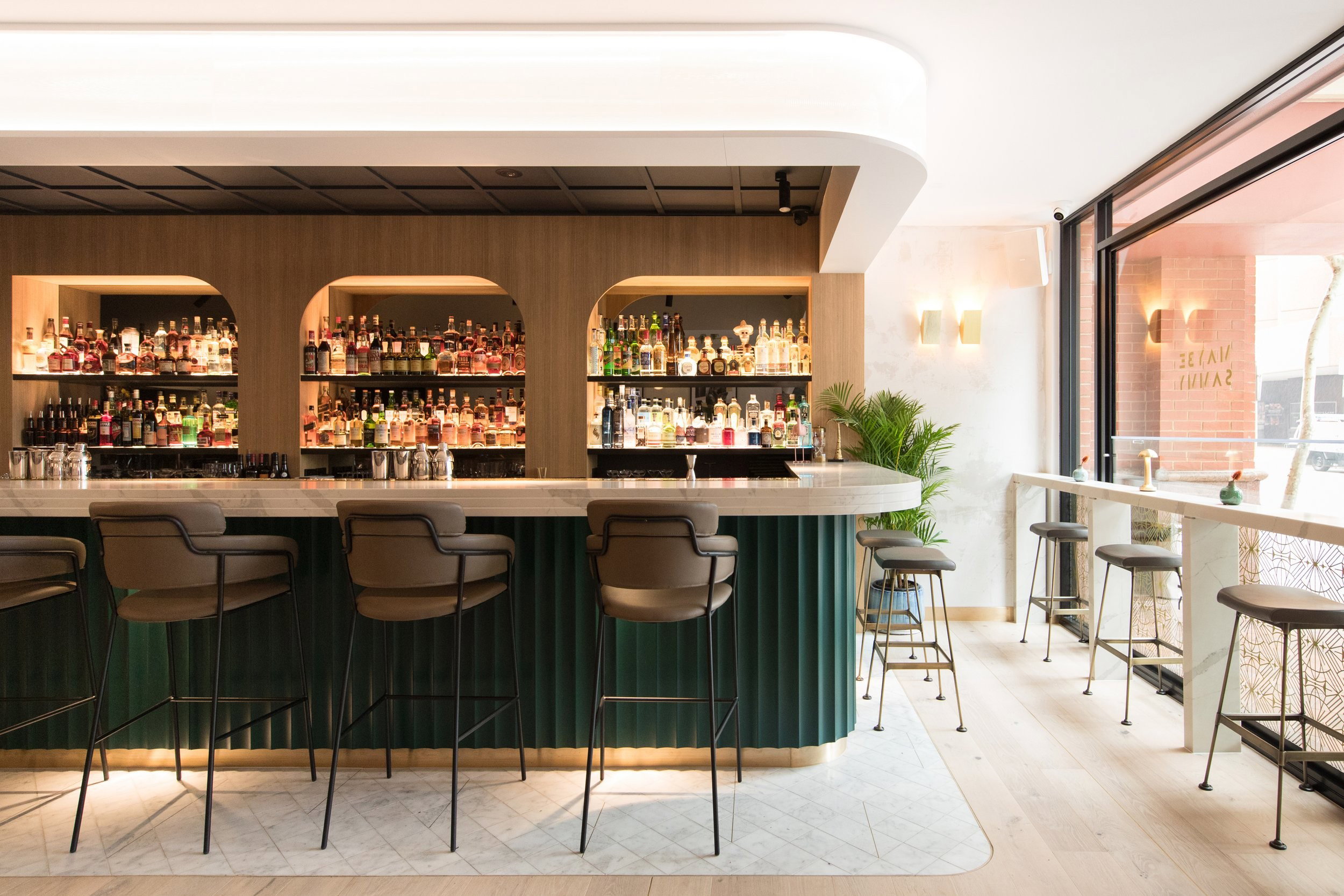
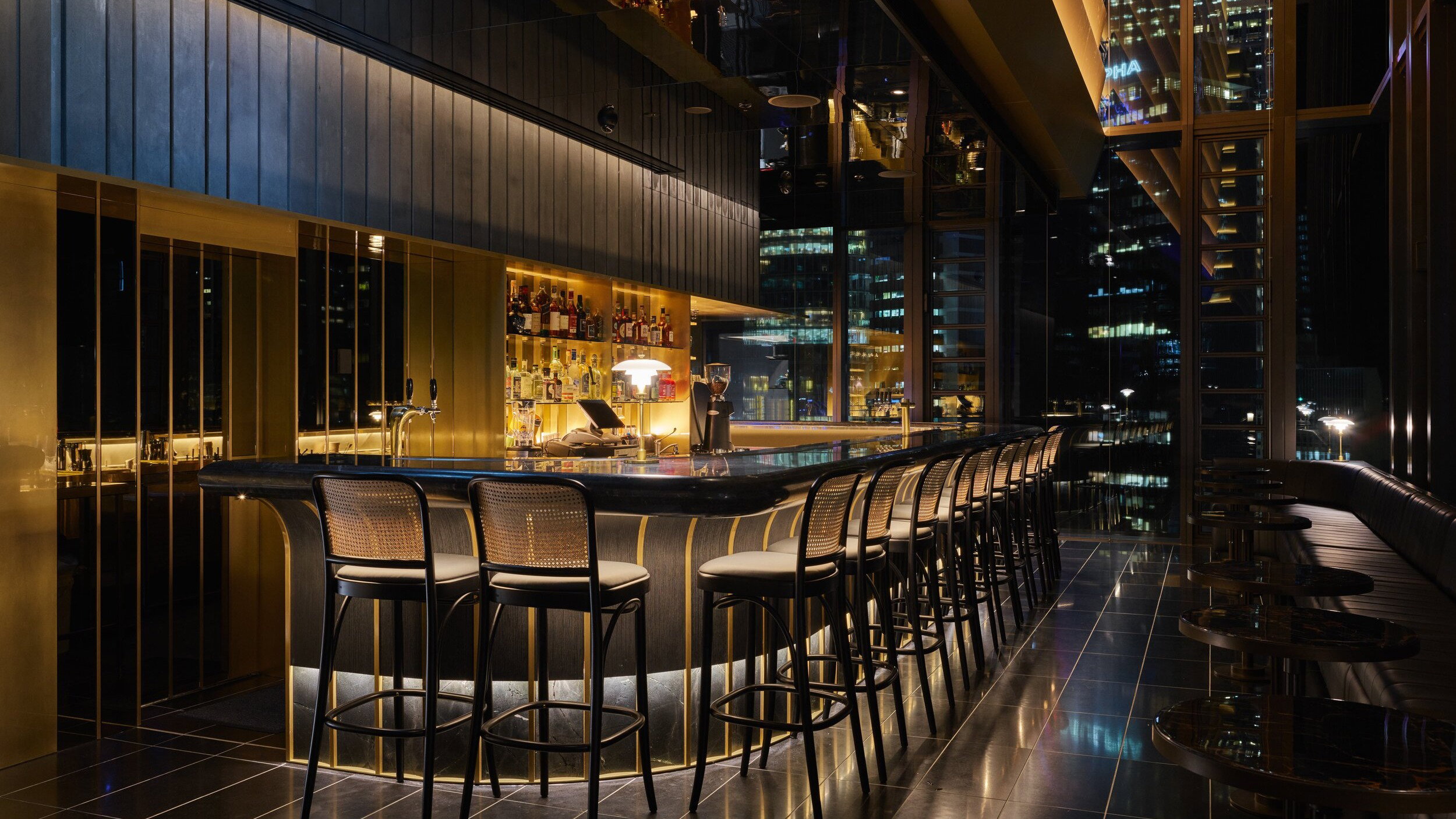
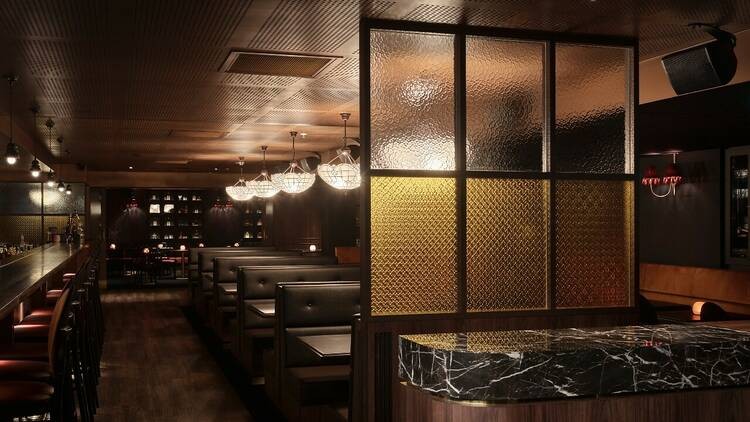
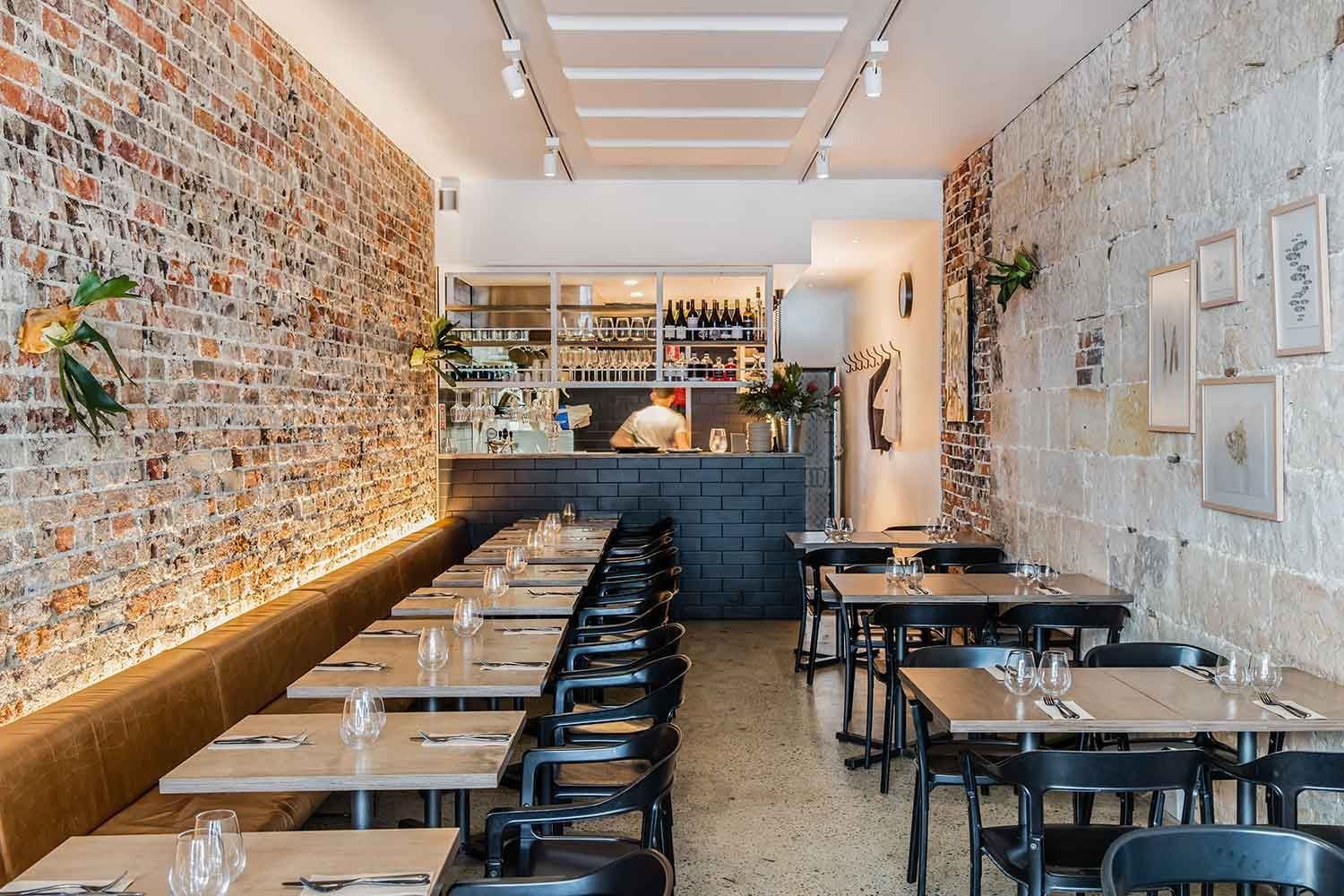
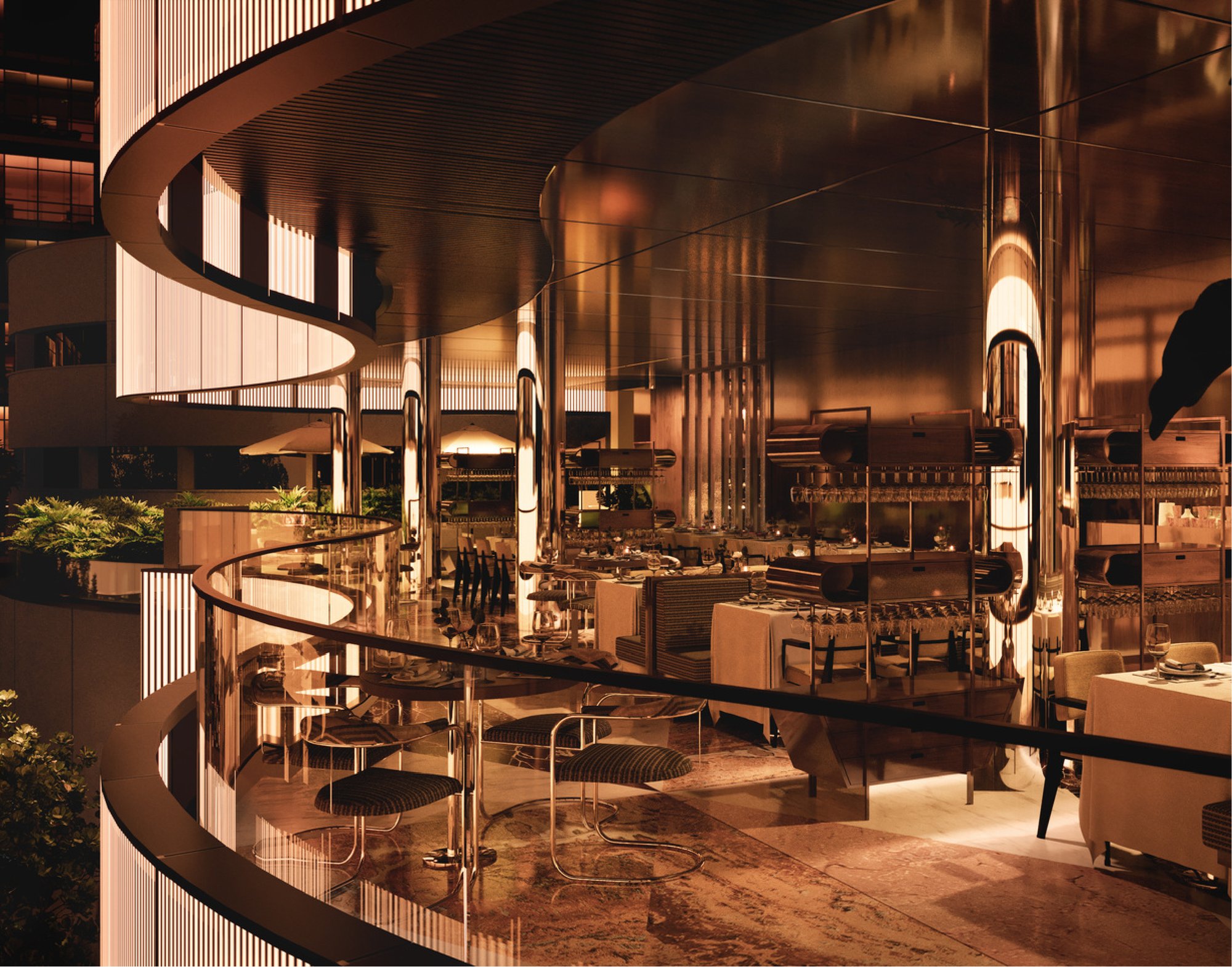
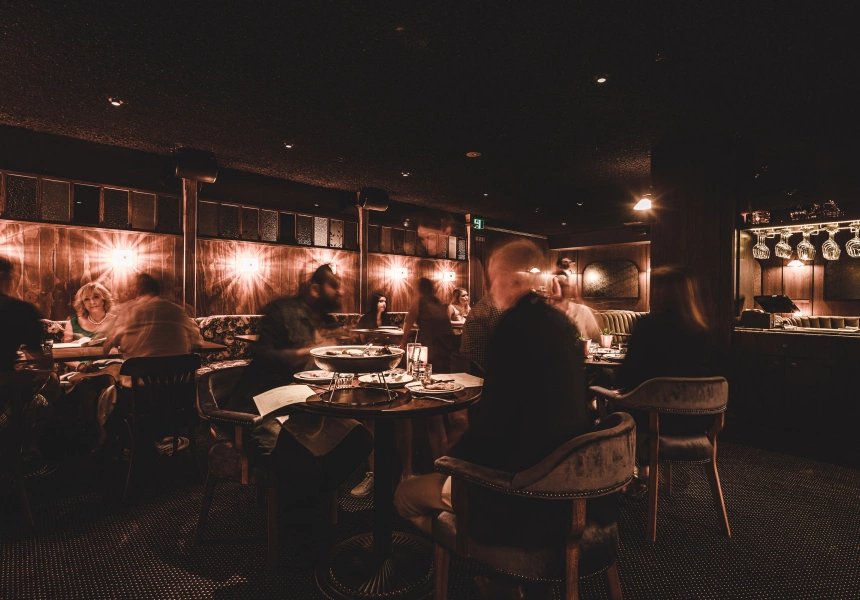
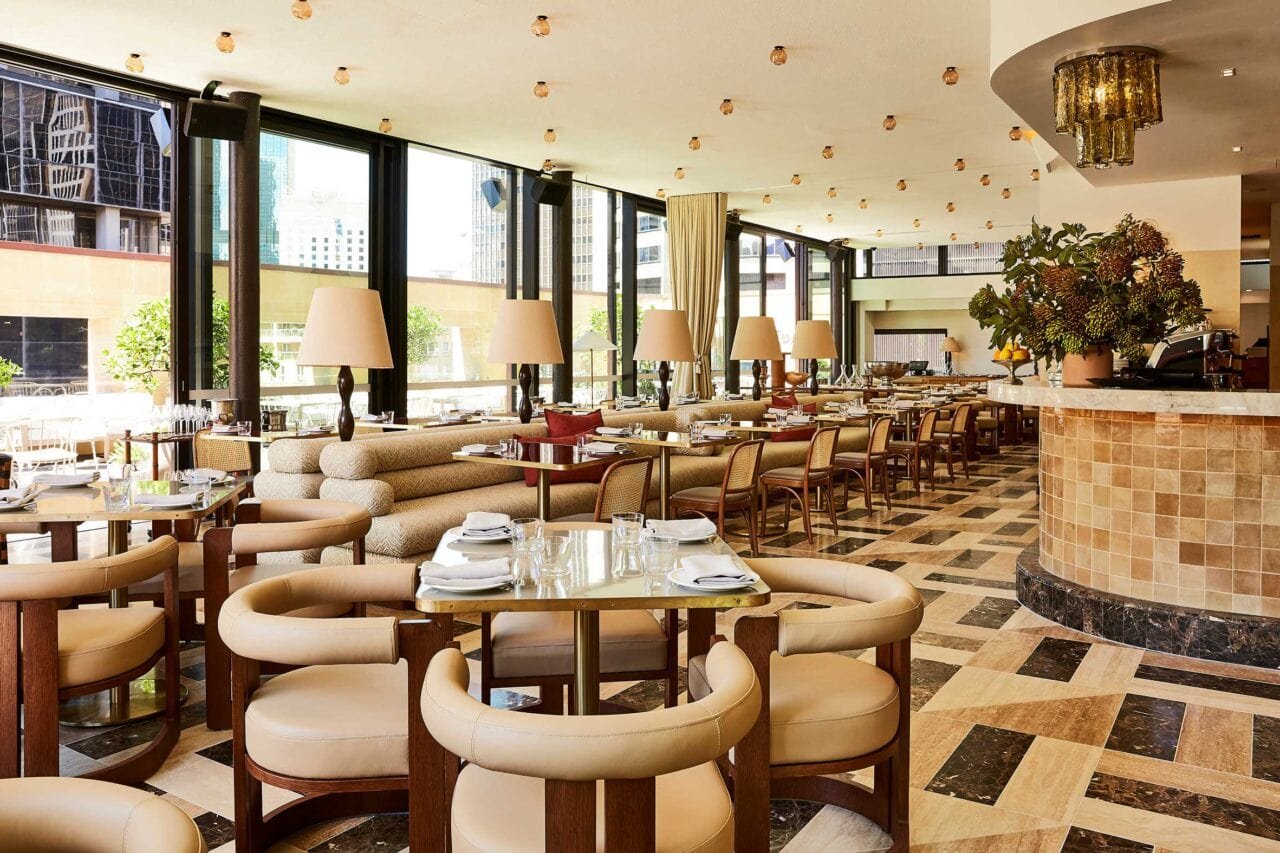
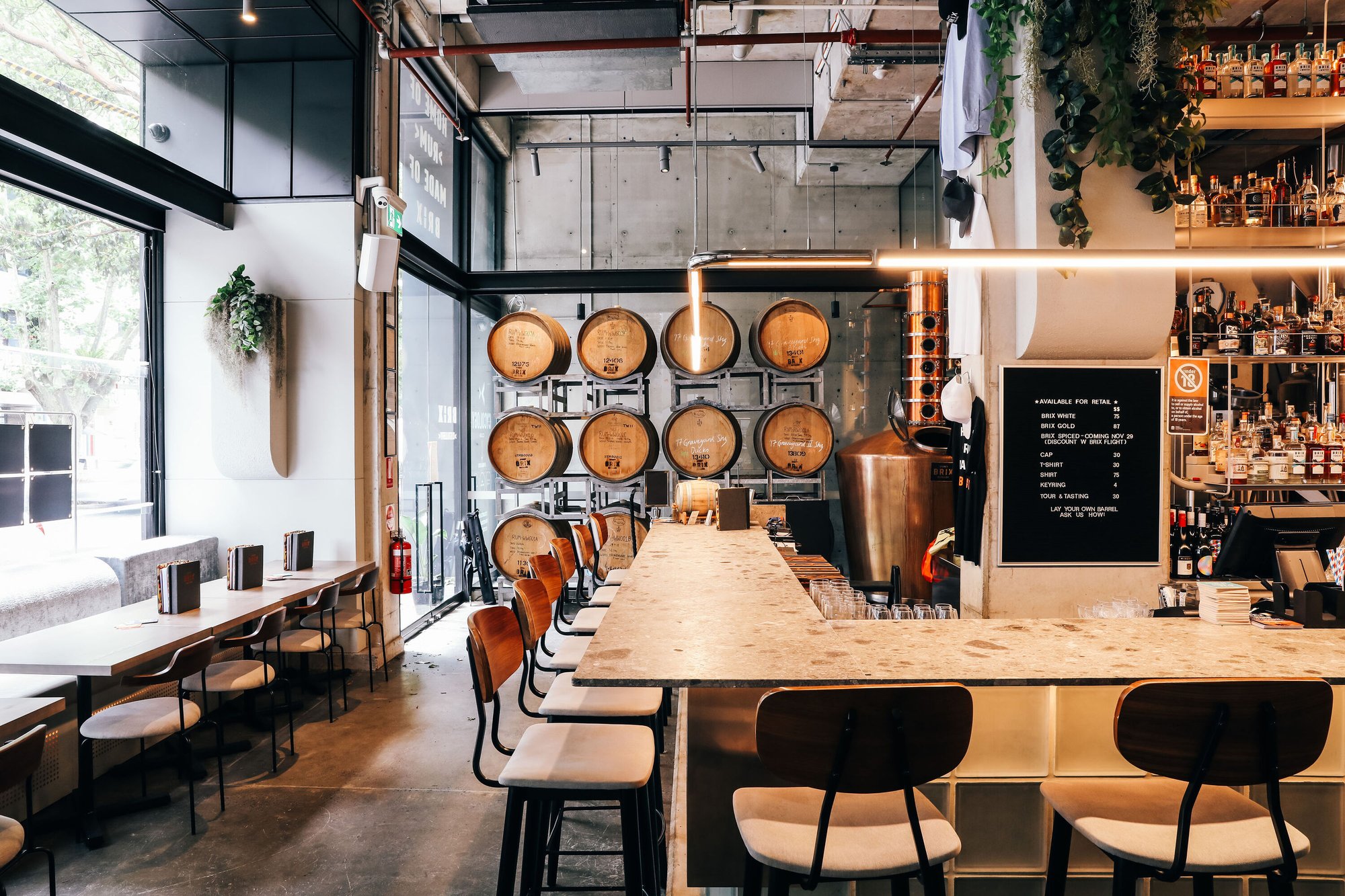
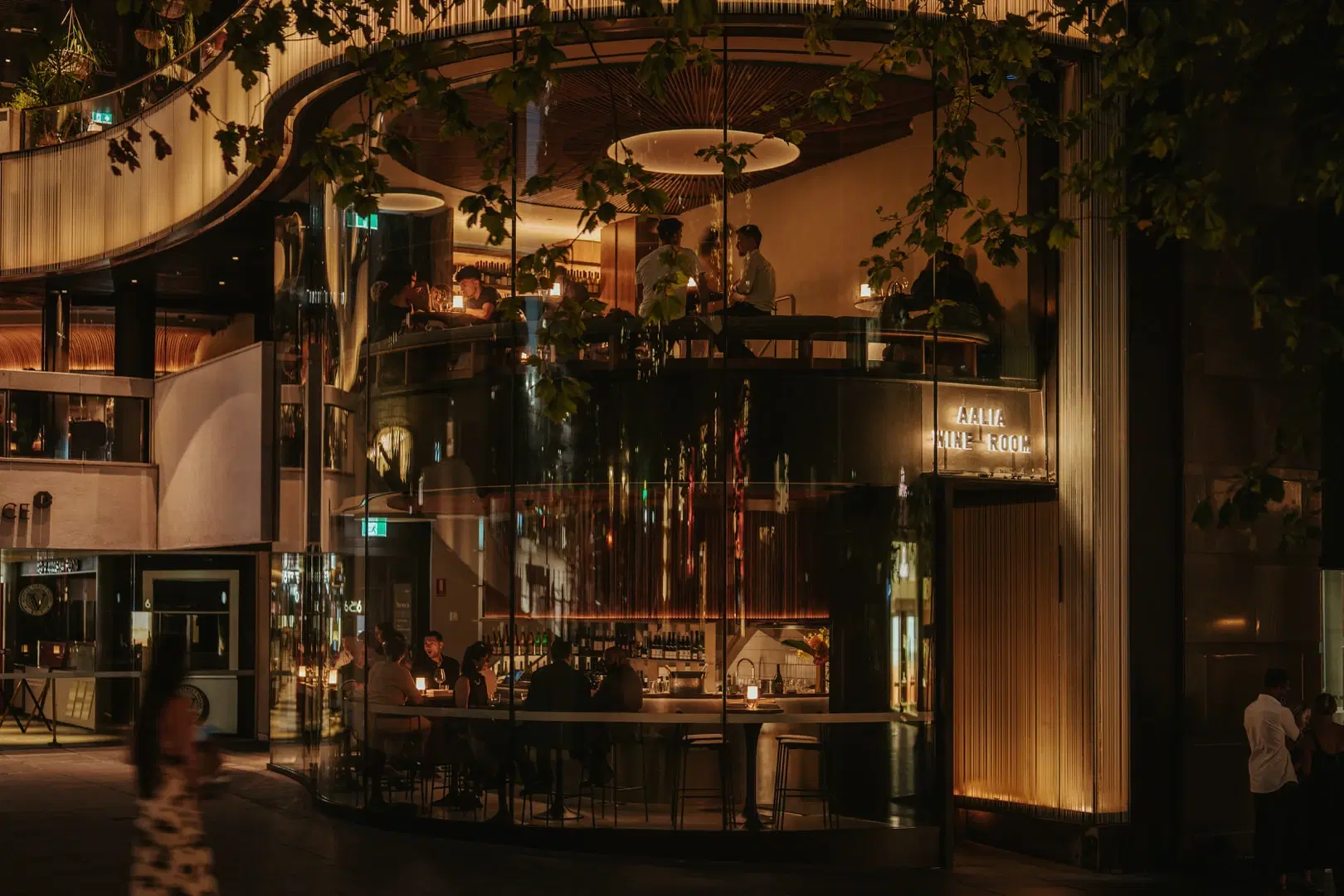
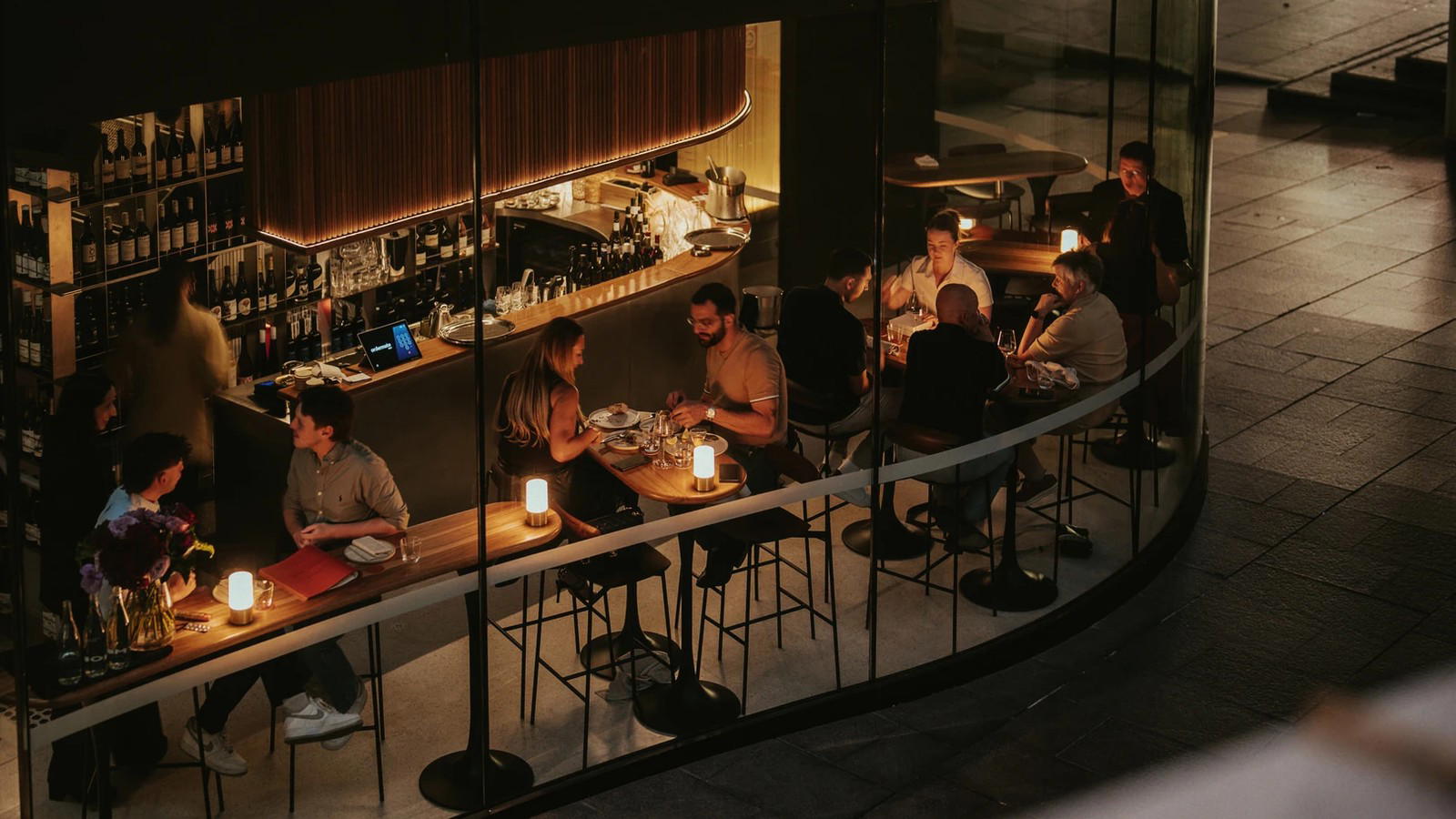
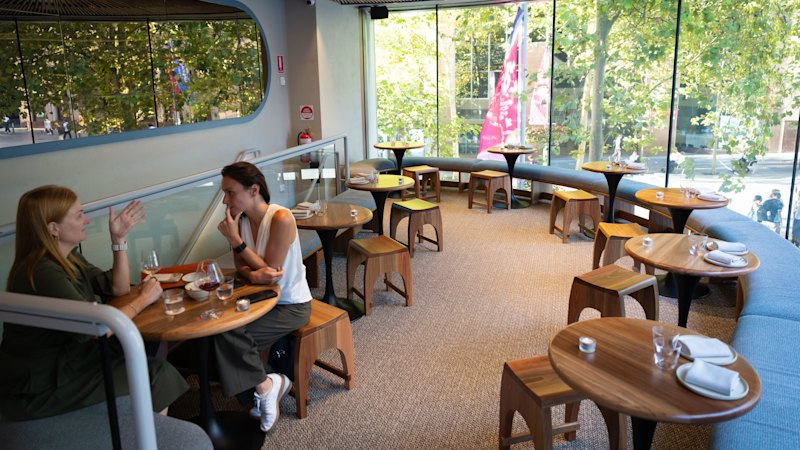
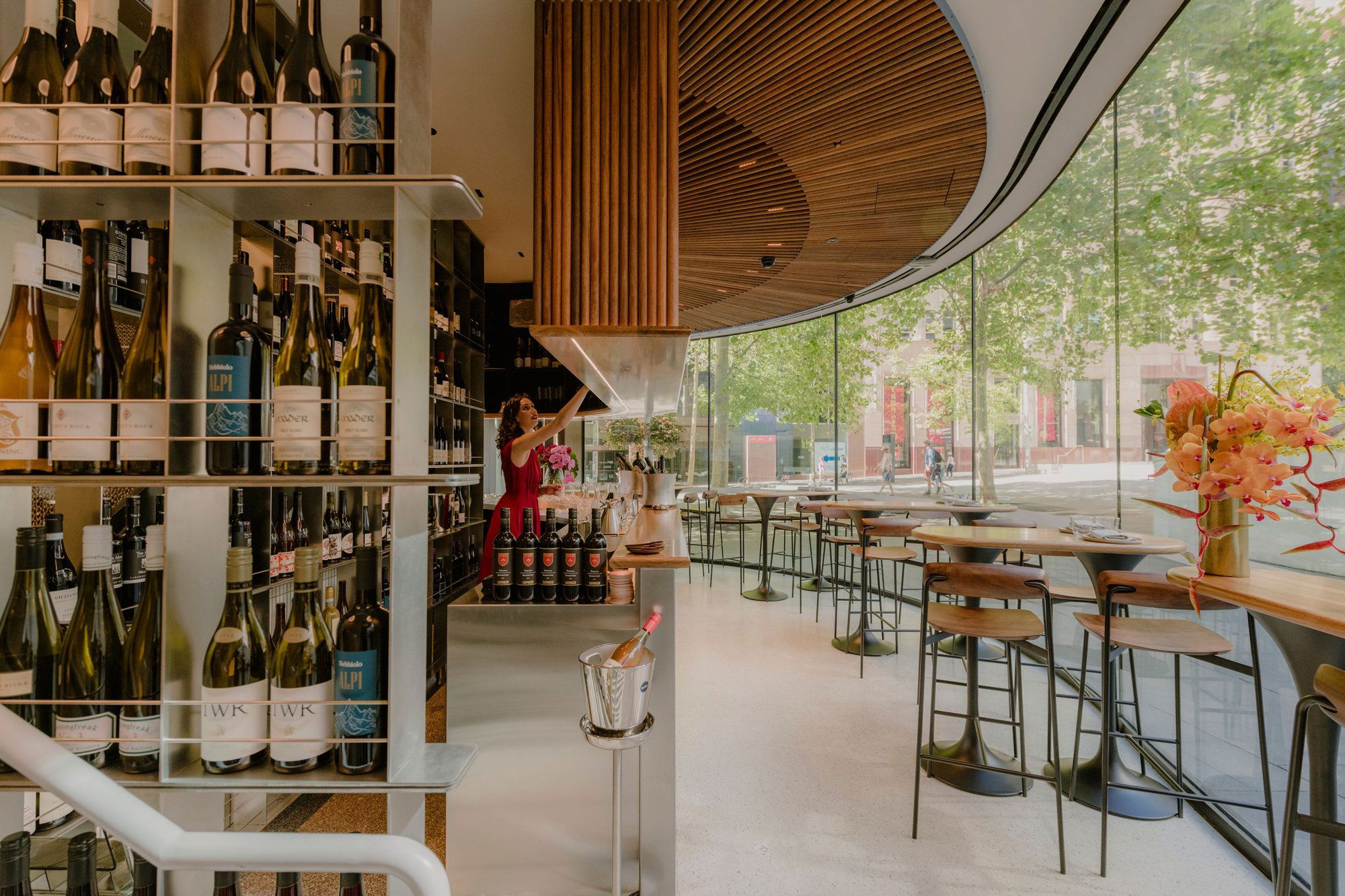
Warm timber, banquette seating, mood lighting, and eye-catching tiles with views of the modernist MLC Centre; refined and tactile setting.
Tags
Vibe
Best For
Experience
Format
View
At the Bar
- Bar Category
- Wine Bar
- Late Night
- Closes by Midnight
Know before you go
Know Before You Go
- Getting there
- Tenancy 6.33/25 Martin Pl, Sydney NSW 2000, Australia
Planning details
Location
Tenancy 6.33/25 Martin Pl, Sydney NSW 2000, Australia · Directions
Also consider
Where to go if this is not the right fit
If the group wants pasta and wine, try Ragazzi or Fabbrica Pasta Shop CBD. If the brief is drinks-first rather than dinner-first, Bar Topa is the easier alternative to compare.
Bar context
How it compares in Sydney
Ragazzi and Fabbrica Pasta Shop CBD are stronger fits when the table wants Italian comfort and a tighter pasta-led brief. Aalia Wine Room is the better call when the group wants a central CBD wine room with Middle Eastern and North African-inspired food instead of another Italian night.
Felix Bistro & Bar is the clearer choice for French bistro polish and a more classic room. The Ivy is better for a bigger, bar-forward city night, while Bar Topa suits a shorter drinks-and-snacks plan. For value, booking ease, and a less obvious CBD food direction, Aalia Wine Room is the practical middle lane.
Around this place
Discover more on Pearl
Unlock the full Aalia Wine Room guide in Pearl, including awards, comparisons, FAQs, planning details, and nearby places.
Compare Aalia Wine Room
| Venue | Location | Cuisine | Awards |
|---|---|---|---|
| Aalia Wine Room | Sydney | Middle Eastern / North African-inspired | No published awards |
| Ragazzi | Sydney | , | No published awards |
| Felix Bistro & Bar | Sydney | , | No published awards |
| Fabbrica Pasta Shop CBD | Sydney | , | No published awards |
| The Ivy | Sydney | , | 2010 World's 50 Best Bars · #502009 World's 50 Best Bars · #14 |
| Bar Topa | Sydney | , | No published awards |

How Aalia Wine Room Sydney compares with similar nearby venues.
FAQ
Frequently Asked Questions
Is Aalia Wine Room good for groups?
Aalia Wine Room may suit a group that wants Middle Eastern / North African-inspired dining in Sydney. Ragazzi is another Sydney venue to compare if you are weighing options.
Do I need a reservation at Aalia Wine Room?
If you need certainty, check directly with the venue before going. The hours are Tue–Fri from 12–11 PM and Sat from 5–11 PM, with Sun and Mon closed.
What's the crowd like at Aalia Wine Room?
The key planning cues are a Sydney setting, a smart-casual dress code, and Middle Eastern / North African-inspired food. The Ivy is another Sydney venue to compare for a different brief.
Is Aalia Wine Room good for a date?
It may fit a date night if Middle Eastern / North African-inspired dining in Sydney is the brief. The dress code is smart casual. Felix Bistro & Bar is another Sydney venue to compare if you are considering alternatives.
Is the food good at Aalia Wine Room?
It should appeal if you are looking for Middle Eastern / North African-inspired food. Fabbrica Pasta Shop CBD is another Sydney venue to compare for a different brief.
Does Aalia Wine Room have outdoor seating?
What's the best time to go to Aalia Wine Room?
Choose based on the hours: Tue–Fri from 12–11 PM or Sat from 5–11 PM. Aalia Wine Room is closed Sun and Mon. If you prefer more flexibility, the Tue–Fri schedule gives you the widest range of times.