Tokyo Bird
Surry Hills
Bar in Surry Hills, Australia
 Book with Pearl
Why go
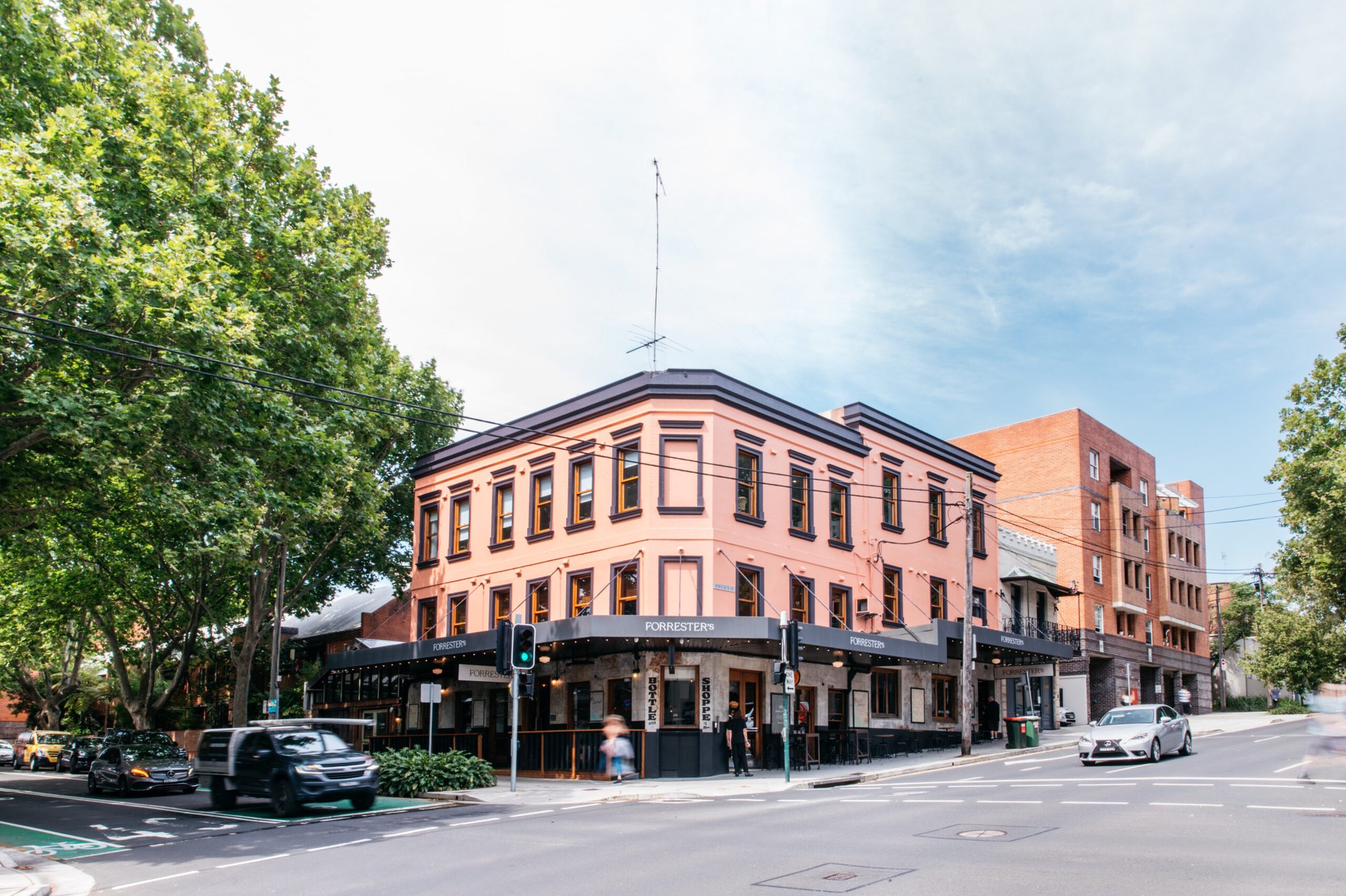
Tokyo Bird is best treated as an easy Surry Hills date-night bar, not a destination splurge. Choose it for a flexible drinks-and-food plan in the neighbourhood; cross-shop The Rover for a more cocktail-led night, Forrester's for groups, and Madame Nhu Surry Hills when the meal itself matters more.
About Tokyo Bird
Tokyo Bird is a Surry Hills venue with evening hours and a smart casual dress code. It opens from 4 PM Monday to Saturday, closes later toward the end of the week, and is closed on Sunday. Beyond that, specific claims about cuisine, menu items, prices, awards, seating, chef details, reservations, or service format are not available.
What is confirmed before you plan
Use the basics to decide whether Tokyo Bird fits the plan: Surry Hills, evening trading, and smart casual dress. It is not the venue to choose if the decision depends on a documented tasting menu, named signature dishes, published accolades, a known chef, or a clear price tier.
The safer read is practical: Tokyo Bird may suit an evening in Surry Hills when the schedule matters more than a heavily documented venue profile. If the night needs a clearer restaurant structure, use the full Surry Hills restaurants guide instead. If you are comparing other options, consider Forrester's and Madame Nhu Surry Hills before committing.
Who should choose it over other options
Choose Tokyo Bird when the priority is a Surry Hills evening option with later-week trading. It is open until 11 PM Monday to Wednesday, 11:30 PM on Thursday, and midnight on Friday and Saturday. Forrester's, Madame Nhu Surry Hills, and The Rover are natural comparisons if you are deciding where the night should land.
The main advantage is simplicity: the details support an evening plan in Surry Hills with a smart casual dress code. It is less compelling for diners who want published accolades, a known chef, clear menu detail, or a destination-level booking. In that case, scan the full Surry Hills venues guide for other options.
Bottom line: pick it for an easy Surry Hills evening when the hours and smart casual dress code fit the brief. Skip it if the occasion needs a clear food focus, a splurge signal, or a venue with clearly established awards.
Planning details
- Location
- 226 Commonwealth St, Surry Hills NSW 2010, Australia
- Website
- tokyobird.com.au
- Phone
- +61 2 8880 9971
The take
The Take
The Vibe
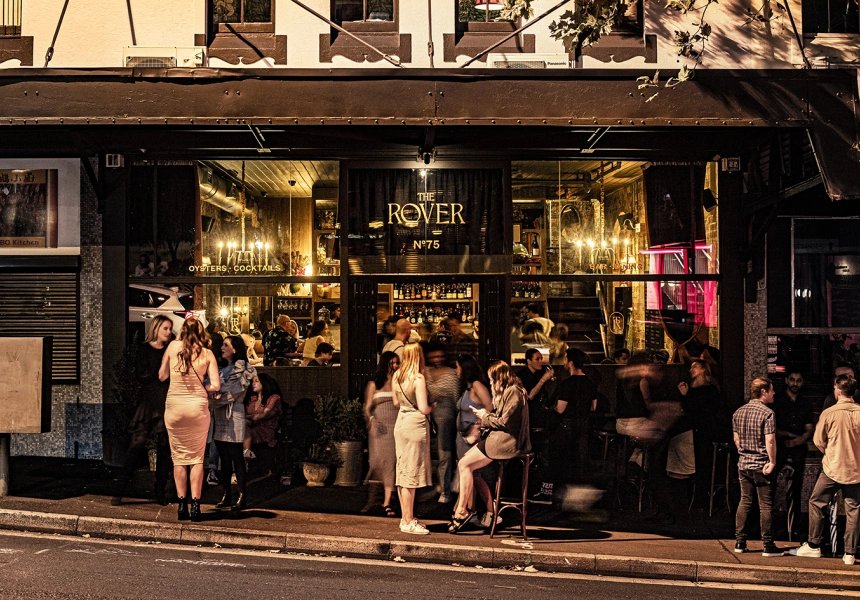
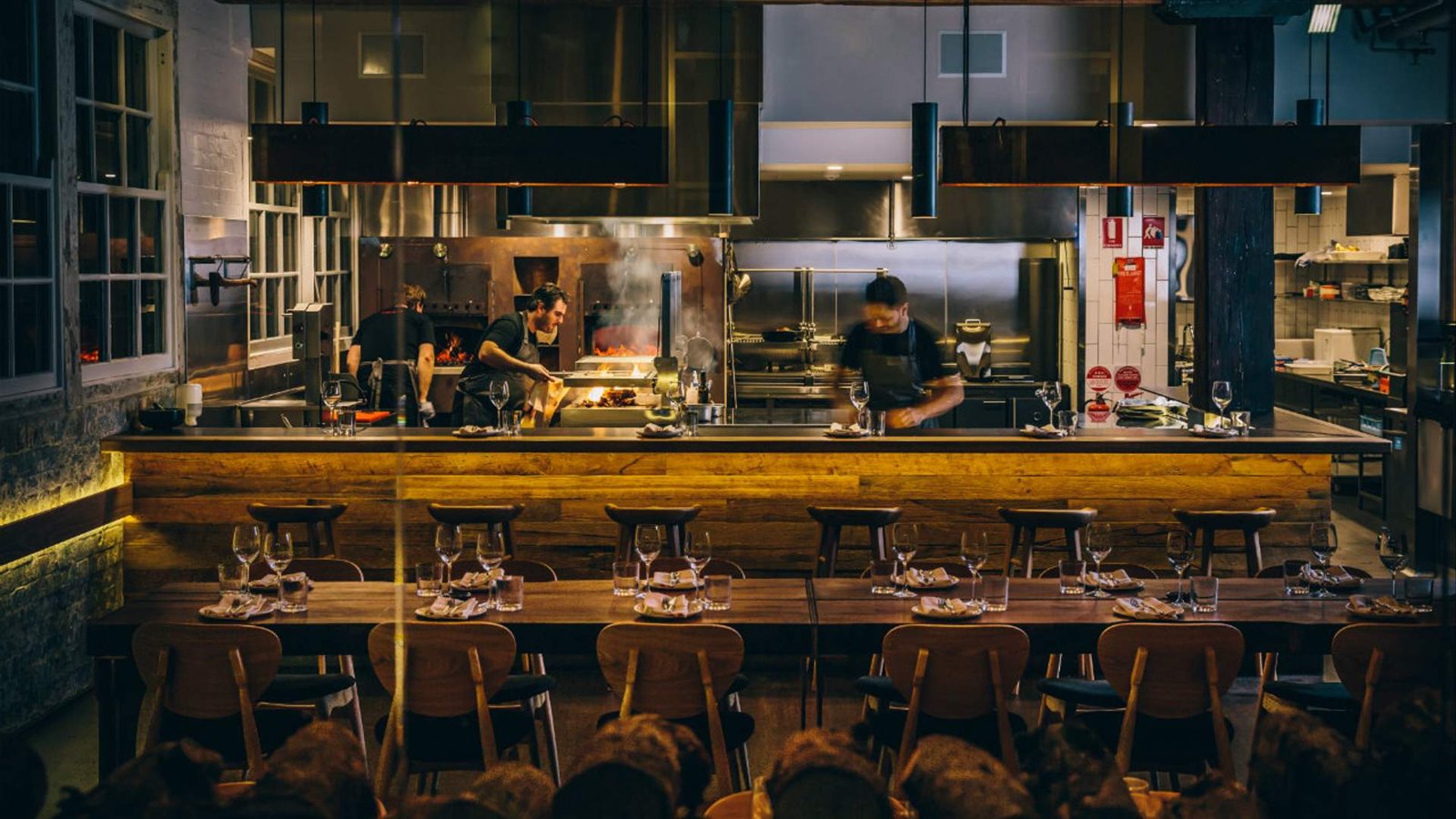
Tokyo Bird presents as a focused, chef-forward yakitori spot that reads more like a study in charcoal and provenance than a conventional bar. The writing emphasizes technique, traceable sourcing and a compact, deliberate counter grammar, so the room feels refined and purpose-built rather than decorative. The grill sits at the center of service and conversation: staff let the charcoal and the skewer dictate pacing and emphasis, which keeps the mood attentive and quietly intense. This is a modern, sophisticated interpretation of a Tokyo yakitori-ya that prioritizes ingredient clarity and craft.
Best For
This is a venue best for an evening visit when the charcoal grill is in full swing and the sequence of skewers becomes the pacing device for a meal. The counter-centric layout and the piece’s focus on technique and provenance make it well suited to diners who want a culinary-led experience—whether stepping in alone to watch the cooking or booking a tight group to move through focused courses. The format favors attentive tasting and conversation about ingredient and technique, so it suits those who appreciate craft-driven dining at night.
Ordering Tips
Treat the skewer as the primary unit: order a series of skewers to understand how sourcing and charcoal technique show up across cuts and ingredients. The editorial emphasizes provenance as front-of-house talking point, so ask staff about where proteins are sourced and how that history reads on the grill. If possible, take a spot at the counter to watch the binchotan charcoal and to time orders alongside the cooks; close attention to pacing and sequencing delivers the clearest expression of the kitchen’s approach.
Venue details
Ambiance
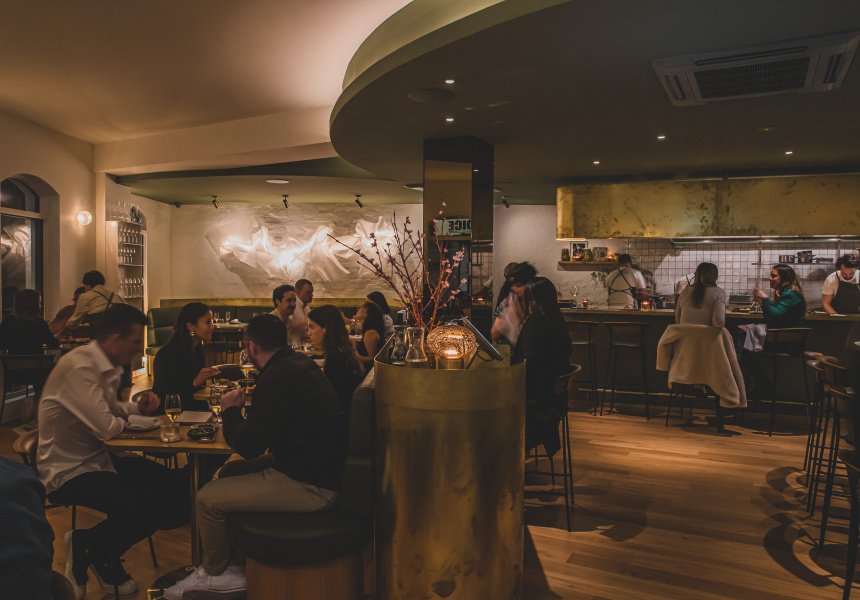
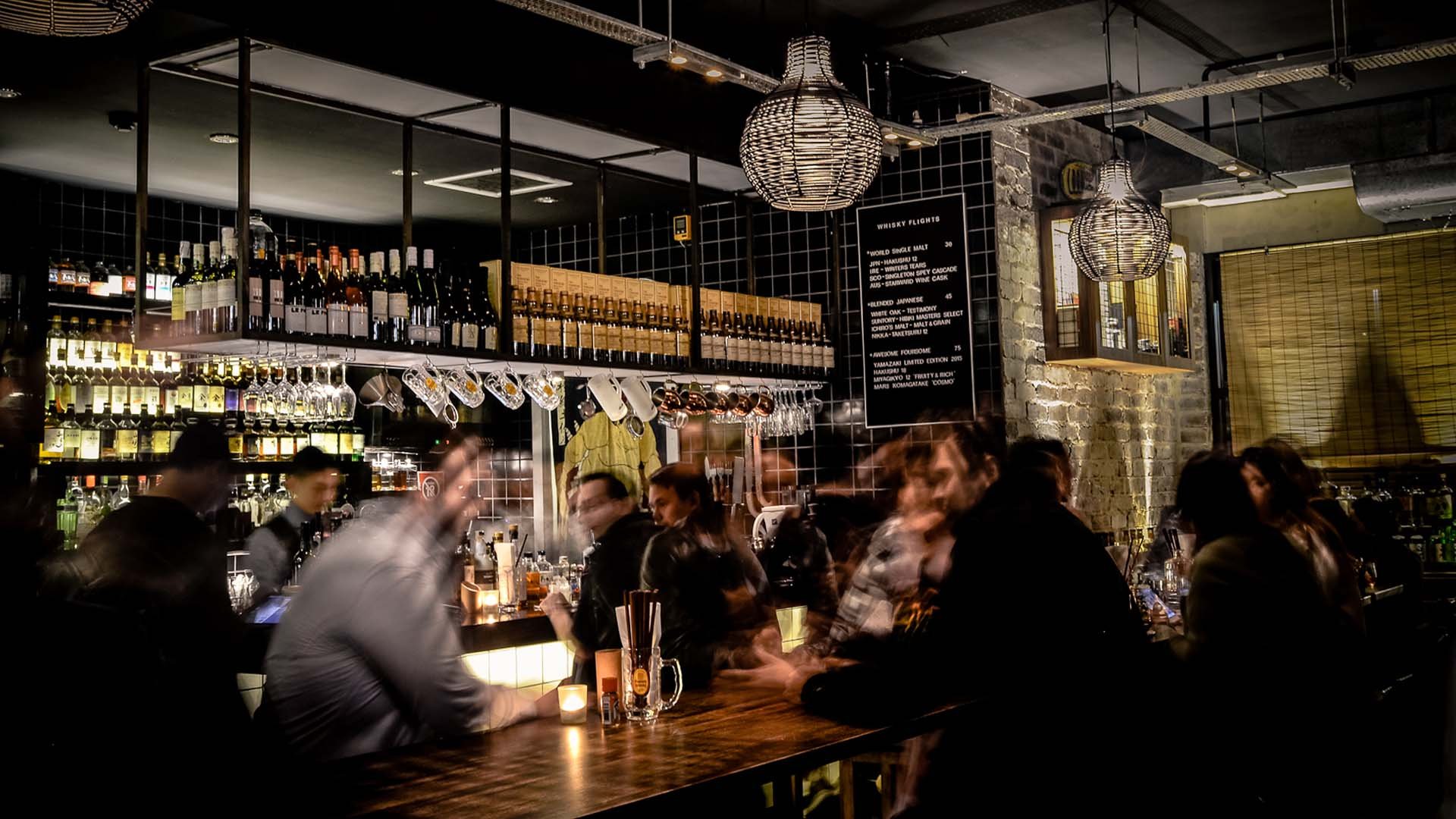
Intimate and cozy with low lighting, moody atmosphere, and chill vibe.
Tags
Vibe
Best For
Format
At the Bar
- Bar Category
- Cocktail Bar
- Late Night
- Closes by Midnight
- Music
- Chill
Signature Pours
- Yuzu Spritz
- Kobashi
- Higashi
Know before you go
Know Before You Go
- Getting there
- 226 Commonwealth St, Surry Hills NSW 2010, Australia
Planning details
Location
Also consider
Also Consider
- Bar Copains, Notable alternative
- Forrester's, Notable alternative
- The Rover, Notable alternative
- Madame Nhu Surry Hills, Notable alternative
- El Primo Sanchez, Notable alternative
Bar context
How Tokyo Bird compares in Surry Hills
Tokyo Bird is the easier, lower-commitment choice for a two-person Surry Hills night when the plan is drinks first and food alongside. Forrester's is a better fit for bigger, more casual groups, while The Rover is the stronger cross-shop for a date that needs a more cocktail-focused bar feel.
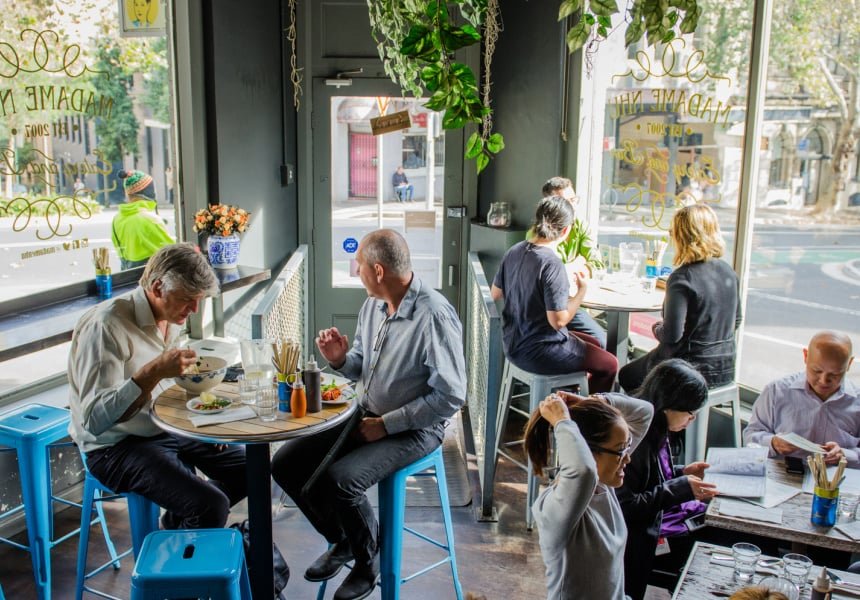
If food is the deciding factor, Madame Nhu Surry Hills gives the evening a clearer meal structure than Tokyo Bird. Bar Copains and El Primo Sanchez sit outside the immediate Surry Hills decision set, so choose them only if the night is built around a specific bar style rather than staying close to Commonwealth Street.
For value, Tokyo Bird works when convenience is part of the value equation. Forrester's is the safer pick when nobody wants a delicate date-night room, The Rover is better for a drinks-led pair, and Madame Nhu Surry Hills is the better move when dinner needs to carry more of the evening.
Explore Surry Hills
Around this place
Discover more on Pearl
Unlock the full Tokyo Bird guide in Pearl, including awards, comparisons, FAQs, planning details, and nearby places.
Compare Tokyo Bird
| Venue | Location | Awards |
|---|---|---|
| Tokyo Bird | Surry Hills | No published awards |
| Bar Copains | Sydney | No published awards |
| Forrester's | Surry Hills | No published awards |
| The Rover | Surry Hills | No published awards |
| Madame Nhu Surry Hills | Surry Hills | No published awards |
| El Primo Sanchez | Sydney | No published awards |
How Tokyo Bird Surry Hills compares with similar nearby venues.
FAQ
Frequently Asked Questions
Is Tokyo Bird open late?
Yes. Tokyo Bird is open until 11 PM Monday to Wednesday, 11:30 PM on Thursday, and midnight on Friday and Saturday. It is closed on Sunday.
Is the food good at Tokyo Bird?
Specific menu details, signature dishes, cuisine, and food reviews are not available here. For comparison, consider other options such as Madame Nhu Surry Hills or El Primo Sanchez, and check official venue channels for current details.
Is Tokyo Bird good for a date?
It can work for a relaxed Surry Hills evening if the hours and smart casual dress code fit the plan. If you want to compare it with other options, consider Bar Copains, Madame Nhu Surry Hills, or other venues before deciding.