

Tokyo Sushi
Sunset Hills
Bar in Sunset Hills, United States
 Book with Pearl
Why go
Tokyo Sushi is worth considering for an easy, casual sushi meal in Sunset Hills, especially when convenience matters more than ceremony. It is better for a simple lunch or early dinner than a late, drinks-led night out; choose Side Project Brewing or 9 Mile Garden instead if the evening needs a stronger social setting.
About Tokyo Sushi
Tokyo Sushi in Sunset Hills is best approached with simple expectations: it is a casual venue with posted midday and evening hours on most days, later hours on Friday and Saturday, and a Sunday closure.
The main decision is timing. Monday through Thursday, the posted hours are 11 AM–2:30 PM and 4:30–9 PM. Friday keeps the same midday window and extends the evening hours to 10 PM. Saturday is listed as 12–2:30 PM and 4:30–9:30 PM, while Sunday is closed.
Good for a simple plan, not a big-night production
The clearest use case is a casual visit in Sunset Hills. Plan it as a straightforward neighborhood meal rather than a destination-level or special-occasion restaurant.
For a first visit, set expectations around casual dress and the posted operating windows.
Where it fits in a Sunset Hills night out
Use Tokyo Sushi when the plan is centered on a casual meal in Sunset Hills and the posted hours work for the group. If the broader plan needs a different kind of stop, Side Project Brewing, 9 Mile Garden, Frisco Barroom, Katie's Pizza & Pasta – Rock Hill, and The Sushi Station may be worth considering as other nearby options, depending on the occasion.
For broader planning nearby, see our full Sunset Hills restaurants guide, our full Sunset Hills bars guide, our full Sunset Hills hotels guide, our full Sunset Hills wineries guide, and our full Sunset Hills experiences guide.
Planning details
- Location
- 3729 S Lindbergh Blvd, St. Louis, MO 63127
- Website
- tokyosushimissouri.com
- Phone
- +1 314 984 5050
The take
The Take
The Vibe
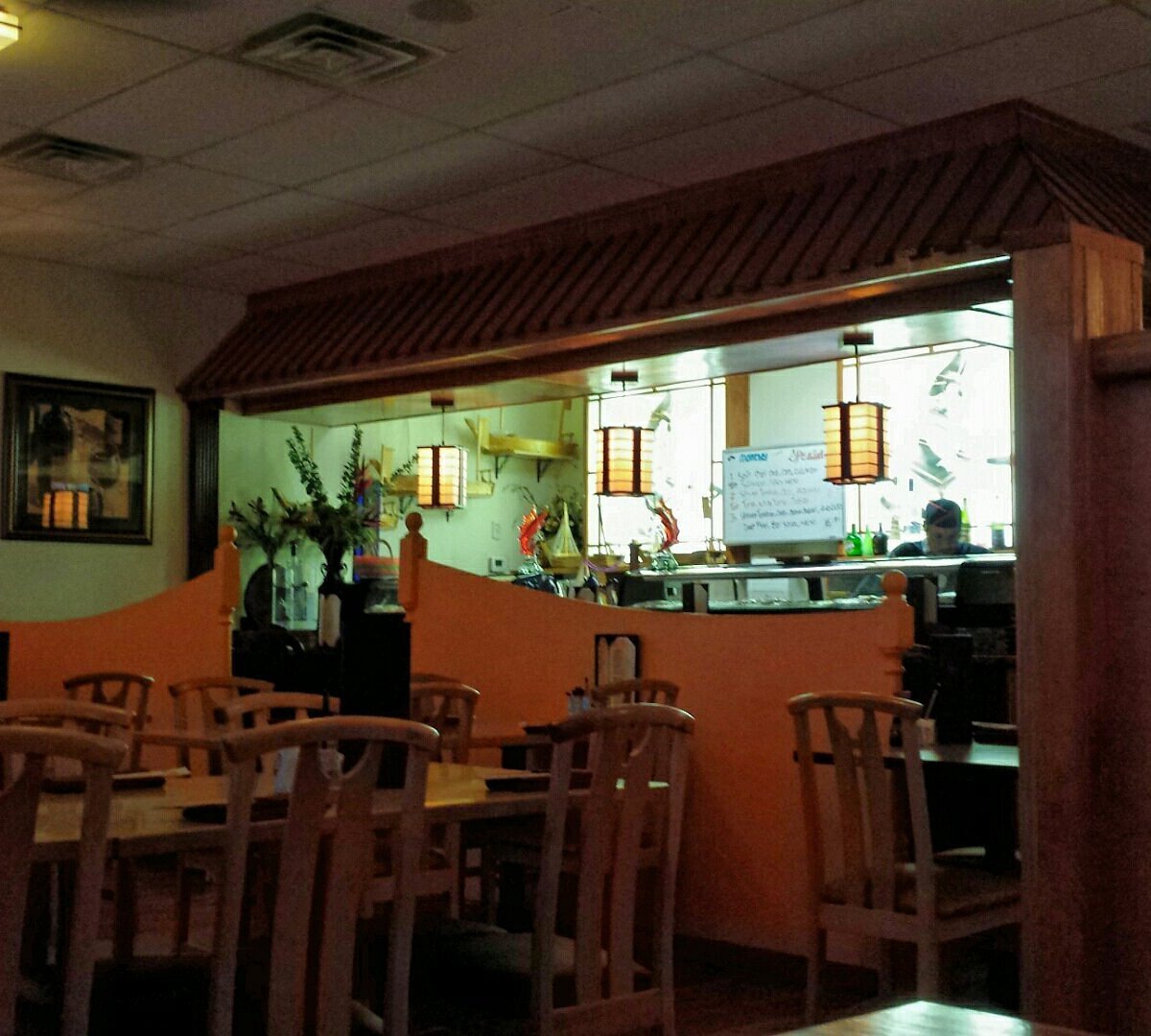
Tokyo Sushi reads like a classic suburban Japanese-American spot: unassuming from the street and built around a working sushi bar. The room prioritizes practicality over ritual, a sushi counter runs along one wall, with tables filling the rest of the space, and the overall feel is relaxed and democratic rather than formal. It leans into a long-standing regional tradition of accessible Japanese dining: familiar nigiri and maki sit alongside cooked plates that invite a broad neighborhood clientele. The restaurant presents itself as a reliable, neighborhood-focused place rather than a high-art omakase destination.
Best For
This is a reliable neighborhood choice for a range of everyday occasions. Solo diners who want the preparation-theater experience can take a seat at the sushi bar to watch knife work and interact with the staff. Families and groups looking for variety will appreciate the menu’s mix of raw and cooked options, which suits both committed sushi eaters and more cautious guests. Regulars and first-timers alike find the place approachable: it’s best for casual dinners, low-key gatherings, and anyone seeking a steady suburban sushi option.
Ordering Tips
Sit at the sushi bar if you want an interactive experience: the counter functions as a preparation theater and lets you watch the knife work and make spontaneous additions to your order. The menu spans traditional nigiri and maki as well as cooked dishes, so consider ordering a mix if you’re dining with guests who aren’t all committed to raw fish. Because the format is not a formal omakase, feel free to ask the staff for recommendations or to customize plates: the room is set up for that kind of give-and-take.
Venue details
Ambiance
Cozy restaurant atmosphere with friendly service.
Tags
Vibe
Best For
At the Bar
- Late Night
- Closes by Midnight
Know before you go
Know Before You Go
- Getting there
- 3729 S Lindbergh Blvd, St. Louis, MO 63127
Planning details
Location
Also consider
Where to go if this is not the right fit
If sushi is still the goal, start with The Sushi Station as the closest category alternative. If the group needs a safer crowd-pleaser, Katie's Pizza & Pasta – Rock Hill is the easier recommendation for mixed tastes.
For a later night, Side Project Brewing is the better pivot when drinks matter more than dinner.
Bar context
How It Compares
Tokyo Sushi is the practical pick when the group specifically wants sushi and wants an easy plan. The Sushi Station is the closest like-for-like comparison by category, so cross-shop that first if sushi is non-negotiable. Without verified price or menu detail for either, the safer decision is based on convenience and booking ease rather than a promised quality gap.
For a broader dinner, Katie's Pizza & Pasta – Rock Hill is the better fit for mixed groups because pizza and pasta are easier for hesitant diners than sushi. Frisco Barroom makes more sense when the priority is a barroom feel, conversation, and drinks alongside food.
If the night is really about the after-dinner plan, skip the sushi-first approach. 9 Mile Garden is stronger for flexible groups and casual social energy, while Side Project Brewing is the better call for beer-focused drinkers. Tokyo Sushi is easiest to justify when dinner, not the extended night out, is the point.
Explore Sunset Hills
Around this place
Discover more on Pearl
Unlock the full Tokyo Sushi guide in Pearl, including awards, comparisons, FAQs, planning details, and nearby places.
Compare Tokyo Sushi
| Venue | Location | Awards |
|---|---|---|
| Tokyo Sushi | Sunset Hills | No published awards |
| The Sushi Station | Webster Groves | No published awards |
| Katie's Pizza & Pasta – Rock Hill | Rock Hill | No published awards |
| Frisco Barroom | Webster Groves | No published awards |
| 9 Mile Garden | Affton | No published awards |
| Side Project Brewing | Maplewood | No published awards |
How Tokyo Sushi Sunset Hills: Hours and Casual Visit Guide compares with similar nearby venues.
FAQ
Frequently Asked Questions
What's the best time to go to Tokyo Sushi?
Use the posted hours to plan: Monday through Thursday, Tokyo Sushi is listed as open 11 AM–2:30 PM and 4:30–9 PM. Friday runs 11 AM–2:30 PM and 4:30–10 PM, Saturday runs 12–2:30 PM and 4:30–9:30 PM, and Sunday is closed.
Is Tokyo Sushi good for a date?
It can work for a casual, low-pressure outing in Sunset Hills. The dress code is casual, but if reservations, seating style, menu format, or drinks are important to the plan.
What's the crowd like at Tokyo Sushi?
Expect a casual Sunset Hills venue with posted midday and evening hours on most days.
Is the food good at Tokyo Sushi?
Plan around the basics: a casual sushi stop in Sunset Hills with casual dress and posted hours. If you have specific menu expectations, check directly with the venue before going.
Is Tokyo Sushi open late?
The latest listed closing time is Friday at 10 PM. Saturday is listed until 9:30 PM, Monday through Thursday until 9 PM, and Sunday is closed.