


VINA
Södermalm, Stockholm
Bar in Stockholm, Sweden
 Book with Pearl
The Read
Price
$30–50per person
Why go
VINA is worth considering for a low-pressure Södermalm date or small celebration, especially when ease matters more than a clearly defined cuisine or awards profile. For a more specific Swedish or modern-cuisine brief, compare it with Bar Agrikultur or Symbios before committing.
About VINA
VINA is a Stockholm venue best evaluated on practical fit: its opening hours and smart-casual dress code are the key planning details, while cuisine, awards, chef, price tier, and service format should be checked directly before booking.
Book for the practical basics, not for a heavily signposted dining format
VINA is closed on Monday and Sunday, opens Tuesday through Thursday from 4–10 PM, Friday from 4–11 PM, and Saturday from 2–11 PM. The dress code is smart casual.
For groups that need a defined brief in advance, clarify cuisine type, chef lead, awards, menu format, and price tier directly before booking. If you want to compare before deciding, consider Bar Agrikultur, Ponti, Restaurang Nytorget 6, Symbios, or Tripletta, along with other Stockholm dining options.
The service question is about expectations
Do not assume VINA is tasting-menu focused, award-led, counter-only, or tied to a specific drinks program. Treat it as a Stockholm option with Tue–Sat opening hours and a smart-casual dress code, then confirm any menu, pricing, booking, or accessibility needs directly before going.
If the decision depends on a more clearly documented culinary angle, compare more broadly before committing. Start with our full Stockholm restaurants guide, then cross-check plans with our full Stockholm bars guide or our full Stockholm hotels guide.
Quick reference: choose VINA when its Stockholm location, smart-casual dress code, and Tue–Sat opening hours fit your plans; compare with other venues if cuisine, price tier, or recognition needs to be clear before booking.
Planning details
- Location
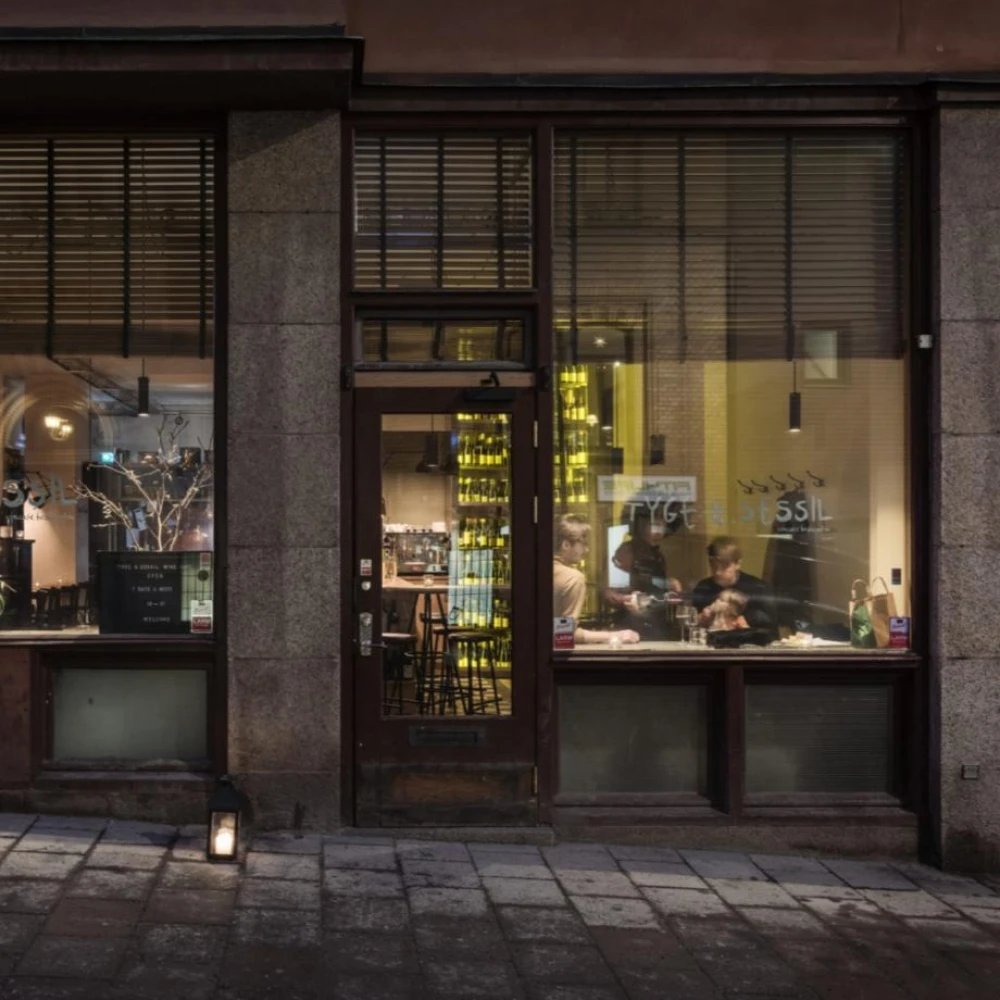
- Sofiagatan 1, 116 40 Stockholm, Sweden
- Website
- vinaaa.squarespace.com
- Phone
- +46704066626
The take
The Take
The Vibe
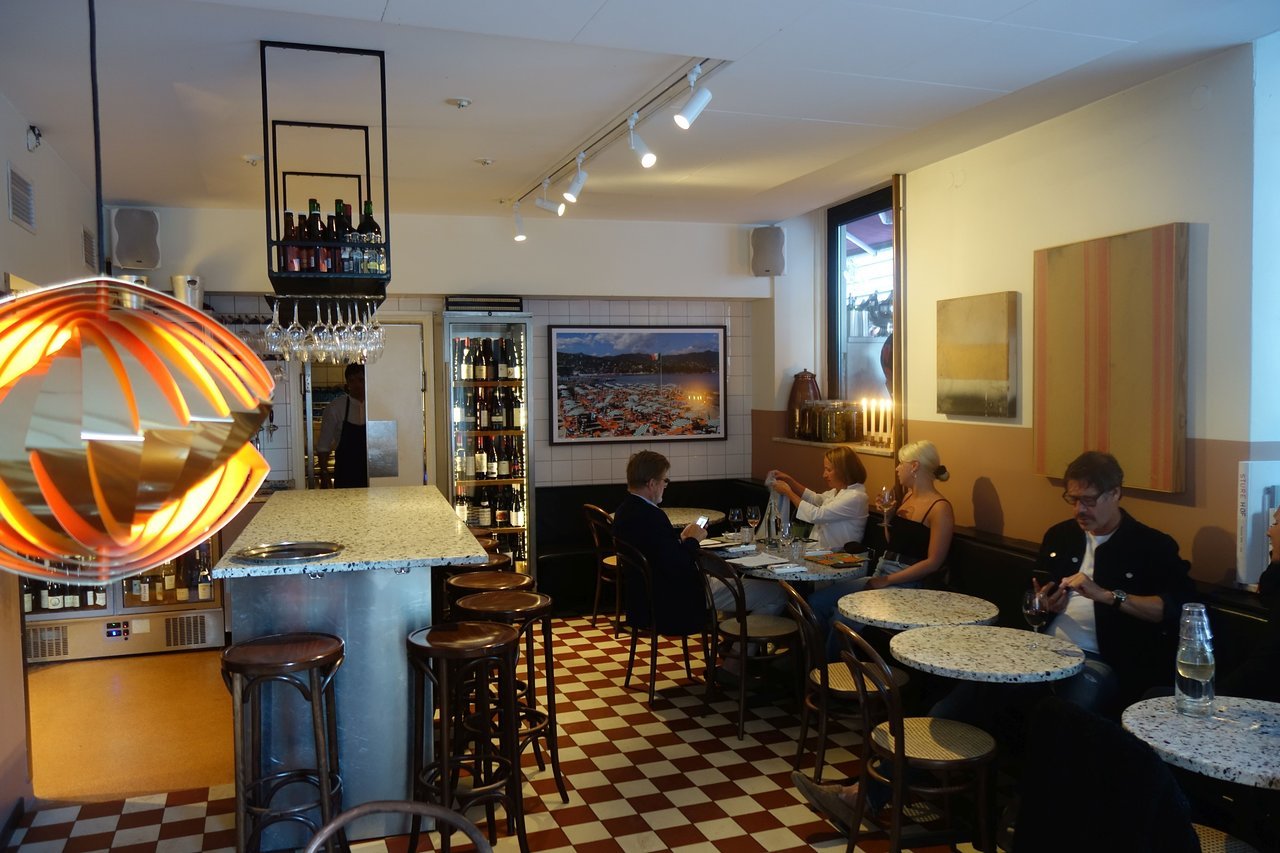
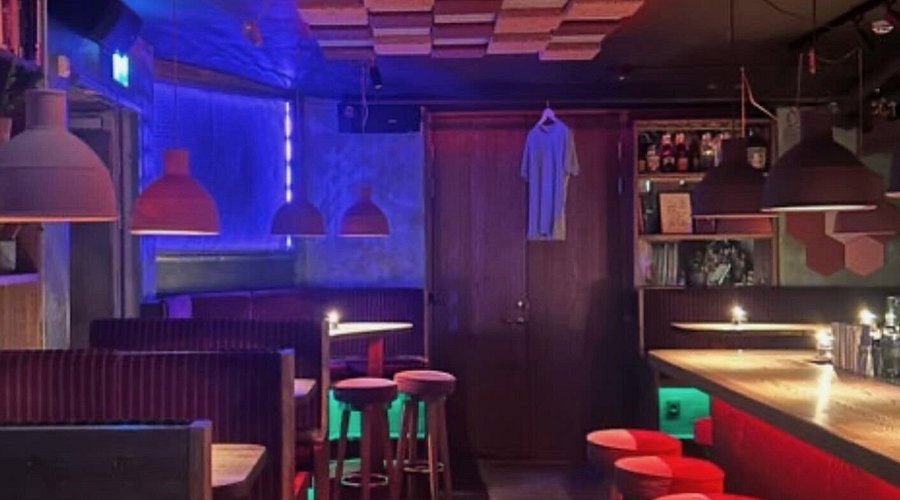
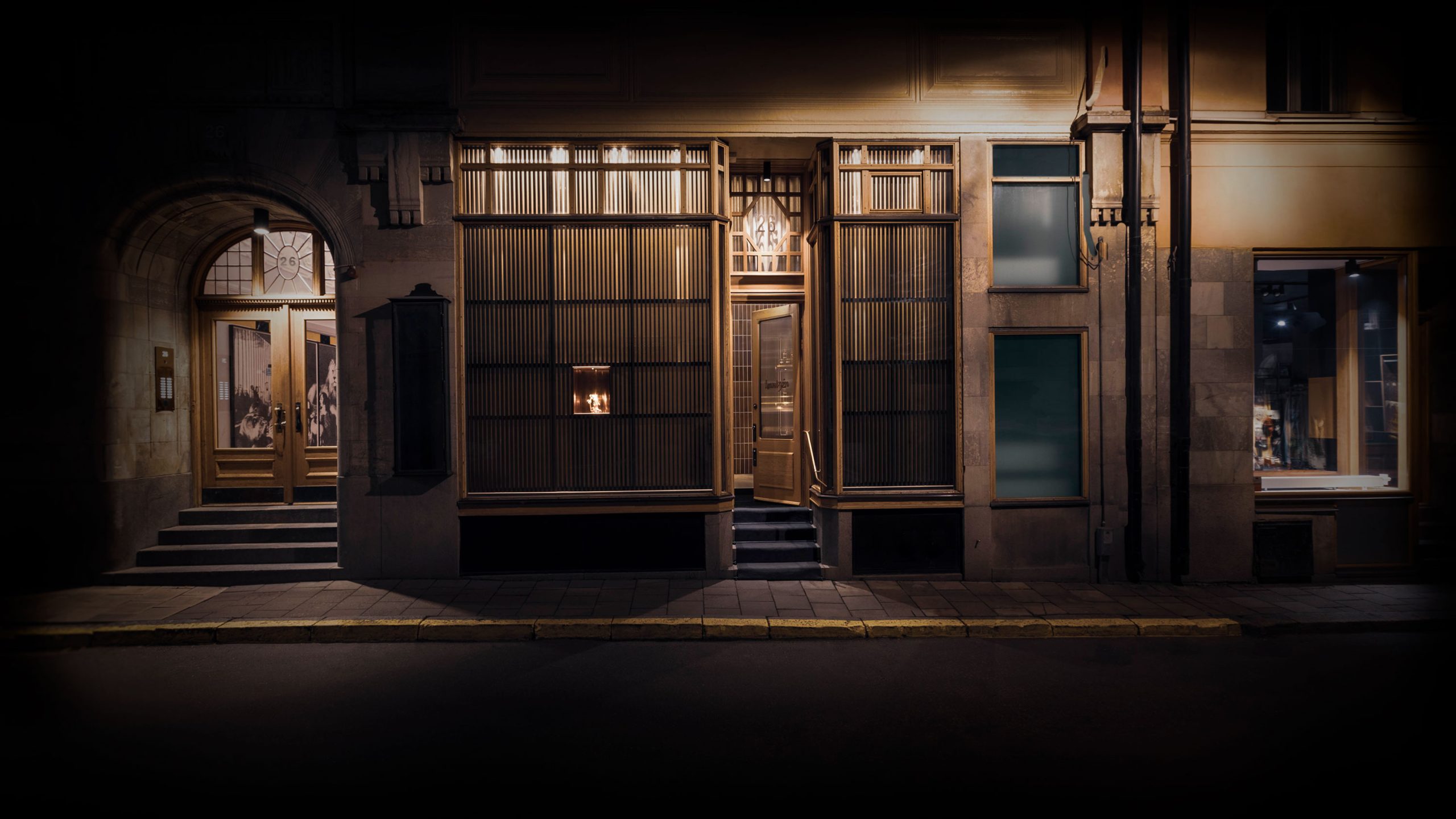
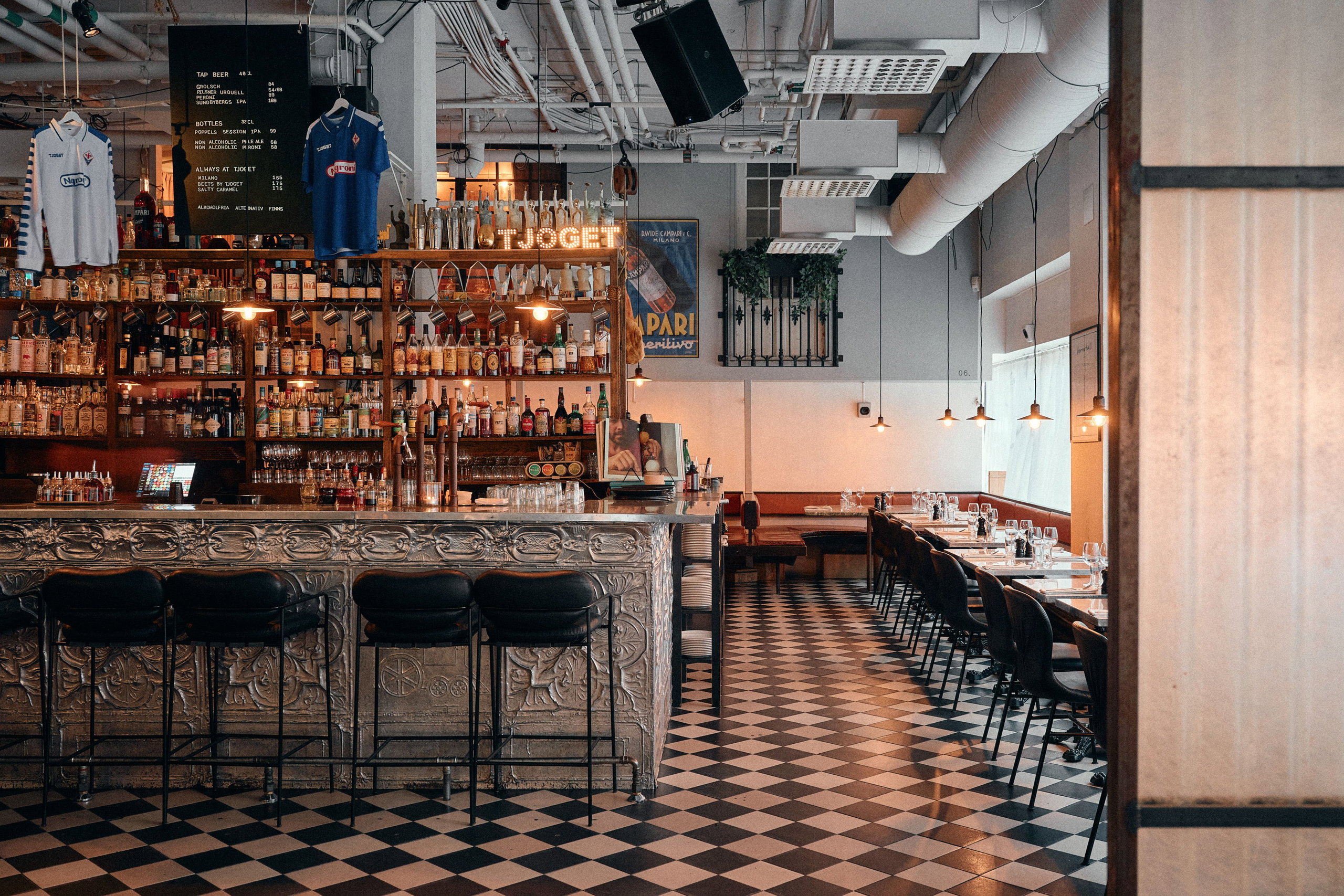
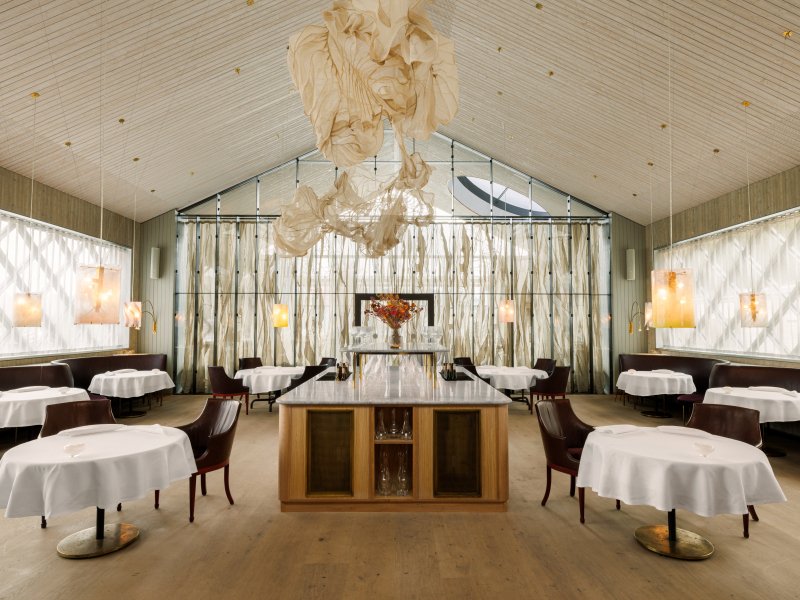
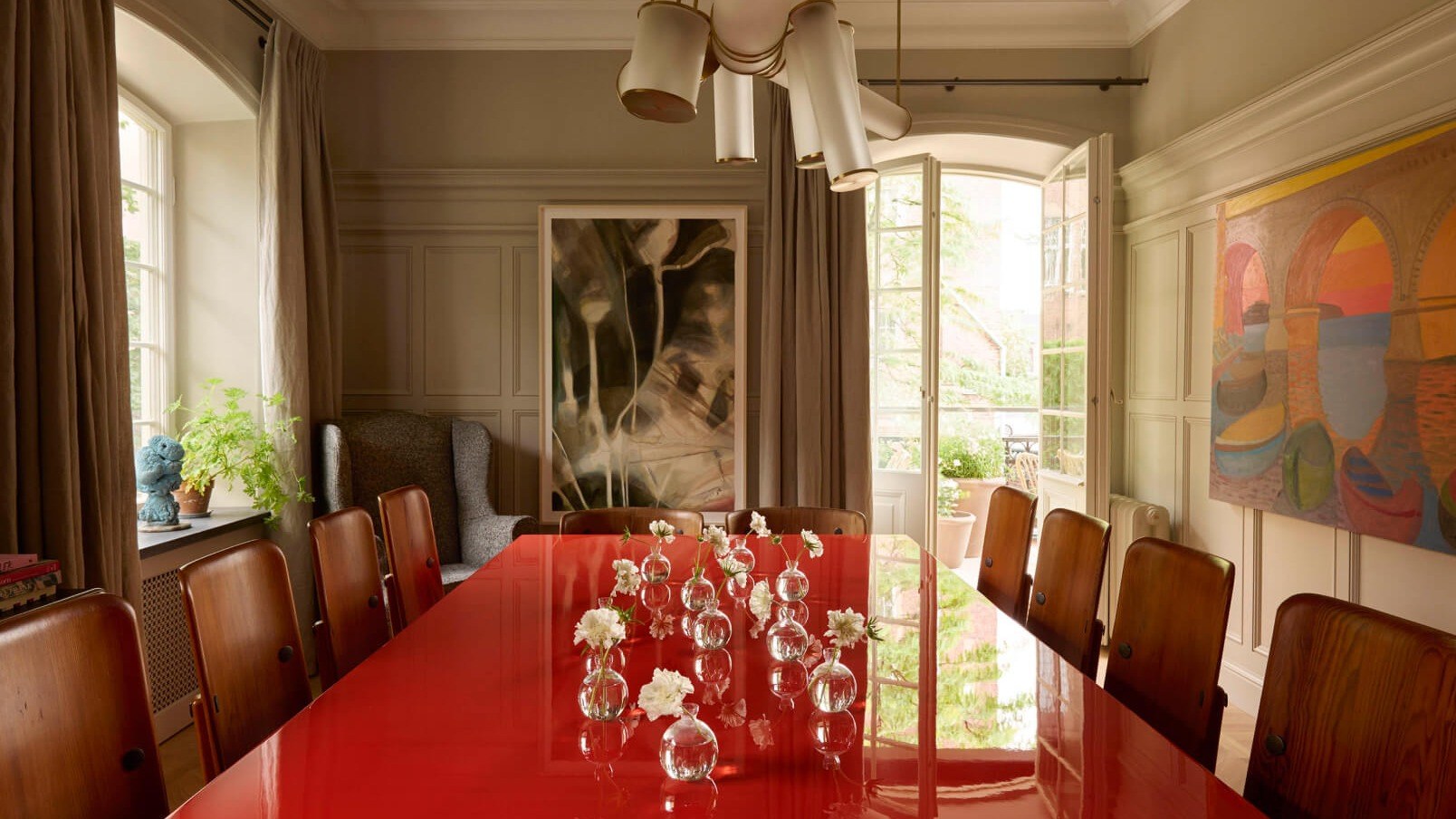
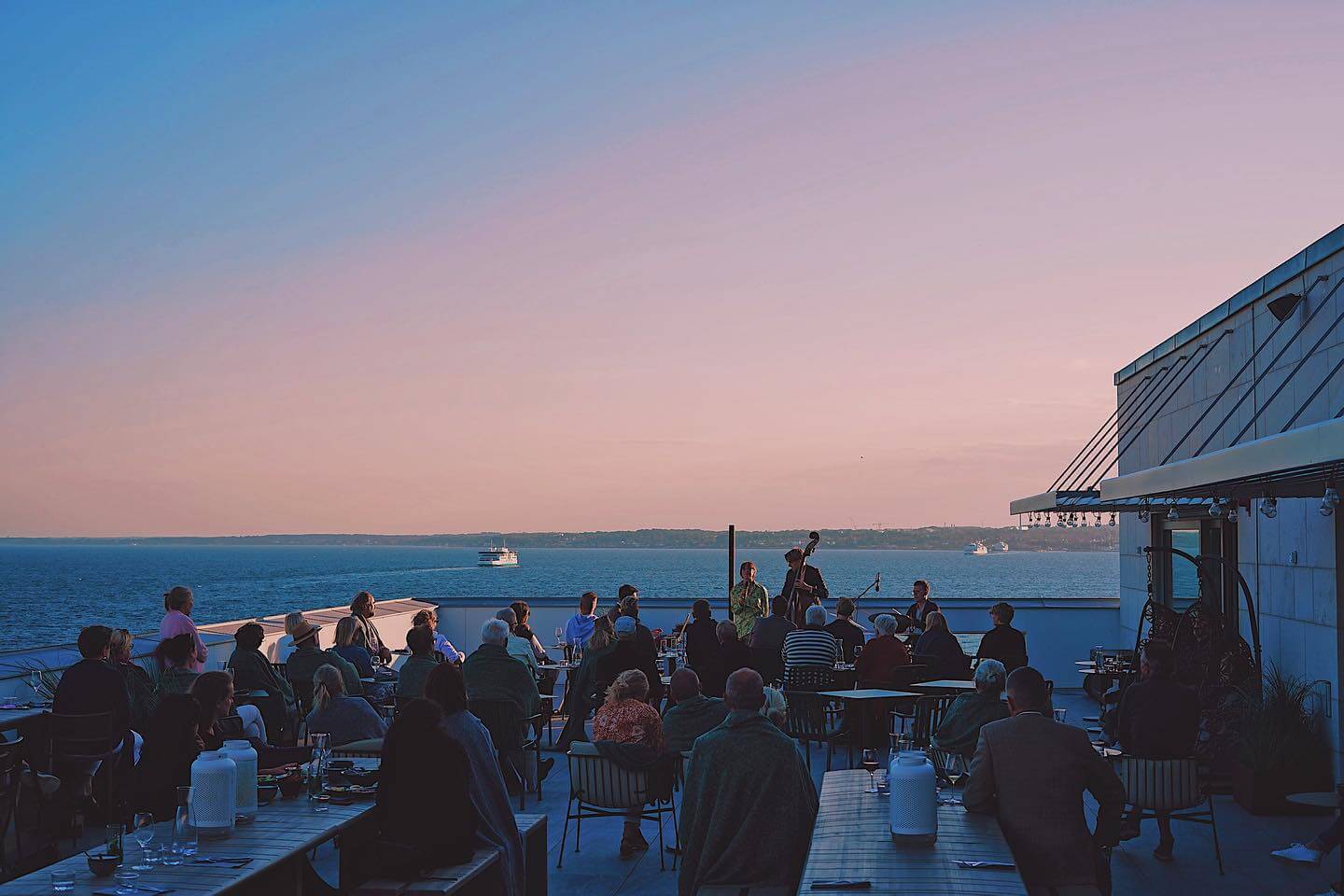
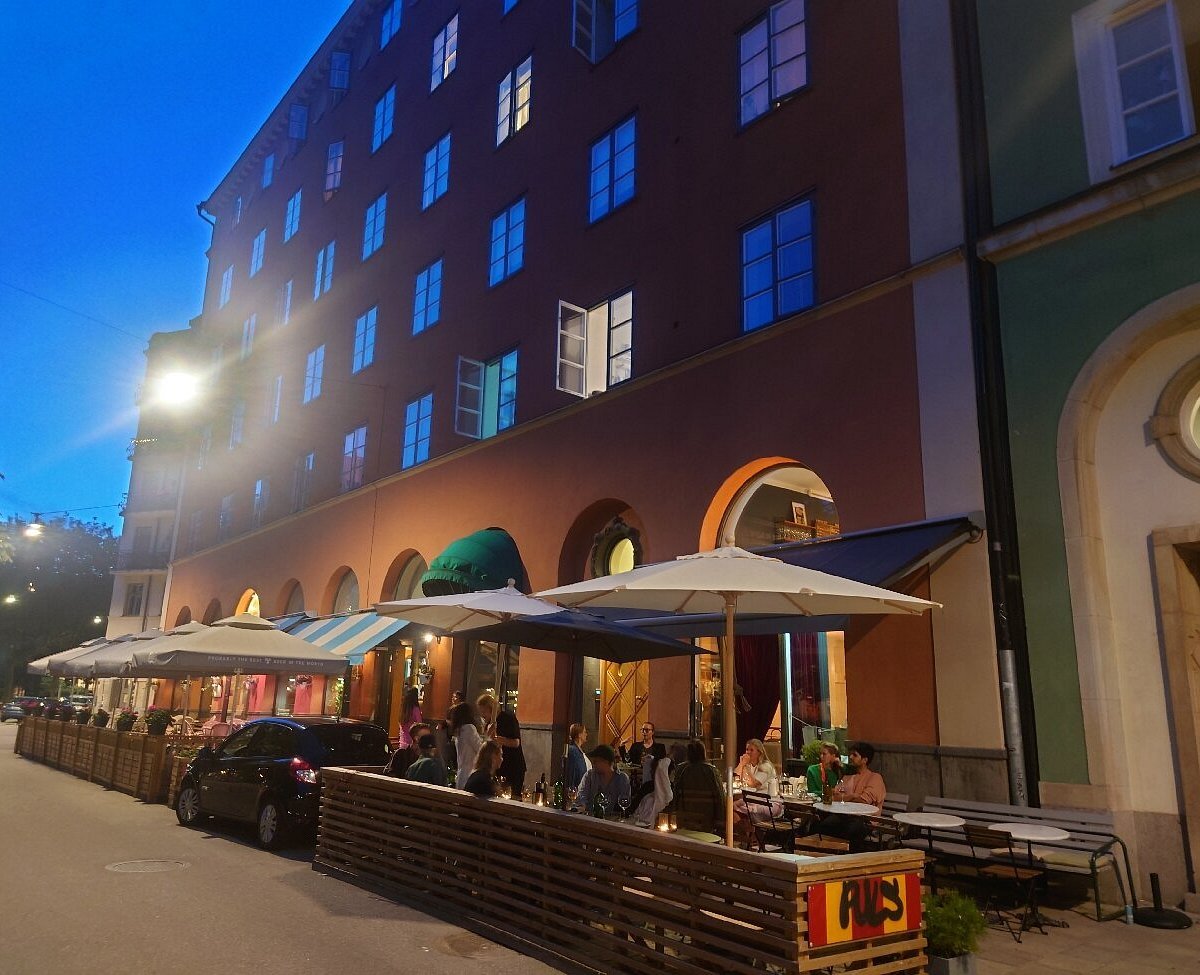
VINA sits on Sofiagatan at the eastern edge of Södermalm and leans into a lived-in, residential character rather than theatrical polish. The neighbourhood’s late‑nineteenth and early‑twentieth‑century blocks and high ceilings give the room a quietly historic, classic backbone. Service and setting favor a relaxed, unshowy approach: the space feels charming and familiar rather than staged. Rather than relying on formal ritual, the dining room itself helps set the tone for the evening, creating an experience rooted in place and the island’s less curated, community-minded temperament.
Best For
VINA is well suited to occasions that want ceremony without stuffiness. The description frames Södermalm as a counterpoint to the city’s more formal northern dining addresses, and even milestone meals here read differently — more neighborhood‑anchored and less theatrical. That makes the restaurant a good choice when you want a special evening that still feels relaxed and personal: think important celebrations that favor warmth over pomp, after‑work milestone drinks that evolve into dinner, or a date that prizes atmosphere and quietly accomplished cooking.
Ordering Tips
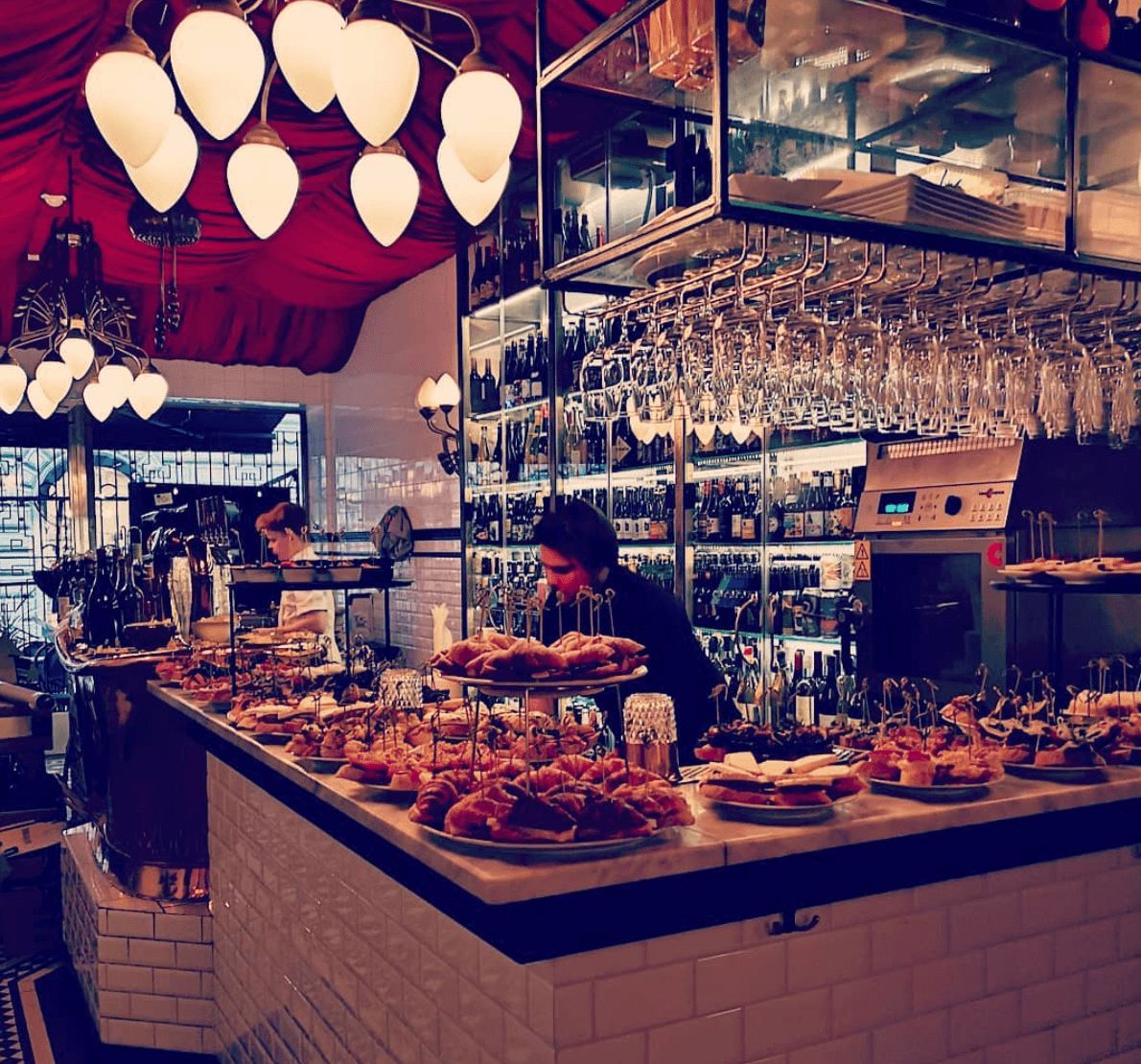
Signature plates to look for at VINA include Råbiff, Manchego och päron, and Bläckfisk — each is called out as a highlight. The profile suggests the room and staff shape the occasion in lieu of heavy ceremony, so consider asking servers for guidance rather than expecting a highly formal tasting sequence. If you’re marking a milestone, mention it when you book so the team can orient the service; otherwise follow the server’s suggestions and let the neighbourhood‑rooted menu steer the evening.
Venue details
Ambiance
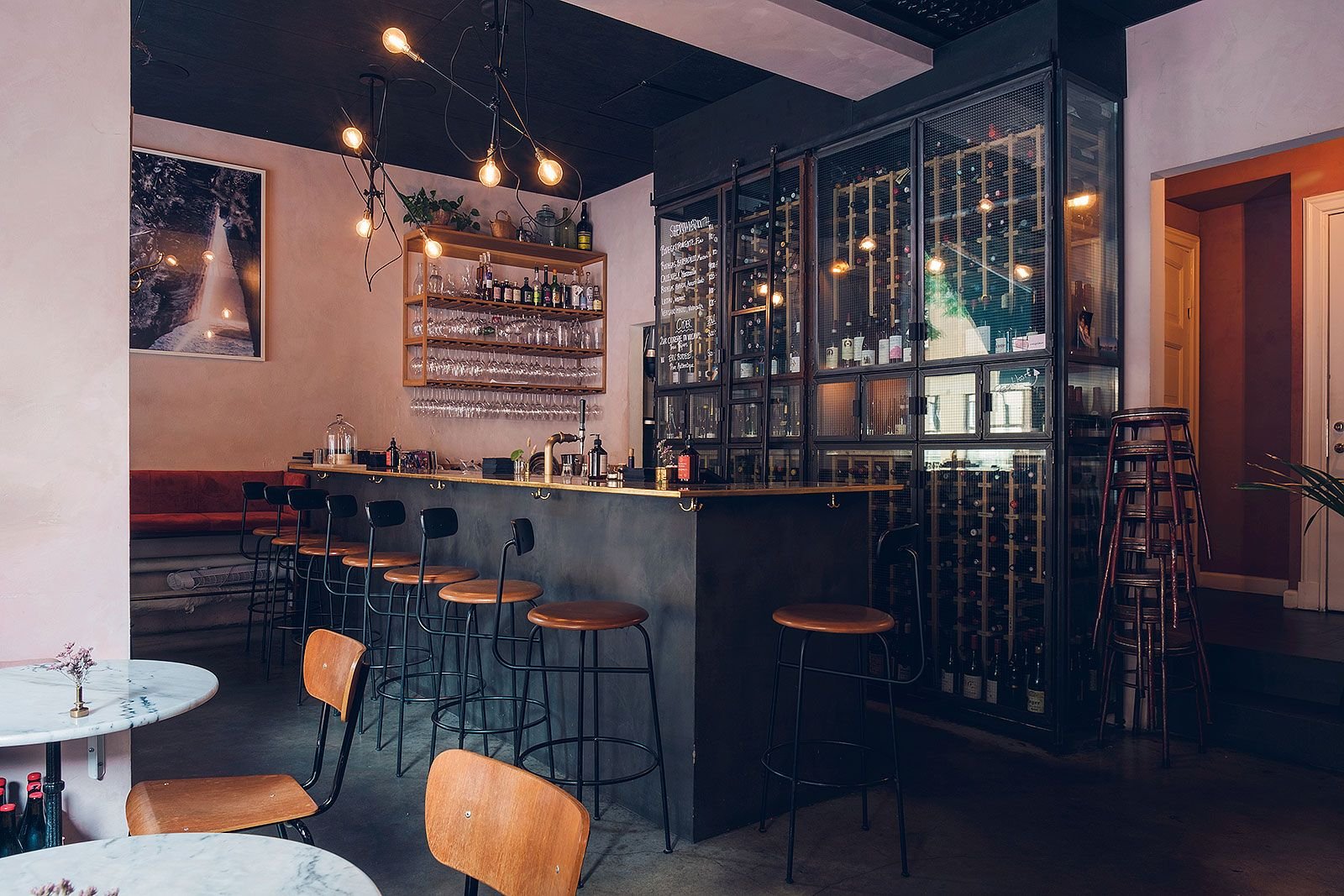
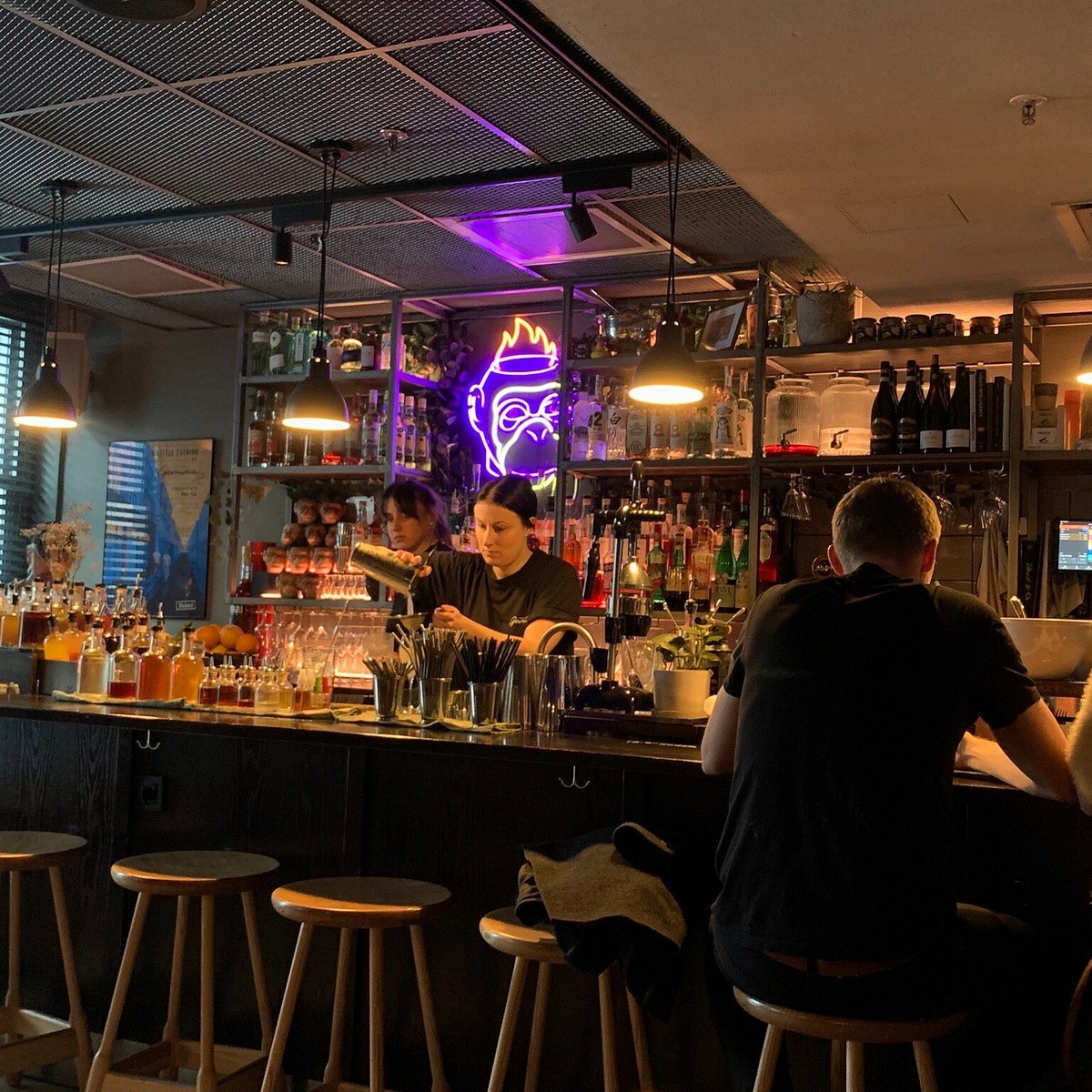
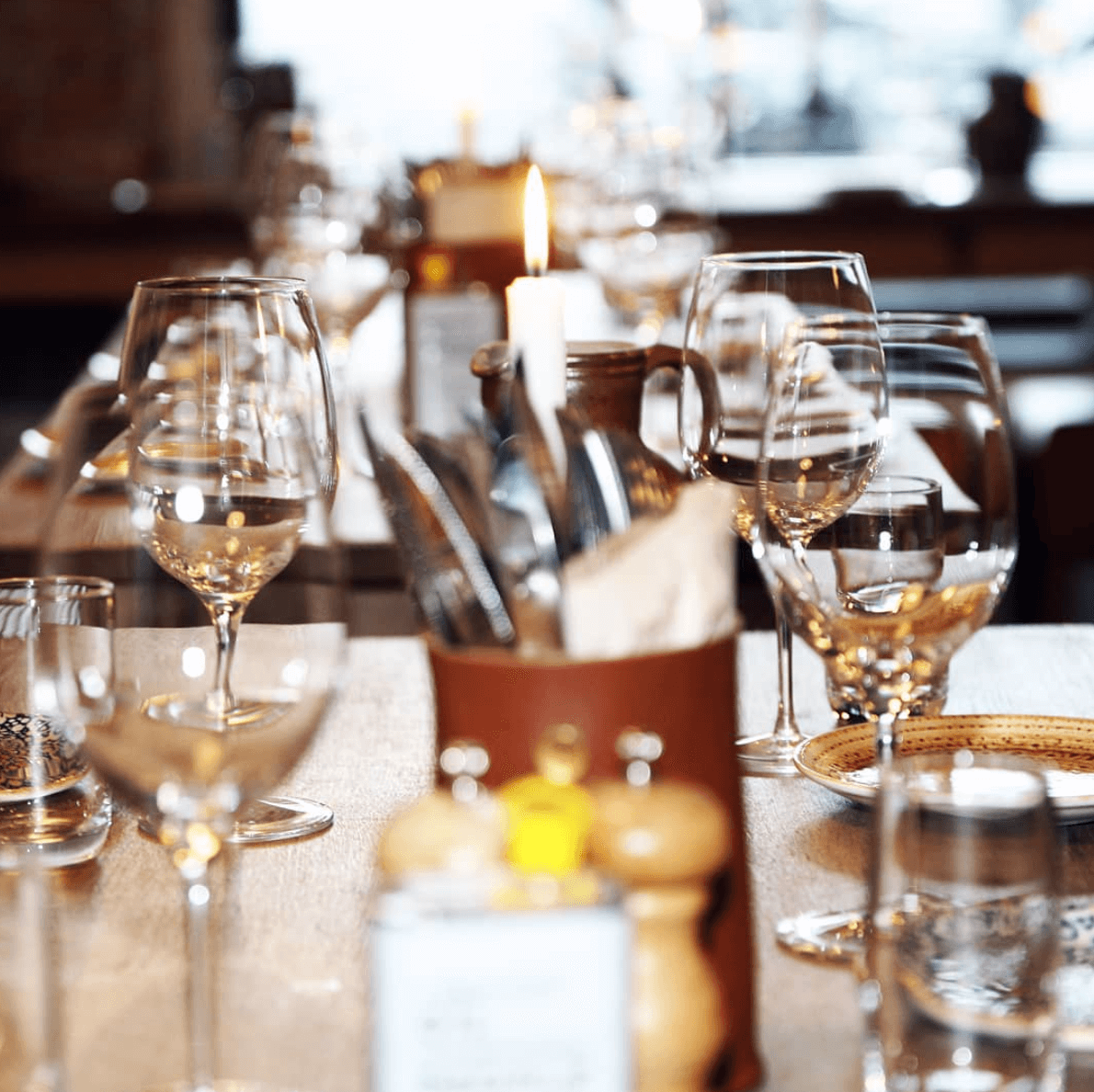
Warm, welcoming atmosphere like a wine living room, cozy and feelgood for after-work crowds and wine enthusiasts.
Tags
Vibe
Best For
Experience
Know before you go
Know Before You Go
- Getting there
- Sofiagatan 1, 116 40 Stockholm, Sweden
Planning details
Location
Recognition and awards



Also consider
Where to look if VINA does not fit
Book Bar Agrikultur instead if the occasion needs a clearer Swedish point of view. Try Symbios if modern cuisine and a stated €€ tier make the decision easier for the group.
Bar context
How VINA compares in Stockholm
VINA is the simpler call when the priority is an easy Södermalm evening rather than a heavily defined restaurant brief. Bar Agrikultur is the better pick for diners who want a clearer Swedish identity at a €€ level, while Symbios is stronger for people who want modern cuisine with a more legible category before they commit.
Restaurang Nytorget 6 is the safer cross-shop if the group wants a familiar Stockholm neighborhood dinner choice with broad appeal. Ponti and Tripletta are worth checking when availability or group fit matters more than staying close to VINA's part of Södermalm.
Recommendation: choose VINA for a relaxed date or small celebration; choose Bar Agrikultur for Swedish focus; choose Symbios for modern cuisine; choose Restaurang Nytorget 6 when the group needs the least risky consensus option.
Explore Stockholm
Around this place
Discover more on Pearl
Unlock the full VINA guide in Pearl, including awards, comparisons, FAQs, planning details, and nearby places.
Compare VINA
| Venue | Location | Cuisine | Price | Awards |
|---|---|---|---|---|
| VINA | Stockholm | , | , | Star Wine Lists 20262026 Falstaff Wine Bar Guide2026 White Guide Sweden Bars - Fine Level |
| Bar Agrikultur | Stockholm | Swedish | €€ | Michelin Guide Nordic Countries 20262026 OAD Casual in Europe Recommended2026 OAD Newly Added European Restaurants2026 White Guide Sweden Restaurants - Very Fine Level2025 Michelin Bib Gourmand2024 Michelin Bib Gourmand |
| Restaurang Nytorget 6 | Stockholm | , | , | No published awards |
| Symbios | Stockholm | Modern Cuisine | €€ | No published awards |
| Ponti | Stockholm | , | , | No published awards |
| Tripletta | Stockholm | , | , | No published awards |



How VINA Stockholm compares with similar nearby venues.
FAQ
Frequently Asked Questions
What are alternatives to VINA in Stockholm?
Other venues to compare include Bar Agrikultur, Restaurang Nytorget 6, Symbios, Ponti, and Tripletta. Use the comparison especially if you need clearer information on cuisine, price, menu format, or occasion fit before booking.
How far ahead should I book VINA?
For booking timing, contact VINA directly. VINA is open Tuesday through Thursday from 4–10 PM, Friday from 4–11 PM, and Saturday from 2–11 PM; it is closed Monday and Sunday.
Is VINA good for solo dining?
Is VINA good for a special occasion?
VINA may suit a special occasion if its Stockholm location, smart-casual dress code, and opening hours fit your plans. Confirm menu and booking details before choosing it for an important meal.