
Bar in Stockholm, Sweden
The Flying Elk
100ptsNeighbourhood-Rooted Drinking
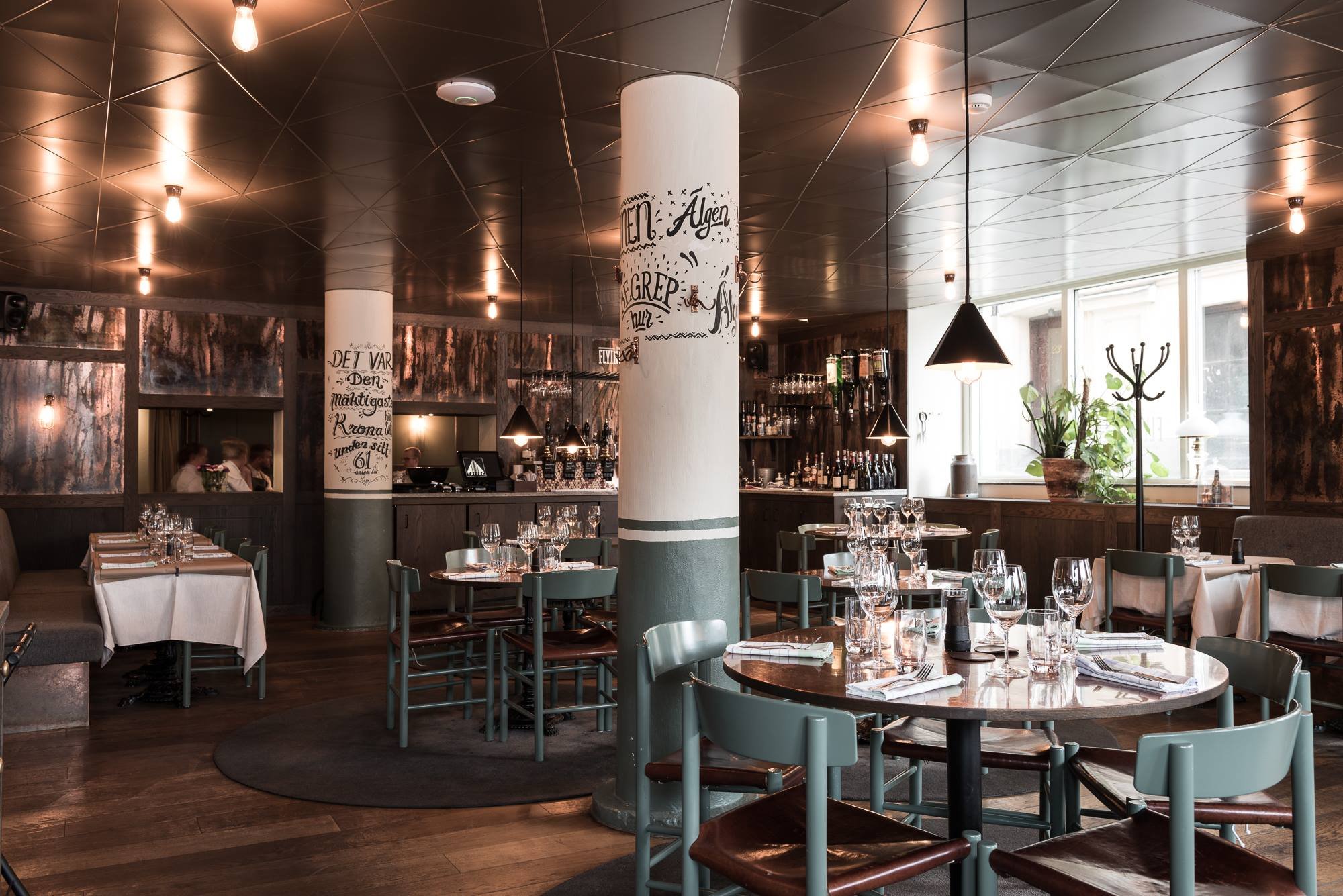
About The Flying Elk
The Flying Elk sits at Mälartorget 15 in Stockholm's Gamla Stan-adjacent waterfront, operating as one of the city's more grounded neighbourhood bars in a district increasingly shaped by tourist traffic. The room draws a mix of regulars and informed visitors who come for the atmosphere as much as the drinks. A reliable address on Stockholm's bar circuit for those who prefer substance over spectacle.
A Waterfront Address That Earns Its Local Following
Stockholm's bar scene has spent the better part of a decade splitting into two camps: high-concept cocktail laboratories chasing international recognition, and neighbourhood bars content to do the harder, quieter work of earning a regular crowd. Mälartorget, the small square where the old town meets the Riddarfjärden waterfront, sits in a part of the city where that split is especially visible. Tourists move through in waves, the water catches the light at every hour, and the addresses that survive long-term are the ones that locals actually return to. The Flying Elk, at number 15 on that square, belongs to the second category.
The building's position on the waterfront means the room carries a physical identity before you've ordered anything. Stone and timber, a compressed streetscape, the particular quality of northern light that Stockholm delivers even in the middle of the day. Bars in Gamla Stan and its immediate surroundings often lean into the medieval-postcard version of themselves. The Flying Elk's reputation, built through word of mouth rather than awards press, suggests a different priority: the kind of place where the room serves the drinking rather than the other way around.
What Kind of Bar This Is, and Why It Matters
Stockholm has a well-documented tier of internationally recognised cocktail bars. Tjoget has held a place on the World's 50 Best Bars list and operates with the kind of programme depth that draws industry visitors. Lucy's Flower Shop has carved out a distinct identity in the natural wine and lo-fi cocktail register. A Bar Called Gemma and Röda Huset each occupy specific niches in a city that has become, over the past ten years, one of the more serious drinking capitals in Northern Europe.
The Flying Elk operates in a different register from those addresses. Where Tjoget competes in a global peer set and Lucy's Flower Shop courts a specific demographic of taste-forward drinkers, The Flying Elk's strength is its relationship with the neighbourhood. The Gamla Stan and Mälartorget area is one of the oldest parts of Stockholm, and the bars that endure here tend to do so because they function as actual gathering places rather than destinations engineered for external validation. That's a harder thing to build and a more durable one.
This positions The Flying Elk in the same broad category as bars across Scandinavia that have found longevity by serving their immediate community first. See, for comparison, how Ölkaféet in Malmö or Ångbryggeriet in Piteå have built durable local identities outside the main press circuit. The model is consistent: depth of local relationship over breadth of external recognition.
The Regulars and What They Come For
Neighbourhood bars in Stockholm's older districts tend to develop menus that reflect how their crowd actually drinks rather than how a creative director wants them to drink. The Flying Elk's address on the waterfront means it draws a mix: people finishing work, visitors who've wandered off the main tourist trail, and the kind of regulars who've been coming long enough to have an order. That last group is the real signal of a bar's health.
Without confirmed menu specifics in available data, it would be inaccurate to name specific drinks or dishes here. What the bar's positioning and location suggest is a programme built around approachability and repetition, the drinks people come back for rather than the drinks that photograph well once. Bars in this tier of Stockholm's scene typically anchor their offering in well-executed classics, with seasonal Swedish ingredients appearing where they fit naturally rather than as a concept. The broader Scandinavian bar tradition, which has increasingly incorporated local spirits and fermented drinks into otherwise conventional formats, provides the context.
For the traveller using Stockholm as a base and looking to map the city's drinking scene beyond its headline addresses, the EP Club's full Stockholm guide places bars like The Flying Elk in their wider neighbourhood context alongside the city's more prominent venues.
Placing This in the Wider Swedish Scene
Stockholm is the obvious entry point for serious drinking in Sweden, but the country's bar culture extends further than the capital. Dorsia in Gothenburg operates in a hotel-bar format that draws comparisons to Stockholm's own hotel drinking rooms. Further afield, Vyn in Östra Nöbbelöv and Koster Islands in Tjärnö represent a different end of Swedish hospitality, where remoteness and seasonal produce define the experience. Bageriet Mat & Bar in Visby on Gotland adds another regional data point.
Against that spread, The Flying Elk reads as a city-centre bar with a local identity rather than a regional or destination-driven one. Its value is precisely that: a place that makes sense within Stockholm's daily rhythms rather than one that requires advance planning or a specific occasion to justify the visit.
For those curious about how neighbourhood drinking culture operates globally, Bar Leather Apron in Honolulu offers an interesting parallel: a bar that built its reputation through local loyalty and craft consistency in a market otherwise dominated by resort-facing venues.
Know Before You Go
Address: Mälartorget 15, 111 27 Stockholm, Sweden
Area: Gamla Stan waterfront / Mälartorget
Booking: Contact details not confirmed in available data; walk-in likely viable for this bar format, but peak evenings on the waterfront can draw crowds
When to visit: The Mälartorget area is most animated in the late afternoon and evening hours; summer light on the waterfront extends well past 10pm in June and July
Getting there: Gamla Stan T-bana station is the closest metro stop; the square is a short walk from the station exit toward the water
Useful for: Visitors who want a genuine local bar experience in Stockholm's historic centre rather than a specifically cocktail-focused destination
Frequently Asked Questions
- What do regulars order at The Flying Elk?
- Specific menu data isn't confirmed in available records for this address. What bars in this format and price tier tend to anchor their regular trade on is well-executed classic drinks and a food offering that holds up across multiple visits, the things people order on a Tuesday rather than a special occasion. The waterfront location and Gamla Stan surroundings put this in a category where the crowd is mixed but the returning segment matters most to how the menu develops.
- What's the standout thing about The Flying Elk?
- In a Stockholm bar scene that has produced several internationally recognised addresses, The Flying Elk's distinction is a quieter one: its position on Mälartorget and its apparent orientation toward a local rather than destination-seeking crowd. That makes it more useful on a given evening than a bar whose reputation requires advance booking three weeks out. Stockholm awards recognition in the bar category tends to flow toward the more programme-intensive venues, which means this type of address operates in a lower-pressure register.
- Do they take walk-ins at The Flying Elk?
- Booking-specific policies aren't confirmed in available data. For a bar of this type, at this address, walk-ins are a reasonable expectation outside peak summer evenings and weekend nights. Mälartorget draws pedestrian traffic from both locals and visitors, so arrivals before 7pm on weekday evenings are typically the safest approach if you want to be certain of space. For reservations, checking directly with the venue via their current contact details is the most reliable route.
- What kind of traveller is The Flying Elk a good fit for?
- If you're in Stockholm primarily to cover the city's headline cocktail addresses, Tjoget and Lucy's Flower Shop are the more appropriate starting points. The Flying Elk suits the traveller who wants to drink somewhere that functions as a real neighbourhood bar rather than a curated experience, particularly one that's already covering the Gamla Stan area on foot and wants an address that rewards an unplanned stop rather than requiring a structured evening around it.
- Is The Flying Elk connected to the British pub-influenced gastropub trend that's appeared in Scandinavian cities?
- The name and the Mälartorget address place The Flying Elk in a strand of Stockholm bars that draw loosely on British and Northern European pub formats, a style that has found traction across Scandinavian cities where the neighbourhood-gathering-place model doesn't have a direct domestic equivalent in the same way a pub does in the UK. Bars in this register typically combine drink-led programming with food that goes beyond bar snacks without becoming a full restaurant format. Whether The Flying Elk follows that model precisely would require confirmed menu data, but its position in Stockholm's Gamla Stan area, where that hybrid format has proven durable, suggests the comparison is reasonable.
Related editorial
- Best Fine Dining Restaurants in ParisFrom three-Michelin-star icons to the next generation of Parisian chefs pushing boundaries, these are the restaurants that define fine dining in the world's culinary capital.
- Best Luxury Hotels in RomeFrom rooftop terraces overlooking ancient ruins to Michelin-starred hotel dining, these are the luxury hotels that make Rome unforgettable.
- Best Cocktail Bars in KyotoFrom sleek lounges to hidden speakeasies, Kyoto's cocktail scene blends Japanese precision with global influence in ways you won't find anywhere else.
Save or rate The Flying Elk on Pearl
Keep this venue in your Pearl passport, rate it after you visit, and track it alongside every other place you collect.