
Bar in Stockholm, Sweden
Brasserie Astoria
100Pearl PointsLate-Night Brasserie

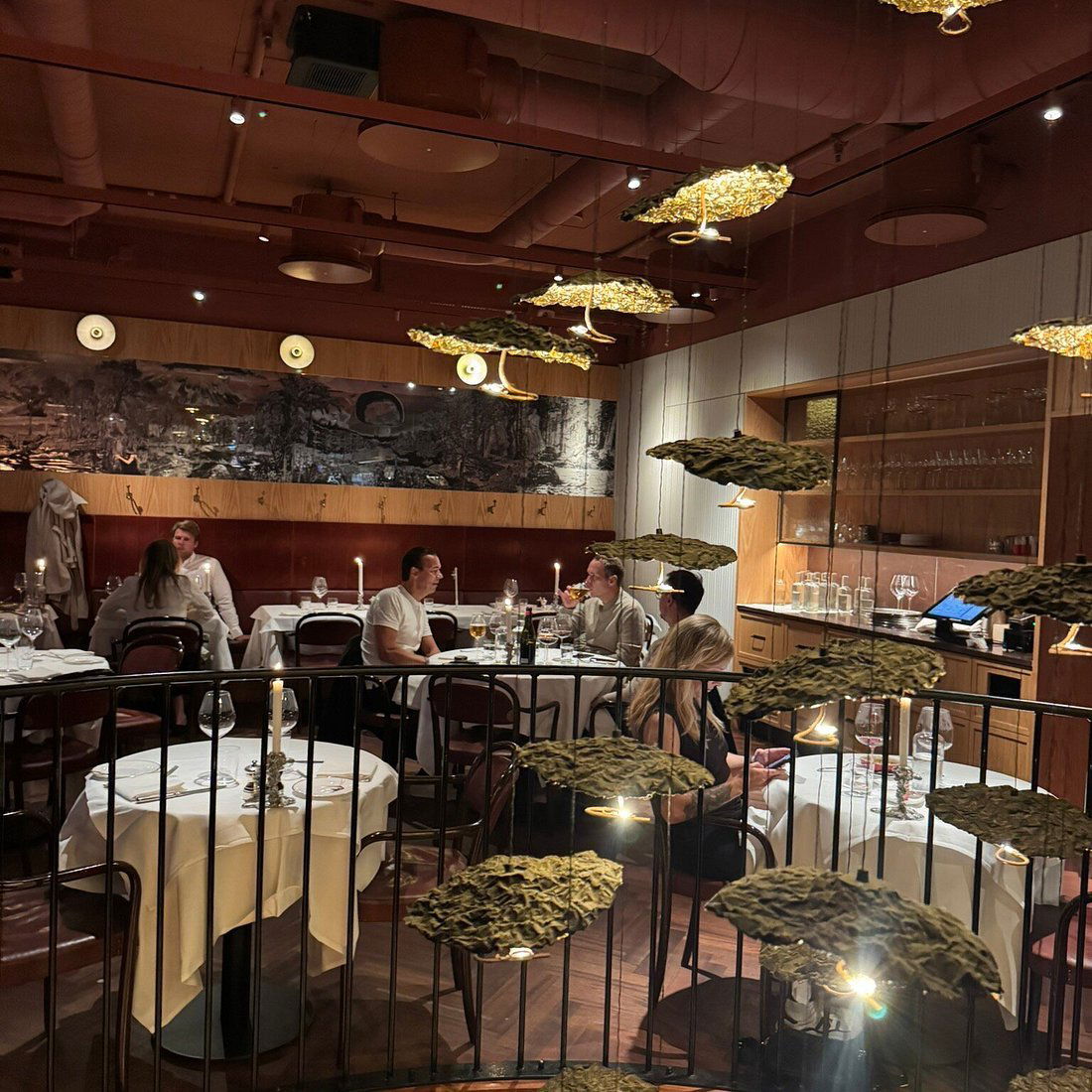
About Brasserie Astoria
A central Östermalm brasserie to book when the night needs room energy, wine credibility, and enough flexibility to carry dinner into later drinks. It is a stronger fit for dates and small groups than for a quiet one-drink stop; cocktail-focused readers should cross-shop A Bar Called Gemma instead.
Brasserie Astoria is a Stockholm venue with late opening hours and confirmed Star Wine List recognition in 2026. For planning purposes, the strongest verified reasons to consider it are direct and practical: it is open daily, runs late through the week, and has a smart casual dress code. Those details make it easier to place in an itinerary, especially when the evening is not built around a single early reservation or a narrow window between other commitments.
Use it when the plan needs a Stockholm venue with a broad evening window rather than a narrowly timed stop. The verified hours are 11:30 AM–12 AM on Monday and Tuesday, 11:30 AM–1 AM on Wednesday and Thursday, 11:30 AM–2 AM on Friday, 12 PM–2 AM on Saturday, and 12 PM–12 AM on Sunday. In practical terms, that schedule gives the venue a useful spread across the week: it works for a standard weekday visit, a later midweek plan, or a weekend evening that may continue well past the first part of the night.
A Stockholm venue with late hours and wine recognition
The wine signal is the clearest verified distinction here. Recognition from Star Wine List in 2026 gives Brasserie Astoria a firmer planning hook for guests who want wine to be part of the decision, without needing to rely on unverified claims about the menu, room size, or service format. It is a concise but meaningful marker: when a Stockholm shortlist includes many places that may be suitable on location or timing alone, confirmed wine recognition helps separate Brasserie Astoria from options where the wine angle is less clearly established.
That does not make it the right choice for every plan. If you are comparing different Stockholm venues, A Bar Called Gemma may be another option to consider. If the decision is still between different types of Stockholm venues, keep Brasserie Astoria in the mix for its late schedule, smart casual dress code, and wine recognition. The point is not that every guest needs all three factors equally, but that the combination is easy to understand: the hours support flexibility, the dress code gives a clear style cue, and the wine recognition adds a verified reason for wine-minded diners to pay attention.
Book it for a flexible Stockholm evening
The practical verdict is simple: consider Brasserie Astoria when late hours matter and when a smart casual Stockholm setting fits the night. It is especially useful to note the weekend schedule, with closing listed at 2 AM on Friday and Saturday. That later close can matter when plans are likely to move slowly, when a group is coordinating around different arrival times, or when the evening needs a venue that is not limited to an early slot.
As a Stockholm choice, it belongs on a shortlist for guests comparing late-evening options. Its value is clearest when the brief is specific but not overly complicated: a daily-opening venue, a smart casual tone, late hours across much of the week, and a verified wine credential. Use Pearl's Stockholm restaurants guide if the decision is still between food-focused venues, Pearl's Stockholm bars guide if drinks are driving the plan, and Pearl's Stockholm hotels guide if the night is being built around where to stay.
Frequently Asked Questions
Does Brasserie Astoria have happy hour deals?
Happy hour details are not verified here. Plan around the confirmed basics instead: Brasserie Astoria is in Stockholm, has a smart casual dress code, and is open late. If you are comparing options, A Bar Called Gemma is another venue to consider. Check the venue's official channels for the latest details.
Does Brasserie Astoria have outdoor seating?
Outdoor seating is not verified here, so do not rely on it when planning. The confirmed details are the Stockholm location, smart casual dress code, daily opening hours, and Star Wine List recognition in 2026. Check the venue's official channels for the latest details.
Is Brasserie Astoria open late?
Yes. Verified hours run to 12 AM on Monday, Tuesday, and Sunday, 1 AM on Wednesday and Thursday, and 2 AM on Friday and Saturday.
Is Brasserie Astoria good for a date?
It can work if the plan benefits from a smart casual Stockholm venue with late hours. Star Wine List recognition in 2026 is also a useful verified signal if wine matters to the evening.
Is the food good at Brasserie Astoria?
Specific menu and dish details are not verified here. Check the venue's official channels for the latest details before booking around a particular dish, cuisine, or dietary need.
Is Brasserie Astoria good for groups?
Group suitability is not specifically verified here. What is verified is that Brasserie Astoria is in Stockholm, has a smart casual dress code, and keeps late hours across the week.
What's the crowd like at Brasserie Astoria?
Specific crowd details are not verified here. For planning, rely on the confirmed facts: Brasserie Astoria is a Stockholm venue with smart casual dress and late opening hours, including 2 AM closes on Friday and Saturday.
Location
Nybrogatan 15, 114 39 Stockholm, Sweden
Compare Brasserie Astoria
Where it sits among nearby choices
Brasserie Astoria is the broadest dinner-and-drinks option in this set. Compared with Schmaltz, it is better for a full evening and less suited to a compact bar crawl stop. Compared with A Bar Called Gemma, it is less cocktail-specific but stronger when food and wine need equal weight.
The Gold Bar and Nobis Hotel Stockholm are cleaner choices for hotel-bar polish. Sturehof is the key comparison for a classic Stockholm brasserie: pick Sturehof for tradition, Astoria for a larger-room social dinner with stronger late-evening momentum.
Where to go if this is not the right fit
If cocktails are the main reason for going out, choose A Bar Called Gemma instead. If the brief is a classic Stockholm brasserie meal, Sturehof is the most direct alternative.
How it compares in Stockholm
Schmaltz is the better fit for a smaller, bar-led plan, while Brasserie Astoria makes more sense when dinner and drinks need to happen in one central room. The tradeoff is scale: Astoria gives more occasion energy, Schmaltz is easier to frame as a focused stop.
A Bar Called Gemma should be the pick when cocktails are the point of the night. The Gold Bar and Nobis Hotel Stockholm work better for a hotel-bar mood or a polished pre-dinner drink. Astoria is the more natural choice when the table, food, and wine list all matter.
Sturehof is the closest cross-shop for a classic Stockholm brasserie decision. Choose Sturehof for a more established seafood-leaning institution feel; choose Astoria when a later, more socially charged room is the priority.
Recognized By

Explore Stockholm
Save or rate Brasserie Astoria on Pearl
Keep this venue in your Pearl passport, rate it after you visit, and track it alongside every other place you collect.