
Bar in Sonoma, United States
LaSalette Restaurant
100ptsWine Country Staying Power
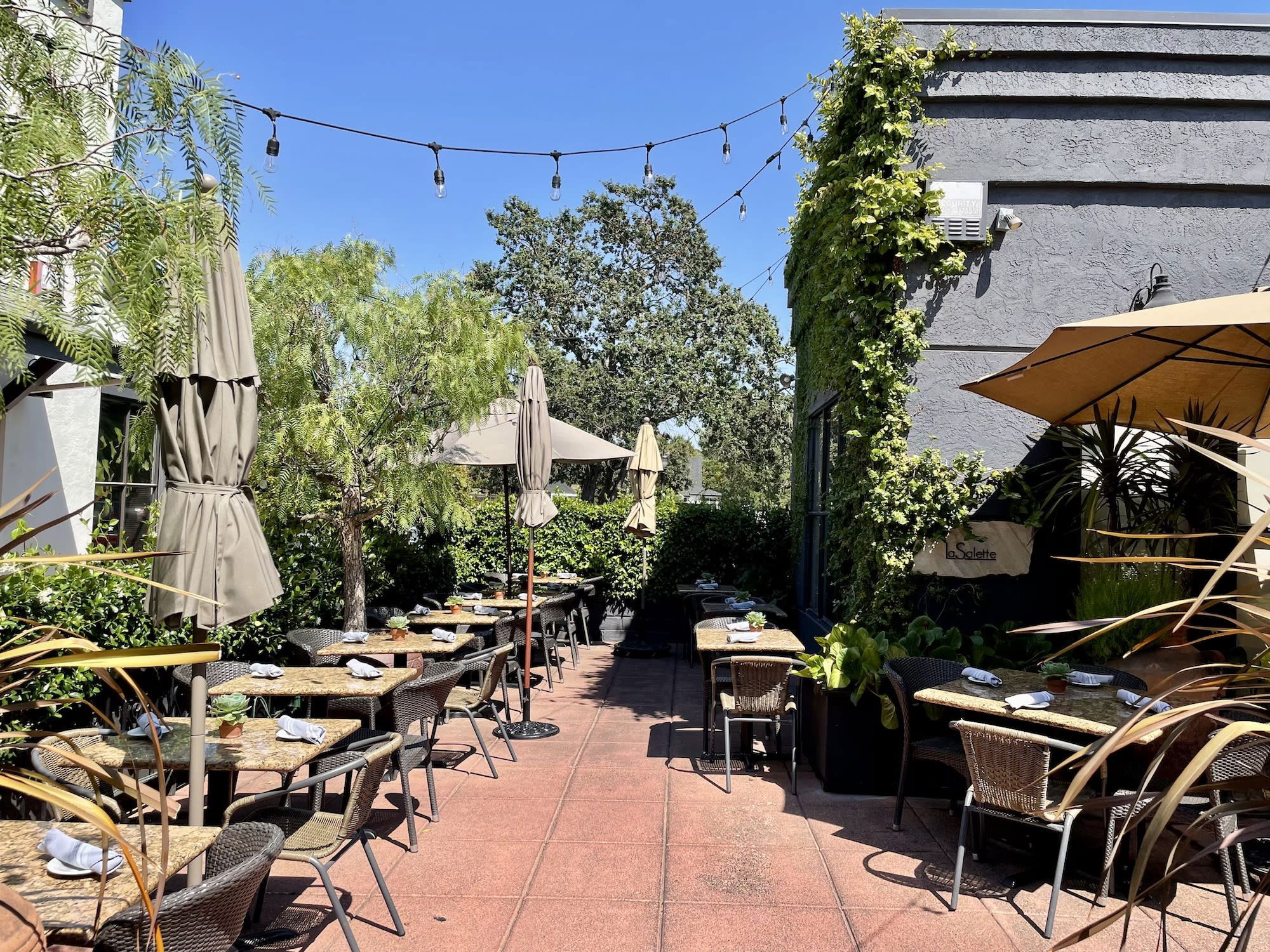
About LaSalette Restaurant
On Sonoma's main square, LaSalette occupies a quieter tier in the town's dining scene, one that prioritizes the kind of deliberate, regionally rooted cooking that pairs naturally with the wine country surrounding it. The address at 452 1st St E places it within walking distance of the plaza's core, but the experience reads less like a tourist stop and more like a local institution finding its own pace.
Where Sonoma's Wine Country Table Meets Its Own Rhythm
The Sonoma Plaza has a particular quality at dusk: the light settles differently here than it does in Napa, less polished, more agricultural in feeling. The buildings around the square carry their history lightly, and the restaurants that endure in this environment tend to do so not through spectacle but through consistency. LaSalette, at 452 1st St E, sits within that civic fabric, occupying a suite-level address that gives the room a sense of being slightly apart from the street-facing foot traffic without being removed from it. Approaching, you register the town's quieter register, the kind of place where the conversation at the next table is about vineyard decisions and harvest logistics rather than which influencer recommended the tasting menu.
Sonoma's dining scene has never chased the same degree of destination-restaurant gravity as Napa. The town's identity runs closer to the working end of wine country, and that shapes what the better restaurants here actually do. The pressure to perform for visiting collectors is lower, and the audience of working locals and regional regulars tends to reward staying power over novelty. LaSalette has built its reputation on exactly that kind of accumulated trust, operating at an address that positions it as a serious option without requiring the kind of reservation logistics that the valley's higher-profile rooms demand.
Reading the Room: Sonoma's Cocktail and Beverage Culture
Wine country bars and restaurant beverage programs occupy a specific cultural position. The assumption in most of Napa and Sonoma is that wine carries the evening, and cocktail programs often reflect that hierarchy, functioning as opening acts rather than main events. The more interesting rooms have begun to push back against that default, treating the bar as a program in its own right rather than a concession to guests who don't drink wine.
Across the broader American cocktail scene, the movement away from theatrical flourishes and toward technique-led, produce-driven drinks has reached wine country with some delay, but it has arrived. Programs in cities like San Francisco have been running this playbook for years. ABV in San Francisco represents the kind of serious, citation-heavy approach to spirits that has gradually influenced how regional California venues think about their bar offerings. In wine country specifically, the interesting question is how a cocktail program earns its place alongside a serious wine list rather than simply deferring to it.
The regional cocktail bars that are doing this well nationally offer some reference points. Kumiko in Chicago has built its reputation around Japanese ingredient logic and restrained technique, demonstrating how a clearly articulated creative framework can sustain a bar program independently of its food menu. Jewel of the South in New Orleans works from historical cocktail scholarship, using research as the foundation of its creative identity. Julep in Houston has built a program around Southern spirits traditions that goes well beyond novelty. What each of these shares is a point of view that can be articulated in a sentence, a through-line that holds the menu together and gives regulars a reason to return rather than explore.
In Sonoma specifically, Valley represents a local comparison point, a room where the beverage program reflects a considered approach to the regional context. For visitors building an evening around both food and drink, understanding where a venue's beverage thinking sits is useful information.
The Wine Country Table Format
The broader category of wine-country restaurant operates under a set of unspoken rules that guests encounter without always identifying them. The wine list tends to anchor the beverage program, often featuring allocations that aren't accessible elsewhere. The food tends to follow seasonal produce logic, because the agricultural infrastructure of Sonoma County makes it genuinely easy to source well. The room tends to prioritize a certain kind of ease over edge.
What this means in practice is that restaurants in this environment succeed or fail on execution rather than concept. The concept is effectively given by geography, the wine, the produce, the agricultural setting. The differentiation happens at the level of craft. This also means that beverage programs willing to bring genuine technical thought to cocktails, rather than defaulting to wine by the glass as the only serious option, occupy a relatively open space.
For bars pushing the category nationally, the reference set is broad. Bar Leather Apron in Honolulu operates with a precision that draws from Japanese bar culture and has sustained serious recognition in a market similarly dominated by adjacent attractions. Superbueno in New York City demonstrates how a specific cultural and flavor framework can differentiate a program in a crowded urban market. Allegory in Washington, D.C. and Bar Kaiju in Miami each show how narrative and aesthetic coherence can hold a room's identity together across a full menu. Bitter & Twisted in Phoenix and The Parlour in Frankfurt on the Main extend that point internationally, illustrating how clearly articulated programs read across very different market contexts.
Planning Your Visit
LaSalette is located at 452 1st St E, Suite H, Sonoma, within easy walking distance of the plaza's central square. For visitors combining a meal here with broader exploration of the town's food and drink offerings, the address places it logically within a plaza-anchored evening. Sonoma's weekend foot traffic, particularly during harvest season in September and October, means the room fills with a mix of wine-country visitors and regulars, and planning ahead is sensible during those windows. For a fuller orientation to what the town offers across price points and formats, our full Sonoma restaurants guide maps the scene in more detail.
Frequently Asked Questions
What do regulars order at LaSalette Restaurant?
The venue's position in Sonoma's food scene, grounded in regional produce and wine-country cooking traditions, suggests that regulars gravitate toward whatever reflects current seasonal sourcing rather than fixed signature items. In a room that has earned local trust through consistency, the safe assumption is that the dishes with the most repeat customers are those tied to what the surrounding Sonoma County agriculture is producing in any given window.
What is LaSalette Restaurant leading at?
LaSalette operates in the tier of Sonoma restaurants where longevity is itself the credential. In a town where the dining scene rewards staying power over novelty, a venue that has maintained a presence on the plaza has done so by meeting a consistent standard. Its position on the first street of the Sonoma square places it in direct competition with the town's other established rooms, and that peer set is defined primarily by execution rather than concept differentiation.
Should I book LaSalette Restaurant in advance?
Sonoma's dining room capacity is constrained relative to the volume of visitors the town draws during peak wine-country season, particularly from late summer through the November harvest close. If you're visiting on a weekend between August and October, advance planning is advisable for any serious restaurant on the plaza. Specific booking details for LaSalette are leading confirmed directly through current contact channels, as hours and availability shift seasonally.
How does LaSalette fit into Sonoma's broader dining character?
Sonoma's restaurant scene sits at a different register from Napa, with a stronger base of local regulars and less orientation toward destination-dining spectacle. LaSalette, with its plaza address and long presence in the market, reflects that character: it functions as a room for people who are already in Sonoma and eating well rather than those who have traveled primarily to sit at a specific counter. That distinction shapes the pace, the noise level, and the audience you'll find there on most evenings.
Related editorial
- Best Fine Dining Restaurants in ParisFrom three-Michelin-star icons to the next generation of Parisian chefs pushing boundaries, these are the restaurants that define fine dining in the world's culinary capital.
- Best Luxury Hotels in RomeFrom rooftop terraces overlooking ancient ruins to Michelin-starred hotel dining, these are the luxury hotels that make Rome unforgettable.
- Best Cocktail Bars in KyotoFrom sleek lounges to hidden speakeasies, Kyoto's cocktail scene blends Japanese precision with global influence in ways you won't find anywhere else.
Save or rate LaSalette Restaurant on Pearl
Keep this venue in your Pearl passport, rate it after you visit, and track it alongside every other place you collect.