
Bar in Snyderville, United States
The Farm Restaurant
100ptsMountain Basin Farm Dining
About The Farm Restaurant
Positioned at the base of Canyons Resort in Snyderville, The Farm Restaurant draws from the agricultural heritage embedded in Park City's identity. The kitchen leans into locally sourced, seasonally driven cooking — a format that resonates with both resort guests and year-round residents who treat the place as a reliable anchor in a dining scene that skews heavily toward ski-season transients.
Park City and its satellite community of Snyderville have a particular dining problem: too many restaurants calibrated for a guest who arrives in January, skis hard, eats once, and leaves. The Farm Restaurant, situated at 4000 Canyons Resort Drive within the Canyons Resort development, occupies a different position in that ecosystem. It draws from the farm-to-table tradition that has structured Utah's better dining rooms for the past decade, but its location inside a major ski resort means it also has to function as a gathering point for the kind of crowd that ranges from out-of-towners in rental gear to locals who have been coming here since before the Vail Resorts acquisition reshaped the mountain.
That dual identity — resort convenience on one axis, community anchor on another — is harder to sustain than it sounds. Most restaurants at ski resorts resolve the tension by leaning entirely into the transient market: high margins, broad menus, forgettable execution. The Farm reads as a deliberate counter to that pattern, with a culinary identity rooted in place rather than in ski-week convenience.
The Setting at Canyons
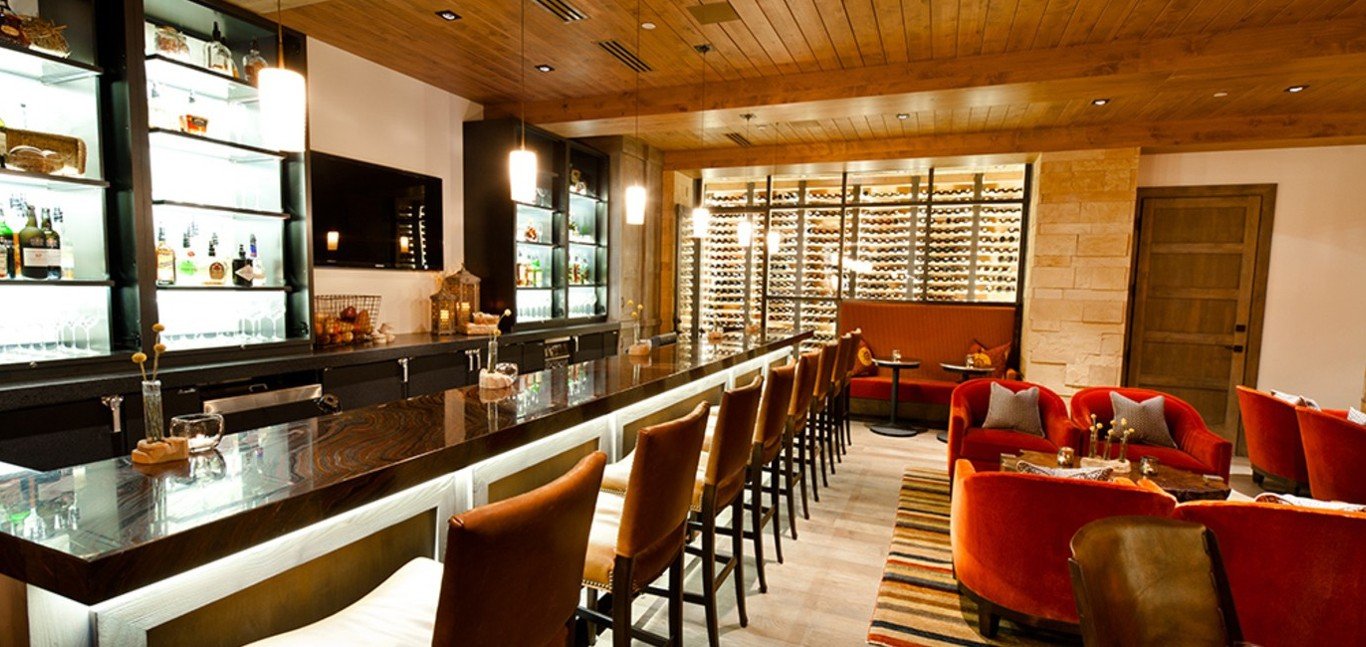
Canyons Resort sits in the Snyderville Basin, a broad valley that connects the resort corridor to the broader Park City area. The resort base has matured considerably since its independent years, and the dining infrastructure around it reflects that development. Walking into The Farm, you arrive at a space that references the agrarian Utah past , an appropriate frame for a restaurant whose name and apparent kitchen philosophy both orient toward the land rather than toward alpine spectacle. The physical environment registers as warm rather than rustic-kitsch, a distinction that matters in a region where barn-board aesthetic can easily tip into parody.
For visitors arriving from the Salt Lake City side, the Canyons Resort entrance is roughly 45 minutes from SLC airport via I-80 and UT-224 , marginally more direct than the approach to Park City's historic Main Street corridor. That geometry makes The Farm a natural first or last stop for travelers moving between the airport and the mountain, and it also positions the restaurant as a practical dinner option on non-ski days when guests are reluctant to drive down into town.
The Snyderville Dining Scene
Snyderville is not a dining destination in the way that Park City's Main Street functions as one. The Basin's restaurant options are largely anchored to resort infrastructure, which means they live and die by lift-ticket volume. The Farm occupies the upper register of that scene, where the competition includes resort-adjacent spots that range from casual to mid-market. Drafts Burger Bar and Jupiter Bowl serve the casual end of the spectrum, while Maxwell's and Sushi Blue push toward more specific culinary formats. The Farm sits above most of this peer group in terms of kitchen ambition, though it operates within the same resort-economy constraints , seasonal staffing pressures, a visitor-heavy customer base, and the constant negotiation between a kitchen that wants to do interesting things and a dining room that sometimes just wants a steak.
For a fuller picture of where The Farm fits in the local context, our full Snyderville restaurants guide maps the dining options across the Basin and into the broader Park City corridor.
Farm-to-Table in a Mountain Context
Utah's farm-to-table movement has genuine roots , the state's high-desert agricultural producers, from heritage grain farmers in Cache Valley to sheep ranchers across the Colorado Plateau, have given ambitious kitchens real material to work with. In a ski resort context, that ingredient sourcing serves a double function: it signals kitchen seriousness to the food-literate guest, and it creates a point of regional differentiation against the otherwise interchangeable resort dining that dominates mountain towns across the American West.
The Farm's name carries the weight of that promise. Restaurants that trade on agricultural identity take on an implicit commitment to seasonal variation and supplier transparency that purely technique-led kitchens do not. When that commitment is honored, the result is a menu that changes meaningfully across Utah's compressed growing seasons , summer stone fruit and corn giving way to root vegetables and preserved goods as the ski season opens. When it isn't, the farm branding reads as decoration. The Farm's positioning within the Canyons development suggests it operates in a category where that commitment is taken seriously, though the verification of specific sourcing relationships sits outside what the current record can confirm.
The Bar Program and Gathering Character
Resort-adjacent restaurants in mountain towns function differently from urban neighborhood bars, but the gathering-place role is no less real. After a day on the mountain, the question of where to land for a drink before dinner becomes a meaningful decision, and restaurants that handle the transition well , a bar program that earns attention on its own terms, a room that doesn't rush you out of the first drink , tend to accumulate the regulars that give a place its identity. The Farm appears to occupy that slot in the Canyons micro-community: the place where the ski patrol sits at one end of the bar and a group of Texans on a long weekend occupies a booth nearby, and neither party feels out of place.
For reference points on what strong bar programs look like in the broader American context, Kumiko in Chicago and ABV in San Francisco represent the kind of spirit-forward, ingredient-driven approaches that have raised expectations nationally. Bar Leather Apron in Honolulu, Jewel of the South in New Orleans, and Julep in Houston each demonstrate how regional identity can anchor a drinks program without limiting it. Superbueno in New York City and The Parlour in Frankfurt on the Main show how a well-considered neighborhood bar can generate genuine loyalty. The Farm's challenge , and opportunity , is threading that needle inside a resort environment where the customer base rotates weekly.
Planning Your Visit
The Farm Restaurant sits within the Canyons Resort base area at 4000 Canyons Resort Drive, Snyderville, Utah 84098. Access is direct from the resort itself, and parking at the base area is generally available outside peak ski weekends. The restaurant draws both resort guests and Park City residents, which means the room can fill quickly on weekend evenings during ski season , arriving early or confirming reservation availability in advance is the sensible approach. Travelers transiting through Salt Lake City International Airport should factor the roughly 45-minute drive into their itinerary if The Farm is the dinner target after a flight arrival.
Frequently Asked Questions
How would you describe the overall feel of The Farm Restaurant?
The Farm sits in a middle register that the Snyderville Basin dining scene doesn't always manage well: it has the warmth of a community gathering spot without the generic resort-bar energy that flattens many mountain-town restaurants. Its position at Canyons Resort places it near a high volume of transient visitors, but the agrarian framing and apparent kitchen seriousness give it enough identity to function as more than a convenience stop. There are no published awards in the current record, and pricing details are not confirmed, but the restaurant's positioning within the Canyons development suggests it competes in the upper tier of the local market.
What should I try at The Farm Restaurant?
Specific menu details and signature dishes are not available in the verified record, and generating invented dish descriptions would not serve you well. What the restaurant's farm-to-table framing does reliably signal is that the kitchen orients toward seasonal and locally sourced ingredients , in Utah, that means the menu shifts meaningfully between summer growing season and the winter ski period. The sound approach is to ask the service team what is current and local on the night you visit, which at any farm-committed kitchen tends to surface the most considered cooking on the menu.
Is The Farm Restaurant a good option for locals and repeat visitors, or is it primarily aimed at resort guests?
Resort-anchored restaurants in mountain towns typically skew toward the weekly-turnover visitor, but The Farm's agricultural identity and community-gathering character suggest it sustains a local following alongside the resort traffic. Snyderville Basin residents who want a reliable kitchen with genuine culinary intent , rather than the purely transient-facing options nearby , have limited alternatives at this end of the market, which positions The Farm as a practical anchor for the year-round crowd. That combination of local regulars and rotating resort guests is precisely what gives the room its range and keeps the kitchen honest across a long season.
Related editorial
- Best Fine Dining Restaurants in ParisFrom three-Michelin-star icons to the next generation of Parisian chefs pushing boundaries, these are the restaurants that define fine dining in the world's culinary capital.
- Best Luxury Hotels in RomeFrom rooftop terraces overlooking ancient ruins to Michelin-starred hotel dining, these are the luxury hotels that make Rome unforgettable.
- Best Cocktail Bars in KyotoFrom sleek lounges to hidden speakeasies, Kyoto's cocktail scene blends Japanese precision with global influence in ways you won't find anywhere else.
Save or rate The Farm Restaurant on Pearl
Keep this venue in your Pearl passport, rate it after you visit, and track it alongside every other place you collect.