

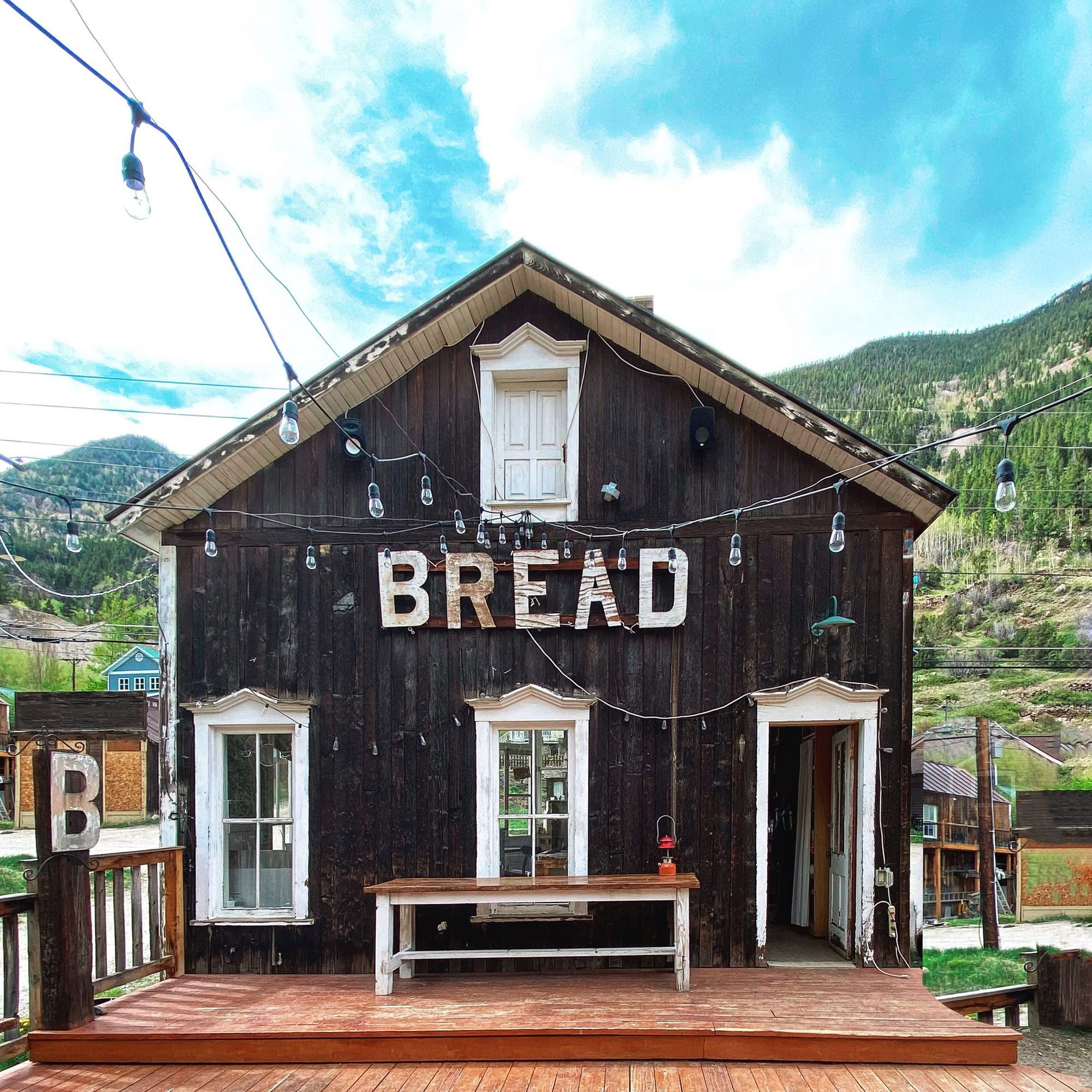
Bread Bar
Silver Plume
Bar in Silver Plume, United States
 Book with Pearl
The Read
Price
$10–20per person
Why go
Bread Bar is a fit for a relaxed Silver Plume stop where atmosphere matters more than a formal dining format. Choose it for a date, casual celebration, or small-group drink plan; look elsewhere if you need published menu detail, clear pricing, or a more structured restaurant experience.
About Bread Bar
For a Silver Plume outing, Bread Bar works best as a casual stop with a casual dress code and limited weekend hours. Plan it as a casual stop rather than a structured dining destination.
The practical question is whether the schedule and casual setting fit your plans. Bread Bar is closed Monday through Thursday, open Friday and Saturday from 2–10 PM, and open Sunday from 12–6 PM. If your group needs a clearly defined menu, price tier, seating capacity, or formal dining format, compare options before building the outing around it.
Go for the Silver Plume timing, not a structured dinner plan
Plan around the basics: Silver Plume location, casual dress, and weekend hours. If the meal itself is the anchor, consider whether another option gives you more certainty. If the anchor is a casual Silver Plume stop during the posted weekend hours, Bread Bar can make sense.
For wider planning, compare Bread Bar with other dining in Silver Plume generically, or consider other options such as Bucksnort Saloon, Chautauqua Dining Hall, Flagstaff House, New Terrain Brewing Company, and The Fort without assuming they serve the same kind of occasion.
Who should choose it
Choose Bread Bar when the details fit the plan: Silver Plume, casual dress, and weekend hours. Skip it as the centerpiece for plans that require seating capacity, a specific cuisine, posted pricing, or award-backed dining certainty. The strongest case is a casual stop within its posted schedule; the weaker case is any plan that depends on those specifics.
Planning details
- Location
- 1010 Main St, Silver Plume, CO 80476
- Reservations
- Book on the venue's website
- Website
- breadbarsp.com
The take
The Take
The Vibe
Bread Bar operates within a fragile, preserved pocket of high-altitude Colorado. The bar reads as quietly rooted in place: Victorian storefronts, narrow lots and a Main Street that feels more like a film set than a modern commercial strip. Its identity leans into isolation and localness rather than courting urban cocktail trends, which gives the room a low-key, intimate quality. Visitors encounter a straightforward, unpretentious atmosphere where history and altitude shape the experience as much as the drinks behind the bar.
Best For
This is a stop for locals and passing travelers alike. Bread Bar works best as an easygoing evening anchor: a place to drop in by yourself on a highway detour or to meet neighborhood faces for a relaxed drink. It’s not pitched as a destination for encyclopedic spirits or technical mixology, so plan visits as casual pit stops or low-key date nights that lean into the town’s preserved, small‑town character.
Venue details
Ambiance
Vintage-chic mountain bar with historic decor, community chatter, and a laid-back high country atmosphere.
Tags
Vibe
Best For
Experience
Format
View
At the Bar
- Bar Category
- Cocktail Bar
- Late Night
- Closes by 10pm
- Music
- Live Music
- Live Music
- Yes
- Spirits Focus
- Rye Whiskey, Amaro
- Zero-Proof Program
- Yes
Signature Pours
Clifford Griffin
Know before you go
Know Before You Go
- Getting there
- 1010 Main St, Silver Plume, CO 80476
Planning details
Location
Also consider
Where to Go If This Is Not the Right Fit
If the plan needs a more formal occasion setting, cross-shop Flagstaff House or The Fort. If the group wants a clearer beer focus, New Terrain Brewing Company is the cleaner alternative.
Bar context
How It Compares
Bread Bar is the easiest choice if the goal is a relaxed Silver Plume stop with minimal planning. The Fort and Flagstaff House make more sense for a higher-commitment occasion where the venue itself is the main event, but they are less casual picks.
For a rustic bar mood, Bucksnort Saloon is the more obvious cross-shop. For beer-focused groups, New Terrain Brewing Company is a clearer fit than Bread Bar. Chautauqua Dining Hall is better for a meal that needs broader crowd comfort and a more conventional dining-hall setup.
The practical verdict: choose Bread Bar for Silver Plume atmosphere and an easygoing date or small-group plan. Choose The Fort or Flagstaff House for a more formal occasion, New Terrain Brewing Company for beer, Bucksnort Saloon for a saloon-style outing, and Chautauqua Dining Hall for a roomier, more meal-first plan.
Explore Silver Plume
Around this place
Discover more on Pearl
Unlock the full Bread Bar guide in Pearl, including awards, comparisons, FAQs, planning details, and nearby places.
Compare Bread Bar
| Venue | Location | Awards |
|---|---|---|
| Bread Bar | Silver Plume | No published awards |
| The Fort | Morrison | No published awards |
| Bucksnort Saloon | Pine | No published awards |
| New Terrain Brewing Company | Golden | No published awards |
| Flagstaff House | Flatirons | No published awards |
| Chautauqua Dining Hall | Boulder | No published awards |
How Bread Bar Silver Plume compares with similar nearby venues.
FAQ
Frequently Asked Questions
What's the best time to go to Bread Bar?
Go Friday or Saturday from 2–10 PM if you want the widest opening window, or Sunday from 12–6 PM for an earlier stop in Silver Plume. Bread Bar is closed Monday through Thursday, so this is a weekend-focused plan.
Does Bread Bar have happy hour deals?
Do not plan around a specific happy hour deal. If promotions matter, check directly before you go or compare with another option such as The Fort.
Is Bread Bar good for a date?
It can work for a casual, low-pressure date if the posted weekend hours fit your timing. If you want a more structured meal with more planning detail, compare Bread Bar with an option such as Chautauqua Dining Hall before deciding.
Is the food good at Bread Bar?
Treat Bread Bar as a casual Silver Plume option and confirm current offerings directly if the food is the main reason for your visit; Flagstaff House may be worth comparing for a more formal outing.
Is Bread Bar good for groups?
For a larger gathering, check seating capacity and reservation options directly, or compare Bread Bar with options such as Bucksnort Saloon or New Terrain Brewing Company before making plans.
What's the crowd like at Bread Bar?
Plan for a casual Silver Plume stop, with a casual dress code, Friday and Saturday hours from 2–10 PM, and Sunday hours from 12–6 PM. For a different kind of outing, compare with an option such as The Fort.