
weeknd*
OCT Creative Garden / OCT Loft, Futian, Shenzhen
Bar in Shenzhen, China
 Book with Pearl
The Read
Price
$30–50per person
Why go
weeknd* is a practical Shenzhen pick when the plan is wine first and flexible rather than dinner-led. Star Wine List recognition gives it more credibility than a generic bar, while the easy booking profile makes it useful when a polished lounge feels too planned or too formal.
About weeknd*
weeknd* is a Shenzhen venue with a casual dress code and Star Wine List recognition for 2026. Beyond this, specific details are limited, so it is best approached as a flexible Shenzhen option rather than a place to choose on the basis of a specific cuisine, menu format, price range, seating setup, or formal service style.
A Shenzhen venue with Star Wine List recognition
The key highlight for weeknd* is its Star Wine List recognition for 2026. Specific details regarding list format, by-the-glass program, food menu, seat count, or price level are not available.
If you are comparing options, The Drawing Room, Palm Court, Yi Lounge, British Afternoon Tea, and Wine Universe Shenzhen are other named venues to consider. Anyone choosing primarily for food should use Our full Shenzhen restaurants guide before committing.
Book it for a casual Shenzhen plan
The dress code is casual, which makes weeknd* easier to frame as a relaxed stop than a highly formal occasion venue. However, specific details like price, menu style, booking channel, seat count, and service format are not available, so it suits plans where the group can stay flexible and confirm current details directly with the venue.
For cross-shopping, use Wine Universe Shenzhen, British Afternoon Tea, The Drawing Room, Palm Court, or Yi Lounge as other named options to compare with weeknd*. For other Shenzhen routes, scan Our full Shenzhen bars guide. Travellers building a wider trip can also use Our full Shenzhen hotels guide, Our full Shenzhen wineries guide, and Our full Shenzhen experiences guide.
Quick reference: choose weeknd* for a casual Shenzhen stop with Star Wine List recognition; compare other named venues if the setting, format, or food offering matters more to the plan.
Planning details
- Location
- 香山东街华侨城创意文化园南山特色文化街北区A1栋2楼214号, Shenzhen
- Phone
- +86 17233047522
The take
The Take
The Vibe
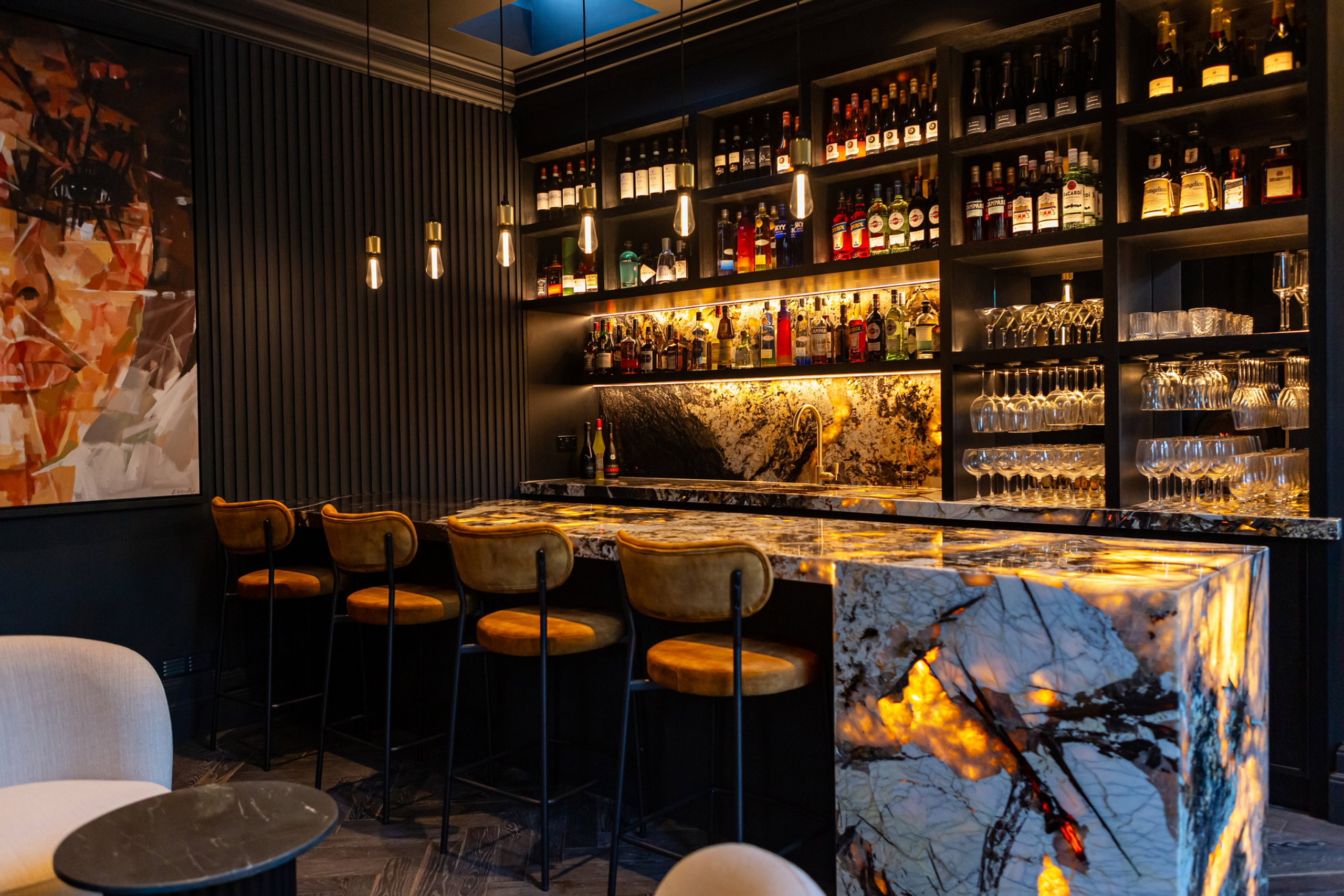
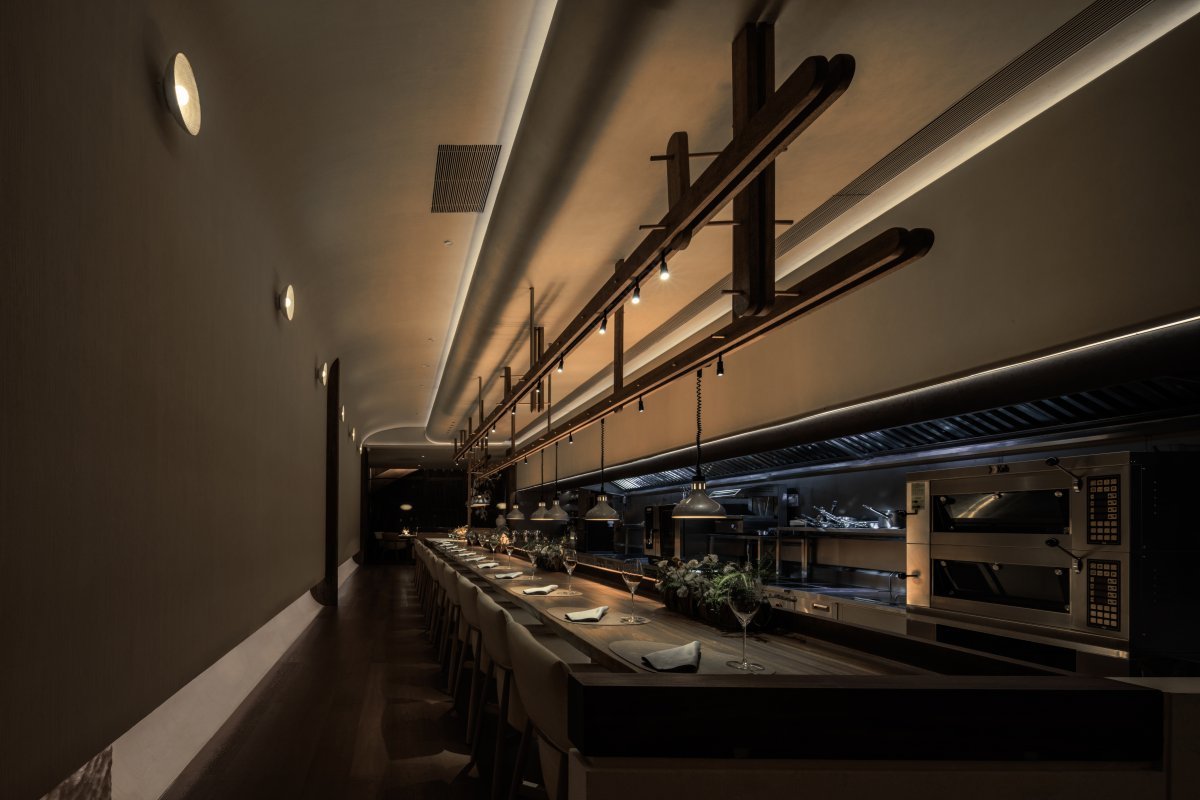
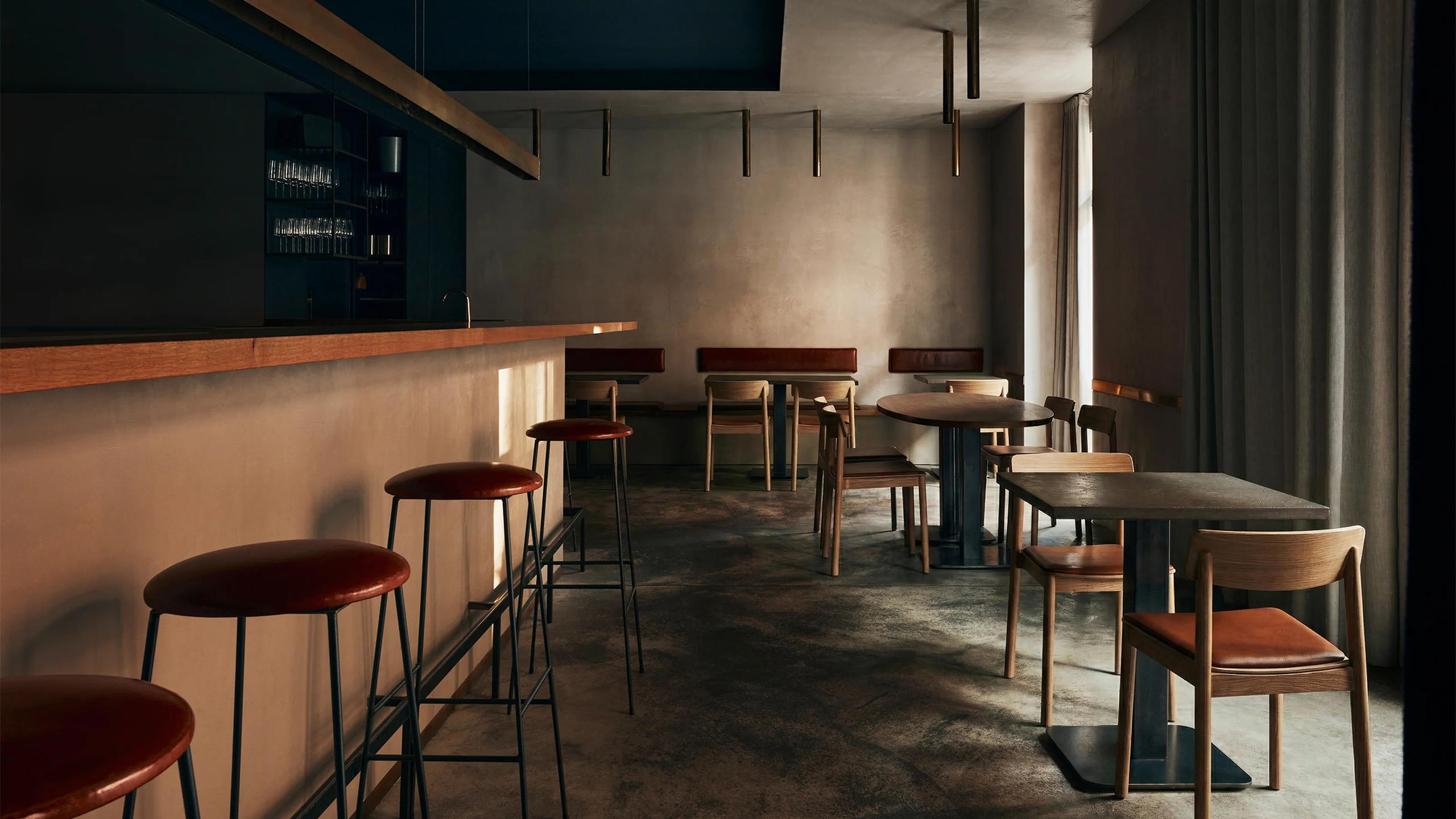
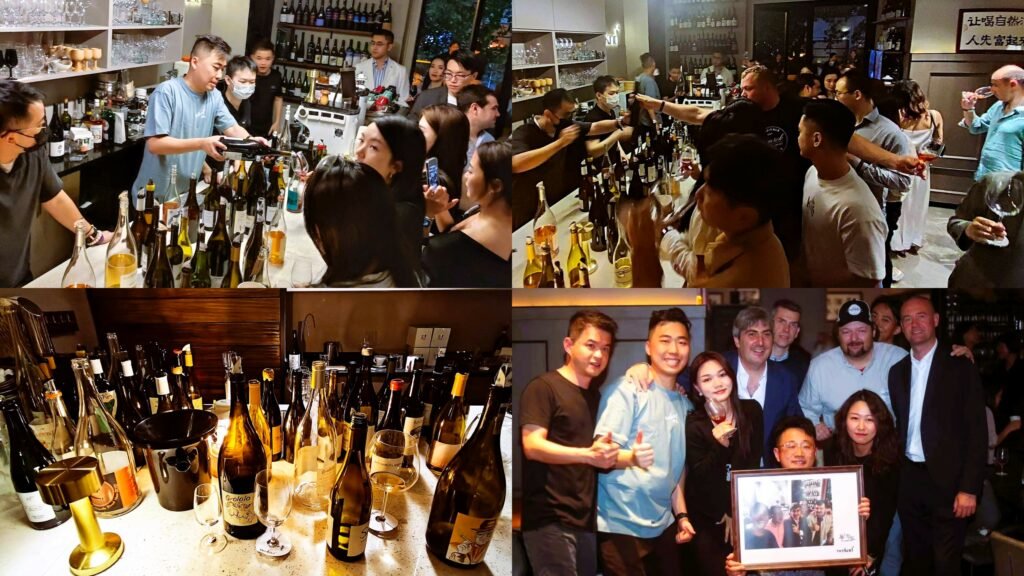
weeknd* reads as a design-forward, intimate bistro-bar that quietly stakes a claim in Shenzhen’s evolving natural wine scene. Tucked on the second floor of OCT Loft, the venue sits within a creative-cultural cluster of galleries and studios, so the crowd skews intentional and culturally literate rather than incidental passerby. The back bar functions as the room’s focal point: it’s where curation, conversation and discovery converge. Overall the place feels like a focused, low-key destination for people who care about provenance and personality in their wine, wrapped in the confident restraint of a small, thoughtfully curated space.
Best For
weeknd* is best for evenings when curiosity leads the plan—after-work drinks, casual hangouts and group outings among friends who want to explore natural wine. Because the bar positions itself as an early champion of low-intervention bottles in Southern China, it also suits visitors interested in learning rather than just sipping familiar labels: people who enjoy tasting and talking through producers and philosophies will find the environment receptive. Located in OCT Loft’s creative quarter, it’s a destination stop for those combining gallery visits or boutique browsing with a relaxed night out.
Ordering Tips
Treat the back bar as your primary resource: the staff curate around natural-wine philosophies rather than conventional appellations, so ask for context about producers and stylistic cues. Approach the list with an open mind—expect unfamiliar regions and personalities rather than standard Bordeaux or well-known prestige names. If you’re with a group, order a few bottles to share and let the team frame pairings or small bistro-style dishes alongside the wines. Above all, come ready to be guided; the venue’s editorial curation is designed to introduce and interpret low-intervention producers for Shenzhen drinkers.
Venue details
Ambiance
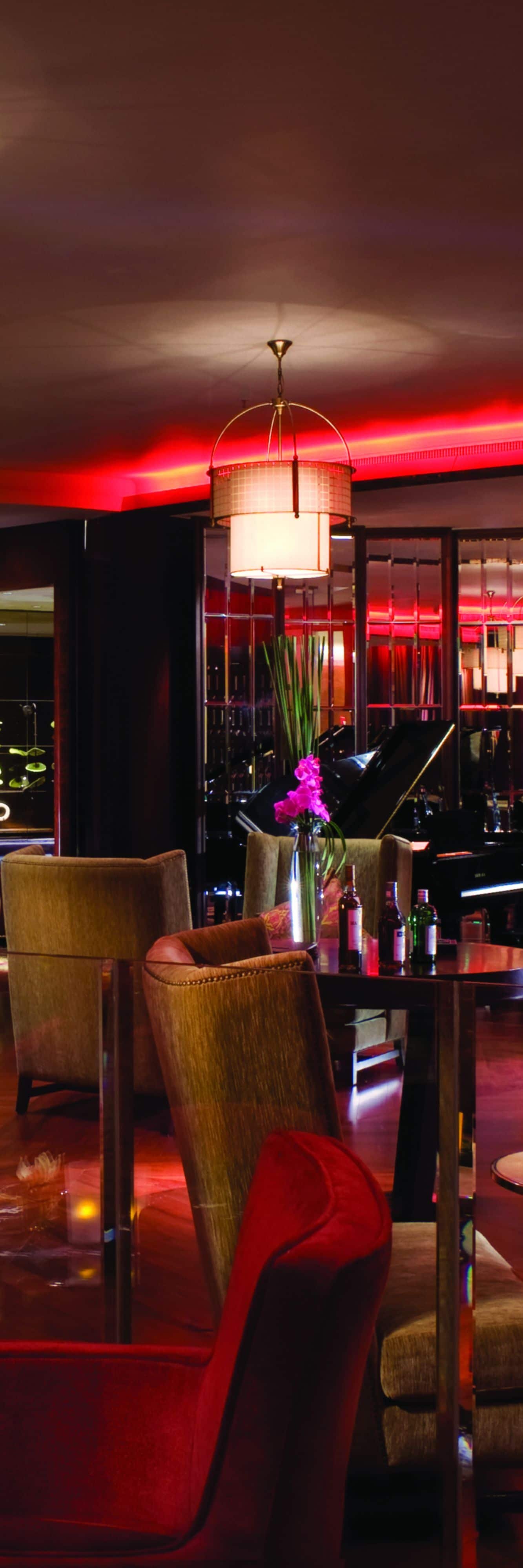
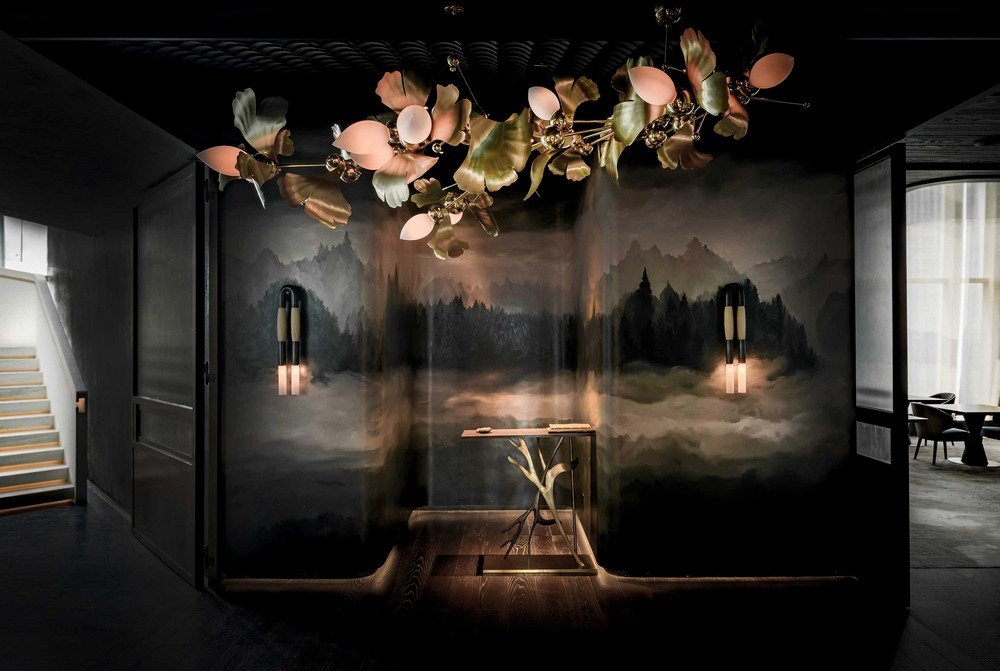
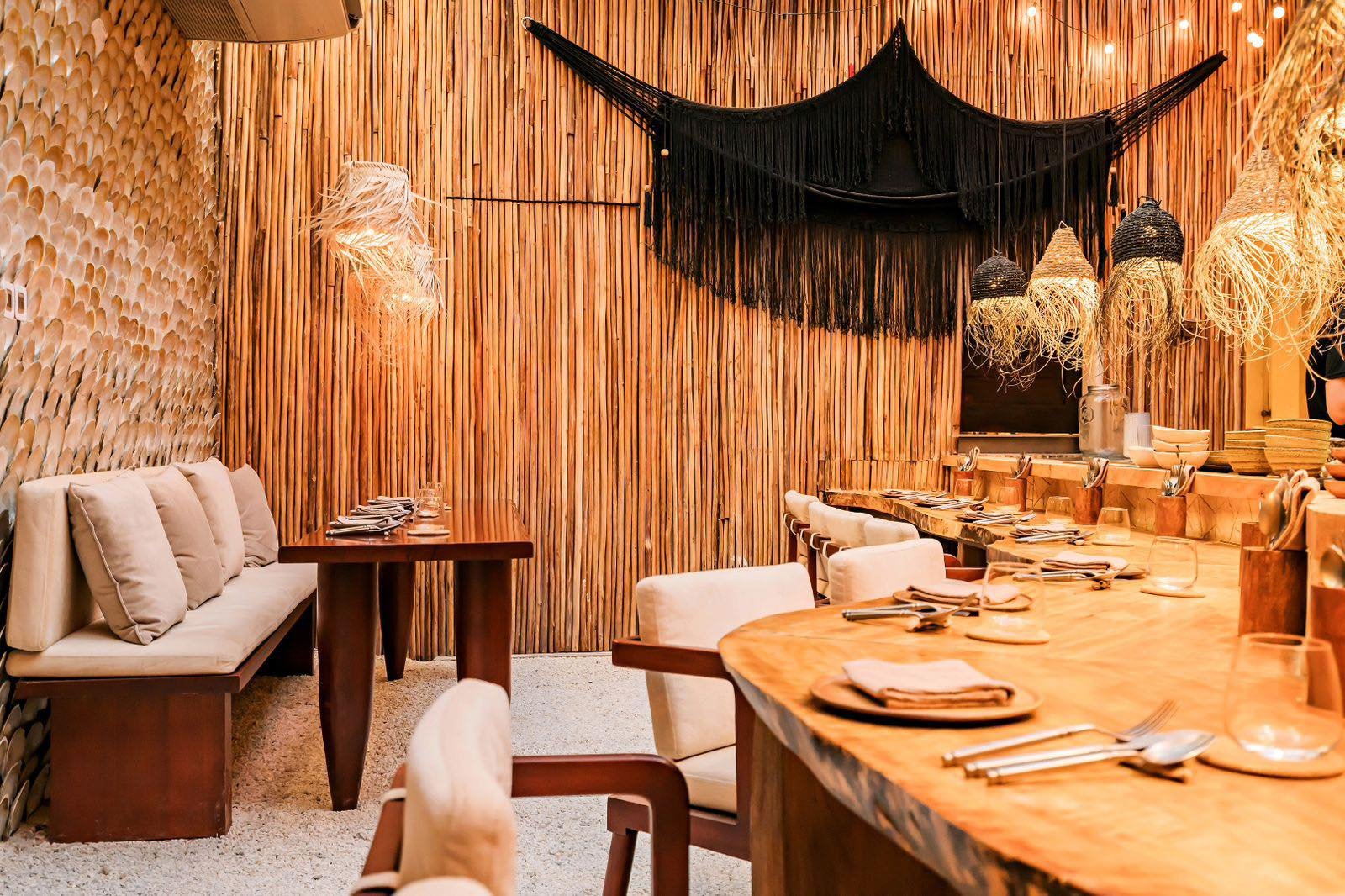
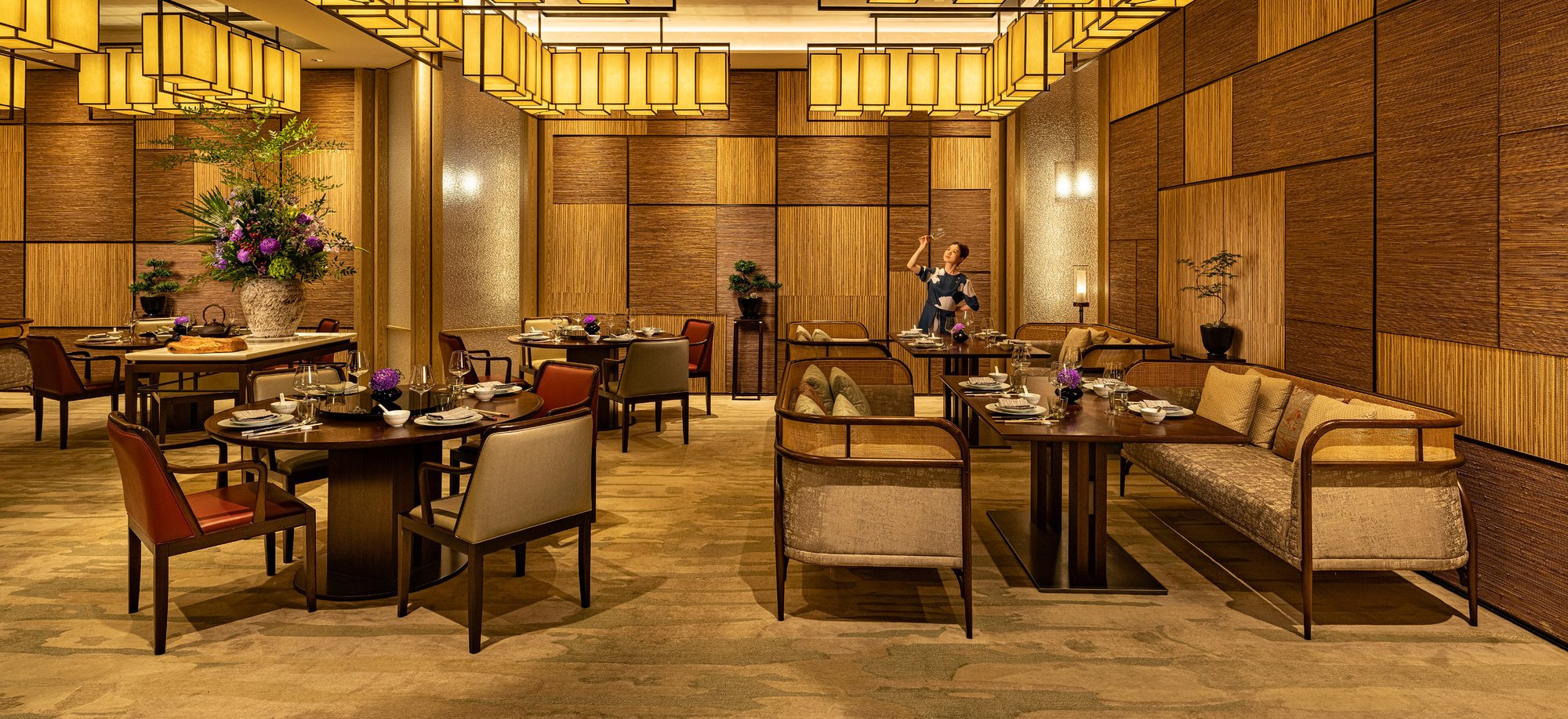
Modern, airy venue with heavy emphasis on natural wood elements; located in a culture-focused creative community popular with young people; welcoming and energetic atmosphere.
Tags
Vibe
Best For
Experience
Format
At the Bar
- Bar Category
- Wine Bar
- Late Night
- Closes by Midnight
- Music
- Ambient Background Music
Know before you go
Know Before You Go
- Getting there
- 香山东街华侨城创意文化园南山特色文化街北区A1栋2楼214号, Shenzhen
Planning details
Location
香山东街华侨城创意文化园南山特色文化街北区A1栋2楼214号, Shenzhen · Directions
Recognition and awards

Also consider
Also Consider
- The Drawing Room, Notable alternative
- Wine Universe Shenzhen, Notable alternative
- Palm Court, Notable alternative
- British Afternoon Tea, Notable alternative
- Yi Lounge, Notable alternative
Bar context
How it compares with Shenzhen wine bars and lounges
Choose weeknd* when wine is the point and the night does not need a hotel-lounge frame. Compared with The Drawing Room, Palm Court, and Yi Lounge, it reads as the more casual, drinks-led choice. Those peers make more sense for guests who want a polished room, a more formal service rhythm, or a safer occasion setting.
Wine Universe Shenzhen is the closest comparison if the decision is mainly about wine. Pick between the two based on location and the kind of night required: weeknd* fits an OCT Creative Culture Park plan, while Wine Universe Shenzhen is the cleaner cross-shop for readers who want another wine-focused option in the city.
British Afternoon Tea is the better fit for a daytime, structured, non-bar occasion. weeknd* is easier to justify for an evening glass or bottle with low ceremony, especially when booking needs to stay simple.
Explore Shenzhen
Around this place
Discover more on Pearl
Unlock the full weeknd* guide in Pearl, including awards, comparisons, FAQs, planning details, and nearby places.
Compare weeknd*
| Venue | Location | Awards |
|---|---|---|
| weeknd* | Shenzhen | Star Wine Lists 2026 |
| The Drawing Room | Shenzhen | No published awards |
| Wine Universe Shenzhen | Shenzhen | No published awards |
| Palm Court | Shenzhen | No published awards |
| British Afternoon Tea | Shenzhen | No published awards |
| Yi Lounge | Shenzhen | No published awards |
How weeknd* Shenzhen compares with similar nearby venues.
FAQ
Frequently Asked Questions
Does weeknd* have outdoor seating?
Is weeknd* good for groups?
Information on group suitability is not available. The dress code is casual, but you should confirm capacity, booking requirements, and current service details directly with the venue.
Is weeknd* good for a date?
It may suit a relaxed Shenzhen plan if the casual dress code and Star Wine List recognition match the mood you want. Confirm current hours, availability, and service details directly with the venue before booking.