
Taberna Manolo Cateca
Alfalfa, Seville
Bar in Seville, Spain
 Book with Pearl
Why go
A practical pick in Seville's Casco Antiguo for a casual daytime taberna stop rather than a late-night cocktail plan. The main value is low-friction atmosphere, central positioning, and a Star Wine List signal, making it stronger for wine-minded pairs or small groups than for large parties or view-led dates.
About Taberna Manolo Cateca
Should you go to Taberna Manolo Cateca in Seville? Yes, if the appeal is a casual daytime stop with clearly listed weekday hours. It is in Seville, the dress code is casual, it is open Monday to Friday from 11 AM to 4:30 PM, and it is closed Saturday and Sunday. It also has Star Wine List recognition for 2026, which gives the venue a concrete point of reference without turning the listing into a promise of anything more specific.
Avoid planning around specifics such as a particular menu style, seating setup, price point, or late-night service. The safest read is practical: this is a Seville venue to consider when its weekday daytime schedule fits the plan, especially when the group is not looking for a formal dress code or an evening reservation anchor. If the outing depends on dinner, late drinks, guaranteed space, or a specific food format, confirm directly before committing.
A daytime taberna call, not a late-night plan
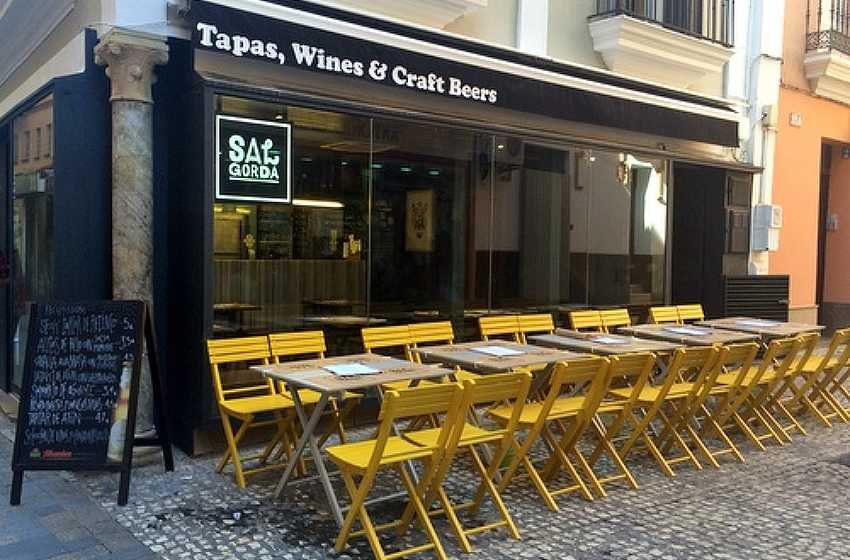
The strongest reason to choose Taberna Manolo Cateca is its clear schedule. It opens Monday through Friday from 11 AM to 4:30 PM and is closed on weekends, so it belongs in a daytime Seville plan rather than a late-night one. That distinction matters when mapping a day in the city: this is the kind of listing to place earlier in the itinerary, not to hold back as the final stop after dinner. Readers building a broader route can compare it with other Seville options such as Bar Sal Gorda, Café Red House, Calíope, El gourmet del parasol, and Scalpers Rooftop Sevilla, then use Our full Seville bars guide to decide where it fits.
For crowd fit, a conservative recommendation applies: choose it when casual dress and daytime hours suit the group. That makes it easier to evaluate for a low-key plan, but it also sets clear limits on what should be assumed. It should not be framed as a splurge or as a guaranteed large-group venue, as details on premium tasting format, seat count, price point, or service style are not available. If the plan needs a more formal meal, start with Our full Seville restaurants guide; if the plan is built around where to stay in the city, use Our full Seville hotels guide.
Who should choose it over another option
Choose it if a casual Seville stop with weekday daytime hours is what the itinerary needs. The Star Wine List recognition gives a point of reference for readers comparing venues, but it does not confirm a specific wine program, menu, or service format. Treat the recognition as a useful signal, not as permission to assume details not specifically mentioned. In practical terms, it helps separate the venue from a completely unqualified listing while still leaving the finer experience questions open.
Skip it if the brief is rooftop views, late service, or a date that requires a confirmed dinner setting. In that case, compare the broader Seville set first, then decide whether another venue fits the plan better. If the itinerary stretches beyond this stop, broader Seville guides can help round out the trip. The clean takeaway is simple: consider Taberna Manolo Cateca for a casual weekday daytime window, and verify directly if the occasion depends on anything more precise.
Planning details
- Location
- C. Sta. María de Gracia, 13, Casco Antiguo, 41004 Sevilla, Spain
- Website
- facebook.com/manolocateca
- Phone
- +34 657 59 05 09
The take
The Take
The Vibe
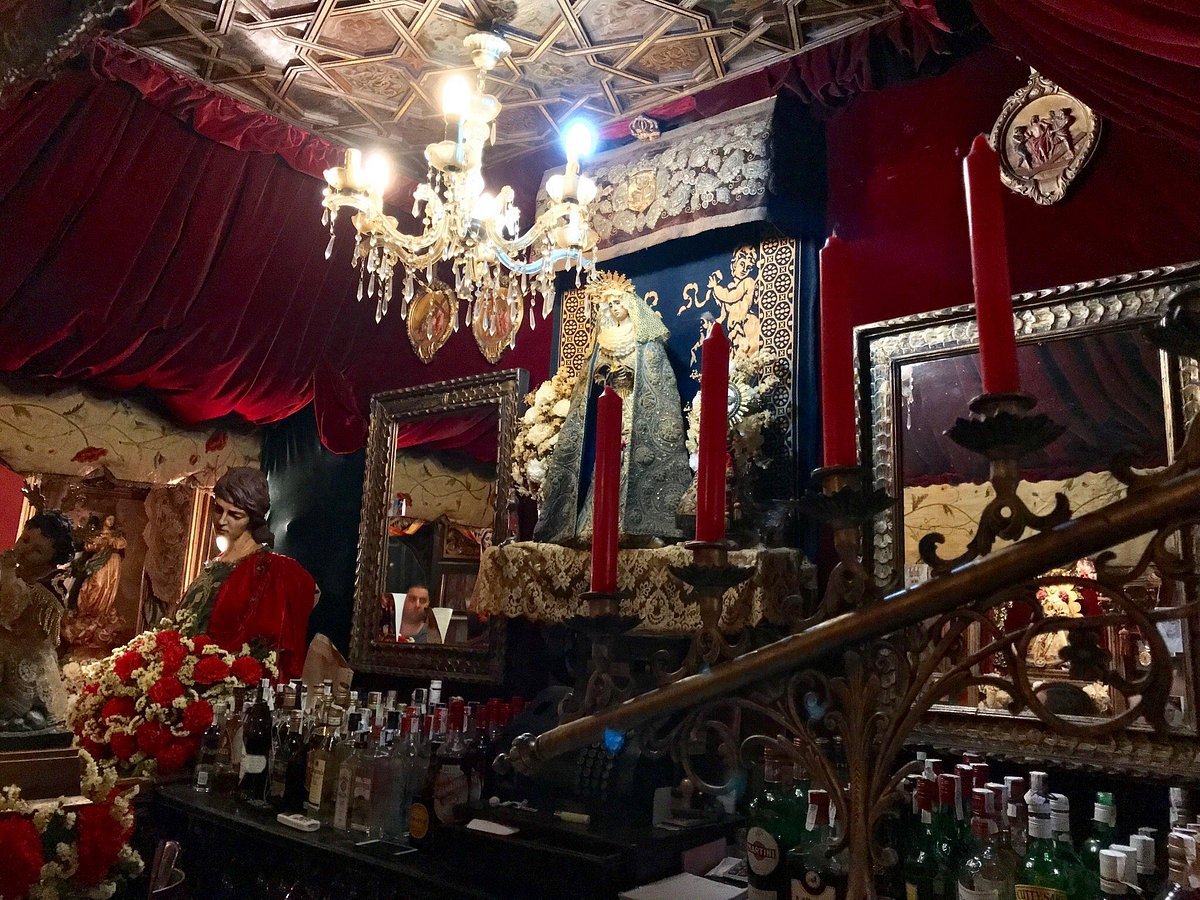
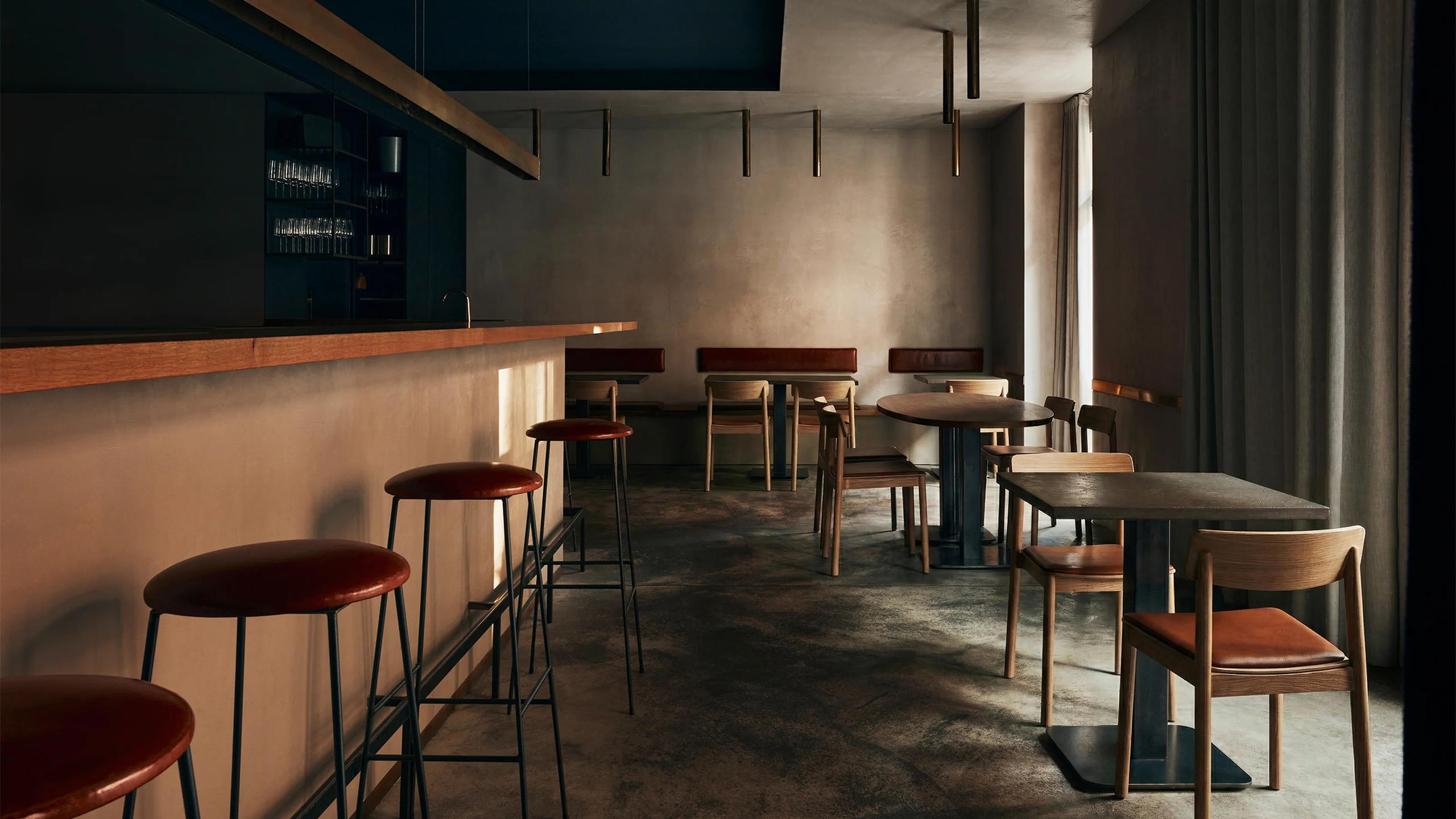
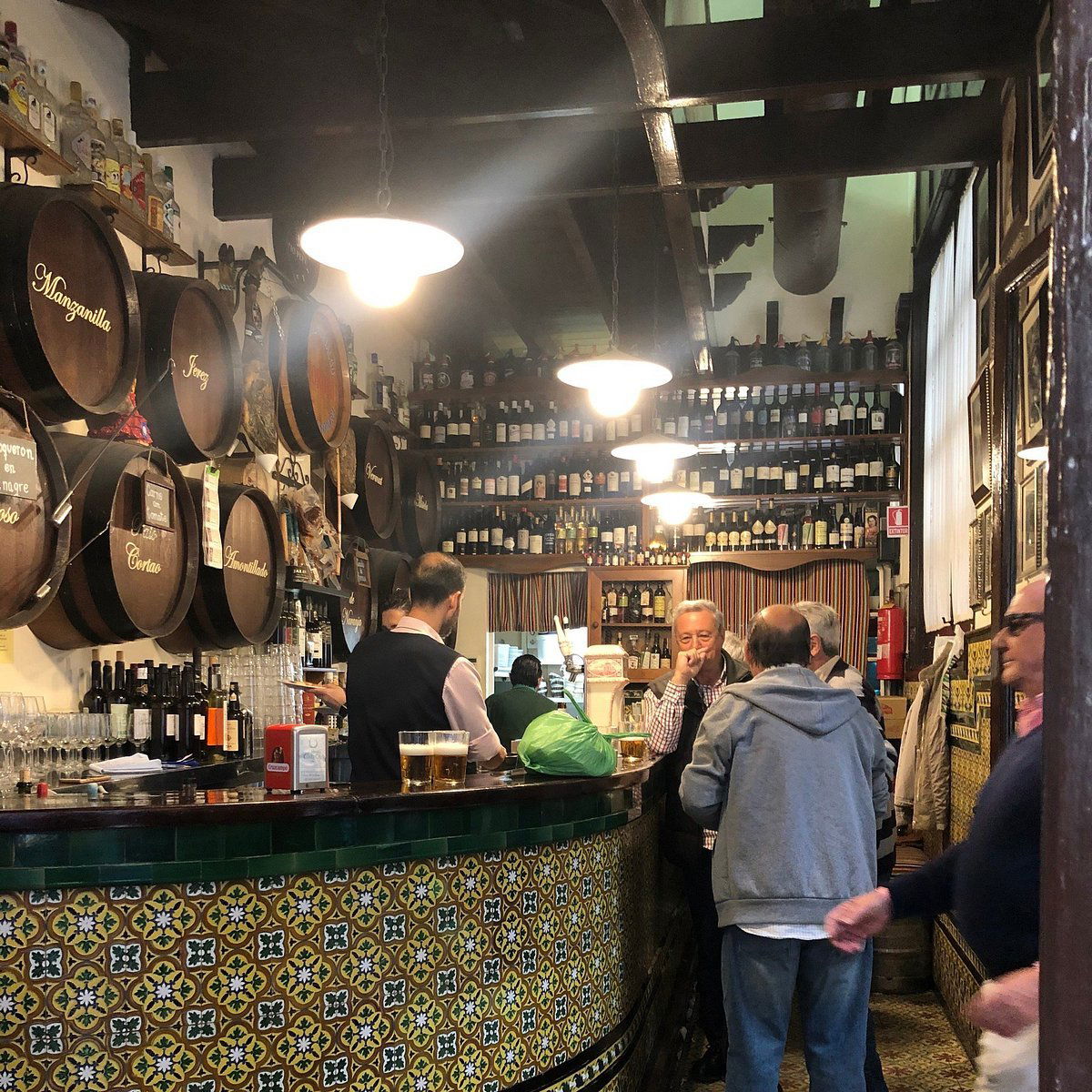
Taberna Manolo Cateca presents itself as an old‑city wine room that leans into tradition rather than reinvention. The space is defined by low ceilings, tiled surfaces and bottles arranged along walls and behind the counter; light is described as warm rather than theatrical. That preservation of the taberna logic—short sightlines, proximity between pourer and guest, and busy walls—creates an intimate, characterful atmosphere. This is the kind of place where the architecture of the room sets the tone: convivial, rooted in place and quietly confident in its historical identity.
Best For
This is a venue for people who value a traditional, wine‑centric experience in Seville's historic core. It's well suited to patient drinkers who want to explore a considered list rather than a quick tourist stop, and to small gatherings that appreciate proximity and conversation around a central counter. Visitors seeking an authentic taberna encounter—where the room and the bottles carry as much meaning as the drink—will find this address rewarding. It functions as a calm, focused alternative to louder, more modern wine bars.
Ordering Tips
Let the person pouring guide you: the counter is described as the organising principle of the room and the staff's proximity makes recommendations part of the experience. The description notes that the wine list 'rewards patience,' so take time to ask about bottles and follow suggestions rather than rushing for the most obvious choice. Approach ordering as a conversation—mention preferences, ask for context on the list, and be prepared to trust the pourer's recommendations to get the most from the taberna format.
Venue details
Ambiance
Spartan and traditional sevillana atmosphere with a bustling bar crowded by older local patrons.
Tags
Vibe
Best For
Experience
Format
At the Bar
- Bar Category
- Wine Bar
- Late Night
- Closes by Midnight
Know before you go
Know Before You Go
- Getting there
- C. Sta. María de Gracia, 13, Casco Antiguo, 41004 Sevilla, Spain
Planning details
Location
C. Sta. María de Gracia, 13, Casco Antiguo, 41004 Sevilla, Spain · Directions
Recognition and awards

Also consider
Where to go if this does not fit
If the group wants views or a more polished setting, try Scalpers Rooftop Sevilla instead. If the priority is another informal Seville stop, compare Bar Sal Gorda before committing.
Bar context
How it compares in Seville
Choose Taberna Manolo Cateca when the goal is a casual, value-minded taberna stop in the old centre. Scalpers Rooftop Sevilla is the clearer call for views and a more polished setting, while this is better when the group cares less about scenery and more about an easy daytime stop.
Café Red House and Calíope make more sense if the plan is centred on a bar-first evening rather than a taberna-style pause. For a simpler food-and-drink stop, compare it with El gourmet del parasol and Bar Sal Gorda; those are the closer cross-shops for readers weighing convenience, informal atmosphere, and price sensitivity.
Booking difficulty is marked easy here, so it is a safer fallback than venues that require more planning. The tradeoff is format: this is not the choice for a controlled special-occasion mood. Pick it for ease and old-centre practicality; pick Scalpers Rooftop Sevilla when the setting matters more than value.
Explore Seville
Around this place
Discover more on Pearl
Unlock the full Taberna Manolo Cateca guide in Pearl, including awards, comparisons, FAQs, planning details, and nearby places.
Compare Taberna Manolo Cateca
| Venue | Location | Awards |
|---|---|---|
| Taberna Manolo Cateca | Seville | Star Wine Lists 2026 |
| Café Red House | Seville | No published awards |
| Calíope | Seville | No published awards |
| Scalpers Rooftop Sevilla | Seville | No published awards |
| El gourmet del parasol | Seville | No published awards |
| Bar Sal Gorda | Seville | No published awards |
How Taberna Manolo Cateca Seville compares with similar nearby venues.
FAQ
Frequently Asked Questions
What's the crowd like at Taberna Manolo Cateca?
Information on a specific crowd profile is not available. Taberna Manolo Cateca is in Seville, has a casual dress code, is open Monday to Friday from 11 AM to 4:30 PM, and has Star Wine List recognition for 2026.
Is Taberna Manolo Cateca good for groups?
Capacity, seating layout, or group policies are not available. It may be worth considering if the weekday daytime hours work for your plan, but larger groups should confirm directly with the venue before going.
Is Taberna Manolo Cateca good for a date?
It can fit a casual daytime plan in Seville if the listed hours work for you. The schedule is Monday to Friday from 11 AM to 4:30 PM, with Saturday and Sunday closed, so it is not a late-night date option.
Is the food good at Taberna Manolo Cateca?
Menu details, dishes, cuisine, prices, or food ratings are not available. Star Wine List recognition for 2026 provides a point of reference; for a more restaurant-led comparison in Seville, Calíope is another option to consider.
Is Taberna Manolo Cateca open late?
No. The hours are Monday to Friday from 11 AM to 4:30 PM, with Saturday and Sunday closed, so it is a daytime option in Seville.