
Bar in Seville, Spain
El Rinconcillo
100Pearl PointsHistoric Bar Stop
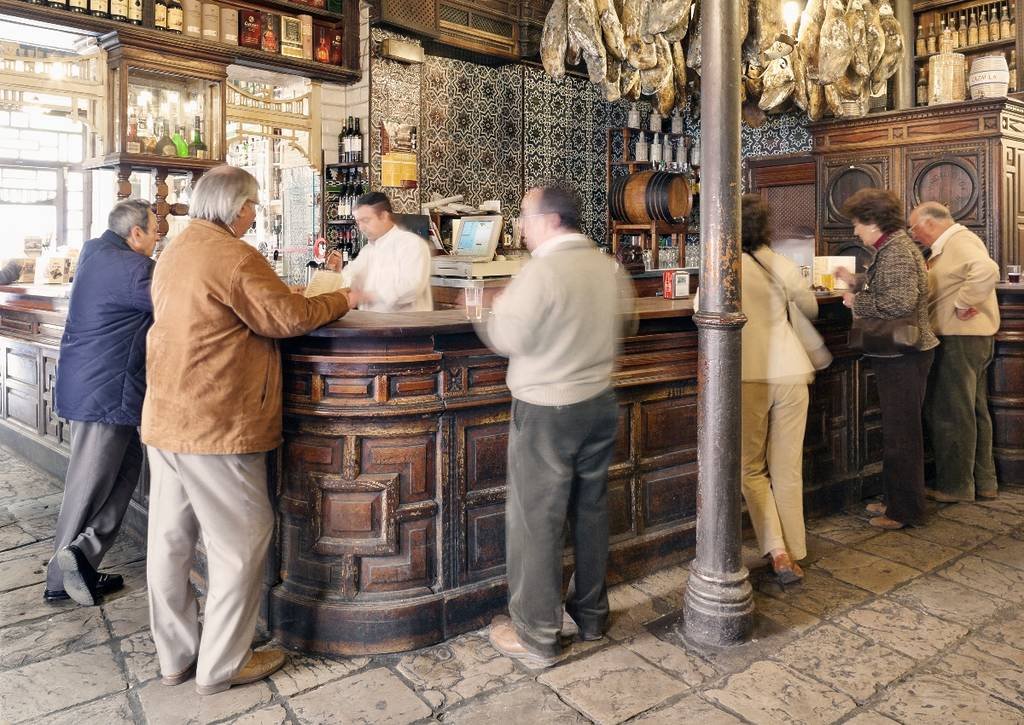
About El Rinconcillo
Prioritise El Rinconcillo for a classic Casco Antiguo bar stop rather than a chef-led dinner. It is easiest to recommend early in the day or evening, when the room is more useful for conversation and a casual drink-led plan; wine obsessives looking for a deep by-the-glass list should cross-shop more specialised bars.
El Rinconcillo is a Seville venue with a simple verified profile: it opens daily from 1–5:30 PM and again from 8 PM–12:30 AM, and the dress code is casual. Beyond those basics, specific claims about cuisine, signature dishes, prices, seating, awards, service style, or a drinks programme are not verified here, so plan with the current venue details in hand before making it the centre of an evening.
Choose it for a casual Seville stop, not a documented tasting-menu night
The clearest reason to consider El Rinconcillo is practical: it has daily afternoon and late-evening hours, which makes it easy to fit into a Seville itinerary. The verified information does not support a tasting-menu claim, chef-led positioning, award hook, or detailed food-and-drink brief, so the safest expectation is a casual visit rather than a highly structured restaurant experience.
If you are comparing options, keep the decision grounded in what is confirmed. El Rinconcillo has casual dress and a split daily schedule, but details such as menu format, specific drinks, reservations, outdoor seating, or dietary accommodations should be checked directly with the venue before you go.
Go when the verified hours fit your plan
El Rinconcillo is listed as open every day from 1–5:30 PM and 8 PM–12:30 AM. That gives travellers two clear windows to work with: an afternoon visit or a later evening stop. Because no verified crowd pattern, booking difficulty, or seating setup is available here, timing should be based on your own itinerary and the venue's current information.
Use it alongside other Seville options rather than relying on unverified assumptions. Bar Alfalfa is another option to compare for a casual plan. For wider planning, use Our full Seville restaurants guide, Our full Seville bars guide, Our full Seville hotels guide, Our full Seville wineries guide, and Our full Seville experiences guide.
Frequently Asked Questions
Does El Rinconcillo have happy hour deals?
Happy hour details are not verified here. The confirmed hours are 1–5:30 PM and 8 PM–12:30 AM every day. If deals are important to your plan, check directly with the venue before you go; Bar Alfalfa is another option to compare.
Does El Rinconcillo have outdoor seating?
Outdoor seating details are not verified here. The confirmed location information is simply Seville, and the confirmed practical details are daily hours and casual dress. Check the venue's official channels for the latest seating details. If seating setup matters most, compare current details with El gourmet del parasol or other venues before deciding.
What's the crowd like at El Rinconcillo?
Specific crowd details are not verified here. What is confirmed is that El Rinconcillo is in Seville, has a casual dress code, and opens daily from 1–5:30 PM and 8 PM–12:30 AM.
Is the food good at El Rinconcillo?
Specific food details, dishes, prices, and menu format are not verified here. Treat El Rinconcillo as a Seville venue with confirmed daily afternoon and evening hours, and check current menu information directly before planning around the food.
Is El Rinconcillo good for a date?
It can fit an easygoing plan if the daily hours work for you: 1–5:30 PM and 8 PM–12:30 AM. The dress code is casual. Details such as noise level, seating style, and atmosphere are not verified here, so check current information if you need a quieter or more controlled setting; Pub Urbano Comix is another option to compare.
Location
C. Gerona, 40, Casco Antiguo, 41003 Sevilla, Spain
Seville, Spain
Compare El Rinconcillo
Where to cross-shop
For a more casual bar night, compare El Rinconcillo with Bar Alfalfa. For a more theatrical room, look at Bar Garlochí. If food is driving the decision more than the room, Bar Sal Gorda and El gourmet del parasol are more logical comparisons.
If you cannot make it work
Pick Bar Alfalfa for a lively, easygoing alternative in Seville. Choose Bar Garlochí if the group wants a more visually dramatic bar rather than a classic tavern stop.
How it compares in Seville
Pub Urbano Comix is the better pick if the night calls for a looser pub-style stop, while El Rinconcillo is stronger for travellers who want an old-centre Seville tavern feel. With booking difficulty marked easy, access is not the issue; the bigger question is whether the group wants heritage-bar atmosphere or a more casual urban drinking room.
El gourmet del parasol and Bar Sal Gorda make more sense when food is the lead decision. Choose El Rinconcillo when the plan is a drink-led stop in the Casco Antiguo, then move elsewhere if the group wants a fuller meal or a more contemporary setup.
Bar Garlochí is the more theatrical alternative, and Bar Alfalfa is the easier lively-bar comparison. El Rinconcillo sits between them: less about spectacle than Bar Garlochí, less purely casual than Bar Alfalfa, and useful when visitors want a Seville classic without making the whole evening depend on one table.
Explore Seville
Save or rate El Rinconcillo on Pearl
Keep this venue in your Pearl passport, rate it after you visit, and track it alongside every other place you collect.