

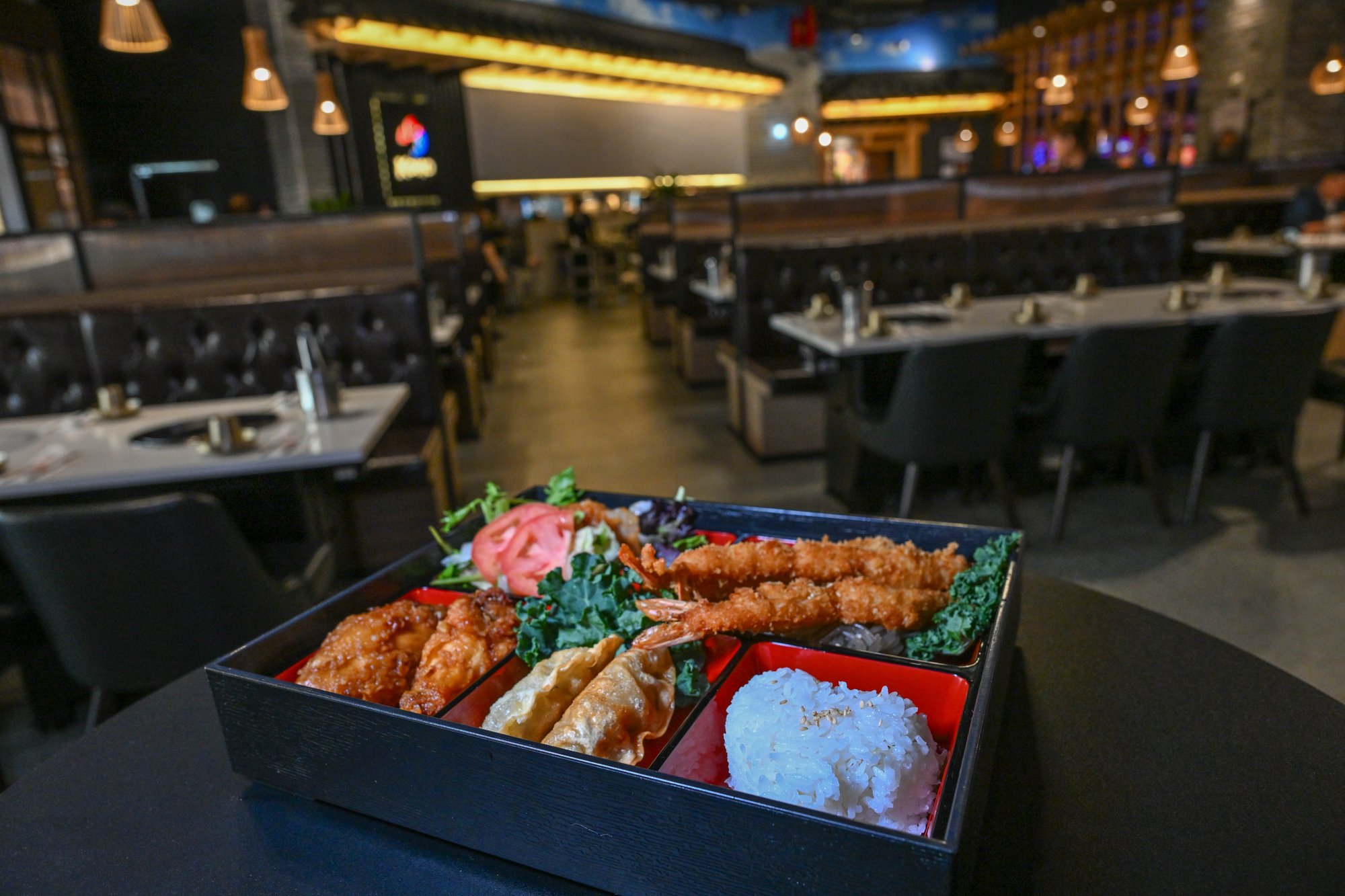
KOHO Korean BBQ House
Arundel Mills, Severn
Bar in Severn, United States
 Book with Pearl
The Read
Price
$30–50per person
Why go
KOHO Korean BBQ House is a practical Severn-area pick for a casual, shared Korean barbecue meal near the Arundel Mills orbit. Book it for groups or an easygoing date that can handle noise and table activity; look to Baltimore peers if you want a more polished, slower-paced room.
About KOHO Korean BBQ House
KOHO Korean BBQ House is a Severn venue with casual dress and daily hours that run from 11 AM into the late evening. The name, city, casual dress code, and posted hours are available.
Go for the basics, not an overbuilt expectation
KOHO Korean BBQ House is in Severn, has a casual dress code, and keeps long daily hours. It is open 11 AM–11 PM Monday through Thursday, 11 AM–12 AM Friday and Saturday, and 11 AM–11 PM Sunday.
Because no awards, chef details, price range, or menu specifics are available, KOHO Korean BBQ House offers limited planning details. For broader planning, compare it with other venues only after confirming the details that matter for your visit.
Who should pick it, and who should look elsewhere
Pick KOHO Korean BBQ House if you want a casual Severn option and the posted hours work for your plans. The Friday and Saturday midnight closing time may be useful for evening plans, while the 11 PM closing time Sunday through Thursday still gives some flexibility.
Look elsewhere if you need a venue with more details before choosing, such as a price range, a chef-led format, or specific service details. For comparison browsing beyond KOHO Korean BBQ House, you can also consider Hersh's, Limoncello Baltimore, Shin Chon korean bbq restaurant, Sobo Kitchen & Bar, and Vessel Baltimore.
Quick read: choose KOHO Korean BBQ House for a casual Severn option with long posted hours; compare other venues if you need more details before visiting.
Planning details
- Location
- 7002 Arundel Mills Cir, Hanover, MD 21076
- Website
- kohobbq.us
- Phone
- +1 443 222 7777
The take
The Take
The Vibe
KOHO Korean BBQ House leans into the kinetic, communal energy of tabletop grilling. Situated on the Arundel Mills dining belt, the restaurant thrives on foot traffic from the mall and nearby suburbs, and the service model rewards lingering: diners gather around tables with built-in grills and manage the cook in real time. The result feels purposefully in-between: deliberately casual rather than refined, social rather than solitary. Expect a convivial, hands-on evening where conversation and shared plates extend the meal, and the atmosphere skews animated as groups work together over charcoal or gas flame.
Best For
This is a place built for groups and occasions that favor interaction: celebrations, family dinners and larger parties all play to Korean BBQ’s strengths. The format supports longer dwell time and higher spend per table, making it a choice for suburban diners who want a meal that’s part activity, part food. KOHO is less about quick takeout and more about committing to the communal ritual: arriving in person, sitting down, and letting the table become the center of a social meal.
Ordering Tips
Plan to eat in and participate: the concept "demands presence"—you’ll sit at a table with a live grill and build the meal in real time. Banchan and rich cuts like pork belly and short rib call for cold, effervescent or sharp, clean pairings. Soju is named as the default accompaniment (low ABV, neutral flavor and chilled temperature that cuts grease) while beers or other crisp, fizzy drinks are reasonable alternatives to balance the richness.
Venue details
Ambiance
Lively and family-friendly indoor atmosphere.
Tags
Vibe
Best For
Experience
Format
At the Bar
- Bar Category
- Lounge
- Late Night
- Closes by Midnight
Know before you go
Know Before You Go
- Getting there
- 7002 Arundel Mills Cir, Hanover, MD 21076
Planning details
Location
Also consider
Also Consider
- Shin Chon korean bbq restaurant, Notable alternative
- Vessel Baltimore, Notable alternative
- Hersh's, Notable alternative
- Sobo Kitchen & Bar, Notable alternative
- Limoncello Baltimore, Notable alternative
Bar context
How KOHO Korean BBQ House compares
KOHO Korean BBQ House is the convenience play for diners who want Korean barbecue around Severn or Hanover without heading into Baltimore. Shin Chon korean bbq restaurant is the closest format comparison, so cross-shop that first if Korean barbecue is the whole point of the night and a longer trip is acceptable.
For ambiance, the Baltimore options move in different directions. Vessel Baltimore is the better cross-shop if drinks and room energy matter more than grilling at the table. Hersh's and Sobo Kitchen & Bar make more sense for a sit-down dinner where the kitchen does the pacing and the table can focus on conversation.
For a date or a more composed meal, Limoncello Baltimore is the more natural alternative. For groups who want a social, hands-on dinner closer to Severn, KOHO is the simpler call.
Explore Severn
Around this place
Discover more on Pearl
Unlock the full KOHO Korean BBQ House guide in Pearl, including awards, comparisons, FAQs, planning details, and nearby places.
Compare KOHO Korean BBQ House
| Venue | Location | Awards |
|---|---|---|
| KOHO Korean BBQ House | Severn | No published awards |
| Shin Chon korean bbq restaurant | Ellicott City | No published awards |
| Vessel Baltimore | Baltimore | No published awards |
| Hersh’s | Baltimore | No published awards |
| Sobo Kitchen & Bar | Baltimore | No published awards |
| Limoncello Baltimore | Baltimore | No published awards |
How KOHO Korean BBQ House Severn Hours & Planning Notes compares with similar nearby venues.
FAQ
Frequently Asked Questions
What's the crowd like at KOHO Korean BBQ House?
The crowd is not described. KOHO Korean BBQ House is in Severn and has a casual dress code, so plan for a casual visit rather than a formal dress-up setting.
Is KOHO Korean BBQ House open late?
Yes. KOHO Korean BBQ House is open until 12 AM on Friday and Saturday. It closes at 11 PM Monday through Thursday and on Sunday.
What's the best time to go to KOHO Korean BBQ House?
Hours are 11 AM–11 PM Monday through Thursday, 11 AM–12 AM Friday and Saturday, and 11 AM–11 PM Sunday. Choose a time within those posted hours, and confirm directly if timing is critical.
Is KOHO Korean BBQ House good for a date?
It may fit a casual date, since the dress code is casual. If you want a more formal or more detailed dining experience, compare it with other options such as Vessel Baltimore, Hersh's, Sobo Kitchen & Bar, Limoncello Baltimore, or Shin Chon korean bbq restaurant.