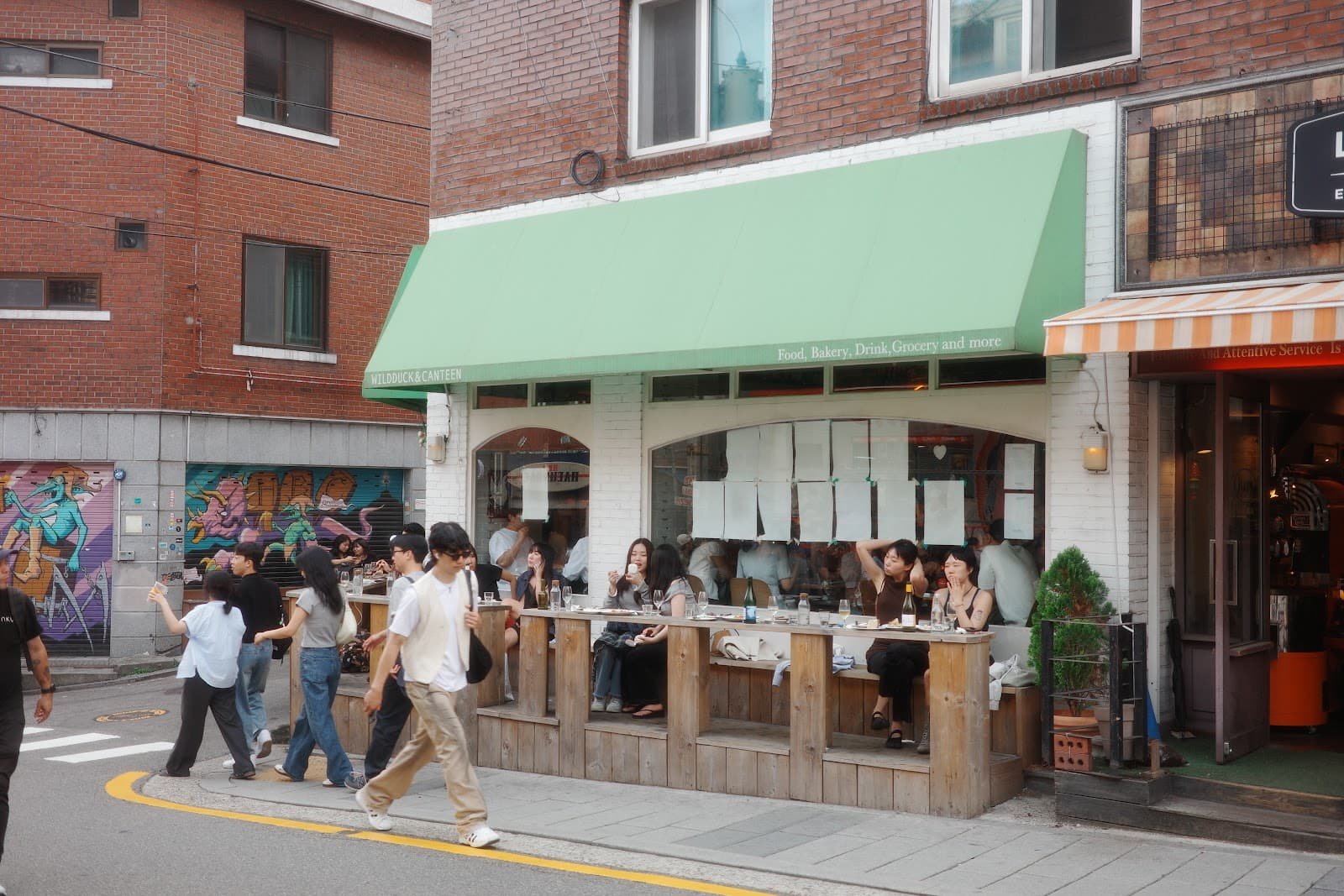

Wildduck & Canteen
Hoehyeon-dong, Seoul
Bar in Seoul, South Korea
 Book with Pearl
The Read
Price
$20–30per person
Why go
Wildduck & Canteen is worth booking when the night is about wine rather than a full restaurant plan. Its 2026 Star Wine List recognition is the key trust signal, and easy booking makes it useful for a flexible Seoul evening, especially for dates or small groups.
About Wildduck & Canteen
Wildduck & Canteen is a Seoul venue with evening and late-night hours, casual dress, and Star Wine List recognition for 2026. For planning, lean on the posted schedule rather than assumptions about cuisine, pricing, seating, or service format.
Choose it for a Seoul stop with Star Wine List recognition
Its Star Wine List listing for 2026 makes Wildduck & Canteen relevant for guests comparing Seoul venues with wine-focused recognition. Plan without relying on a specific menu format, chef, or signature dish.
Avoid building the entire night around assumptions about the food, pricing, or signature dishes. If the evening needs a more fully documented restaurant plan, start with our full Seoul restaurants guide. If the brief is a Seoul stop with late hours and Star Wine List recognition, Wildduck & Canteen is worth considering.
The right night is flexible and based on the hours
The schedule is one of the most useful planning details. Wildduck & Canteen opens from 6 PM to 12 AM Monday through Thursday, 6 PM to 2 AM on Friday, 5 PM to 2 AM on Saturday, and 1–3:30 PM plus 5 PM to 1 AM on Sunday. Dress is listed as casual.
Use the wider Seoul guide to decide the mood. For other options, compare it with 684 Itaewon-dong, Bonny's Pizza Pub, Magpie Brewshop (맥파이 브루샵), Namsan Winery, and SEOUL VINYL. For planning beyond this venue, use our full Seoul hotels guide and our full Seoul bars guide.
What to do if the brief changes
If the group wants a venue with clearly documented cuisine, pricing, seating, or a specific service style, check directly with Wildduck & Canteen before making it the main plan. Wildduck & Canteen works best as a Seoul venue with casual dress, late hours on several nights, Sunday daytime service, and Star Wine List recognition; for a particular food program, reservation policy, happy hour, or takeout and delivery service, check with the venue before making it the main plan.
Planning details
- Location
- 44-8 용산2가동 Yongsan District, Seoul, South Korea
- Website
- instagram.com/wildduck_canteen
- Phone
- +82 10-9964-3357
The take
The Take
The Vibe
Wildduck & Canteen sits comfortably in Haebangcheon's informal natural-wine scene, trading polish for conviviality. The bar leans into a canteen-like format: low on ceremony, bottle-forward, and oriented around conversation. It attracts locals who know the neighbourhood rather than destination-seeking crowds, and it presents a fashion-adjacent, relaxed attitude toward drinking. The result is an approachable, social room where the emphasis is on producers and the shared experience of wine rather than theatrical service or curated spirits libraries.
Best For
This is a neighbourhood wine bar built for social evenings and informal gatherings. It suits after-work groups and small parties who want to linger over bottles and conversation rather than a tightly staged cocktail program. Because the place prioritises a relaxed, bottle-forward format, it works well as a casual spot for friends to meet, for couples who prefer low-key outings, and for anyone interested in natural wines in a non‑pretentious setting. It reads as a local hangout more than a special-occasion destination.
Ordering Tips
Expect a bottle-forward, natural-wine focused list that prioritises low-intervention producers and minimal sulphites. With the bar operating in the natural-wine tradition, lean into bottles rather than expecting a formal cocktail programme; ask staff about producers and the philosophy behind each pour. The service style is informal and conversational, so seek recommendations and be prepared to share bottles with your group in the canteen-style room.
Venue details
Ambiance
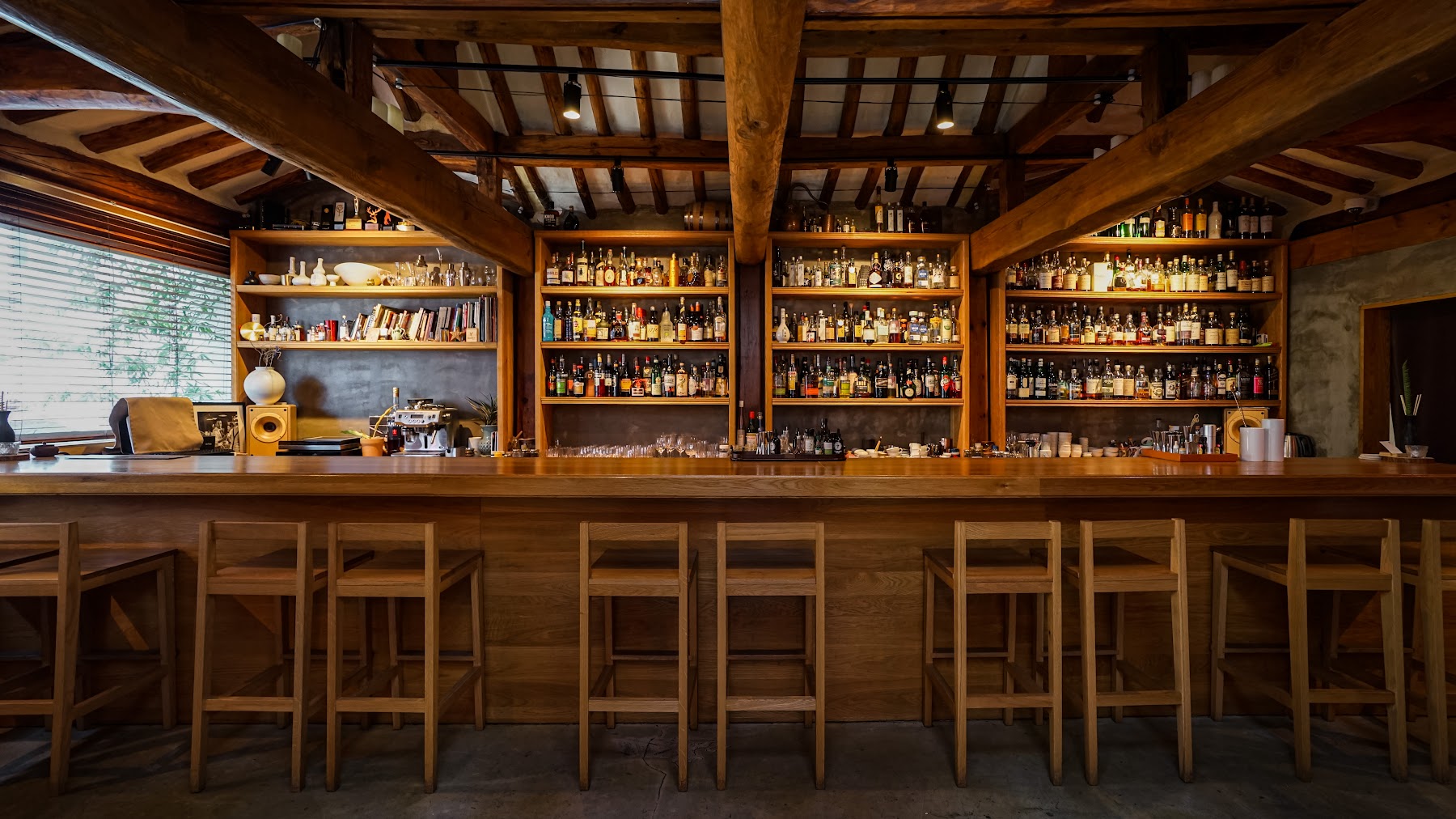
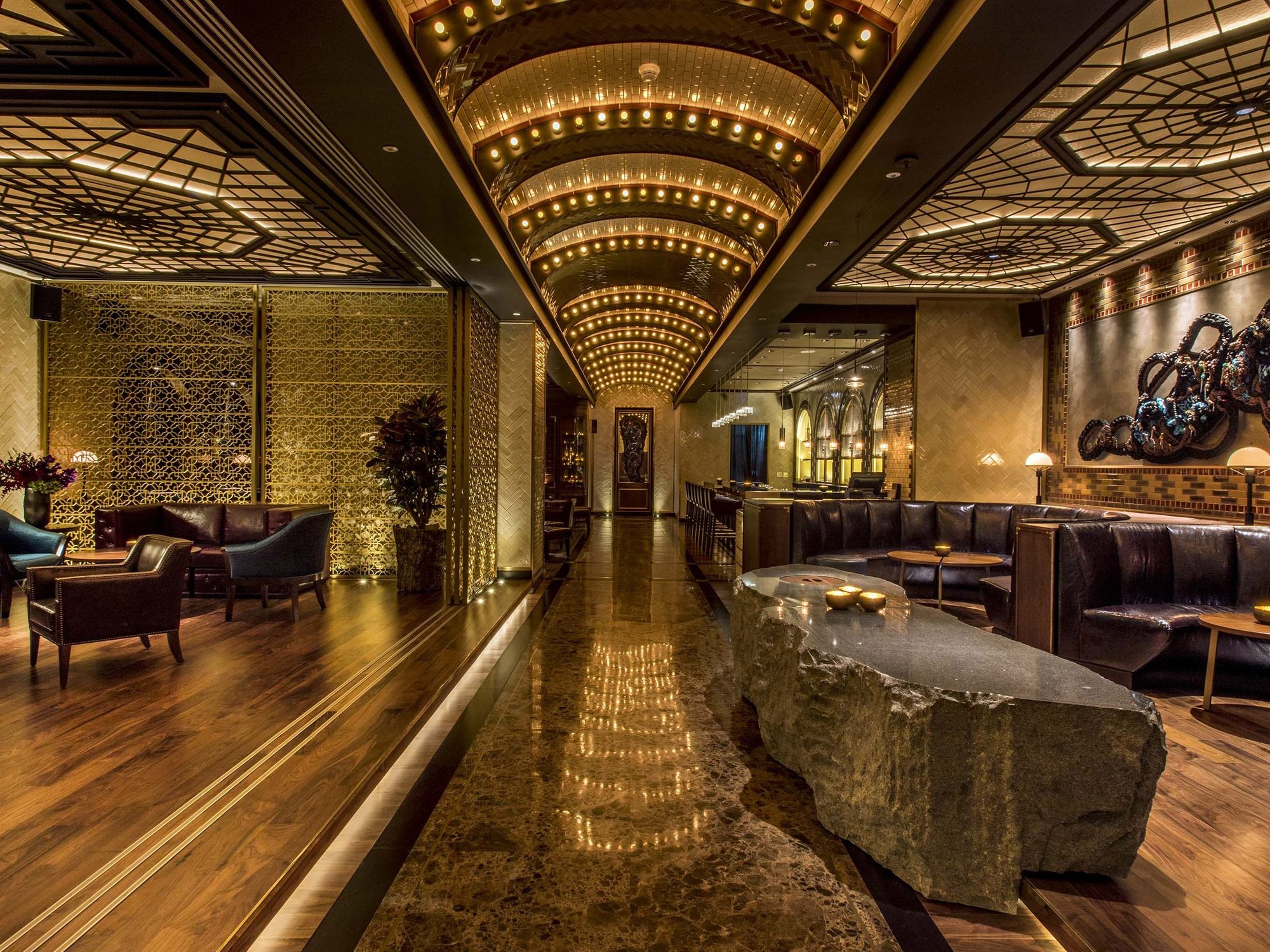
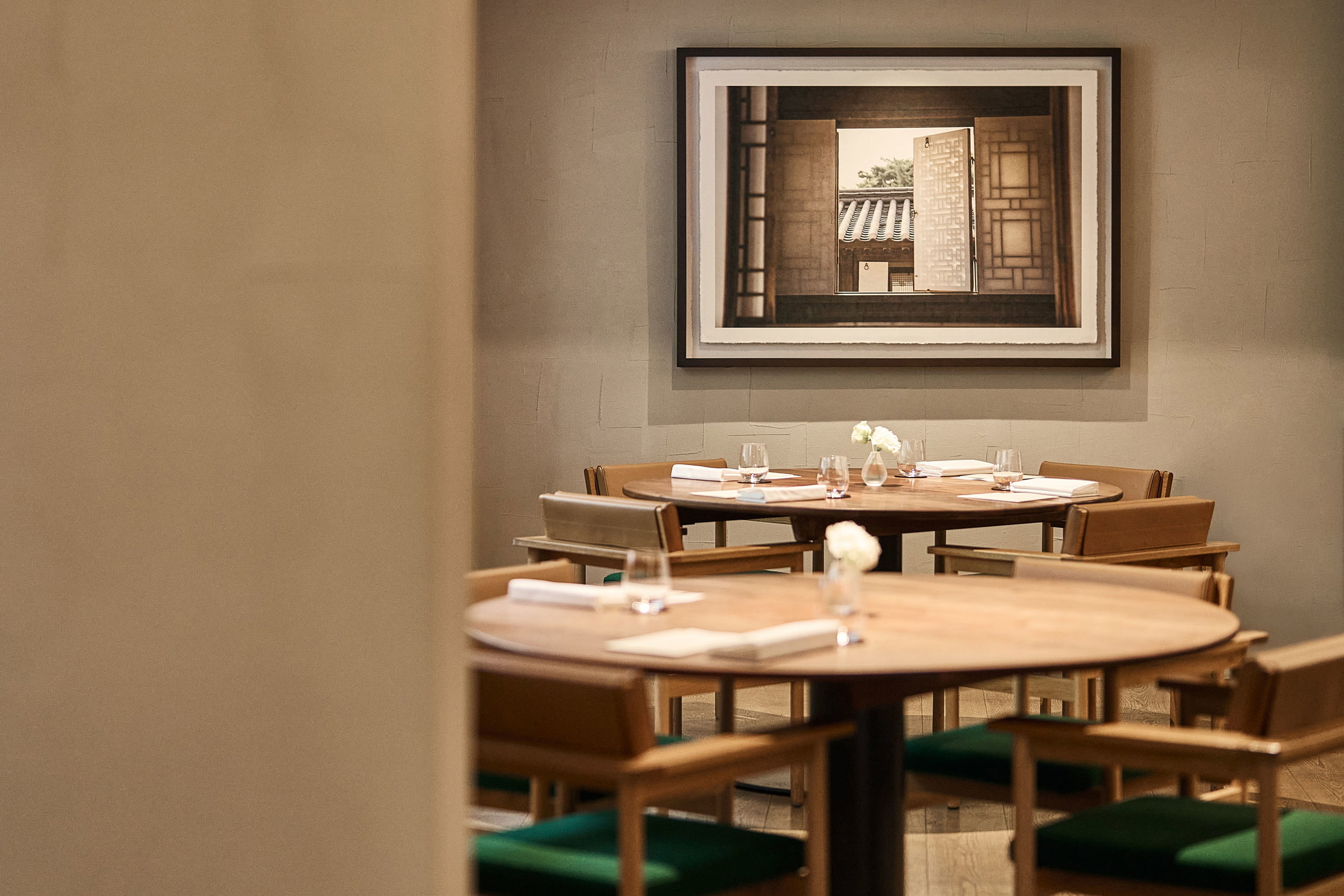
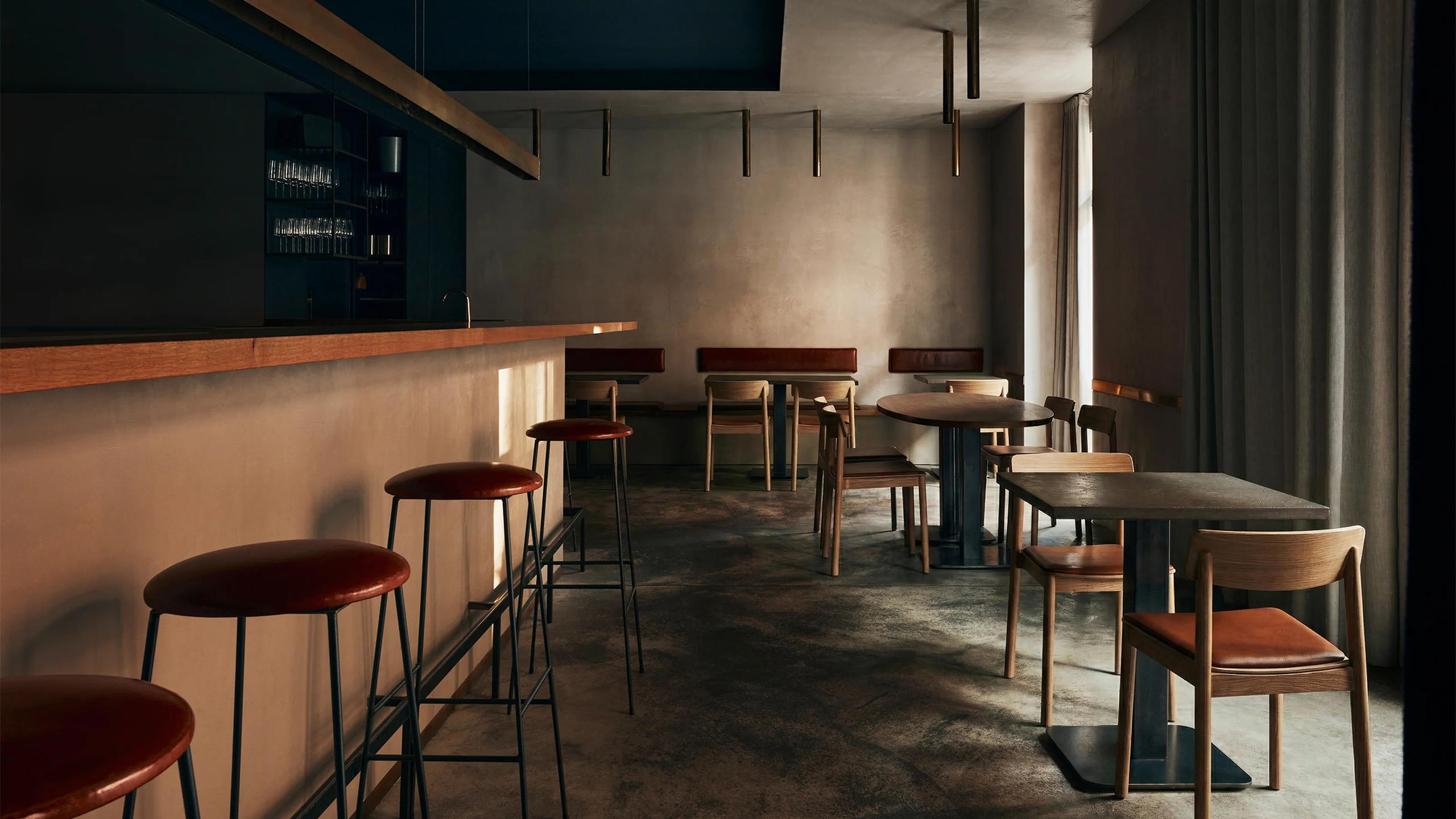
Relaxed and humming with locals, featuring vintage furniture, t-shirts on walls, flowers, candles, and a young trendy vibe.
Tags
Vibe
Best For
Experience
Format
At the Bar
- Bar Category
- Wine Bar
- Late Night
- Closes by Midnight
- Music
- Background Music
Know before you go
Know Before You Go
- Getting there
- 44-8 용산2가동 Yongsan District, Seoul, South Korea
Planning details
Location
44-8 용산2가동 Yongsan District, Seoul, South Korea · Directions
Recognition and awards

Also consider
Where to Go If This Does Not Fit
Pick Namsan Winery if the group wants another wine-led Seoul option. Pick Magpie Brewshop (맥파이 브루샵) if the brief shifts from wine to beer and a more casual group night.
Bar context
How It Compares
Choose Wildduck & Canteen over Bonny's Pizza Pub when wine is the point of the night. Bonny's reads as the easier casual choice for a pub-style group plan, while Wildduck & Canteen has the stronger wine-specific signal thanks to its Star Wine List recognition. For value, the better pick depends on format: pizza and pub energy at Bonny's, bottle-led pacing here.
SEOUL VINYL and 684 Itaewon-dong are stronger cross-shops when ambiance and late-night mood matter more than the list. Wildduck & Canteen is the safer recommendation for a quieter drinks decision, especially for two to four people who want to talk through wine rather than chase a louder room.
If the group wants beer, Magpie Brewshop (맥파이 브루샵) is the cleaner fit. If the brief is explicitly wine, Namsan Winery is the closest peer to compare before choosing. Wildduck & Canteen wins when easy booking and a recognized list are the priorities; pick Namsan Winery when the night is more winery-coded from the start.
Explore Seoul
Around this place
Discover more on Pearl
Unlock the full Wildduck & Canteen guide in Pearl, including awards, comparisons, FAQs, planning details, and nearby places.
Compare Wildduck & Canteen
| Venue | Location | Awards |
|---|---|---|
| Wildduck & Canteen | Seoul | Star Wine Lists 2026 |
| Bonny’s Pizza Pub | Seoul | No published awards |
| SEOUL VINYL | Seoul | No published awards |
| 684 Itaewon-dong | Seoul | No published awards |
| Magpie Brewshop (맥파이 브루샵) | Seoul | No published awards |
| Namsan Winery | Seoul | No published awards |
How Wildduck & Canteen Seoul compares with similar nearby venues.
FAQ
Frequently Asked Questions
Do I need a reservation at Wildduck & Canteen?
Does Wildduck & Canteen have happy hour deals?
Check directly with the venue for current happy hour deals. The key planning details are its hours, casual dress code, and Star Wine List recognition for 2026.
Is Wildduck & Canteen good for a date?
It can be considered for a Seoul date if these details fit your plan: casual dress, evening hours, late weekend service, and Star Wine List recognition. For atmosphere, seating, and service style, check current venue channels if those details matter.
Is the food good at Wildduck & Canteen?
Check the venue's current channels if the food offering is central to your decision.
Is Wildduck & Canteen open late?
Yes. Hours list closing at 2 AM on Friday and Saturday, 1 AM on Sunday, and 12 AM Monday through Thursday.
What's the best time to go to Wildduck & Canteen?
Base timing on the schedule: Monday through Thursday 6 PM–12 AM, Friday 6 PM–2 AM, Saturday 5 PM–2 AM, and Sunday 1–3:30 PM plus 5 PM–1 AM. For the latest changes, confirm directly with the venue.