
Namsan Winery
이태원동, Seoul
Bar in Seoul, South Korea
 Book with Pearl
The Read
Price
$20–30per person
Why go
Namsan Winery is worth considering when the evening is wine-first, not dinner-first. Star Wine List recognition in 2026 gives it a stronger credibility signal than a generic bar pour list, and the Yongsan location works well before or after an Itaewon night out.
About Namsan Winery
Namsan Winery is a Seoul venue with daily hours and smart casual dress guidance. It holds Star Wine List (2026) recognition.
Namsan Winery opens at 12 PM every day, closes at 10:30 PM Monday through Saturday, and closes at 9:30 PM on Sunday. If you are deciding between this venue and other Seoul dining or drinking plans, build the choice around schedule, dress code, and whether a Star Wine List-recognized venue is what you want for the occasion.
Use it as a focused Seoul stop, not an over-specified dinner plan
For readers building a broader Seoul night out, Our full Seoul bars guide is a useful comparison point, while Our full Seoul restaurants guide works better if the priority is a full meal.
For a date or a small plan, the safest guidance is practical rather than speculative: check the current venue channels before going, dress smart casual, and use the listed hours to choose a time that fits your evening. If you are comparing other Seoul options by mood, Itaewon-dong, SEOUL VINYL, Southside Parlor, or Magpie Brewshop (맥파이 브루샵) may be useful reference points, but do not assume Namsan Winery has the same format or atmosphere.
Go earlier if conversation matters
The practical move is to arrive with enough time before closing and avoid making assumptions about crowd levels, music, or service style. The hours provide a clear planning frame: 12–10:30 PM Monday through Saturday and 12–9:30 PM on Sunday.
For trip planning beyond this stop, use Seoul venue guides for other options, Our full Seoul hotels guide if staying in Seoul matters, and Seoul experience guides for non-restaurant time around the city.
Planning details
- Location
- 5 Hoenamu-ro 10-gil, Yongsan District, Seoul, South Korea
- Website
- instagram.com/namsan_winery
- Phone
- +82 2-792-5849
The take
The Take
The Vibe
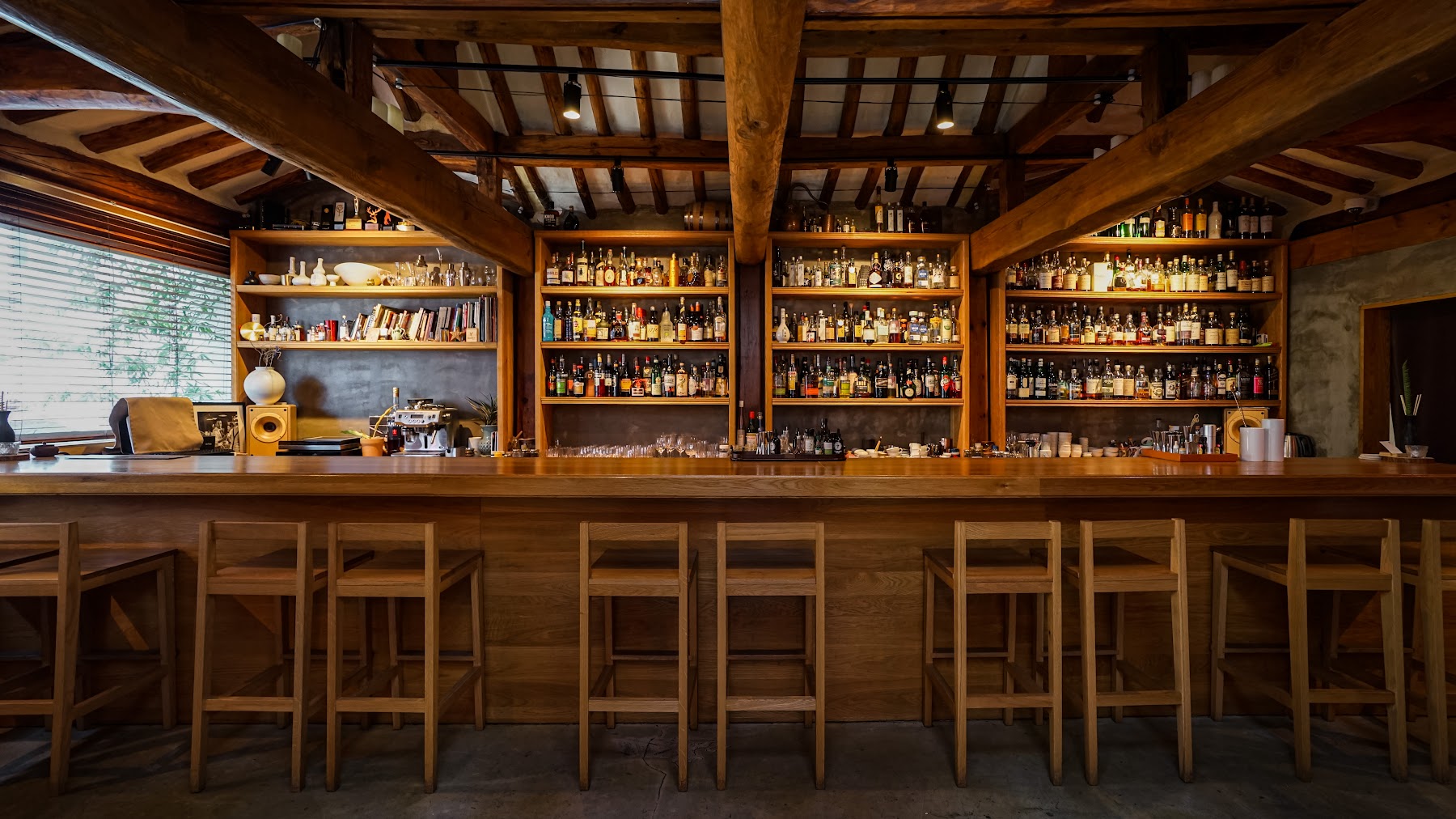
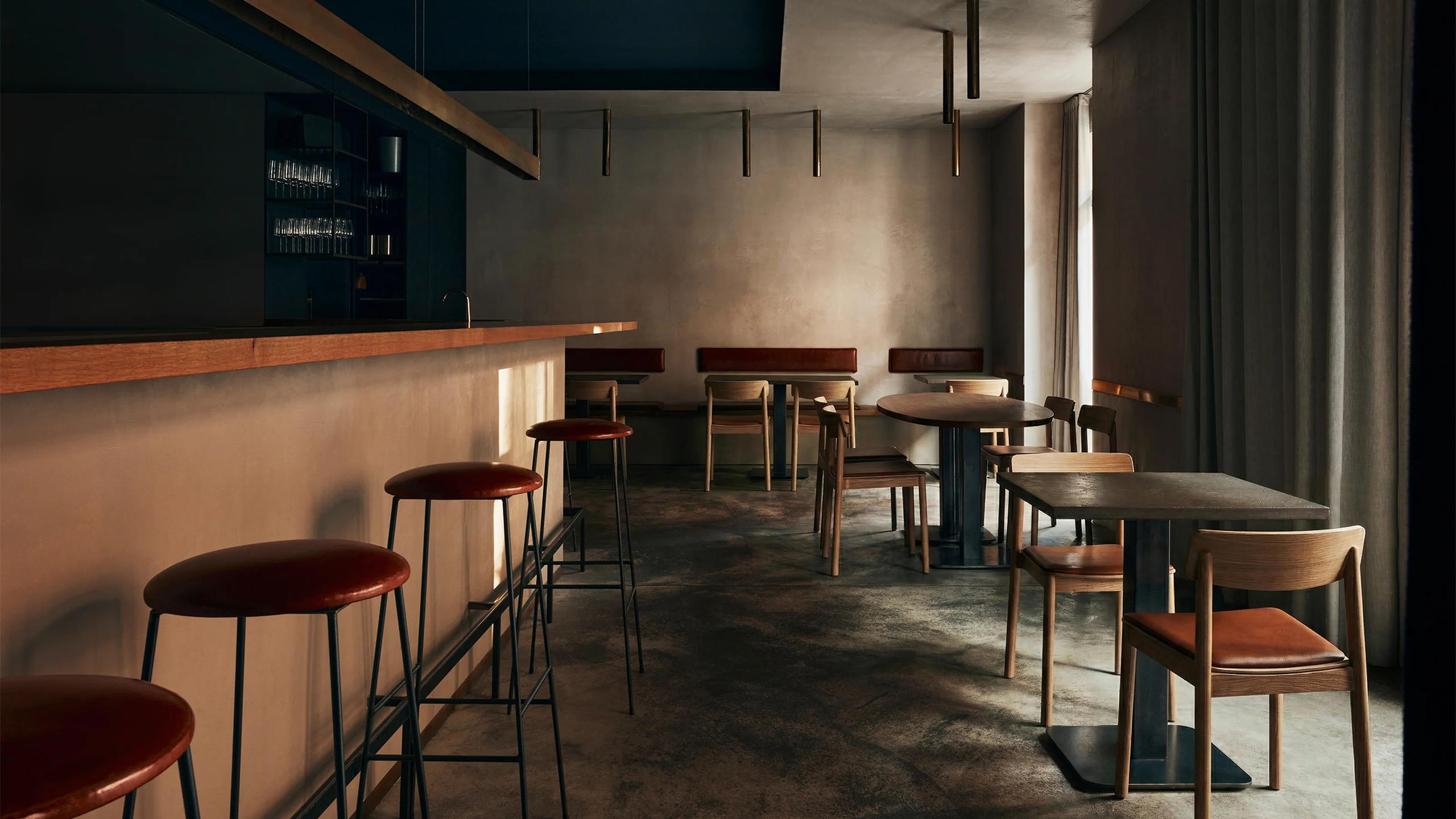
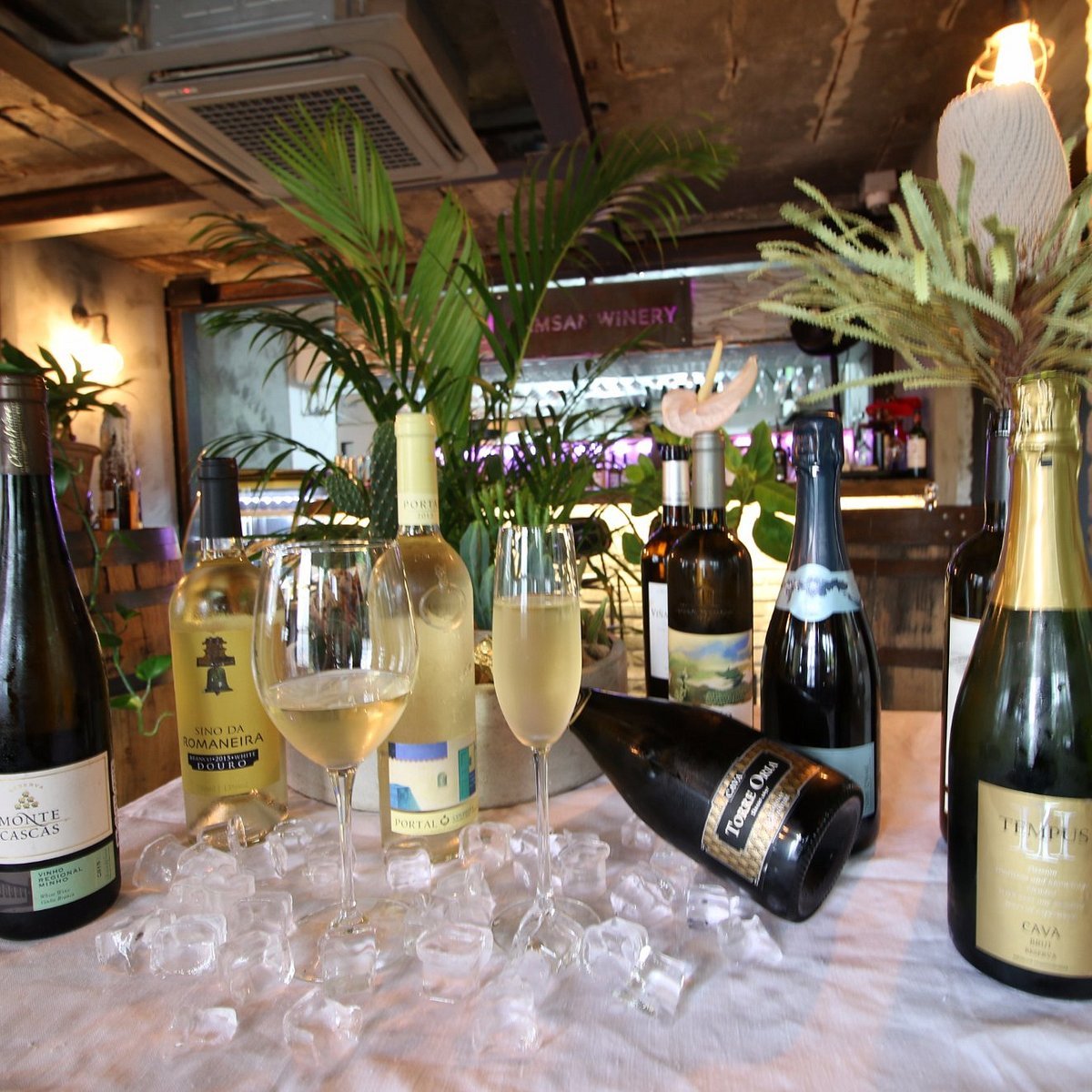
Namsan Winery sits quietly on a small lane near the lower slopes of Namsan Mountain, cultivating a tucked-away, refined personality. The bar leans into a narrow, deliberate premise—an almost single-minded focus on Portuguese producers—that feels editorial rather than trendy. The result is an intimate, low-key spot where the city's volume drops and attention turns to the glass. Rather than competing for foot traffic, the venue trades on specificity, offering a layered, thoughtful experience for anyone interested in wines with distinct regional identities.
Best For
This is a place for evening exploration: it suits date nights and low-key gatherings where the goal is tasting and conversation rather than spectacle. The bar foregrounds Portugal’s diverse terroirs, so it works well for wine-focused evenings and educational outings with friends or a curious partner. Because the setting is tucked off busier streets and the list rewards slow drinking, it’s best enjoyed in the evening when the neighbourhood quiet complements the program.
Ordering Tips
Treat the list as a guided tasting of Portugal by the glass: ask the staff to explain contrasts between regions—Vinho Verde, Douro, Alentejo and the Azores are referenced as distinct styles—and pick a flight or a sequence that traces those differences. Prioritize producers described as boutique if you want unusual, terroir-driven bottles, and let the server orient you by soil, altitude or ocean influence rather than by varietal alone. Expect a curated, educational approach to ordering rather than a broad commercial list.
Venue details
Ambiance
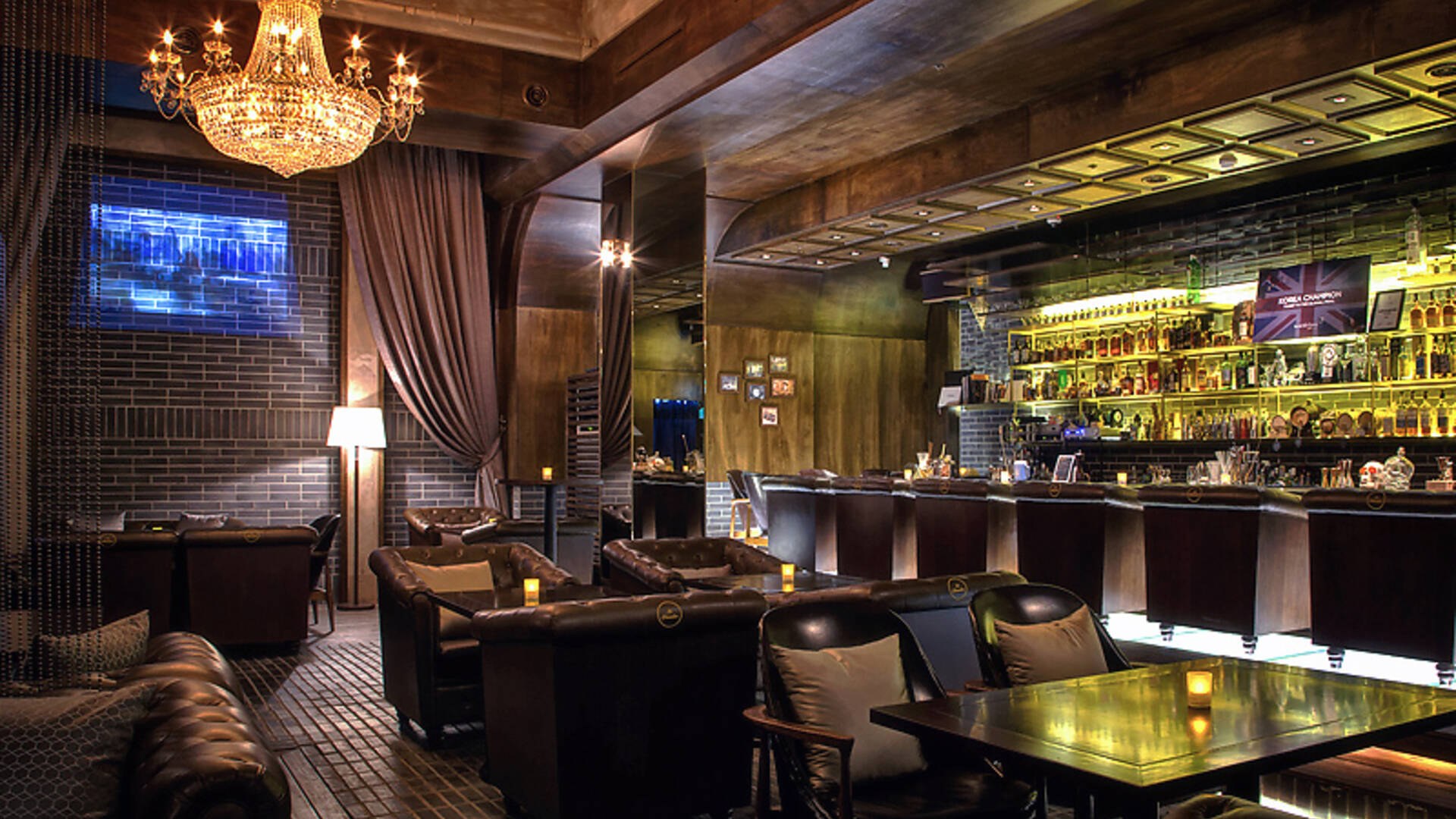
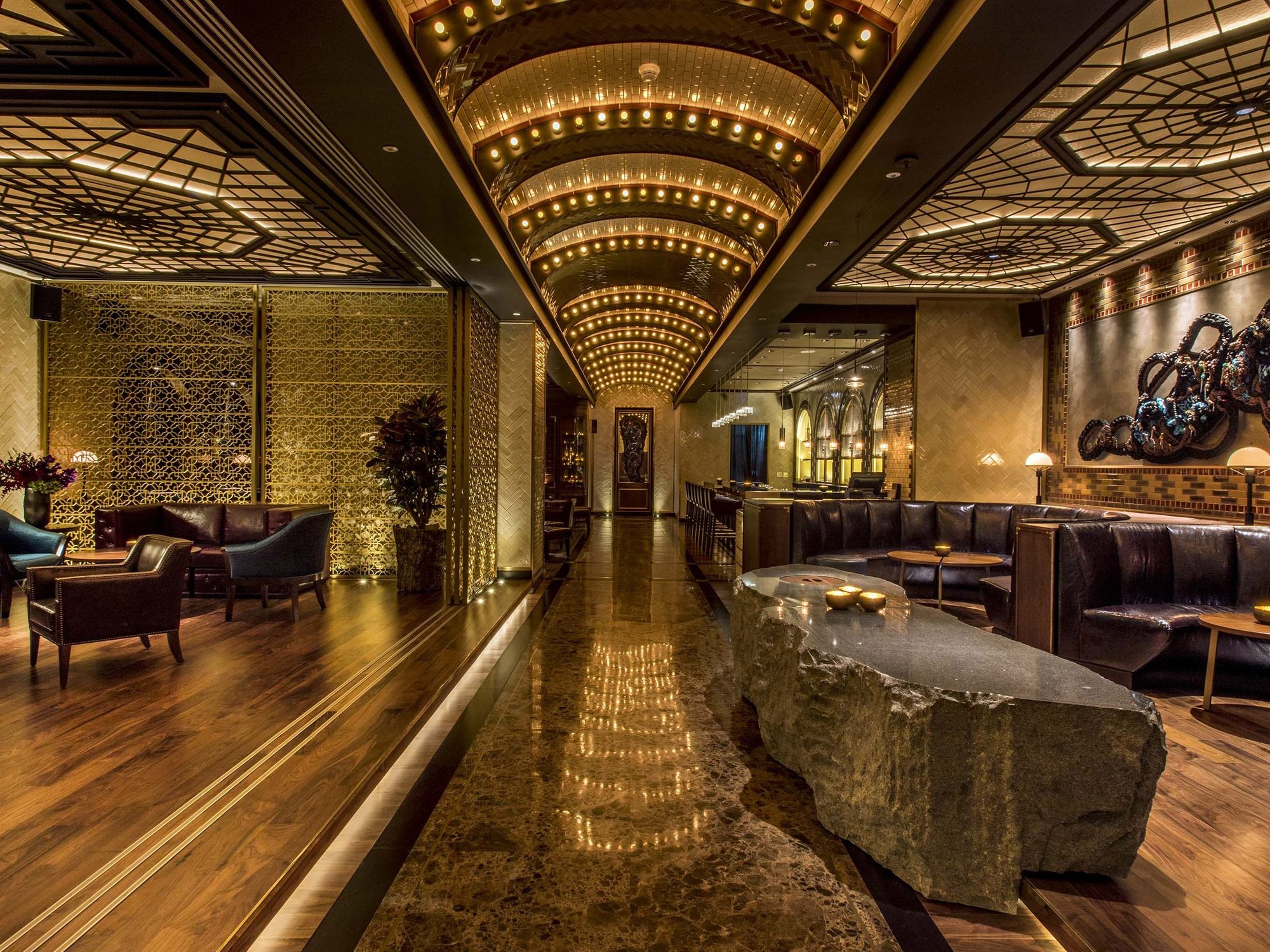
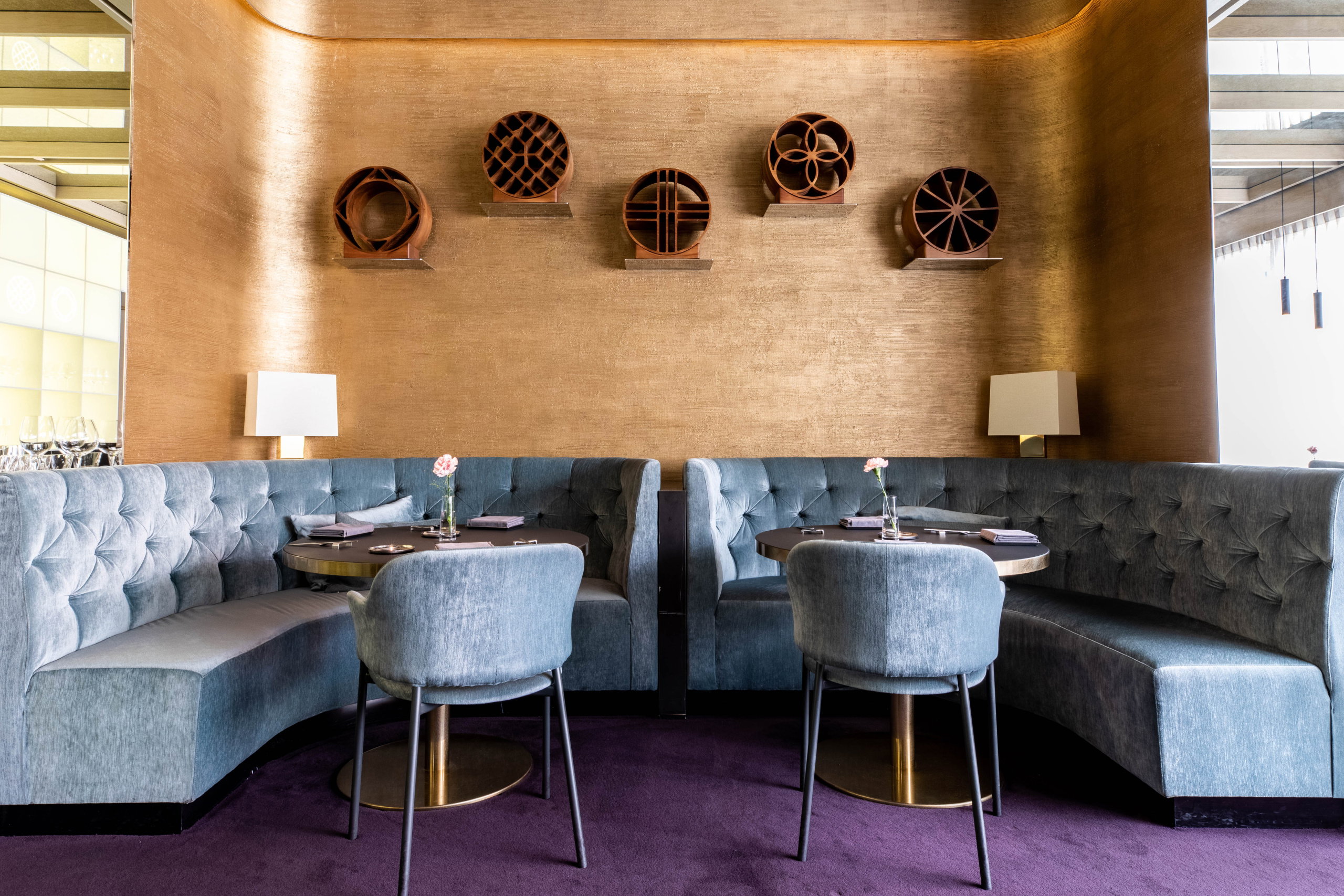
Cozy and sophisticated atmosphere blending contemporary design with Portuguese elements like tiles and fado music.
Tags
Vibe
Best For
Experience
Format
At the Bar
- Bar Category
- Wine Bar
- Late Night
- Open Until 2am
- Music
- Fado
Know before you go
Know Before You Go
- Getting there
- 5 Hoenamu-ro 10-gil, Yongsan District, Seoul, South Korea
Planning details
Location
5 Hoenamu-ro 10-gil, Yongsan District, Seoul, South Korea · Directions
Recognition and awards

Also consider
Also Consider
- Magpie Brewshop (맥파이 브루샵), Notable alternative
- 684 Itaewon-dong, Notable alternative
- Southside Parlor, Notable alternative
- SEOUL VINYL, Notable alternative
- Itaewon-dong, Notable alternative
Bar context
How it compares with nearby Seoul bar options
Choose Namsan Winery when wine is the reason for going out. Magpie Brewshop (맥파이 브루샵) is the better fit for a casual beer-led stop, while Southside Parlor makes more sense when the group wants cocktails and a livelier bar plan. For a quieter, bottle-focused evening, Namsan is the sharper call.
684 Itaewon-dong and Itaewon-dong are easier fallback choices if the plan is simply to stay in the Itaewon orbit and keep the night flexible. Namsan Winery asks for a clearer brief: go when the group wants to spend time with the wine list rather than just pick the nearest bar.
SEOUL VINYL is the better cross-shop for a music-led night, especially if atmosphere matters more than bottle depth. Namsan Winery is the stronger choice for a date or small group where conversation and wine selection matter more than volume, speed, or a party-room feel.
Explore Seoul
Around this place
Discover more on Pearl
Unlock the full Namsan Winery guide in Pearl, including awards, comparisons, FAQs, planning details, and nearby places.
Compare Namsan Winery
| Venue | Location | Awards |
|---|---|---|
| Namsan Winery | Seoul | Star Wine Lists 2026 |
| Magpie Brewshop (맥파이 브루샵) | Seoul | No published awards |
| 684 Itaewon-dong | Seoul | No published awards |
| Southside Parlor | Seoul | No published awards |
| SEOUL VINYL | Seoul | No published awards |
| Itaewon-dong | Seoul | No published awards |
How Namsan Winery Seoul compares with similar nearby venues.
FAQ
Frequently Asked Questions
What's the best time to go to Namsan Winery?
Use the listed hours as the planning baseline: Namsan Winery is open 12–10:30 PM Monday through Saturday and 12–9:30 PM on Sunday. If conversation matters, arriving with enough time before closing is the safest practical guidance.
Is Namsan Winery open late?
Namsan Winery is open until 10:30 PM Monday through Saturday and 9:30 PM on Sunday. For other Seoul drinking plans, SEOUL VINYL or Southside Parlor may be useful comparison points, depending on the kind of evening you want.