
Maison Jo
서초동, Seoul
Bar in Seoul, South Korea
 Book with Pearl
The Read
Price
$50–100per person
Why go
Maison Jo is a sensible Seocho District pick when the plan is wine-led, calm, and easy to arrange. The 2026 Star Wine List recognition gives it a stronger reason to book than a generic neighborhood bar, but it is not the right choice if the night depends on outdoor seating, skyline energy, or a dish-led dinner.
About Maison Jo
Maison Jo is a Seoul venue with a concise profile: it is closed Monday and Tuesday, open Wednesday through Sunday in separate daytime and evening windows, and listed with a smart-casual dress code. Its Star Wine List (2026) recognition makes that accolade a clear point to note when comparing options.
Choose it when the confirmed details fit your plan
Maison Jo is easiest to assess on practical information. It is closed Monday and Tuesday. From Wednesday to Friday, the hours are 12–4 PM and 5:30–8 PM; on Saturday and Sunday, the hours are 12–4 PM and 5:30–9 PM. The dress code is smart casual, so plan attire accordingly.
Consider the Star Wine List (2026) recognition when weighing Maison Jo against other venues. For broader planning around the city, keep Our full Seoul restaurants guide, Our full Seoul bars guide, and Our full Seoul hotels guide open while building the evening.
Who should put it back on the list
Put Maison Jo back on the list if its schedule, smart-casual dress code, and Star Wine List (2026) recognition match the kind of stop you want. Because price, menu, seating, reservation difficulty, and service style are not listed here, it is best to confirm those details directly rather than planning around assumptions.
If the group wants a different rhythm, compare before committing. 1914 Lounge & Bar, Dogokokk, Found Local, Somm J Wine Bar, and Tap Shop Bar are other names to consider alongside Maison Jo depending on the plan you are building. For wider category browsing, use Our full Seoul wineries guide and Our full Seoul experiences guide.
Planning details
- Location
- 35 Banpo-daero 7-gil, Seocho District, Seoul, South Korea
- Website
- instagram.com/maison_jo_
- Phone
- +82 2-6409-3373
The take
The Take
The Vibe
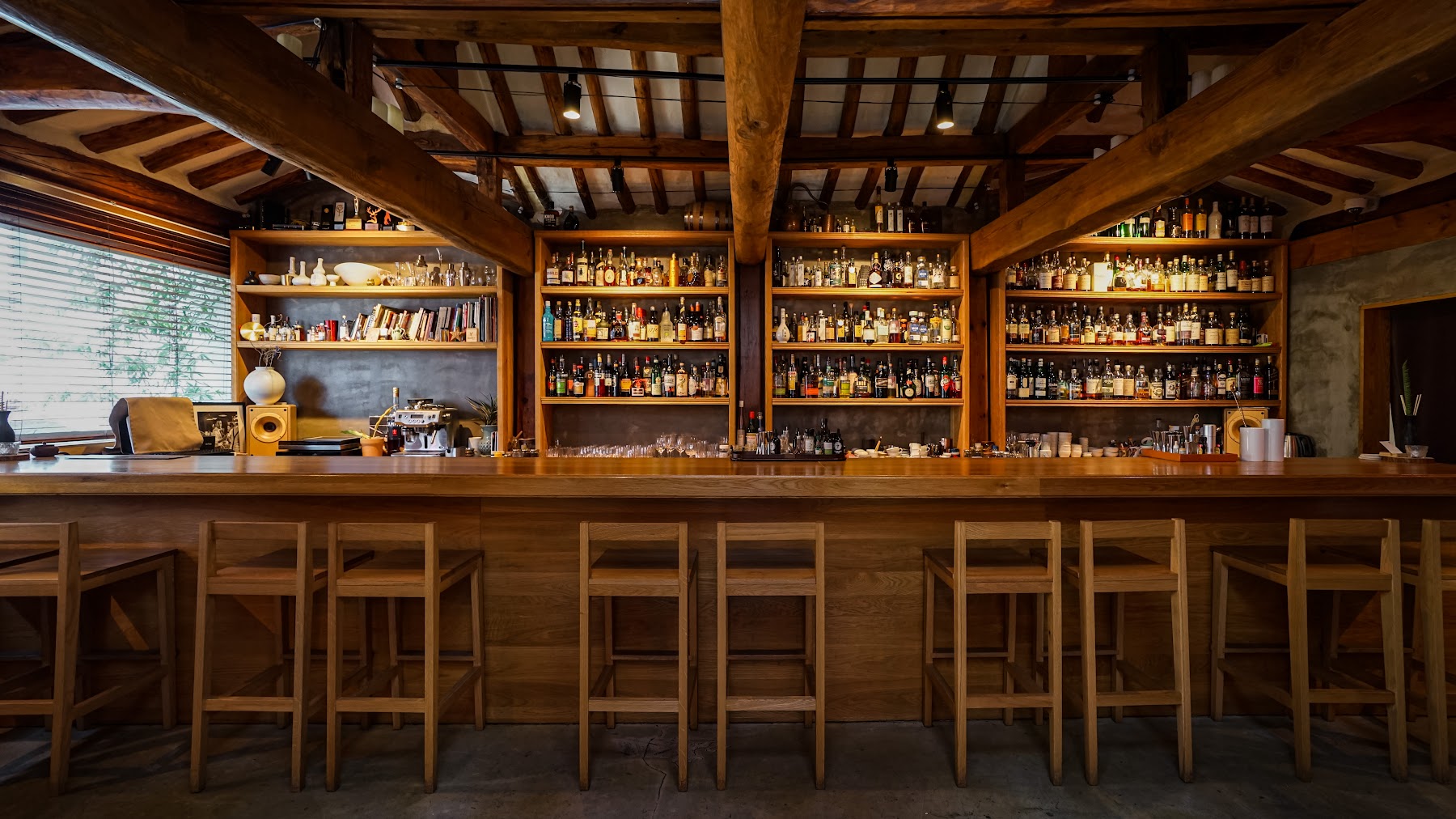
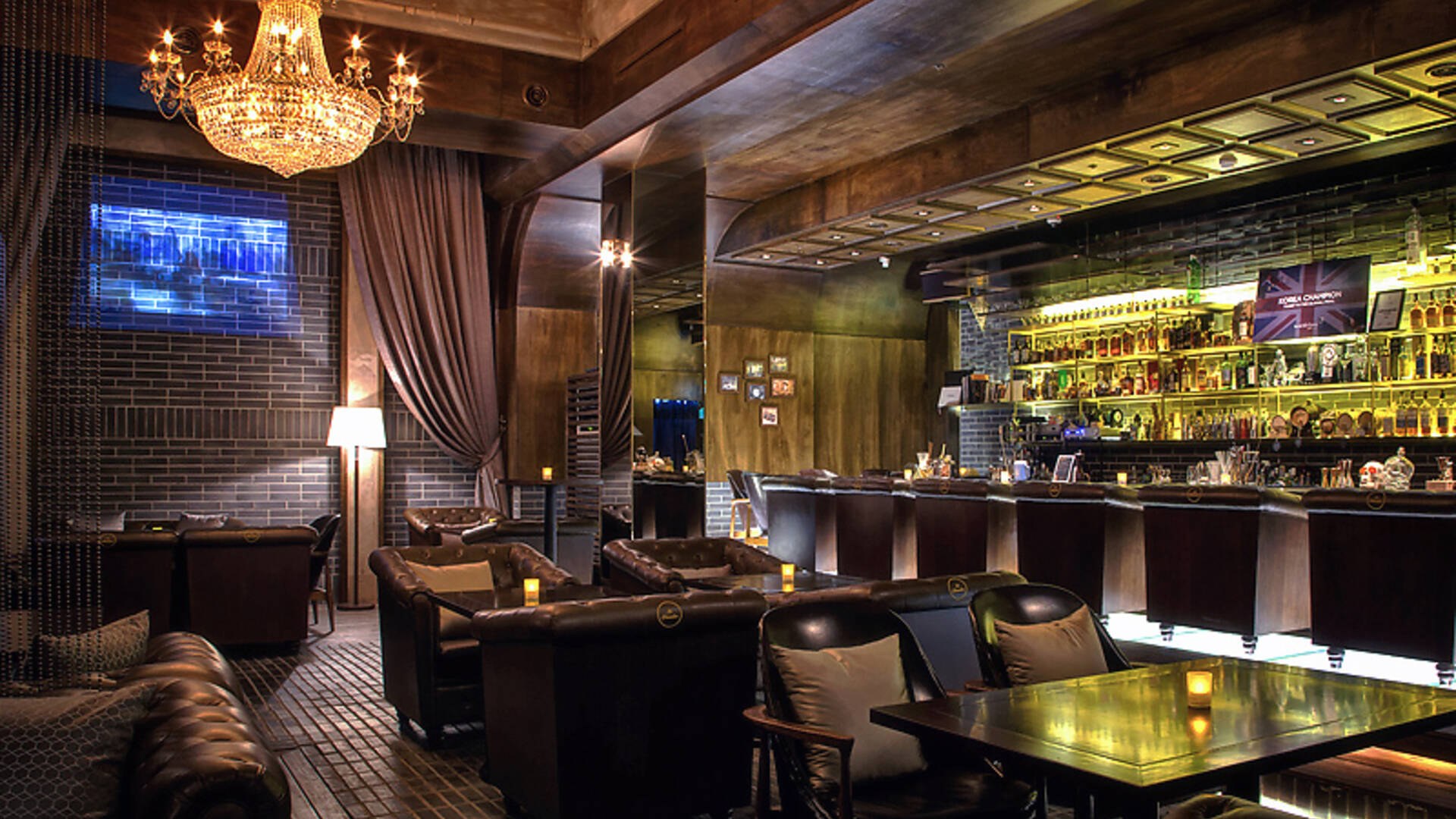
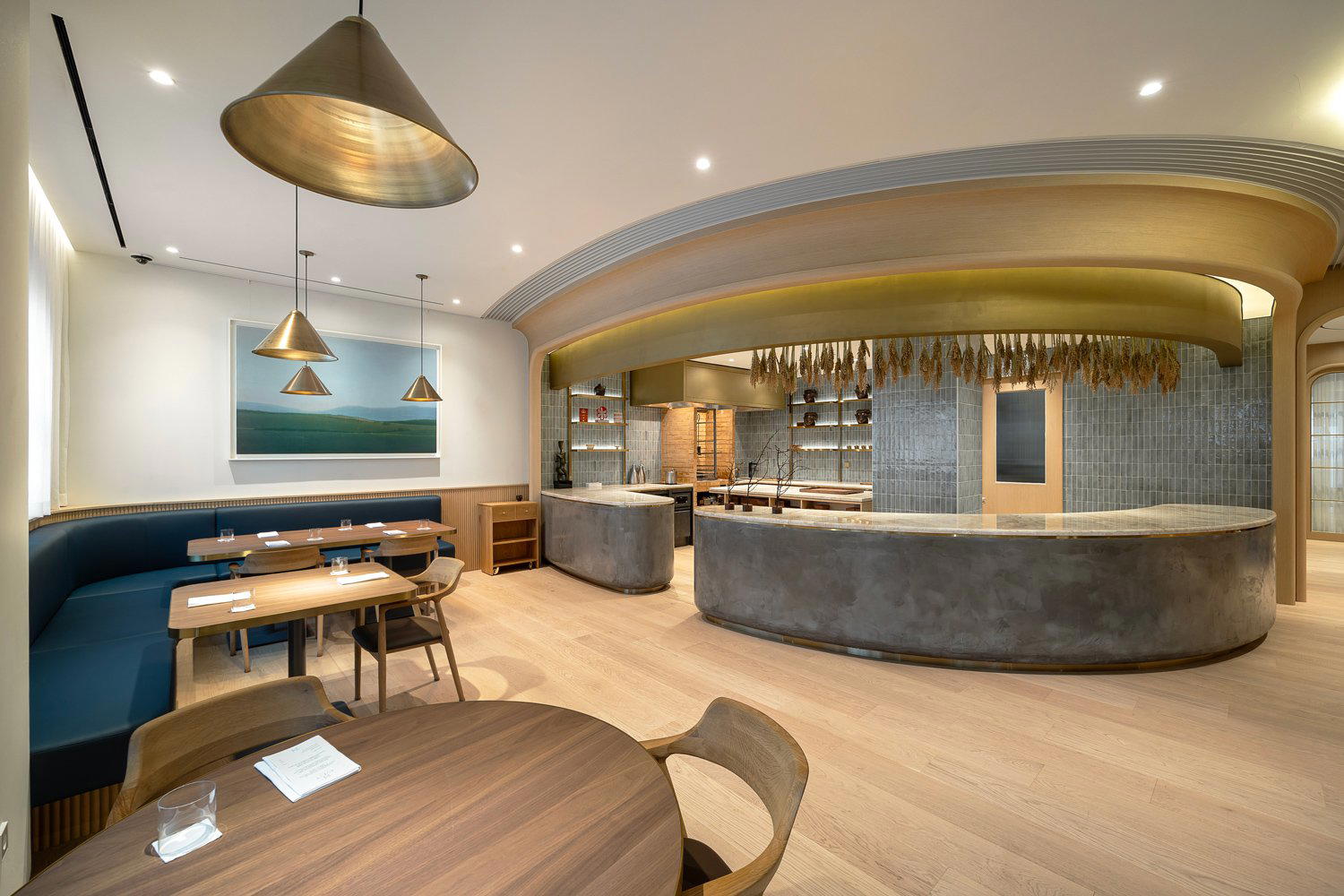
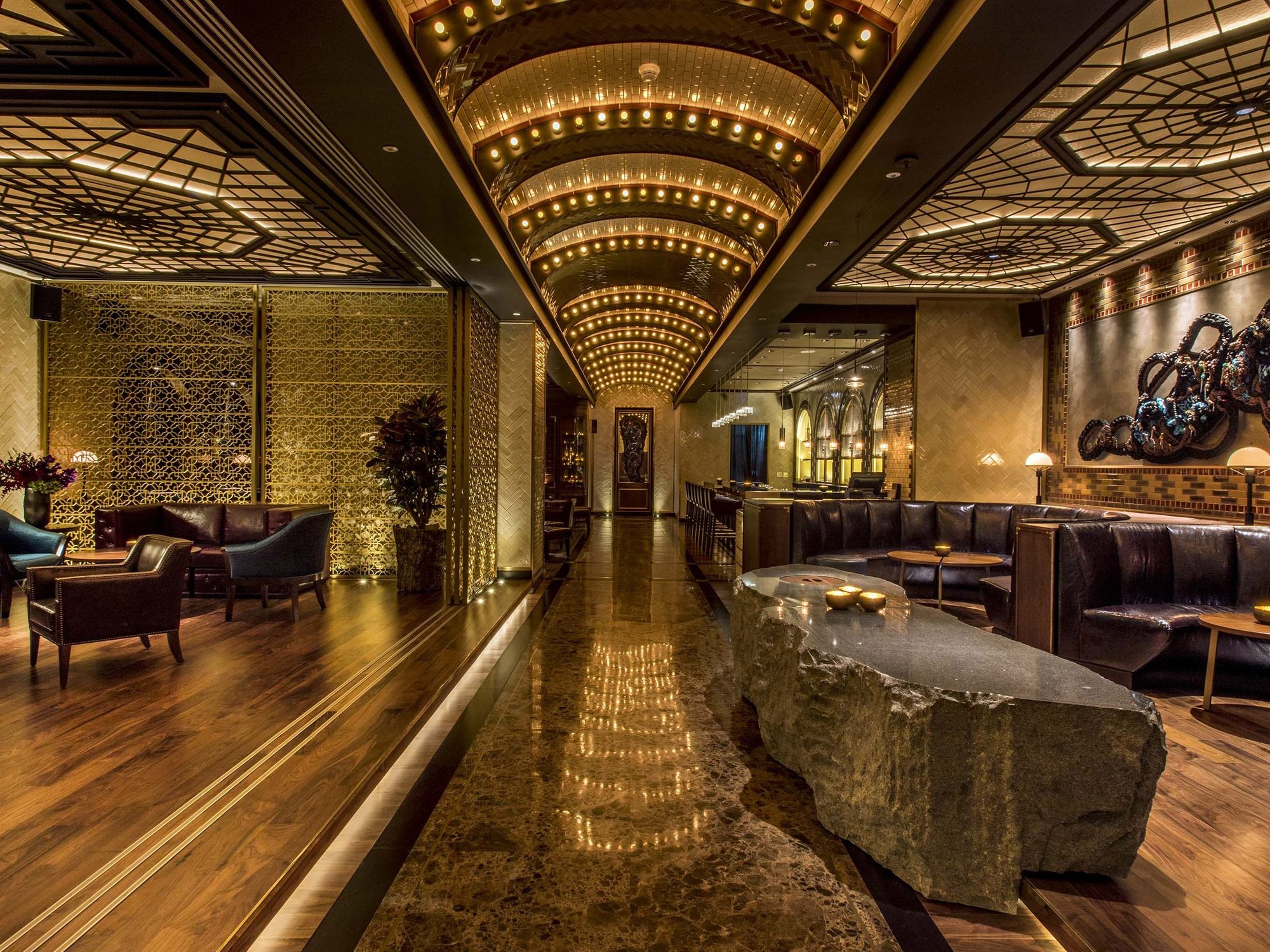
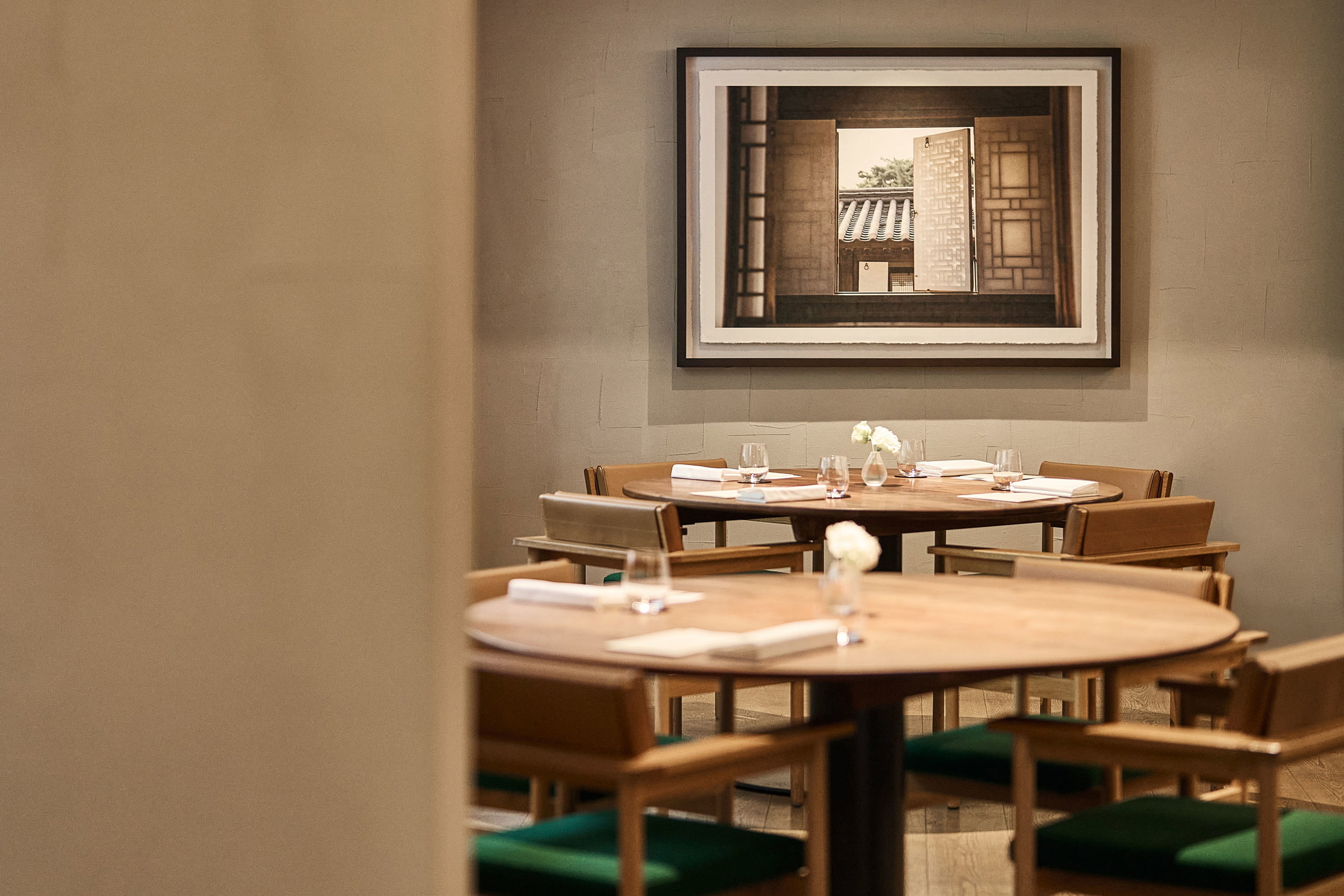
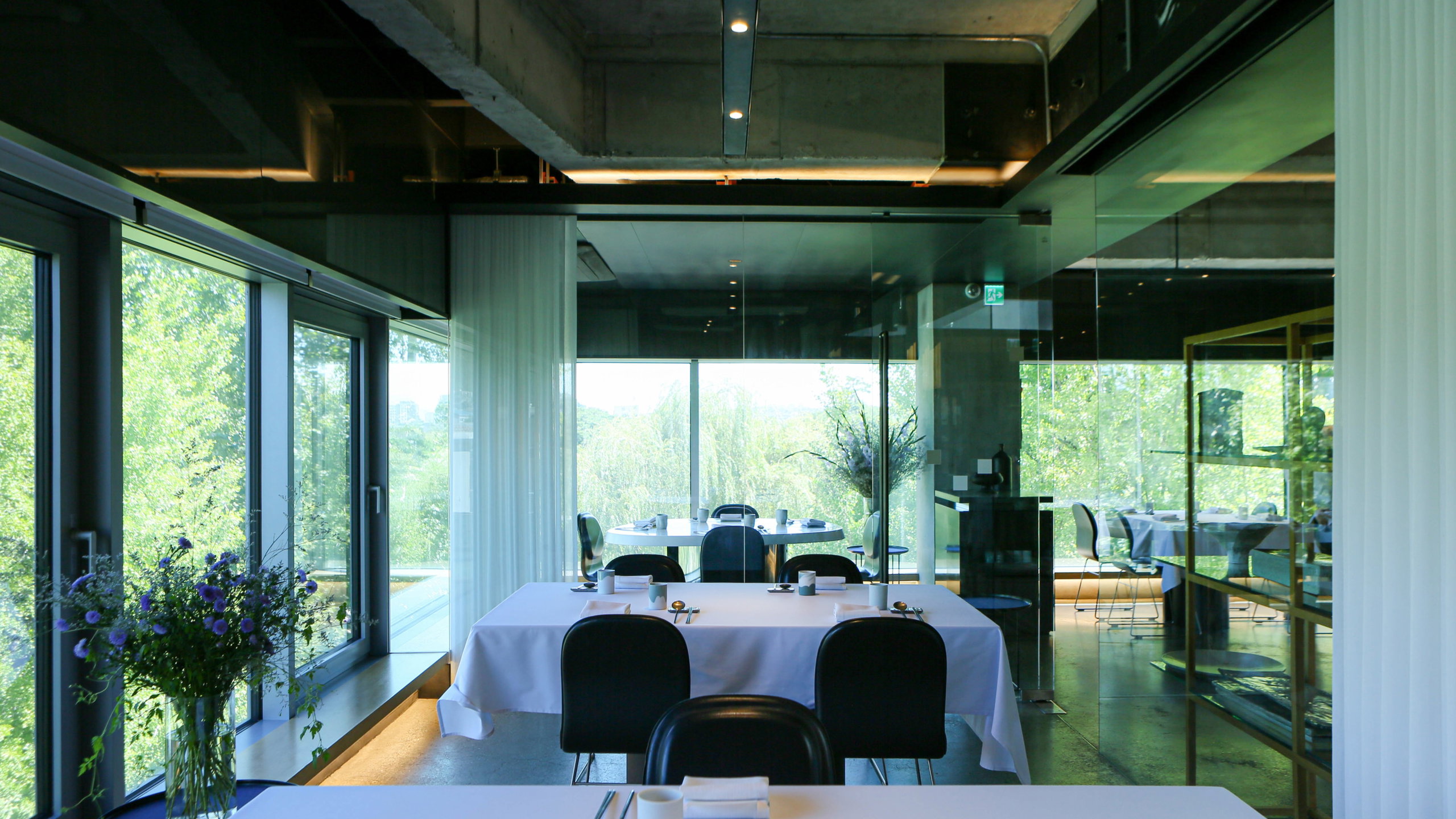
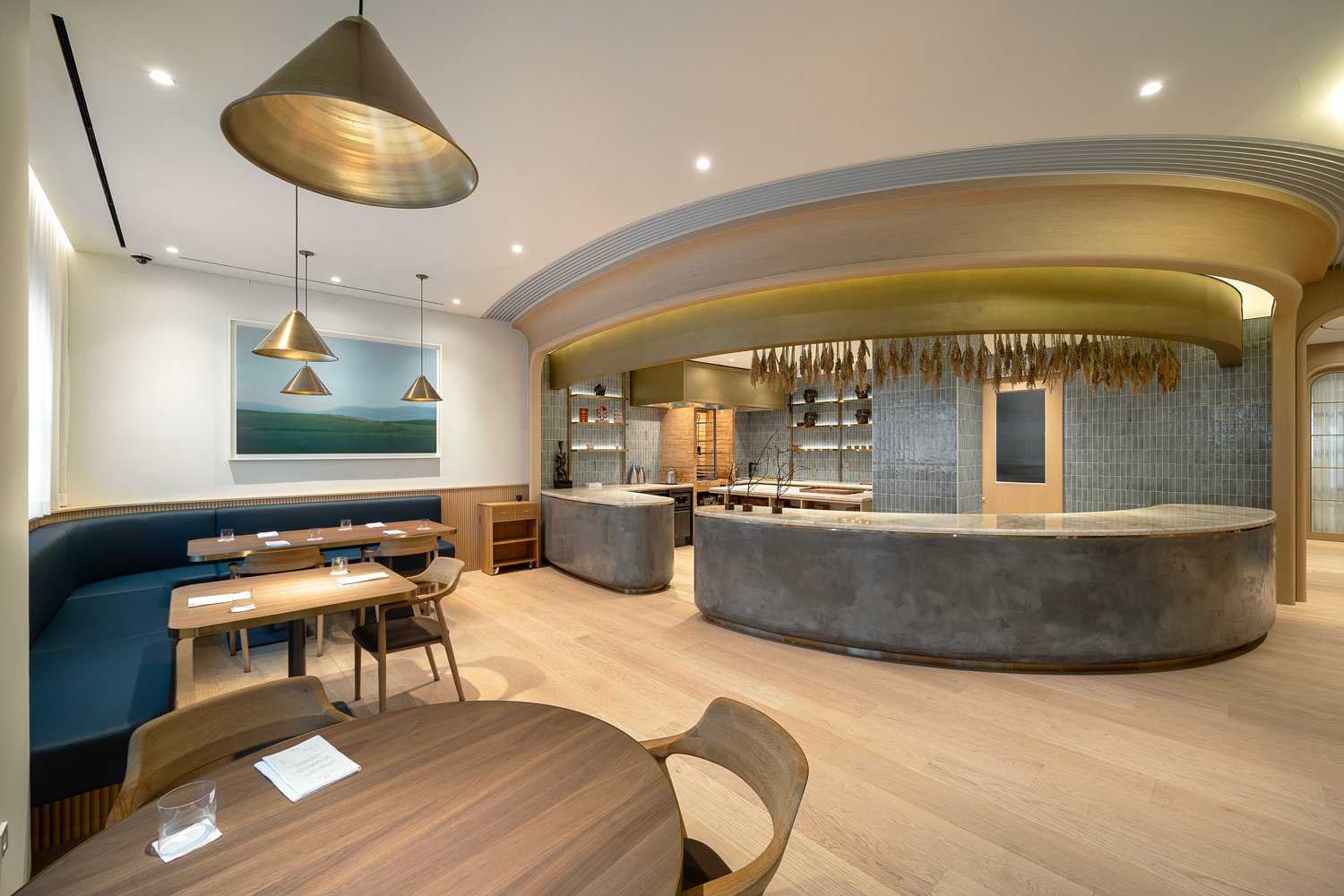
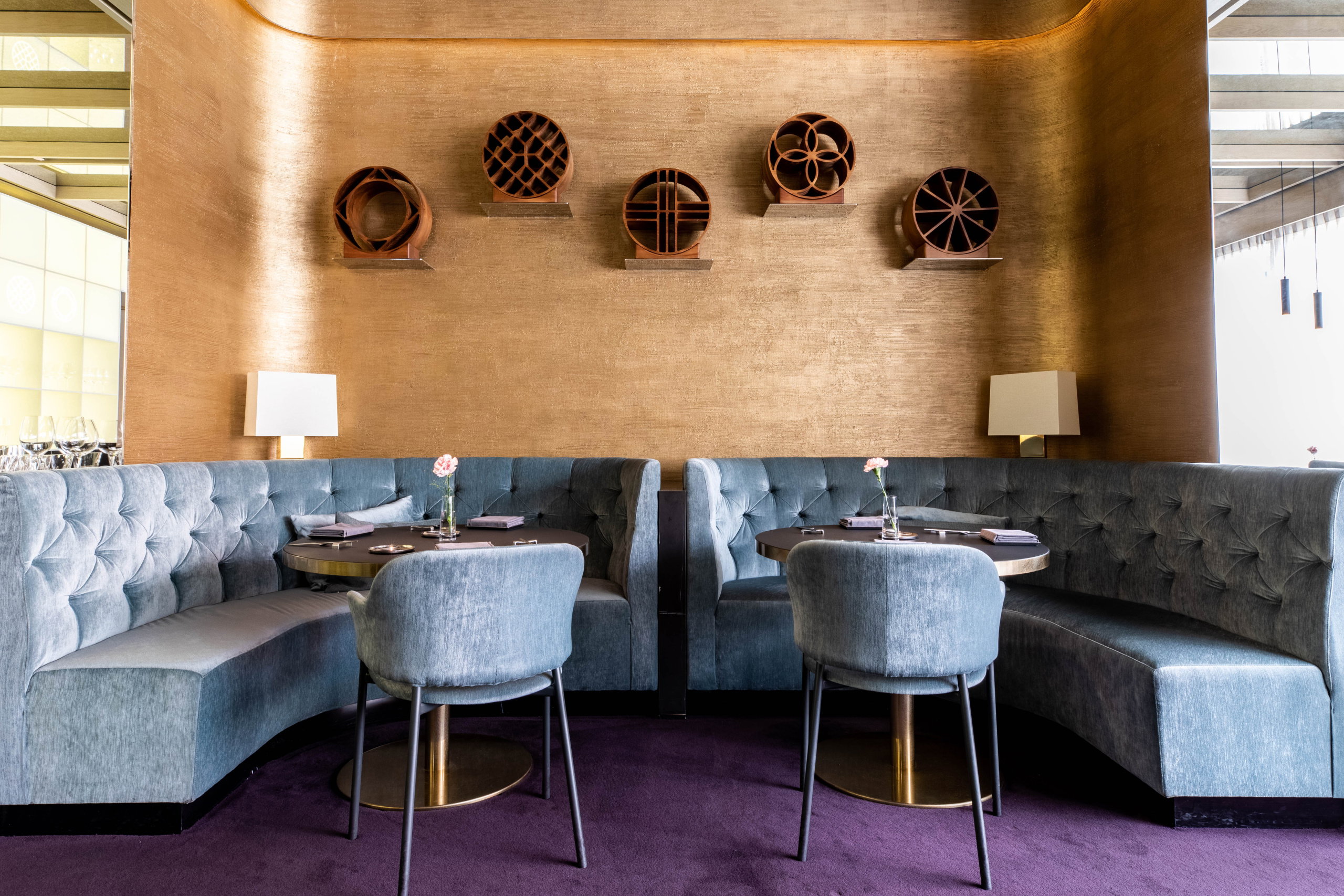
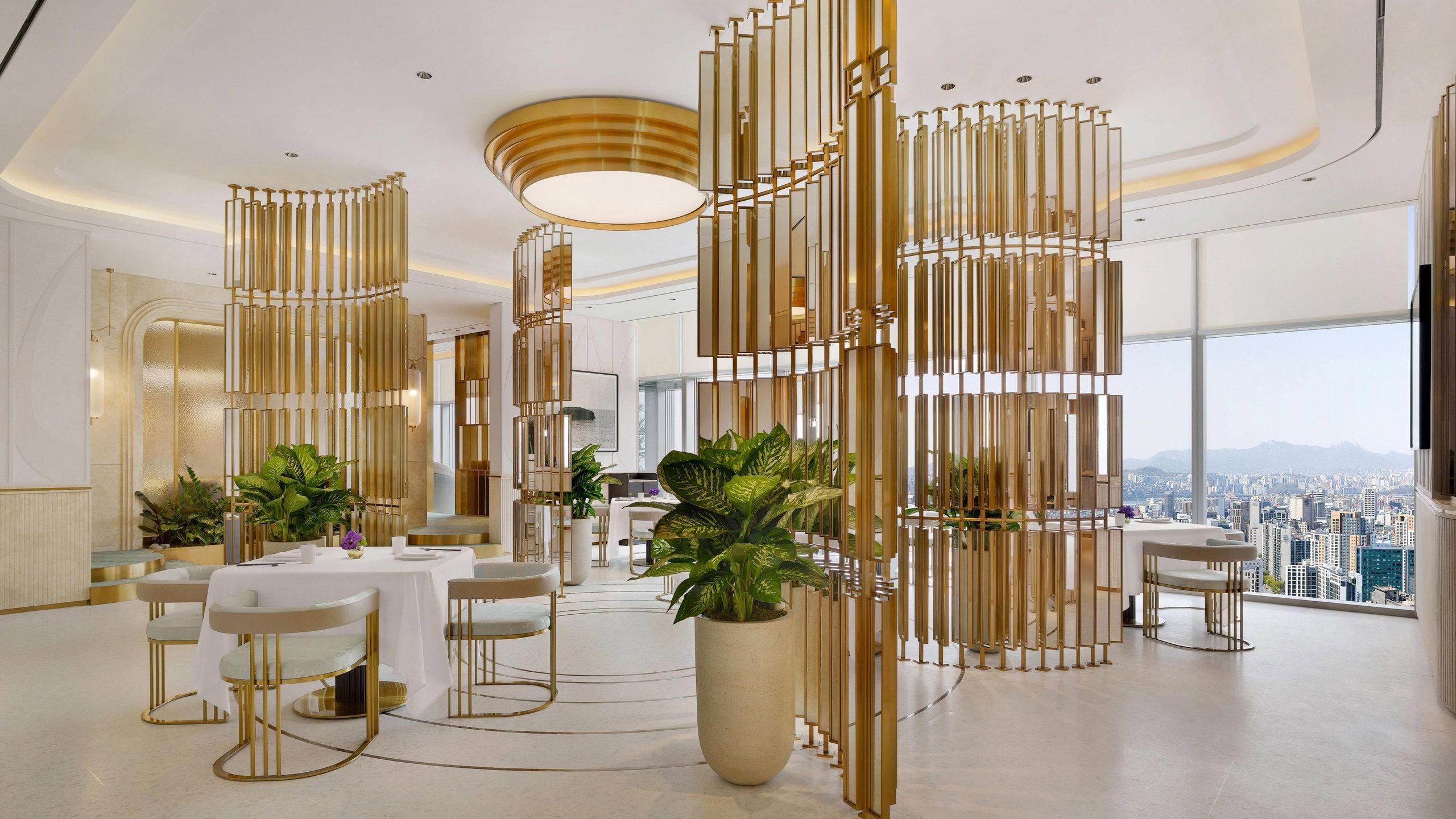
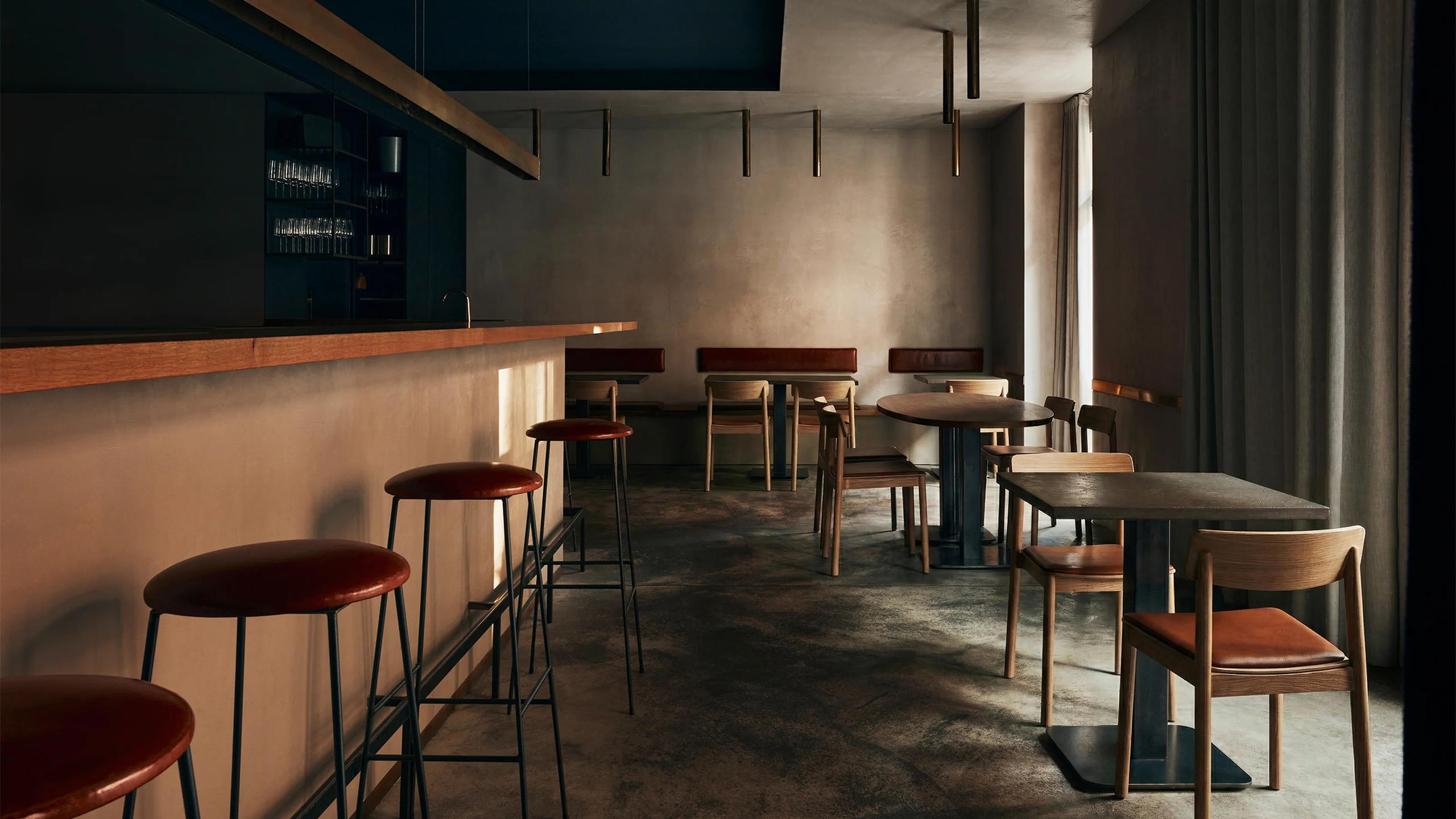
Maison Jo reads as a quietly exacting room: restrained, residential and intentionally low-key. It sits in Seocho’s calmer side of town and rewards those who arrive with a deliberate mindset rather than passersby seeking spectacle. The interior and service style lean on formal French technique—both charcuterie and pastry are grounded in institutional training—so the atmosphere feels disciplined and refined rather than theatrical. Regulars treat it like a private discovery, which amplifies the sense of a hidden, sophisticated spot for focused tasting and intimate conversation.
Best For
This small, technically driven bar is best for visitors who prioritize a focused, composed experience: couples on a quiet date, friends who appreciate serious French charcuterie, and anyone who prefers understated refinement to loud dining theatre. Maison Jo suits those who want to linger at the counter or a compact table and savour carefully made plates rather than frenetic service. Its profile appeals to repeat patrons and diners intrigued by formal culinary credentials, making it a good fit for intimate evenings and intentional, low-key outings.
Ordering Tips
Lean into the venue’s specialties: the program centers on French charcuterie supported by formally trained pastry, so prioritize charcuterie selections and any house pastries or desserts that showcase the kitchen’s technique. The writing highlights the chef’s French charcuterie qualification, so ask staff about signature cuts, cured goods or chef-driven tasting combinations. The room rewards deliberate visitors — arrive ready to engage with the menu and take time over selections rather than rushing; ordering a range of small plates to share at the counter amplifies the experience.
Venue details
Ambiance
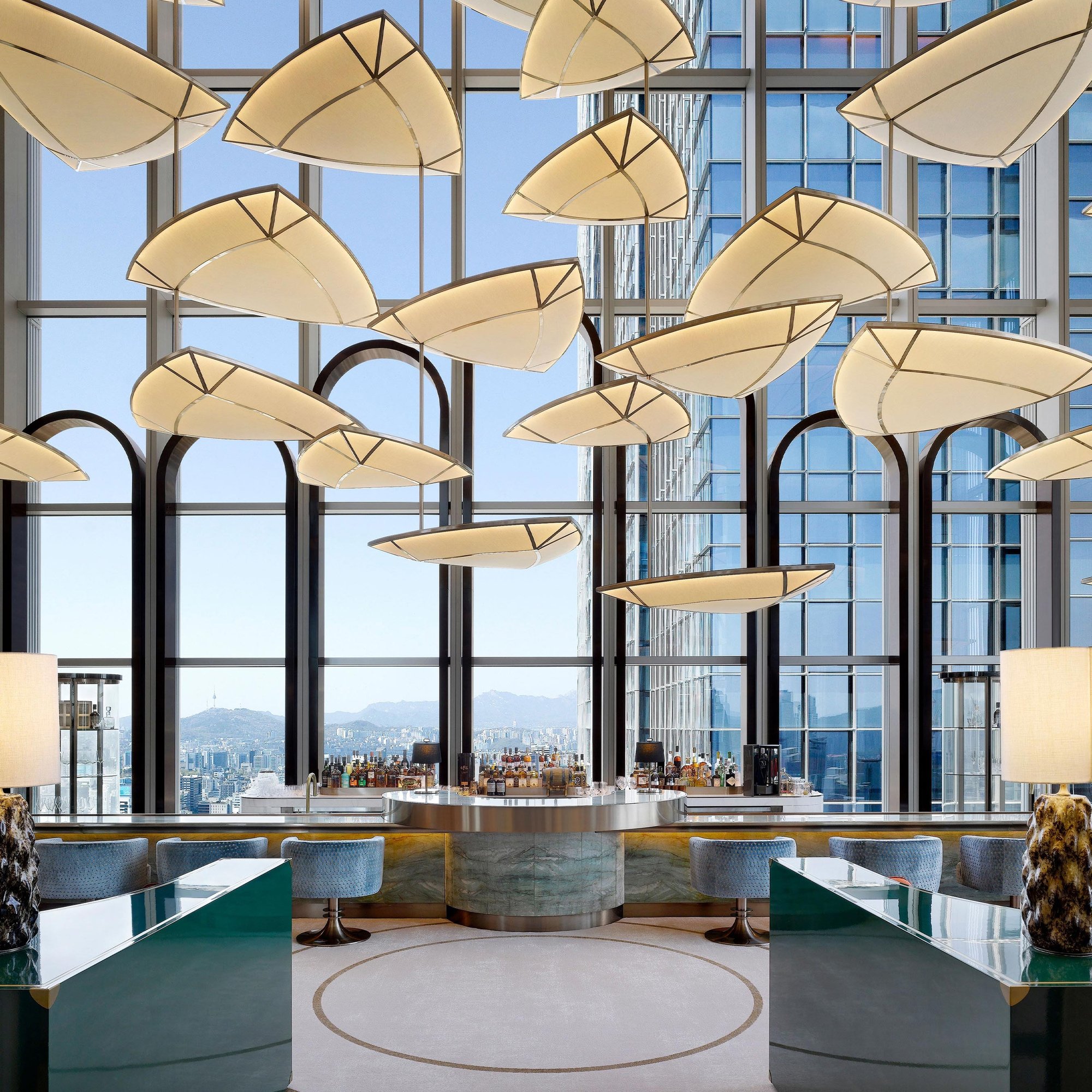
Cozy and intimate small space with sincere service and welcoming warm bread.
Tags
Vibe
Best For
Experience
Format
At the Bar
- Bar Category
- Wine Bar
- Late Night
- Closes by Midnight
Know before you go
Know Before You Go
- Getting there
- 35 Banpo-daero 7-gil, Seocho District, Seoul, South Korea
Planning details
Location
35 Banpo-daero 7-gil, Seocho District, Seoul, South Korea · Directions
Recognition and awards

Also consider
Also Consider
- Dogokokk, Notable alternative
- Somm J Wine Bar, Notable alternative
- 1914 Lounge & Bar, Notable alternative
- Found Local, Notable alternative
- Tap Shop Bar, Notable alternative
Bar context
How Maison Jo compares in Seoul
Maison Jo is the practical choice when wine credibility and easier booking matter more than a big-night atmosphere. Against Dogokokk and Somm J Wine Bar, it is the safer pick for a quieter Seocho plan, especially if the evening needs to stay flexible rather than locked around a destination dinner.
Choose 1914 Lounge & Bar instead if the goal is a more lounge-like setting and a polished hotel-bar mood. Found Local and Tap Shop Bar make more sense for drinkers who want a bar-forward night rather than a wine-first stop.
For value, Maison Jo's appeal is lower-risk: Pearl marks booking difficulty as easy, so it works well as a planned fallback or a midweek choice. For ambiance, pick it for conversation and restraint; pick one of the bar-led peers when energy is the main reason for going out.
Explore Seoul
Around this place
Discover more on Pearl
Unlock the full Maison Jo guide in Pearl, including awards, comparisons, FAQs, planning details, and nearby places.
Compare Maison Jo
| Venue | Location | Awards |
|---|---|---|
| Maison Jo | Seoul | Star Wine Lists 2026 |
| Dogokokk | Seoul | No published awards |
| Somm J Wine Bar | Seoul | No published awards |
| 1914 Lounge & Bar | Seoul | No published awards |
| Found Local | Seoul | No published awards |
| Tap Shop Bar | Seoul | No published awards |
How Maison Jo Seoul compares with similar nearby venues.
FAQ
Frequently Asked Questions
What's the best time to go to Maison Jo?
Use the hours as your guide. Maison Jo is closed Monday and Tuesday; it is open Wednesday through Friday from 12–4 PM and 5:30–8 PM, and Saturday and Sunday from 12–4 PM and 5:30–9 PM. Choose the window that fits your plan, and confirm current hours before visiting.
Does Maison Jo have outdoor seating?
Maison Jo is in Seoul, and the confirmed practical details are its hours, smart-casual dress code, and Star Wine List (2026) recognition. Check directly with the venue if terrace or outdoor seating is important.
Is the food good at Maison Jo?
The page does not include cuisine, dishes, chef details, menu format, or food awards. The confirmed recognition is Star Wine List (2026), so use that as the accolade and confirm current menu details directly if food is central to your visit.
What's the crowd like at Maison Jo?
What is confirmed is that Maison Jo is in Seoul, follows a smart-casual dress code, operates Wednesday through Sunday, and has Star Wine List (2026) recognition.
Is Maison Jo good for a date?
Maison Jo may fit a date if its Seoul location, smart-casual dress code, and Wednesday-to-Sunday hours suit your plan. Check directly if atmosphere, seating layout, or service style matter.