
Dogokokk
Dogok-dong, Seoul
Bar in Seoul, South Korea
 Book with Pearl
The Read
Price
$30–50per person
Why go
Dogokokk is worth considering for a wine-led night in Seocho, especially if convenience south of the river matters. Its 2026 Star Wine List recognition gives it a clearer drinks reason than a generic neighborhood bar, but it is not the pick for diners who need a published menu, known pricing, or a destination-level cocktail brief.
About Dogokokk
Dogokokk is a Seoul venue with a casual dress code and Star Wine List (2026) recognition. Beyond those points, specific details are limited, such as a specific menu, service style, price point, chef, address, or room format.
Choosing Dogokokk for its Recognition
A strong reason to consider Dogokokk is its Star Wine List (2026) recognition. This supports describing the venue as relevant to readers comparing options in Seoul, but details on specific bottles, pricing, pairings, seating, food, or a particular service format are not available.
Location details should be kept broad: Dogokokk is in Seoul. If you are comparing it with other named options, consider 1914 Lounge & Bar, Dogokokk, Eonju-ro 134-gil, Maison Jo, Somm J Wine Bar, or The Timber House Park Hyatt Seoul, depending on what kind of evening you are planning.
What Dogokokk offers
The Star Wine List (2026) recognition gives Dogokokk a clear point of reference, while the casual dress code suggests a less formal baseline than venues with stricter attire requirements. Information on a chef-led meal, a tasting format, exact hours, seat count, dish list, cocktail program, or price range is not available.
For browsing more broadly, use the full Seoul bars guide. If dinner is the anchor, the full Seoul restaurants guide may be more useful; if the night is hotel-led, check the full Seoul hotels guide.
Verdict: consider Dogokokk if you want a casual Seoul venue with Star Wine List (2026) recognition. Look elsewhere if you need specific details on menu, pricing, seating, hours, chef, or a highly specific format before deciding.
Planning details
- Location
- 87-7 Yangjae-dong, Seocho District, Seoul, South Korea
- Website
- facebook.com/dogokokk
- Phone
- +82 10-2758-0094
The take
The Take
The Vibe
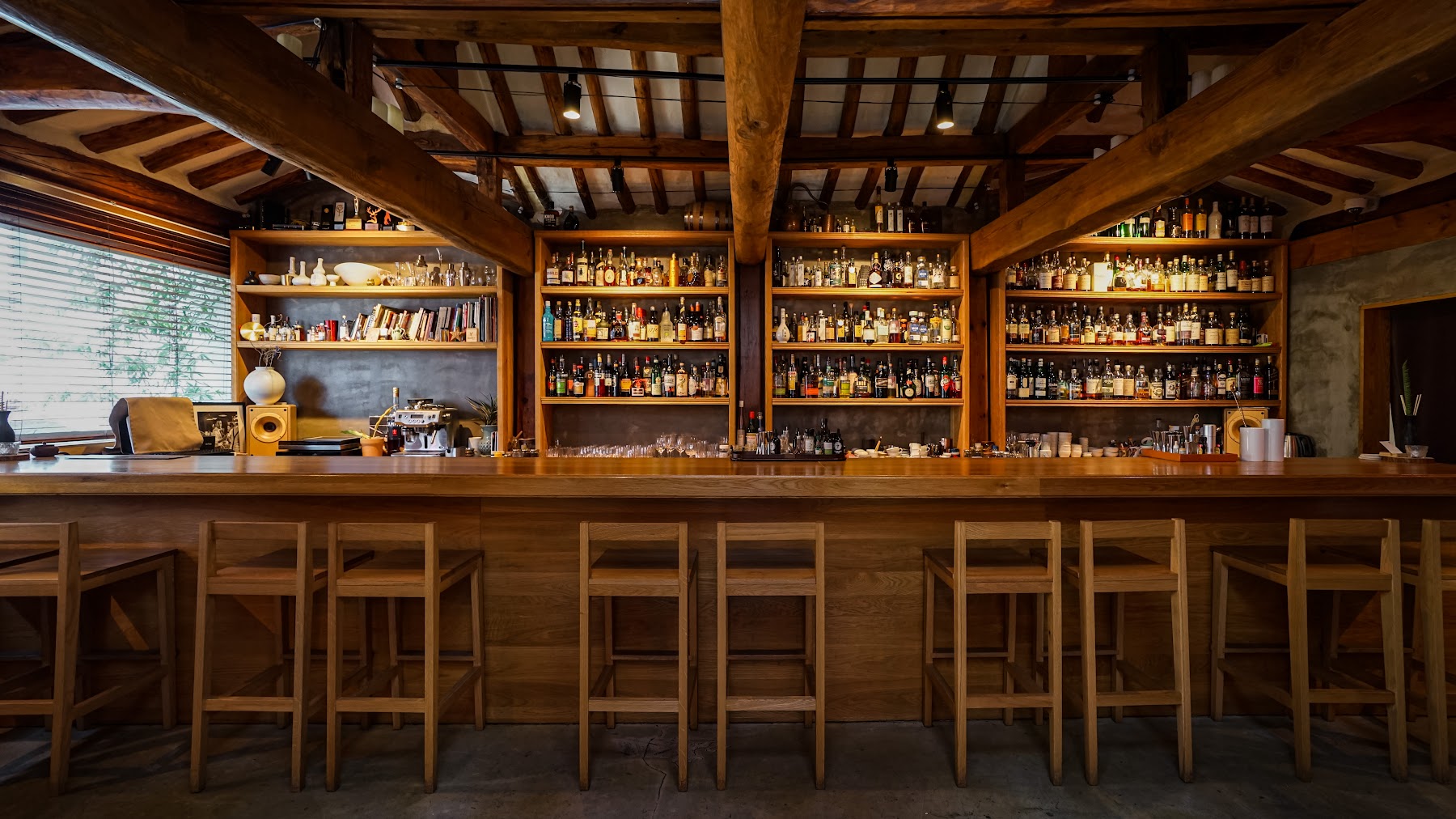
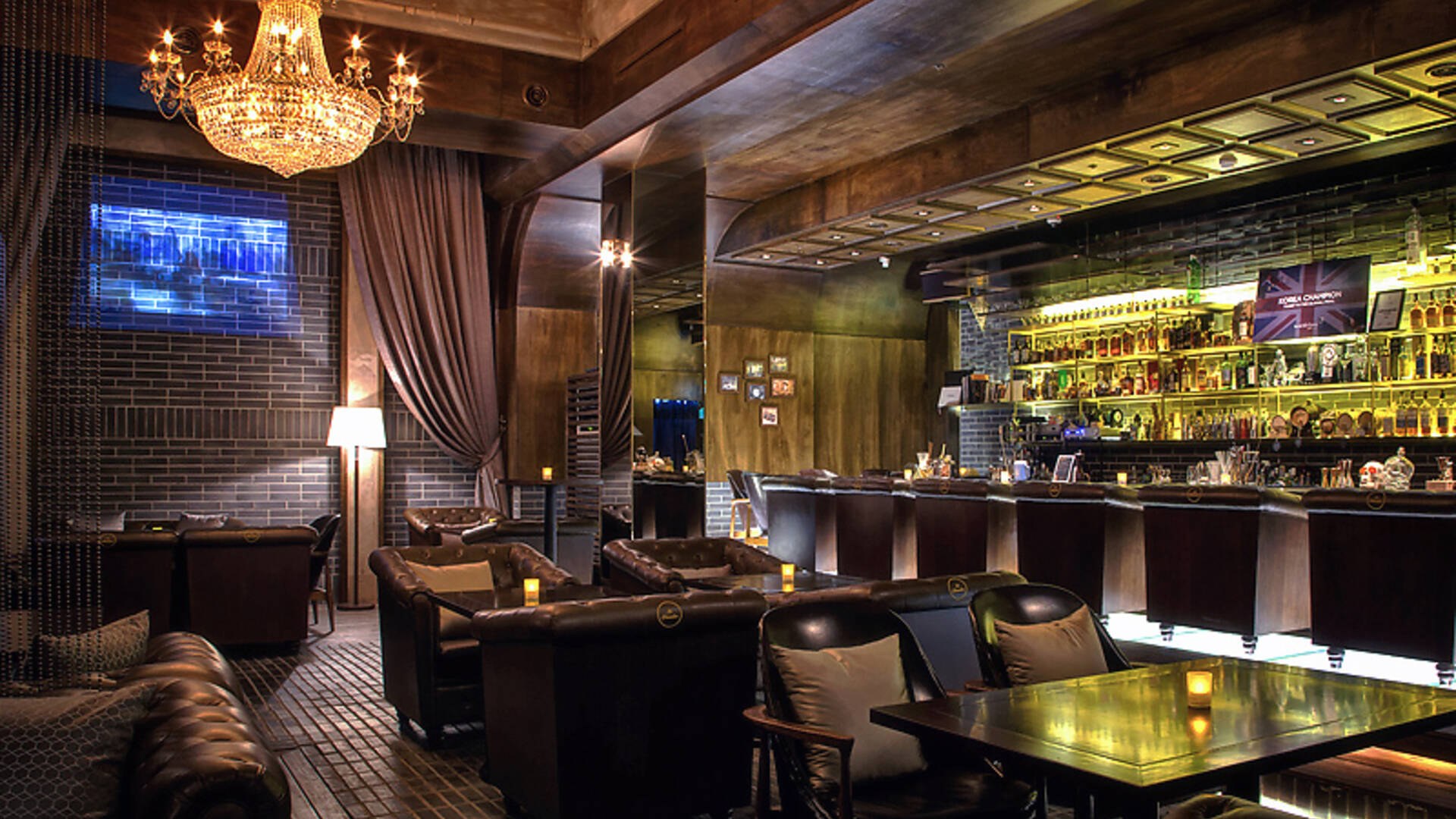
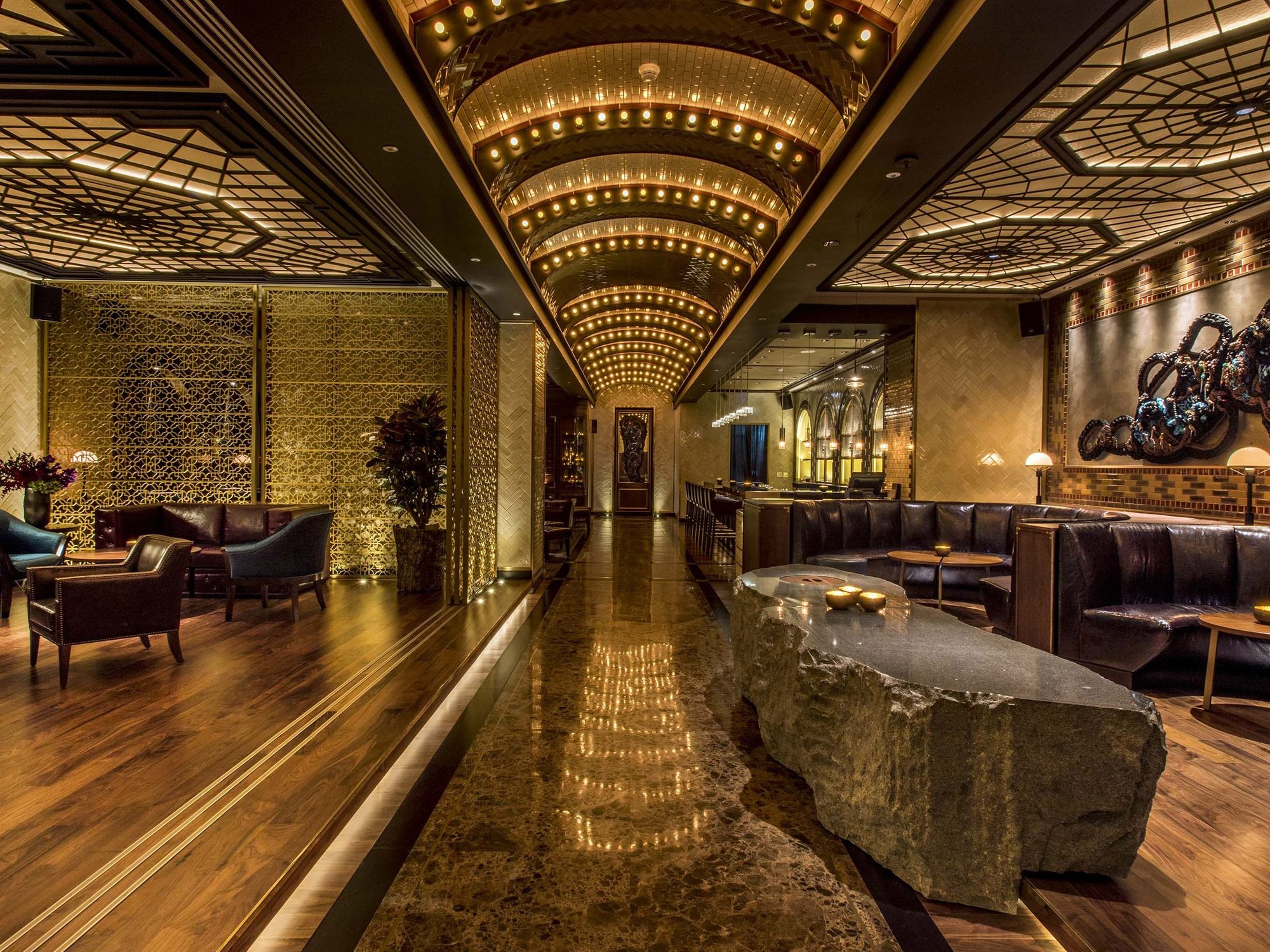
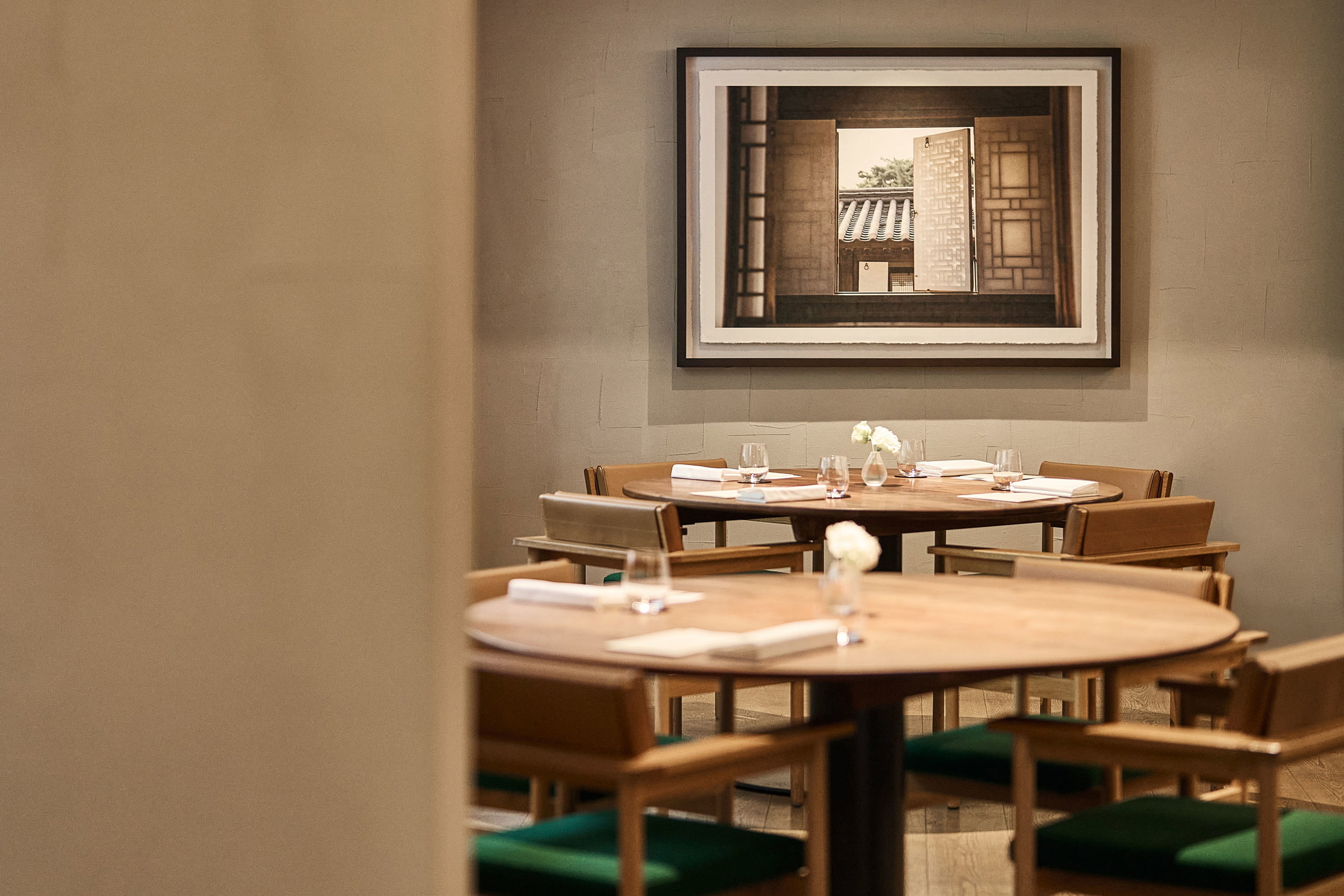
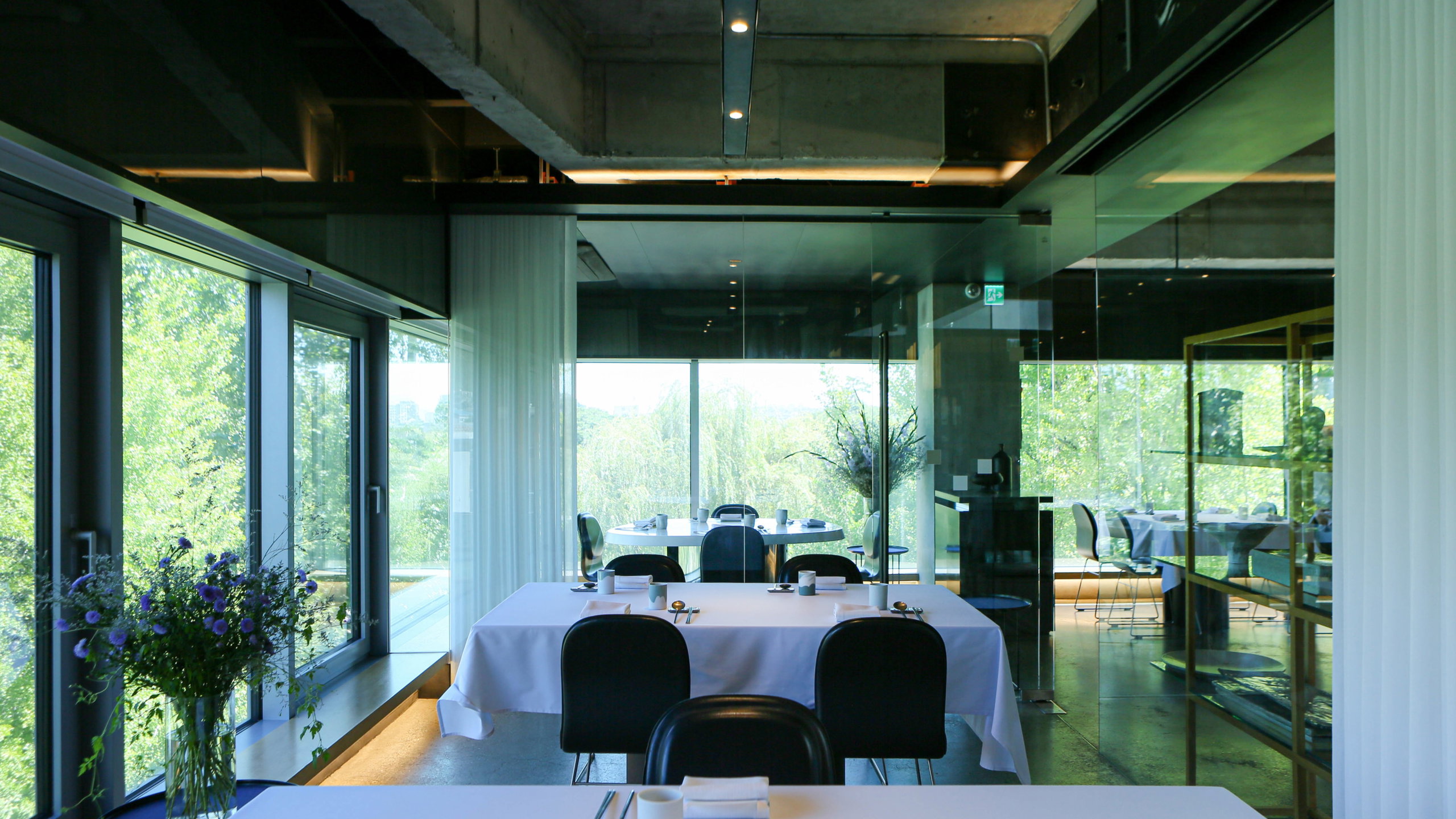
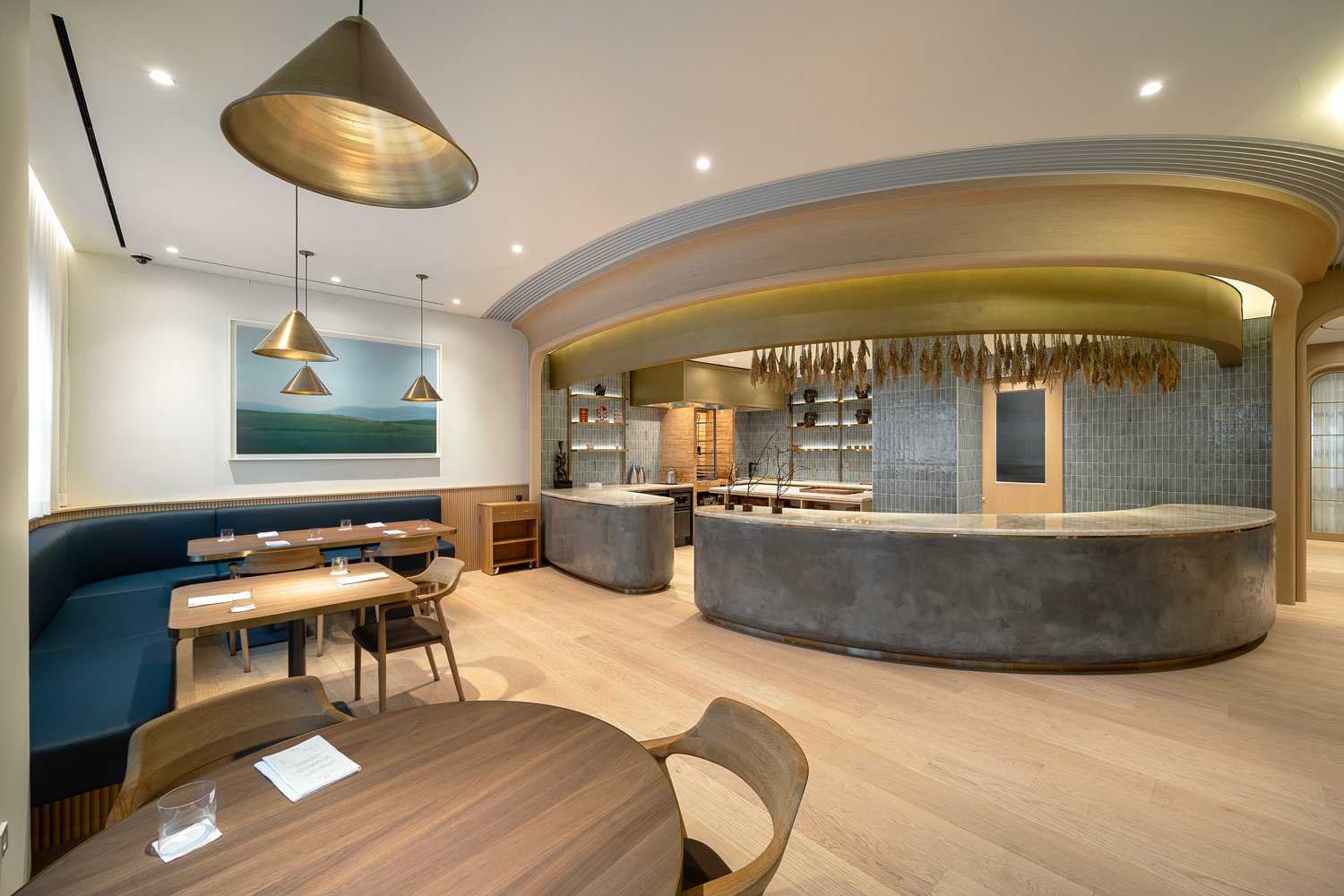
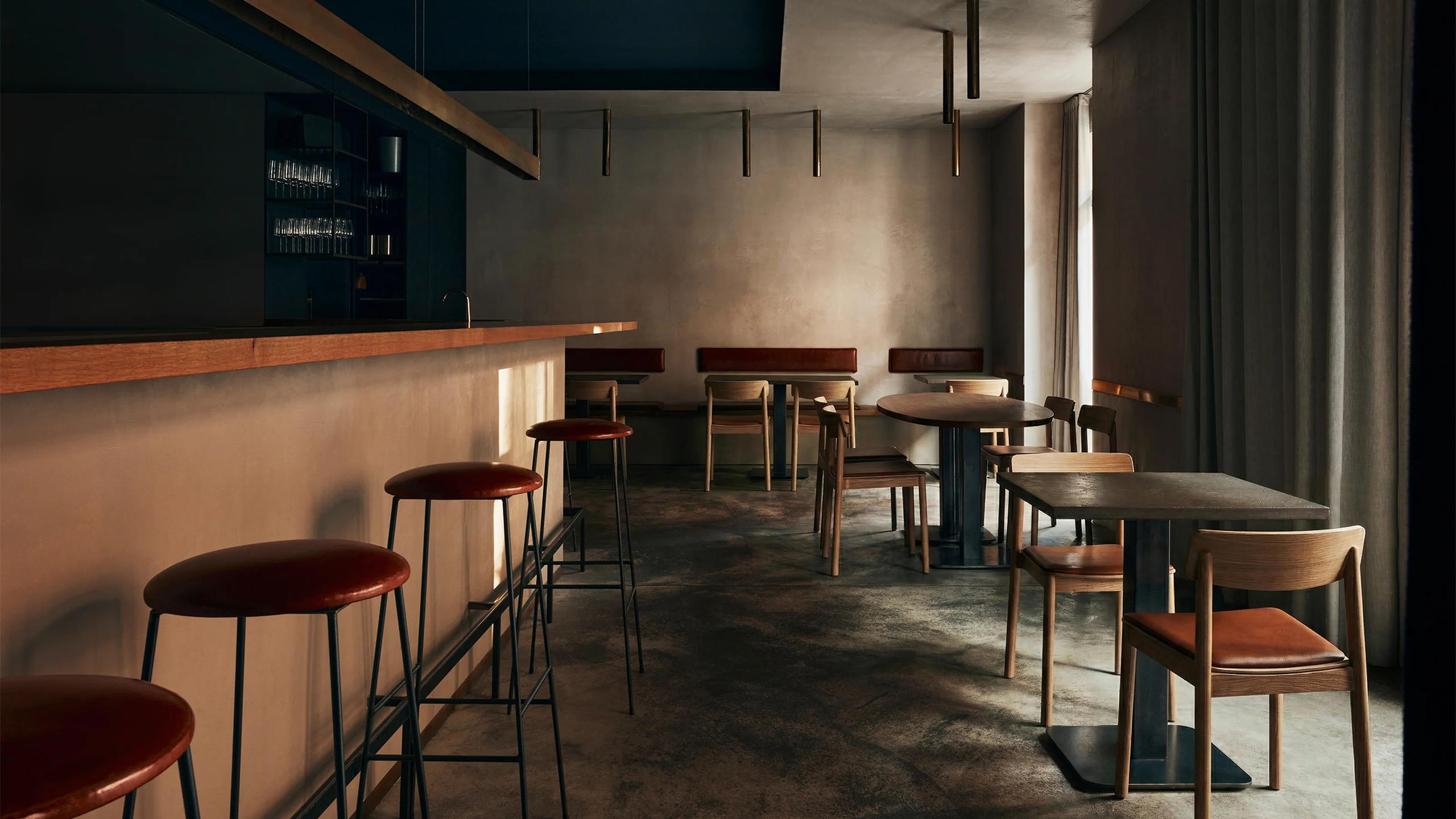
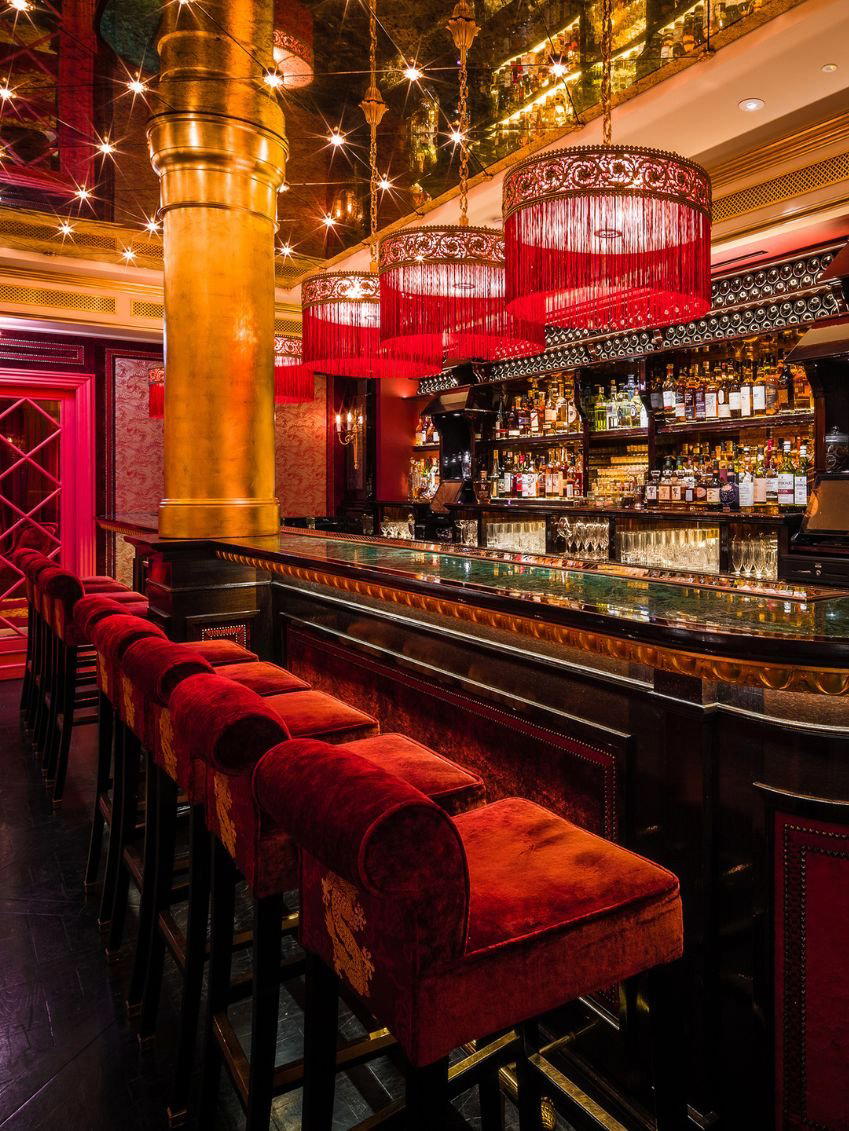
Dogokokk presents as a small, neighborhood natural-wine bar that privileges conversation over spectacle. With just five tables and simple, restrained interiors, the room feels deliberately modest—an antidote to high-concept cocktail theatre. The owner’s proximity to guests and the emphasis on informality make the space feel familiar and unposed: the kind of place where regulars and locals gather, the music is background, and the point is the drink and the chat rather than Instagram moments. Overall, it reads as a quietly confident, low-key spot for people who prefer slowness and small-room conviviality.
Best For
This is primarily a neighborhood evening spot for locals and repeat visitors. Its scale and layout favor intimate after-work drinks, low-key date nights and solo outings where conversation is the focus. The bar isn’t pitched as a destination for large groups or tourists; instead it suits pairs or small gatherings who value a relaxed, familiar setting and a proprietor who’s hands-on with the wine list. If you want something unshowy and conversational rather than theatrical, this is the kind of place to settle into for the evening.
Ordering Tips
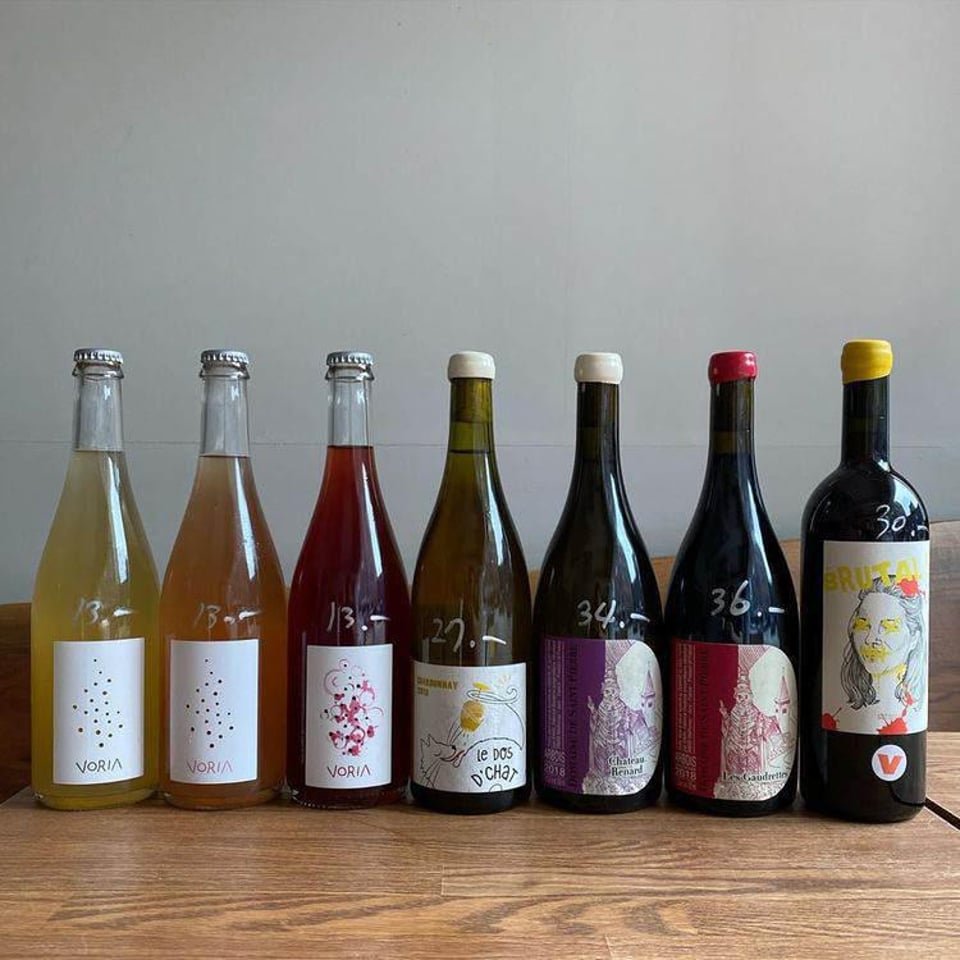
Expect a rotating natural-wine selection rather than a fixed, encyclopedic cellar. The bar operates on producer relationships and availability, so bottles change frequently; the usual ritual involves a short dialogue with the owner about what you’ve been drinking and what they have on pour. Come ready to ask questions and take recommendations rather than scanning a static list—trusting the proprietor’s curation is the simplest way to navigate the menu here.
Venue details
Ambiance
Cozy and intimate with simple interiors, five tables, and a warm atmosphere enhanced by the owner's genuine passion for natural wines.
Tags
Vibe
Best For
Experience
Format
At the Bar
- Bar Category
- Wine Bar
- Late Night
- Closes by Midnight
Know before you go
Know Before You Go
- Getting there
- 87-7 Yangjae-dong, Seocho District, Seoul, South Korea
Planning details
Location
87-7 Yangjae-dong, Seocho District, Seoul, South Korea · Directions
Recognition and awards

Also consider
Where to go if this does not fit
If the group wants another wine-minded option, cross-shop Somm J Wine Bar first. If the brief is a more formal hotel-bar night with a clearer service frame, choose The Timber House Park Hyatt Seoul instead.
Bar context
How Dogokokk compares in Seoul
Choose Dogokokk over 1914 Lounge & Bar if the priority is a wine-led stop in Seocho rather than a broader lounge experience. 1914 Lounge & Bar is the more obvious pick for readers who want the feel of a composed bar night, while Dogokokk is easier to justify when the group is already near Yangjae-dong and wants the drinks list to be the main reason for going.
Maison Jo and Somm J Wine Bar are the cleaner cross-shops for wine-minded readers. If the group wants a more wine-specific comparison, start there; if the plan needs low friction in Seocho, Dogokokk has the stronger location case. For a hotel-bar mood, The Timber House Park Hyatt Seoul is the safer alternative, especially for mixed groups that want atmosphere and service structure more than a neighborhood feel.
Eonju-ro 134-gil is the better comparison if the group is deciding by area and bar-hopping potential rather than wine recognition. Dogokokk is the practical call for an easy Seocho plan; Eonju-ro 134-gil is more useful when the evening is built around Gangnam movement and multiple stops.
Explore Seoul
Around this place
Discover more on Pearl
Unlock the full Dogokokk guide in Pearl, including awards, comparisons, FAQs, planning details, and nearby places.
Compare Dogokokk
| Venue | Location | Awards |
|---|---|---|
| Dogokokk | Seoul | Star Wine Lists 2026 |
| 1914 Lounge & Bar | Seoul | No published awards |
| Maison Jo | Seoul | No published awards |
| The Timber House Park Hyatt Seoul | Seoul | No published awards |
| Eonju-ro 134-gil | Seoul | No published awards |
| Somm J Wine Bar | Seoul | No published awards |
How Dogokokk Seoul compares with similar nearby venues.
FAQ
Frequently Asked Questions
What's the crowd like at Dogokokk?
A specific crowd or atmosphere is not described. Dogokokk has a casual dress code and Star Wine List (2026) recognition. If you want to compare it with another named option, The Timber House Park Hyatt Seoul is one Seoul venue to consider.
What is Dogokokk known for?
Dogokokk has Star Wine List (2026) recognition. A specific cuisine, chef, menu format, price range, or service style is not available.