
Cucciolo Terraza
압구정동, Seoul
Bar in Seoul, South Korea
 Book with Pearl
The Read
Courtyard Natural Wine
Why go
Cucciolo Terraza is a good fit for a polished Cheongdam wine night, especially for dates or small groups that want conversation over a high-volume bar scene. Star Wine List recognition gives it a credible wine signal, but food style, pricing, and seating specifics are not clear enough to make it a food-first pick.
About Cucciolo Terraza
For a Seoul plan built around conversation and a smart-casual dress code, Cucciolo Terraza is a sensible name to keep on the shortlist. The details are limited, but the venue does have confirmed Star Wine List recognition in 2026 and daily opening hours that make it practical for midday, early evening, or a later visit.
Seoul setting, with Star Wine List recognition
The clearest point of interest for Cucciolo Terraza is its Star Wine List recognition in 2026. Beyond that, several details are not confirmed here. The safer expectation is not to assume a particular cuisine, menu format, seating style, or signature dish unless you confirm directly with the venue.
For first-timers, the main decision is whether the profile fits the plan. Cucciolo Terraza is best approached as a Seoul venue with smart-casual dress and confirmed hours, rather than as a fully documented food-first destination. If the night is centered on food, use Our full Seoul restaurants guide first. If the goal is a broader evening plan, Our full Seoul bars guide will give more range.
Plan around the confirmed hours and dress code
The dress code is smart casual, so it is worth dressing neatly rather than treating the visit as completely casual. Other planning details, including pricing, seating count, booking method, and menu specifics, are not here. If any of those points matter to the occasion, confirm them with the venue before making it the anchor of the day or night.
The hours make it useful across midday, early evening, and later service. Monday through Thursday, Cucciolo Terraza is listed from 12 to 2:30 PM and 4:30 to 10 PM. Friday extends to 11 PM after the same midday period and afternoon break. Saturday is listed from 12 to 11 PM, and Sunday from 12 to 10 PM.
Who should skip it
Skip it if the decision depends on published pricing, named signature dishes, or a clearly defined cuisine style. Those details are not here, so they are not strong enough to support a food-first recommendation. Also skip it if a particular seating setup is the make-or-break factor; request what you need rather than assuming the arrangement.
Use this for a Seoul plan where the confirmed hours, smart-casual dress code, and Star Wine List recognition fit the occasion. For other Seoul plans, Pearl's wider city coverage may be more useful: Our full Seoul hotels guide, Our full Seoul wineries guide, and Our full Seoul experiences guide.
Planning details
- Location
- 33 Seolleung-ro 152-gil, Cheongdam-dong, Gangnam District, Seoul, South Korea
- Phone
- +82 10-3347-1571
The take
The Take
The Vibe
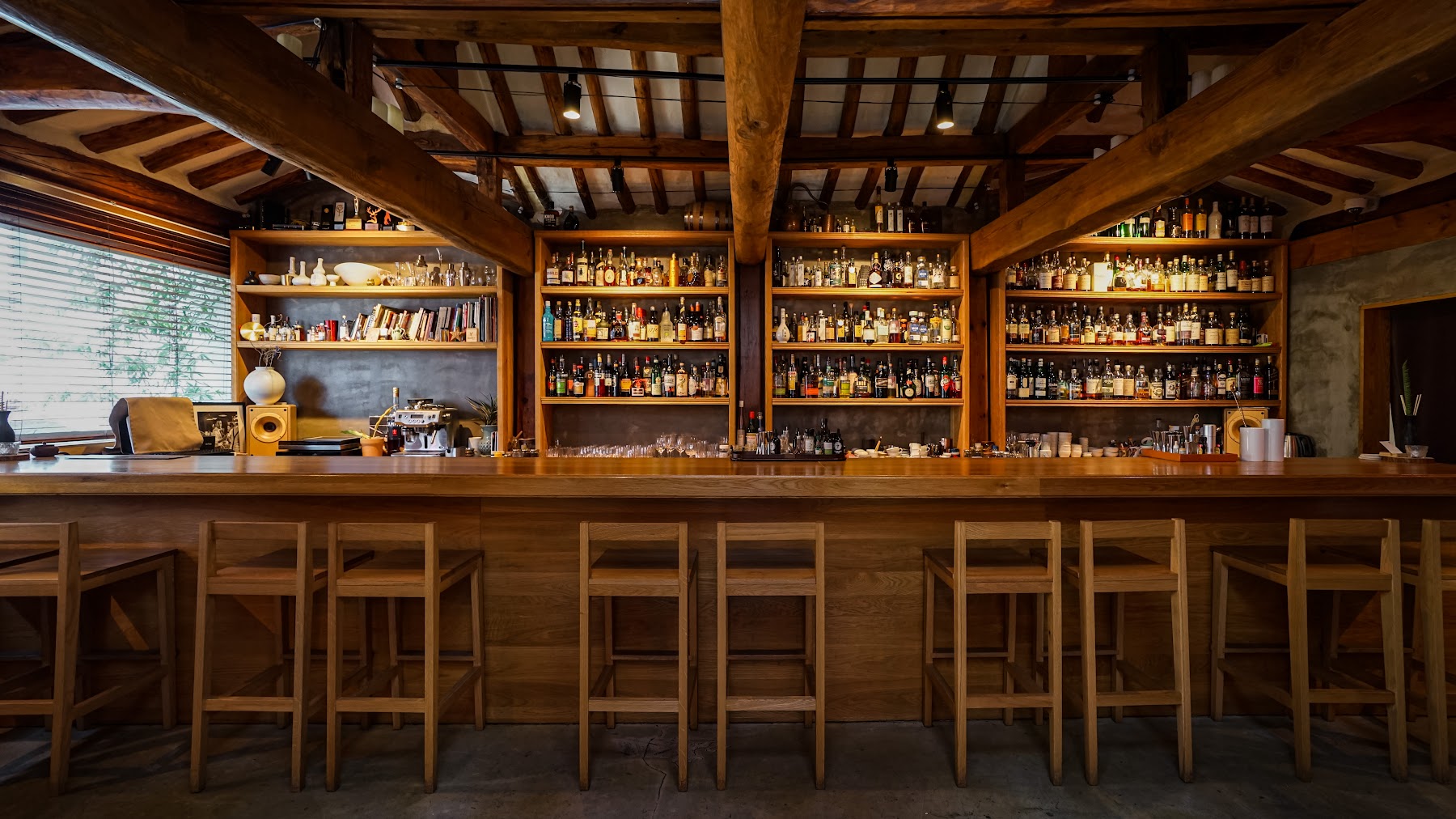
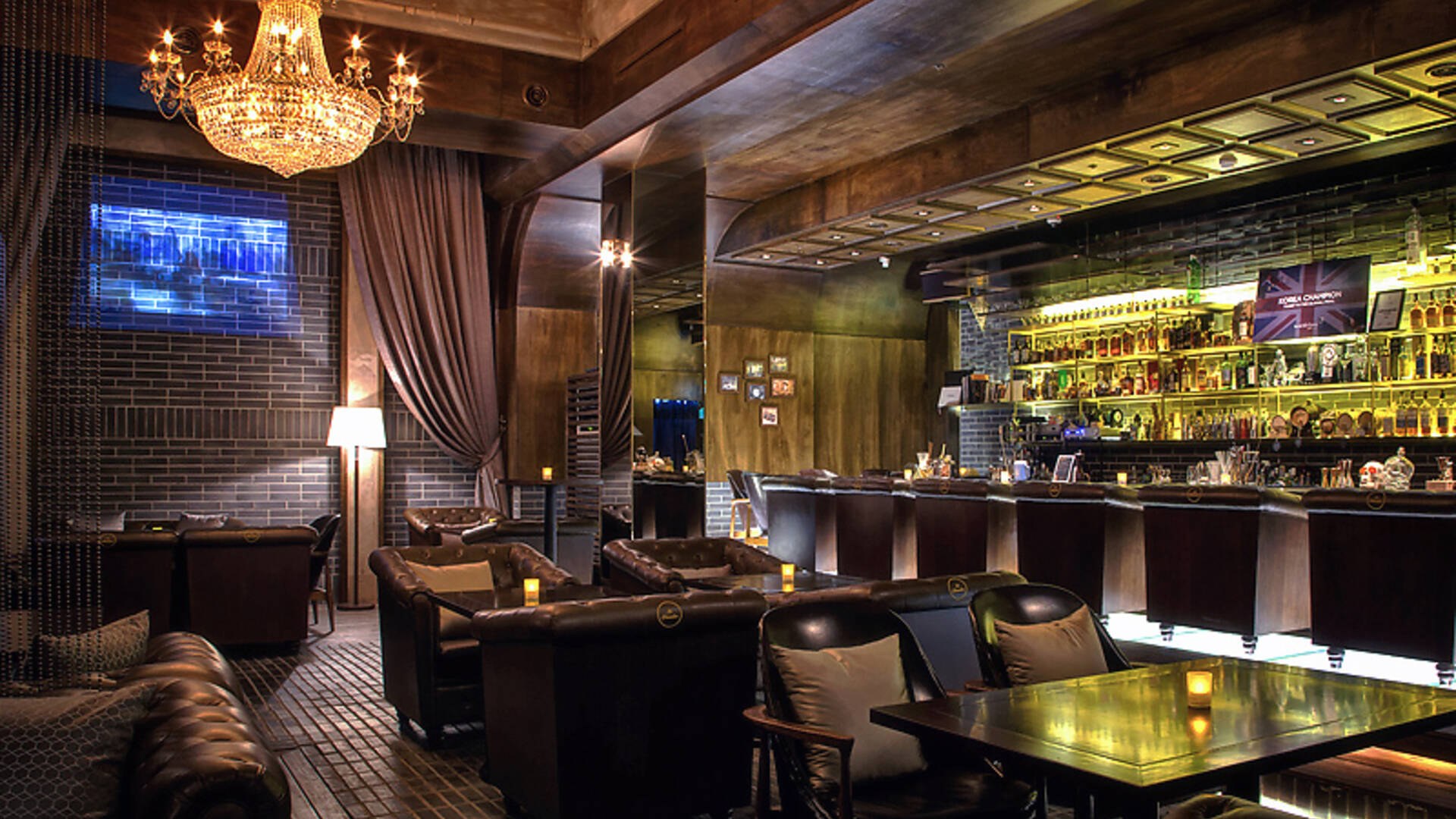
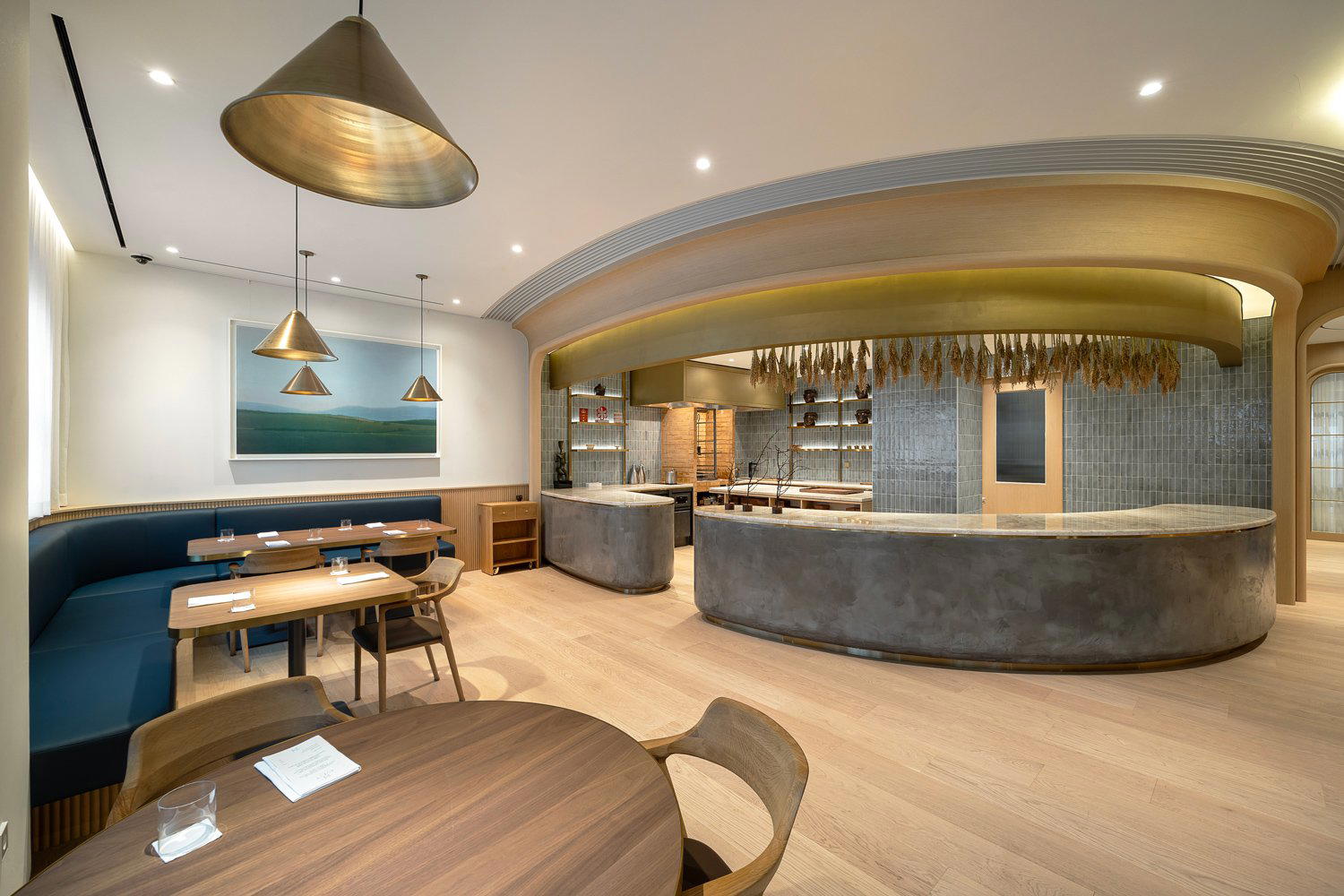
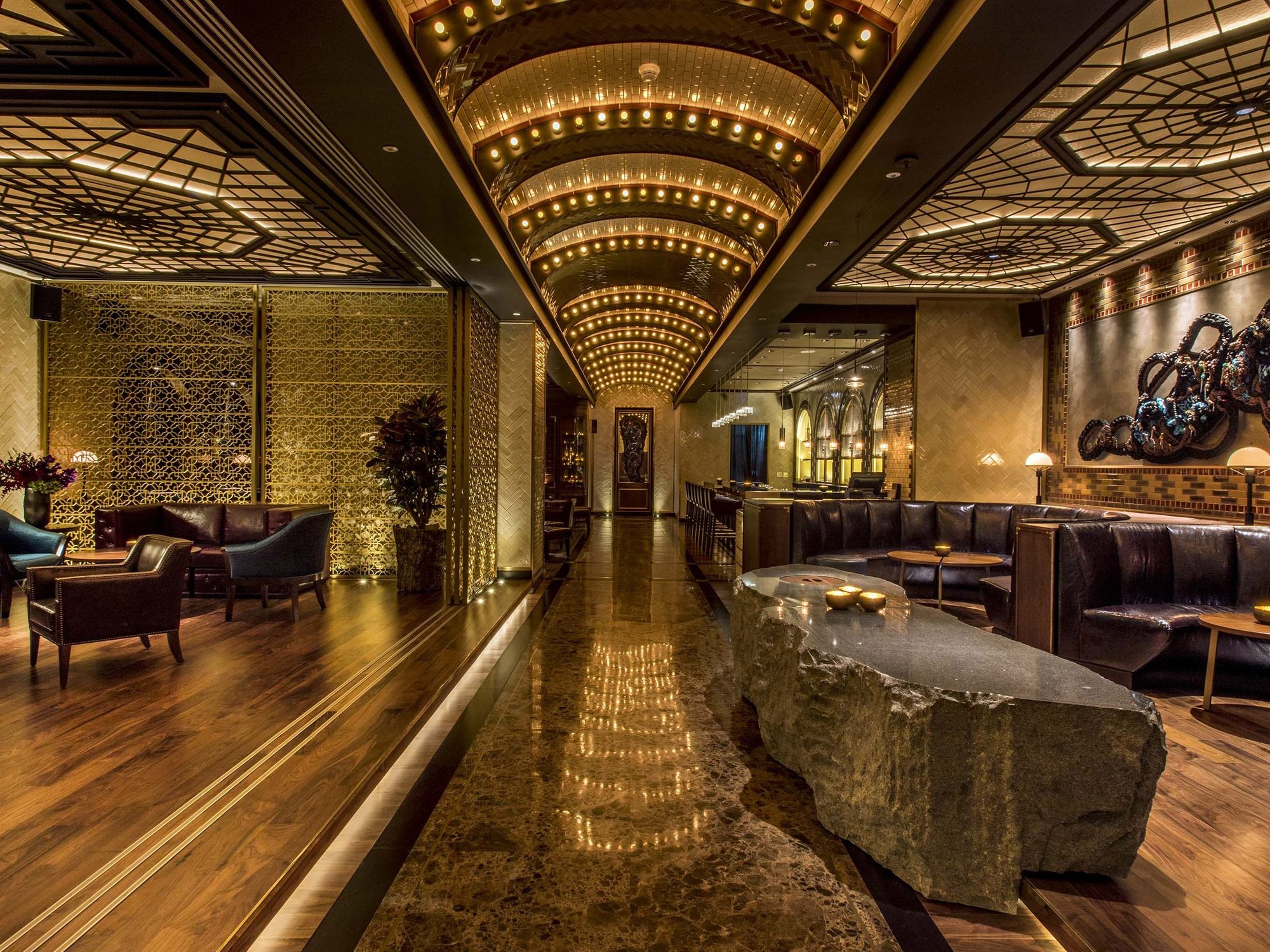
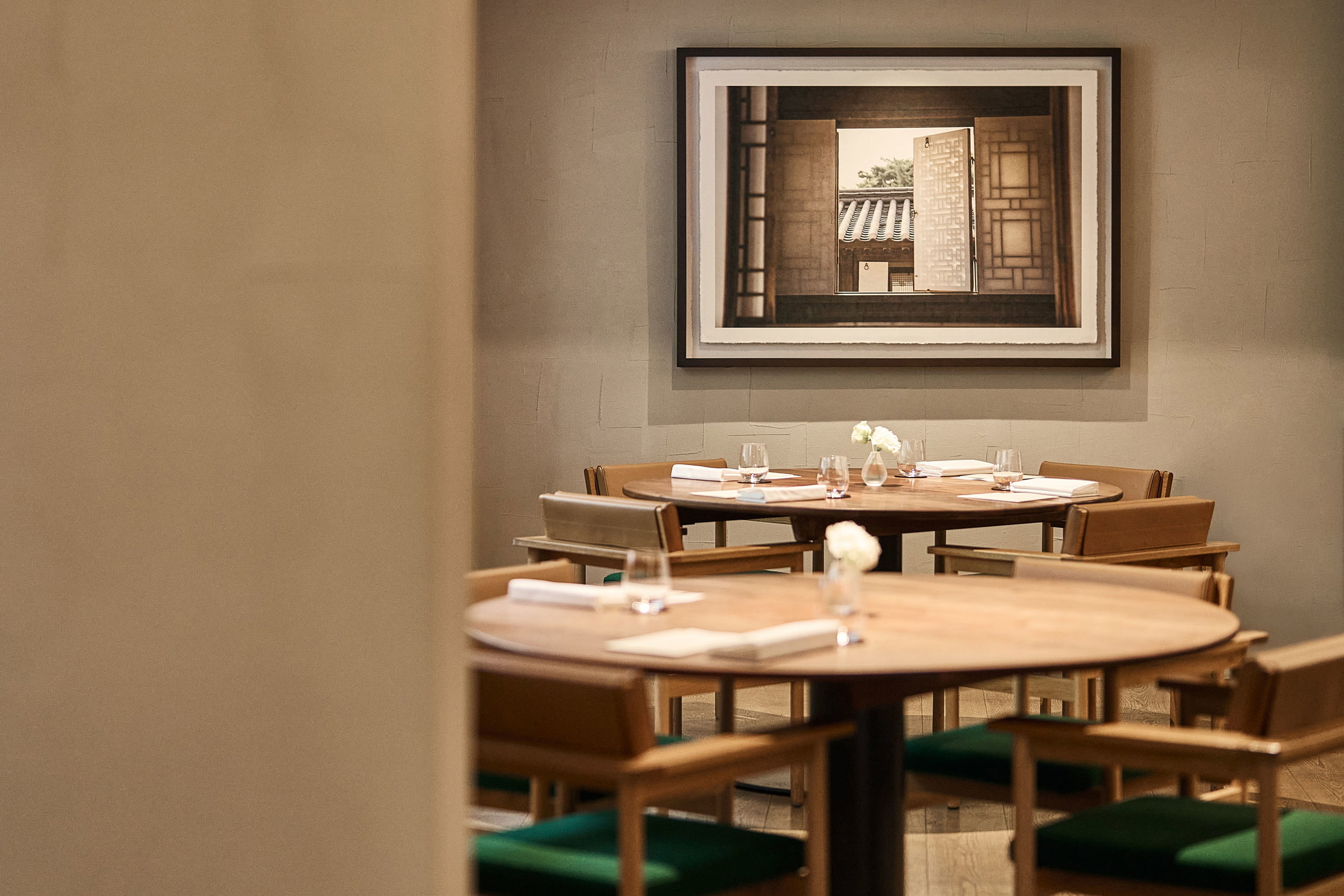
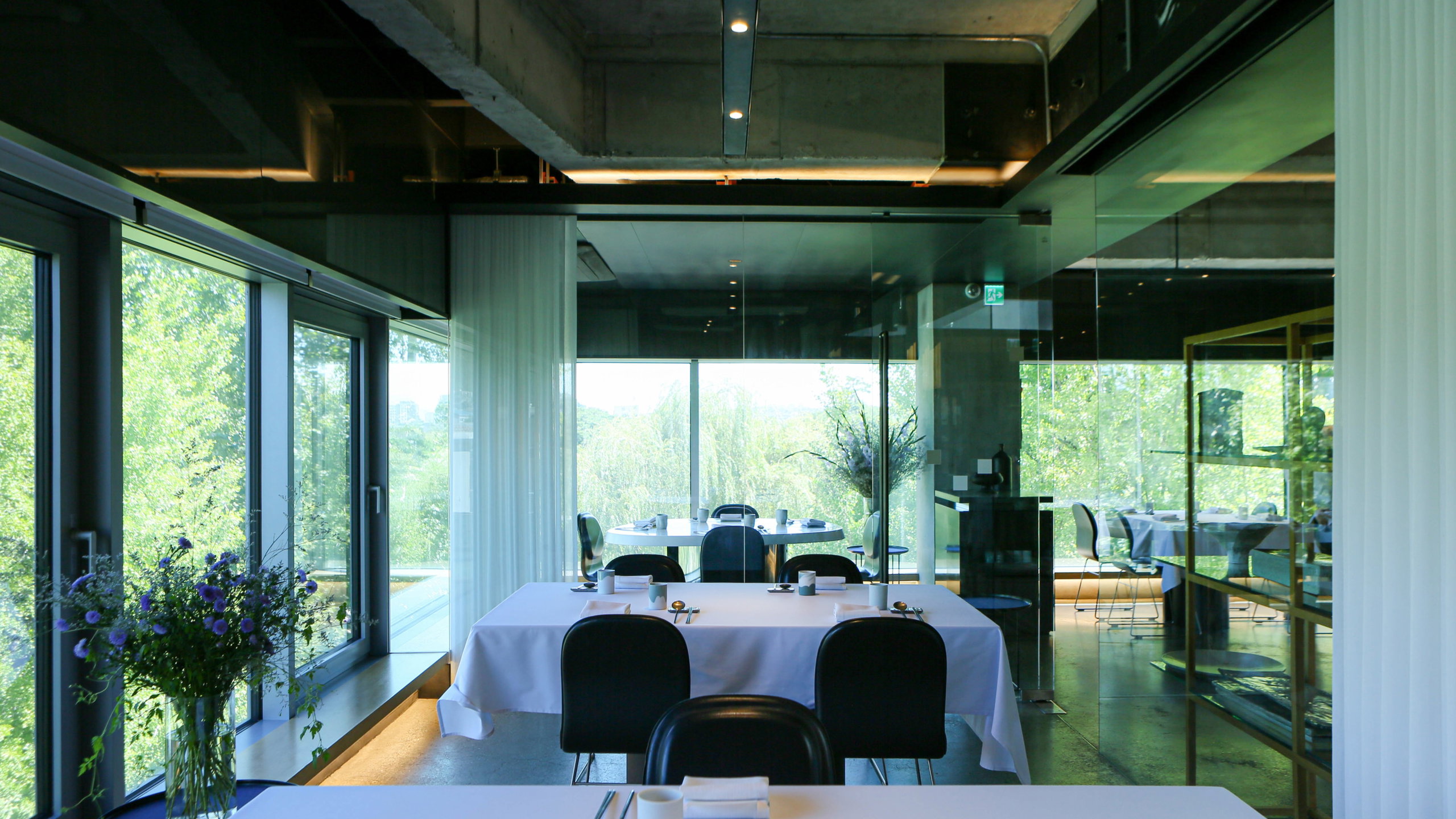
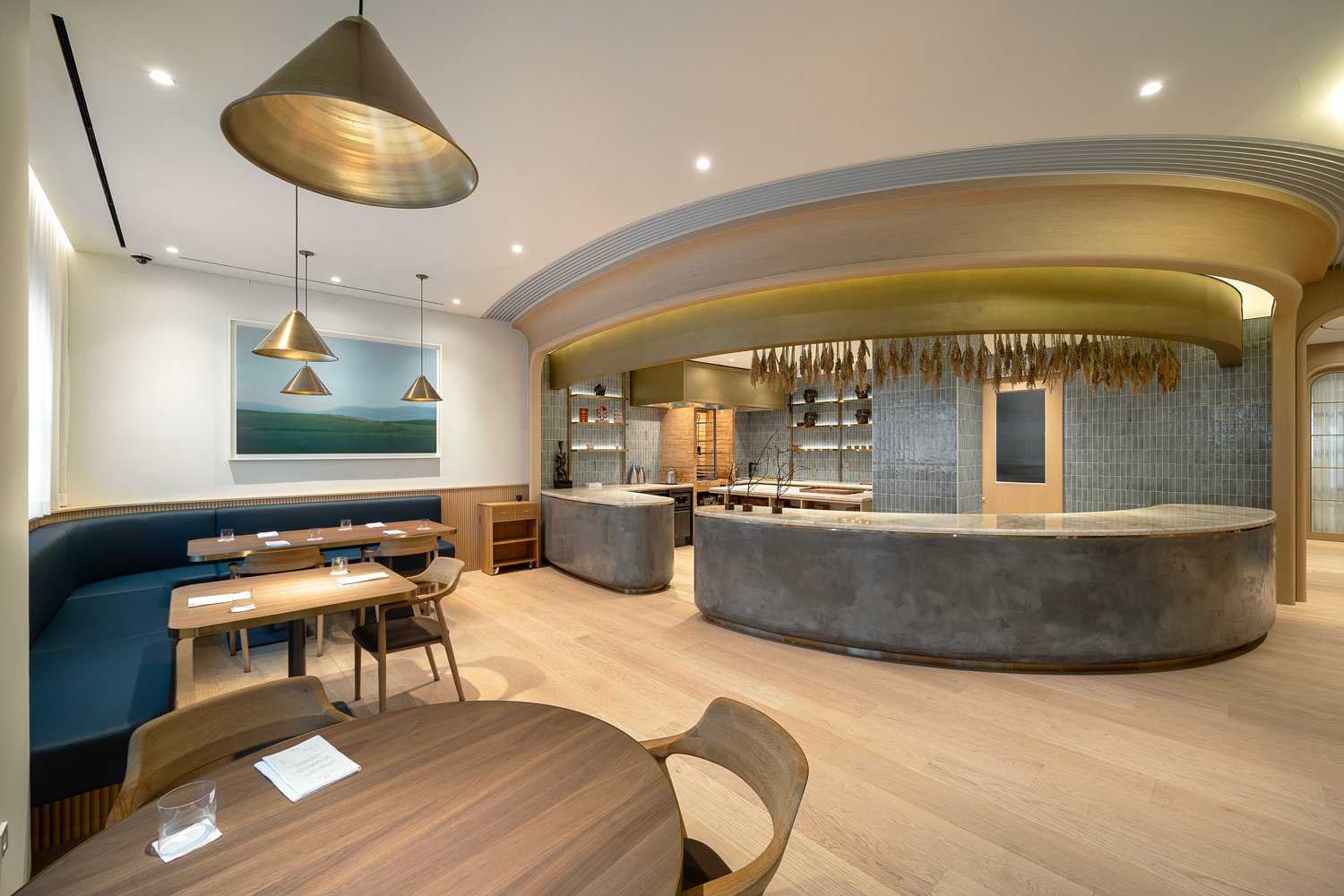
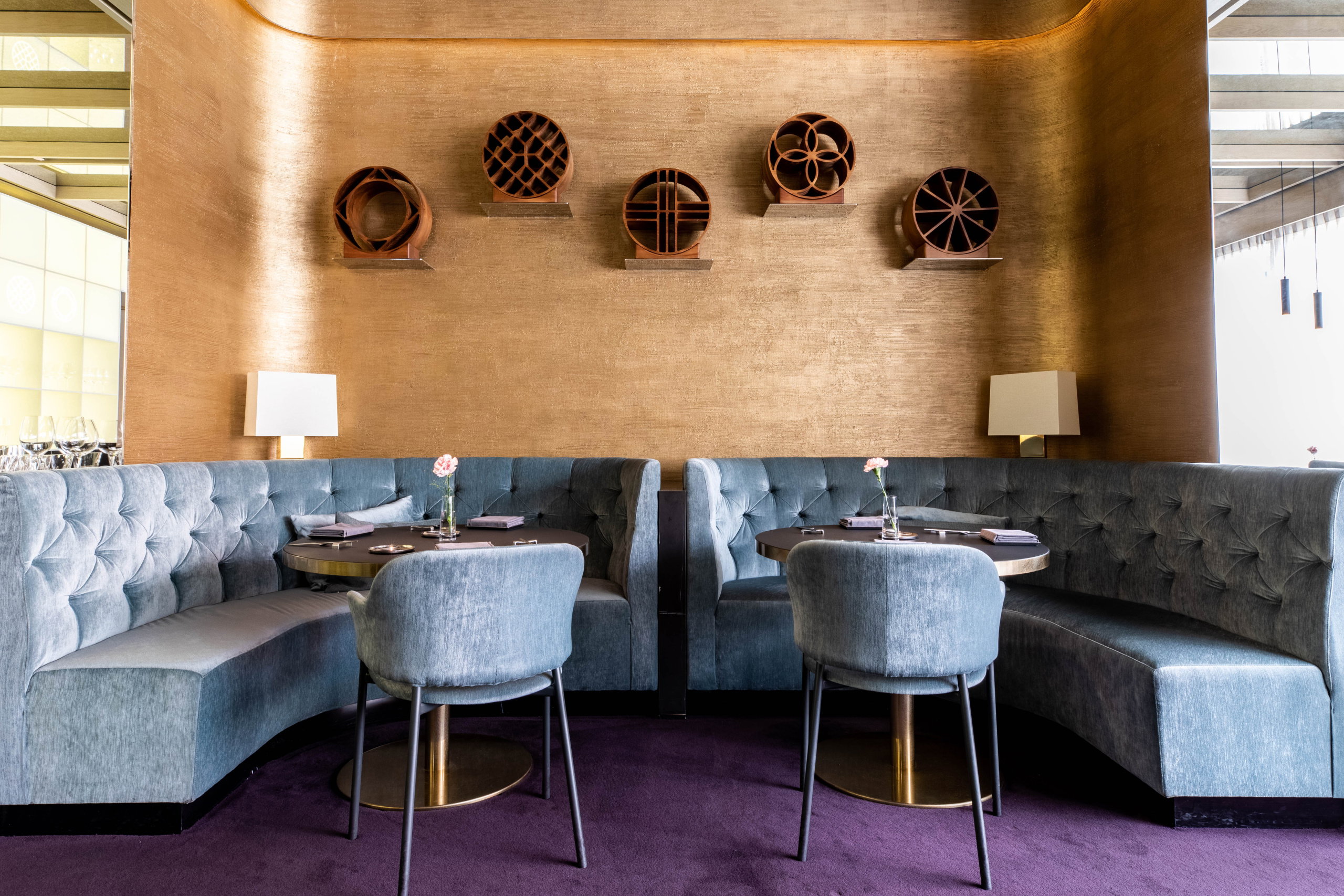
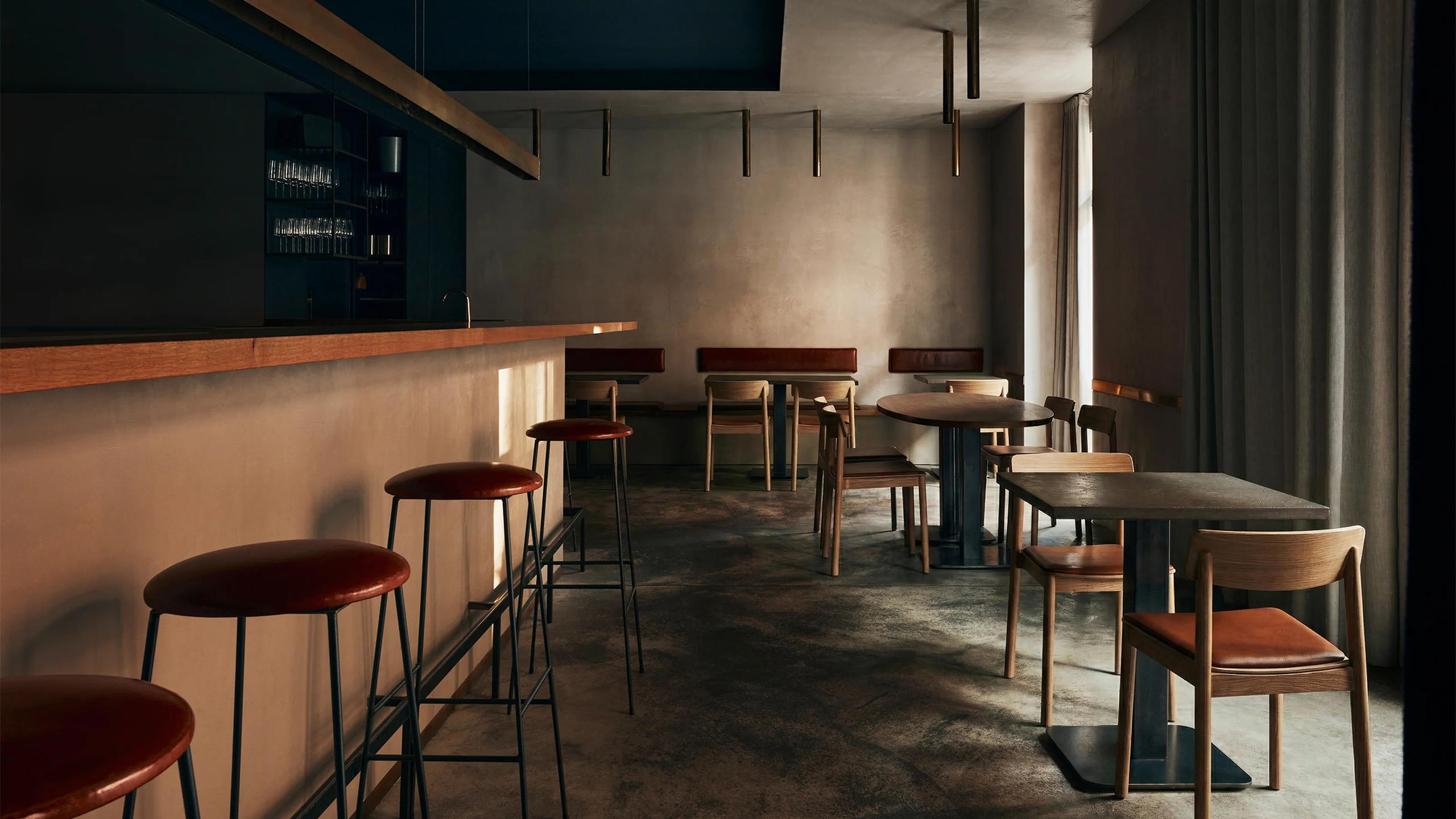
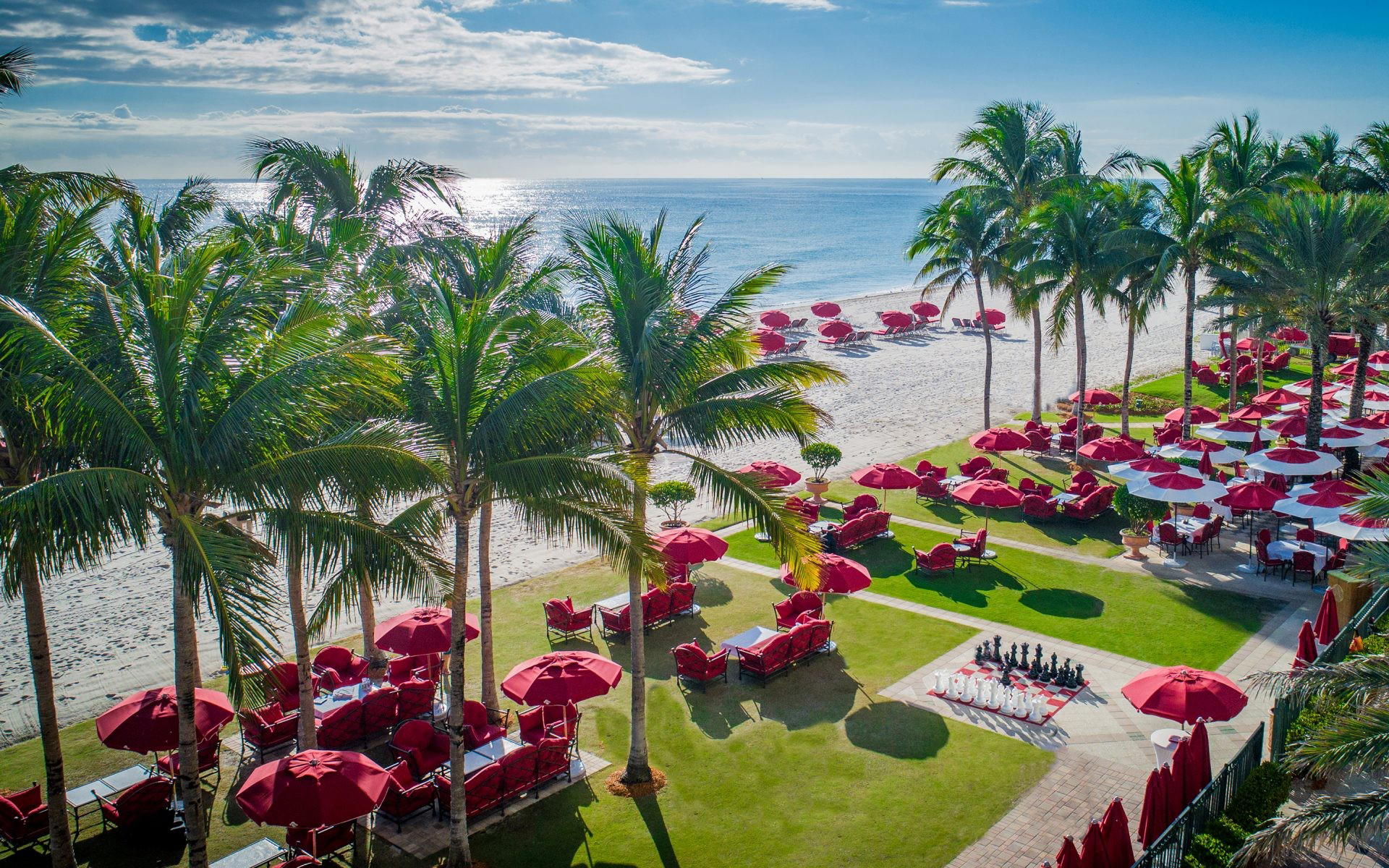
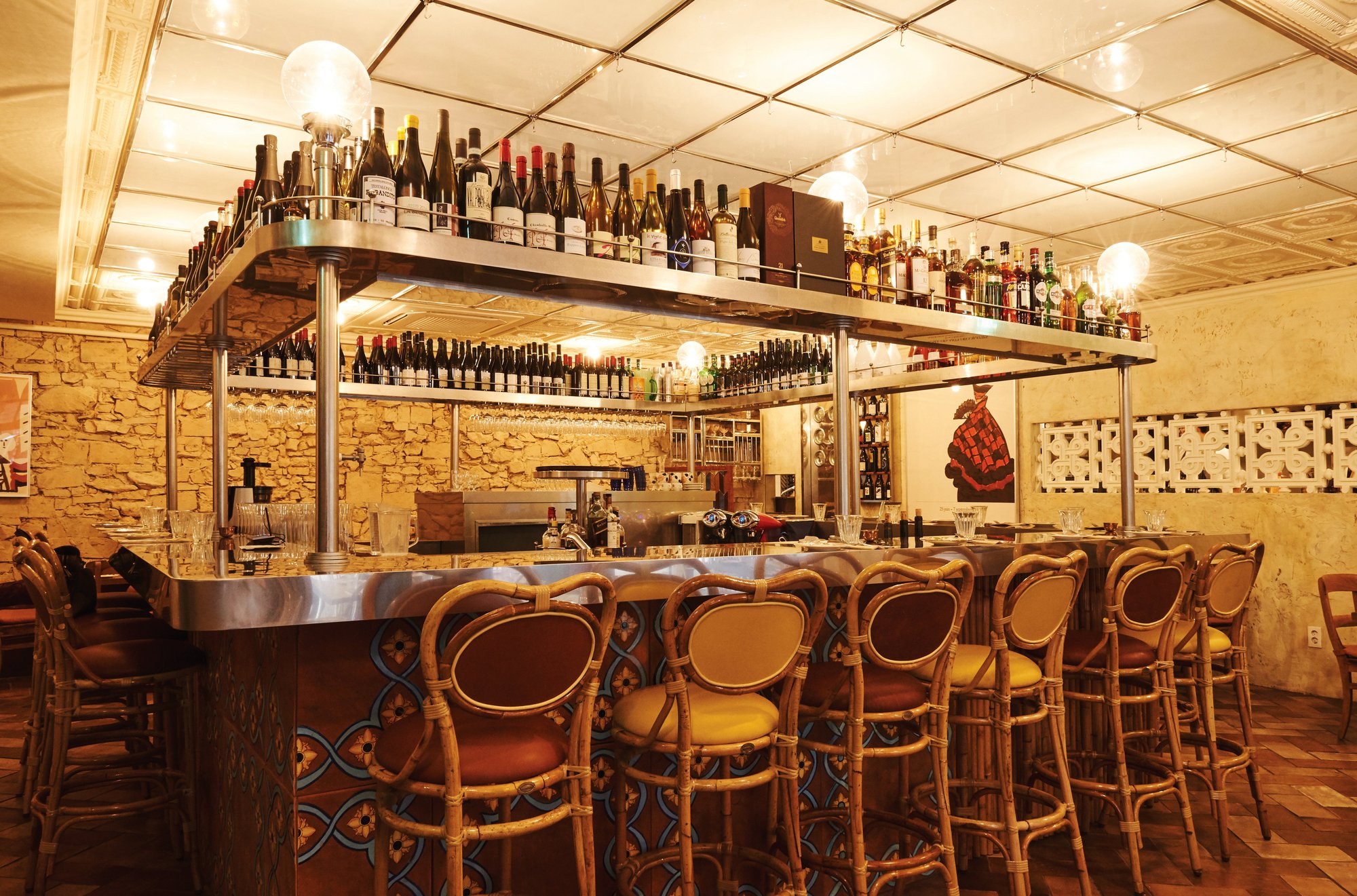
Cucciolo Terraza feels like a European neighbourhood wine bar displaced into Cheongdam-dong. The venue sits around a courtyard that functions as an outdoor terrace, so the room is less about vertical gloss and more about horizontal, communal space. The copy places it in a smaller, quieter category of wine-led spots: low-key, intimate and built for lingering. Natural wine anchors the program and the atmosphere, and the overall tone is one of relaxed sophistication—an inviting, scenic space that encourages slow evenings rather than the punctual, course-driven rhythm common in Seoul.
Best For
This is a spot for evening occasions where time is meant to stretch: date nights that favour conversation, casual hangouts with friends who appreciate natural wine, and late-night sessions that spill well past a planned end. The courtyard terrace and neighbourhood-bar logic make it a relaxed evening destination rather than a quick meal or a loud nightlife stop. People who enjoy small plates paired with bottles and the unhurried cadence of European bars will find it well suited to lingering dinners and late drinking.
Ordering Tips
Approach the menu with the venue’s wine-first philosophy in mind: start with a bottle or a few natural-wine glasses and order a selection of small plates and house-made bread to anchor the evening. The description emphasises that food in this format is structural, not decorative, so favour sharing plates that keep the table moving and allow the night to stretch. Expect a relaxed, unstructured service rhythm—plan to linger rather than rush through courses, and lean into communal, wine-led pacing.
Venue details
Ambiance
Warm, inviting interior with a cool chill vibe and stunning terrace.
Tags
Vibe
Best For
Experience
Format
View
At the Bar
- Bar Category
- Wine Bar
- Late Night
- Open Until 2am
Know before you go
Know Before You Go
- Getting there
- 33 Seolleung-ro 152-gil, Cheongdam-dong, Gangnam District, Seoul, South Korea
Planning details
Location
33 Seolleung-ro 152-gil, Cheongdam-dong, Gangnam District, Seoul, South Korea · Directions
Recognition and awards

Also consider
Where to Go If This Is Not the Fit
For another wine-led Seoul option, cross-shop Casa del Vino. For a cocktail-first night with more bar energy, look at Zest or Le Chamber instead.
Bar context
How It Compares
Choose Cucciolo Terraza if the priority is a composed Cheongdam wine setting with an easy booking profile. Compared with Zest and Le Chamber, it is the less obvious choice for cocktail-led nights and the stronger fit when the evening is built around wine and conversation.
Casa del Vino is the closest cross-shop for wine-focused guests. Pick Casa del Vino if the whole night revolves around bottles; pick Cucciolo Terraza if location, Cheongdam polish, and a lighter social plan matter just as much.
Bellevue 벨뷰 and Keepers make more sense if the group wants a bar-first evening and is less concerned with a wine-list credential. Cucciolo Terraza is easier to justify for a date or small group that wants a quieter, more adult-feeling Gangnam plan.
Explore Seoul
Around this place
Discover more on Pearl
Unlock the full Cucciolo Terraza guide in Pearl, including awards, comparisons, FAQs, planning details, and nearby places.
Compare Cucciolo Terraza
| Venue | Location | Awards |
|---|---|---|
| Cucciolo Terraza | Seoul | Star Wine Lists 2026 |
| Bellevue 벨뷰 | Seoul | No published awards |
| Keepers | Seoul | 2018 World's 50 Asia's Best Bars · #472017 World's 50 Asia's Best Bars · #47 |
| Zest | Seoul | No published awards |
| Le Chamber | Seoul | 2026 Asia's 50 Best Bars 51-100 · #88Top 500 Bars 2026 · #3122025 Asia's 50 Best Bars · #50Top 500 Bars 2025 · #196Tatler Best Bars Asia-Pacific 20252024 Asia's 50 Best Bars · #482023 World's 50 Asia's Best Bars · #252022 Asia's Best Bars · #392021 World's 50 Asia's Best Bars · #44 |
| Casa del Vino | Seoul | No published awards |



How Cucciolo Terraza Seoul compares with similar nearby venues.
FAQ
Frequently Asked Questions
What's the crowd like at Cucciolo Terraza?
The crowd profile is not here. The confirmed details are that Cucciolo Terraza is in Seoul, has a smart-casual dress code, and has Star Wine List (2026) recognition.
Is Cucciolo Terraza good for a date?
It can work for a date if the confirmed details fit your plan: Seoul location, smart-casual dress code, Star Wine List (2026) recognition, and broad daily hours. Confirm any seating, menu, or pricing details directly before going.
What's the best time to go to Cucciolo Terraza?
Use the hours to plan. Monday through Thursday are listed from 12 to 2:30 PM and 4:30 to 10 PM; Friday from 12 to 2:30 PM and 4:30 to 11 PM; Saturday from 12 to 11 PM; and Sunday from 12 to 10 PM.