
Clos de Yong
압구정동, Seoul
Bar in Seoul, South Korea
 Book with Pearl
Why go
Clos de Yong is worth considering when the plan is a wine-led night in Gangnam rather than a dish-driven dinner. Star Wine List recognition gives it a clear credibility signal, and easy booking makes it useful for dates, late drinks, or a low-friction celebration in Sinsa-dong.
About Clos de Yong
Clos de Yong in Seoul is best planned around evening hours, a smart casual dress code, and Star Wine List recognition in 2026. The schedule is 7 PM to 1 AM Monday through Saturday, with Sunday closed, so it fits late-evening plans rather than lunch or daytime dining.
Because no cuisine, chef, menu format, price range, seating layout, or reservation difficulty is specified, avoid building the night around those details. Treat Clos de Yong as a Seoul venue with late hours and recognized standing, then confirm any menu, booking, or service questions directly before you go.
A Seoul pick for late-evening plans
The strongest signals are practical ones. Clos de Yong is open from 7 PM to 1 AM Monday through Saturday, which makes it useful for a later start. The dress code is smart casual, so it suits a polished evening without requiring a formal-dining assumption.
Star Wine List recognition in 2026 is the clearest accolade. That does not specify bottles, pricing, cuisine, or a food program, but it does give the venue a relevant credential for people comparing Seoul options.
Who should choose it over another Seoul venue
Choose Clos de Yong if you want a Seoul venue with late hours, smart casual dress, and Star Wine List recognition. For comparison, Alice Cheongdam, Pine & Co, Wine Clubhouse, SAHM, and Polestar are other names to consider when the group is choosing by mood, availability, or overall plan.
For wider planning, use Our full Seoul guide before committing to the night. If the trip is broader than one venue, keep Our full Seoul restaurants guide and Our full Seoul hotels guide open as planning tools.
Planning details
- Location
- South Korea, Seoul, Gangnam District, Sinsa-dong, 640-13 로이빌딩 4층
- Website
- instagram.com/clos_de_yong
- Phone
- +82 2-547-5867
The take
The Take
The Vibe
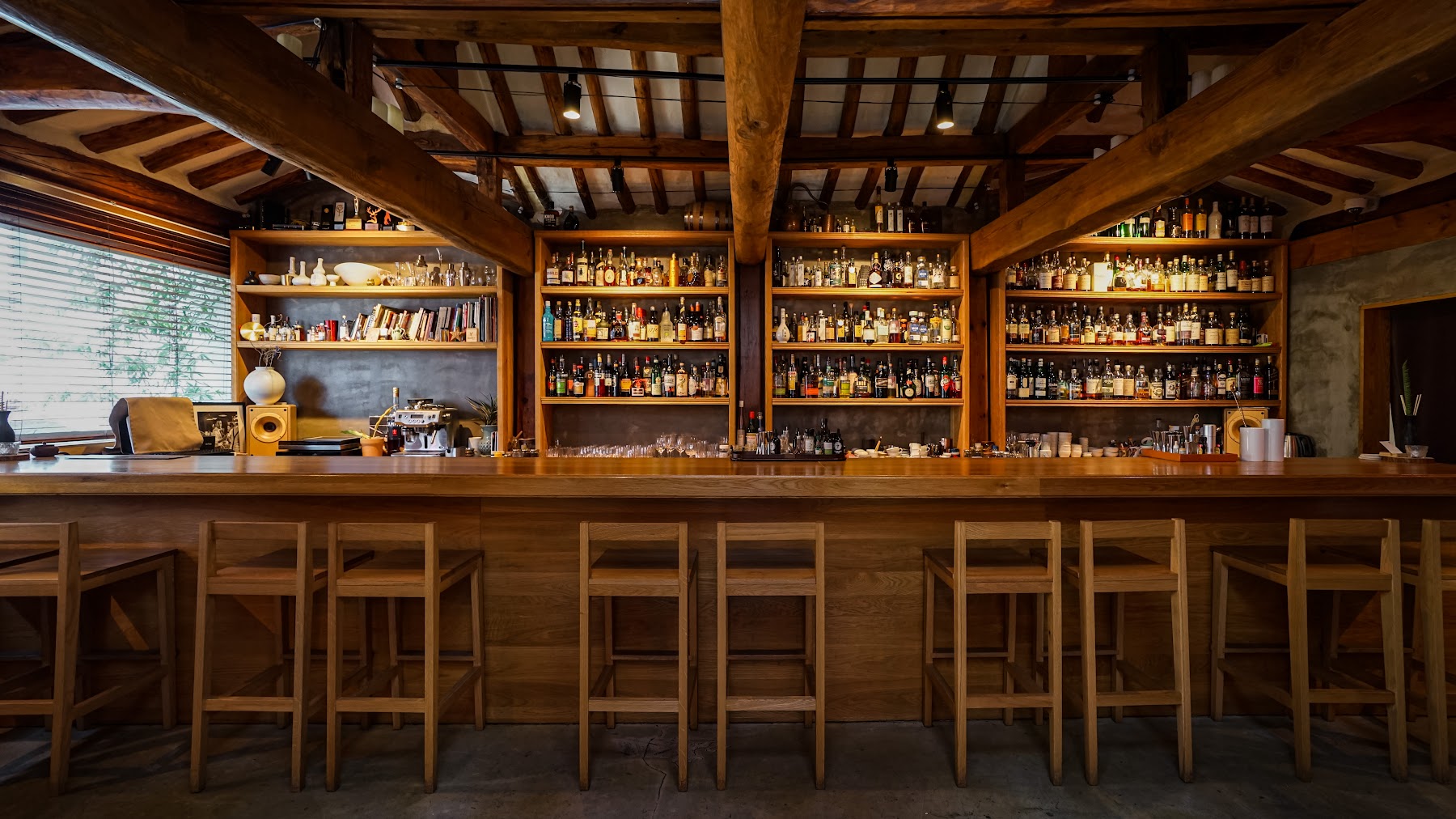
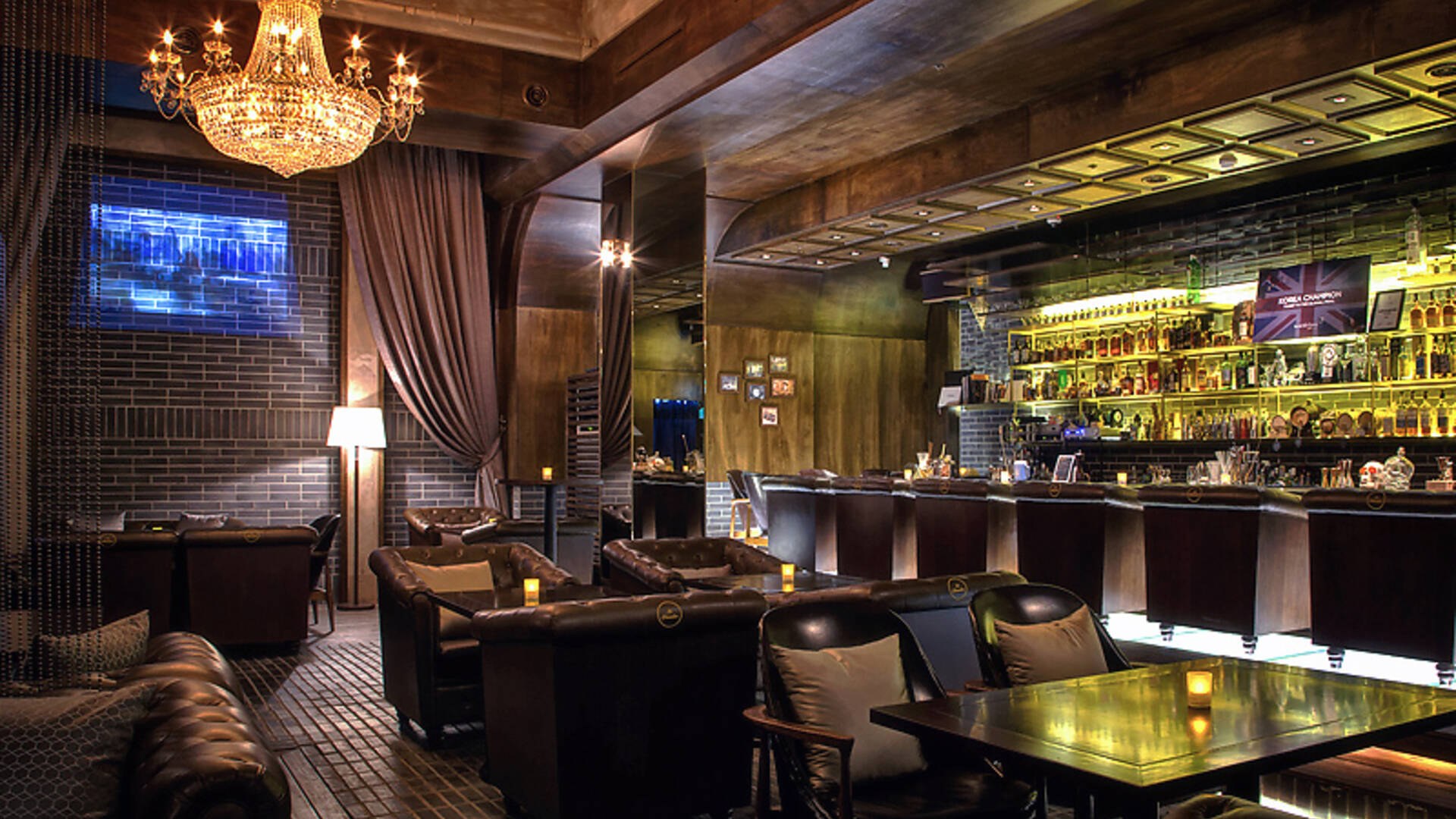
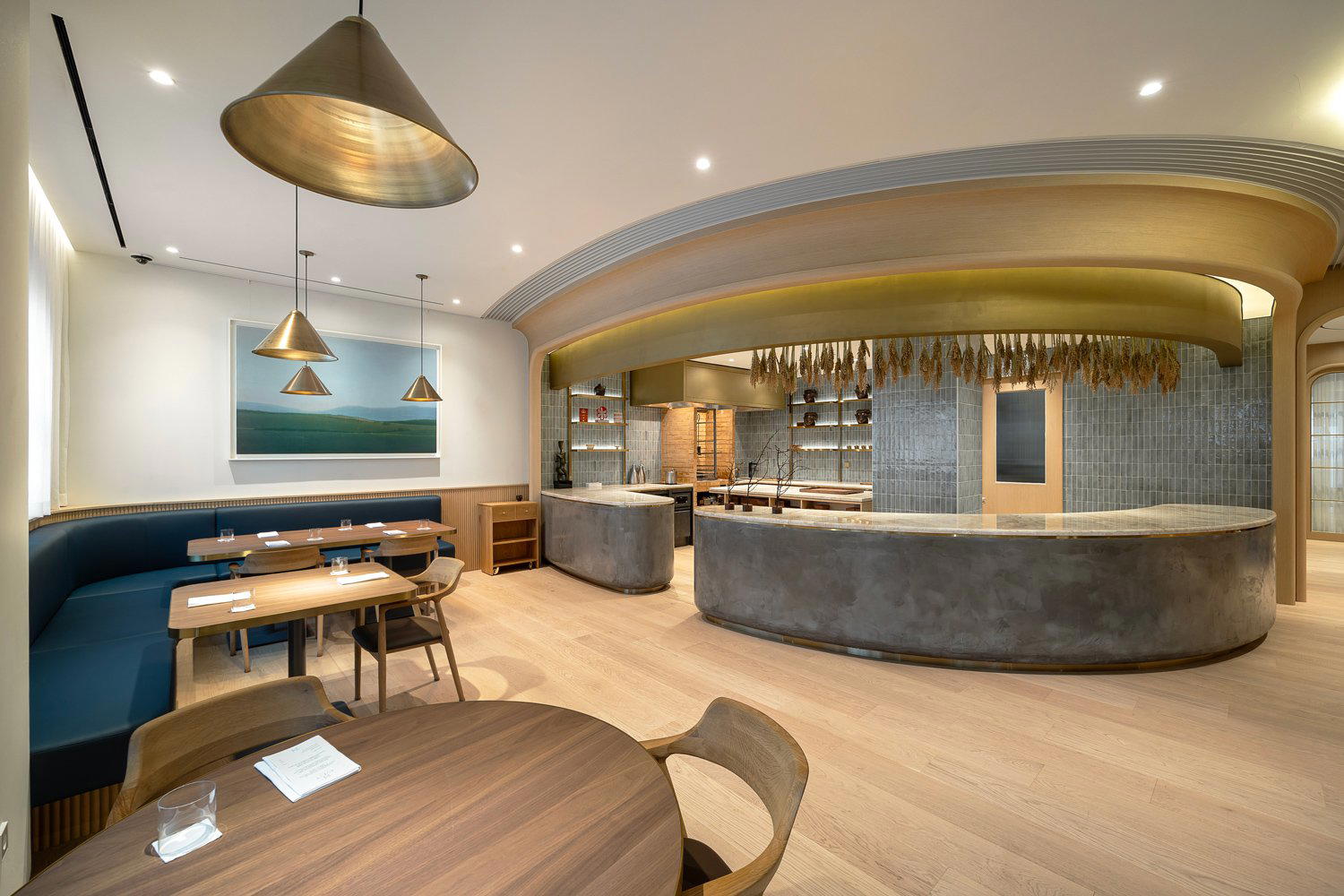
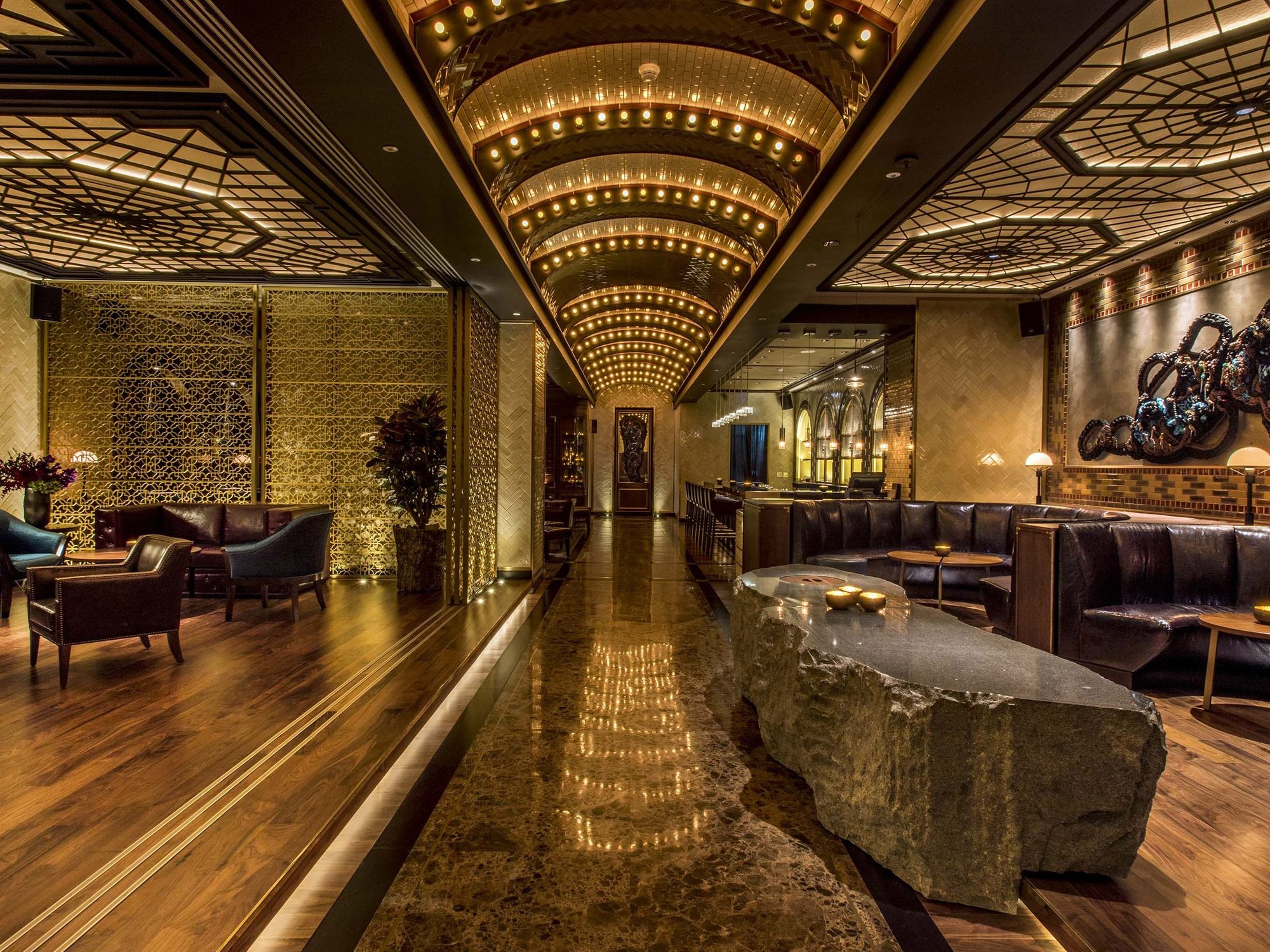
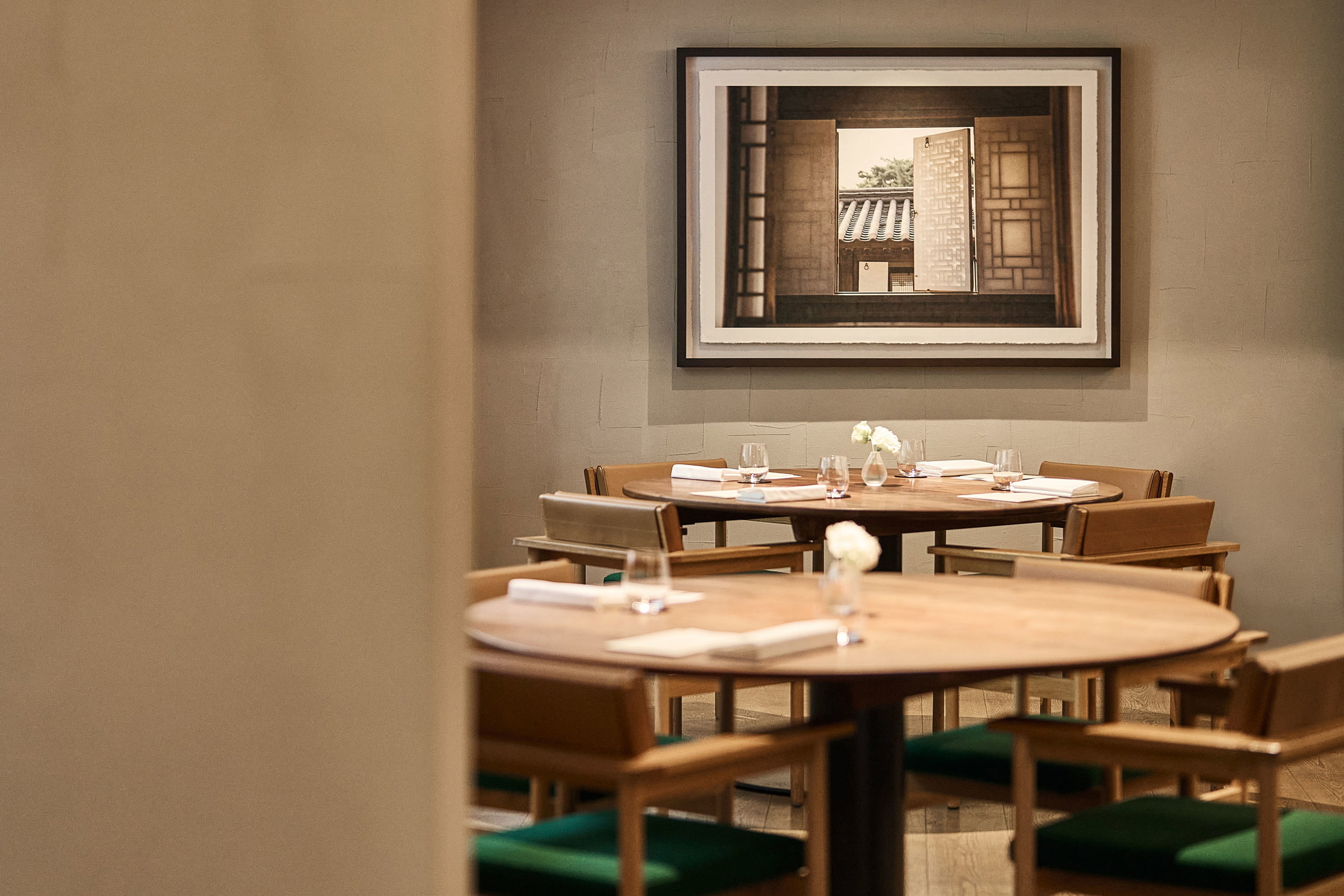
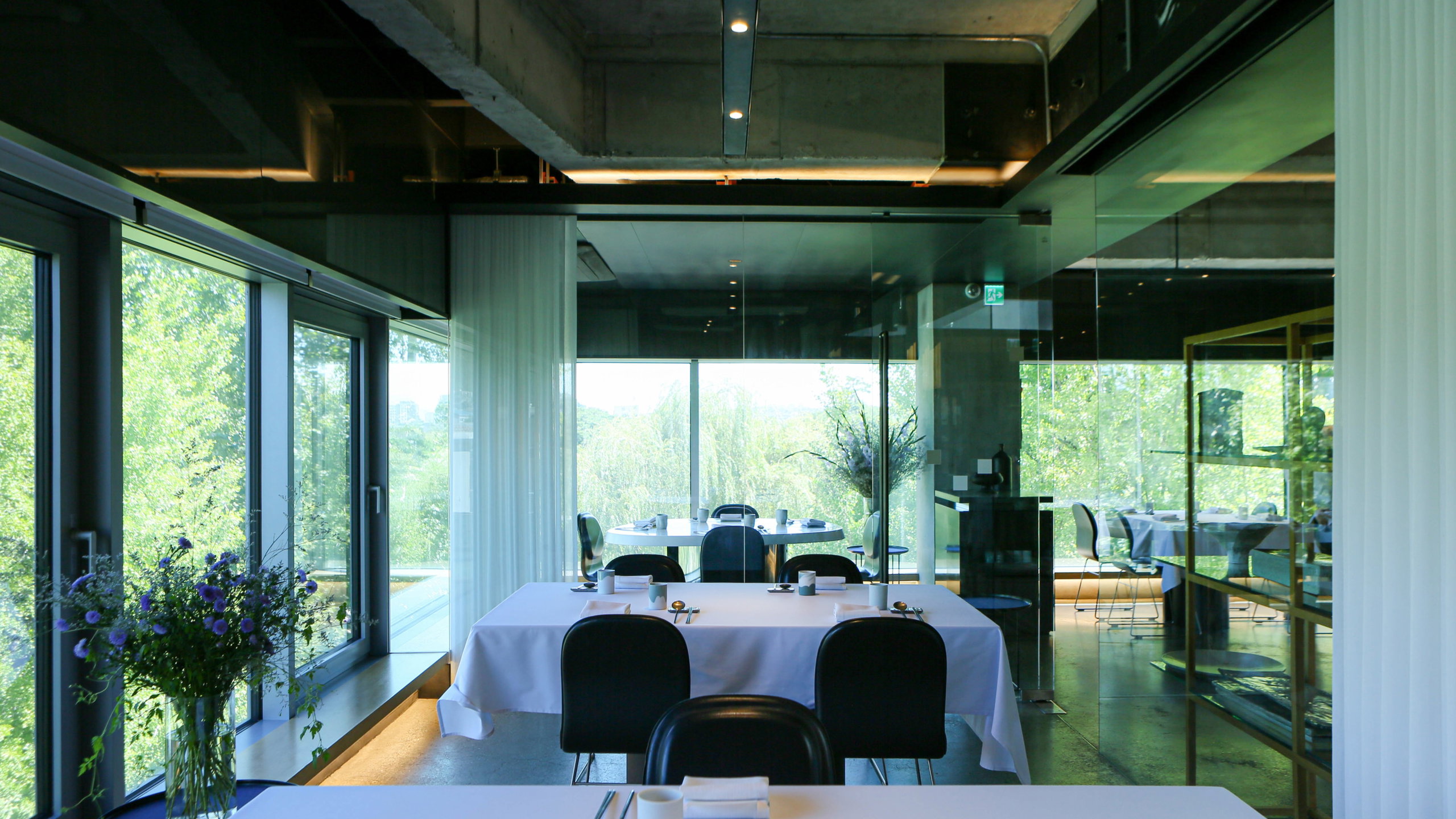
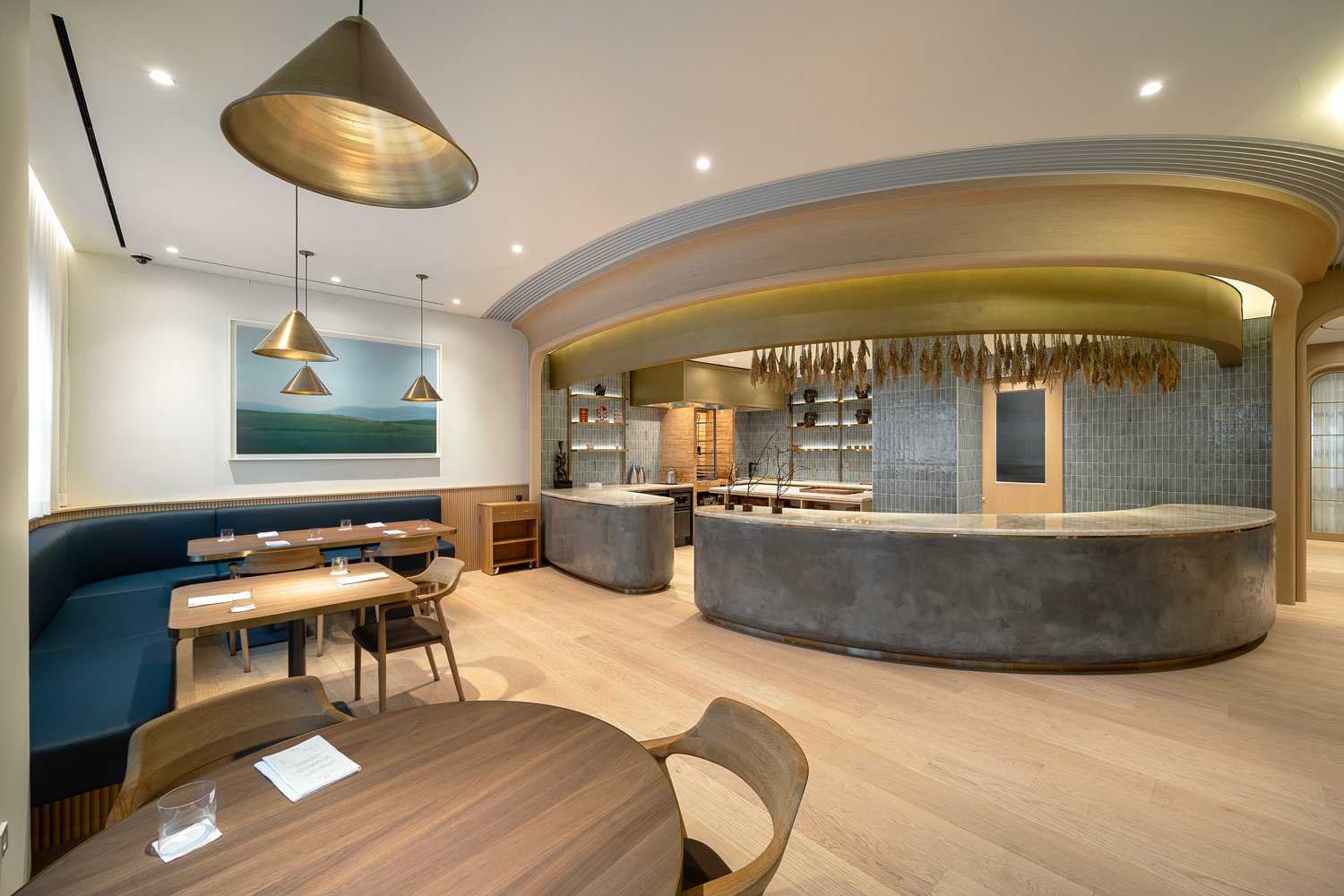
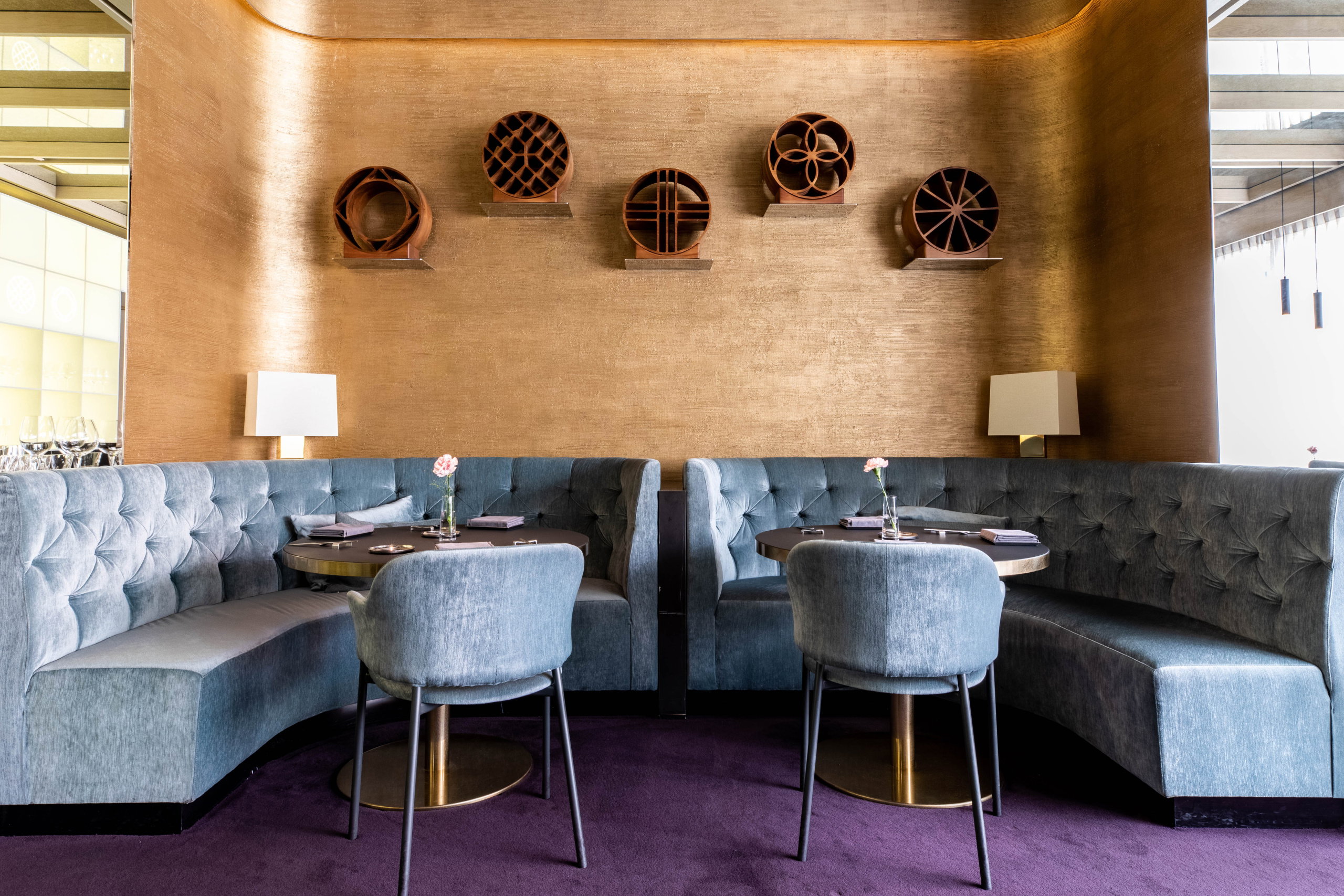
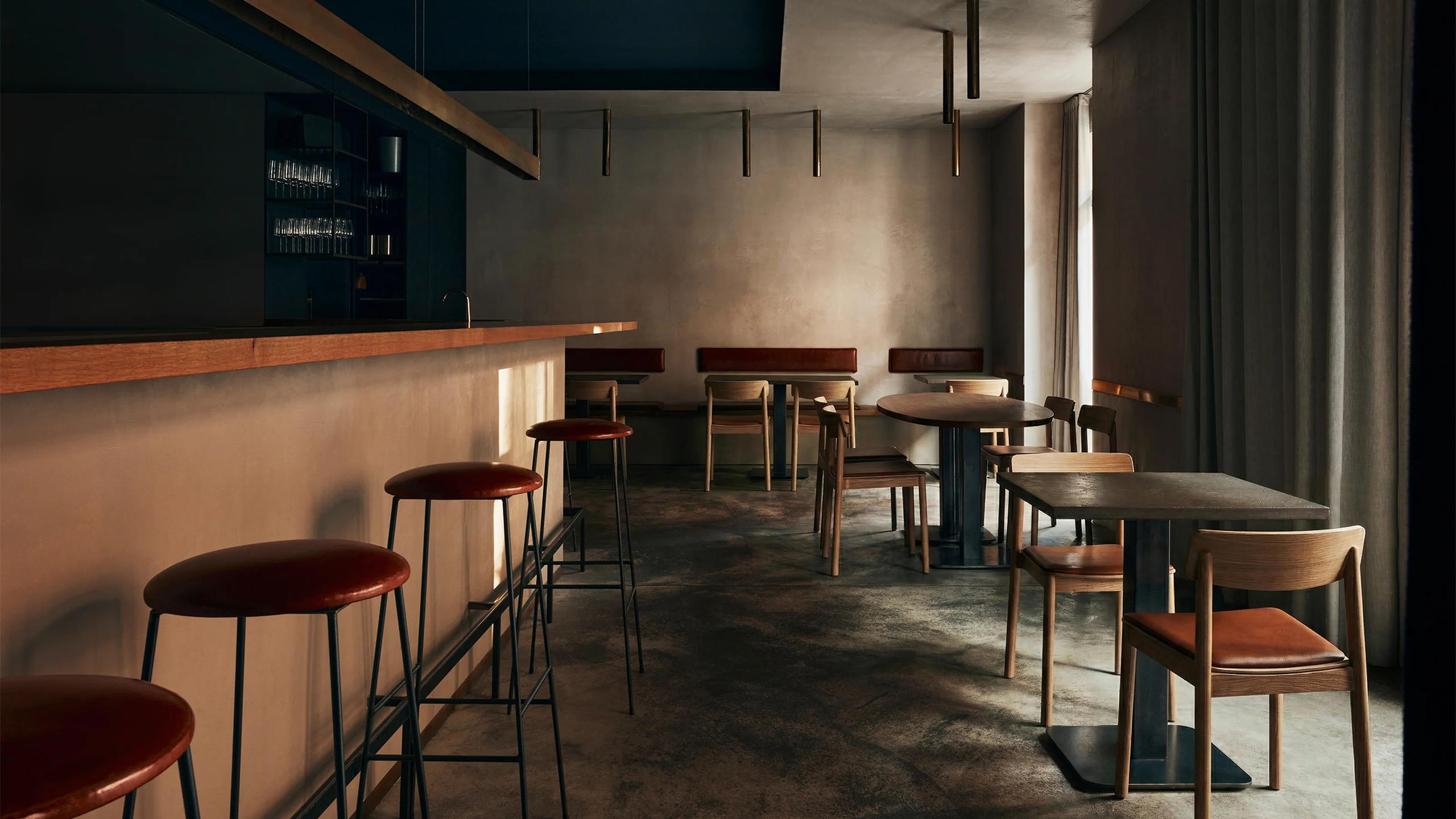
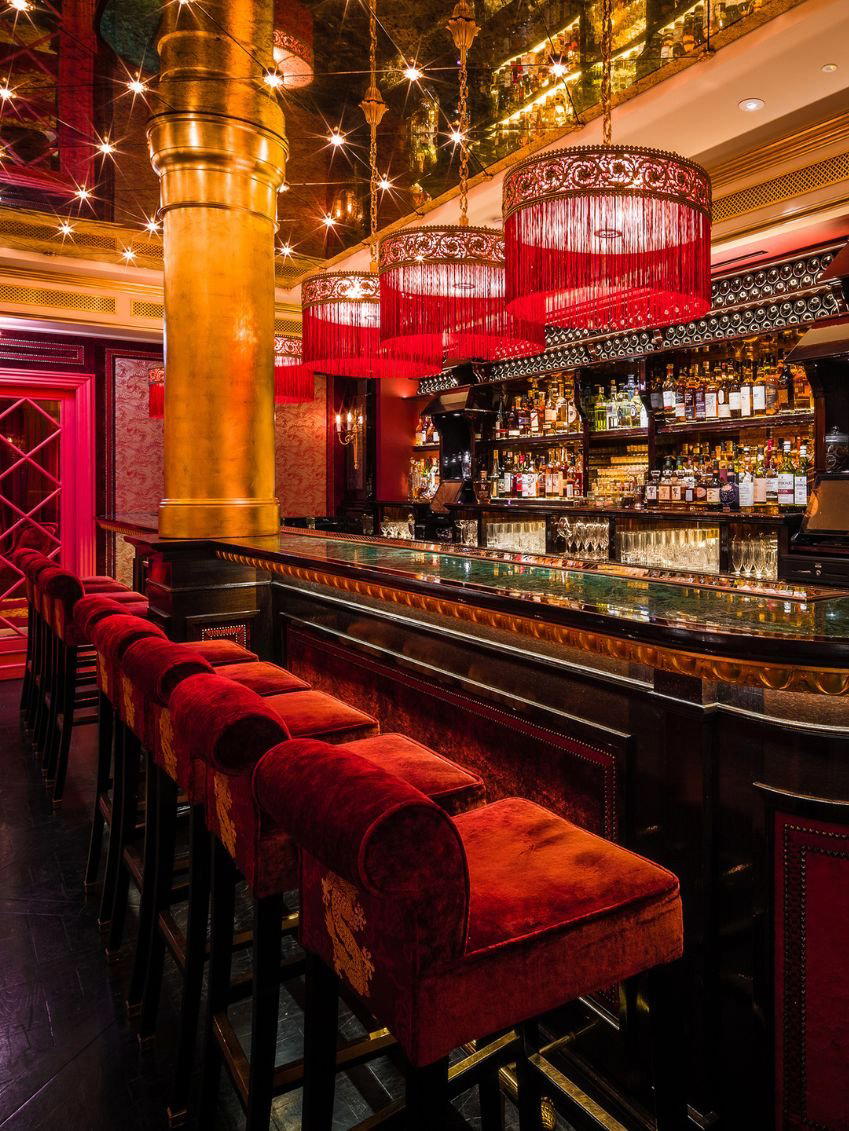
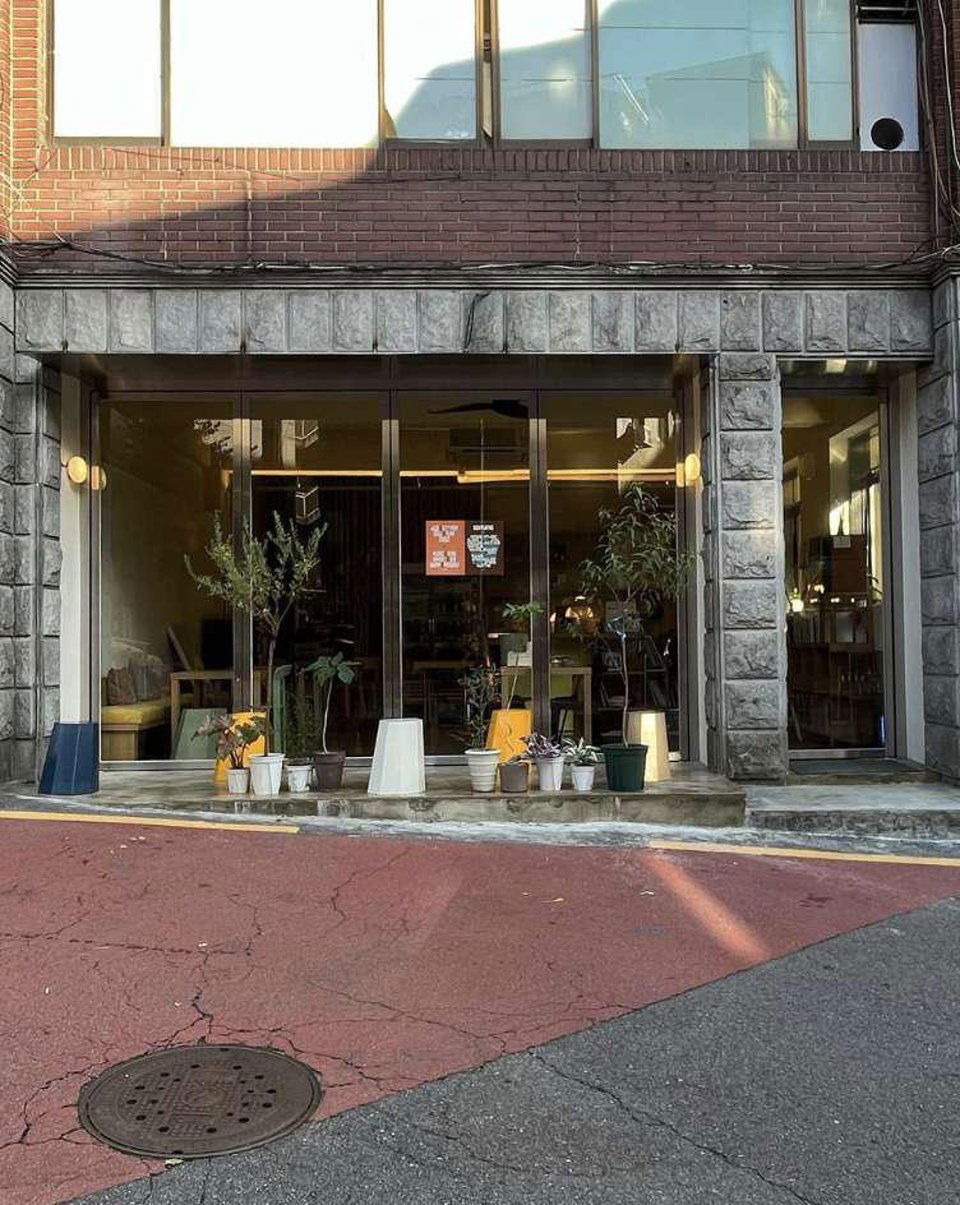
Clos de Yong presents as a refined, sommelier-led room that privileges wine above all else. Located on the fourth floor of a low-key Sinsa-dong building and reached by elevator, the setting deliberately removes you from street-level bustle; the result is a restrained, intimate atmosphere that reads as both classic and sophisticated. The program leans on French and Burgundian reference points and a disciplined approach to service, so the focus is on producer provenance and the conversation between glass and plate rather than on theatricality. It feels like a quiet, considered space for people who come to drink with attention.
Best For
This room is best for evenings when the wine list is the point of the visit: date nights, solo tastings and anyone seeking a concentrated wine experience. Because the venue is described as reservation-forward and removed from foot traffic, it suits people who want an attentive, unhurried night rather than a casual drop-in. The pairing-forward food program makes it particularly appropriate for diners who treat their meal as part of a structured wine narrative rather than a standalone culinary exploration. It’s a venue for focused drinking and conversation rather than a boisterous night out.
Ordering Tips
Treat the sommelier as the primary guide: ask for pairing-driven recommendations and be open to producer-focused selections rather than familiar brands. Because the house frames food around the wine, describe any preferences or aversions up front so the pairing logic can work as intended. Plan ahead—the elevator entry and ‘not a drop-in’ framing suggest reservations are advisable—and allow the service to structure the progression of pours rather than assembling the experience piecemeal. Expect disciplined service and a list that rewards curiosity about provenance.
Venue details
Ambiance
Quiet atmosphere with seating only at the bar, allowing easy conversation with the sommelier.
Tags
Vibe
Best For
Experience
Format
At the Bar
- Bar Category
- Wine Bar
Know before you go
Know Before You Go
- Getting there
- South Korea, Seoul, Gangnam District, Sinsa-dong, 640-13 로이빌딩 4층
Planning details
Location
South Korea, Seoul, Gangnam District, Sinsa-dong, 640-13 로이빌딩 4층 · Directions
Recognition and awards

Also consider
Also Consider
- SAHM, Notable alternative
- Pine & Co, Notable alternative
- Wine Clubhouse, Notable alternative
- Polestar, Notable alternative
- Alice Cheongdam, Notable alternative
Bar context
How Clos de Yong compares in Seoul
Clos de Yong is the practical pick when wine credibility and easy booking matter more than a cocktail-bar spectacle. Against Alice Cheongdam, it is the calmer choice for a date built around wine rather than mixed drinks. Against Pine & Co, it makes more sense when the group wants a bottle-led evening instead of a broader bar crawl.
Wine Clubhouse is the closest cross-shop for readers who want the wine decision to drive the night. Choose Clos de Yong if Gangnam access and easier planning are the priorities; choose Wine Clubhouse if the group is comparing wine-focused rooms and wants another option before committing.
SAHM and Polestar are better comparison points when ambiance and availability are carrying the decision. Clos de Yong is the more direct answer for a special-occasion drink in Sinsa-dong, especially when the group wants recognized wine credentials without turning the booking into a long-lead project.
Explore Seoul
Around this place
Discover more on Pearl
Unlock the full Clos de Yong guide in Pearl, including awards, comparisons, FAQs, planning details, and nearby places.
Compare Clos de Yong
| Venue | Location | Awards |
|---|---|---|
| Clos de Yong | Seoul | Star Wine Lists 2026 |
| SAHM | Seoul | No published awards |
| Pine & Co | Seoul | 2025 Asia's 50 Best Bars · #52Top 500 Bars 2025 · #425Tatler Best Bars Asia-Pacific 20252024 Asia's 50 Best Bars · #50 |
| Wine Clubhouse | Seoul | No published awards |
| Polestar | Seoul | No published awards |
| Alice Cheongdam | Seoul | No published awards |



How Clos de Yong Seoul compares with similar nearby venues.
FAQ
Frequently Asked Questions
Is the food good at Clos de Yong?
The cuisine, menu format, chef, dishes, or price range are not specified here. The accolade is Star Wine List recognition in 2026, so confirm current food details directly if dining is important to your plan.
Does Clos de Yong have outdoor seating?
Outdoor seating is not mentioned in the venue details. Plan around the basics instead: Clos de Yong is in Seoul, has a smart casual dress code, and opens in the evening Monday through Saturday.
Is Clos de Yong open late?
Yes. Clos de Yong is open 7 PM to 1 AM Monday through Saturday and is closed on Sunday.
Does Clos de Yong have happy hour deals?
Is Clos de Yong good for a date?
It can fit a date plan if you want a smart casual Seoul venue with late-evening hours and Star Wine List recognition. Avoid assuming a specific cuisine, seating style, or tasting-menu format unless you confirm it directly.
What's the best time to go to Clos de Yong?
The hours are 7 PM to 1 AM Monday through Saturday. Go after opening for an earlier evening plan, or later if you are using it as a late-evening stop.
Is Clos de Yong good for groups?
Group suitability is not specified. If you are planning for a group, contact Clos de Yong directly to confirm seating, booking, and service arrangements.