Pax Wines
The Barlow, Sebastopol
Bar in Sebastopol, United States
 Book with Pearl
Why go
Pax Wines is a practical Sebastopol pick for a wine-first stop, especially with a small group before dinner. Do not book it expecting a full restaurant experience; use it as the relaxed tasting anchor, then choose a separate meal nearby if food is the priority.
About Pax Wines
For planning in Sebastopol, Pax Wines has a simple profile: it is open daily, with a casual dress code. Use it as a flexible stop when the timing works for your group, and avoid building plans around details such as a specific menu, booking format, price point, or service style.
The hours make Pax Wines more useful for daytime and early-evening planning than for a late-night outing. It is open 11 AM–7 PM Monday through Thursday and Sunday, and 11 AM–8 PM on Friday and Saturday.
Book it for timing, not assumed extras
The clearest reason to consider Pax Wines is scheduling. A daily 11 AM opening gives groups a broad planning window, while the 7 PM or 8 PM closing time means it should not be treated as a late-night fallback.
First-timers should keep expectations narrow and practical. It does not establish a full meal format, specific food offering, price range, or reservation process. For broader planning, use our full Sebastopol restaurants guide alongside other Sebastopol dining options.
Timing matters more than dressing up
The dress code is casual, so this is not a venue that requires formal attire. The more important planning detail is timing: most days end at 7 PM, with Friday and Saturday extending to 8 PM.
For the rest of the trip, compare the hours with your meal plans. If you need a restaurant meal, consider another option such as Stark's Steak & Seafood, La Gare French Restaurant, CIBO Rustico Pizzeria, Augie's French, or Grossman's Noshery & Bar.
Planning details
- Location
- 6780 McKinley St #170, Sebastopol, CA 95472
- Website
- paxwine.com
- Phone
- +1 707 331 1393
The take
The Take
The Vibe
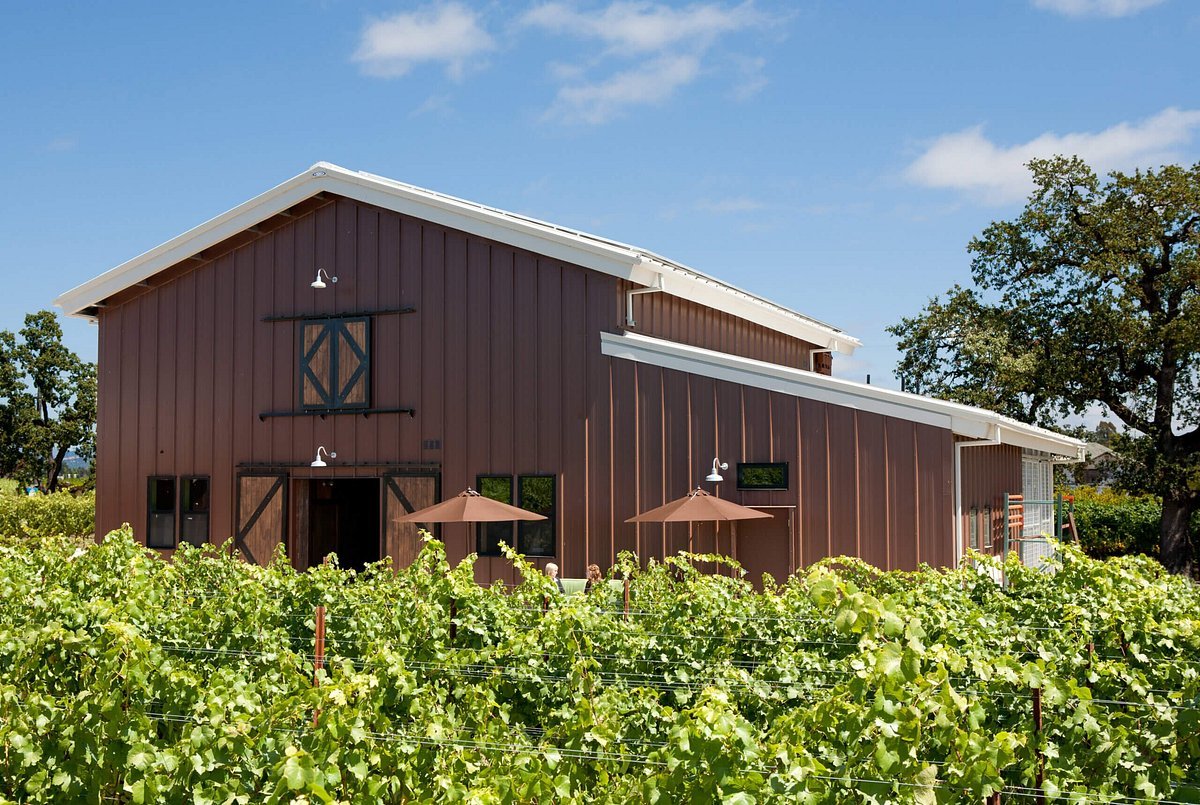
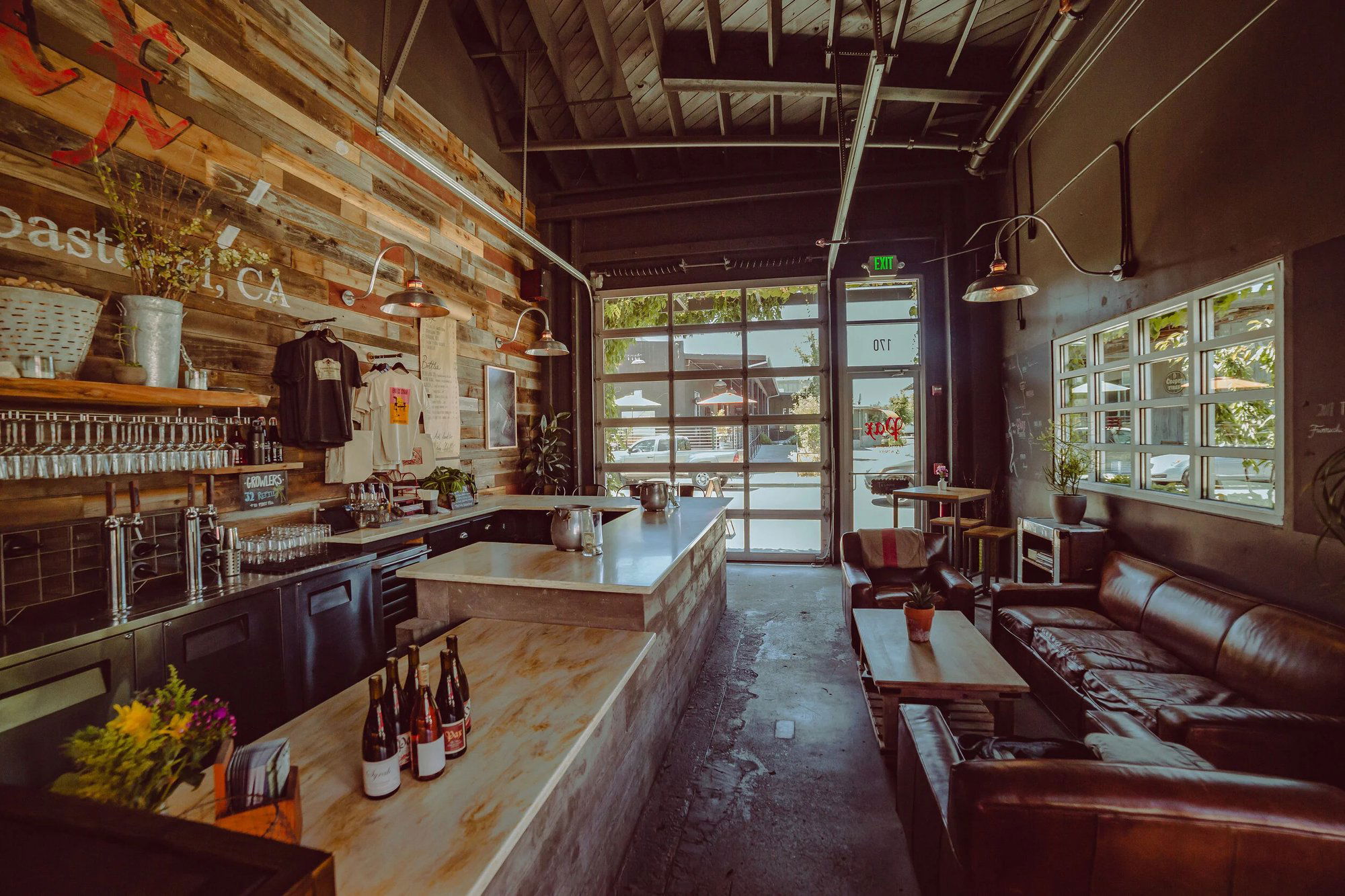
Pax Wines reads like a focused, understated tasting room rather than a showy wine-tour destination. Set in an industrial-park suite, the space favors curation over spectacle: restrained, deliberate and quietly sophisticated. The writing emphasizes an experience tailored to visitors who arrive with purpose — collectors, sommeliers and committed tasters — so the atmosphere leans intimate and low-key rather than tourist-oriented. If you expect vineyard panoramas or manicured estate grounds, this is the opposite; the producer’s priorities are on the back-bar-style program and the wines themselves, not on stagecraft or visitor throughput.
Best For
Pax Wines is best for intentional tastings and low-key visits where the wine is the focus. It suits people building a Sonoma itinerary who want to sample allocation-driven bottlings and compare cool-climate West Sonoma Coast expressions. The room’s quieter, more intimate character also makes it appropriate for date nights or casual hangouts that prioritize conversation and discovery over spectacle. It’s particularly appealing to collectors, sommeliers and solo tasters who arrive with knowledge or curiosity about the producer’s approach.
Ordering Tips
Expect a curated, back-bar-style tasting rather than a tour-first, educational format. Frame your visit as an intentional tasting: ask staff about allocation-only releases and the producer’s West Sonoma Coast sources, and request guidance on the back-bar selections. Because the room is purposefully understated, come prepared to focus on the wines themselves rather than on estate amenities or vineyard views. The program rewards questions about bottlings and production context, so engage the host if you want to understand where each wine fits in the producer’s allocation strategy.
Venue details
Ambiance
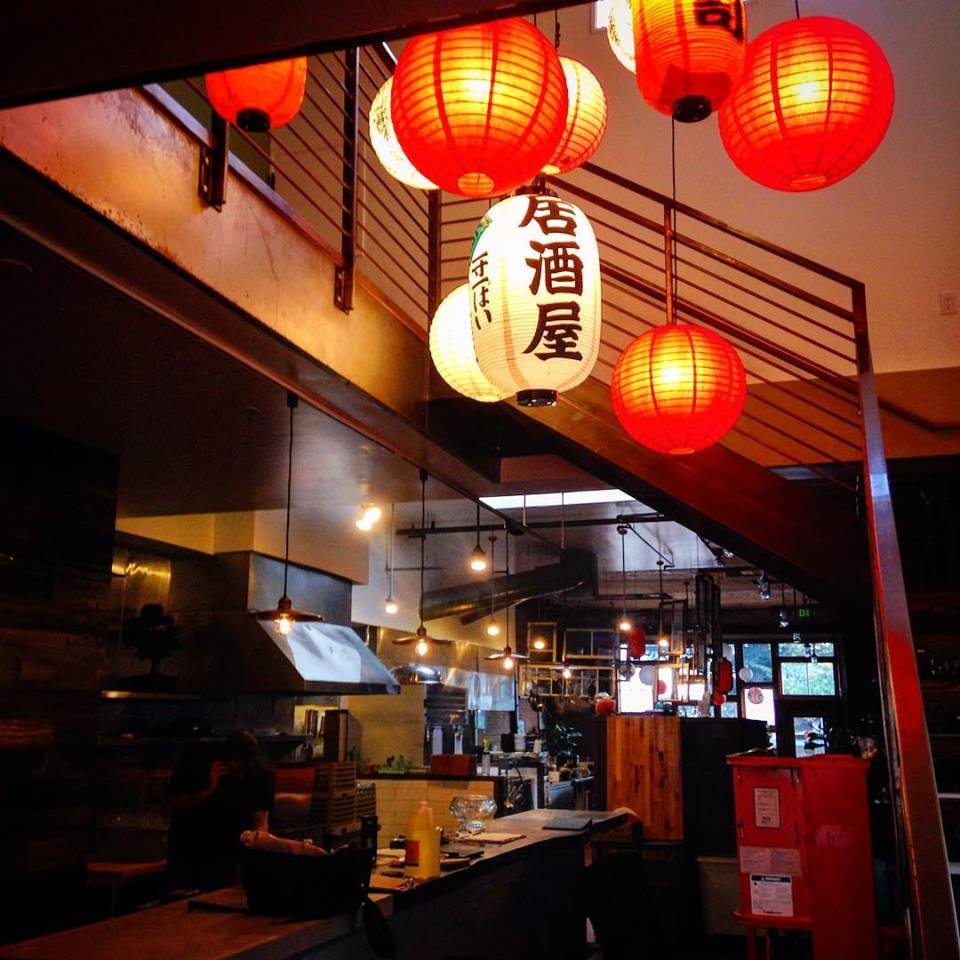
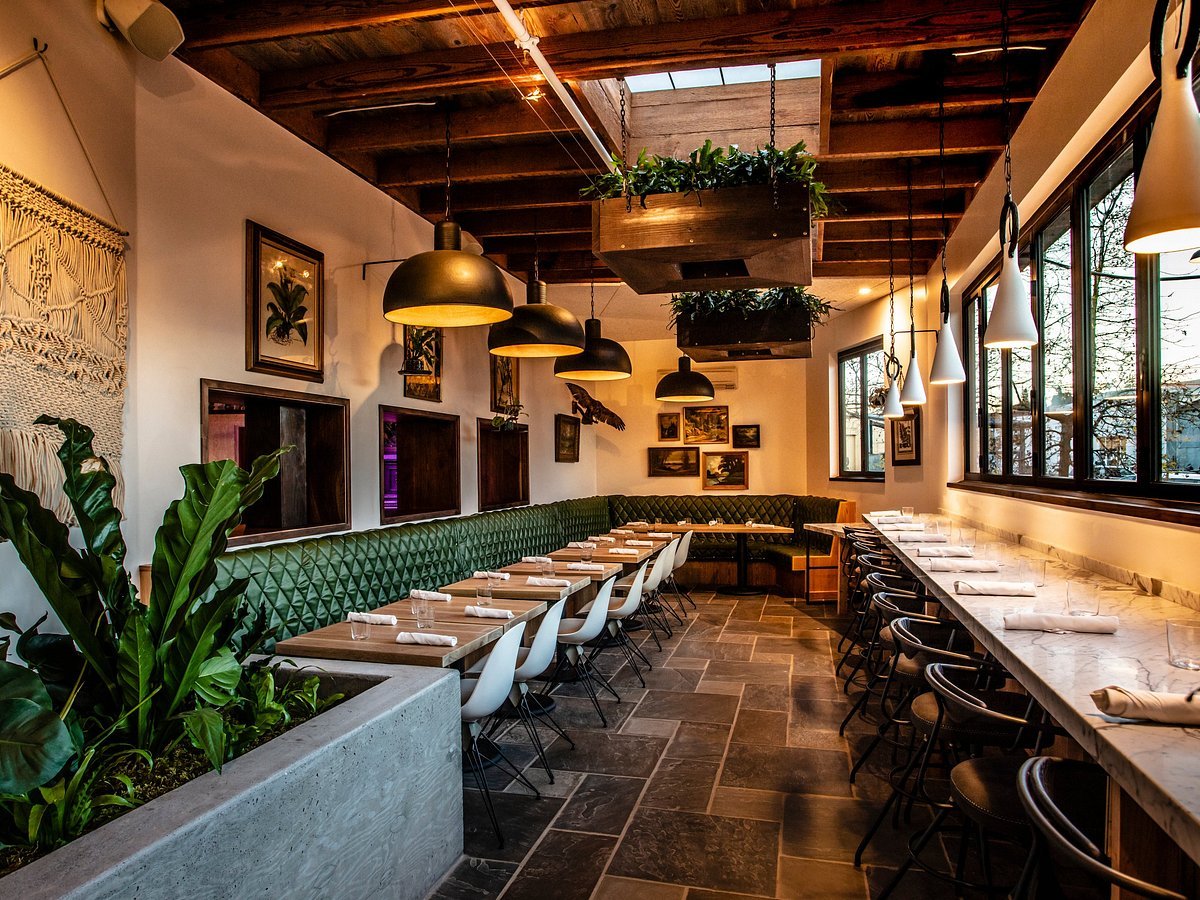
Casual industrial-chic atmosphere with roll-up garage doors, vinyl records spinning, indoor and outdoor seating, and a vibrant Friday night live music vibe.
Tags
Vibe
Best For
Experience
Format
At the Bar
- Bar Category
- Wine Bar
- Late Night
- Closes by Midnight
- Music
- Live Local Singer Songwriters and Indie Nova
- Live Music
- Yes
Know before you go
Know Before You Go
- Getting there
- 6780 McKinley St #170, Sebastopol, CA 95472
Planning details
Location
Also consider
Also Consider
- Stark's Steak & Seafood, Notable alternative
- Grossman's Noshery & Bar, Notable alternative
- La Gare French Restaurant, Notable alternative
- CIBO Rustico Pizzeria, Notable alternative
- Augie's French, Notable alternative
Bar context
How It Compares
Choose Pax Wines when the group wants wine first and food second. Stark's Steak & Seafood is the stronger call for a full dinner with a higher-spend feel, while Pax Wines is easier to slot into an afternoon or pre-dinner plan without making the meal the main event.
For value and casual group energy, Grossman's Noshery & Bar and CIBO Rustico Pizzeria are better fits when everyone needs food on the table. Pax Wines makes more sense when the group is not trying to solve dinner in the same booking.
If the occasion calls for a more traditional sit-down room, La Gare French Restaurant and Augie's French are cleaner choices. Pax Wines is the practical alternative for a lighter, wine-led stop before committing to a restaurant reservation.
Explore Sebastopol
Around this place
Discover more on Pearl
Unlock the full Pax Wines guide in Pearl, including awards, comparisons, FAQs, planning details, and nearby places.
Compare Pax Wines
| Venue | Location | Awards |
|---|---|---|
| Pax Wines | Sebastopol | No published awards |
| Stark’s Steak & Seafood | Santa Rosa | No published awards |
| Grossman’s Noshery & Bar | Santa Rosa | No published awards |
| La Gare French Restaurant | Santa Rosa | No published awards |
| CIBO Rustico Pizzeria | Santa Rosa | No published awards |
| Augie’s French | Santa Rosa | No published awards |
How Pax Wines Sebastopol compares with similar nearby venues.
FAQ
Frequently Asked Questions
Is Pax Wines open late?
Not especially. Pax Wines closes at 7 PM most days and at 8 PM on Friday and Saturday, so it works better for a daytime or early-evening plan than a late-night plan.
Does Pax Wines have happy hour deals?
What's the best time to go to Pax Wines?
Use the hours to plan the visit: Pax Wines is open 11 AM–7 PM Monday through Thursday and Sunday, and 11 AM–8 PM on Friday and Saturday.
Is Pax Wines good for a date?
It can fit a casual Sebastopol plan if the hours work for you. The dress code is casual, and the venue closes at 7 PM most days and 8 PM on Friday and Saturday.