
Bar in Scottsdale, United States
Roaring Fork
100ptsOpen-Flame Western Cooking
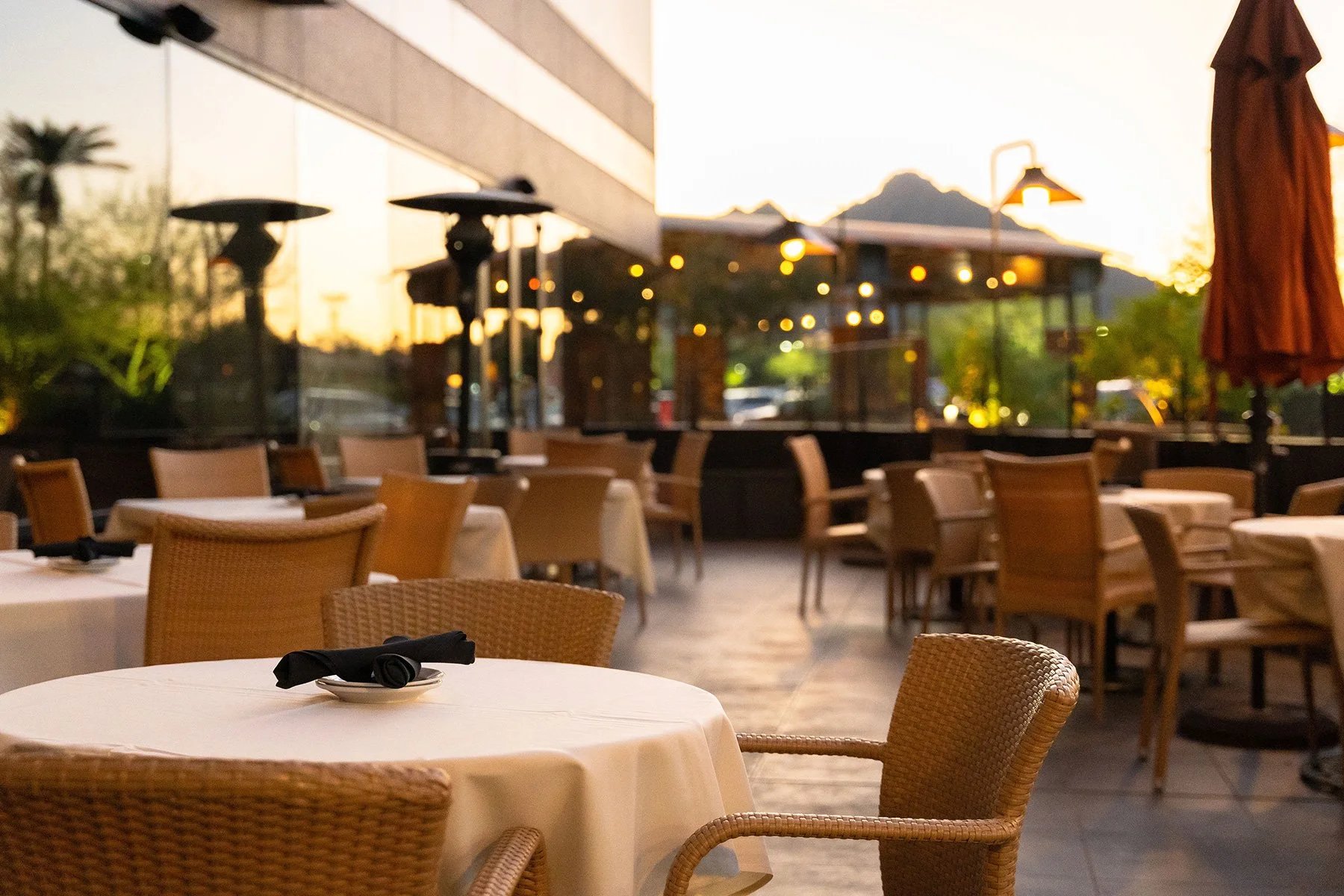
About Roaring Fork
Roaring Fork sits on North Scottsdale Road in the heart of Scottsdale's dining corridor, drawing on the American Southwest's ranching and open-fire cooking traditions. The restaurant channels the region's appetite for bold, wood-fired flavors in a setting that reads more roadhouse than resort. It occupies a specific lane in Scottsdale's mid-to-upscale dining tier, where Western culinary identity meets a well-traveled clientele.
Wood, Fire, and the American West
The American Southwest has always had a particular relationship with fire. Before gas ranges and induction cooktops reshaped restaurant kitchens across the country, the open flame was both a necessity and a statement of intent in the high desert. Scottsdale's dining scene, which has matured considerably over the past two decades from steakhouse-and-resort monoculture into a genuinely varied culinary city, still reserves a specific kind of reverence for the wood-fired tradition. Roaring Fork, located at 4800 N Scottsdale Rd, plants itself firmly in that tradition, occupying a stretch of road that sits between Old Town's concentrated energy and the more spread-out resort corridor to the north.
The name telegraphs its intent. Fork country, ranching country, open-fire country. This is cooking that draws a line back to the region's cattle and land culture, where the meal was determined by what came off the range and what could be cooked over hardwood. That cultural thread runs through a particular tier of Scottsdale restaurants, venues that position themselves somewhere between the white-tablecloth steakhouse and the casual American grill, and Roaring Fork works within that middle register with a Western identity that feels more considered than decorative.
Where Roaring Fork Sits in Scottsdale's Dining Order
Scottsdale's restaurant scene segments fairly cleanly by price point and format. At the upper end, hotel-anchored fine dining venues and destination tasting menus compete for expense-account and special-occasion spend. Below that, a dense middle tier of chophouses, American grills, and concept-driven casual restaurants captures the majority of the city's dining traffic, from Old Town regulars to convention attendees. Roaring Fork occupies this middle-to-upper-casual zone, where the emphasis is on generous portions, strong bar programs, and a room that reads comfortable rather than ceremonial.
That positioning matters in a city where the competition within any given tier is substantial. Comparison venues in the accessible chophouse and American grill category include spots like Hand Cut Chophouse, Bourbon and Bones Chophouse and Bar, and Cold Beers and Cheeseburgers, each of which carves out a slightly different identity along the price and format spectrum. Roaring Fork differentiates through its wood-fire framework and Western American culinary identity, which gives it a more specific cultural anchor than the generic American grill format.
For visitors arriving along the North Scottsdale Road corridor, the address places Roaring Fork in a stretch with reasonable access from the major resort properties clustered in that zone, and within the broader walkable and driveable radius that most Scottsdale visitors operate in. Those arriving from Old Town, roughly two miles south, typically drive or use a rideshare; the address does not lend itself to foot traffic in the way that the Old Town dining cluster does.
The Cultural Argument for Wood-Fire Cooking in Arizona
What separates a venue with genuine regional culinary roots from one that deploys Western aesthetics as a design choice is the degree to which the cooking connects to a legible tradition. Arizona's food culture draws from multiple histories: the indigenous agricultural traditions centered on corn, beans, and squash; the Spanish and Mexican ranching heritage that shaped the cattle industry across the territory; and the Anglo-American settlement-era cooking that brought cast iron, wood fire, and large-format meat preparation into the mainstream. The wood-fire tradition that informs Roaring Fork's positioning sits at the intersection of the ranching and settlement layers of that history.
Across the American Southwest, a number of restaurants have built serious reputations on wood-fire cooking as both technique and identity. The practice has gained broader critical traction nationally over the past decade, with open-hearth programs appearing in cities far removed from the ranching tradition. In Scottsdale, the wood-fire format carries more contextual weight, given the region's actual agricultural and culinary history, which gives venues that use it authentically a stronger claim to the tradition than their counterparts in, say, a coastal urban market.
The Bar Dimension
In Scottsdale's mid-upscale dining tier, the bar program increasingly determines whether a restaurant captures the early-evening crowd or functions purely as a dinner destination. The city's cocktail culture has developed considerably, and venues that treat the bar as a secondary afterthought tend to lose ground to those that invest in it as a standalone draw. Roaring Fork carries a reputation for a whiskey-forward bar program that aligns naturally with its Western American identity, which gives it a functional role in an evening that might start with drinks and move to dinner, rather than beginning at the table.
For those comparing bar-forward experiences across cities, the cocktail programs at venues like Bar Leather Apron in Honolulu, Jewel of the South in New Orleans, Julep in Houston, Kumiko in Chicago, Superbueno in New York City, ABV in San Francisco, and The Parlour in Frankfurt on the Main represent the range of investment and format that serious cocktail programs take globally. Roaring Fork operates in a different register, less technically ambitious, more regionally grounded, but the whiskey focus and Western aesthetic give the bar a coherent identity that complements the food program rather than existing in parallel to it.
Within Scottsdale itself, the bar options near Roaring Fork's address include venues like 7133 E Stetson Dr, AC Lounge, Alo Cafe, and Arcadia Farms Cafe, each occupying a different niche in the city's daytime and evening drinking culture. Roaring Fork sits apart from that cluster by functioning primarily as a dinner destination with bar seating, rather than a standalone bar that also serves food.
Planning a Visit
Roaring Fork's location at 4800 N Scottsdale Road places it in one of the city's busier dining corridors, which means parking and access are generally direct for those driving. The venue draws a mix of local regulars and hotel guests from nearby properties, which means weekend evenings can run at capacity; checking availability in advance is advisable for groups of four or more. For visitors building a broader Scottsdale itinerary, our full Scottsdale restaurants guide maps the city's dining options by neighborhood and format, providing useful context for understanding how Roaring Fork fits into the larger picture. Seasonal timing matters in Scottsdale: the winter and spring months from November through April bring the city's peak visitor volume, when demand across all mid-upscale venues runs higher and planning further ahead pays off.
Frequently Asked Questions
- What cocktail do people recommend at Roaring Fork?
- Roaring Fork's bar program leans into American whiskey, which aligns with both its Western culinary identity and the broader preferences of Scottsdale's mid-upscale dining crowd. Whiskey-based cocktails and straight pours are the natural starting point at the bar, consistent with the venue's ranching-era cultural frame. For visitors whose reference point is more technically driven cocktail programming, venues like Kumiko in Chicago or Jewel of the South in New Orleans operate in a different tier of cocktail ambition.
- What is the main draw of Roaring Fork?
- The primary appeal is the wood-fire cooking format anchored in a Western American culinary tradition, combined with a bar program that gives the venue a dual function as both a dinner destination and a place to drink well. In Scottsdale's mid-to-upscale tier, that combination of a specific culinary identity and a strong bar presence positions the restaurant as a reliable choice for visitors who want a sense of regional character alongside a full dinner service.
- What is the leading way to book Roaring Fork?
- Specific booking details for Roaring Fork are not confirmed in our current data, but for a venue at this address and in this price tier in Scottsdale, advance reservations are the standard approach, particularly during the November-to-April peak season when the city's dining rooms run full most evenings. Checking the restaurant's own website or a third-party reservation platform is the practical first step; walk-ins at the bar are typically more available than table seating on busy nights.
- What is the leading use case for Roaring Fork?
- Roaring Fork functions well as a dinner anchor for visitors who want a Scottsdale-specific experience rather than a cuisine format they could find in any American city. The Western American identity and wood-fire cooking tradition give it contextual relevance to the region, making it a more grounded choice than a generic steakhouse or hotel restaurant. It works particularly well for groups that want a substantial bar program alongside dinner, or for those visiting during the cooler months when the city's restaurant traffic is at its peak and the full atmosphere of the room is most present.
- How does Roaring Fork compare to other wood-fire and Western American restaurants in Scottsdale?
- Within Scottsdale's chophouse and American grill category, Roaring Fork's differentiating factor is the specificity of its Western American identity and wood-fire technique, which gives it a more defined cultural anchor than venues that apply a broadly American grill format without a regional point of view. Comparable venues like Bourbon and Bones Chophouse and Bar and Hand Cut Chophouse compete in overlapping price territory but with different format emphases. Roaring Fork's position on North Scottsdale Road also places it in a corridor that draws both resort guests and local regulars, giving it a mixed clientele that tends to support a more versatile room dynamic than venues anchored entirely to one audience.
Related editorial
- Best Fine Dining Restaurants in ParisFrom three-Michelin-star icons to the next generation of Parisian chefs pushing boundaries, these are the restaurants that define fine dining in the world's culinary capital.
- Best Luxury Hotels in RomeFrom rooftop terraces overlooking ancient ruins to Michelin-starred hotel dining, these are the luxury hotels that make Rome unforgettable.
- Best Cocktail Bars in KyotoFrom sleek lounges to hidden speakeasies, Kyoto's cocktail scene blends Japanese precision with global influence in ways you won't find anywhere else.
Save or rate Roaring Fork on Pearl
Keep this venue in your Pearl passport, rate it after you visit, and track it alongside every other place you collect.