
Bar in San Antonio, United States
DASHI Chinese Kitchen + Bar
100ptsNorth-Side Chinese Bar Format
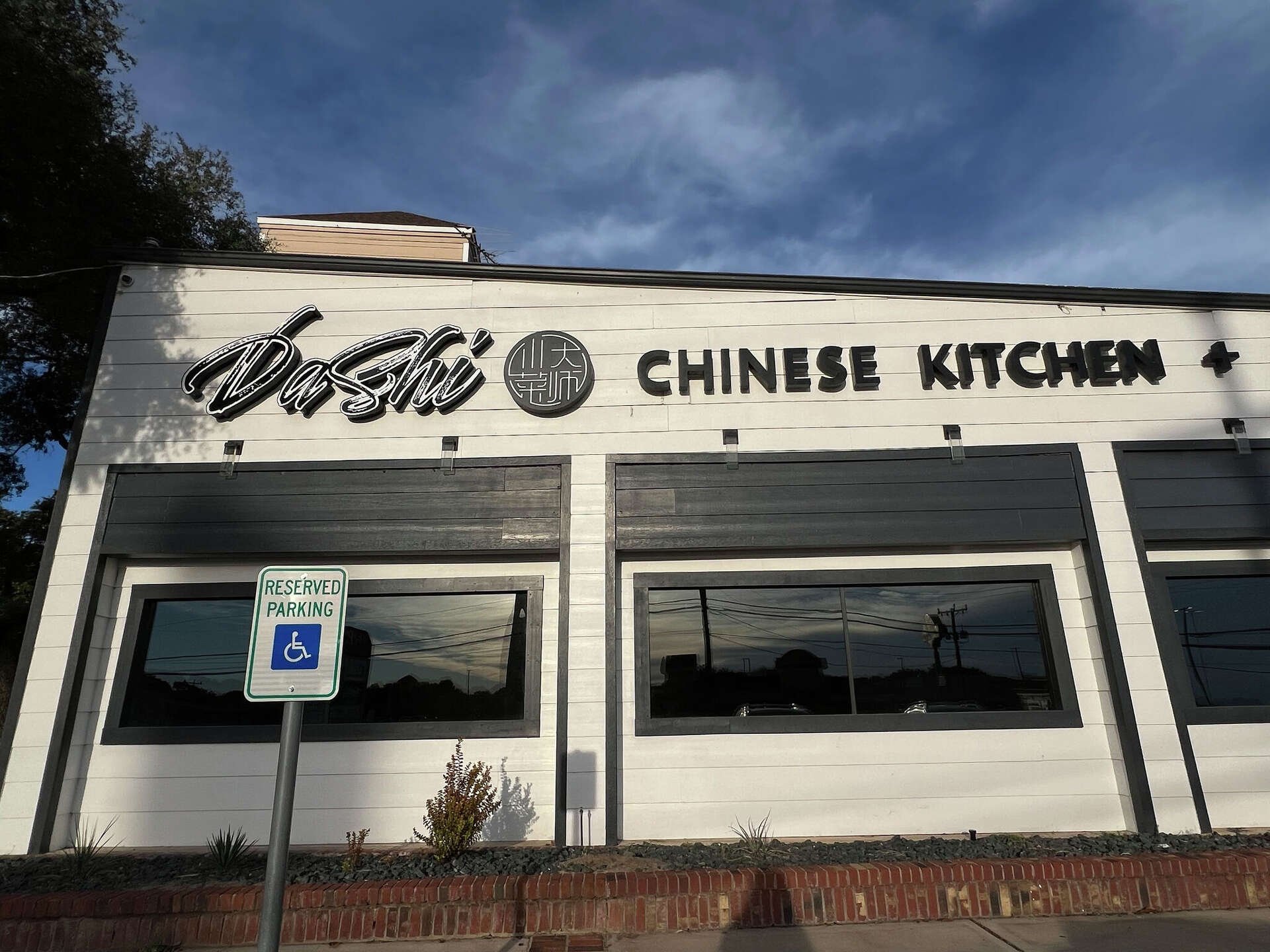
About DASHI Chinese Kitchen + Bar
DASHI Chinese Kitchen + Bar occupies a distinct position in San Antonio's dining scene, pairing a kitchen-and-bar format with Chinese culinary foundations in a city whose restaurant culture skews heavily toward Tex-Mex and barbecue. Located on Thousand Oaks Drive in the city's north side, it offers a point of differentiation for diners looking beyond the established regional canon.
Where the Format Does the Talking
San Antonio's north side restaurant corridor runs toward familiar American comfort — steakhouses, chain-adjacent Mexican, the occasional upscale Italian. DASHI Chinese Kitchen + Bar reads as a deliberate counterpoint to that pattern. The name itself signals a hybrid intent: a Chinese kitchen claim paired with a bar designation, the kind of dual-identity format that has become increasingly common in cities with more saturated dining scenes, where a standalone restaurant concept needs an additional anchor to hold evening trade. In San Antonio, that combination is less common, which gives the space a certain specificity by default.
The Kitchen + Bar format, when executed with discipline, separates atmospherically from both the formal Chinese dining room and the casual takeout model that still dominates Chinese-American restaurant culture in mid-sized American cities. The bar component shifts lighting, pacing, and sound in ways that alter how food is experienced. Counter seating, back-bar focal points, and a cocktail program running parallel to the food menu create a different social contract between kitchen and guest than a traditional table-service setup. Whether DASHI commits fully to that format distinction or treats the bar as secondary infrastructure is the operative question for anyone deciding between it and the conventional alternatives on Thousand Oaks Drive.
Chinese Kitchen in a Tex-Mex City
Texas cities have historically underserved Chinese dining relative to their population size, with Houston being the notable exception — its Bellaire Boulevard corridor represents one of the more developed Chinese restaurant districts in the American South, from Cantonese roast meats to Sichuan hot pot. San Antonio sits in a different position. The city's culinary identity is rooted in Tex-Mex tradition, with a secondary tier of barbecue, and Chinese restaurants here have tended to occupy either the budget-casual or buffet-format category rather than the kitchen-focused, bar-integrated model that DASHI signals.
That gap matters as context. Across American cities, the past decade has seen Chinese-American dining fracture along clearer lines: regional specialists (Sichuan, Cantonese, Shanghainese), refined interpretive formats, and hybrid concepts that use Chinese flavors as a platform for contemporary bar programming. Cities like Chicago have seen this play out at venues such as Kumiko in Chicago, where Japanese culinary tradition intersects with serious cocktail work , a structural analogy to what a Chinese Kitchen + Bar concept might attempt. New York's Superbueno in New York City offers a parallel in the Latin direction, using flavor-forward regional cooking as the kitchen foundation while building a genuine bar program alongside it. San Antonio's version of that equation is less populated, which creates both opportunity and expectation for a concept positioned where DASHI sits.
The Bar as Atmosphere Engine
In restaurants that carry a bar designation seriously, the drinking program tends to set the atmospheric register for the whole space. The editorial question for any Kitchen + Bar concept is whether the bar component is cosmetic , a shelf of bottles and a few cocktail options to extend revenue , or functional, meaning it shapes the energy, the pacing, and the reason people return between meals.
Across the country, bars that have built reputations inside hybrid food-and-drink concepts tend to do so through specificity: a clear point of view on spirits, a house style on ice and dilution, or a menu built around a regional or cultural flavor logic that mirrors the kitchen. Bar Leather Apron in Honolulu demonstrates how a bar operating within a dining format can develop a distinct identity , tight menu, high craft, a sense of intentionality that makes the drinks worth ordering independently of the food. Jewel of the South in New Orleans anchors its bar program in historical research, which gives it editorial clarity. Julep in Houston, geographically the closest Texas analog, built its reputation on Southern whiskey culture with precision and depth.
For DASHI, the Chinese culinary context offers genuine bar-building material: Shaoxing wine, baijiu, East Asian aromatics, and flavor profiles that translate interestingly into spirit-forward or low-ABV formats. Whether those ingredients appear as genuine building blocks in the cocktail program or as garnish-level gestures is the kind of detail that separates a bar concept from a bar designation.
San Antonio's Broader Drinking Scene
San Antonio has a more varied bar culture than its dining reputation suggests. The Pearl District anchors a higher-end food-and-drink corridor, while the broader city supports a range of independent bars that have developed their own character. 1Watson and Bar 1919 represent the city's more craft-oriented drinking options, each with a distinct identity. Alamo Beer Company takes the local production angle, while Aleteo, the Yucatán-inspired rooftop bar, shows that San Antonio's bar scene can absorb regional-culinary concepts with genuine ambition. That context matters for DASHI: the city has room for a Chinese-influenced bar program, and the audience for it exists, but it is operating in a market where the default expectation for Chinese food remains utilitarian rather than bar-integrated.
For a broader orientation to where DASHI fits among San Antonio's dining options, our full San Antonio restaurants guide maps the city's key neighborhoods and dining categories. Outside Texas, ABV in San Francisco and The Parlour in Frankfurt offer reference points for how a serious bar-first format reads when it fully commits to the concept.
Planning Your Visit
DASHI Chinese Kitchen + Bar is located at 2895 Thousand Oaks Drive in San Antonio's north side, a stretch of the city more associated with suburban commercial strips than destination dining. That address positions it as a neighborhood anchor rather than a tourist-circuit stop, which typically means a more local, return-visit-oriented customer base. Specific hours, booking methods, and pricing were not available at the time of publication; contacting the venue directly before visiting is advisable. The north side location suggests car access is the practical default, as the area is not walkable from central San Antonio hotel clusters.
Frequently Asked Questions
- What kind of setting is DASHI Chinese Kitchen + Bar?
- DASHI operates as a combined kitchen-and-bar format, a model that has grown across American cities where a single-concept restaurant benefits from a parallel bar identity to hold evening trade. In San Antonio, a city whose dining culture skews heavily toward Tex-Mex and barbecue, a Chinese Kitchen + Bar represents a less common format choice. The venue is on Thousand Oaks Drive on the city's north side, positioning it as a neighborhood destination rather than a downtown or Pearl District option.
- What should I drink at DASHI Chinese Kitchen + Bar?
- The Chinese culinary tradition offers genuine bar-building material , baijiu, Shaoxing wine, and East Asian botanical profiles translate well into contemporary cocktail formats, and the strongest Kitchen + Bar concepts use those ingredients as foundational building blocks rather than novelty additions. Comparable bars in other cities, such as Kumiko in Chicago and Bar Leather Apron in Honolulu, show what a bar program anchored in East Asian flavor logic can look like at its most developed. Specific cocktail menu details for DASHI were not available at publication; the venue is the direct source for current offerings.
- How does DASHI Chinese Kitchen + Bar fit into San Antonio's Chinese dining scene?
- San Antonio's Chinese restaurant category has historically skewed toward buffet or budget-casual formats, with limited representation of the kitchen-forward, bar-integrated model that DASHI's name signals. Compared to Houston, where the Bellaire Boulevard corridor supports a more developed range of regional Chinese dining, San Antonio has less category density , which gives a concept positioned as DASHI a clearer field but also means it is building audience expectations rather than meeting an established one. For diners accustomed to Chinese dining in larger markets, the Kitchen + Bar format here represents a meaningful step toward the interpretive, bar-integrated tier of Chinese-American dining that has emerged in cities like Chicago and New York.
Related editorial
- Best Fine Dining Restaurants in ParisFrom three-Michelin-star icons to the next generation of Parisian chefs pushing boundaries, these are the restaurants that define fine dining in the world's culinary capital.
- Best Luxury Hotels in RomeFrom rooftop terraces overlooking ancient ruins to Michelin-starred hotel dining, these are the luxury hotels that make Rome unforgettable.
- Best Cocktail Bars in KyotoFrom sleek lounges to hidden speakeasies, Kyoto's cocktail scene blends Japanese precision with global influence in ways you won't find anywhere else.
Save or rate DASHI Chinese Kitchen + Bar on Pearl
Keep this venue in your Pearl passport, rate it after you visit, and track it alongside every other place you collect.