Pago
9th and 9th, Salt Lake City
Bar in Salt Lake City, United States
 Book with Pearl
Why go
Pago is a practical Salt Lake City dinner pick if you want an easy neighborhood booking rather than a formal destination meal. It makes the most sense for first-timers planning a relaxed evening near 9th and 9th; compare VENETO Ristorante Italiano for a more occasion-driven dinner or Epic Brewing Company for a beer-focused night.
About Pago
Pago is a Salt Lake City dinner option with one clear planning signal: it serves nightly from 5–9 PM. Without specific cuisine, price range, menu format, awards, chef details, or seating specifics, it's best to evaluate it as a dinner plan to confirm directly rather than as a venue defined by a specific specialty.
Plan for a direct dinner
The case for planning around Pago is simplicity. Pago is open for dinner every day from 5–9 PM, and the dress code is smart casual. That makes it easier to place in an evening itinerary than a venue with irregular hours or a more formal stated requirement.
Because it doesn't list a fixed price range, tasting format, chef detail, award credential, or cuisine, avoid over-planning around assumptions.
Where it fits in a Salt Lake City short list
Use Pago as one Salt Lake City dinner candidate, then compare it with other options based on the kind of evening you want. Bricks Corner, East Liberty Tap House, Epic Brewing Company, Sapa, and VENETO Ristorante Italiano are useful names to check alongside it, but the best choice will depend on current menus, availability, and the group's preferences.
For planning around the city, use our full Salt Lake City restaurants guide first, then cross-check other city options in our full Salt Lake City bars guide. If the trip needs more than dinner, broader Salt Lake City planning pages can help build the rest of the itinerary.
Planning details
- Hours
- Monday: 5–9 PM · Tuesday: 5–9 PM
- Location
- 878 S 900 E, Salt Lake City, UT 84102
- Reservations
- Book on OpenTable
- Website
- pagoslc.com
- Phone
- +1 801 532 0777
The take
The Take
The Vibe
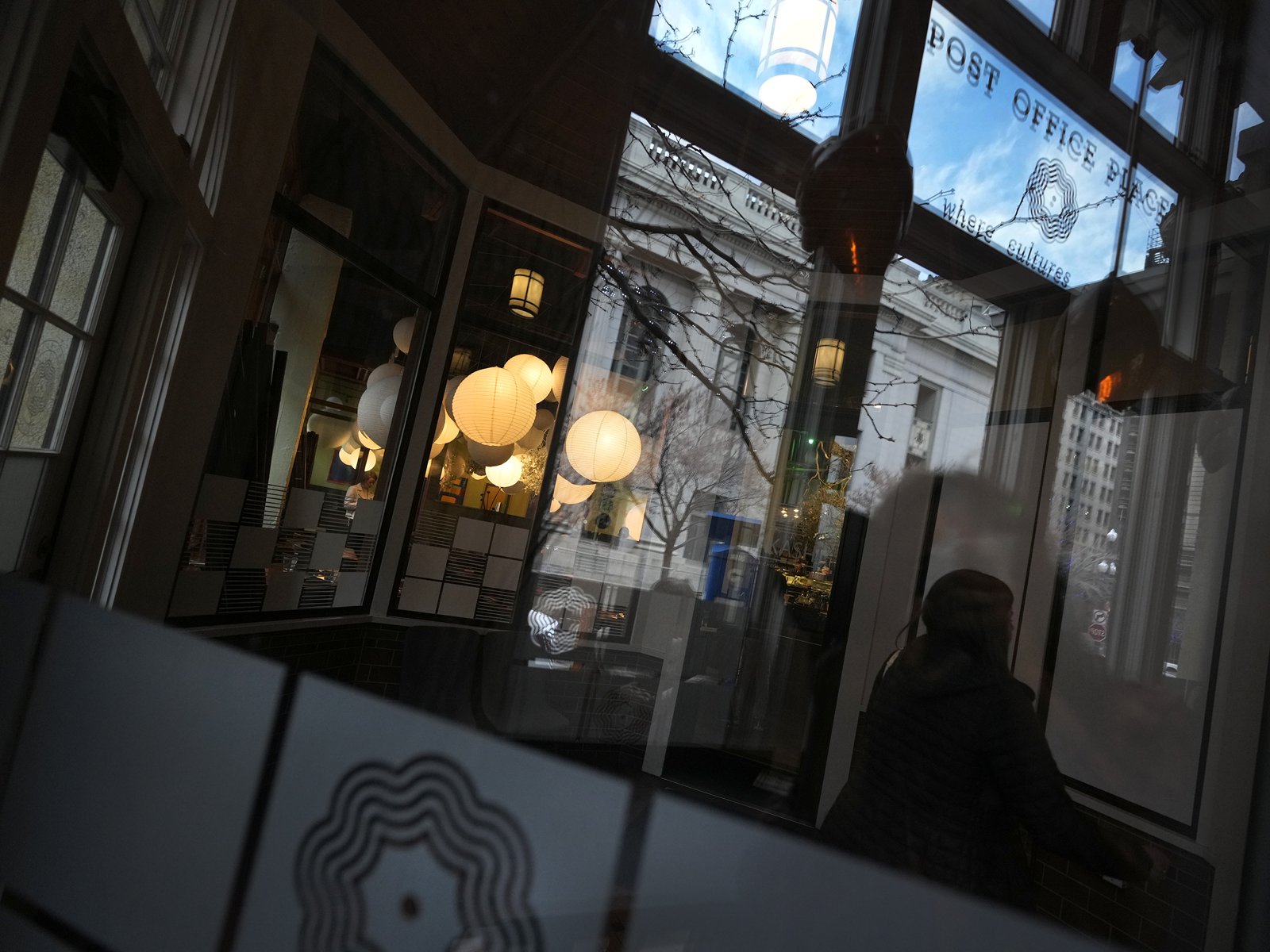
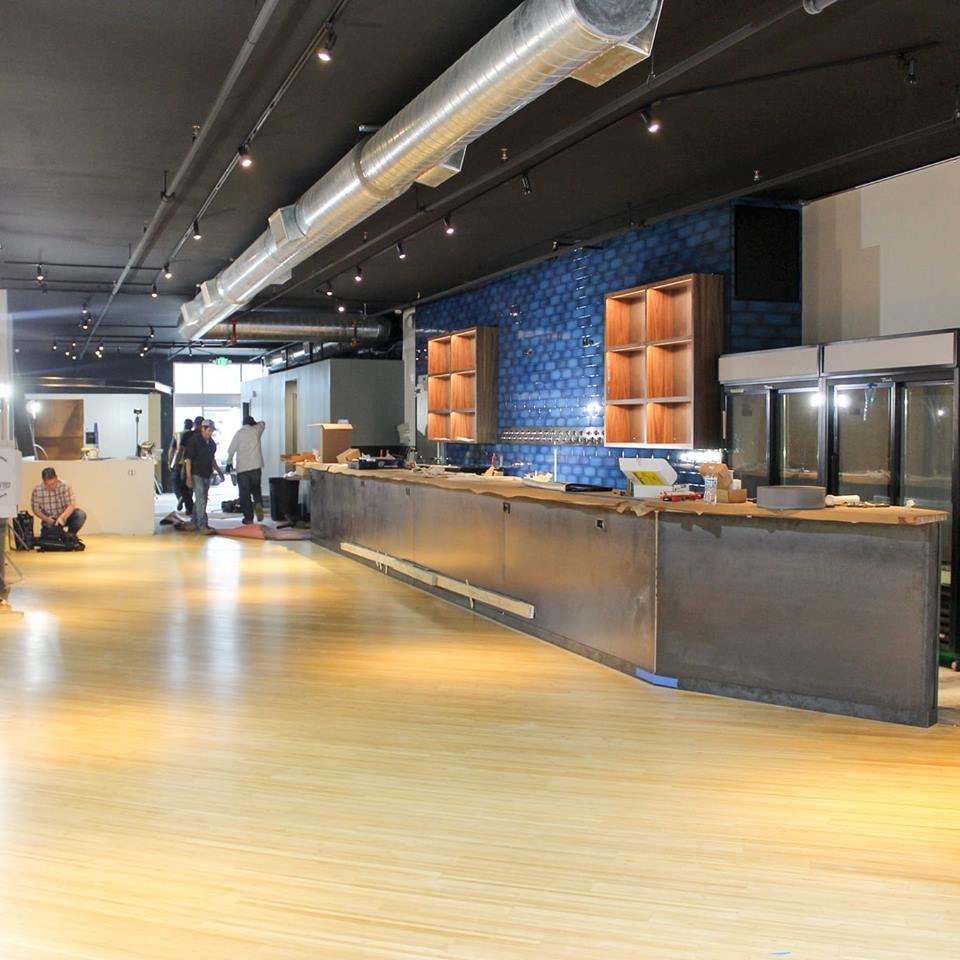
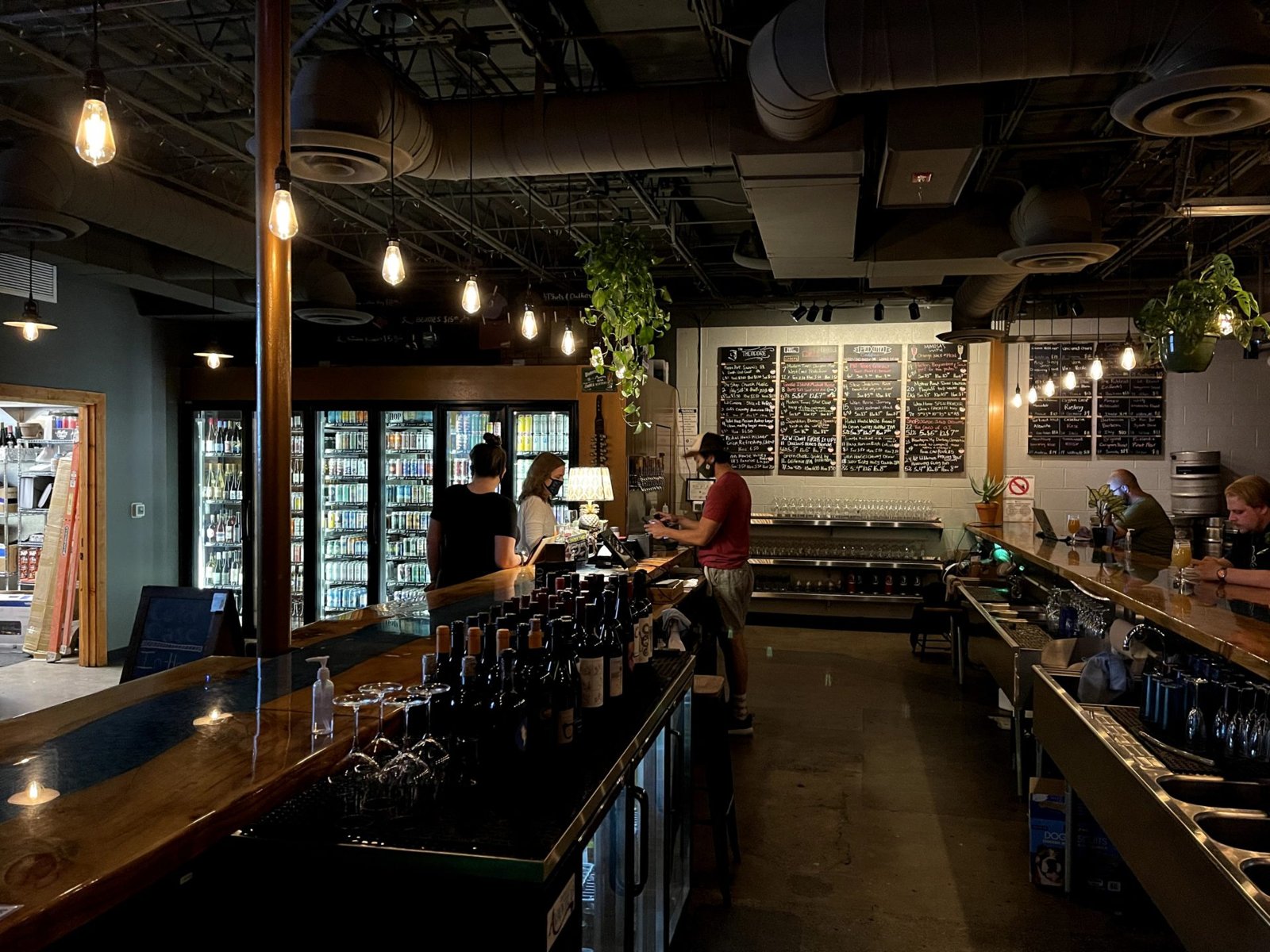
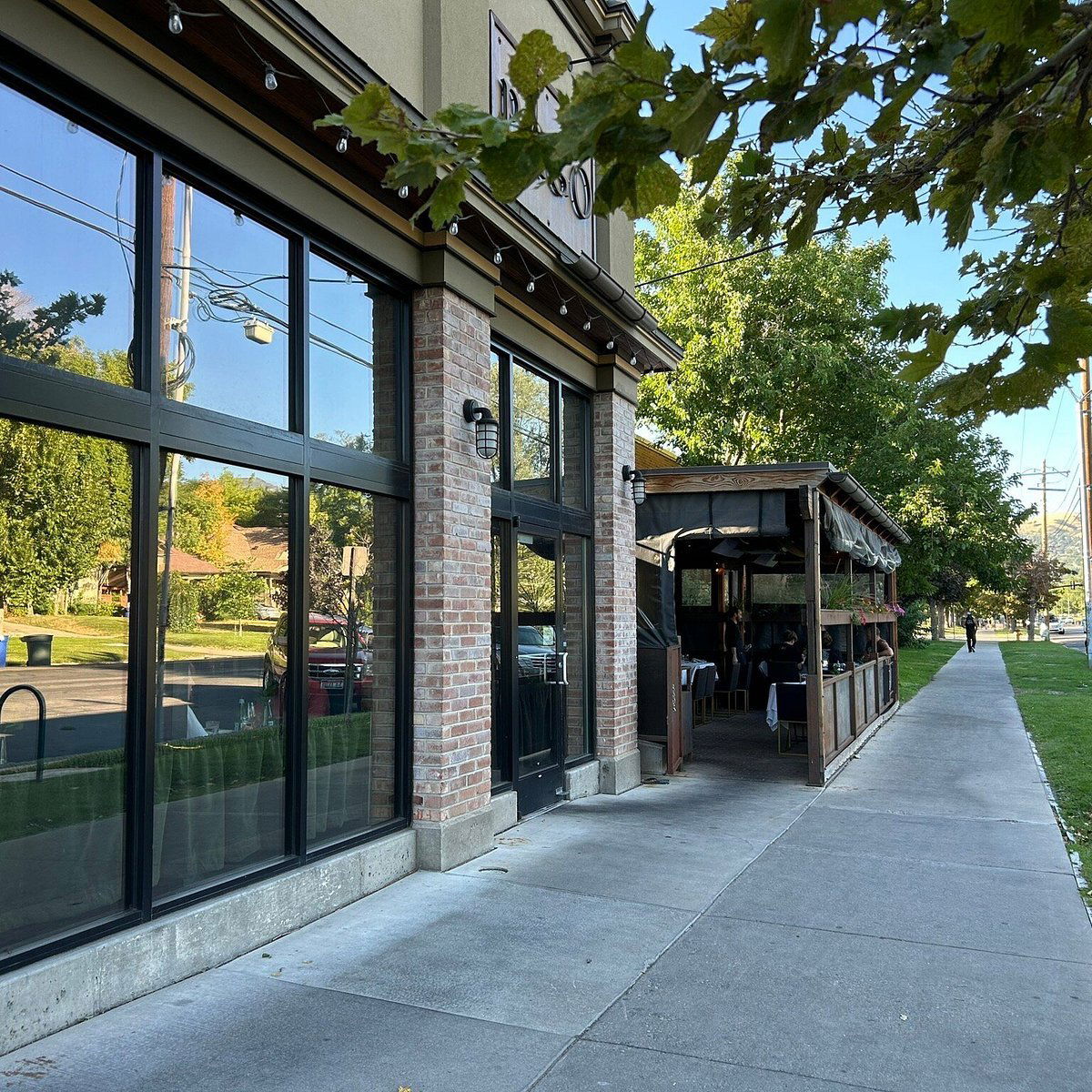
Pago reads like a neighborhood room that prizes restraint over spectacle. The building scale is domestic and the dining is intentionally low-key, favoring closer tables, lower ceilings and a bar that acts as a genuine gathering point. The kitchen is rooted in the 2010s neighborhood-restaurant tradition, sourcing-focused, seasonal and quietly confident, so the room feels considered rather than theatrical. That quiet refinement makes Pago feel intimate and lived-in: a city street‑level anchor where provenance and modest presentation are the primary gestures, and the overall atmosphere skews toward calm, sophisticated conviviality.
Best For
Pago is best for locals and visitors who want dependable, ingredient-forward meals in a low-key neighborhood setting. It suits diners looking for a relaxed evening of well-sourced dishes rather than a one-off, spectacle-driven occasion. The bar functions as a social hub for casual gatherings, and the dining room rewards repeat visits by regulars who appreciate seasonal rotation and named producers. If you favor refined, quietly sophisticated cooking in a walkable residential pocket of Salt Lake City, Pago fits that bill.
Ordering Tips
The menu at Pago organizes itself around provenance and seasonality, so start by reading producers and ingredient lists rather than hunting for technical descriptions. Dishes are built around what arrives from local sources, with ingredients listed before preparations; use those cues to choose whatever feels most in season. Treat the bar as a good spot to sample a few plates and gauge what’s freshest, and ask staff about recent arrivals or standout producers when you want guidance rooted in the menu’s sourcing logic.
Venue details
Ambiance
Intimate casual fine dining atmosphere in a historic building with focus on local and sustainable ingredients.
Tags
Vibe
Best For
Experience
Format
Accessibility
At the Bar
- Bar Category
- Wine Bar
- Late Night
- Closes by 10pm
Know before you go
Know Before You Go
- Getting there
- 878 S 900 E, Salt Lake City, UT 84102
Planning details
Hours
- Monday
- 5–9 PM
- Tuesday
- 5–9 PM
- Wednesday
- 5–9 PM
- Thursday
- 5–9 PM
- Friday
- 5–9 PM
- Saturday
- 5–9 PM
- Sunday
- 5–9 PM
Location
Also consider
Where to go if Pago is not the fit
Book VENETO Ristorante Italiano instead for a more formal date-night signal. Choose Epic Brewing Company when the plan is built around beer rather than a full dinner.
Bar context
How Pago compares in Salt Lake City
Pago is the safer pick for a flexible sit-down dinner, while East Liberty Tap House is better when the night is more casual and drinks-led. If value means ease, low planning effort, and a neighborhood feel, Pago has the edge. If value means a looser hangout with less dinner focus, East Liberty Tap House is the cleaner choice.
VENETO Ristorante Italiano reads as the more formal option for an occasion meal, so choose it when the group wants a clearer special-night signal. Pago is better for first-timers who do not want to overcommit to ceremony. Bricks Corner and Sapa are stronger cross-shops when the table wants a more specific food direction.
Epic Brewing Company is the obvious pivot if beer is the anchor of the night. Pago should be the choice when dinner comes first and the room needs to work for a date, a small group, or a weeknight plan without heavy booking stress.
Explore Salt Lake City
Around this place
Discover more on Pearl
Unlock the full Pago guide in Pearl, including awards, comparisons, FAQs, planning details, and nearby places.
Compare Pago
| Venue | Location | Awards |
|---|---|---|
| Pago | Salt Lake City | No published awards |
| East Liberty Tap House | Salt Lake City | No published awards |
| VENETO Ristorante Italiano | Salt Lake City | No published awards |
| Bricks Corner | Salt Lake City | No published awards |
| Epic Brewing Company | Salt Lake City | No published awards |
| Sapa | Salt Lake City | No published awards |
How Pago Salt Lake City compares with similar nearby venues.
FAQ
Frequently Asked Questions
Is Pago open late?
Pago runs 5–9 PM every day, so it is better suited to a standard dinner plan than a late-night meal.
Is Pago good for a date?
Pago can work for a date if the plan is a smart casual dinner in Salt Lake City during its 5–9 PM nightly service.