Bricks Corner
Liberty Wells, Salt Lake City
Bar in Salt Lake City, United States
 Book with Pearl
The Read
Price
$20–30per person
Why go
Bricks Corner is a practical Salt Lake City pick for casual groups that want an easy meal without turning dinner into a project. It is better for 4+ people, family meals, and low-pressure plans than for a formal date night or destination dinner. Treat it as a convenience-first local option, not a splurge venue.
About Bricks Corner
Bricks Corner is a Salt Lake City venue with daily hours and a casual dress code. It is open every day, with hours from 11 AM to 9 PM on Monday, Tuesday, and Sunday, and from 11 AM to 10 PM Wednesday through Saturday.
Information on cuisine, menu format, prices, chef information, awards, seating, reservation style, takeout, delivery, or outdoor seating is not available.
A better fit for casual planning than detailed comparison
The dress code is casual, so Bricks Corner is best described only as a casual Salt Lake City option. Beyond that, specific claims about group dining, date-night atmosphere, service style, or special-occasion appeal are not available.
If you are deciding among Salt Lake City dining options, use Bricks Corner's daily schedule as the main guide.
Where the decision gets easy
Choose Bricks Corner when the hours and casual dress code fit your plans. It is open daily, and its later 10 PM closing time from Wednesday through Saturday may make it easier to consider on those nights than on the 9 PM closing days.
For comparisons, options such as East Liberty Tap House, Pago, Tea Zaanti, Tokyo Tower Japanese Sushi and Chinese Cuisine, and VENETO Ristorante Italiano may serve different needs, but details about Bricks Corner are not available to rank it against them by food, service, price, or atmosphere.
Planning details
- Hours
- Monday: 11 AM–9 PM · Tuesday: 11 AM–9 PM
- Location
- 1465 S 700 E, Salt Lake City, UT 84105
- Website
- brickscornerslc.com
- Phone
- +1 801 953 0636
The take
The Take
The Vibe
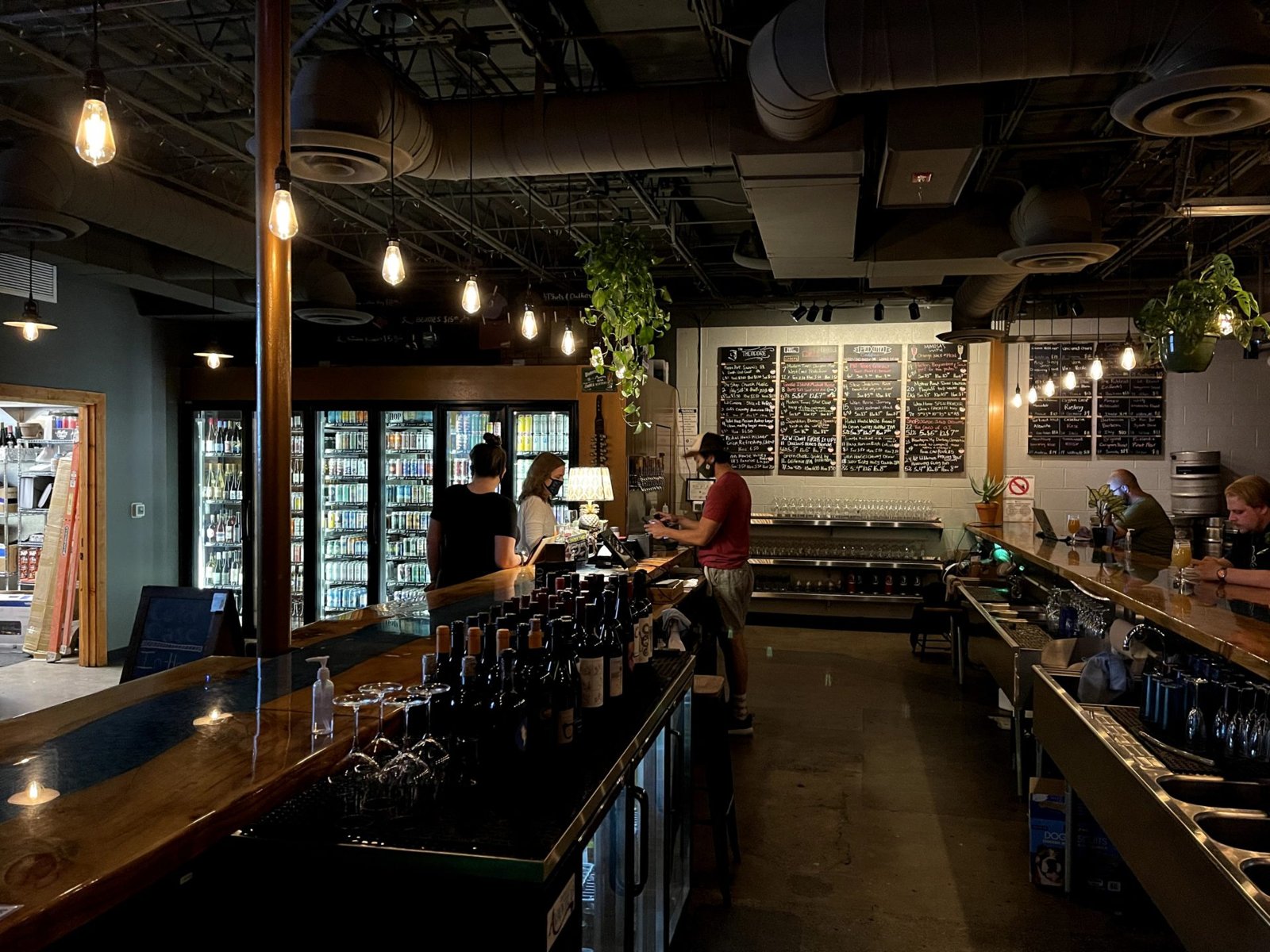
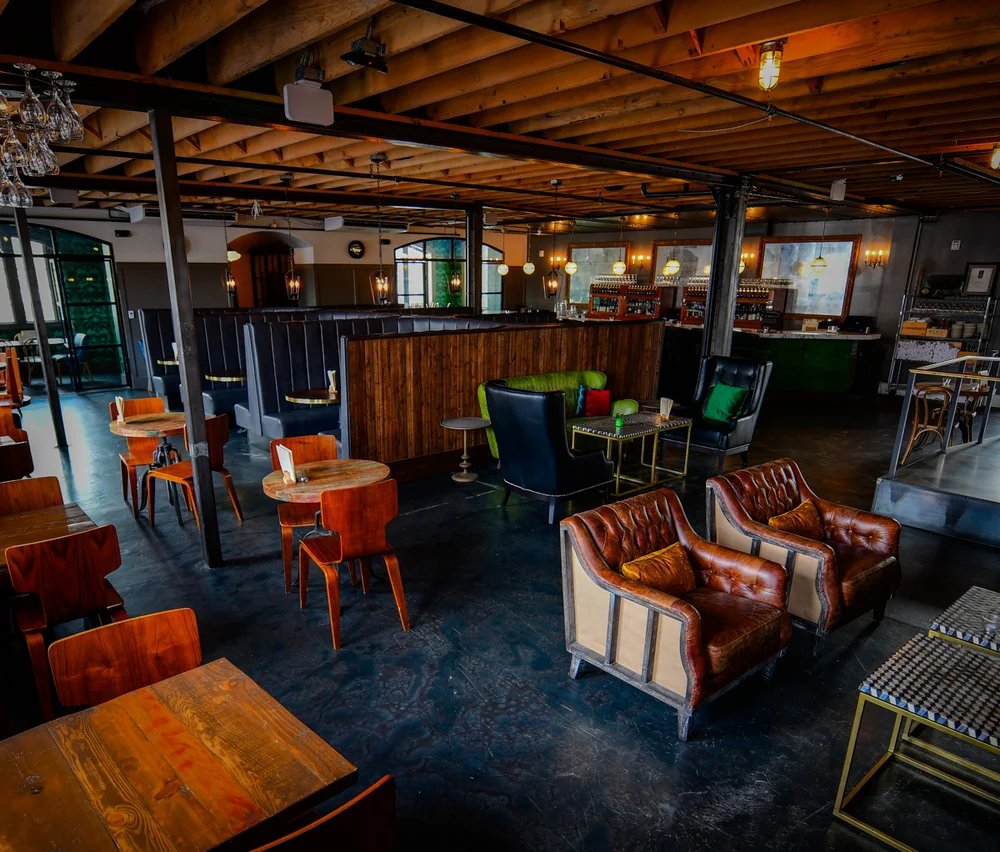
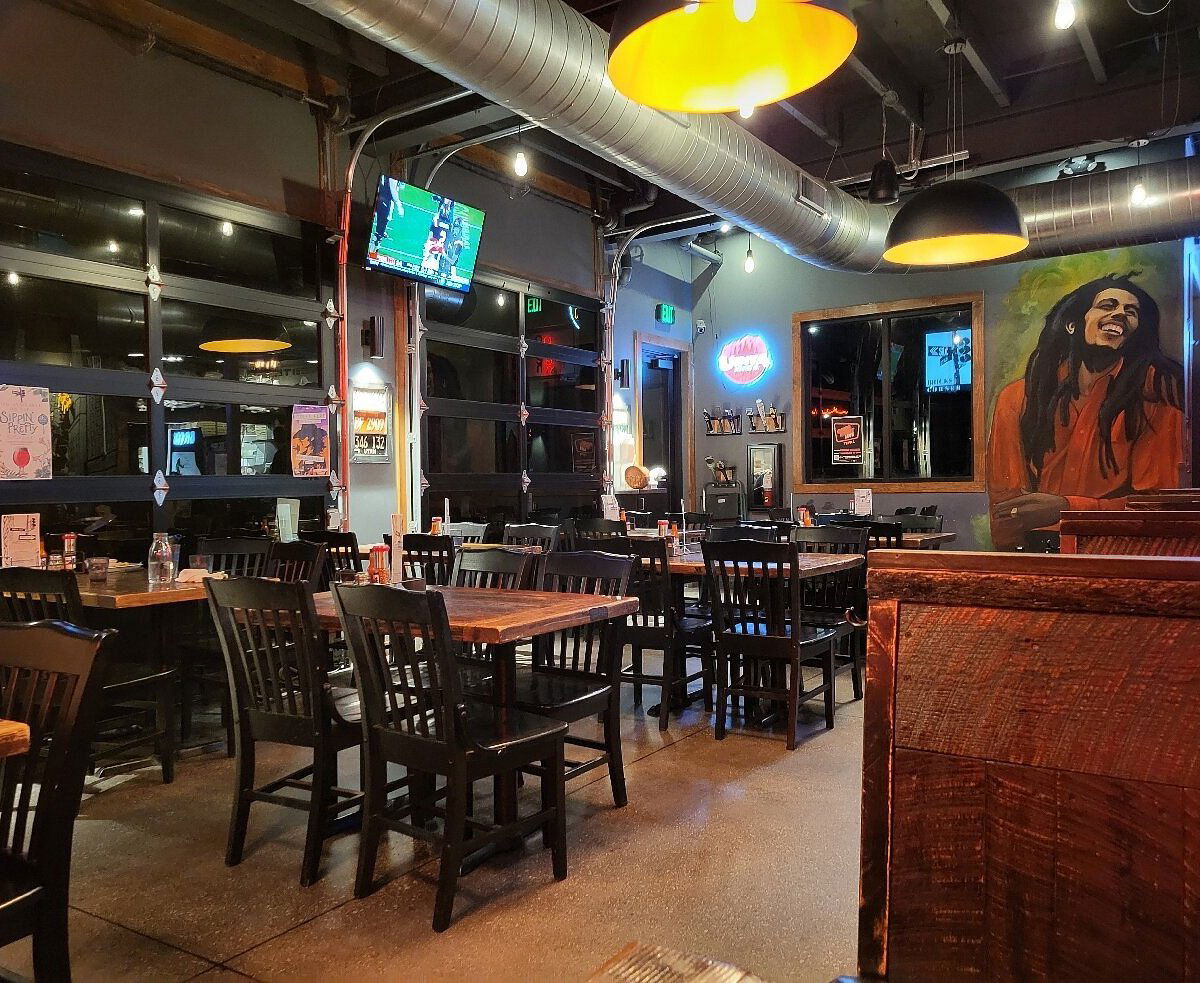
Bricks Corner reads like a classic neighborhood corner bar that leans into character over concept. The write-up emphasizes an independent, slightly worn-at-the-edges persona and a focus on what lands in the glass rather than how the room photographs. Regulars and a sense of belonging to the block are central: this is the sort of place that accrues local loyalty and resists polished, branded identity. The tone throughout is earnest: the bar is celebrated for its craft and for being rooted in Sugar House’s growing culture of serious drinking, offering an unvarnished, comfortable night out for people who value substance over style.
Best For
Bricks Corner is best for anyone looking for a neighborhood-focused cocktail experience. It suits after-work visits, late-night drinks, solo patrons who want bartender interaction, and small gatherings that prioritize craft over atmosphere. Because the bar is part of a cohort of locally minded Salt Lake bars, it also works well for people who appreciate program depth: thoughtful cocktails delivered in a casual, familiar setting. The emphasis on craft means visitors come for the drinks and the bar’s reputation, not for a staged photo moment.
Ordering Tips
Order with an eye toward the bar’s craft-forward approach: ask the bartender for their recommendation and describe flavors you enjoy rather than ordering by novelty. The piece highlights 'the person behind the bar' and the program’s seriousness, so bartenders are presented as trusted guides: lean into that expertise and be open to what the bar is doing that night. Avoid treating the visit like a styled shoot; focus on the drink menu and the bartender’s point of view to get the most out of the experience.
Venue details
Ambiance
Great atmosphere with a lively bar, background music set to the right volume, and a welcoming environment suitable for families, couples, and groups.
Tags
Vibe
Best For
Experience
Format
Accessibility
At the Bar
- Bar Category
- Lounge
- Late Night
- Closes by Midnight
- Music
- Background Music
- Spirits Focus
- Vodka
Know before you go
Know Before You Go
- Getting there
- 1465 S 700 E, Salt Lake City, UT 84105
Planning details
Hours
- Monday
- 11 AM–9 PM
- Tuesday
- 11 AM–9 PM
- Wednesday
- 11 AM–10 PM
- Thursday
- 11 AM–10 PM
- Friday
- 11 AM–10 PM
- Saturday
- 11 AM–10 PM
- Sunday
- 11 AM–9 PM
Location
Also consider
Also Consider
- East Liberty Tap House, Notable alternative
- Tea Zaanti, Notable alternative
- Pago, Notable alternative
- VENETO Ristorante Italiano, Notable alternative
- Tokyo Tower Japanese Sushi and Chinese Cuisine, Notable alternative
Bar context
How Bricks Corner compares in Salt Lake City
Choose Bricks Corner when ease matters more than polish. Compared with Pago or VENETO Ristorante Italiano, it reads as the lower-pressure group choice: simpler to suggest, easier for mixed tastes, and less tied to a special-occasion mood. Pago is the better fit when the meal itself needs to feel more considered; VENETO makes more sense for diners who want a more formal Italian dinner.
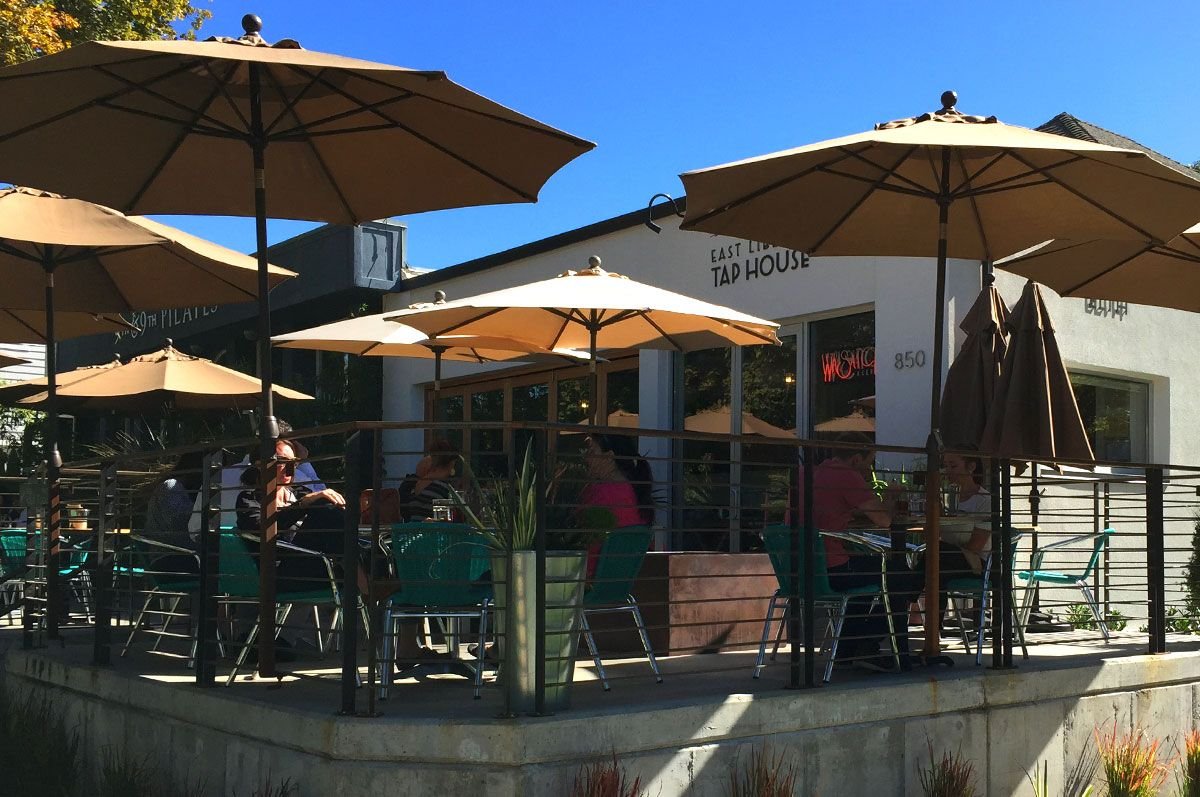
East Liberty Tap House is the closer cross-shop for casual drinks-and-food energy, while Tea Zaanti is better when the plan is lighter, slower, or more conversation-led. For a group that wants a full casual meal, Bricks Corner is the more direct choice; for a relaxed drink or tea-focused meet-up, those two are easier fits.
Tokyo Tower Japanese Sushi and Chinese Cuisine is the better alternative when the group already agrees on Japanese or Chinese food. Bricks Corner is safer when the group has not aligned around a cuisine and needs a general-purpose Salt Lake City table with easy booking expectations.
Explore Salt Lake City
Around this place
Discover more on Pearl
Unlock the full Bricks Corner guide in Pearl, including awards, comparisons, FAQs, planning details, and nearby places.
Compare Bricks Corner
| Venue | Location | Awards |
|---|---|---|
| Bricks Corner | Salt Lake City | No published awards |
| East Liberty Tap House | Salt Lake City | No published awards |
| Tea Zaanti | Salt Lake City | No published awards |
| Pago | Salt Lake City | No published awards |
| VENETO Ristorante Italiano | Salt Lake City | No published awards |
| Tokyo Tower Japanese Sushi and Chinese Cuisine | Salt Lake City | No published awards |
How Bricks Corner Salt Lake City compares with similar nearby venues.