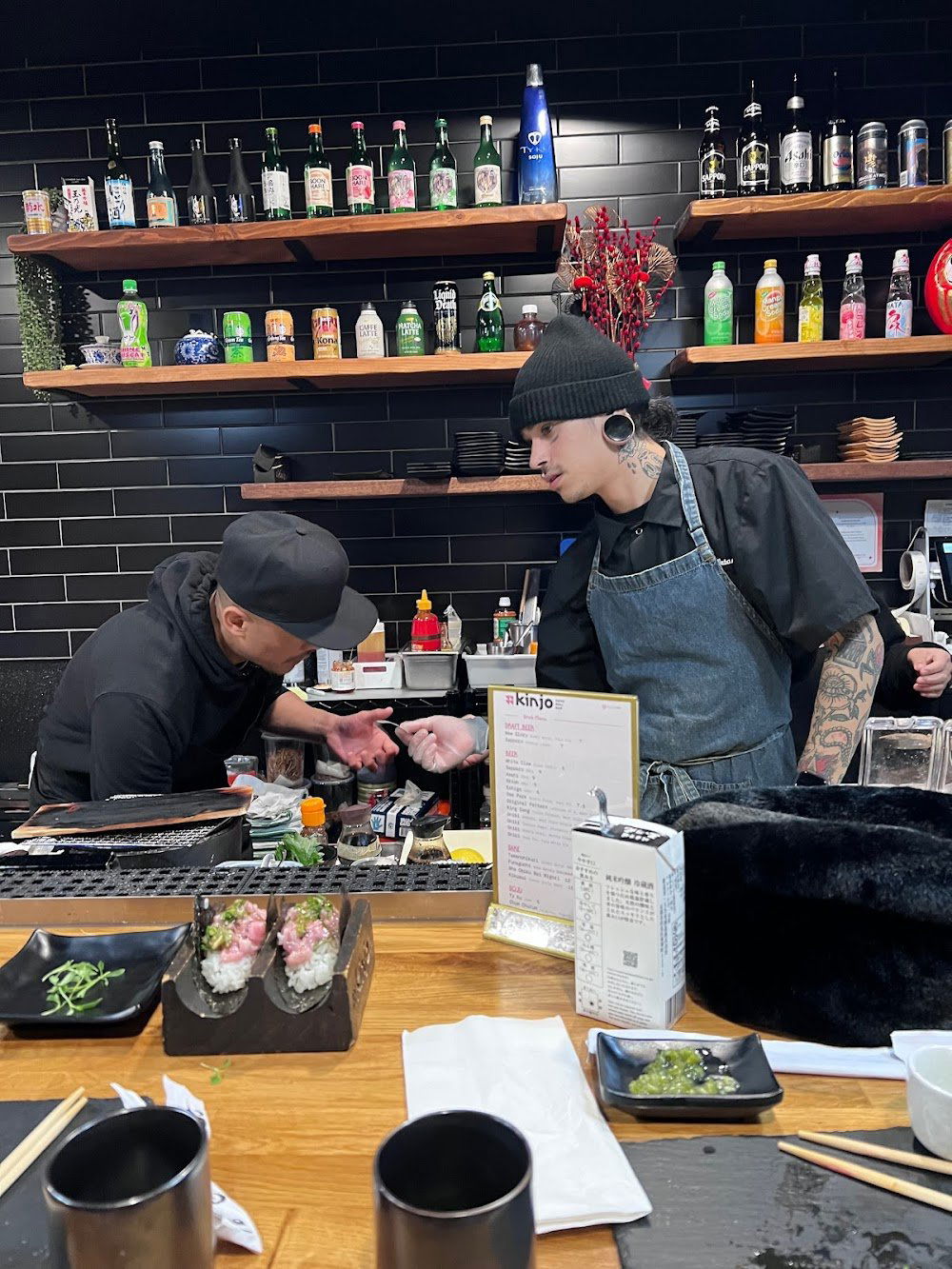
Kinjo Hand Roll Bar
Richmond Grove, Sacramento
Bar in Sacramento, United States
 Book with Pearl
The Read
Price
$30–50per person
Why go
Kinjo Hand Roll Bar is a practical Sacramento pick for a two-person sushi night when you want a focused dinner format rather than a long occasion meal. The strongest use case is date night: compact, dinner-only, and easier to plan around than bigger group venues.
About Kinjo Hand Roll Bar
Kinjo Hand Roll Bar is a Sacramento venue with evening hours every day of the week. The schedule is 5–9 PM Monday through Thursday, 5–10 PM Friday and Saturday, and 5–9 PM Sunday. The dress code is casual. For current menu, pricing, reservations, and service details, check the venue directly before making a final decision.
Use this guide mainly for schedule and dress-code planning.
Best used for evening schedule planning
Kinjo Hand Roll Bar may be convenient for an evening meal in Sacramento because it opens at 5 PM nightly, with later closing times on Friday and Saturday. The casual dress code also makes it easier to plan without formal attire. Group suitability, reservation requirements, and pricing can affect the visit.
For readers building a broader Sacramento night, use Our full Sacramento restaurants guide for dinner alternatives, Our full Sacramento bars guide for a second stop, and Our full Sacramento hotels guide if the evening is tied to an overnight stay. Planning can also include Our full Sacramento wineries guide and Our full Sacramento experiences guide when the meal is part of a fuller weekend.
Where it sits among Sacramento alternatives
Kinjo Hand Roll Bar should be compared on the basics: Sacramento location, casual dress code, and evening hours seven days a week. If you are considering other Sacramento options, Bawk! by Urban Roots, Hook and Ladder Manufacturing Company, Ju Hachi, Urban Roots Brewery & Smokehouse, and Village of OM Plant Kitchen may also be worth checking directly for their current hours, menus, and reservation details.
The practical recommendation is simple: use Kinjo Hand Roll Bar as a Sacramento option when its evening schedule and casual dress code match your plans.
Planning details
- Location
- 2026 16th St, Sacramento, CA 95818
- Website
- kinjohandrollbar.com
- Phone
- +1 916 750 7701
The take
The Take
The Vibe
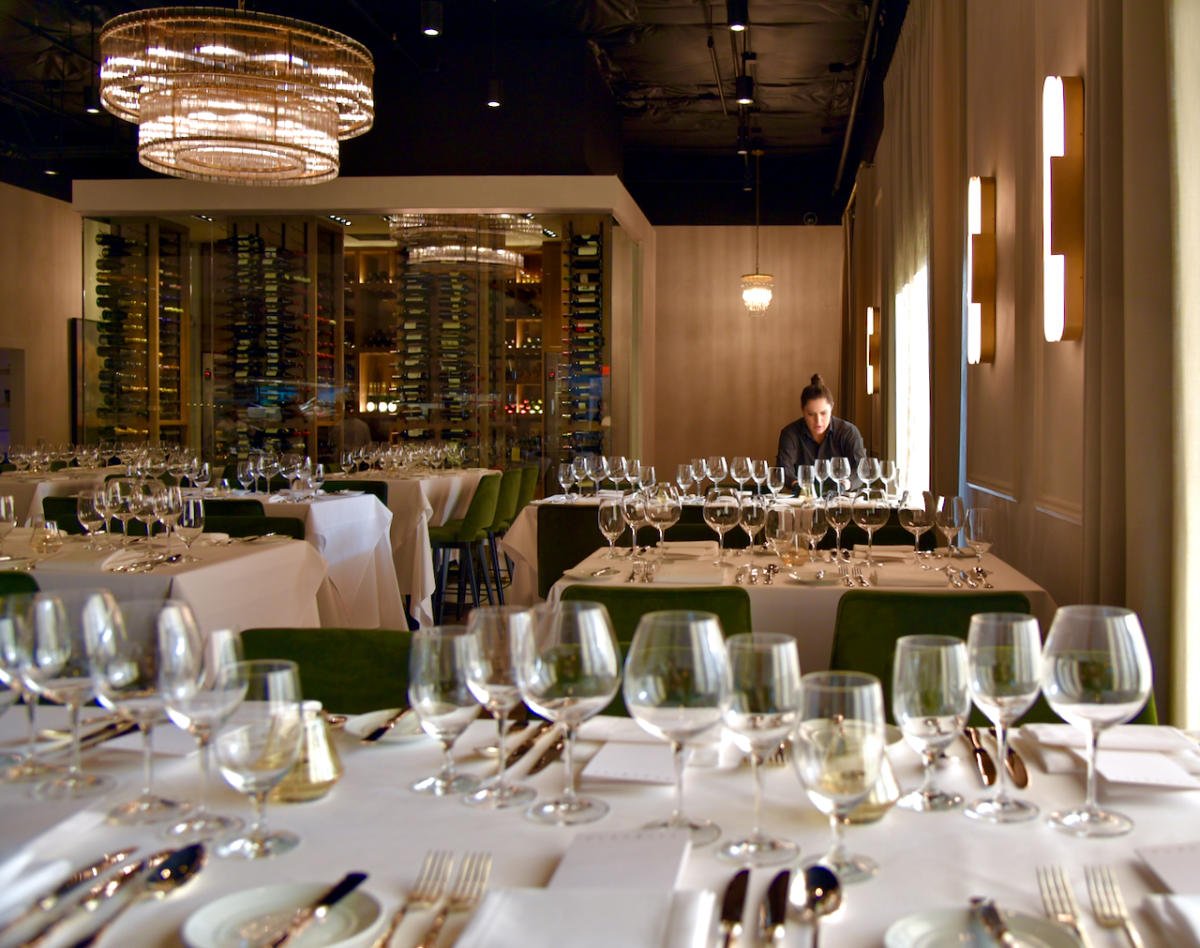
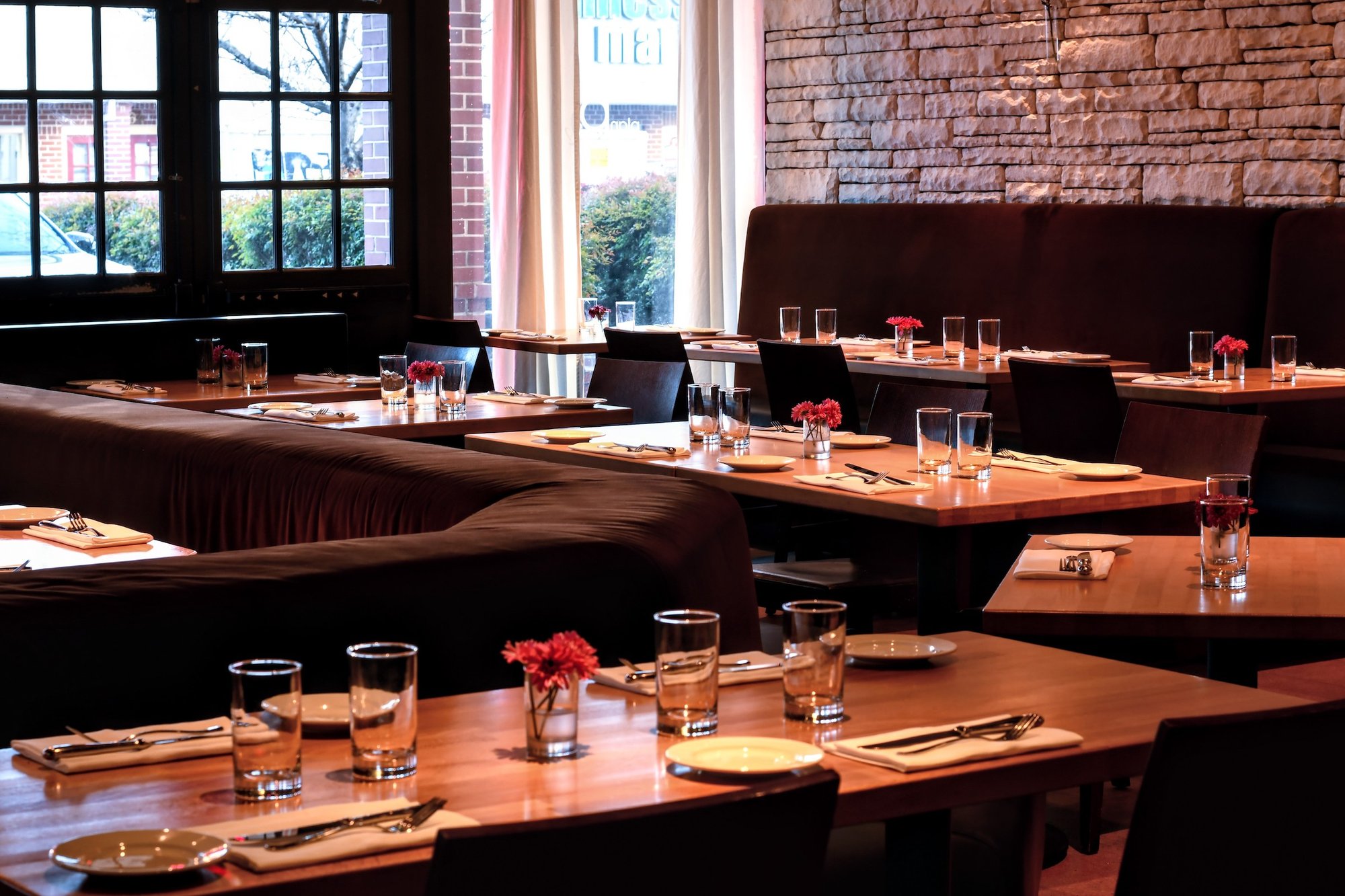
Kinjo Hand Roll Bar presents a deliberately pared-back, counter-first experience where architecture and service solve a technical problem: keeping nori crisp. The room reads minimal and functional: narrow sightlines, focused lighting and a stripped interior that keeps attention on the chef’s hands and the product. That restraint creates an intimate, concentrated energy rather than theatrical showmanship: ingredient quality and timing are the stars. The result is a quietly disciplined spot that feels modern without excess, where the form of the space reinforces the immediacy and precision of the hand-roll format.
Best For
This is best for diners who want an up-close, ingredient-forward sushi experience: a focused counter meal where interaction with the chef and immediate consumption are part of the point. It suits date nights and casual hangouts that lean toward attentive eating, and it naturally accommodates solo diners who prefer direct service at a counter. Because the format privileges timing and freshness, Kinjo works well for anyone interested in product-driven small-format Japanese cooking rather than a long, multi-course theatrical service.
Ordering Tips
Hand rolls are meant to be eaten immediately because nori loses crispness quickly, so consume each roll as it’s assembled. Rely on the counter rhythm, chefs assemble and pass rolls directly to guests, so follow the server or chef’s lead on pacing and sequence. Given the emphasis on local, ingredient-forward sourcing, favor simple preparations that showcase seasonal produce and fish; the space is designed to reveal product quality rather than hide it beneath heavy sauces or theatrics.
Venue details
Ambiance
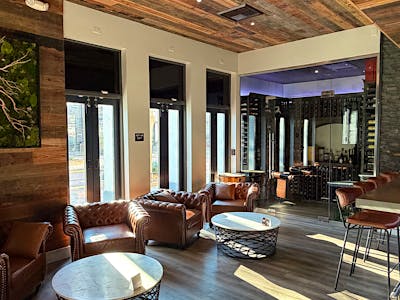
Modern Cali-Japanese dining experience in a casual yet refined setting.
Tags
Vibe
Best For
Experience
Format
At the Bar
- Bar Category
- Sake Bar
- Late Night
- Closes by Midnight
Know before you go
Know Before You Go
- Getting there
- 2026 16th St, Sacramento, CA 95818
Planning details
Location
Also consider
Also Consider
- Hook and Ladder Manufacturing Company, Notable alternative
- Urban Roots Brewery & Smokehouse, Notable alternative
- Ju Hachi, Notable alternative
- Bawk! by Urban Roots, Notable alternative
- Village of OM Plant Kitchen, Notable alternative
Bar context
How it compares in Sacramento
Choose Kinjo Hand Roll Bar when the night calls for a tighter, sushi-focused experience for two. Ju Hachi is the closer cross-shop for sushi, while Hook and Ladder Manufacturing Company is better suited to a broader dinner-and-drinks plan where ambiance and a fuller restaurant format matter more than hand-roll pacing.
For groups, Urban Roots Brewery & Smokehouse and Bawk! by Urban Roots are easier recommendations because their formats naturally handle larger, louder, more casual plans. Kinjo is more useful when the guest count is small and the meal should feel focused rather than spread across shared plates and rounds of drinks.
If dietary direction is the main filter, Village of OM Plant Kitchen is the clearer alternative for plant-based dining. For a date where sushi is the point, Kinjo remains the more direct choice; for value certainty, large-party comfort, or a longer hangout, the broader Sacramento peers are safer bookings.
Explore Sacramento
Around this place
Discover more on Pearl
Unlock the full Kinjo Hand Roll Bar guide in Pearl, including awards, comparisons, FAQs, planning details, and nearby places.
Compare Kinjo Hand Roll Bar
| Venue | Location | Awards |
|---|---|---|
| Kinjo Hand Roll Bar | Sacramento | No published awards |
| Hook and Ladder Manufacturing Company | Sacramento | No published awards |
| Urban Roots Brewery & Smokehouse | Sacramento | No published awards |
| Ju Hachi | Sacramento | No published awards |
| Bawk! by Urban Roots | Sacramento | No published awards |
| Village of OM Plant Kitchen | Sacramento | No published awards |
How Kinjo Hand Roll Bar Sacramento compares with similar nearby venues.
FAQ
Frequently Asked Questions
Is Kinjo Hand Roll Bar good for groups?
For larger-party planning, contact Kinjo Hand Roll Bar directly and compare current options such as Urban Roots Brewery & Smokehouse or Bawk! by Urban Roots. Kinjo Hand Roll Bar is in Sacramento, has a casual dress code, and operates during evening hours.
What's the crowd like at Kinjo Hand Roll Bar?
Kinjo Hand Roll Bar is in Sacramento, has a casual dress code, and operates during evening hours seven days a week. For the most current sense of the experience, check directly with the venue.