Café De Ouwehoer
Katendrecht, Rotterdam
Bar in Rotterdam, Netherlands
 Book with Pearl
The Read
Price
$20–30per person
Why go
Choose Café De Ouwehoer for a casual Rotterdam bar-café night, not a food-led booking. The draw is late-week flexibility and an informal group-friendly feel; if you need a defined menu, known pricing, or a serious cocktail brief, compare other Rotterdam bars before committing.
About Café De Ouwehoer
Café De Ouwehoer is a Rotterdam venue with opening hours that extend into the evening on several nights of the week. It is closed on Monday, opens from 3 PM Tuesday through Friday, opens from 2 PM on Saturday and Sunday, and stays open until midnight most operating days, with 2 AM closing on Friday and Saturday.
The dress code is casual. Treat it as a casual Rotterdam stop and check the venue's own channels before relying on any more specific plan.
Go for the timing, not a culinary agenda
The fit is clearest when you want a casual Rotterdam venue and the opening hours work for your timing. Because specific food, drink, pricing, or booking details are not provided, it is better not to build the visit around a specific menu, signature beverage, or formal dining expectation.
For a broader Rotterdam outing, you can also compare the plan with Café De Ouwehoer, Captains Lounge, Fenix Food Factory, Lido Terrace, NOTK, and RAAF Rotterdam, or keep the search general across other dining and evening options in the city.
Who should choose it again
Return if the basics match what you need: Rotterdam, casual dress, and hours that extend to midnight or 2 AM depending on the day. Skip it if the next outing depends on specific pricing, a defined restaurant format, a specific cuisine, or specific seating and reservation details.
Planning a wider trip? Use our full Rotterdam bars guide, our full Rotterdam restaurants guide, and our full Rotterdam hotels guide to compare other options in the city.
Planning details
- Location
- Delistraat 36C, 3072 ZL Rotterdam, Netherlands
- Website
- cafedeouwehoer.nl
- Phone
- +31 10 486 5253
The take
The Take
The Vibe
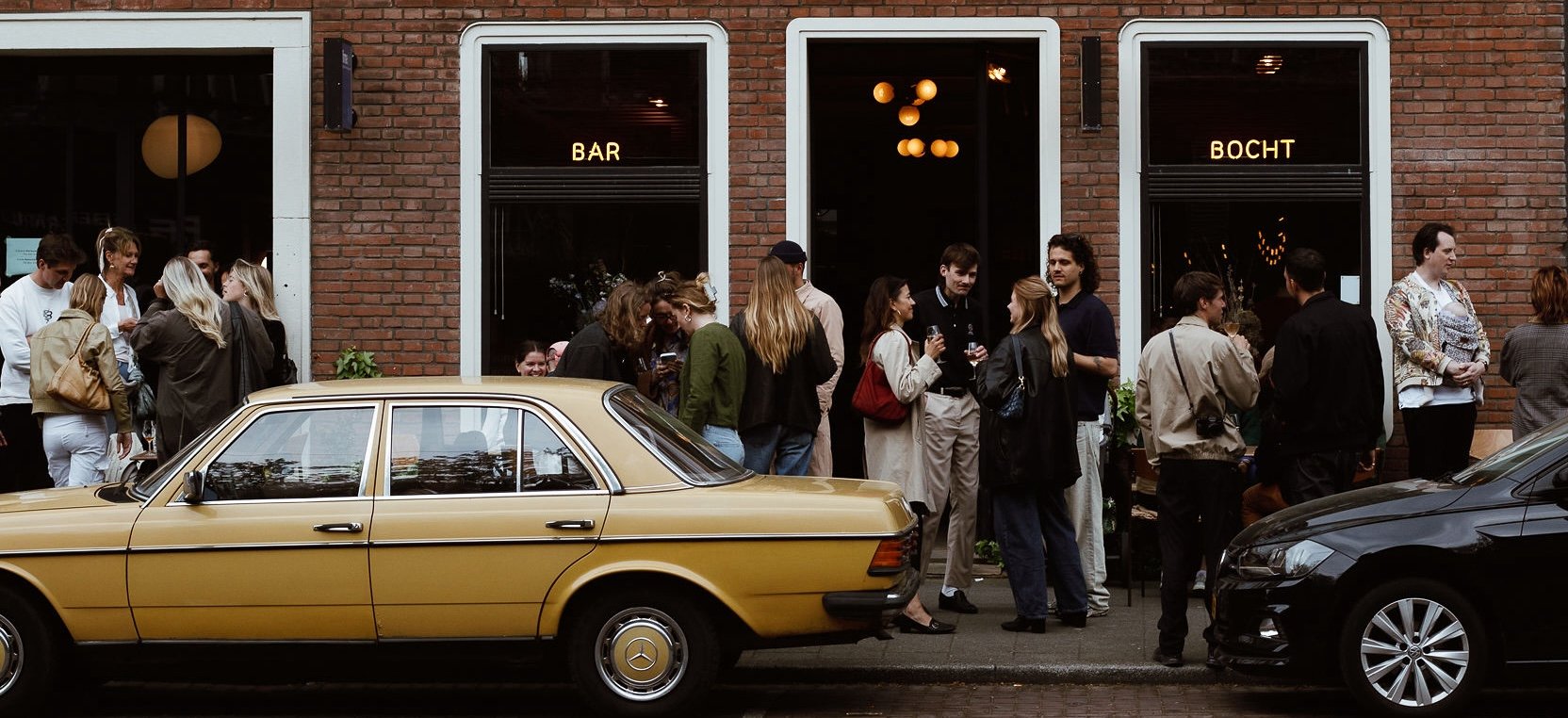
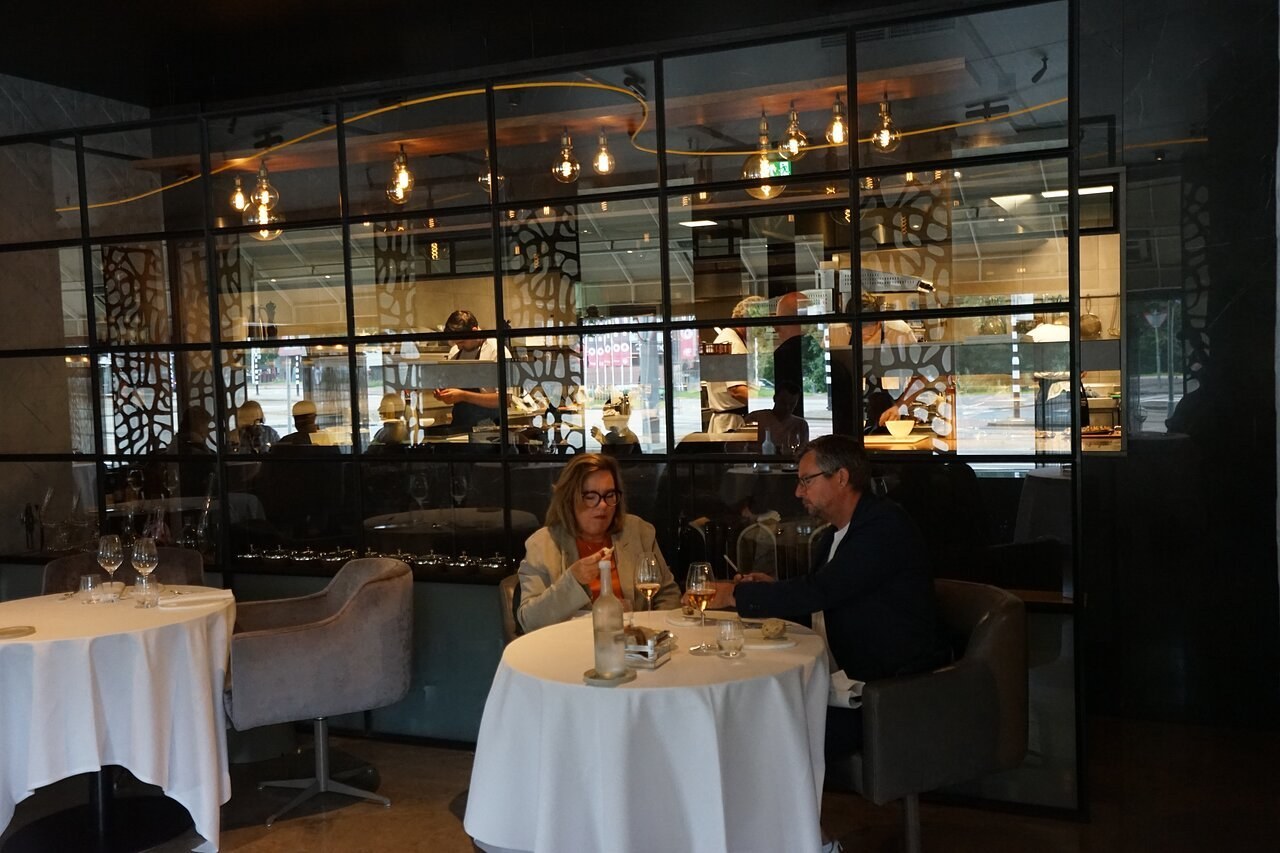
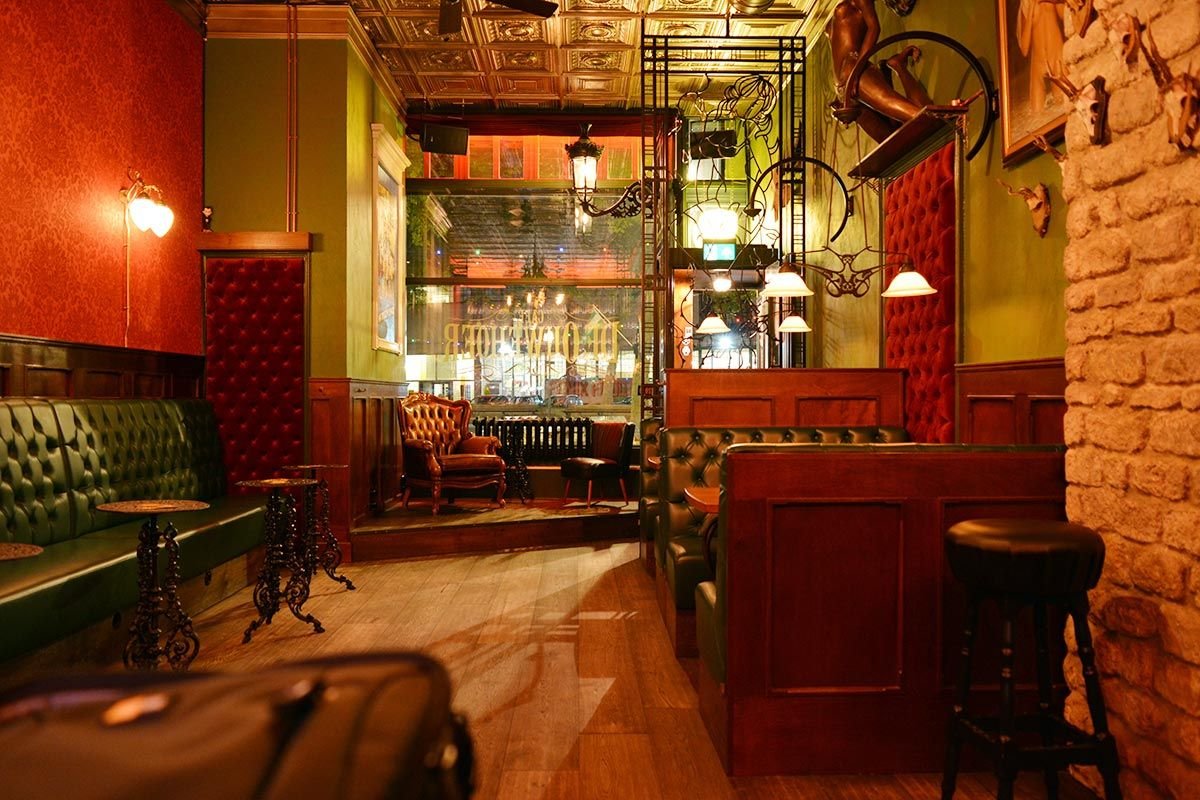
Café De Ouwehoer reads as a textbook Dutch brown café: dark wood, lived-in furniture and a counter that doubles as social anchor create a comfortably timeless room. It leans into neighbourhood continuity rather than seasonal experimentation, trading theatrical cocktails for steady, familiar hospitality. The name and unassuming exterior set a relaxed, approachable register on arrival; regulars and locals anchor the place and reinforce a classic, lived-in personality. The overall impression is quietly robust: a bar that values consistency and conviviality over flash, the kind of spot you drop into to linger rather than perform.
Best For
This is chiefly a neighbourhood hangout built around routine visits and easy conversation. It suits after-work drinks, casual meetups with friends and regular solo stops at the counter where staff and locals recognize one another. The small-plate programme is designed to extend a visit, so evenings that stretch from a quick drink into a relaxed shared snack work especially well. Visitors looking for a dependable, unpretentious spot to settle into will find it most rewarding; it isn’t aiming to be a destination cocktail theatre but a steady local anchor.
Ordering Tips
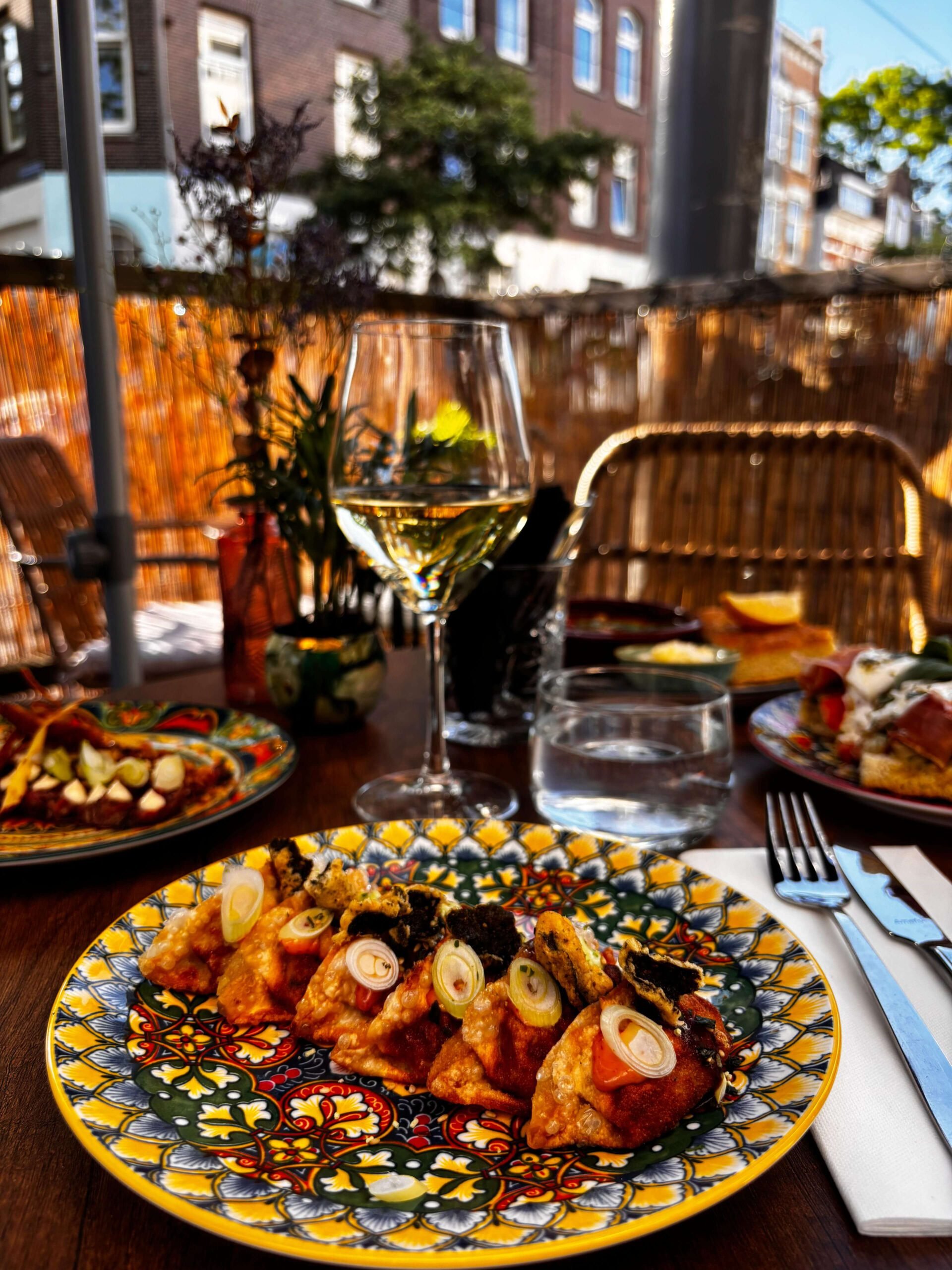
Think uncomplicated pairings rather than theatrical cocktails. The bar emphasizes food-and-drink logic, small plates meant to complement whatever is in your glass, so opt for a couple of snacks to stretch a visit instead of a multi-course meal. Expect straightforward service 'without ceremony' and ask the staff for simple pairing suggestions if you want guidance. Read the room: this is a neighbourhood brown café experience, so order what helps you linger and enjoy the social rhythm rather than chase trends.
Venue details
Ambiance
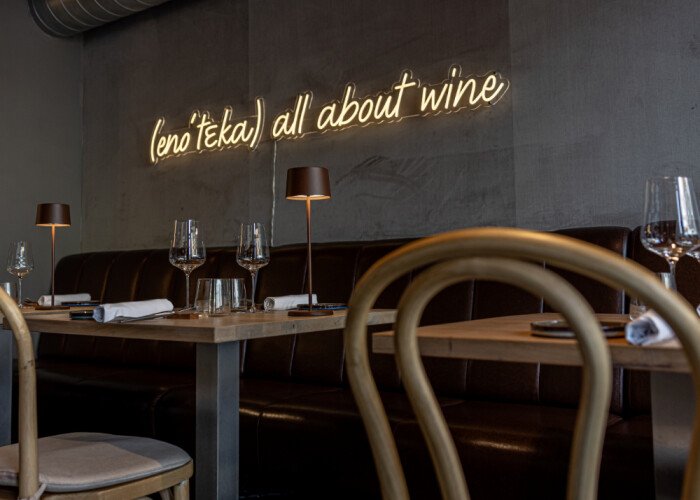
Cozy and inviting with old-style decoration, rock and roll music, vinyl-heavy soundtrack, and a vibrant community atmosphere.
Tags
Vibe
Best For
Experience
Format
At the Bar
- Bar Category
- Pub
- Late Night
- Open Until 2am
- Music
- Rock and Roll
- Live Music
- Yes
- Spirits Focus
- Whiskey
Know before you go
Know Before You Go
- Getting there
- Delistraat 36C, 3072 ZL Rotterdam, Netherlands
Planning details
Location
Also consider
Also Consider
- NOTK, Notable alternative
- Fenix Food Factory, Notable alternative
- RAAF Rotterdam, Notable alternative
- Captains Lounge, Notable alternative
- Lido Terrace, Notable alternative
Bar context
How it compares in Rotterdam
Café De Ouwehoer is the easy, informal pick in this set: useful when the plan is drinks and a relaxed room rather than a tightly managed reservation. NOTK is the sharper cross-shop if you want a more deliberate bar choice, while Fenix Food Factory makes more sense when the group wants a broader food-and-drink setting instead of one bar-café address.
For ambiance, choose this venue when familiarity and low pressure matter. RAAF Rotterdam is the better comparison for readers who want to weigh a more bar-forward night, while Captains Lounge and Lido Terrace are smarter alternatives if the setting matters more than the looseness of the plan. With no verified price tier listed here, value should be judged by occasion fit: casual repeat visit here, more intentional venue choice at the peers.
Explore Rotterdam
Around this place
Discover more on Pearl
Unlock the full Café De Ouwehoer guide in Pearl, including awards, comparisons, FAQs, planning details, and nearby places.
Compare Café De Ouwehoer
| Venue | Location | Awards |
|---|---|---|
| Café De Ouwehoer | Rotterdam | No published awards |
| NOTK | Rotterdam | No published awards |
| Fenix Food Factory | Rotterdam | No published awards |
| RAAF Rotterdam | Rotterdam | No published awards |
| Captains Lounge | Rotterdam | No published awards |
| Lido Terrace | Rotterdam | No published awards |
How Café De Ouwehoer Rotterdam compares with similar nearby venues.
FAQ
Frequently Asked Questions
Is Café De Ouwehoer open late?
Yes. Café De Ouwehoer is open until midnight on Tuesday, Wednesday, Thursday, and Sunday, and until 2 AM on Friday and Saturday. It is closed on Monday.
What's the best time to go to Café De Ouwehoer?
Go after 3 PM on Tuesday through Friday, or from 2 PM on Saturday and Sunday, based on the opening hours. Friday and Saturday offer the latest closing time, at 2 AM.
Is Café De Ouwehoer good for a date?
It may work if you want a casual Rotterdam setting and the hours suit your plan. If the date depends on a specific menu, reservation structure, or a more formal dining format, check those details directly first.