Bar Caffetteria
Ponte Mammolo, Rome
Bar in Rome, Italy
 Book with Pearl
Why go
Bar Caffetteria is worth using as an easy daytime coffee-bar stop in Rome, not as the anchor for a late-night plan. Go when convenience matters and expectations are casual; choose a more defined lounge, beer, wine, or cocktail venue if the evening itself is the point.
About Bar Caffetteria
Is Bar Caffetteria worth visiting in Rome? Consider it if its weekday hours and casual dress code fit your plans. It is open Monday to Friday and closed on Saturday and Sunday, with earlier closing times at the start of the week and later weekday hours from Wednesday to Friday.
For someone who has already been once, a repeat visit should rely on its schedule rather than assuming a late-night format or a fuller bar program. Details on cuisine, prices, reservations, seating, drinks, or service style are not available, so plan around the basics: Rome, casual dress, and the weekday hours.
Use it as a weekday fallback, not the anchor of the night
The recommendation is narrow but useful: keep Bar Caffetteria in mind when a casual Rome stop fits the day. The tradeoff is that it does not offer a chef angle, cocktail program, wine focus, menu detail, or price signal to justify building a full itinerary around it. That is not a problem if expectations are right. It becomes a problem only if the reader treats it like a venue with destination-level details.
For broader Rome planning, pair this kind of simple stop with more intentional choices from our full Rome bars guide, then fill the rest of the trip through our full Rome restaurants guide, our full Rome hotels guide, our full Rome wineries guide, and our full Rome experiences guide. Other options to compare by mood and timing include Bar Caffetteria, Birra +, Cohouse Pigneto, Pomme Bar & Lounge, SEEN by Olivier Bar, and Vigneto.
Better for clear logistics than a high-effort night out
The main reason to consider Bar Caffetteria is its clear schedule. It opens on weekdays only: Monday and Tuesday from 6 AM to 7 PM, and Wednesday through Friday from 7 AM to 8:30 PM. It is closed on Saturday and Sunday. Those hours make it easier to place in a weekday plan than in a late-night or weekend itinerary.
If you are comparing it with other Rome venues, keep the comparison grounded in what the venue provides. Bar Caffetteria offers weekday hours and a casual dress code; details such as menu, price, reservations, seating, and drinks are not available. Use it as a direct Rome listing, then choose any more planned bar or restaurant stop based on other details.
Planning details
- Hours
- Monday: 6 AM–7 PM · Tuesday: 6 AM–7 PM
- Location
- Via Attilio Benigni, 00156 Roma RM, Italy
- Phone
- +39 392 325 9921
The take
The Take
The Vibe
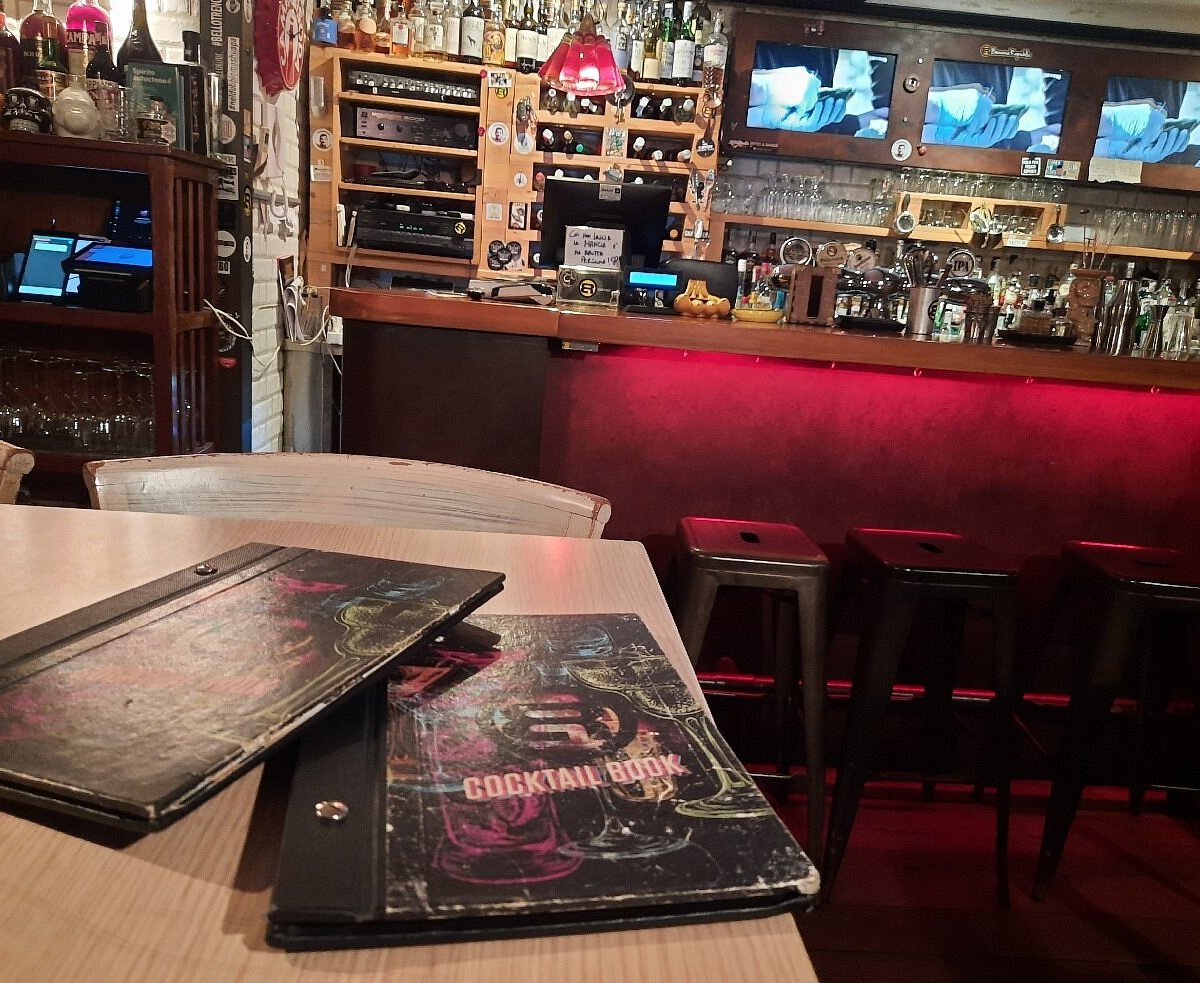
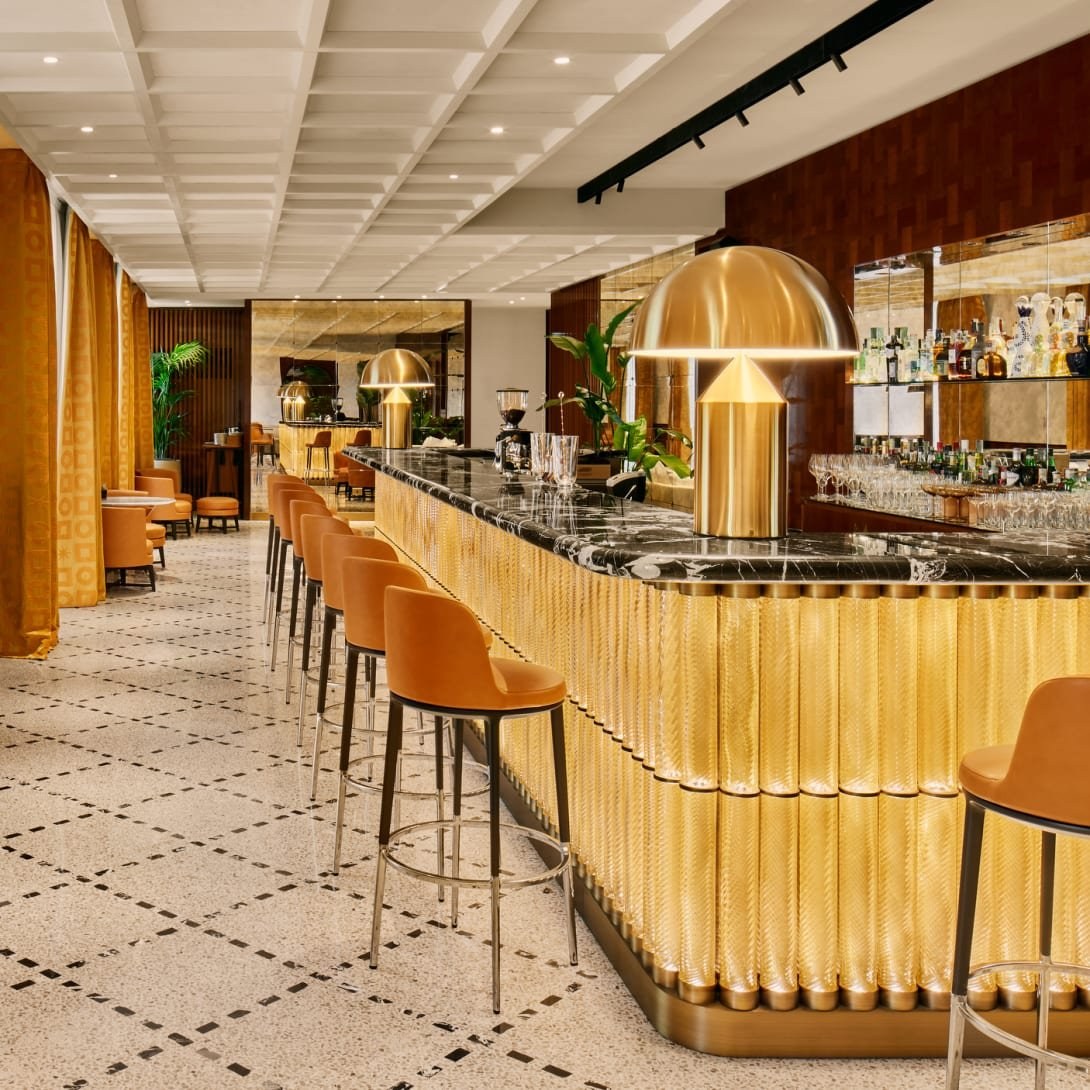
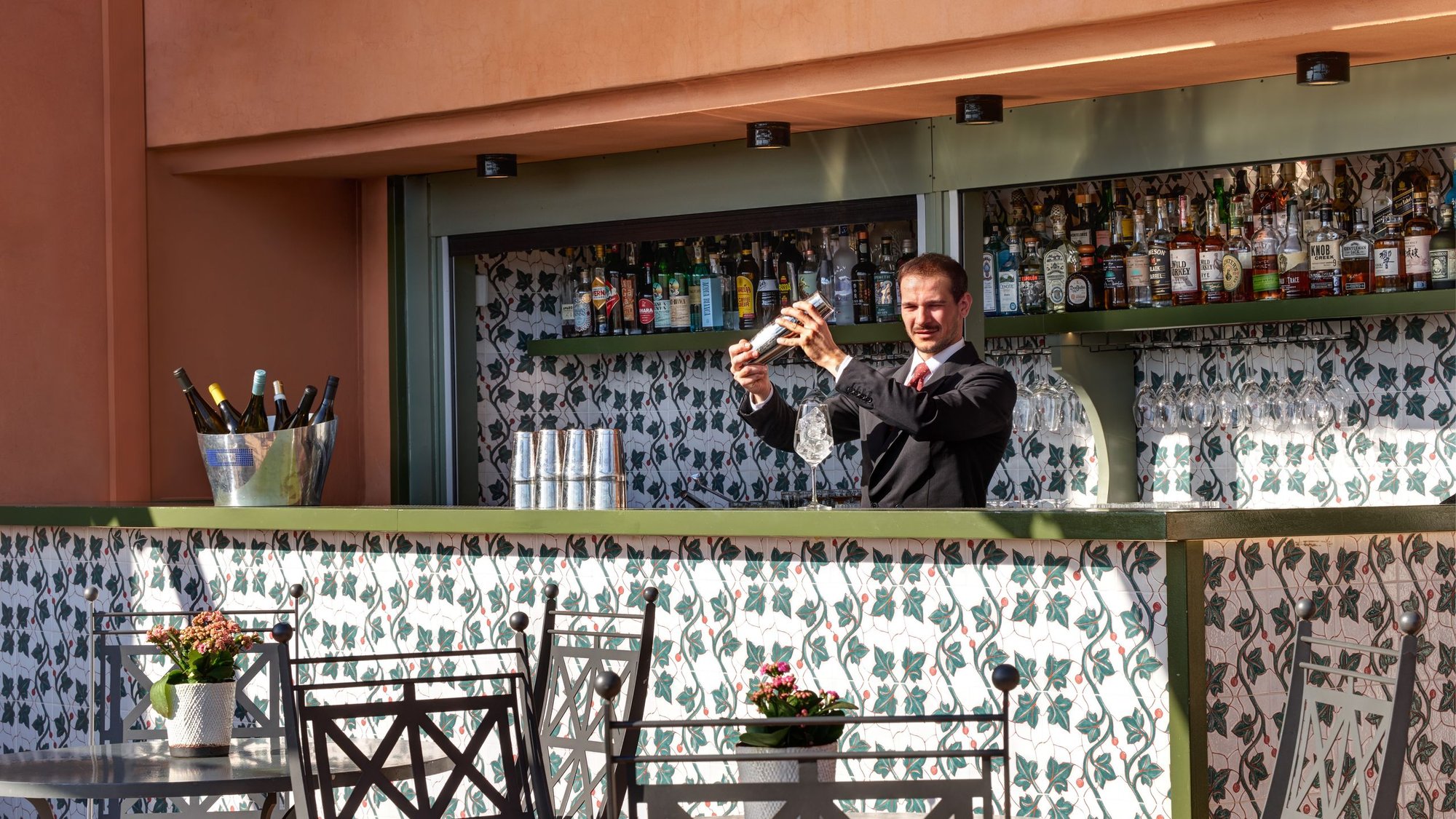
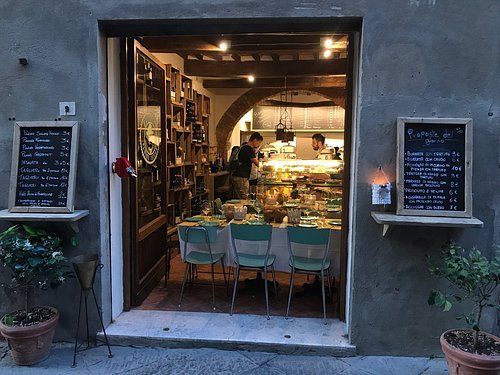
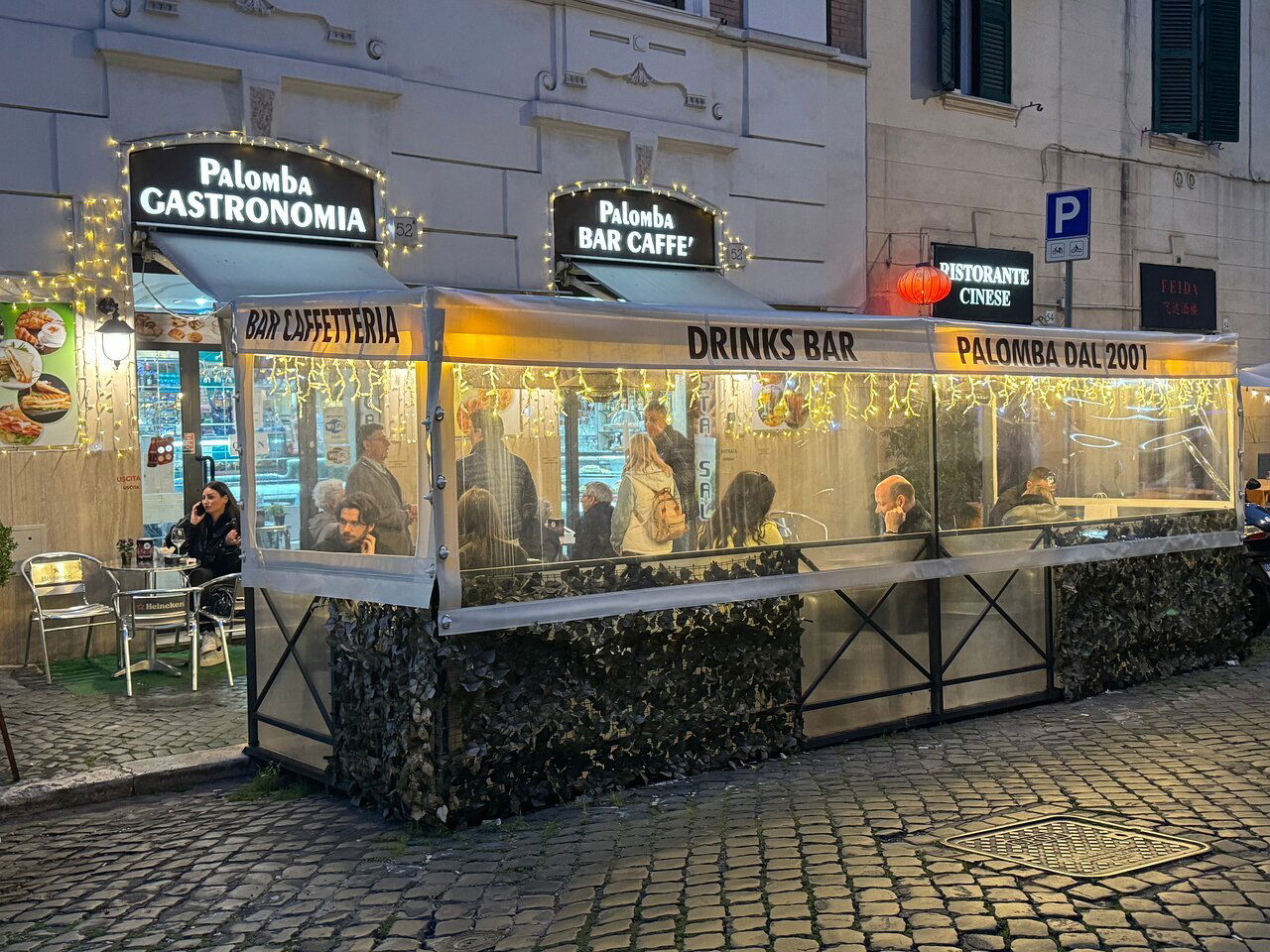
Bar Caffetteria reads like a piece of quotidian Roman architecture: a neighbourhood bar that lives according to the city’s daily rhythms. The counter is the organizing element: espresso is taken standing, conversations happen in short, friendly exchanges, and the early-evening aperitivo quietly bridges work and dinner. It is not a destination designed for visitors seeking cocktails or a flashy night out; instead it functions as an essential local fixture, closely tied to the street and surrounding apartments. The tone is unpretentious and familiar, an integral part of everyday life rather than a staged evening attraction.
Best For
This is a place for quick, habitual visits throughout the day. It suits morning commuters grabbing a standing espresso, neighbourhood residents pausing mid‑day, and those stopping by for an early-evening aperitivo after work. Because the bar is part of the local fabric, it works best for solo stops, brief social catch-ups and casual hangouts with neighbours. Visitors should expect a steady, routine energy rather than a sustained late-night scene; the bar’s value is in its steady availability across the day.
Ordering Tips
Approach the counter as the primary service point: the bar’s grammar privileges brief transactions and standing espresso service. Expect to order at the counter rather than sit for lengthy table service, and time an aperitivo for the early evening when local rhythms shift from work to dinner. Don’t anticipate an out‑of‑town, cocktail-driven programme: this is calibrated to neighbourhood habits. Keep your visit simple: a quick coffee in the morning, a pause during the day, or an aperitivo that slots neatly between work and dinner.
Venue details
Tags
Best For
Experience
Format
At the Bar
- Bar Category
- Pub
- Late Night
- Closes by Midnight
Know before you go
Know Before You Go
- Getting there
- Via Attilio Benigni, 00156 Roma RM, Italy
Planning details
Hours
- Monday
- 6 AM–7 PM
- Tuesday
- 6 AM–7 PM
- Wednesday
- 7 AM–8:30 PM
- Thursday
- 7 AM–8:30 PM
- Friday
- 7 AM–8:30 PM
- Saturday
- Closed
- Sunday
- Closed
Location
Via Attilio Benigni, 00156 Roma RM, Italy · Directions
Also consider
Also Consider
- Vigneto, Notable alternative
- Birra +, Notable alternative
- Cohouse Pigneto, Notable alternative
- Pomme Bar & Lounge, Notable alternative
- SEEN by Olivier Bar, Notable alternative
Bar context
How It Compares
Choose Bar Caffetteria when ease matters more than atmosphere. Compared with Vigneto and Birra +, it reads as the lower-commitment option: better for a quick stop, weaker for anyone planning around wine or beer as the main event.
For a social evening, Cohouse Pigneto or Pomme Bar & Lounge is the more natural cross-shop. Both make more sense when ambiance and lingering matter. Bar Caffetteria is easier to treat casually, but that also limits its value for a planned night out.
SEEN by Olivier Bar is the clearer pick for a more polished room. Bar Caffetteria wins on low effort; SEEN by Olivier Bar is the better choice when the setting is part of the reason to go.
Around this place
Discover more on Pearl
Unlock the full Bar Caffetteria guide in Pearl, including awards, comparisons, FAQs, planning details, and nearby places.
Compare Bar Caffetteria
| Venue | Location | Awards |
|---|---|---|
| Bar Caffetteria | Rome | No published awards |
| Vigneto | Rome | No published awards |
| Birra + | Rome | No published awards |
| Cohouse Pigneto | Rome | No published awards |
| Pomme Bar & Lounge | Rome | No published awards |
| SEEN by Olivier Bar | Rome | No published awards |
How Bar Caffetteria Rome compares with similar nearby venues.
FAQ
Frequently Asked Questions
Is Bar Caffetteria open late?
Not especially. It closes at 7 PM on Monday and Tuesday, and at 8:30 PM on Wednesday through Friday in Rome; it is closed Saturday and Sunday.
What's the best time to go to Bar Caffetteria?
Refer to its weekday hours to plan: it opens at 6 AM on Monday and Tuesday and at 7 AM from Wednesday to Friday. It is a better fit for a weekday visit than for a late-night or weekend plan.
What is Bar Caffetteria known for?
Bar Caffetteria is known for its Rome location, weekday hours, weekend closure, and casual dress code.