
Bodega
Reykjavíkurborg, Reykjavík
Bar in Reykjavík, Iceland
 Book with Pearl
Why go
Bodega is a good Reykjavík pick for a low-friction date night built around wine rather than a loud bar crawl. Star Wine List recognition gives it a clearer reason to book than many casual central bars, but it is better treated as a polished drinks stop than a full evening plan.
About Bodega
Bodega is a Reykjavík venue with casual dress and evening hours throughout the week. It opens at 4 PM daily, closes at 11 PM from Sunday through Thursday, and stays open until 1 AM on Friday and Saturday.
The clearest point of distinction is Star Wine List recognition for 2026. That makes Bodega a reasonable option to consider when you want a Reykjavík stop with a wine-list accolade.
A better fit for an evening stop than an overplanned reservation
For visitors comparing Reykjavík options, Bodega is easiest to understand as a casual evening venue with late weekend hours. Plan around the evening schedule rather than assuming lunch service, a specific menu format, seating count, price level, or signature dish unless you confirm those details directly with the venue.
The recommendation is strongest for guests who value the recognition and the evening schedule. Use it as a concise planning snapshot rather than a complete description of the room, service style, or full offering.
Use Reykjavík, then choose the mood
If the night needs a broader Reykjavík plan, pair this with Pearl's city guides rather than forcing one venue to do everything. Start with Our full Reykjavík bars guide for the wider map, then cross-check dinner options in Our full Reykjavík restaurants guide and sleep logistics in Our full Reykjavík hotels guide. For other Reykjavík alternatives, compare 12 Tónar, Kaffibarinn Bar, Kaldi Bar/Café, Kramber, or Lebowski Bar.
For Bodega specifically, the grounded verdict is simple: choose it when its Reykjavík location, casual dress code, evening hours, and Star Wine List 2026 recognition match the kind of stop you want. For seating, prices, menus, or special offers, check the venue directly before planning around them.
Planning details
- Location
- Týsgata 8 101, Týsgata 9, 101 Reykjavík, Iceland
- Website
- bodega.is
- Phone
- +354 511 6677
The take
The Take
The Vibe
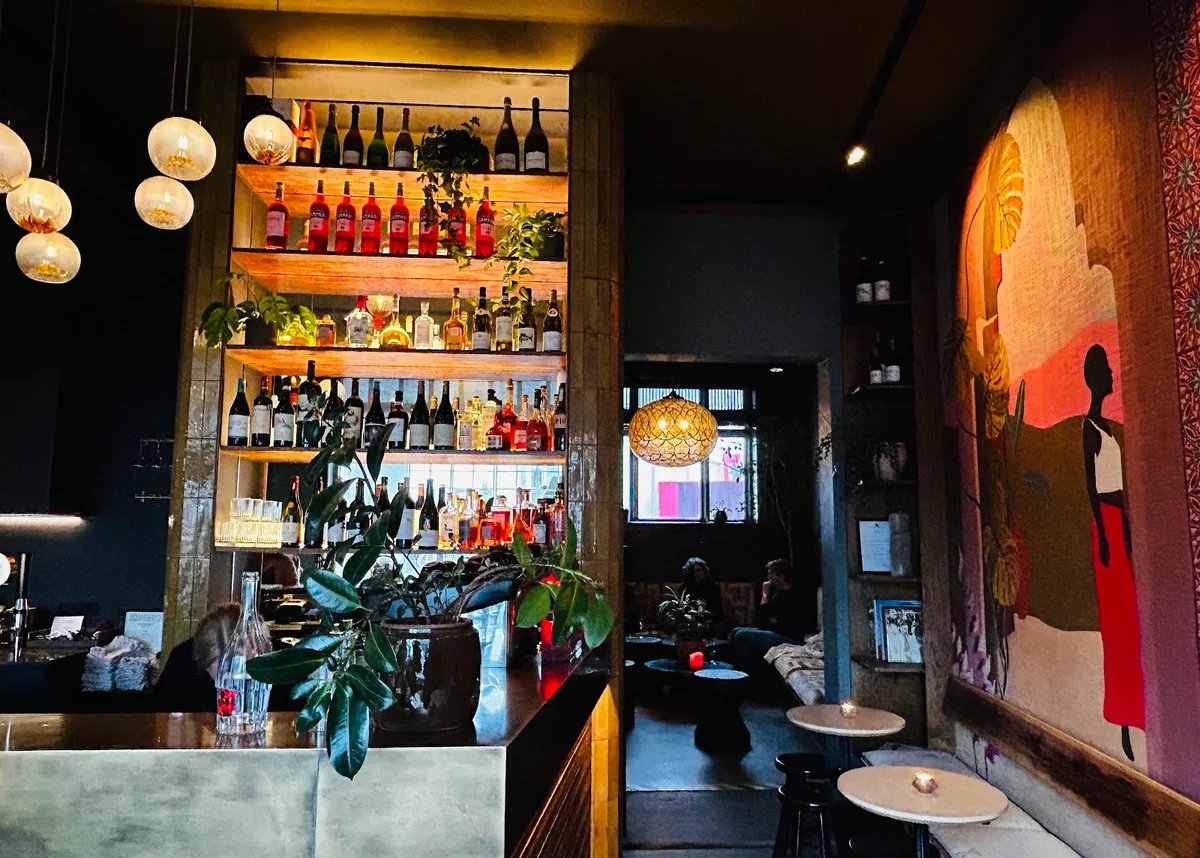
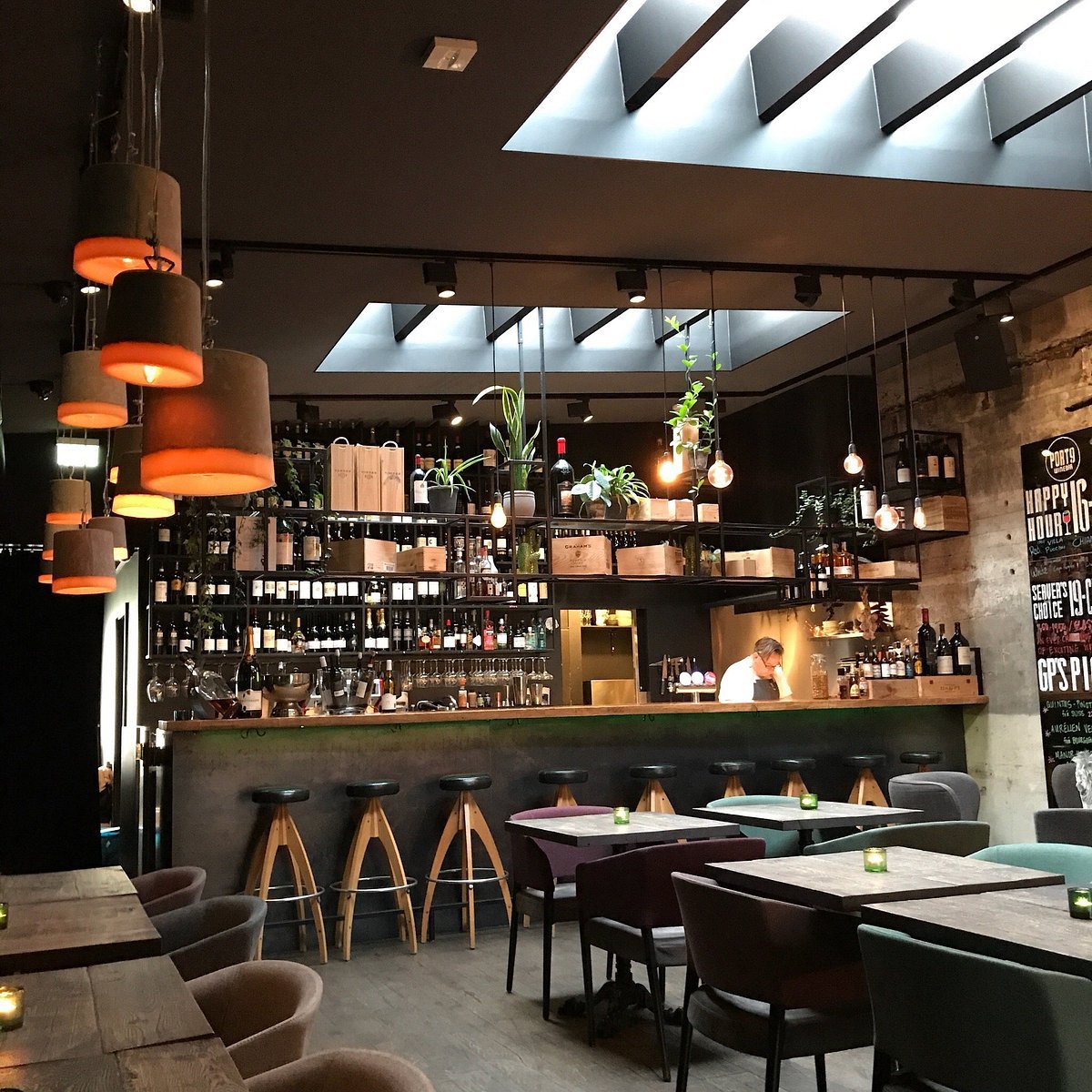
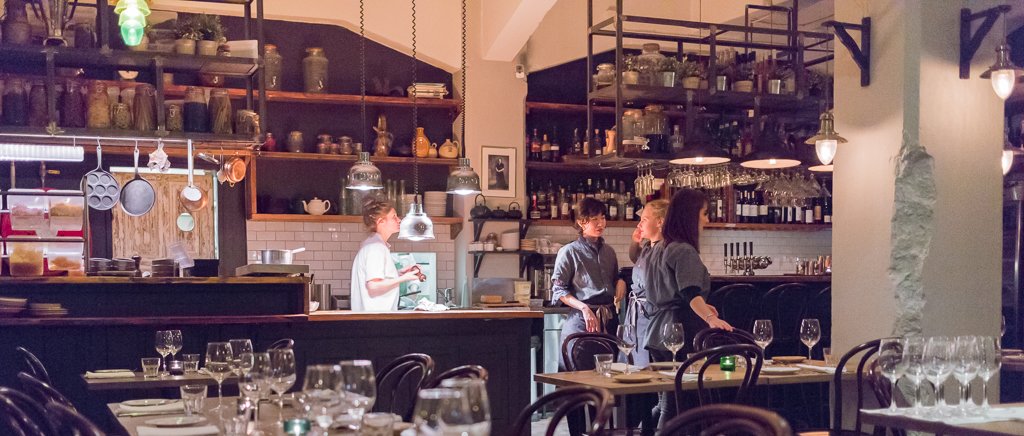
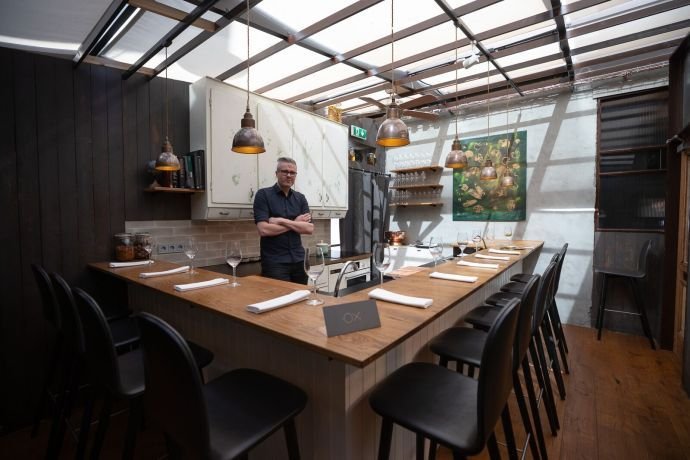
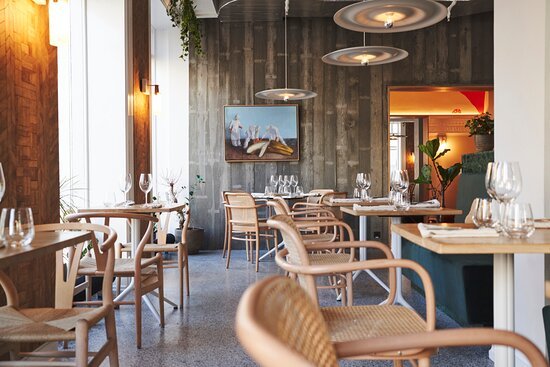
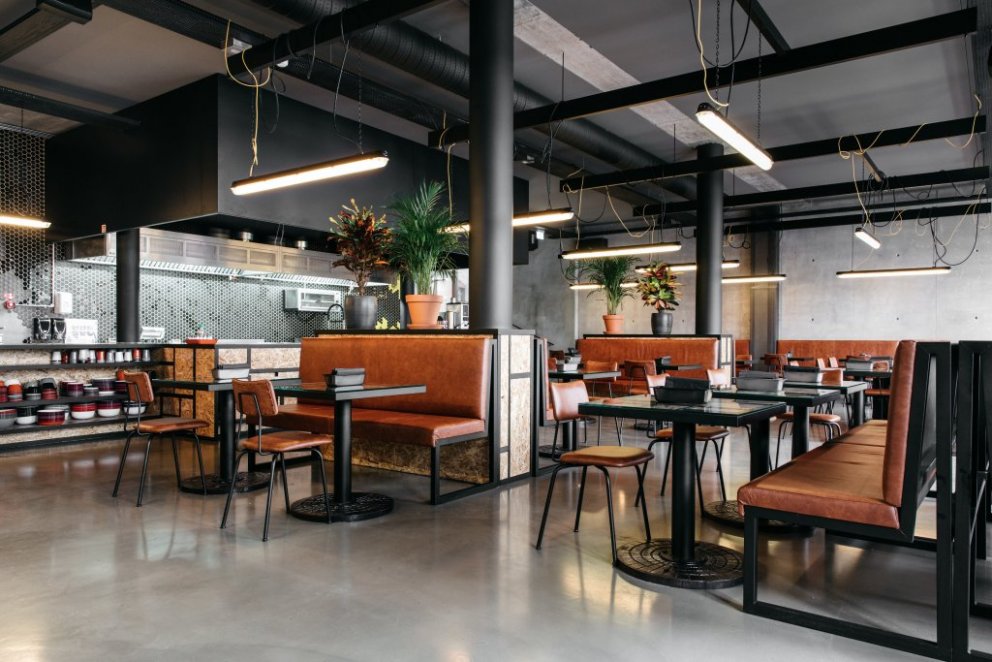
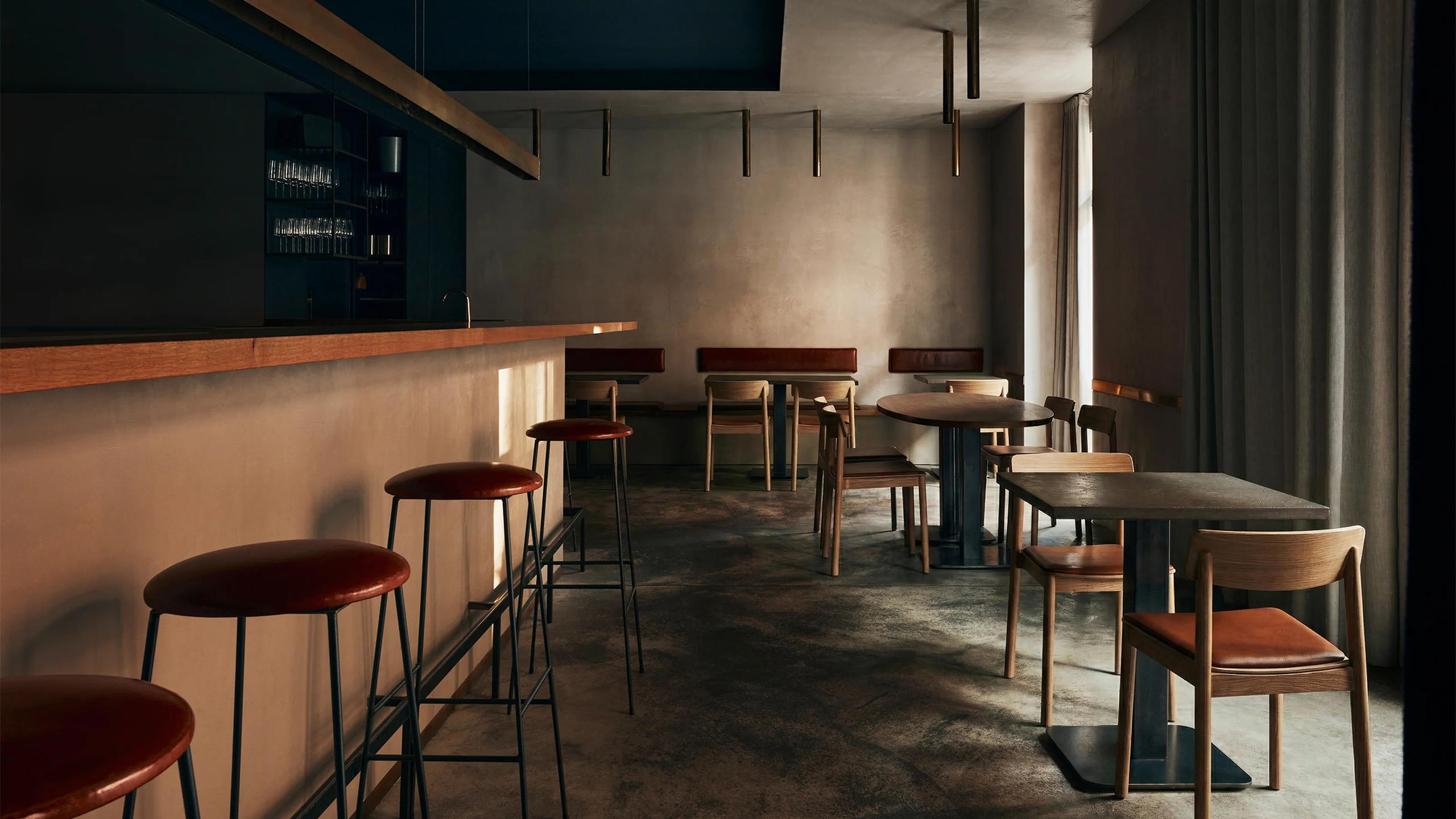
Bodega reads like a neighbourhood wine bar that prefers low volume and considered company to the boisterous craft-beer halls that dominate Reykjavík. The address on Týsgata is central yet restrained, lending a quieter, more intimate register to evenings here. The program’s willingness to carry a broader, risk-taking list of natural and conventional wines gives the room a quietly sophisticated edge: it feels less like a scene and more like a place to linger, compare bottles and talk through the selection. Overall, Bodega strikes a modest, polished tone—unflashy but serious about wine and about the slow pleasures of sharing it.
Best For
Bodega suits evenings when the goal is conversation and discovery rather than standing-room socializing. Its bottle-first approach and broader, adventurous list make it a good pick for date nights or small-group casual hangouts where guests want to explore wines at a relaxed pace. The neighbourhood street setting keeps things low-key, so it’s less about a night out on the town and more about focused tasting and shared bottles. If you want a quieter spot to sample natural and regional wines without the background of loud bars, Bodega fills that niche in central Reykjavík.
Ordering Tips
Bodega’s defining service choice is practical to know before you order: the bar works around bottles rather than a fixed by-the-glass program. That means you can open a bottle to share or order a single pour from whatever is already open—so asking which bottles are currently open will expand your options. Expect a mix of natural and conventional wines and be prepared to try less familiar producers: the list is designed to take risks rather than default to crowd-pleasers. For groups, consider purchasing a bottle to share; for solo or two-person visits, ask the staff for a glass from an open bottle to taste something adventurous without committing to a full bottle.
Venue details
Ambiance
Cozy inside with a lovely outdoor sitting area, chill staff, and relaxing Icelandic atmosphere.
Tags
Vibe
Best For
Experience
Format
At the Bar
- Bar Category
- Cocktail Bar
Know before you go
Know Before You Go
- Getting there
- Týsgata 8 101, Týsgata 9, 101 Reykjavík, Iceland
Planning details
Location
Recognition and awards

Also consider
Also Consider
- 12 Tónar, Notable alternative
- Kramber, Notable alternative
- Kaffibarinn Bar, Notable alternative
- Lebowski Bar, Notable alternative
- Kaldi Bar/Café, Notable alternative
Bar context
How Bodega compares with Reykjavík bar alternatives
Choose Bodega when wine and conversation matter more than theme or late-night noise. Compared with 12 Tónar, it reads as the cleaner date-night call for a focused drinks plan, while 12 Tónar is the better fit if the evening is built around music culture and a more casual browse-and-drink mood.
Kaffibarinn Bar and Lebowski Bar make more sense for a livelier night out, especially if the group wants atmosphere over wine focus. For two people who want to talk without turning the evening into a party stop, Bodega is the more sensible starting point.
Kaldi Bar/Café is the stronger cross-shop for a beer-led plan, while Kramber sits outside the Reykjavík set and is less useful for a central city night. If booking effort and simplicity are priorities, Bodega's easy profile makes it a practical first choice for a wine-focused evening.
Explore Reykjavík
Around this place
Discover more on Pearl
Unlock the full Bodega guide in Pearl, including awards, comparisons, FAQs, planning details, and nearby places.
Compare Bodega
| Venue | Location | Awards |
|---|---|---|
| Bodega | Reykjavík | Star Wine Lists 2026 |
| 12 Tónar | Reykjavík | No published awards |
| Kramber | Iceland | No published awards |
| Kaffibarinn Bar | Reykjavík | No published awards |
| Lebowski Bar | Reykjavík | No published awards |
| Kaldi Bar/Café | Reykjavík | No published awards |
How Bodega Reykjavík compares with similar nearby venues.
FAQ
Frequently Asked Questions
What's the crowd like at Bodega?
Bodega is best approached as a casual Reykjavík evening stop, with closing at 11 PM from Sunday through Thursday and 1 AM on Friday and Saturday. For other Reykjavík options, you can also compare Kaffibarinn Bar or Lebowski Bar.
Does Bodega have outdoor seating?
For outdoor seating, confirm details directly with the venue before making plans. Treat Bodega as a Reykjavík evening option, and compare it with 12 Tónar or Kramber if you are considering other Reykjavík stops.
What is Bodega known for?
Bodega has Star Wine List recognition for 2026, casual dress, and evening hours in Reykjavík.