

Le Coq Rouge
Hincmar, Reims
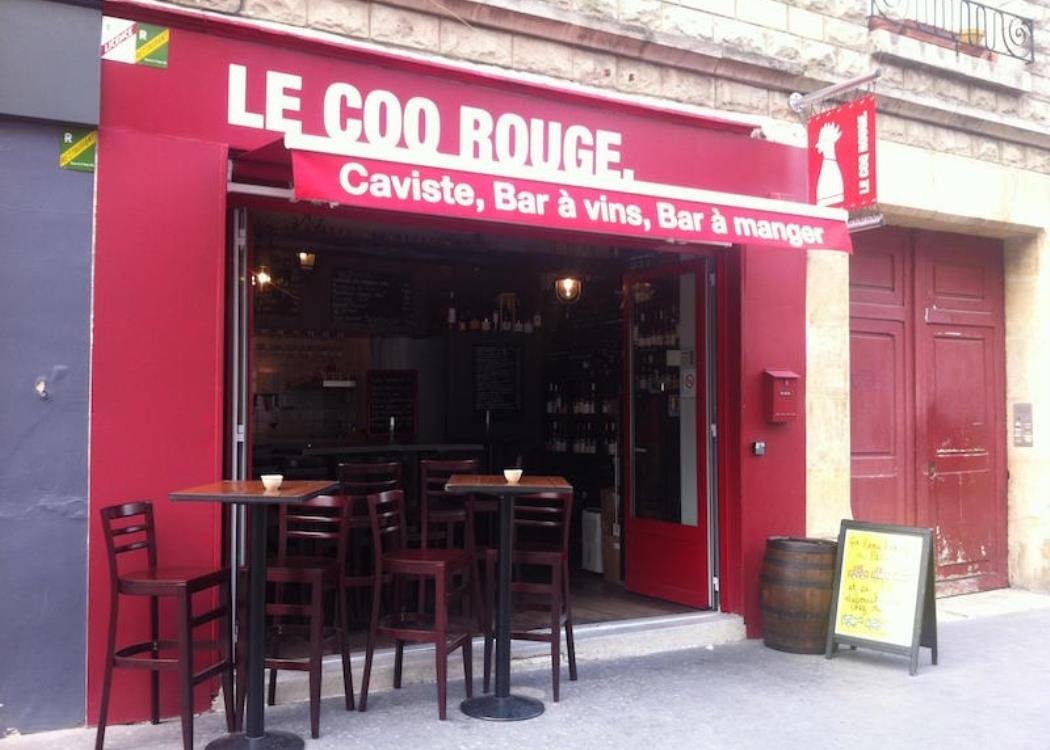
Bar in Reims, France
 Book with Pearl
Why go
Le Coq Rouge is a sensible Reims pick for a wine-led date night, especially in 2026 with Star Wine List recognition giving the cellar extra credibility. Treat it as a bar first rather than a guaranteed dinner plan, and use it for an easy evening built around conversation, Champagne-city energy, and a late start.
About Le Coq Rouge
Le Coq Rouge is a Reims venue with casual dress, evening hours from Tuesday through Saturday, and Star Wine List recognition in 2026. It is closed Sunday and Monday, opens at 5:45 PM on operating days, and runs until 12:30 AM.
A Reims evening option with confirmed recognition
The clearest trust signal for Le Coq Rouge is its Star Wine List recognition in 2026. Beyond that, specific claims about the menu, pricing, seating, reservations, or service format are not established, so they should not be treated as fixed planning details.
For visitors comparing Reims options, Le Coq Rouge is best evaluated as an evening stop with casual dress and a Tuesday-to-Saturday schedule. If a full meal, a particular dish, or a specific format matters, check directly with the venue before committing.
Where it fits into a Reims night out
If the plan is built around bars, pair this with a scan of our full Reims bars guide before committing. Food-focused travelers should also check our full Reims restaurants guide, while Champagne-heavy weekends benefit from our full Reims wineries guide and our full Reims experiences guide. For overnight planning, our full Reims hotels guide helps decide whether to keep the evening walkable or make this a single stop.
The decision point is simple: choose Le Coq Rouge when its evening hours, casual dress code, and Star Wine List recognition fit the night. Do not assume details such as lunch service, happy hour, group capacity, or a particular food offering without checking current information first.
Planning details
- Location
- 67 Rue Chanzy, 51100 Reims, France
- Website
- le-coq-rouge.fr
- Phone
- +33 3 26 85 28 50
The take
The Take
The Vibe
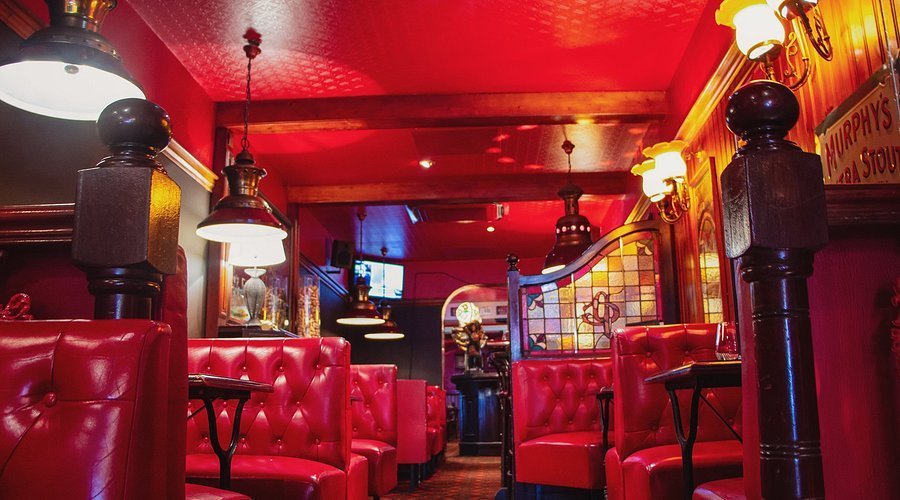
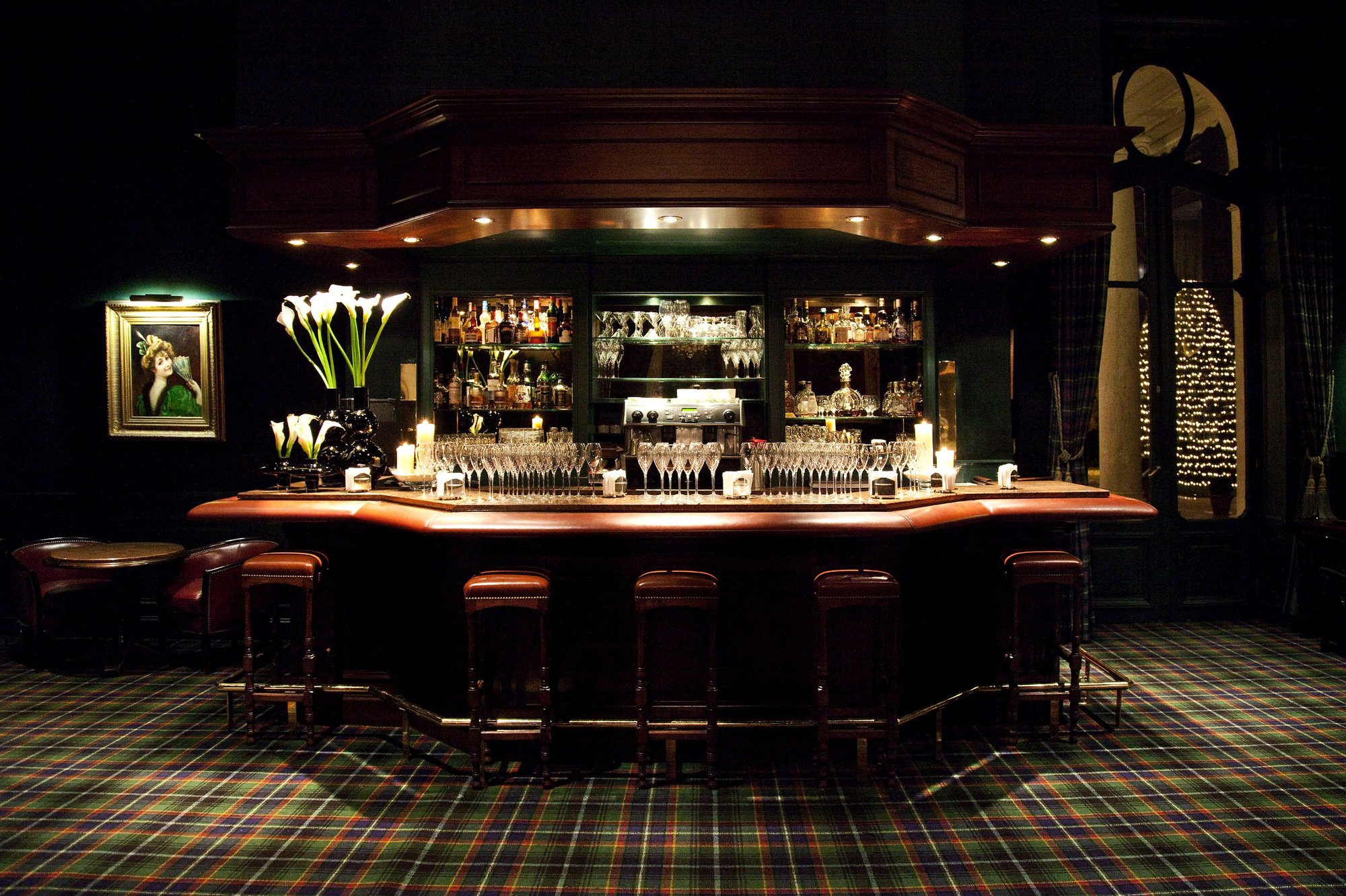
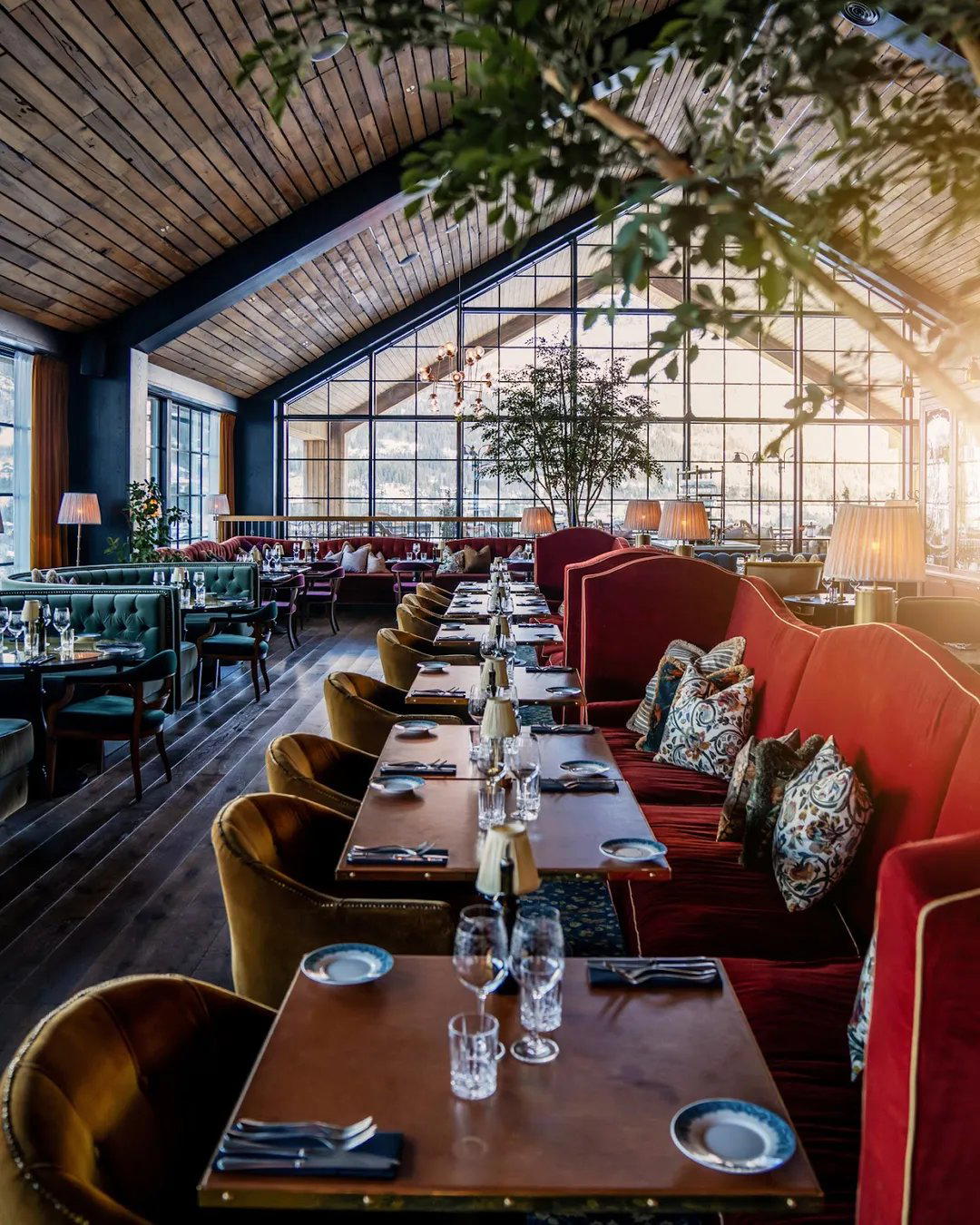
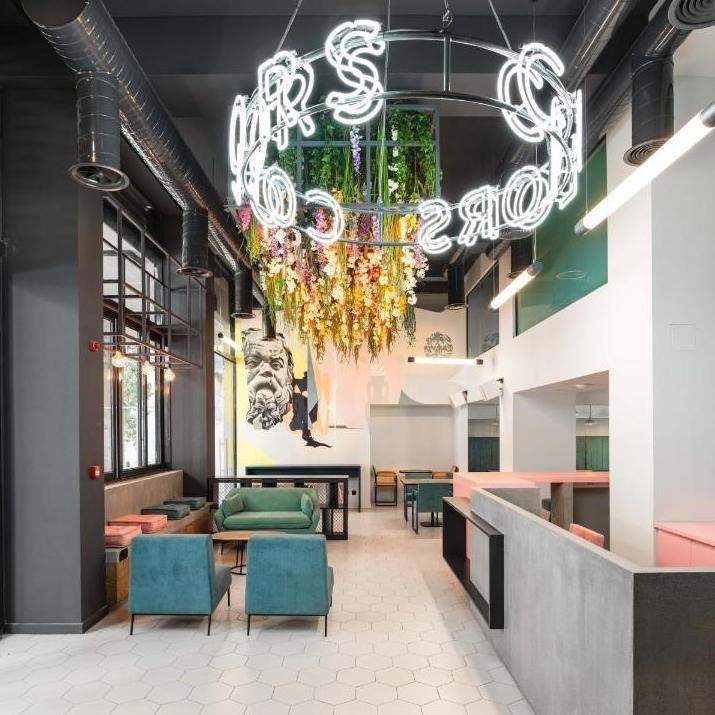
Le Coq Rouge reads like an insider’s bar: intimate, warm and built for conversation. The room favors materials that show use and lighting that’s calibrated for talking rather than photographing, and a counter functions as the social spine of the place. It sits in a middle register between tourist hubs and stripped-back neighbourhood spots, so the atmosphere is quietly assured rather than performative. Because winemakers and négociants gravitate here, the tone leans toward focused and convivial—less about spectacle, more about the exchange of knowledge and a good glass shared among people who know Champagne.
Best For
This is the kind of spot that suits anyone who wants to experience Reims’s working wine culture: industry professionals, curious visitors who want authentic Champagne encounters, and groups who enjoy engaged, low-key conversation. Its location near the Cathedral quarter makes it easy to reach without being in the tourist crush, and the counter-centered layout supports solo visits as well as small groups. Evenings skew toward after-work crowds and those who prefer an intimate, conversational setting where the wine does the talking.
Ordering Tips
Order with an eye to producers and provenance rather than theatrical labels: the bar’s regulars trade notes about disgorgement schedules and village chalk, so staff expect guests to be interested in the particulars. Ask for recommendations from the person behind the counter and request bottles or pours favored by local négociants and vignerons. Keep requests specific—provenance, disgorgement, dosage—if you want insider-level guidance; otherwise let the team choose something emblematic of the house’s understated approach to Champagne.
Venue details
Ambiance
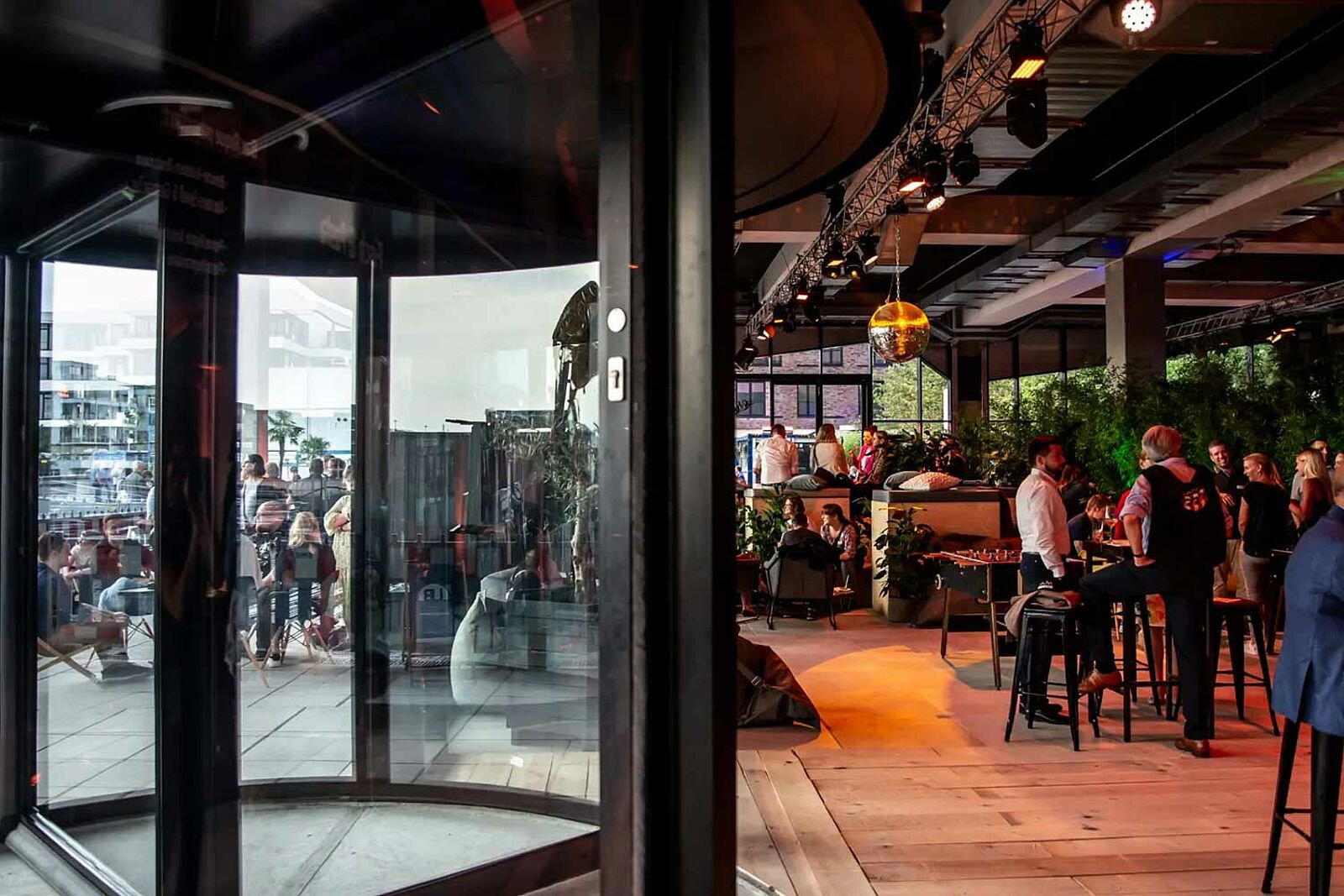
Warm, convivial atmosphere with homey decor, vintage music decorations (including Dalida), and a buzzy energy that feels both relaxed and lively despite cramped quarters.
Tags
Vibe
Best For
Experience
Format
At the Bar
- Bar Category
- Wine Bar
- Late Night
- Open Until 2am
- Music
- Classic French Music Including Dalida
Signature Pours
- champagne
- coq au vin
- crème brûlée
- sardines
- beef carpaccio
Know before you go
Know Before You Go
- Getting there
- 67 Rue Chanzy, 51100 Reims, France
Planning details
Location
Recognition and awards


Also consider
Also Consider
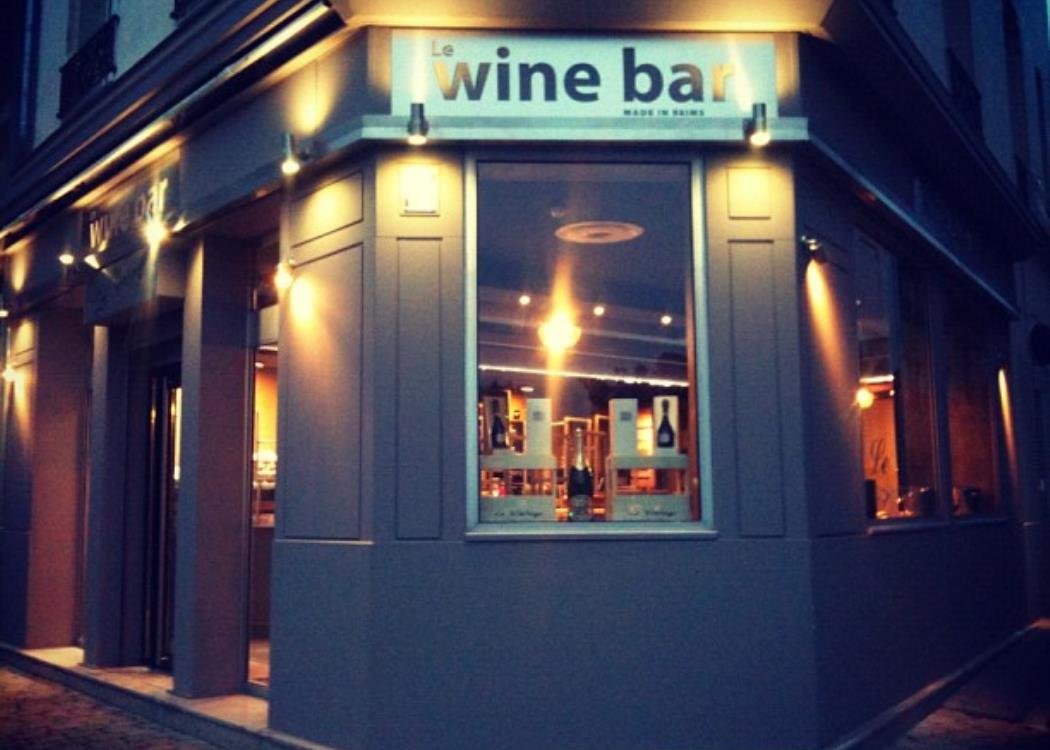
- Le Wine Bar by Le Vintage, Notable alternative
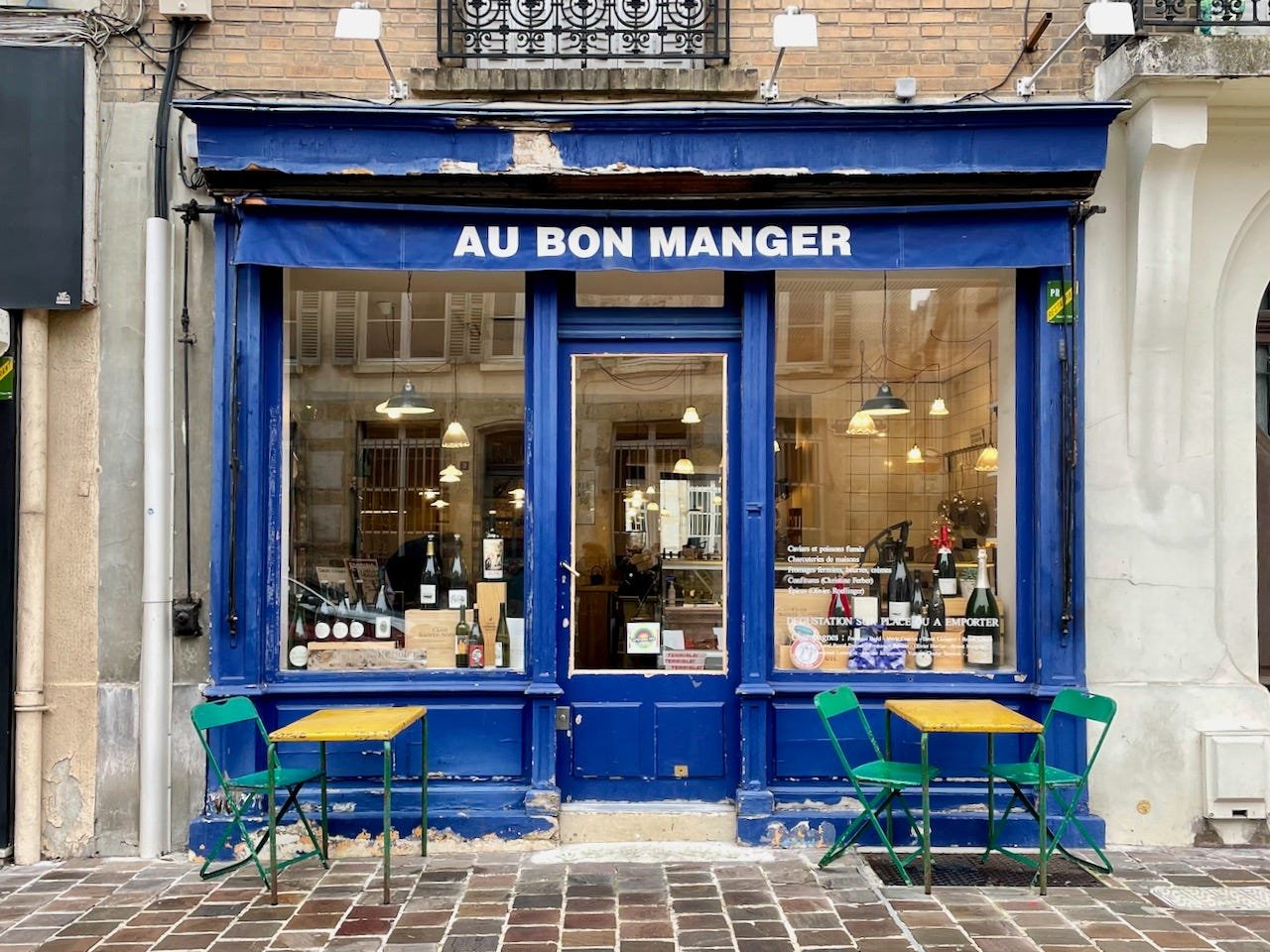
- Au Bon Manger, Notable alternative
- The Glue Pot, Notable alternative
- La Vertu, Notable alternative
- Bar La Rotonde, Notable alternative
Bar context
Choose Le Coq Rouge when the priority is an easy Reims wine-bar evening with credible list recognition and lower planning friction. Le Wine Bar by Le Vintage is the more obvious cross-shop if the night is strictly wine-led, while Au Bon Manger is the better alternative when food matters as much as what is in the glass.
For ambiance, Bar La Rotonde is the more hotel-polished option, which can suit a dressed-up drink or a calmer pre-dinner stop. The Glue Pot is the practical fallback when the group wants a less wine-specific bar format, while La Vertu is worth comparing if the brief is a more intimate Reims night rather than a broad, casual bar plan.
For visitors building a wider France wine-bar shortlist, the useful comparison is format. 36 Corneil in Paris, 5 Wine Bar in Toulouse, and ¡BE! Club in San Sebastián belong on a different city-by-city scan, but in Reims the choice is narrower: book Le Coq Rouge for a low-pressure wine date, and cross-shop Au Bon Manger or Le Wine Bar by Le Vintage if the evening needs a clearer food or wine specialist angle.
Around this place
Discover more on Pearl
Unlock the full Le Coq Rouge guide in Pearl, including awards, comparisons, FAQs, planning details, and nearby places.
Compare Le Coq Rouge
| Venue | Location | Awards |
|---|---|---|
| Le Coq Rouge | Reims | Star Wine Lists 20262026 Falstaff Wine Bar Guide |
| Le Wine Bar by Le Vintage | Reims | No published awards |
| Au Bon Manger | Reims | No published awards |
| The Glue Pot | Reims | No published awards |
| La Vertu | Reims | No published awards |
| Bar La Rotonde | Reims | No published awards |
How Le Coq Rouge Reims compares with similar nearby venues.
FAQ
Frequently Asked Questions
Is the food good at Le Coq Rouge?
The confirmed information is that Le Coq Rouge is in Reims, has casual dress, keeps evening hours Tuesday through Saturday, and has Star Wine List recognition in 2026. For a specific dish or dining format, check directly with the venue.
Is Le Coq Rouge good for groups?
Group suitability is not established. Le Coq Rouge is open in the evening Tuesday through Saturday, but there is no seating capacity or large-party detail here. Larger parties should check directly before planning around it.
Does Le Coq Rouge have happy hour deals?
There is no happy hour detail here, so do not plan around one. The planning details are the Reims location, casual dress code, Tuesday-to-Saturday evening hours, and Star Wine List recognition in 2026. If pricing is the main concern, compare current options with Au Bon Manger or The Glue Pot before you go.
Is Le Coq Rouge good for a date?
It can be considered for an evening in Reims if the details fit your plans: casual dress, service from 5:45 PM to 12:30 AM Tuesday through Saturday, and Star Wine List recognition in 2026. For a different Reims option, La Vertu is another venue to compare.