Sono Sushi
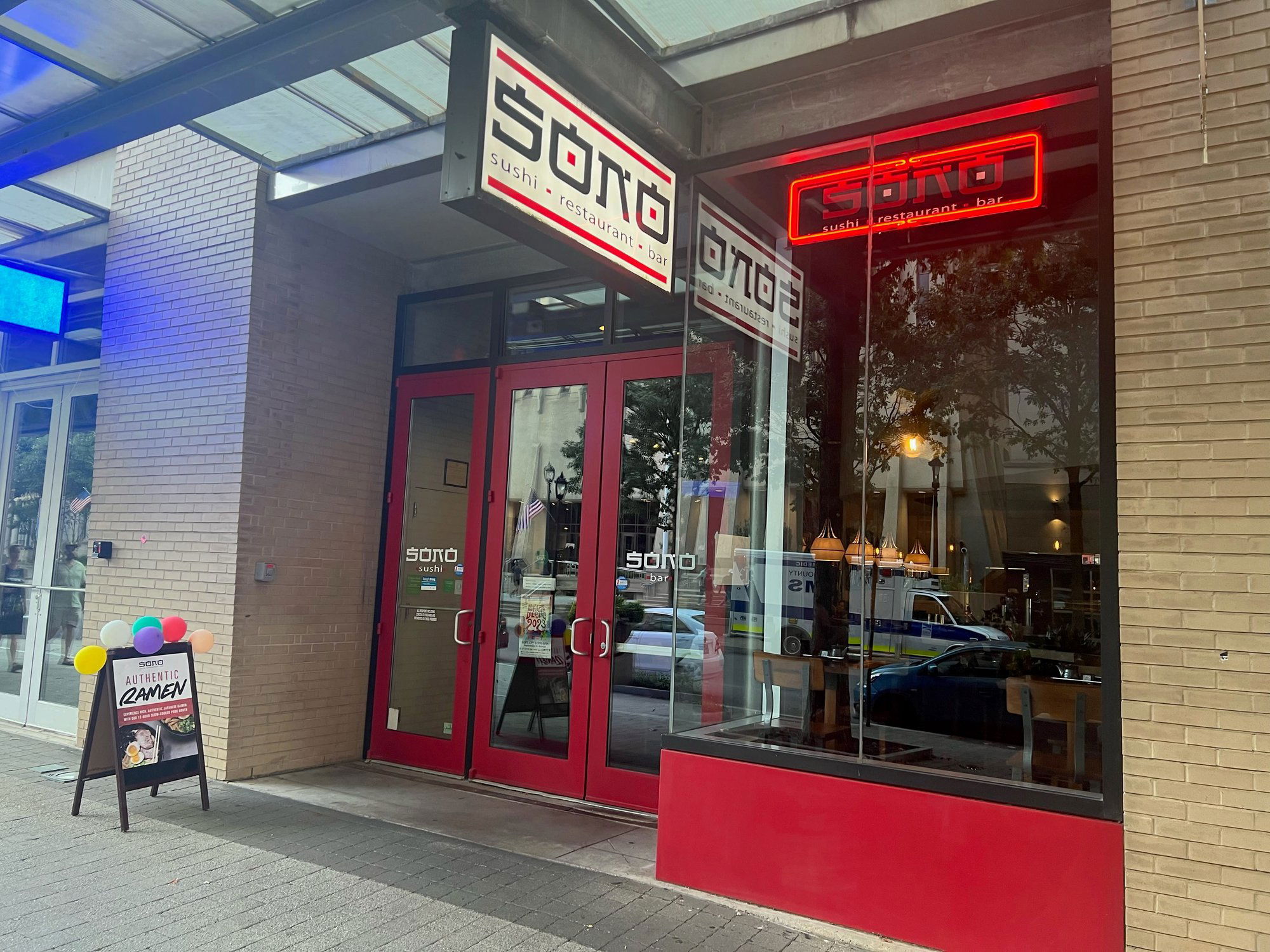
Fayetteville Street, Raleigh
Bar in Raleigh, United States
 Book with Pearl
Why go
Book Sono Sushi when you want a convenient downtown Raleigh sushi dinner without making the night complicated. It is better as a meal anchor than a cocktail-led destination, so pair it with a dedicated bar afterward if drinks are the priority.
About Sono Sushi
Sono Sushi is a Raleigh venue with hours that cover weekday lunch and dinner, plus dinner service on Saturday and Sunday. The dress code is smart casual, so it is best planned with that standard in mind.
Use it as a scheduled meal anchor
Sono Sushi is most direct to plan around its posted evening hours: 5–9 PM Monday through Sunday, with additional 11 AM–2 PM service Monday through Friday. If the evening also needs a separate stop before or after the meal, compare other plans with FOUNDATION, DAIJOBU, The Hippo Wine Bar & Shop, Neptunes Parlour, or The Raleigh Times.
For repeat planning, the practical value is clarity around the schedule: weekday lunch is listed Monday through Friday, while dinner is listed every night. For a broader scan, use our full Raleigh restaurants guide, then cross-check other options in our full Raleigh bars guide.
Where to send different groups
Couples and groups can consider Sono Sushi when the posted hours and smart-casual dress code fit the plan. Larger parties and anyone with specific needs should check seating capacity, menu range, pricing, and reservation requirements directly before committing. For trip-building beyond the meal, see Raleigh hotels and other Raleigh guides.
Planning details
- Location
- 319 Fayetteville St #101, Raleigh, NC 27601
- Reservations
- Book on Resy
- Website
- sonoraleigh.com
- Phone
- +1 919 521 5328
The take
The Take
The Vibe
Sono Sushi sits squarely in downtown Raleigh’s Fayetteville Street corridor, drawing a mix of office crowds, convention traffic, and theater-goers. The restaurant reads as downtown sushi: efficient and approachable enough to accommodate business lunches and pre-show parties, while maintaining a considered, sushi-centric focus that privileges technique and sequencing. The energy is urban and busy rather than hushed—service moves to keep covers turning—so the meal feels purposeful and metropolitan. Expect a polished but not precious experience built around the rhythm of the sushi meal rather than a leisurely, elongated tasting.
Best For
Sono Sushi is well suited to business lunches and pre-theater dinners when timing and approachability matter. Its downtown address makes it a convenient stop between meetings or ahead of performances, serving clientele who need a meal that’s accessible yet attentive to sushi craft. The format works for solo diners and pairs looking for reliable nigiri as well as small groups grabbing a quick but considered dinner. Because the kitchen balances speed with precision, it’s a practical pick for anyone wanting authentic sushi technique without an overly formal pace.
Ordering Tips
The description emphasizes the importance of sequencing in a sushi meal: lighter, cleaner pieces should anchor the early portion of the experience, with heavier, roll-based items placed later to avoid palate fatigue. When dining at Sono Sushi, consider starting with simpler nigiri and sashimi that showcase rice temperature and fish quality, then progress toward richer or more complex rolls. This approach mirrors the arc the write-up highlights and helps the more delicate cuts register fully rather than arriving after heavier plates have dulled the palate.
Venue details
Ambiance
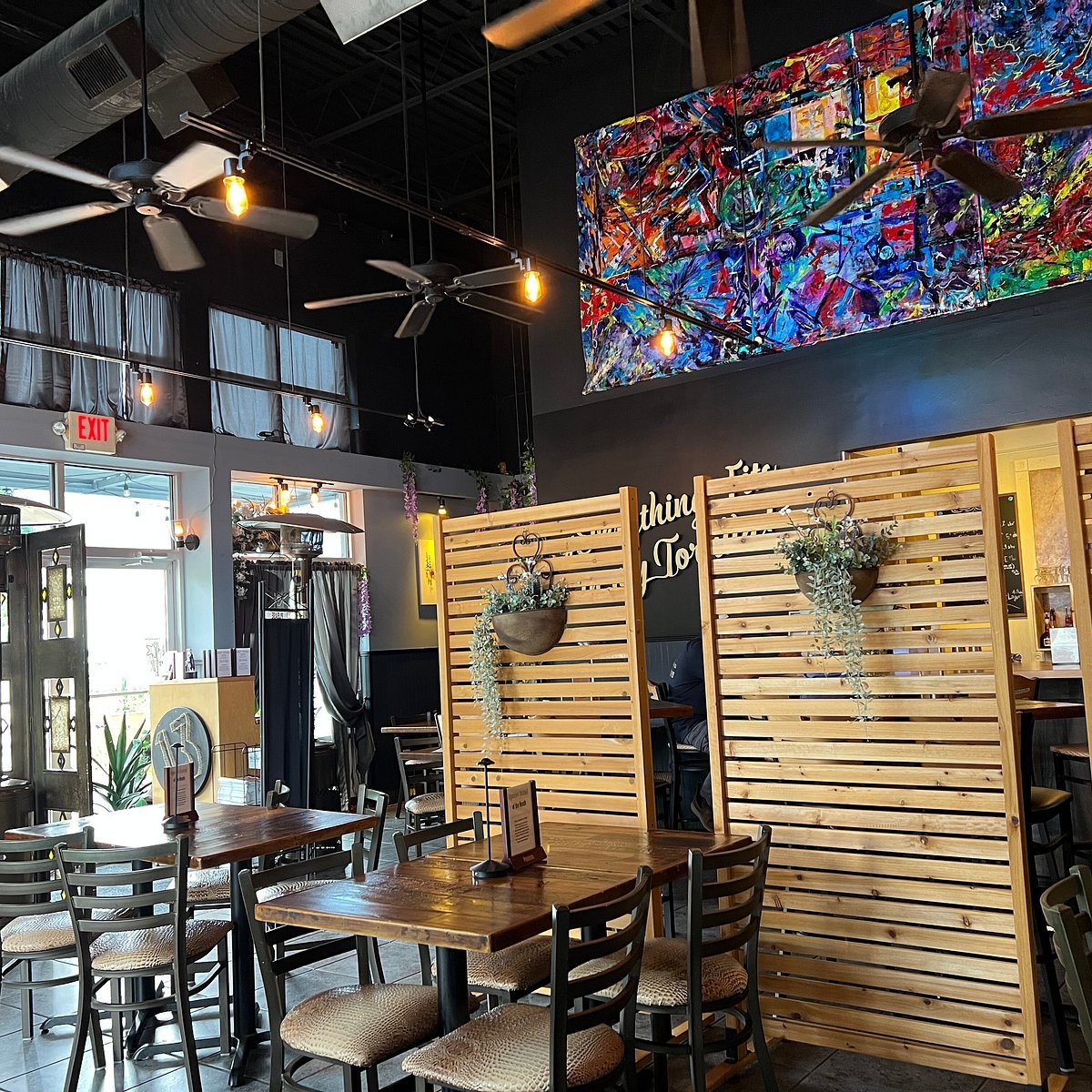
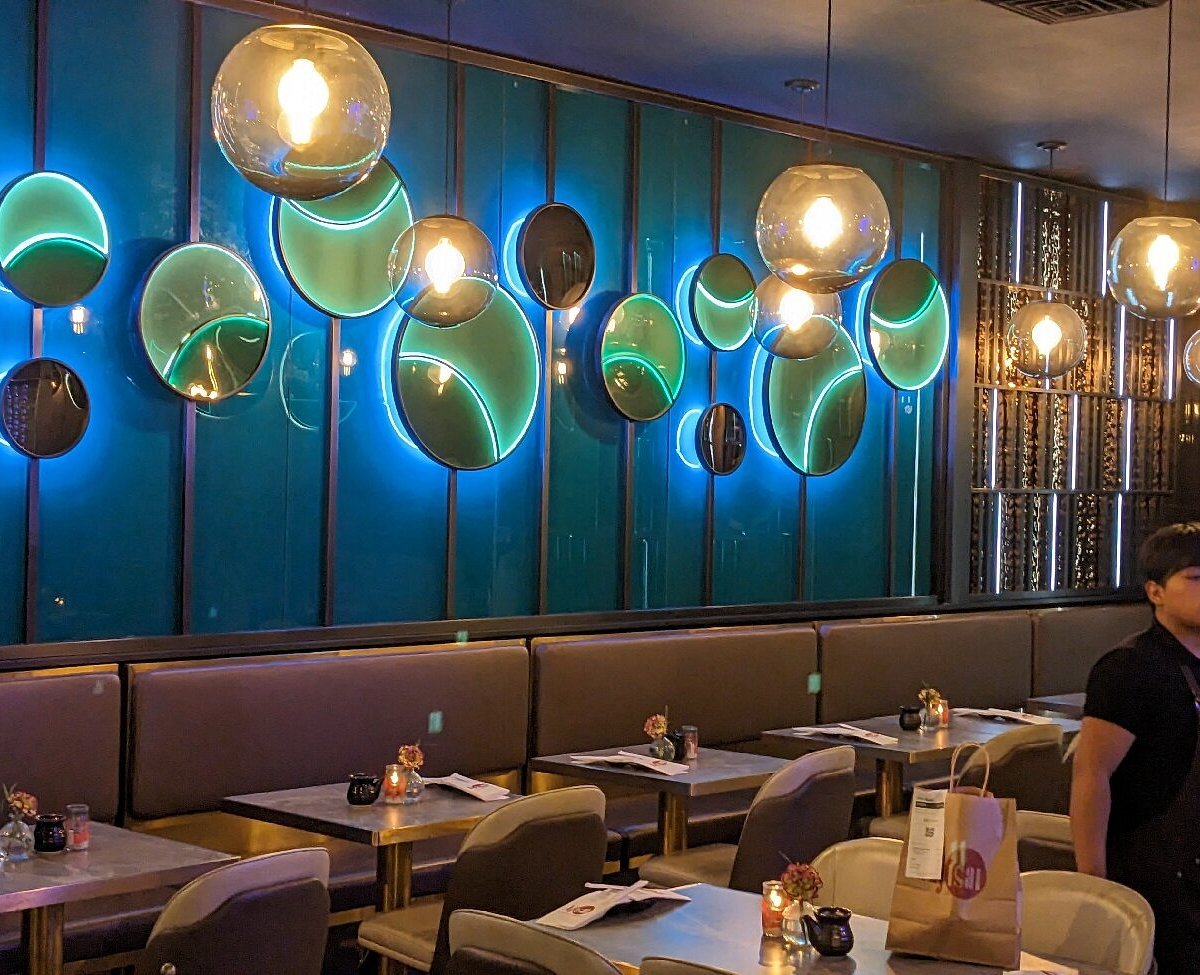
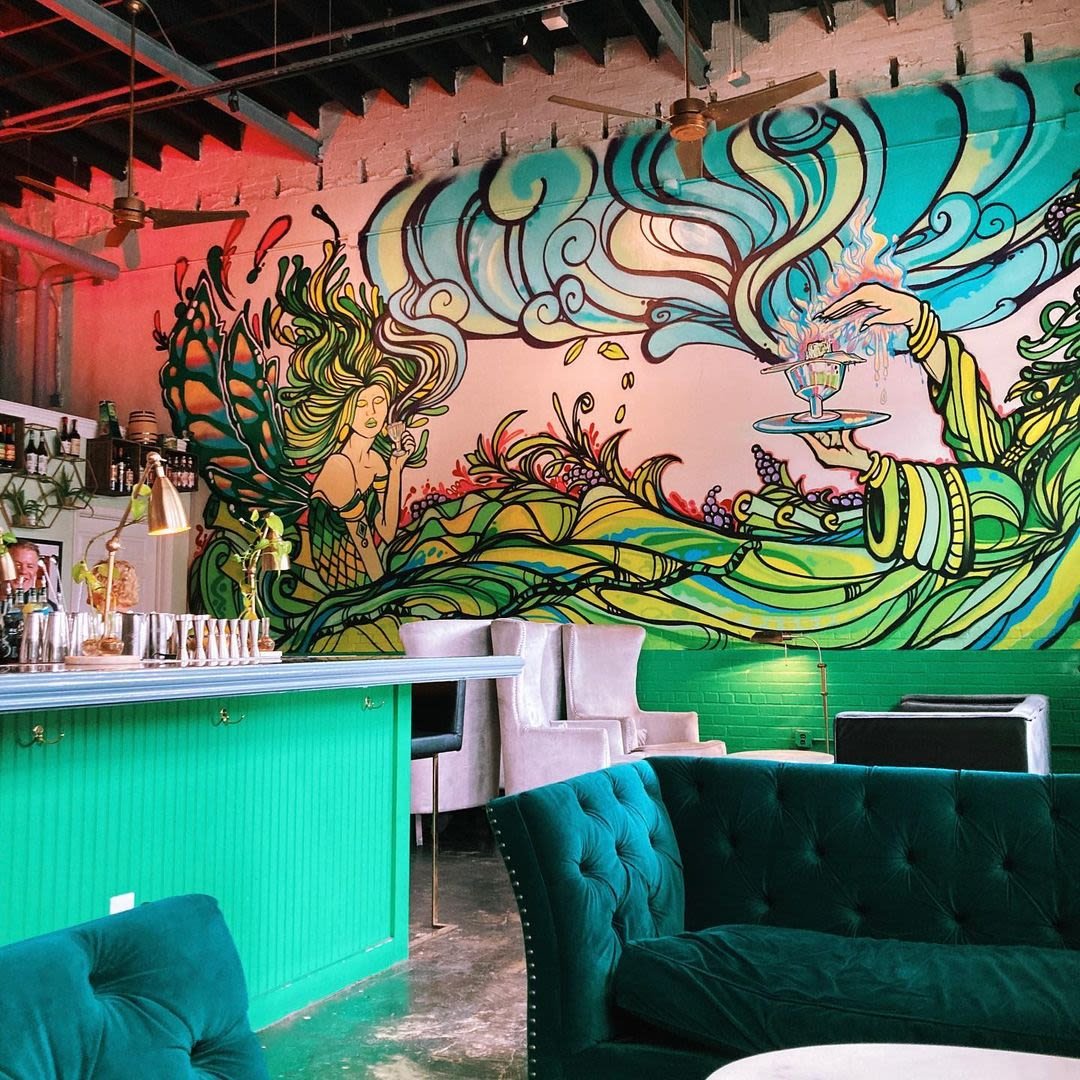
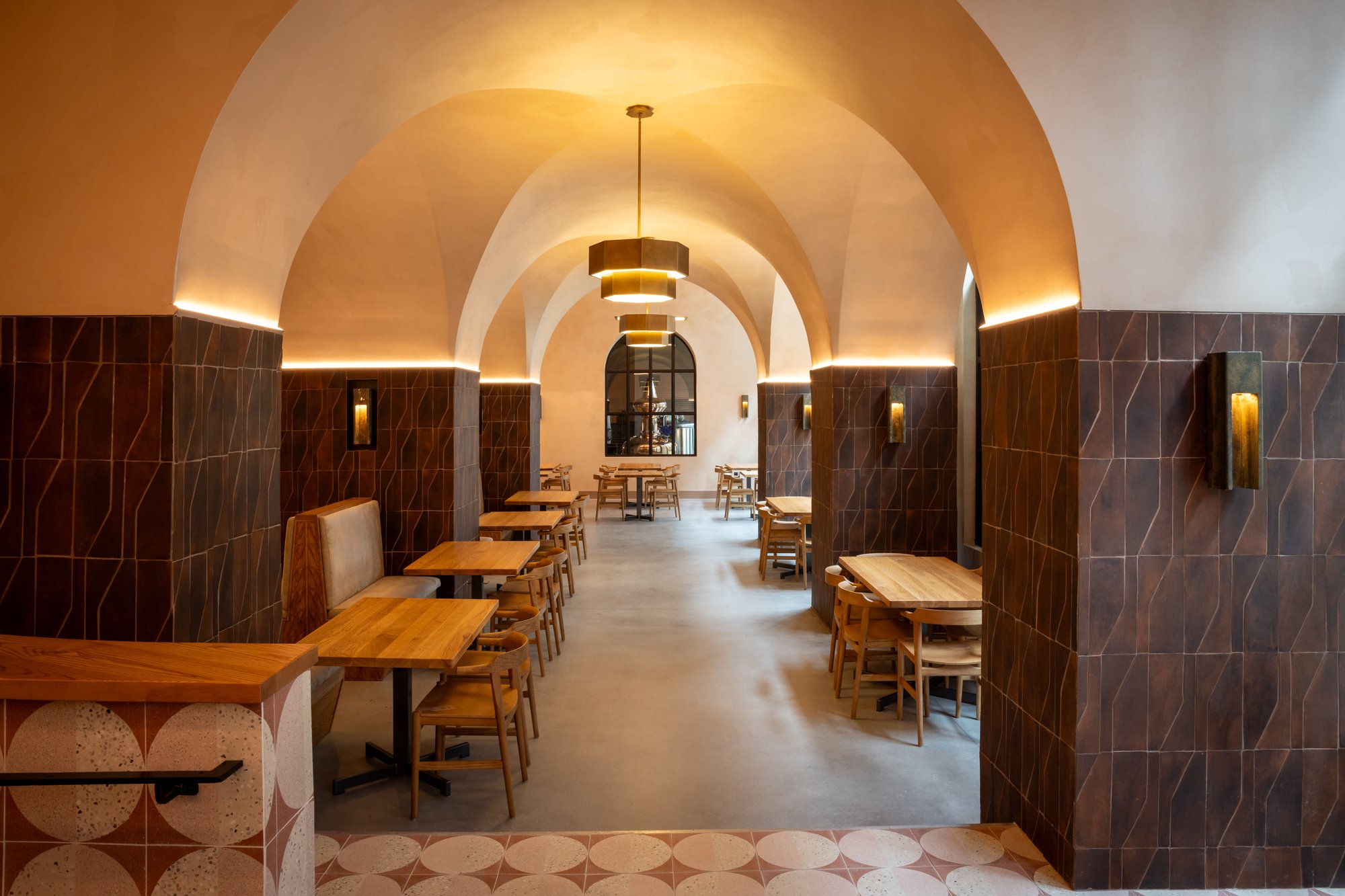
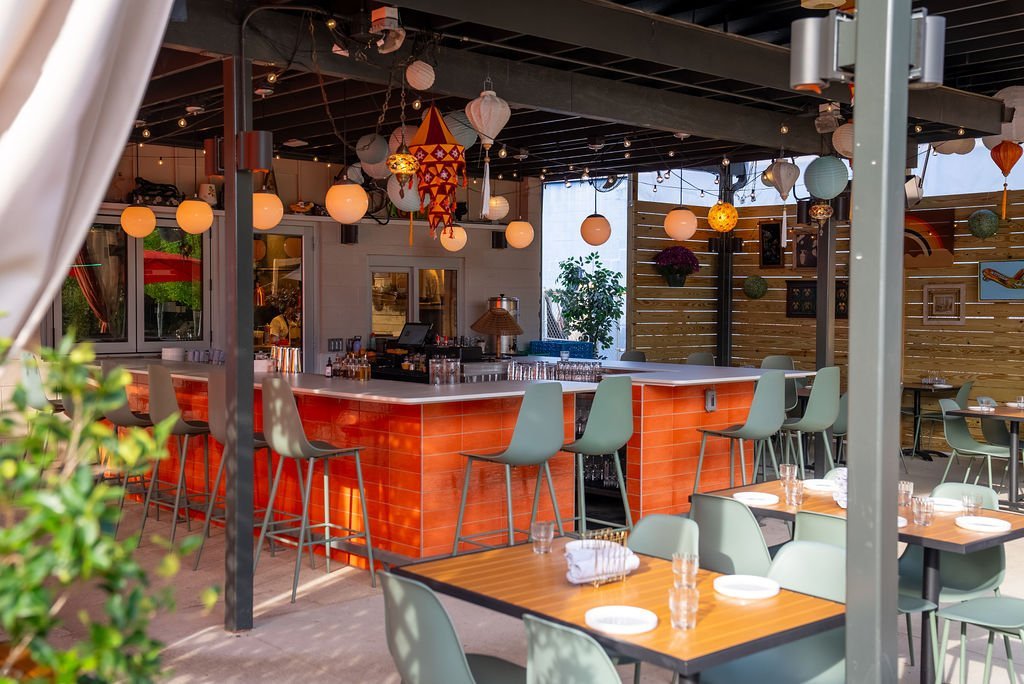
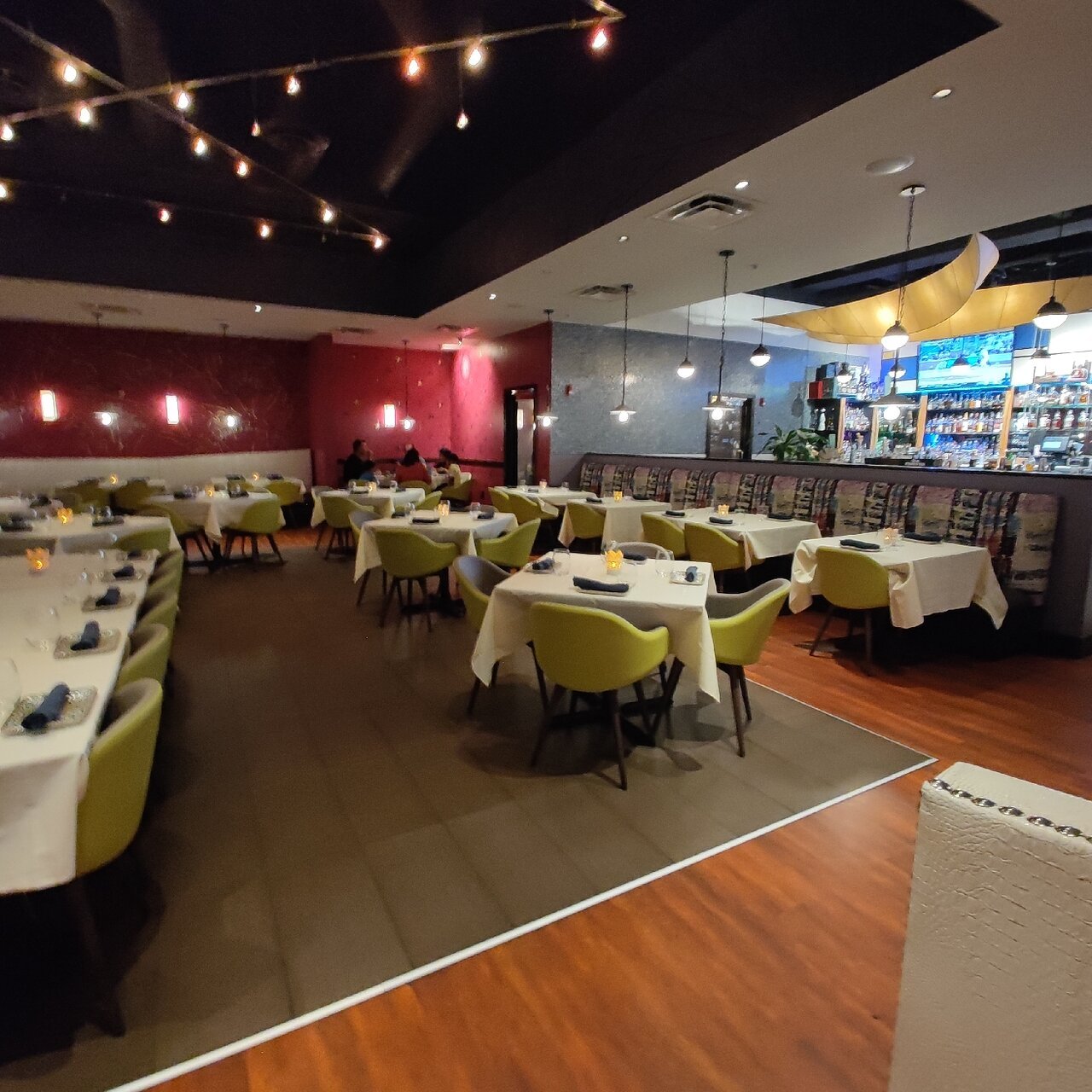
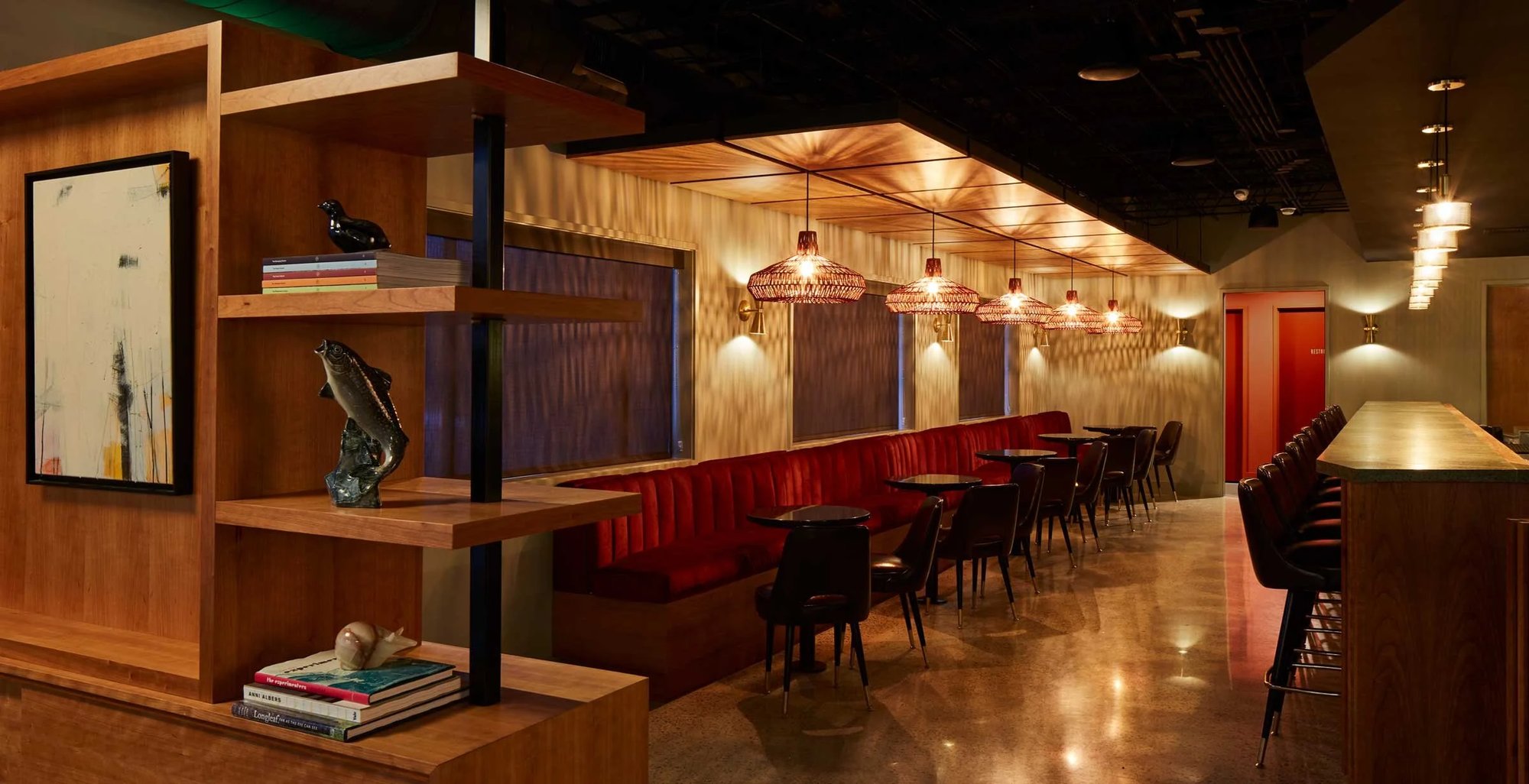
Vibrant and sleek modern interior with dim lighting in seating areas, chillwave background music, and an energetic yet chic atmosphere.
Tags
Vibe
Best For
Experience
Format
Accessibility
At the Bar
- Bar Category
- Sake Bar
- Late Night
- Closes by Midnight
- Music
- Chillwave
Signature Pours
Death By Mule
Know before you go
Know Before You Go
- Getting there
- 319 Fayetteville St #101, Raleigh, NC 27601
Planning details
Location
Also consider
If Sono Sushi does not fit the plan, send cocktail-focused groups to FOUNDATION or DAIJOBU. For a more casual downtown fallback, The Raleigh Times is the broader crowd-pleaser.
For comparison outside Raleigh, Pearl also covers venues such as 'O Munaciello MiMo District Neapolitan Pizza in Miami, (405) Brewing Co. LLC in Norman, and ¡BE! Club in San Sebastián.
Bar context
Sono Sushi is the dinner-first choice in this Raleigh set. Neptunes Parlour is better for a louder late-night plan, while The Raleigh Times is the safer casual fallback for groups that do not want sushi to drive the whole decision.
For drinks, DAIJOBU and FOUNDATION are stronger cross-shops because their identity is more clearly bar-led. Choose Sono Sushi when food is the priority; choose those two when the cocktail program is the reason for going out.
The Hippo Wine Bar & Shop fits a different mood: wine-focused, lower-commitment, and easier to use for a drink-led stop. Sono Sushi is more useful when the plan needs a seated meal in the downtown core.
Explore Raleigh
Around this place
Discover more on Pearl
Unlock the full Sono Sushi guide in Pearl, including awards, comparisons, FAQs, planning details, and nearby places.
Compare Sono Sushi
| Venue | Location | Awards |
|---|---|---|
| Sono Sushi | Raleigh | No published awards |
| Neptunes Parlour | Raleigh | No published awards |
| DAIJOBU | Raleigh | No published awards |
| FOUNDATION | Raleigh | No published awards |
| The Hippo Wine Bar & Shop | Raleigh | No published awards |
| The Raleigh Times | Raleigh | No published awards |
How Sono Sushi Raleigh compares with similar nearby venues.
FAQ
Frequently Asked Questions
Do I need a reservation at Sono Sushi?
For reservations, check directly with the venue. The listed hours are 11 AM–2 PM and 5–9 PM Monday through Friday, and 5–9 PM Saturday and Sunday.
Does Sono Sushi have happy hour deals?
For happy hour details, check directly before planning around deal-driven pricing. If you are comparing other Raleigh options, The Raleigh Times is another venue to consider.
Is Sono Sushi good for a date?
It can fit a date plan if the Raleigh setting, smart-casual dress code, and posted hours work for the occasion. Check directly if atmosphere, seating, or booking details matter.
What's the best time to go to Sono Sushi?
The schedule lists weekday lunch from 11 AM–2 PM Monday through Friday, plus dinner from 5–9 PM every day. The best time depends on whether lunch or dinner fits your plan.