
Bar in Queenstown, New Zealand
Smiths Craft Beer House
100ptsFormat-Specific Craft Pour
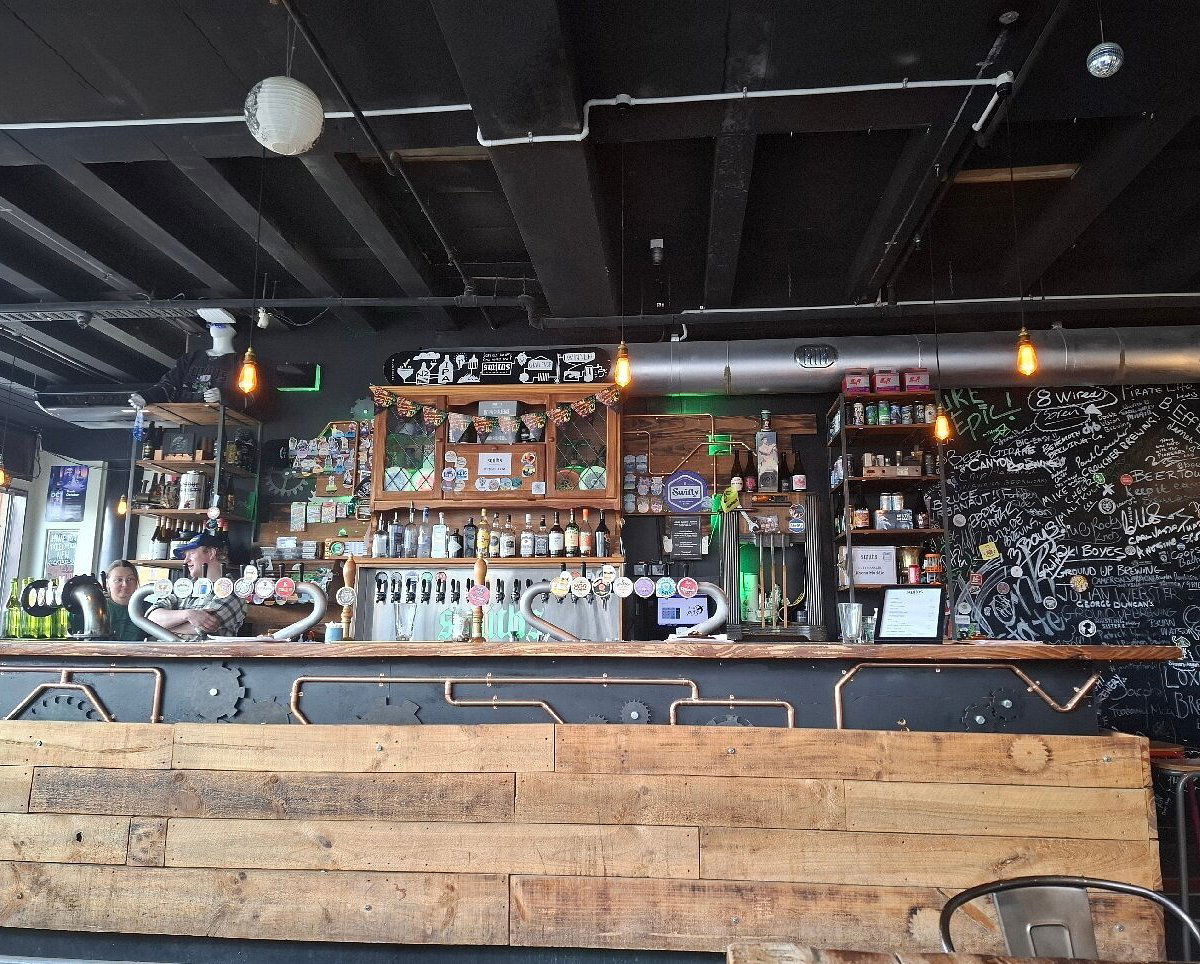
About Smiths Craft Beer House
Smiths Craft Beer House on Shotover Street sits at the centre of Queenstown's drinking circuit, offering a focused craft beer format in a town better known for its adventure tourism than its tap selection. The physical setting and range of pours make it a reliable stop for those working through the town's bar scene after a day on the slopes or the lake.
Shotover Street After Dark
Queenstown's bar strip along Shotover Street operates on a particular logic: the closer you are to the water, the more the venues angle toward spectacle and price. Smiths Craft Beer House, at 53 Shotover Street, sits in the middle of that current — accessible without being transient, and with enough focus on the beer format to distinguish itself from the generalist pubs and cocktail bars competing for the same post-ski, post-bungee crowd. In a town where most drinking venues hedge toward broad appeal, a dedicated craft beer house occupies a specific niche.
The Shotover Street corridor has changed considerably over the past decade. What was once a row dominated by shots-and-shots-again venues has gradually accommodated more format-specific bars: cocktail programs with some technical ambition, wine-forward spots, and beer houses oriented around tap variety and producer provenance. Smiths fits into that last category, operating in a segment of the Queenstown bar scene that values what's on the list as much as how loud the room gets. For visitors who have spent time at places like Emerson's Brewery in Dunedin Central or tracked New Zealand's craft beer scene more broadly, the framing will feel familiar.
The Physical Space and What It Signals
Craft beer houses in tourist-heavy cities tend to fall into one of two design registers: the industrial-warehouse conversion that signals seriousness, or the warm-wood pub format that signals accessibility. Queenstown's visitor base — high turnover, broad demographic, international , typically pushes venues toward the latter. A space that reads as welcoming on first entry, with enough visual warmth to hold a group that arrived spontaneously rather than with a reservation, is the commercial logic of the street.
What a craft beer house communicates through its physical environment is often as important as what it pours. Tap count visible from the door, blackboard lists or digital menus that change with the season, and the presence of branded glassware from specific producers all function as trust signals for the beer-literate visitor. They indicate a venue that treats the product as the point rather than the backdrop. Comparable formats in New Zealand's larger cities , Atlas Beer Cafe being the most proximate local comparison , use similar visual cues to signal where they sit on the spectrum between casual local and specialist destination.
In Queenstown specifically, the challenge for any format-led bar is the transient nature of its audience. The city draws visitors for two to five nights on average, which means the room is rarely filled with regulars who have built a relationship with the program. The physical environment has to do a lot of work quickly: orient the newcomer, communicate the offer, and generate enough atmosphere that the decision to stay rather than move on feels natural. Lighting and seating configuration carry that burden as much as the beer list itself.
Craft Beer in a Resort Town Context
New Zealand's craft beer scene is well-developed relative to the country's size. Breweries like Garage Project in Wellington, Yeastie Boys, and the South Island's own producers have given the sector genuine depth and a clear identity distinct from Australian or American reference points. For a bar in Queenstown , a resort town with high visitor volume and pressure to deliver broad appeal , leaning into that local and national producer network is both a commercial and an editorial statement.
The craft beer house format works leading when tap selection rotates with enough frequency to reward return visits and when the range spans styles rather than clustering around accessible lagers dressed in craft packaging. In resort contexts, the tension is real: the majority of visitors want something drinkable and immediate, while the beer-engaged minority want evidence of curation. The venues that hold both audiences tend to be those with a clear visual hierarchy on the menu , approachable entry points alongside more specific seasonal or limited releases. For comparisons further afield in New Zealand's bar circuit, Bubba's Bar in Christchurch and Chameleon Restaurant in Wellington Central each represent different points on the format spectrum.
Queenstown's peer set for Smiths includes The World Bar, Sherwood Queenstown, and Toast and Oak , each operating with a different format emphasis. The World Bar skews toward a younger, higher-energy crowd; Sherwood operates with a more considered food and drinks program tied to its accommodation context; Toast and Oak holds a more polished bar position. Smiths, by contrast, anchors its identity in the beer product itself, which positions it as the destination for visitors whose first question is about tap variety rather than cocktail menu or wine list.
Queenstown's Bar Circuit: Where Smiths Fits
Queenstown has enough drinking options that most visitors are making comparative choices rather than defaulting to the nearest venue. The circuit runs from the more atmospheric hotel bars , the kind of program that Hotel DeBrett in Auckland Central represents in a different city context , through to the standing-room Shotover Street spots that peak between 10pm and 2am. Smiths operates in a middle band: specific enough to draw visitors with a declared preference for craft beer, accessible enough to hold a mixed group without anyone feeling the format is exclusionary.
For visitors building an itinerary across New Zealand who have spent time at Lime Bar in Ponsonby or Azabu Ponsonby in Grey Lynn, the Queenstown bar scene will read as less technically ambitious but more atmosphere-driven, shaped by the resort town dynamic and the energy of a visitor population that is often celebrating something , a first bungee, a ski day that exceeded expectations, the last night of a South Island loop. Smiths catches a share of that energy without being purely reactive to it. See our full Queenstown restaurants guide for broader context on where the city's food and drink scene sits right now.
Visitors comparing New Zealand's craft beer bar formats internationally can look at Bar Leather Apron in Honolulu as a Pacific-adjacent reference point for how resort-city bars build credibility through format discipline rather than scale.
Planning Your Visit
Smiths Craft Beer House is located at 53 Shotover Street in central Queenstown, within walking distance of the main lakefront and the majority of the town's accommodation. No booking is required for casual visits; the venue operates as a walk-in bar rather than a reservation-led space. The Shotover Street location means it sits naturally within an evening that might also take in the broader bar circuit. The busiest periods align with peak ski season (July through September) and the summer visitor surge (December through February), when Shotover Street sees its highest foot traffic. Arriving before 9pm on weekends in peak periods will secure better seating options.
Frequently Asked Questions
What should I try at Smiths Craft Beer House?
The case for visiting Smiths is built around its craft beer format rather than a specific dish or cocktail. In a town where most bars hedge toward broad spirits and wine lists, a venue oriented around tap beer selection offers a distinct experience for visitors whose priority is tracking New Zealand's regional producers. Arrive with an interest in what's on tap rather than a specific order in mind, and ask what's rotating , seasonal and limited releases tend to be the most useful indicators of how seriously the program is being managed.
What's the main draw of Smiths Craft Beer House?
In Queenstown's bar circuit, which skews toward spectacle and generalist appeal, Smiths offers a format-specific alternative: a craft beer house on a street that mostly competes on volume and energy. The Shotover Street location makes it easy to reach from the lakefront and central accommodation, and the beer-focused format distinguishes it from nearby competitors including The World Bar and Toast and Oak. Pricing at a craft beer house in a New Zealand resort town typically sits in the mid-range for the category , expect tap pints to sit above the supermarket benchmark but below the hotel bar premium.
Is Smiths Craft Beer House a good option for visitors who don't usually follow craft beer?
Craft beer houses in tourist-heavy cities typically calibrate their lists to include entry points alongside specialist selections, and venues on a strip like Shotover Street have a commercial incentive to hold mixed groups rather than filtering for a single type of drinker. Smiths sits in that accessible-specialist middle ground, making it a workable stop for a group where some members are beer-engaged and others are not. The Queenstown context also means the atmosphere does some of the work , the energy of the street and the format of the space tend to make the visit feel coherent regardless of how much attention any individual is paying to the tap list.
Related editorial
- Best Fine Dining Restaurants in ParisFrom three-Michelin-star icons to the next generation of Parisian chefs pushing boundaries, these are the restaurants that define fine dining in the world's culinary capital.
- Best Luxury Hotels in RomeFrom rooftop terraces overlooking ancient ruins to Michelin-starred hotel dining, these are the luxury hotels that make Rome unforgettable.
- Best Cocktail Bars in KyotoFrom sleek lounges to hidden speakeasies, Kyoto's cocktail scene blends Japanese precision with global influence in ways you won't find anywhere else.
Save or rate Smiths Craft Beer House on Pearl
Keep this venue in your Pearl passport, rate it after you visit, and track it alongside every other place you collect.