
Enoteca 17.56
Vila Nova de Gaia, Porto
Bar in Porto, Portugal
 Book with Pearl
The Read
Price
$50–100per person
Why go
Enoteca 17.56 is worth shortlisting for a wine-led evening in Vila Nova de Gaia, especially if the night needs flexibility after cellar visits or dinner. The Star Wine List recognition is the main trust signal; choose it for depth and pacing, not for a chef-driven restaurant experience.
About Enoteca 17.56
Is Enoteca 17.56 worth considering in Porto? Yes if you are looking for a Porto venue with clearly published daily hours, a smart casual dress code, and confirmed Star Wine List (2026) recognition. Beyond those details, the public brief should stay modest: specific dishes, chef details, prices, seating style, and menu format are not confirmed here.
The practical read is simple: use Enoteca 17.56 as a Porto option with reliable scheduling information rather than as a fully mapped restaurant profile. It opens daily from 12:30 PM and runs until 11 PM from Sunday through Thursday, with later 11:30 PM closing on Friday and Saturday. For travelers comparing categories, pair this with our full Porto restaurants guide if dinner is the anchor, or use a broader Porto bars guide if the evening is more flexible.
A Porto venue with confirmed hours and wine-list recognition
Enoteca 17.56 sits in Porto planning as a venue with one clear recognition point: Star Wine List (2026). That is the safest signal to cite. It should not be stretched into unconfirmed claims about a specific drinks program, cellar depth, producers, dishes, service format, or a named chef.
The schedule is the main planning advantage. A venue that opens from 12:30 PM into the evening gives travelers flexibility across the week, with Friday and Saturday running until 11:30 PM and the remaining days until 11 PM. If the plan calls for a different style of Porto evening, compare naturally with Curioso Cocktail Bar, Bello Rooftop, Magma, Dick's Bar & Bistro, or The Yeatman Hotel, depending on the atmosphere you want.
Who should choose it, and who should cross-shop
Choose Enoteca 17.56 if your priority is a Porto venue with confirmed daily hours, smart casual dress, and Star Wine List (2026) recognition. Be more cautious if you need information on price, seating, menu format, dietary accommodations, take-out, delivery, or a detailed restaurant-style offering, because those specifics are not confirmed in the data.
Use our full Porto hotels guide if location and logistics are part of the decision, and compare with other Porto dining and bar options when you need a different setting, format, or level of confirmed detail.
Planning details
- Location
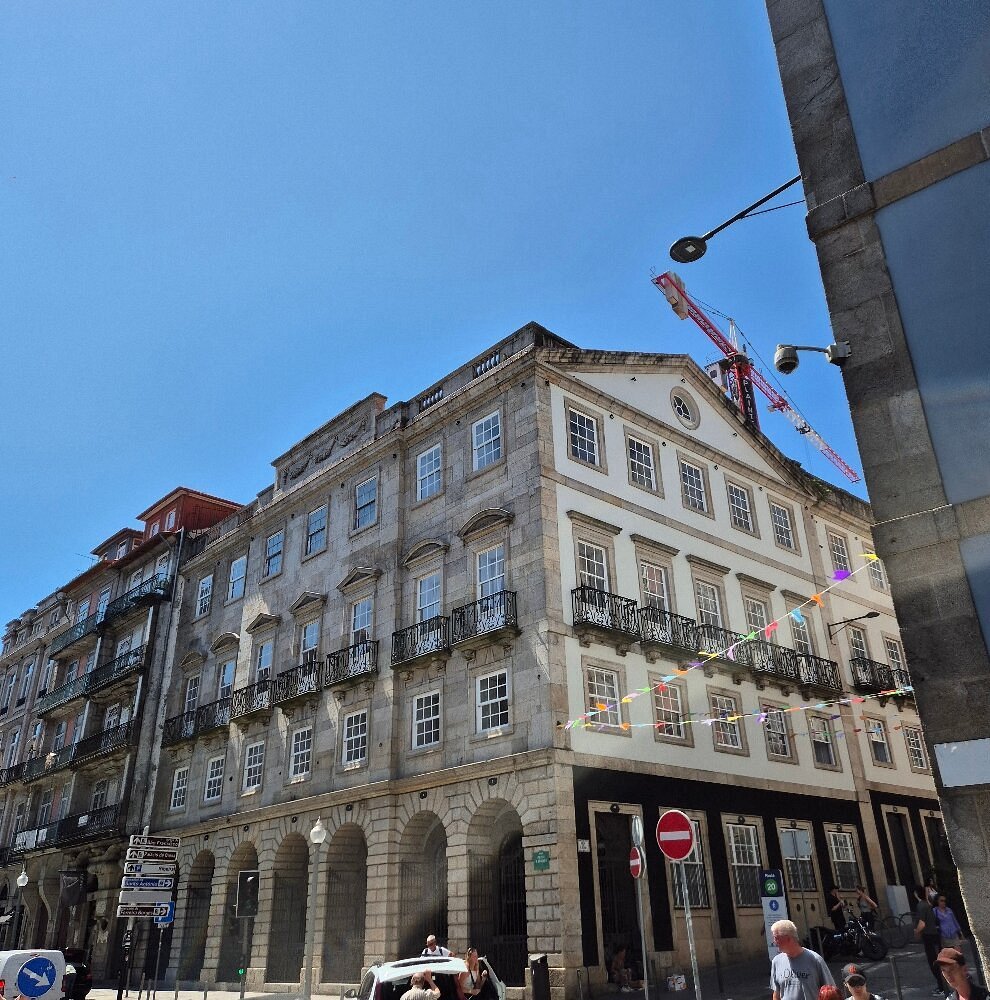
- R. de Serpa Pinto 44B, 4400-307 Vila Nova de Gaia, Portugal
- Reservations
- Book on SevenRooms
- Website
- enoteca1756.pt
- Phone
- +351 22 244 8500
The take
The Take
The Vibe
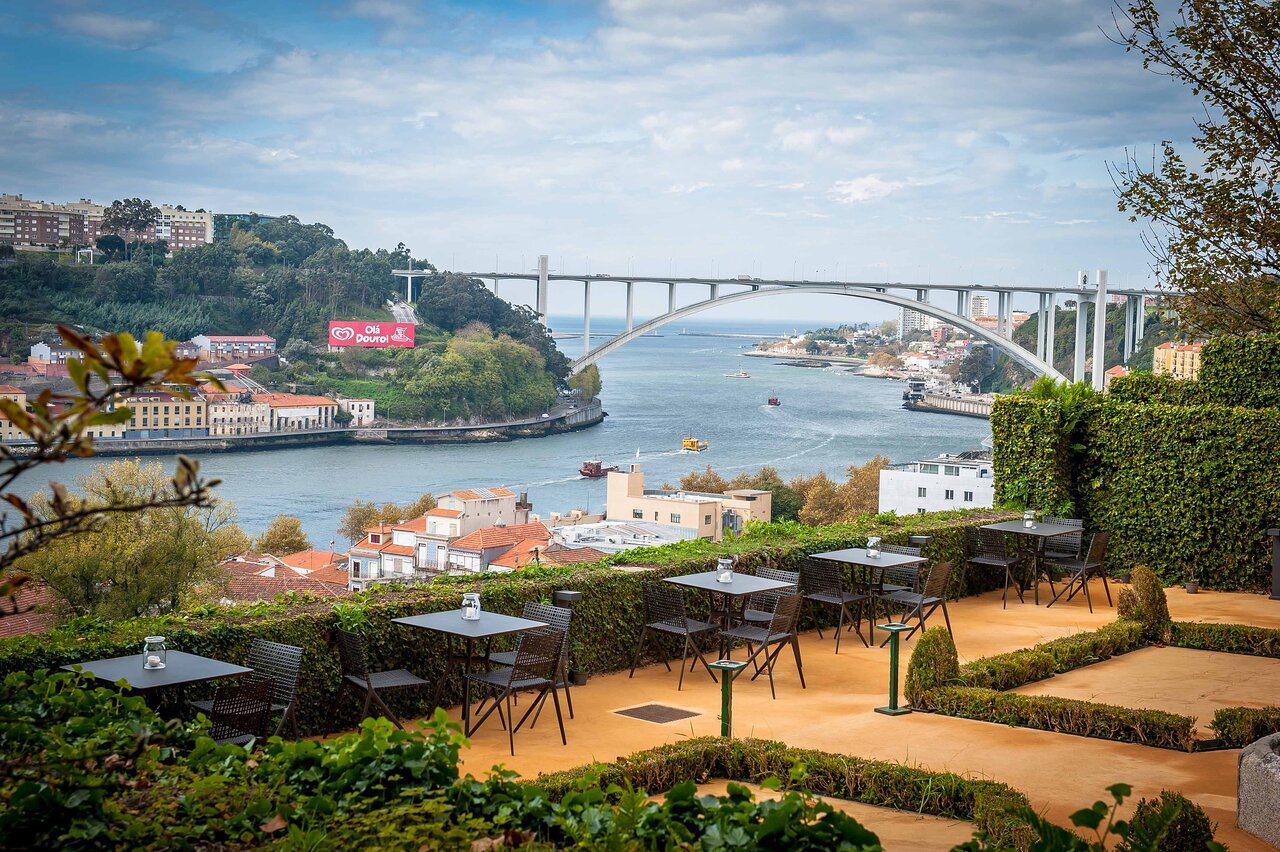
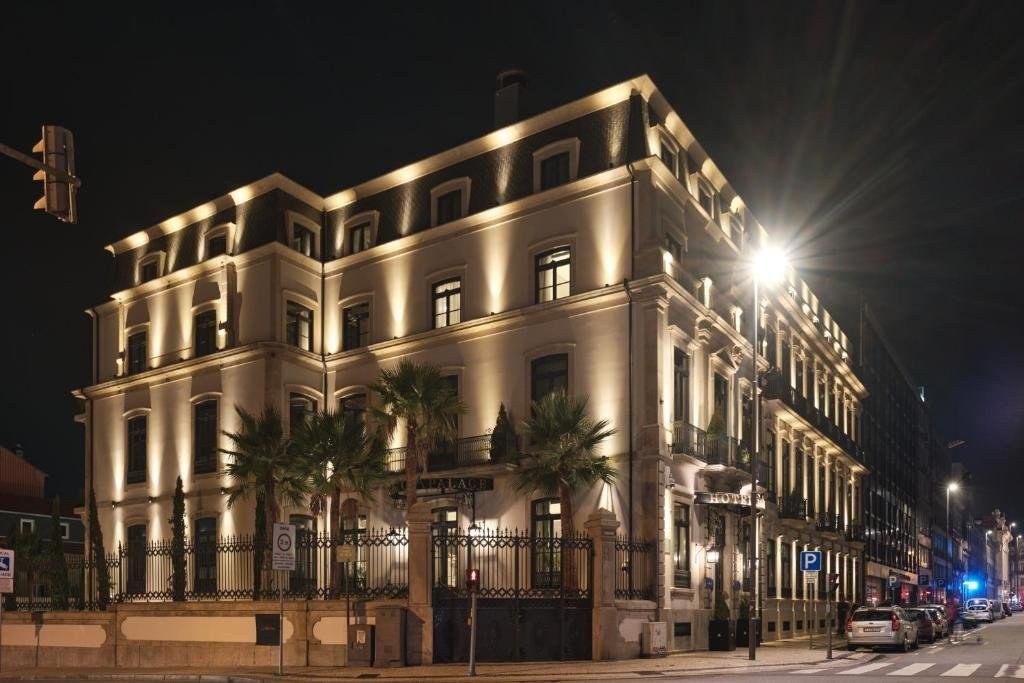
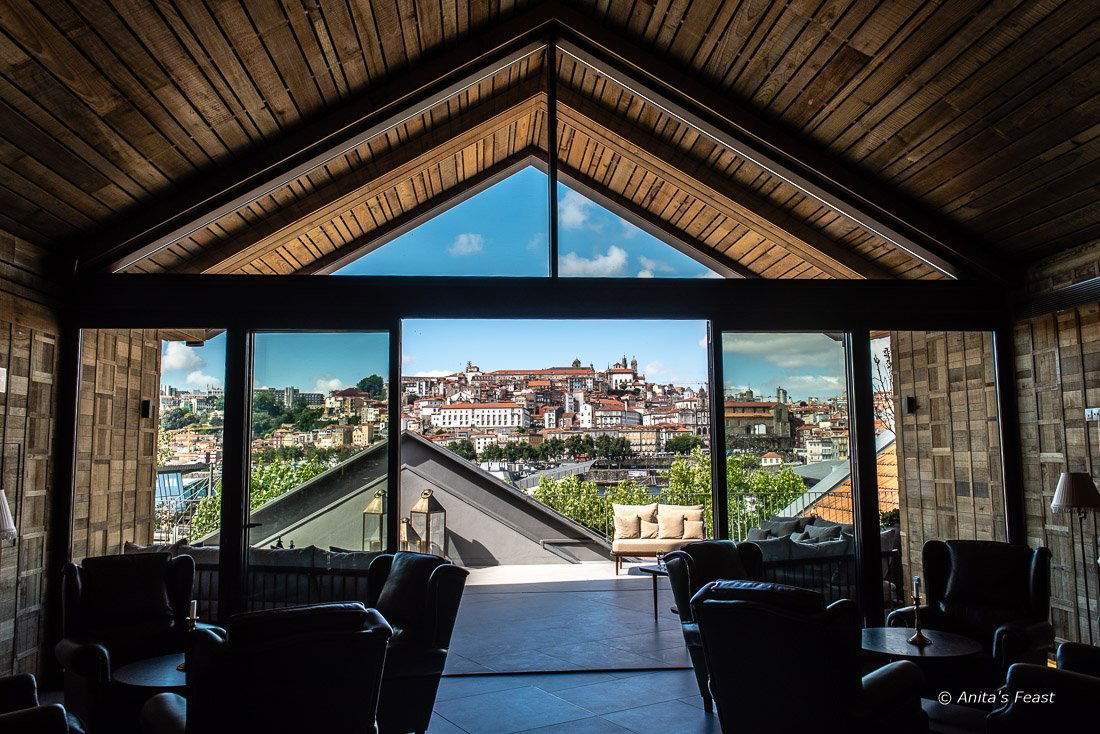
Enoteca 17.56 trades on its vantage as much as its kitchen program: perched on the Gaia dock, the Porto skyline and Dom Luís I bridge form a cinematic backdrop that defines the room. The house’s ambitious three-kitchen architecture feels modern and purposeful, built to accommodate mixed groups who want variety without compromising technique. The setting reads scenic and quietly grand, framed by riverside urban layers—wine lodges, historic facades, and the bridge—so the overall temperament is one of considered refinement with a strong visual presence rather than flashy theatrics.
Best For
This is a venue built for shared meals and scenic dinners. The three-kitchen model explicitly caters to mixed-group dining—friends or families who want to sample sashimi, a grilled main, and pasta at a single table—and the riverside location makes it especially appealing for evening reservations when the Porto skyline is most striking. It suits groups who prioritize variety and setting over single-cuisine specialization, and it’s a reliable pick for anyone seeking a memorable waterfront dinner rather than a quick bar stop.
Ordering Tips
Treat the three kitchens as an intentional feature: order across stations rather than sticking to one corner of the menu. The write-up specifically calls out sashimi, a grilled cut, and pasta as complementary choices, so plan for shared plates and staggered orders so each section can demonstrate technique. Bring a group of three or four to make the most of sampling, and be prepared to judge consistency between disciplines—the copy even suggests critical diners note whether the sushi station and Italian section sustain specialist-level rigour.
Venue details
Ambiance
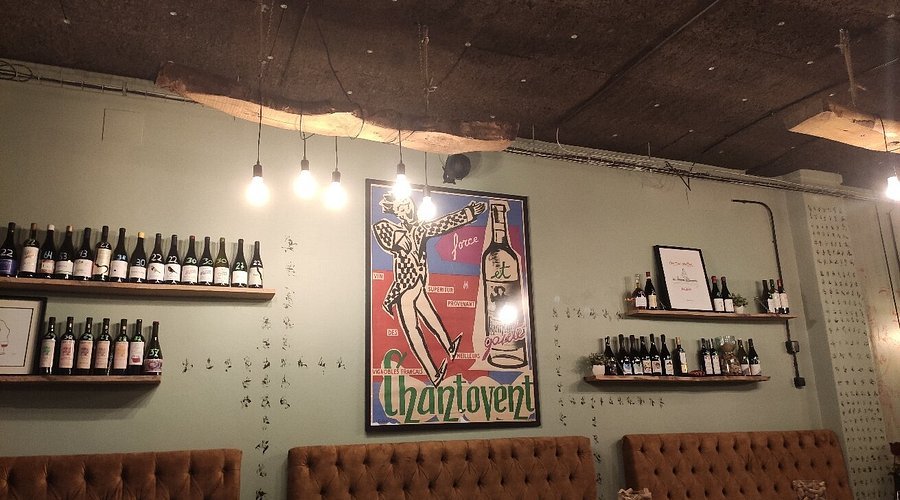
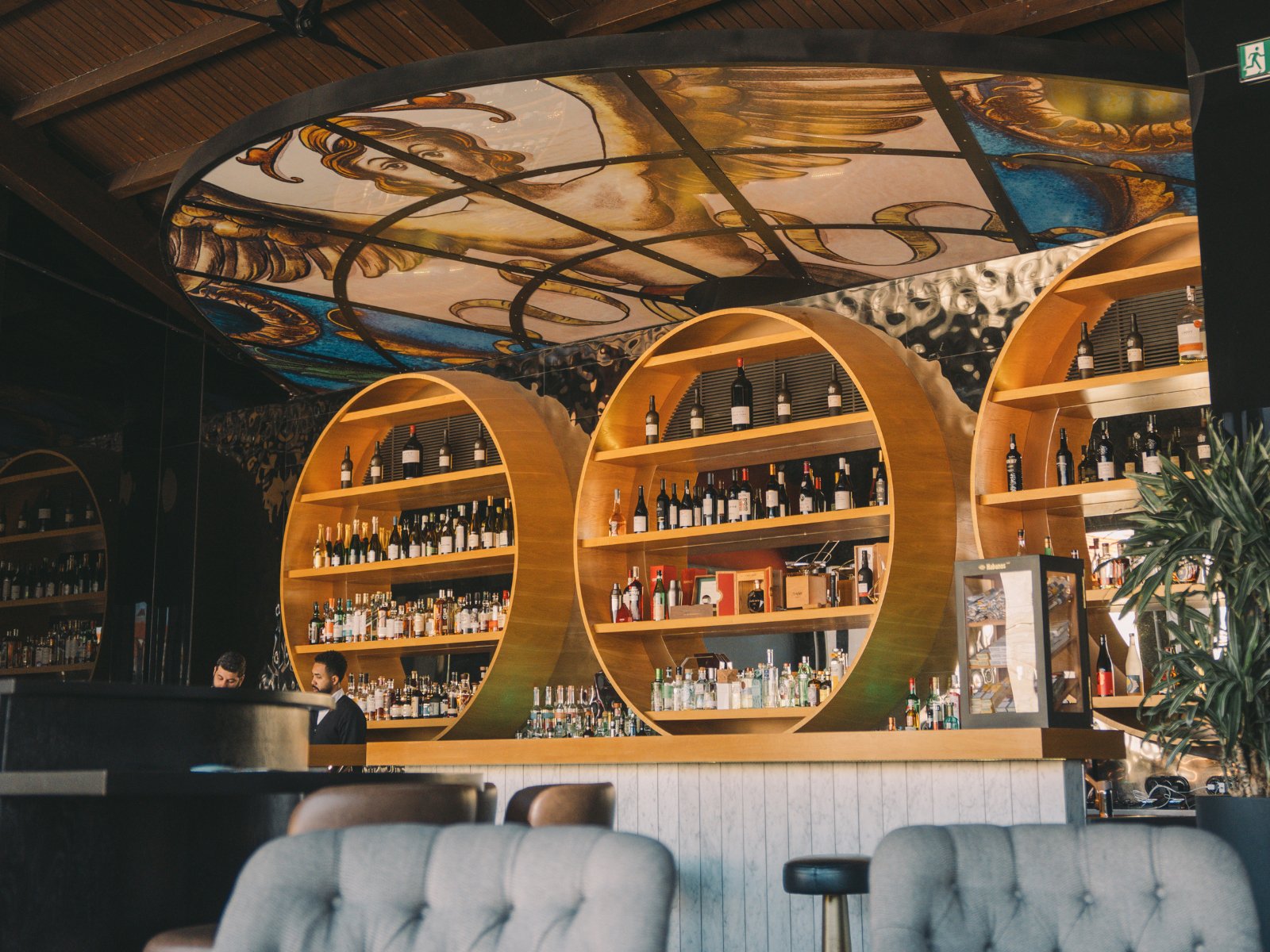
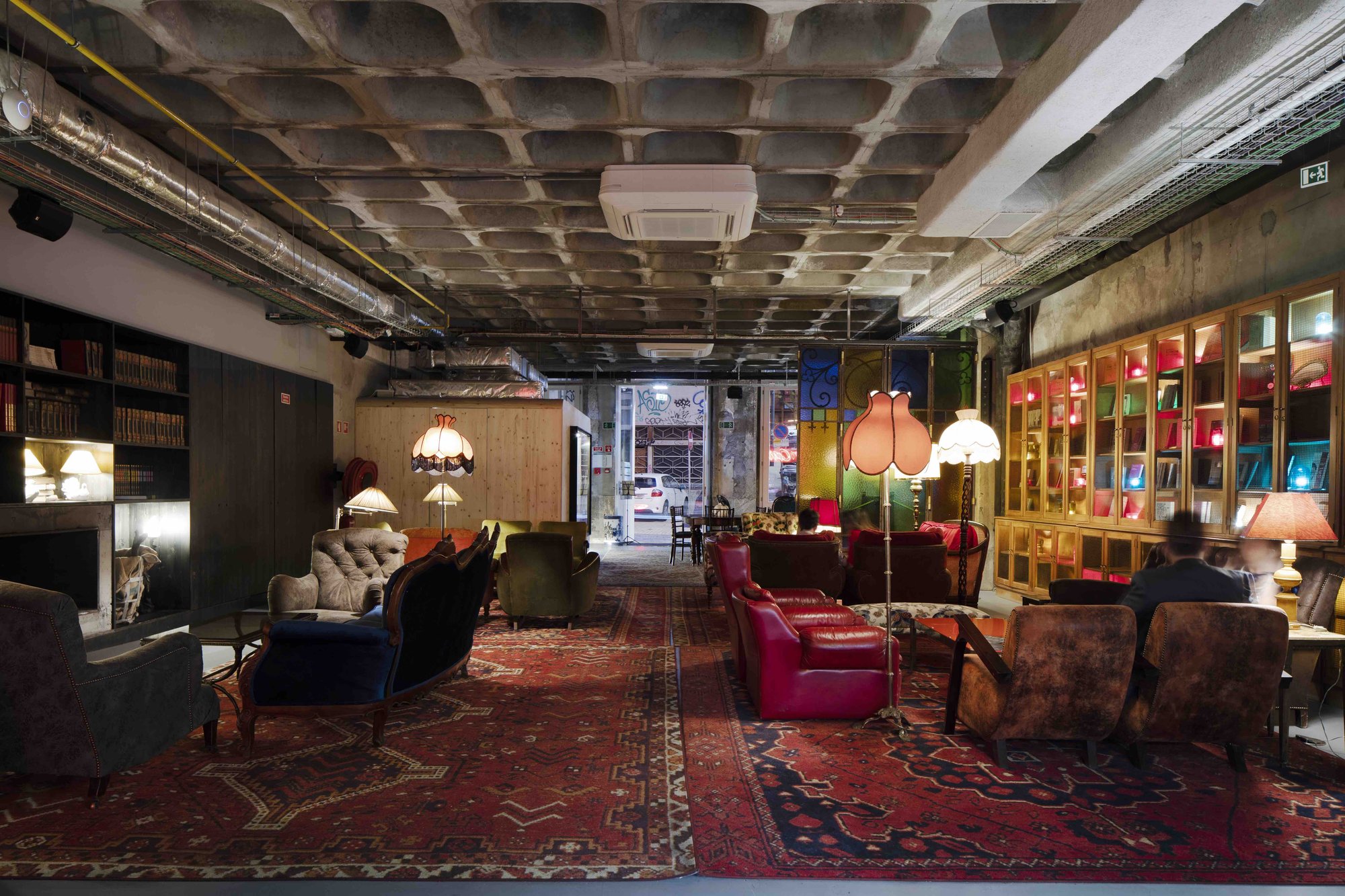
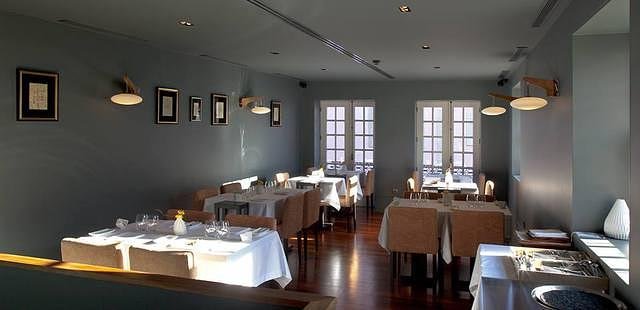
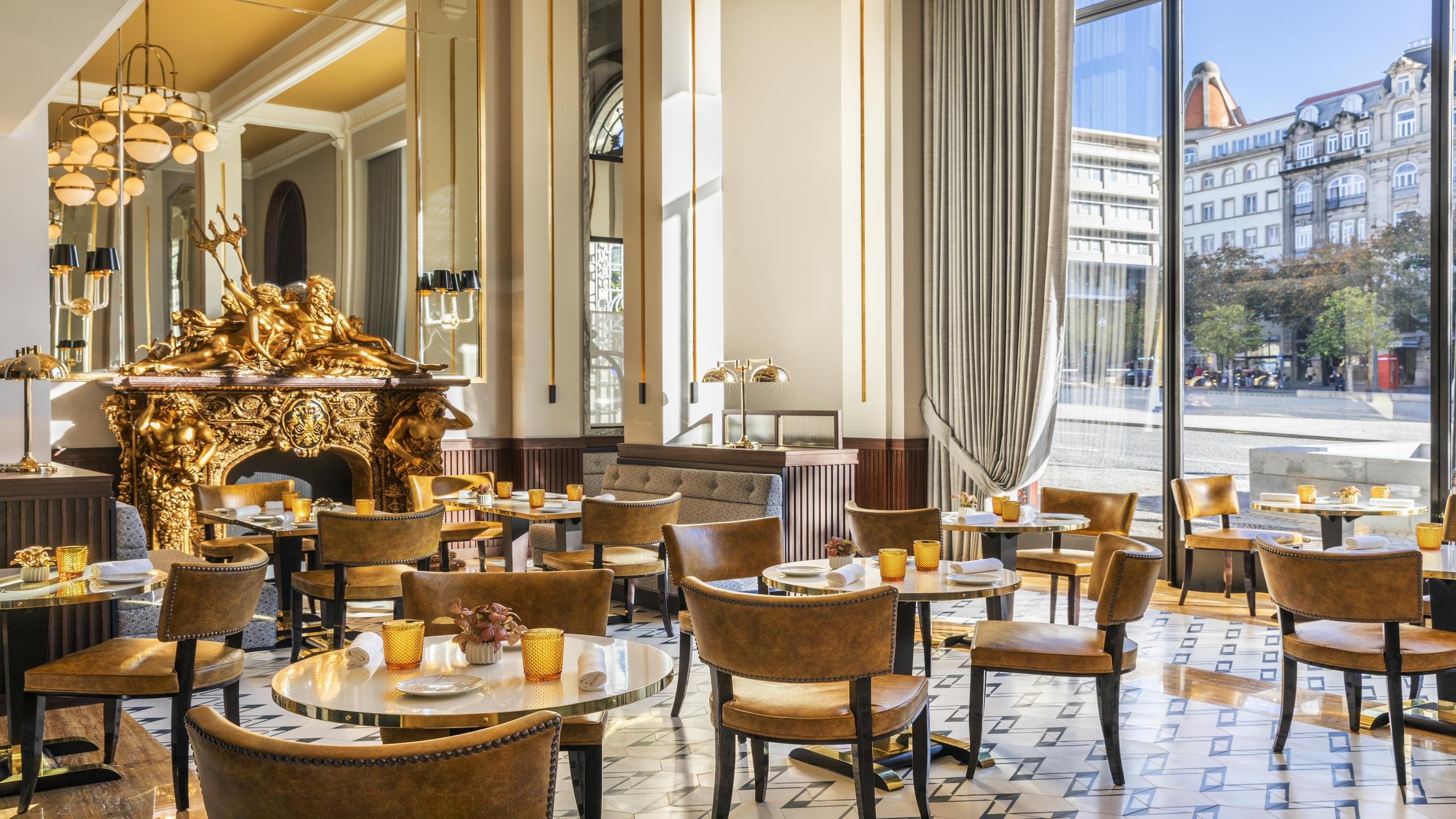
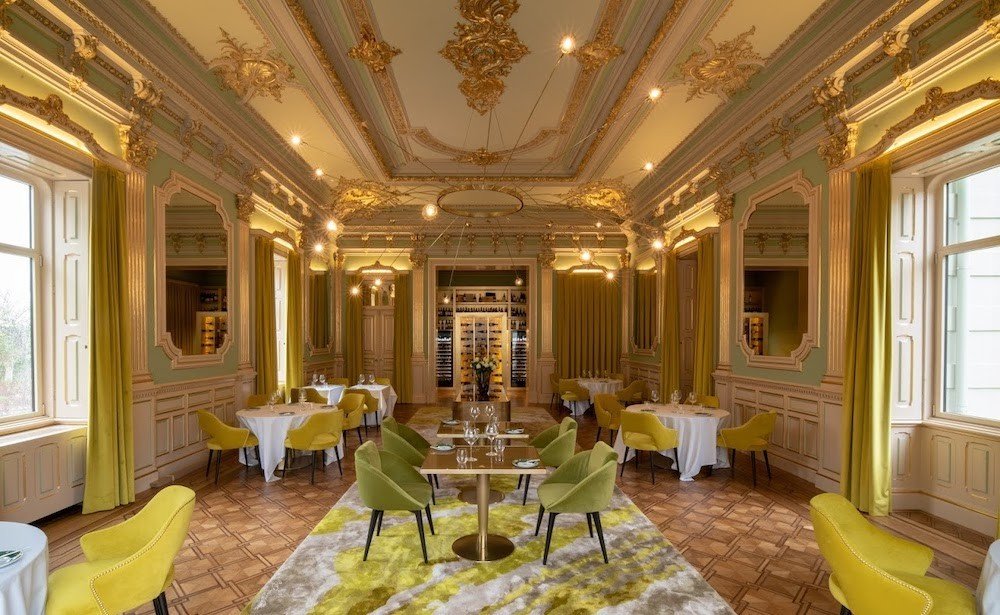
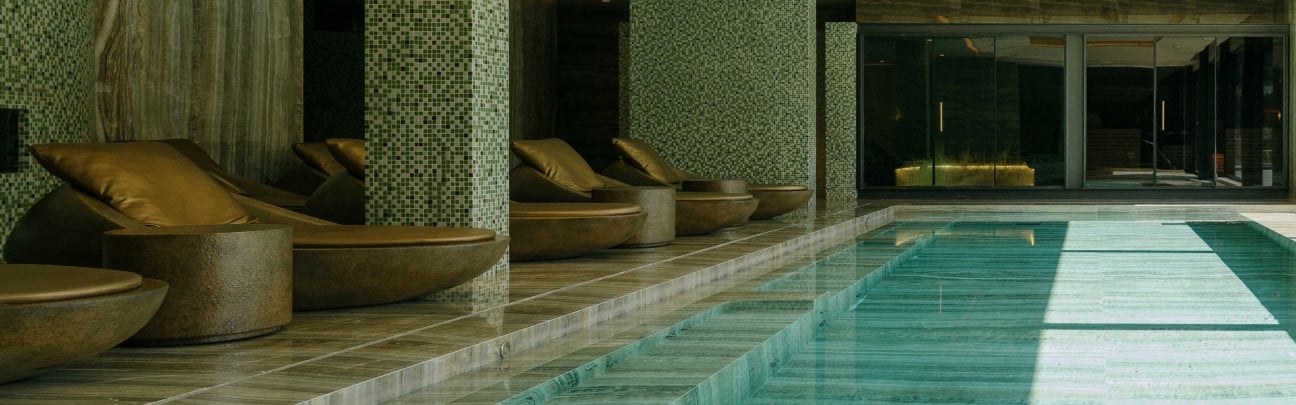
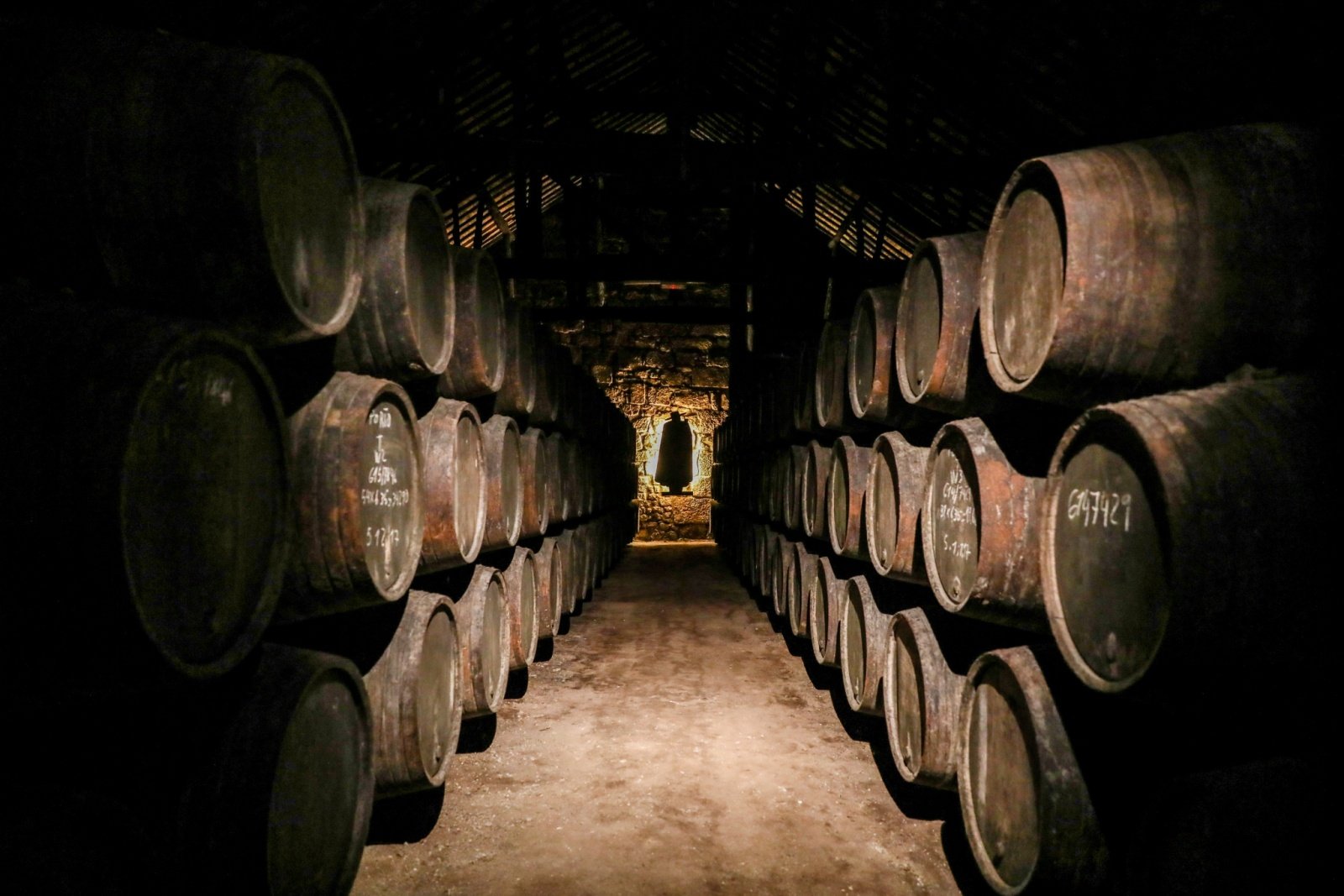
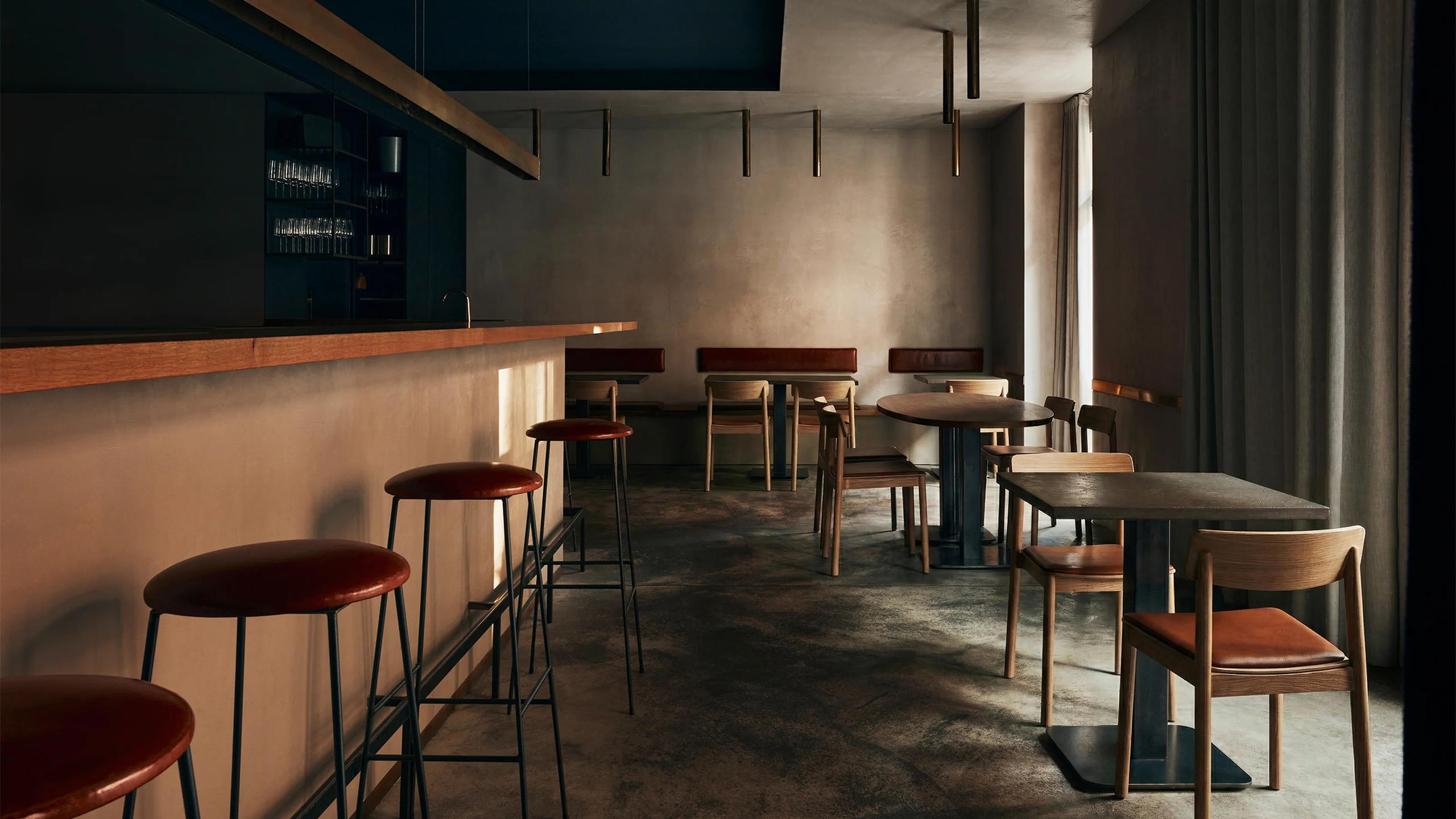
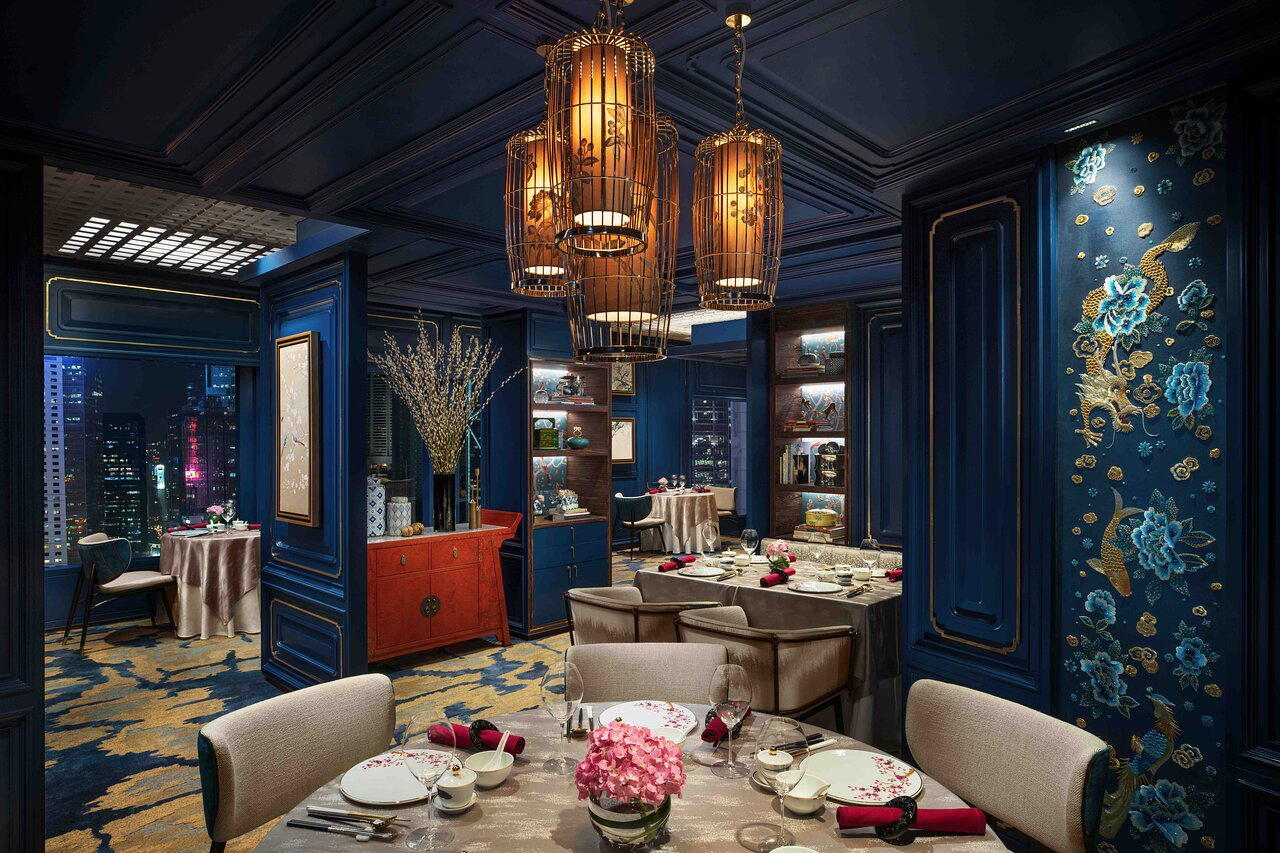
Elegant and warm with stylish decor, vaulted ceilings, cozy lighting, and a sophisticated atmosphere enhanced by good music.
Tags
Vibe
Best For
Experience
Format
View
At the Bar
- Bar Category
- Wine Bar
- Late Night
- Closes by Midnight
- Music
- Jazzy/blues
Know before you go
Know Before You Go
- Getting there
- R. de Serpa Pinto 44B, 4400-307 Vila Nova de Gaia, Portugal
Planning details
Location
R. de Serpa Pinto 44B, 4400-307 Vila Nova de Gaia, Portugal · Directions
Recognition and awards

Also consider
Where to go if this is not the right fit
If the group wants cocktails rather than wine, choose Curioso Cocktail Bar. If the night needs a more polished hotel setting, choose The Yeatman Hotel.
Bar context
How Enoteca 17.56 compares in Porto
Choose Enoteca 17.56 when wine is the reason for the booking. Compared with Curioso Cocktail Bar, it is the more targeted pick for bottle-list depth, while Curioso is the better fit when the group wants a cocktail-led night in Porto proper. Booking difficulty is marked easy, which makes Enoteca 17.56 more convenient for travelers who do not want the evening to depend on a scarce reservation.
For ambiance, The Yeatman Hotel is the natural cross-shop if a polished hotel setting matters more than a pure wine-bar decision. Bello Rooftop is the better choice for a view-led outing, while Enoteca 17.56 is the stronger fit when the group wants the wine list to carry the night. Dick's Bar & Bistro sits closer to the bistro-bar lane, so use it when food-and-drink balance matters more than wine focus.
Magma is the cross-shop for readers prioritizing a bar experience over a cellar-minded evening. Value is hard to judge without published pricing, so the safer decision rule is format-based: Enoteca 17.56 for wine depth and later-evening flexibility, Curioso for cocktails, Bello Rooftop for atmosphere, and The Yeatman Hotel for a more hotel-driven night.
Around this place
Discover more on Pearl
Unlock the full Enoteca 17.56 guide in Pearl, including awards, comparisons, FAQs, planning details, and nearby places.
Compare Enoteca 17.56
| Venue | Location | Awards |
|---|---|---|
| Enoteca 17.56 | Porto | Star Wine Lists 2026 |
| Magma | Vila Nova de Gaia | No published awards |
| Bello Rooftop | Vila Nova de Gaia | No published awards |
| Dick's Bar & Bistro | Porto | No published awards |
| The Yeatman Hotel | Vila Nova de Gaia | No published awards |
| Curioso Cocktail Bar | Porto | No published awards |
How Enoteca 17.56 Porto compares with similar nearby venues.
FAQ
Frequently Asked Questions
What is Enoteca 17.56 known for?
Enoteca 17.56 has confirmed Star Wine List (2026) recognition. Other specifics, such as dishes, prices, seating style, chef details, and menu format, are not confirmed in the data.
How can I contact Enoteca 17.56?
Use the venue's official channels for current contact information.