The Original Pittsburgh Winery
Strip District, Pittsburgh
Bar in Pittsburgh, United States
 Book with Pearl
The Read
Price
$30–50per person
Why go
The Original Pittsburgh Winery is a sensible pick for a relaxed Strip District wine stop, not a full dinner plan. Go when the group wants an easy, drink-focused meet-up; choose a restaurant-first venue nearby if substantial food is the point.
About The Original Pittsburgh Winery
The Original Pittsburgh Winery is a Pittsburgh venue with public hours from Wednesday through Sunday and a casual dress code.
Use this as a practical planning note: confirm any current offerings directly with the venue before making it the center of a night out. If food is the priority, use our full Pittsburgh restaurants guide instead; for broader planning, pair this with current venue information from The Original Pittsburgh Winery.
The Original Pittsburgh Winery is in Pittsburgh and has casual dress, with hours Wednesday 4–7 PM, Thursday 4–7 PM, Friday 4–9 PM, Saturday 12–8 PM, and Sunday 12–6 PM. It is closed Monday and Tuesday.
For Pittsburgh planning, compare the basics with Cinderlands Warehouse, Wigle Whiskey Distillery, DiAnoia's Eatery, Bar Marco, and Penn Avenue Fish Co, depending on what kind of outing you are building. Do not assume The Original Pittsburgh Winery can replace a restaurant booking without checking its food, seating, pricing, and service format first.
Know Before You Go
- Best use: a casual Pittsburgh stop, with current offerings confirmed directly before you go.
- Hours: closed Monday and Tuesday; open Wednesday and Thursday 4–7 PM, Friday 4–9 PM, Saturday 12–8 PM, and Sunday 12–6 PM.
- Dress code: casual.
- Pittsburgh planning: build the night with our full Pittsburgh bars guide, our full Pittsburgh hotels guide, or our full Pittsburgh experiences guide.
For backup plans, compare current details for Pittsburgh venues such as Bar Marco, DiAnoia's Eatery, Penn Avenue Fish Co, Cinderlands Warehouse, and Wigle Whiskey Distillery.
Planning details
- Hours
- Monday: Closed · Tuesday: Closed
- Location
- 2809 Penn Ave, Pittsburgh, PA 15222
- Website
- pittsburghwinery.com
- Phone
- +1 412 566 1000
The take
The Take
The Vibe
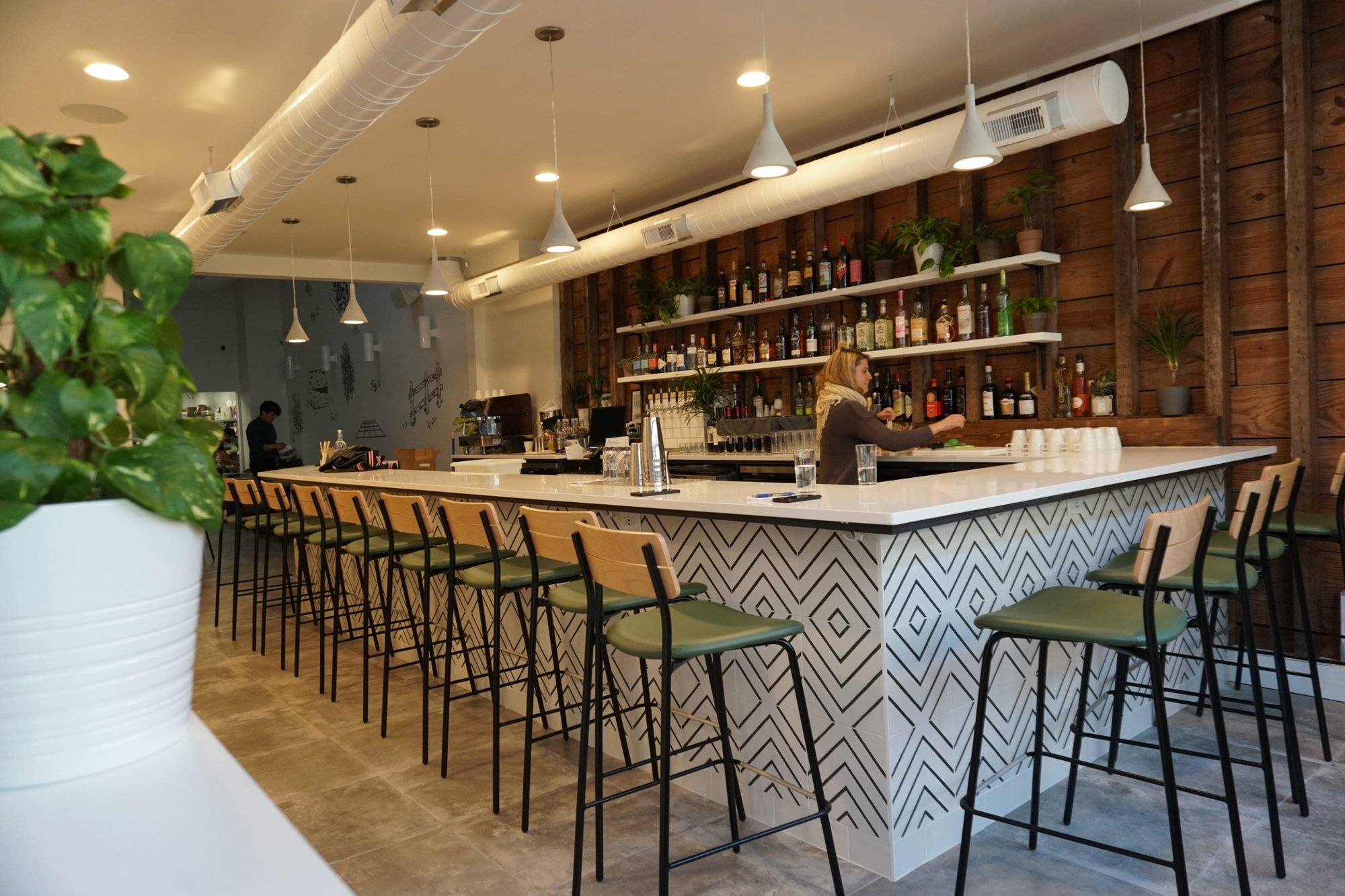
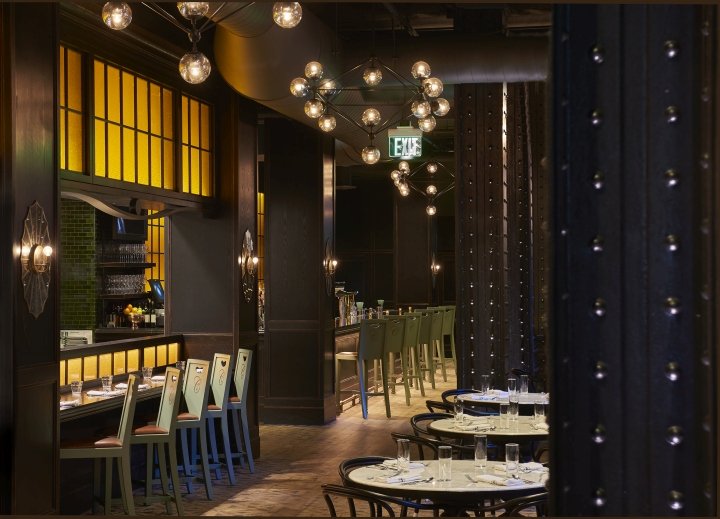
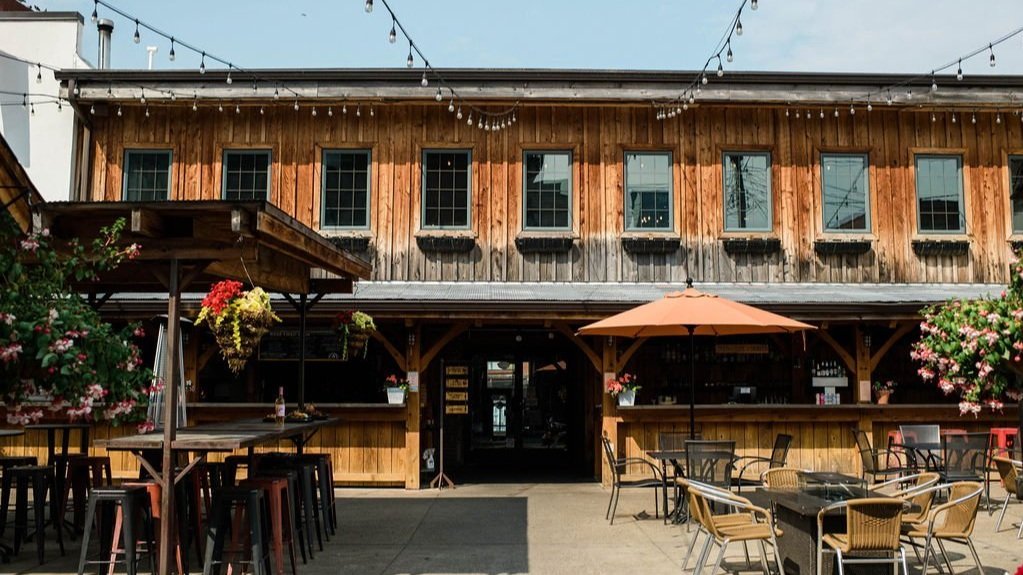
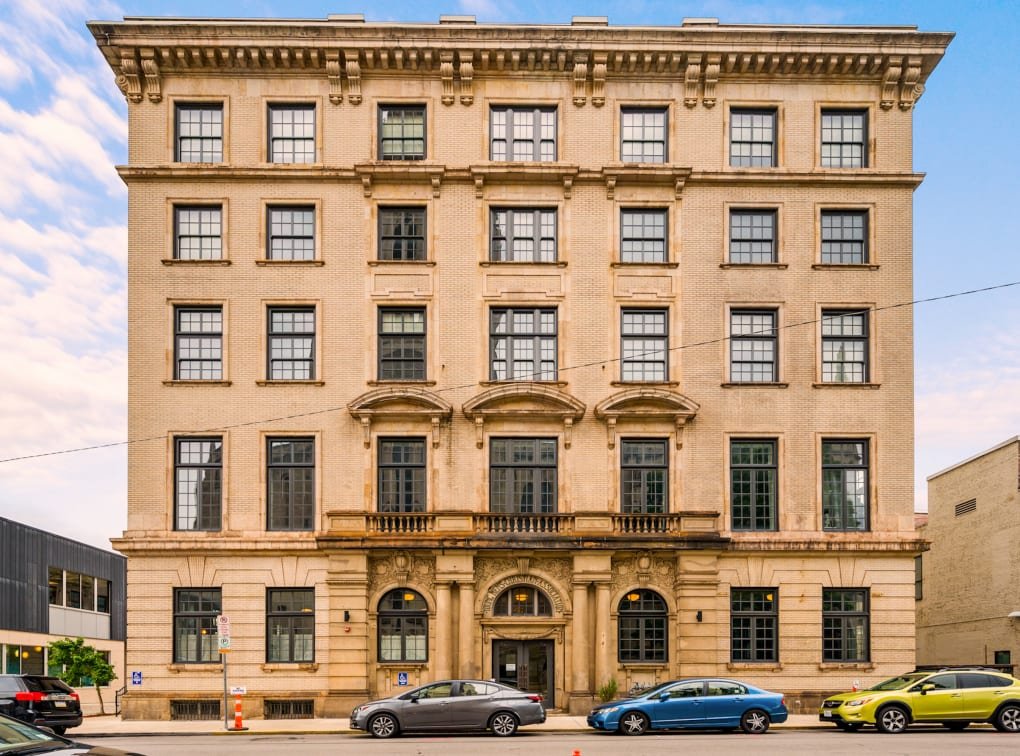
The Original Pittsburgh Winery sits squarely in the working, production-oriented character of the Strip District. It leans into the corridor’s warehouse roots and the rise of urban production venues, so the space reads more industrial and unpretentious than polished tasting rooms downtown. Rather than a single destination, it feels like part of a larger, clustered scene of makers: a casual, trend-aware spot where the focus is on house production and the social crossover between bottle shop and tasting counter. Expect an approachable, utilitarian atmosphere driven by wine-making activity and neighborhood foot traffic.
Best For
This winery is best for daytime-to-evening strolls through the Strip District and for people following the Penn Avenue drinks circuit. It works well for market-era visits and early-evening stops when the corridor is active. Groups who like to hop between producers and friends meeting up for a casual celebration or a relaxed group outing will find the layout and neighborhood context especially fitting: it’s part of a walkable cluster of producers rather than a standalone destination requiring a long trip.
Ordering Tips
Given the venue’s producer-retail hybrid model, treat it as both a tasting room and a bottle shop: plan to sample what’s on tap or available by the glass and look for bottles to take home. Visit during market hours if you want to combine browsing the Strip with easy foot-access and busier social energy. When you arrive, ask staff about current house-made or small-batch offerings and any recent production releases: the site emphasizes local production, so staff knowledge about their wines and how they were made is a reliable guide to what to try or buy.
Venue details
Ambiance
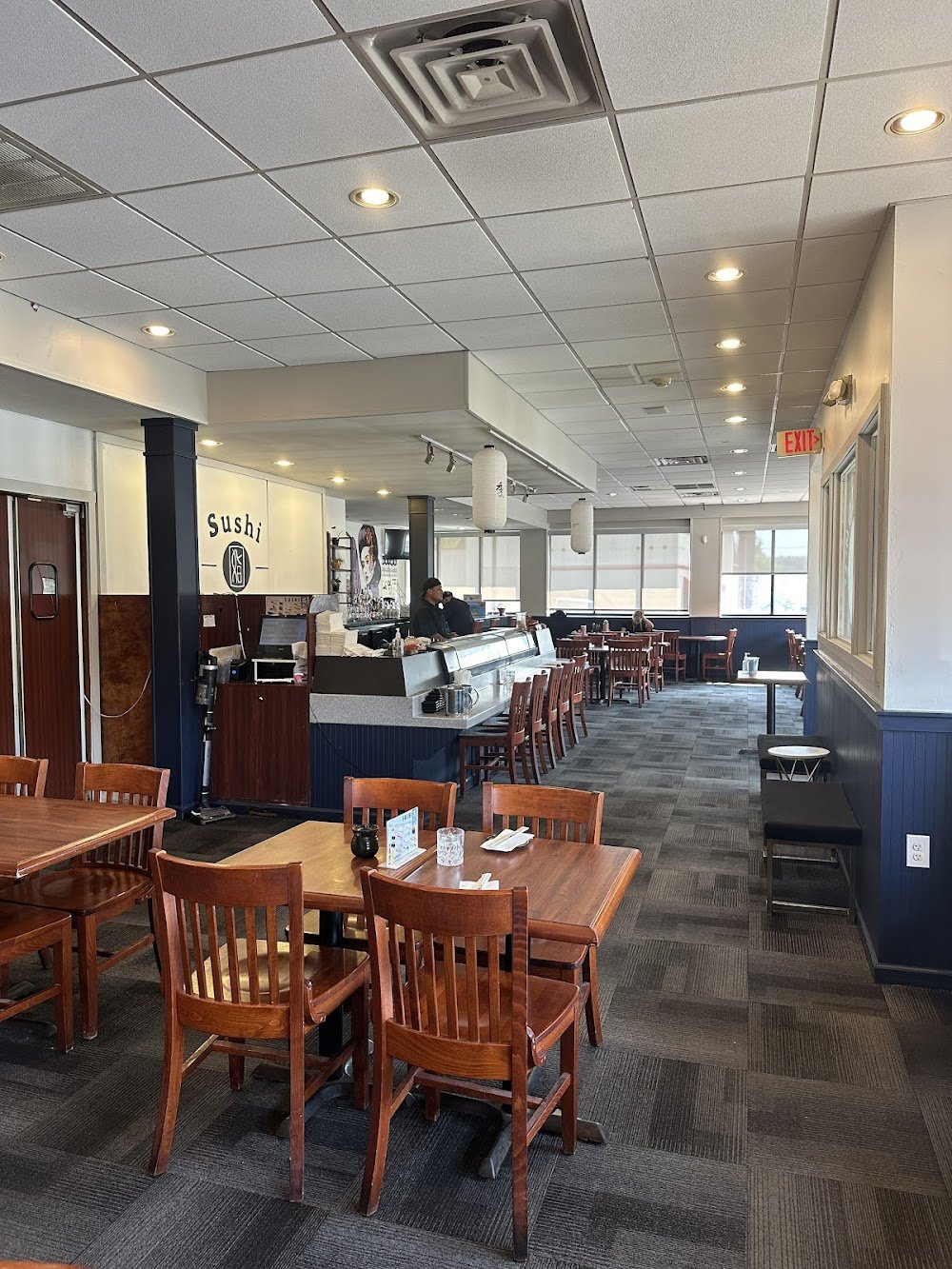
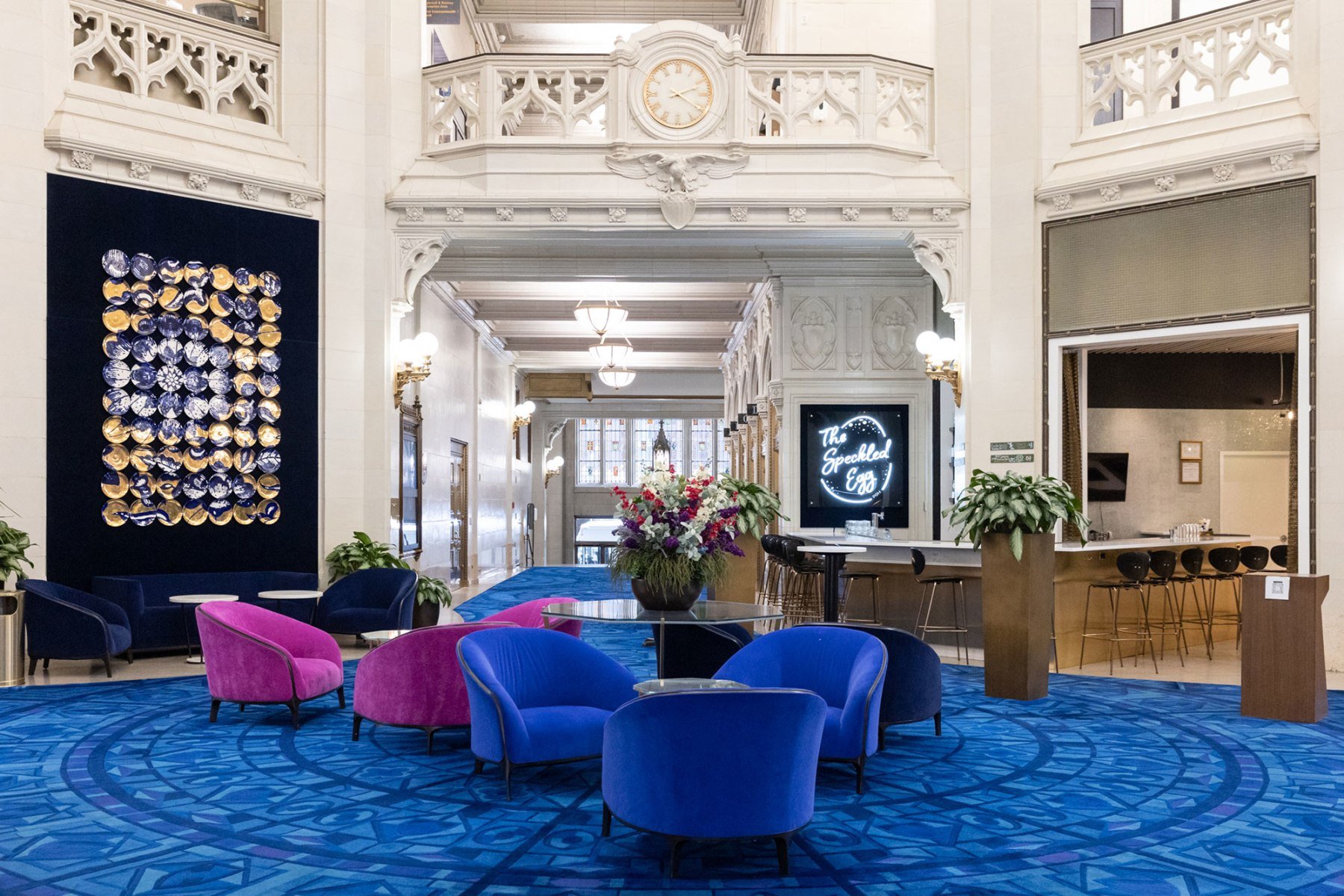
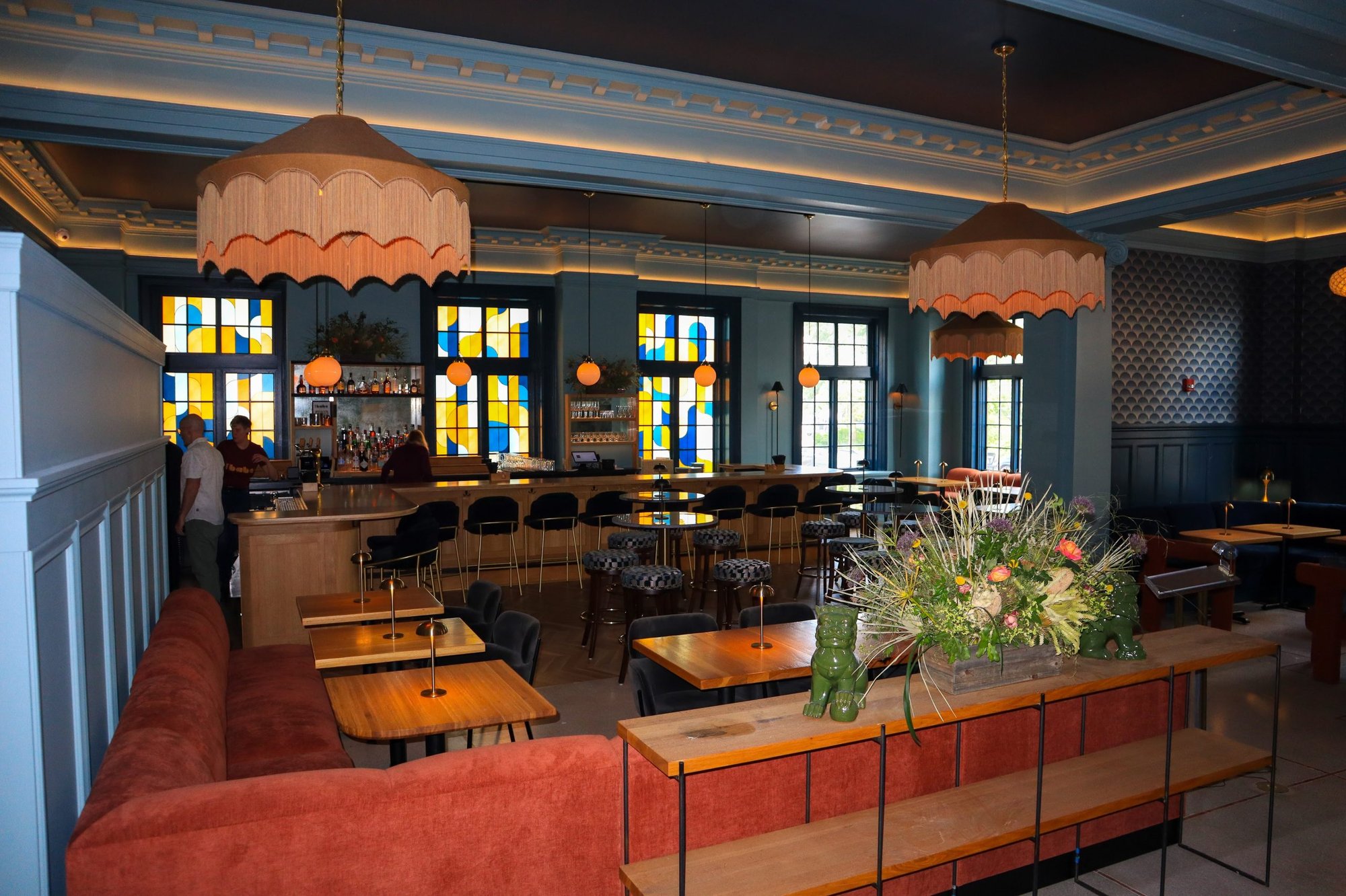
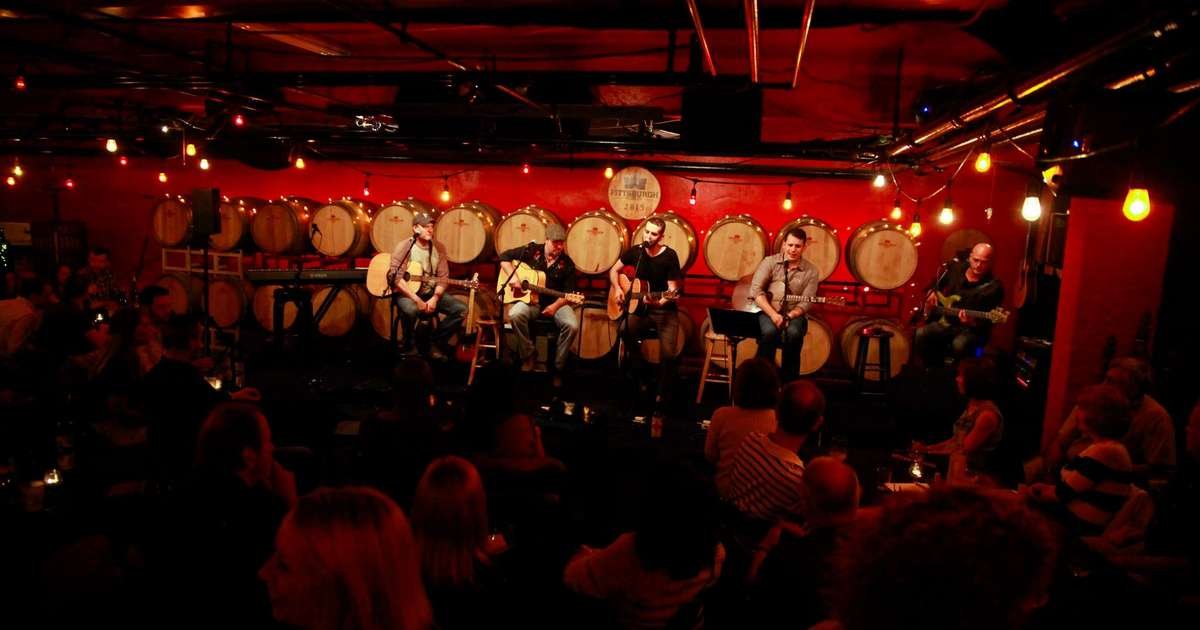
Casual, unpretentious atmosphere with a tasting room upstairs and intimate music venue downstairs; focused on good wine, good music, and good people rather than formality.
Tags
Vibe
Best For
Experience
Format
At the Bar
- Bar Category
- Wine Bar
- Late Night
- Open Until 2am
- Music
- Diverse Live Music Including Brass Bands, Funk, Jazz, Soul, Hip Hop, and Tribute Acts
- Live Music
- Yes
Know before you go
Know Before You Go
- Getting there
- 2809 Penn Ave, Pittsburgh, PA 15222
Planning details
Hours
- Monday
- Closed
- Tuesday
- Closed
- Wednesday
- 4–7 PM
- Thursday
- 4–7 PM
- Friday
- 4–9 PM
- Saturday
- 12–8 PM
- Sunday
- 12–6 PM
Location
Also consider
Also Consider
- Cinderlands Warehouse, Notable alternative
- DiAnoia's Eatery, Notable alternative
- Wigle Whiskey Distillery, Notable alternative
- Bar Marco, Notable alternative
- Penn Avenue Fish Co, Notable alternative
Bar context
How it compares in Pittsburgh
Choose The Original Pittsburgh Winery when the priority is a casual wine-focused stop with low booking pressure. Cinderlands Warehouse is the better fit for beer, a larger room, and a more social warehouse feel, while Wigle Whiskey Distillery makes more sense for spirits drinkers who want the drink program to be the main event.
If food quality drives the decision, cross-shop harder. DiAnoia's Eatery and Bar Marco are stronger choices for a restaurant-led evening, while Penn Avenue Fish Co is a better call when the group wants something more meal-oriented and casual. The winery wins on ease and a narrower wine-stop brief, not on being the most complete night out.
Explore Pittsburgh
Around this place
Discover more on Pearl
Unlock the full The Original Pittsburgh Winery guide in Pearl, including awards, comparisons, FAQs, planning details, and nearby places.
Compare The Original Pittsburgh Winery
| Venue | Location | Awards |
|---|---|---|
| The Original Pittsburgh Winery | Pittsburgh | No published awards |
| Cinderlands Warehouse | Pittsburgh | No published awards |
| DiAnoia's Eatery | Pittsburgh | No published awards |
| Wigle Whiskey Distillery | Pittsburgh | No published awards |
| Bar Marco | Pittsburgh | No published awards |
| Penn Avenue Fish Co | Pittsburgh | No published awards |
How The Original Pittsburgh Winery compares with similar nearby venues.
FAQ
Frequently Asked Questions
Is The Original Pittsburgh Winery open late?
Not especially. Friday is the latest listed night, with hours to 9 PM; Saturday runs to 8 PM, Sunday to 6 PM, and Wednesday and Thursday to 7 PM. It is closed Monday and Tuesday.