Hidden Harbor
Squirrel Hill North, Pittsburgh
Bar in Pittsburgh, United States
 Book with Pearl
The Read
Price
$20–30per person
Why go
Hidden Harbor is worth using as a drinks-first Squirrel Hill pick, especially when the plan needs to stay flexible and the booking lift should be low. Go earlier for conversation, later on Friday or Saturday for more energy, and cross-shop nearby restaurants if the night needs a meal as its center of gravity.
About Hidden Harbor
For planning, Hidden Harbor is in Pittsburgh, the dress code is casual, and the posted schedule is evening-only Tuesday through Saturday. It is closed on Monday and Sunday, open 5–11 PM Tuesday through Thursday, and open 5 PM–12 AM Friday and Saturday.
Choose it for a casual Pittsburgh evening
Hidden Harbor is best considered when you need a casual Pittsburgh option during its evening hours. If pizza is part of the plan, Aiello's Pizza Squirrel Hill is another option to compare. Other possible comparisons include Squirrel Hill Cafe, Pino's, Yoshino Asian Fusion, and diners 2+1, depending on what kind of evening you are planning.
The most useful planning detail is the schedule. Tuesday through Thursday runs 5–11 PM, while Friday and Saturday extend to 12 AM.
What to expect if food is part of the plan
Hidden Harbor is best treated as a casual evening stop rather than a food-specific recommendation. If the meal itself is the priority, compare it with Pino's, Yoshino Asian Fusion, Squirrel Hill Cafe, diners 2+1, or Aiello's Pizza Squirrel Hill. For broader planning, use Our full Pittsburgh restaurants guide and Our full Pittsburgh bars guide.
For a casual evening in Pittsburgh, Hidden Harbor may fit if its posted hours work for your group. If the night expands beyond one stop, the city guides for Pittsburgh hotels can help build the rest of the plan.
For readers comparing options beyond this page, keep the decision grounded in the essentials: Hidden Harbor is a casual Pittsburgh venue with evening hours Tuesday through Saturday. Other Pittsburgh dining and bar options may be better fits if you need a confirmed meal format, specific cuisine, or additional planning details.
Planning details
- Hours
- Monday: Closed · Tuesday: 5–11 PM
- Location
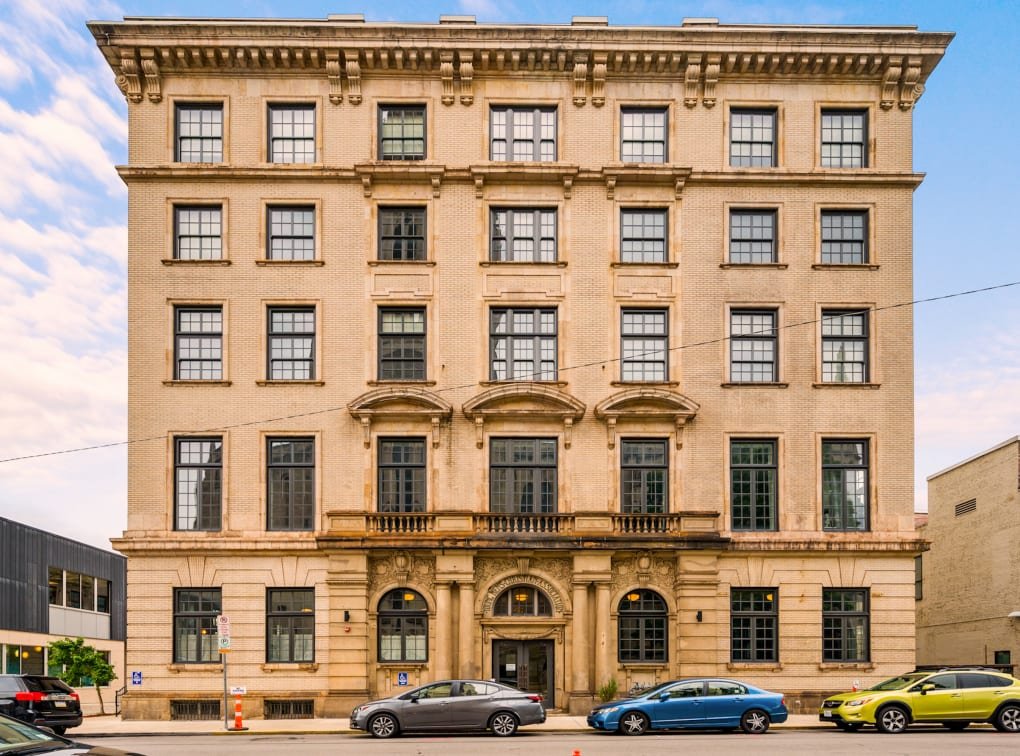
- 1708 Shady Ave, Pittsburgh, PA 15217
- Reservations
- Book on the venue's website
- Website
- hiddenharborpgh.com
- Phone
- +1 412 422 5040
The take
The Take
The Vibe
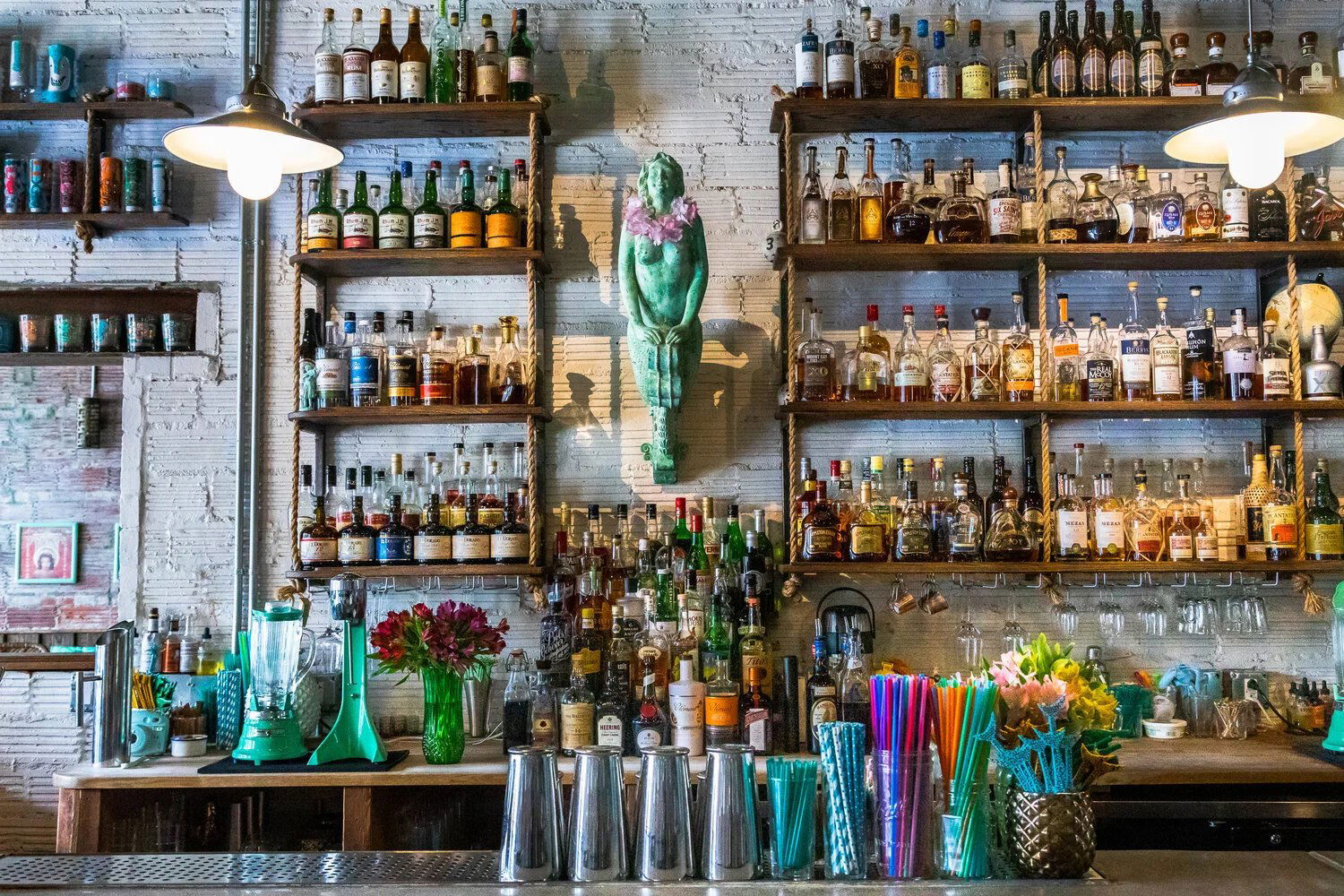
Hidden Harbor is a neighborhood tiki bar that treats the form with technical rigor rather than gimmickry. Rum literacy, split-base construction and proper acid balance give the place a composed, sophisticated temperament. Visits are intentionally unhurried: communal vessels like scorpion bowls and volcano drinks are built to stretch a night rather than speed it along. The result is a warm, relaxed spot that still reads as elevated cocktail craft, where playful tiki motifs exist alongside clearly articulated technique.
Best For
Hidden Harbor fits evening occasions where groups linger and share. The menu architecture favors communal service and multi-serve drinks, making it especially suited to group dining or group outings; these formats are designed to extend the table's time rather than short, single-drink stops. As a neighborhood bar on Shady Avenue, it also works for date nights that appreciate a carefully constructed cocktail and for small celebrations in which you want novelty executed with technical clarity. Expect a paced evening rather than a quick drink.
Ordering Tips
Lean into the communal offerings: scorpion bowls, volcano drinks and other multi-serve vessels are written to lengthen the visit and are central to the experience. Ask staff about split-base constructions or how they use falernum and citrus if you want a deeper technical take. Given the program's serious approach, consider ordering classic tiki compositions, the piece specifically mentions Mai Tai balance, and plan to share; the menu is architected to encourage lingering and conversation rather than rapid rounds.
Venue details
Ambiance
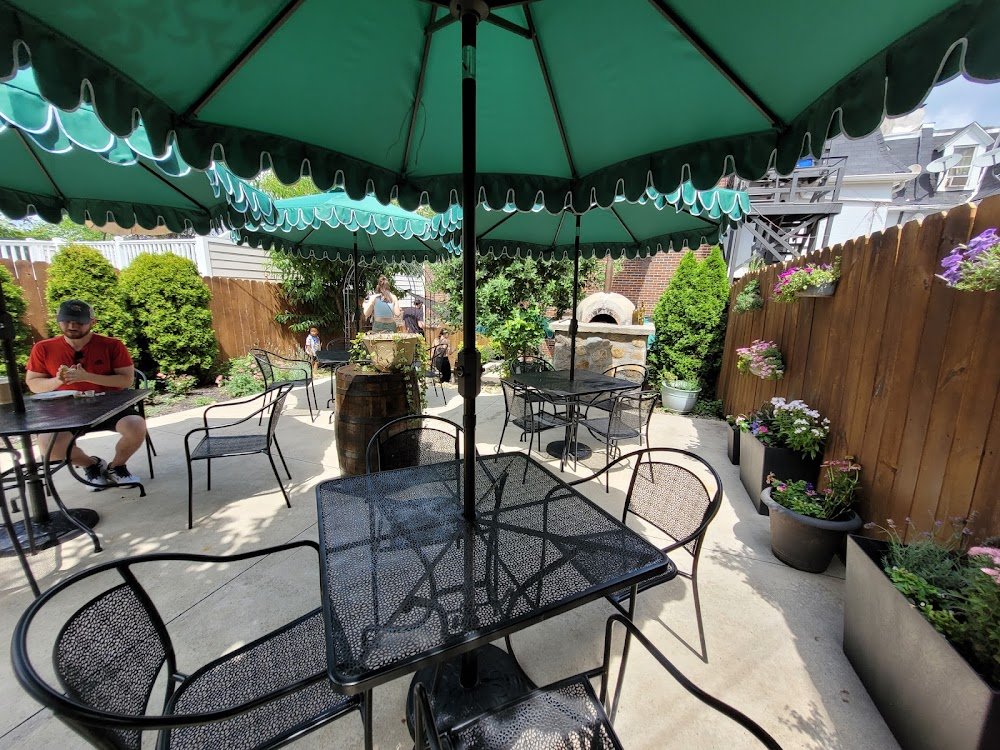
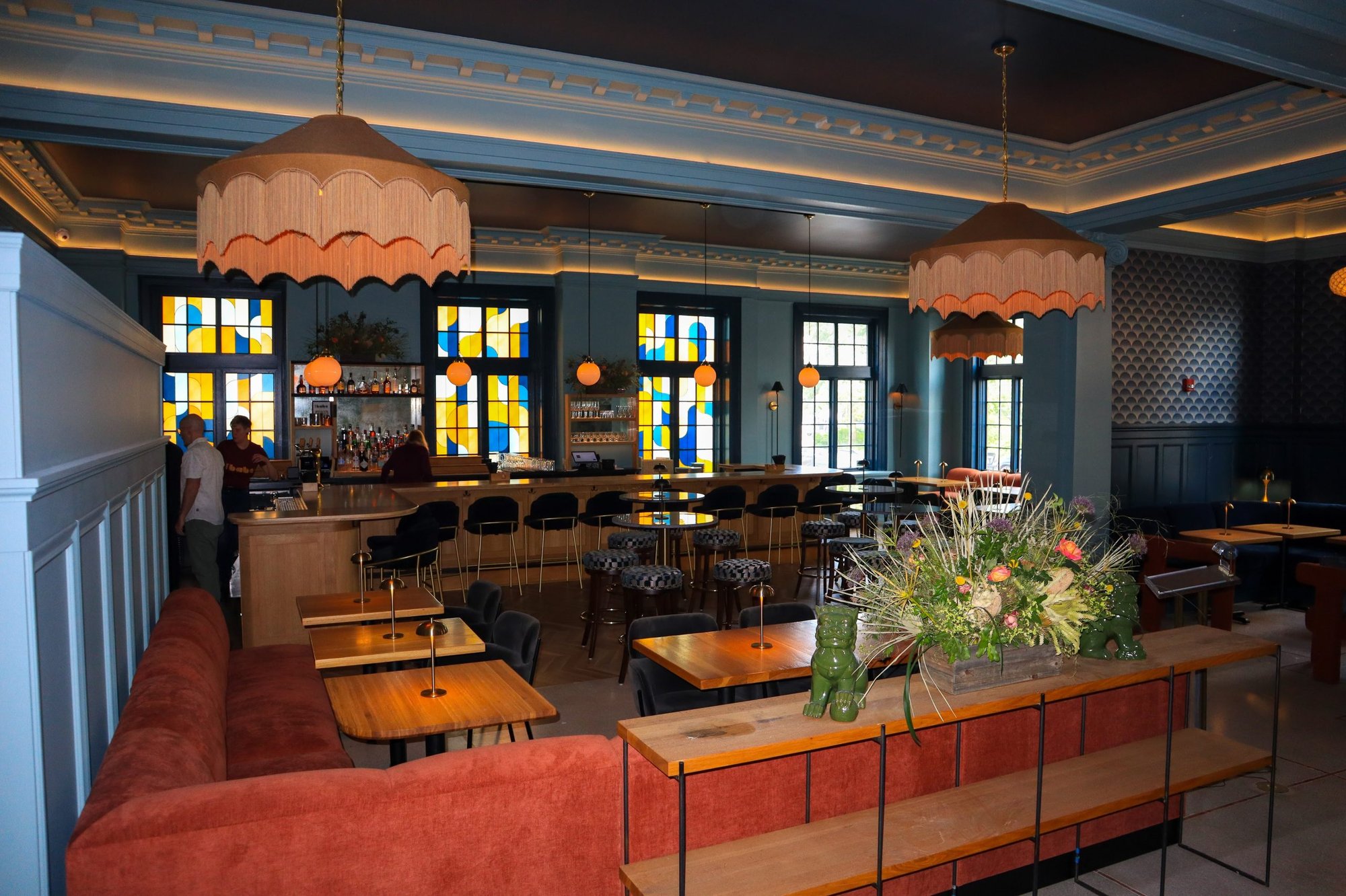
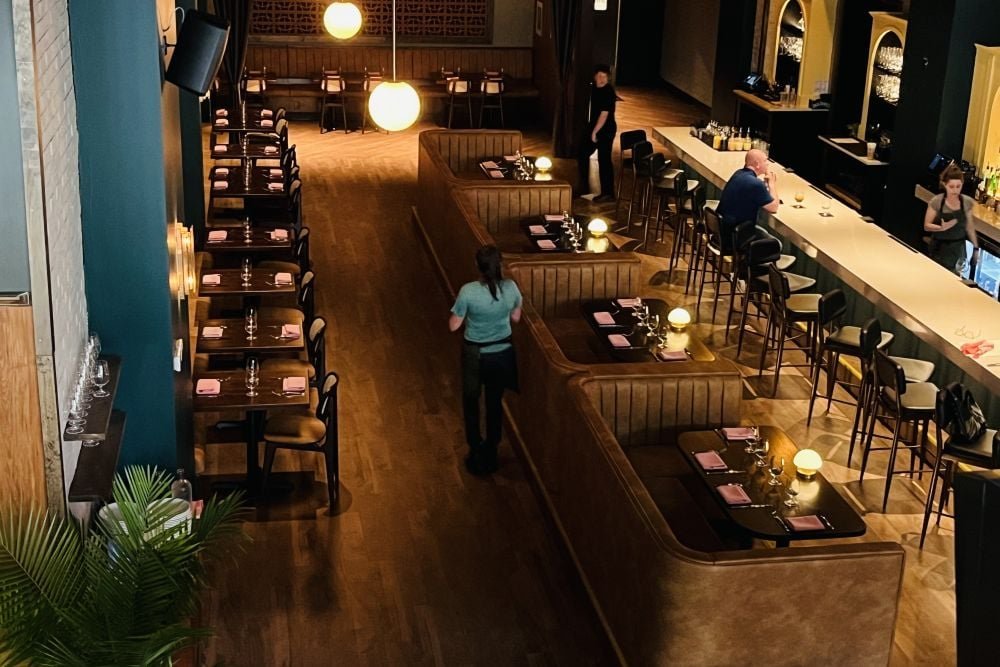
Faux Hawaiian swank with pink salt candle holders and eclectic framed art creating a cozy tropical escape.
Tags
Vibe
Best For
Experience
Format
At the Bar
- Bar Category
- Tiki Bar
- Late Night
- Closes by Midnight
- Spirits Focus
- Rum, Gin, Bourbon
- Zero-Proof Program
- Yes
Signature Pours
Shark Bite
Know before you go
Know Before You Go
- Getting there
- 1708 Shady Ave, Pittsburgh, PA 15217
Planning details
Hours
- Monday
- Closed
- Tuesday
- 5–11 PM
- Wednesday
- 5–11 PM
- Thursday
- 5–11 PM
- Friday
- 5 PM–12 AM
- Saturday
- 5 PM–12 AM
- Sunday
- Closed
Location
1708 Shady Ave, Pittsburgh, PA 15217 · Directions
Also consider
Where to go if this is not the right fit
If the night needs food first, choose Pino's or Yoshino Asian Fusion. If the group wants something casual and lower-commitment, Squirrel Hill Cafe is the easier neighborhood fallback.
Bar context
How it compares in Squirrel Hill
Hidden Harbor is the better choice when the group wants a bar-led night in Pittsburgh rather than a meal-first plan. Squirrel Hill Cafe is the more casual neighborhood fallback, while Aiello's Pizza Squirrel Hill is a better value call when pizza is the priority.
For dinner structure, Pino's and Yoshino Asian Fusion are stronger fits because the meal is the point. diners 2+1 also makes more sense when the group wants a clearer food plan. Hidden Harbor wins when easy booking, cocktails, and a later-night bar mood matter more than a full menu comparison.
Explore Pittsburgh
Around this place
Discover more on Pearl
Unlock the full Hidden Harbor guide in Pearl, including awards, comparisons, FAQs, planning details, and nearby places.
Compare Hidden Harbor
| Venue | Location | Awards |
|---|---|---|
| Hidden Harbor | Pittsburgh | No published awards |
| Squirrel Hill Cafe | Pittsburgh | No published awards |
| diners 2+1 | Pittsburgh | No published awards |
| Aiello's Pizza Squirrel Hill | Pittsburgh | No published awards |
| Pino's | Pittsburgh | No published awards |
| Yoshino Asian Fusion | Pittsburgh | No published awards |
How Hidden Harbor Pittsburgh compares with similar nearby venues.
FAQ
Frequently Asked Questions
What's the best time to go to Hidden Harbor?
Tuesday through Thursday may work if the 5–11 PM schedule fits your plan. Friday and Saturday are the later options, with hours from 5 PM to 12 AM.
Is Hidden Harbor good for a date?
It may work for a casual Pittsburgh evening if the posted hours fit your plan.
Is the food good at Hidden Harbor?
If dinner is the priority, compare other options such as Squirrel Hill Cafe, Pino's, Yoshino Asian Fusion, diners 2+1, or Aiello's Pizza Squirrel Hill, and check official channels for current details.