
Bar in Paris, France
La Cave de Belleville
100ptsCave-à-Manger Format
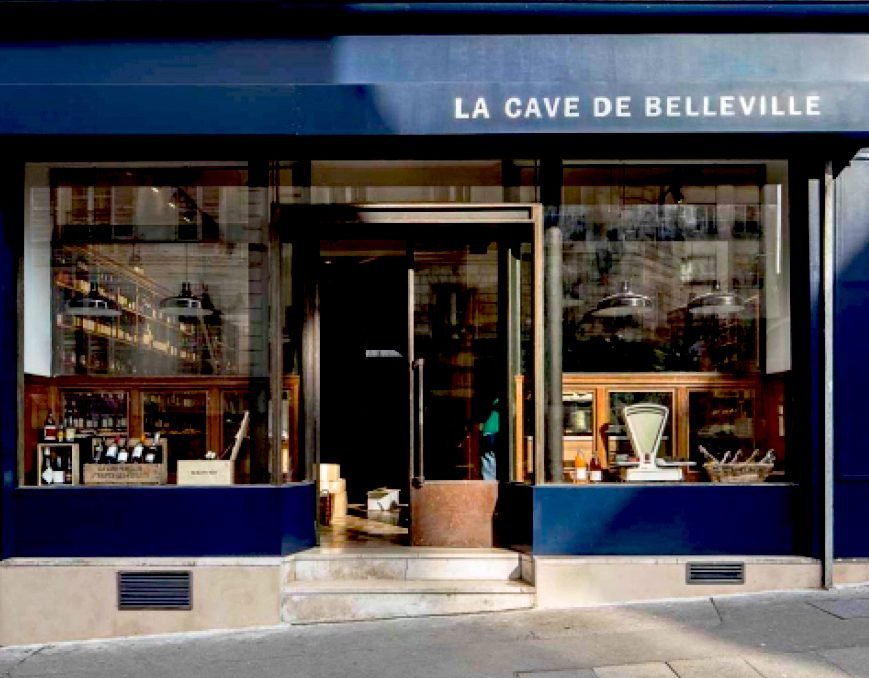
About La Cave de Belleville
On Rue de Belleville in the 19th arrondissement, La Cave de Belleville occupies a particular node in Paris's cave-à-manger tradition: part wine shop, part bar, part neighbourhood anchor. The format draws locals and the occasional informed visitor to a corner of the city where the wine list does the talking and the atmosphere runs closer to a Parisian living room than a polished dining room.
A Street That Sets the Tone Before You Walk In
Rue de Belleville runs through one of Paris's most persistently local corridors, a stretch of the 19th arrondissement that resisted the gentrification wave that remade parts of the 10th and 11th. The street is dense, lived-in, and demographically layered in ways that most of central Paris no longer is. Approaching La Cave de Belleville at number 51, the context matters: you are not arriving at a destination restaurant or a designed experience. You are arriving at a neighbourhood fixture embedded in a working street, where the surrounding shops, cafés, and foot traffic form as much of the atmosphere as anything inside.
That physical positioning is not incidental. Paris's cave-à-manger format, the hybrid wine shop and informal bar that operates as both retail and hospitality, tends to work leading when it roots itself somewhere with genuine neighbourhood texture. The wine cave as a social institution has a long history in French urban life, predating the natural wine movement that revived interest in the format over the last two decades. La Cave de Belleville sits at that intersection: a format with historical depth, planted on a street that gives it credibility without requiring the venue to perform locality.
Inside the Cave: Atmosphere as Architecture
The interior logic of a Parisian wine cave is distinct from both the restaurant and the bar. Bottles line walls and occupy shelving that doubles as room divider. Light tends to run warm and low, partly by aesthetic choice, partly because wine storage and harsh lighting are incompatible. Tables, where they exist, are secondary to the counter and the cellar itself. The spatial arrangement prioritises browsing, conversation, and the glass in hand over the formal structure of a seated meal.
At La Cave de Belleville, this format translates into an atmosphere that is deliberately casual without being careless. The 19th arrondissement's character seeps in through the clientele: regulars who know what they want, people stopping in after work, the occasional curious visitor who arrived from a different part of the city. The mood sits closer to a Parisian épicerie fine or a well-stocked local bar than to the curated minimalism of a natural wine destination in the Marais or the 11th. That distinction is meaningful. Paris's wine-bar scene has fractured over the past decade into a more self-conscious tier, where the natural wine credential is itself part of the branding. In Belleville, the credential matters less than the glass.
The comparative frame here is useful. Bars in the more trafficked arrondissements, from the cocktail programs at Danico to the large-scale theatrics of Buddha Bar, occupy a different register entirely, built around designed environments and destination-driven audiences. Candelaria and Bar Nouveau each represent the cocktail-forward side of the city's drinking scene, where technique and menu architecture are central to the proposition. La Cave de Belleville operates by a different logic: the atmosphere is incidental to the wine, not constructed around it.
The Wine Cave Tradition in Urban France
To understand what La Cave de Belleville offers, it helps to understand where the cave-à-manger sits in French hospitality more broadly. The format emerged as a practical solution to a specific urban need: a place to buy wine by the bottle and drink it on-site, with modest food available to accompany the glass. Unlike the bistrot, which is organised around the meal, or the bar, which is organised around the drink, the cave occupies a middle ground that is fundamentally organised around the bottle itself.
This format has proved durable precisely because it does not overcomplicate the transaction. You arrive, you look at the wine, you make a choice, you sit with it. The social dynamic is horizontal rather than hierarchical: you are not being served a predetermined experience but selecting your own entry point into the evening. Regional wine bars across France operate on similar principles, from Coté Vin in Toulouse to La Maison M. in Lyon, though each city's version reflects its local wine culture and social pace. In Paris, the cave-à-manger has become a specific urban typology, concentrated in neighbourhoods where rents remain accessible enough to support a retail-hospitality hybrid without pricing out the regulars.
The 19th arrondissement is one of the last parts of Paris where that economic equation still works without strain. That makes La Cave de Belleville's location a structural advantage: the neighbourhood self-selects for a clientele that is not primarily there because of the venue's reputation, but because it is part of their lived circuit.
What This Venue Is For
Paris's drinking options now span a wide range of formats and ambitions. The city's cocktail bars, including Danico and the recently recognised Bar Nouveau, compete on technique, menu depth, and the quality of the spirits program. Wine-focused destinations in the Marais compete on natural wine credibility and producer relationships. La Cave de Belleville competes, to the extent that it competes at all, on the simpler proposition of a good bottle in a genuine neighbourhood, with an atmosphere that has not been designed to perform authenticity because it does not need to.
That is a more specific offer than it sounds. For a visitor coming from the more constructed environments of central Paris, the 19th arrondissement requires a deliberate decision. It is not a casual detour from the Louvre or Saint-Germain. But for those already moving through the northeastern arrondissements, the cave format at this address represents a low-threshold, high-reward proposition: minimal ceremony, clear wine focus, and the particular pleasure of being somewhere that is not trying to impress you.
For context on how this fits within France's broader bar and wine venue scene, the same format plays out with regional variations at Au Brasseur in Strasbourg, Bar Casa in Bordeaux, and at smaller addresses like Le Café de la Fontaine in La Turbie and Papa Doble in Montpellier. Each operates within the same broad hospitality logic: the physical space is secondary to the social function it serves. Bar Leather Apron in Honolulu demonstrates that this format translates beyond France, though the Belleville version carries a specificity of place that few international counterparts replicate.
For the fuller picture of where La Cave de Belleville sits among Paris's eating and drinking options, our full Paris restaurants guide maps the city's dining scene across formats, price tiers, and arrondissements.
Know Before You Go
- Address: 51 Rue de Belleville, 75019 Paris, France
- Arrondissement: 19th (Belleville quarter)
- Format: Cave-à-manger (wine shop and bar hybrid)
- Phone/Booking: No booking data currently available; walk-in format typical for the category
- Getting There: Belleville métro station (lines 2 and 11) serves the street directly
- When to Go: Evenings and late afternoons align with the cave format; the neighbourhood is most active from early evening into the night
- Dress Code: None; the 19th arrondissement's casual register applies
Frequently Asked Questions
- What do regulars order at La Cave de Belleville?
- The cave-à-manger format means the selection rotates around the wine list rather than a fixed menu, so regulars tend to arrive with the bottle as the primary decision. In venues of this type, small plates and charcuterie boards serve as accompaniments rather than destinations. The wine selection in the Belleville cave tradition typically spans natural and conventional producers, with French appellations carrying the most weight.
- What is La Cave de Belleville known for?
- La Cave de Belleville is primarily known as a neighbourhood wine bar in the 19th arrondissement, operating within the cave-à-manger format that combines retail wine sales with on-site drinking. Its address on Rue de Belleville places it in one of the city's most texturally local corridors, distinguishing it from the more designed wine bars of the Marais or Canal Saint-Martin. The venue functions as an everyday fixture rather than a special-occasion destination.
- How far ahead should I plan for La Cave de Belleville?
- The cave-à-manger format generally operates on a walk-in basis rather than advance reservations, which reflects the informal social logic of the category. Paris's more structured wine bars and restaurants typically require booking days or weeks ahead, but venues of this type in the 19th arrondissement tend to absorb demand without a formal reservation system. Arriving early in the evening on weekdays is typically the most direct way to secure a comfortable spot.
- Is La Cave de Belleville better for first-timers or repeat visitors?
- First-time visitors to Paris who have already covered the more structured options in the central arrondissements will find the cave format at Belleville a useful counterpoint: it is lower ceremony, genuinely local, and requires no advance infrastructure. Repeat visitors who know the city's wine bar range will recognise the specific register La Cave de Belleville occupies, distinct from the curated natural wine destinations or the cocktail-led bars that dominate recommendations in the 10th and 11th. Both audiences find value here, but for different reasons.
- How does La Cave de Belleville fit into the broader natural wine scene in Paris?
- Paris's natural wine movement is concentrated in the 10th, 11th, and Marais, where the format has become a credentialed category with associated aesthetics and price points. La Cave de Belleville operates in the 19th, where the cave tradition predates the natural wine revival and the format remains more embedded in everyday neighbourhood life than in a specific wine ideology. That positioning makes it a useful reference point for understanding how the cave-à-manger functions as a social institution independent of trend cycles.
Related editorial
- Best Fine Dining Restaurants in ParisFrom three-Michelin-star icons to the next generation of Parisian chefs pushing boundaries, these are the restaurants that define fine dining in the world's culinary capital.
- Best Luxury Hotels in RomeFrom rooftop terraces overlooking ancient ruins to Michelin-starred hotel dining, these are the luxury hotels that make Rome unforgettable.
- Best Cocktail Bars in KyotoFrom sleek lounges to hidden speakeasies, Kyoto's cocktail scene blends Japanese precision with global influence in ways you won't find anywhere else.
Save or rate La Cave de Belleville on Pearl
Keep this venue in your Pearl passport, rate it after you visit, and track it alongside every other place you collect.