Bootlegger Tiki
Uptown Palm Springs, Palm Springs
Bar in Palm Springs, United States
 Book with Pearl
The Read
Desert-Climate Tiki
Why go
Bootlegger Tiki is a smart Palm Springs pick for a drinks-first date, especially early in the evening when conversation matters. Treat it as a themed cocktail stop rather than a full dinner plan, and cross-shop Las Palmas Brewing for beer or Colony Club Restaurant for a more meal-led night.
About Bootlegger Tiki
Is Bootlegger Tiki worth planning around in Palm Springs? It is easiest to evaluate by its hours and casual dress code rather than by assumptions about menu, pricing, reservations, seating, or service style. It opens at 3 PM daily, closes at 11 PM Sunday through Thursday, and stays open until 1 AM on Friday and Saturday.
That makes Bootlegger Tiki easiest to place as one part of a Palm Springs evening rather than as a fully defined dining plan. If you need a specific menu, price range, seating setup, or booking process, confirm those details directly with the venue before building the night around it.
Use it as a flexible Palm Springs stop
The clearest planning advantage is the schedule. The 3 PM opening works for an early start, while the later Friday and Saturday closing times create more flexibility for late-evening plans. The dress code is casual, so there is no need to plan around formal attire.
Avoid assuming details about the food program, price range, seat count, or booking method. For a small plan, the main takeaway is simple: check the current venue information, dress casually, and use the posted hours to decide whether it fits your evening.
Where it fits in a Palm Springs plan
Compared with a meal-led plan, Bootlegger Tiki is best evaluated as a separate Palm Springs option with late hours on Friday and Saturday. If your priority is a different kind of outing, you may also compare it with Cheeky's Palm Springs, Colony Club Restaurant, or Las Palmas Brewing, depending on the kind of stop you are trying to plan.
For deeper planning, use the full Palm Springs bars guide alongside the Palm Springs restaurants guide and Palm Springs hotels guide. Quick reference: Bootlegger Tiki is in Palm Springs, has a casual dress code, opens at 3 PM daily, and closes later on Friday and Saturday.
Planning details
- Location
- 1101 N Palm Canyon Dr, Palm Springs, CA 92262
- Reservations
- Book on OpenTable
- Website
- bootleggertiki.com
- Phone
- +1 760 318 4154
The take
The Take
The Vibe
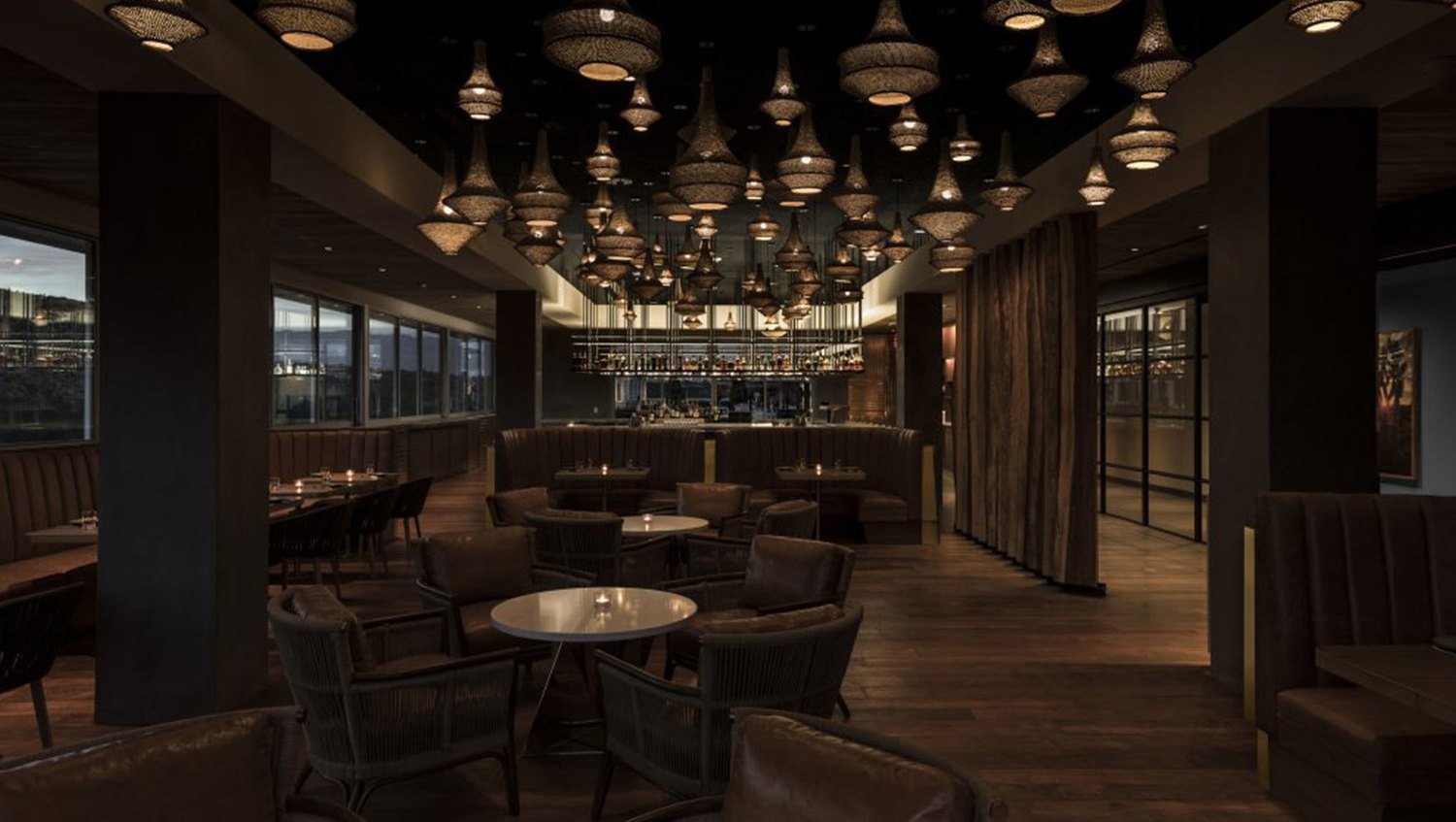
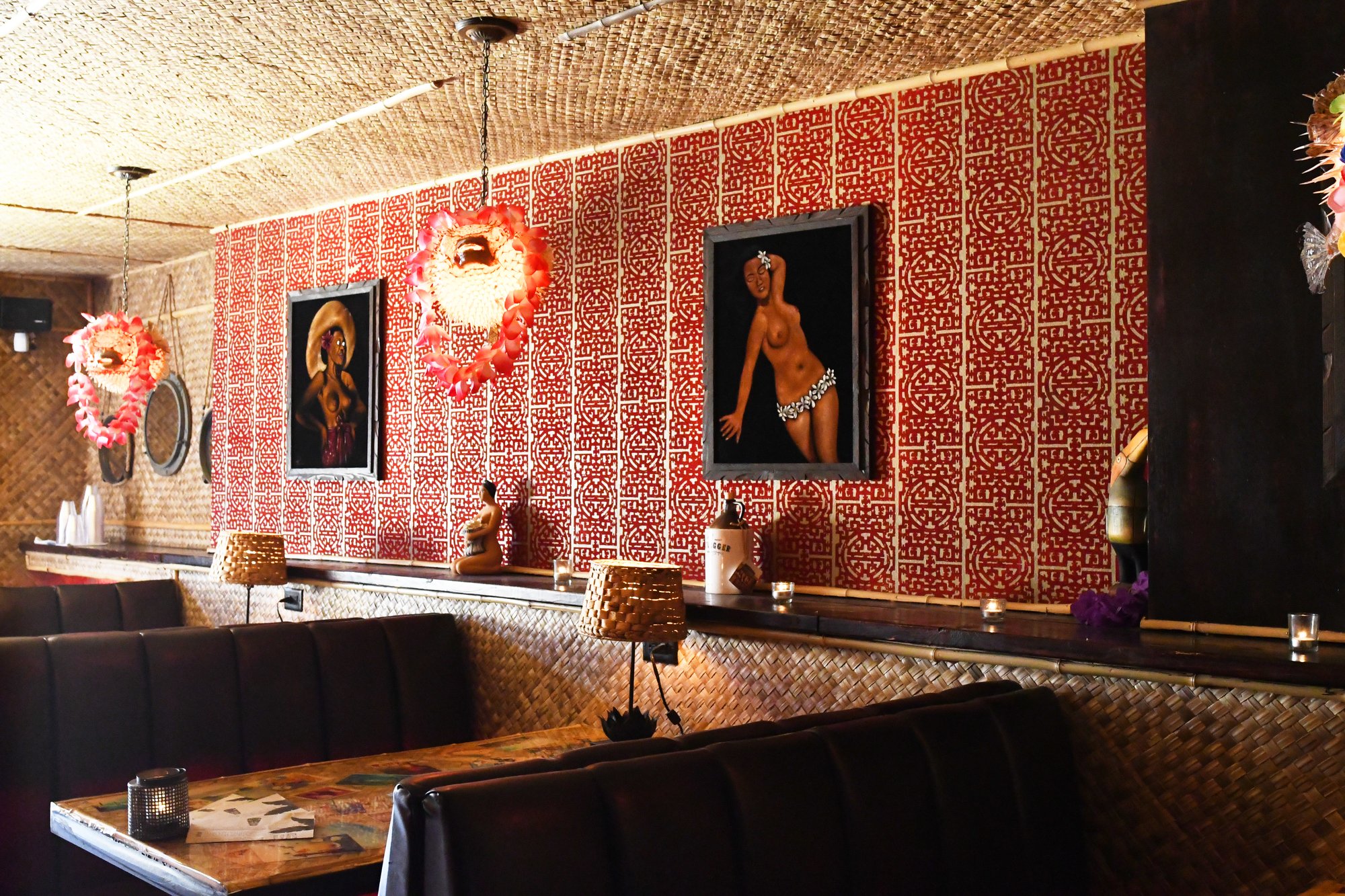
Bootlegger Tiki leans into mid-century fantasy without tipping into pastiche. Located on North Palm Canyon, the bar reads as a carefully composed escape: carved-wood darkness, tropical motifs and rum-forward cocktails that reference a deeper American tiki tradition. The copybook rituals of crushed ice, house-made syrups and dramatic garnishes are presented with technical seriousness, so the room feels both theatrical and composed. In the context of Palm Springs’ modernist backdrop, the bar feels like a deliberate, retro-minded haven—nostalgic in its references but rigorous in its execution.
Best For
This Uptown Palm Springs cocktail room works best in the evening for small-group hangs, date nights and celebratory outings. Its site on North Palm Canyon places it within a pedestrian corridor of pool bars and cocktail rooms, so it pairs well with a pre- or post-dinner stroll. The interior’s cool, carved-wood shelter provides a sensory contrast to the desert heat outside, making it especially appealing after sunset. Expect a place where cocktail craft and atmosphere are the main attractions rather than a full dining service.
Ordering Tips
Treat the menu as a study in tiki technique: favor rum-forward formulas and look for drinks that highlight house-made syrups, fresh components and crushed ice. The description flags layered, complex cocktails with theatrical garnishes, so ordering with an eye toward provenance and balance pays off. If you enjoy craft-forward tiki, ask the bartender about lighter versus richer riffs and whether they’re showcasing any signature syrups or aged rums—those elements are what distinguish a precise tiki program from kitsch.
Venue details
Ambiance
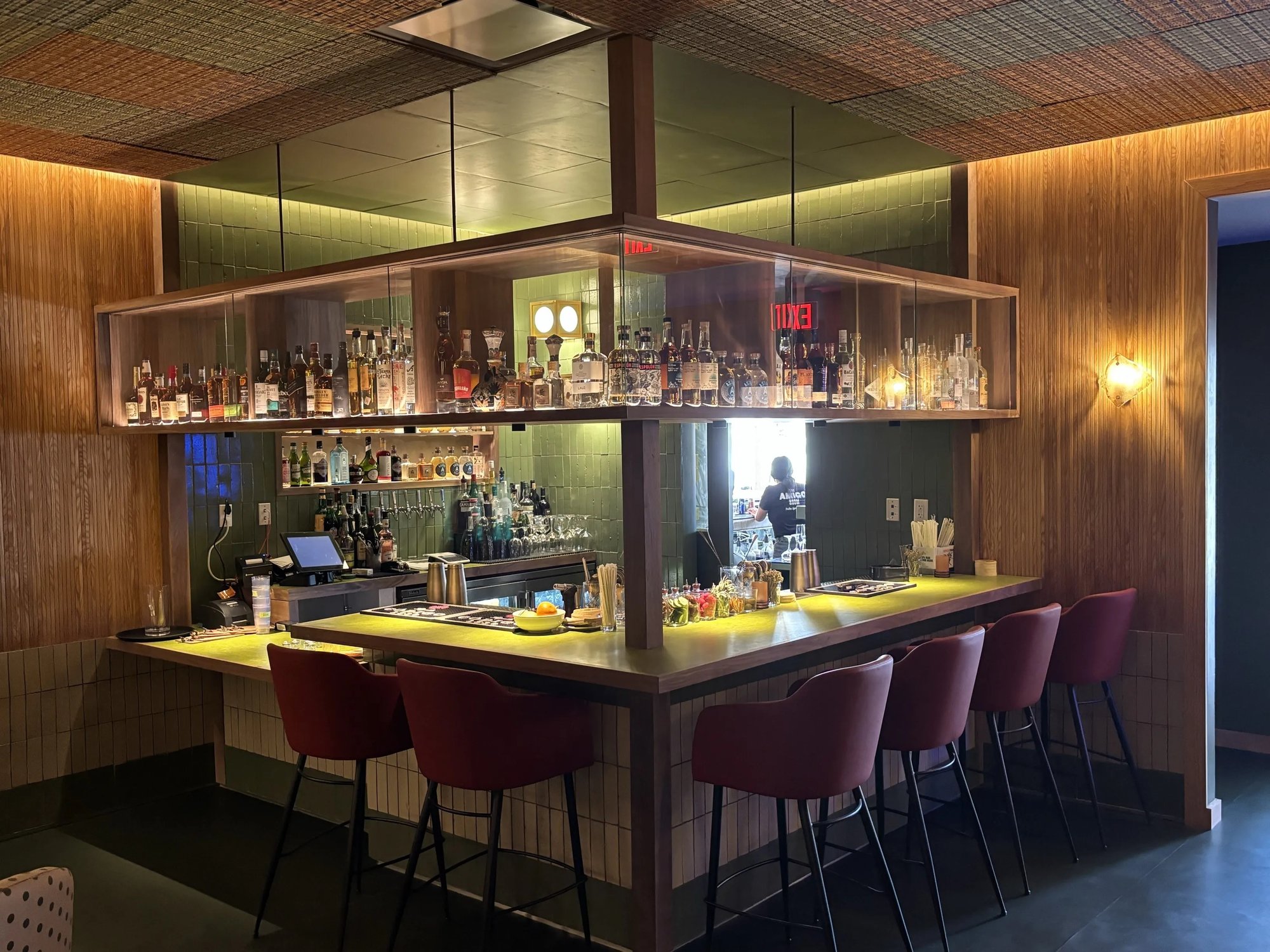
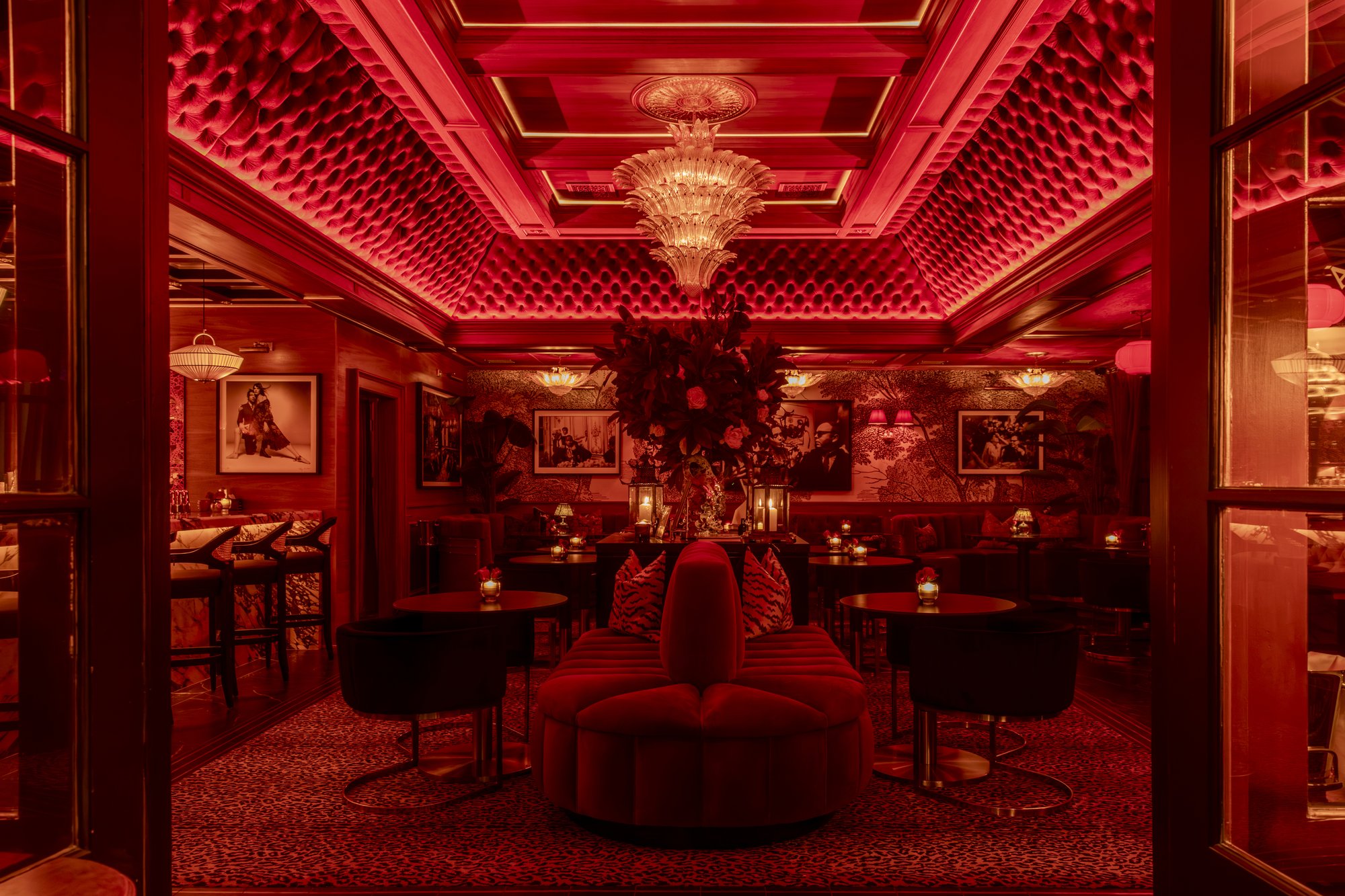
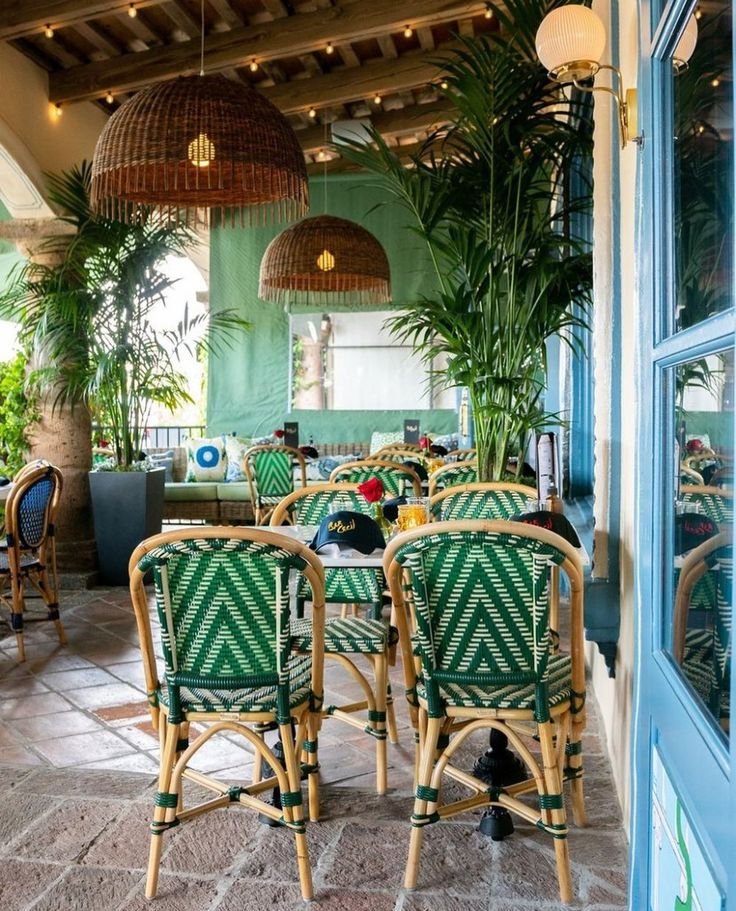
Dark, moody interior with dim lights, tiki torches, rattan furniture, and a swanky soundtrack creating a transportive tropical escape.
Tags
Vibe
Best For
Experience
Format
Accessibility
At the Bar
- Bar Category
- Tiki Bar
- Late Night
- Open Until 2am
- Music
- Chill
Signature Pours
- Mai Tai
- Guavacolada
- Typhoon Splash
- Dead Man Walking
Know before you go
Know Before You Go
- Getting there
- 1101 N Palm Canyon Dr, Palm Springs, CA 92262
Planning details
Location
1101 N Palm Canyon Dr, Palm Springs, CA 92262 · Directions
Also consider
Where to go if this is full
Try The Tonga Hut Restaurant and Tiki Bar if tiki is the priority and the group wants a broader restaurant-bar setup. For a looser, lower-pressure backup, Las Palmas Brewing is the easier pivot for groups who are fine swapping cocktails for beer.
Bar context
How Bootlegger Tiki compares in Palm Springs
Choose Bootlegger Tiki when the brief is atmosphere and cocktails rather than a full meal. Cheeky's Palm Springs is the better daytime or brunch-led move, while Colony Club Restaurant makes more sense when the night needs a restaurant setting and a longer sit-down rhythm.
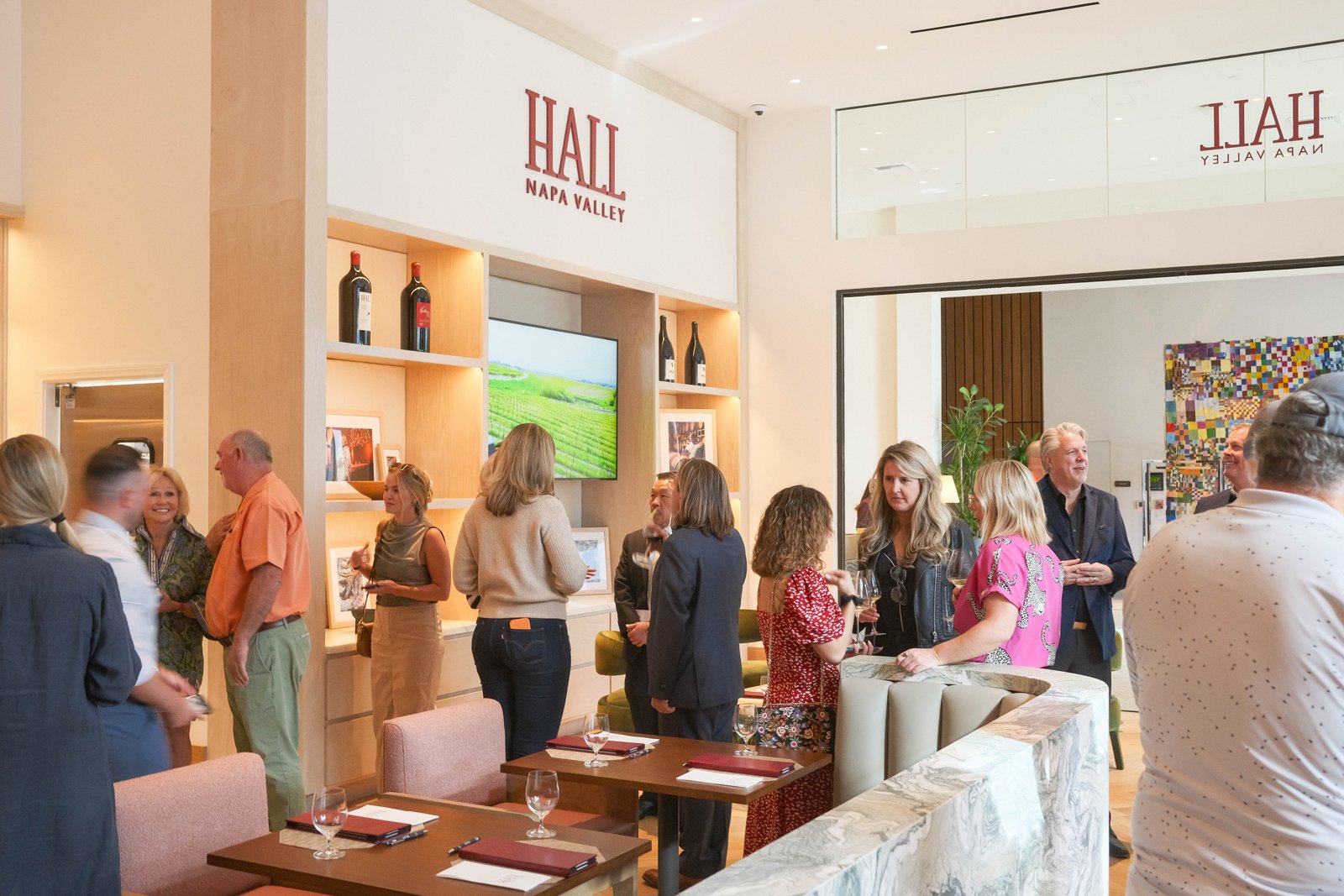
For easier, more casual drinking, Las Palmas Brewing is the practical alternative, especially for groups who care more about beer and flexibility than a themed room. HALL Napa Valley Tasting Room & Wine Lounge is the stronger fit for wine-focused visitors who want a slower tasting-room style stop.
If the specific draw is tiki, the closest cross-shop is The Tonga Hut Restaurant and Tiki Bar. Between the two, Bootlegger Tiki is easiest to recommend for a compact two-person stop; Tonga Hut is the one to consider when a tiki bar with restaurant framing sounds more useful for the evening.
Explore Palm Springs
Around this place
Discover more on Pearl
Unlock the full Bootlegger Tiki guide in Pearl, including awards, comparisons, FAQs, planning details, and nearby places.
Compare Bootlegger Tiki
| Venue | Location | Awards |
|---|---|---|
| Bootlegger Tiki | Palm Springs | No published awards |
| Cheeky's Palm Springs | Palm Springs | No published awards |
| Colony Club Restaurant | Palm Springs | No published awards |
| Las Palmas Brewing | Palm Springs | No published awards |
| HALL Napa Valley Tasting Room & Wine Lounge | Palm Springs | No published awards |
| The Tonga Hut Restaurant and Tiki Bar | Palm Springs | No published awards |
How Bootlegger Tiki Palm Springs compares with similar nearby venues.
FAQ
Frequently Asked Questions
What's the best time to go to Bootlegger Tiki?
Bootlegger Tiki opens at 3 PM daily. It is open 3–11 PM Monday through Thursday and Sunday, and 3 PM–1 AM on Friday and Saturday, so Friday and Saturday provide the latest planning window in Palm Springs.
Is Bootlegger Tiki good for groups?
For any group plan, confirm seat count, booking method, and group policy directly with the venue before relying on it. If you are comparing options, Colony Club Restaurant and Las Palmas Brewing are other names to consider in your broader planning.
Is Bootlegger Tiki good for a date?
It can fit a Palm Springs date plan if the hours and casual dress code work for your evening. The 3 PM opening and later Friday-Saturday hours give you flexibility, but menu, seating, and reservation details should be confirmed directly if they matter to the plan.
Is the food good at Bootlegger Tiki?
Check directly with the venue before planning around a specific menu or meal format. If you want to compare other Palm Springs options, Cheeky's Palm Springs is another name to include in your planning.