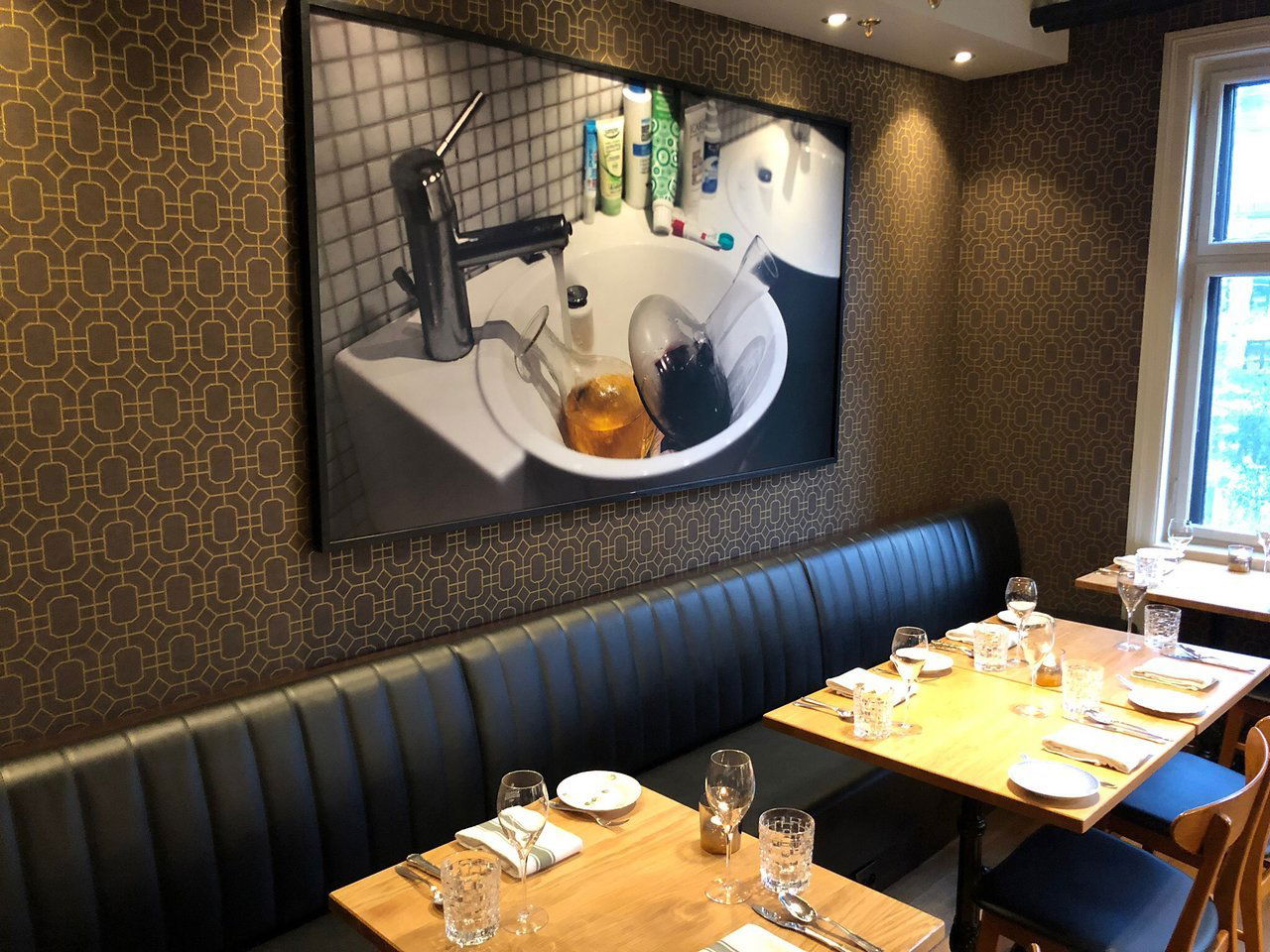

Vintage Kitchen
Enerhaugen, Oslo
Bar in Oslo, Norway
 Book with Pearl
Why go
Vintage Kitchen is a practical Oslo pick for a wine-led meal or date when booking ease matters. Star Wine List recognition in 2026 gives the drinks side real credibility, but the food case is harder to judge without confirmed cuisine or menu detail, so book for wine-first dining rather than a specific dish.
About Vintage Kitchen
Vintage Kitchen is an Oslo venue with Star Wine List recognition in 2026 and a smart-casual dress code. It is open Tuesday through Saturday, closed Monday and Sunday. While it has recognition from a wine-list guide, details about its cuisine, chef, menu format, prices, seating, or specific dishes are not available.
Consider a recognized Oslo venue
The strongest reason to put Vintage Kitchen on the shortlist is the Star Wine List recognition. That is a useful signal for diners who care about wine-list coverage, but it should not be stretched into claims about a specific beverage program, cellar depth, pairing format, or service style unless those details are provided directly by the venue.
Food should be treated carefully in planning. Details regarding cuisine, chef, signature dish, or set menu are not available for dish-by-dish recommendation, so the safest move is to consider it when the brief is a smart-casual Oslo night with recognition and late hours. If you are comparing plans, you can also look at Jimmy's, Le Benjamin, Markveien Mat & Vinhus og Vinbaren Dr. Kneipps, Territoriet, and Wining, along with other dining in Oslo more generally.
Where it fits in an Oslo night
This is a practical option when the occasion calls for an Oslo venue with late operating hours and a smart-casual tone. The schedule is Tuesday to Friday from 11 AM to 12 AM, Saturday from 12 PM to 12 AM, and closed Monday and Sunday. For a broader plan, use our full Oslo restaurants guide alongside our full Oslo bars guide.
Information on booking difficulty, private rooms, outdoor seating, cuisine, chef identity, dietary accommodations, takeout, delivery, or prices is not available. These are details to check directly before making a plan, especially if the meal depends on a specific format or requirement.
Verdict: consider Vintage Kitchen when the priority is a smart-casual Oslo venue with Star Wine List recognition and Tuesday-to-Saturday hours. Skip or investigate further if the decision depends on named dishes, chef identity, outdoor seating, price, or a clearly published dining format.
Planning details
- Location
- Lakkegata 55, 0187 Oslo, Norway
- Website
- vintagekitchen.no
- Phone
- +47 46 74 60 44
The take
The Take
The Vibe
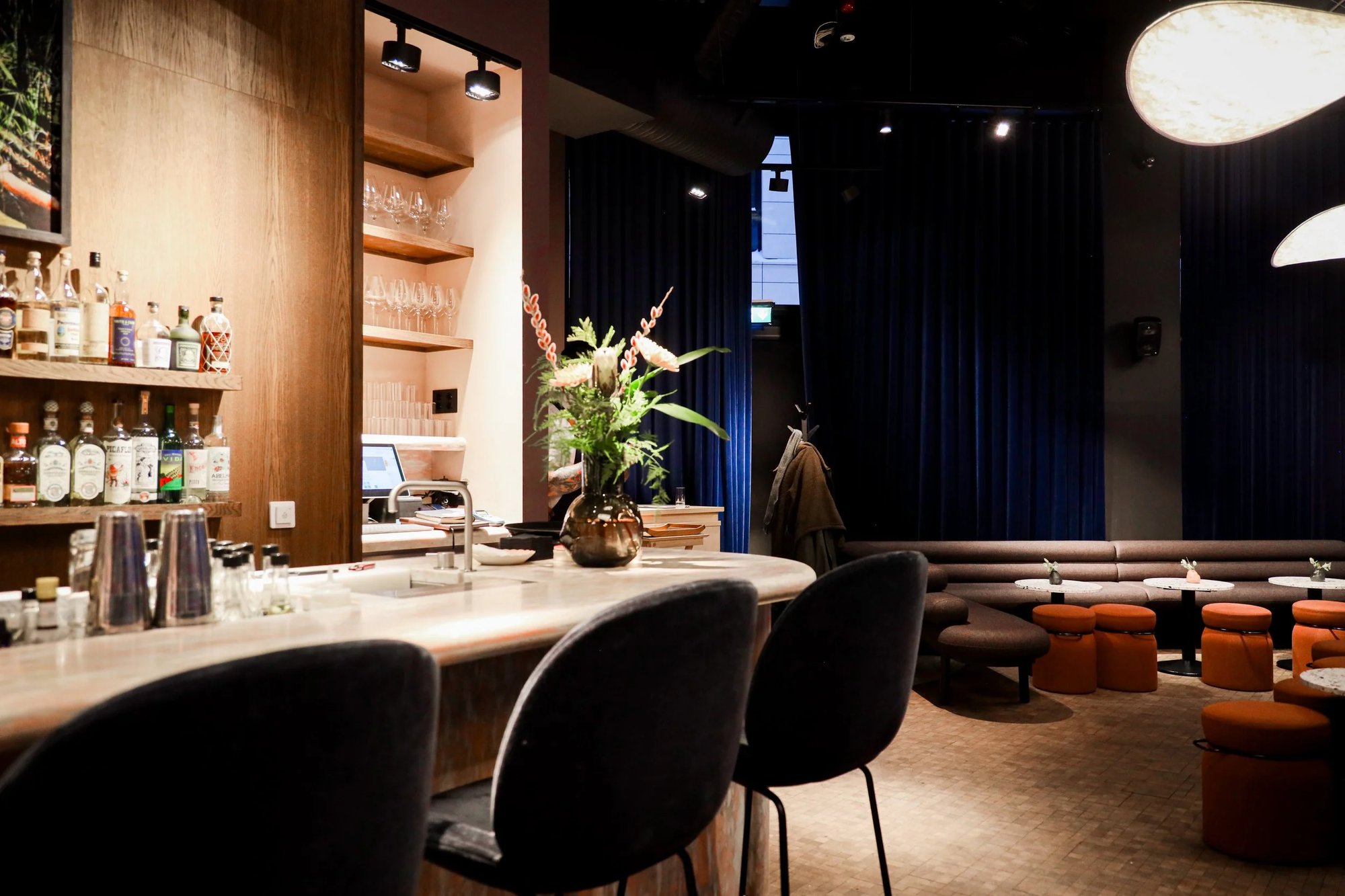
Vintage Kitchen presents a quietly refined presence on Lakkegata: the building reads older than its 1990 date, and the room leans into that sense of continuity. Against Grünerløkka’s recent wave of minimal, light-filled fit-outs, this address stakes out a different posture — one that privileges accumulated character over trend-led sparseness. The program follows suit: bottles with age and provenance anchor the offering, and the emphasis on curation gives the place a measured, sophisticated tone. It feels like a deliberate, mature alternative to Oslo’s brighter, newer wine bars.
Best For
This is a bar for people who come to drink wine with intention. The text positions Vintage Kitchen within Oslo’s serious wine-bar tier, where the list itself is the primary offering and staff knowledge is central. That makes it well suited to date nights and special occasions, and to anyone seeking a focused, contemplative evening of wines with provenance. It’s less about high-volume late-night revelry and more about attentive tasting and discovery in a composed setting.
Ordering Tips
Treat the wine list as the main event and rely on staff guidance. The description stresses that curation and service knowledge 'unlock' the list, so ask the team which bottles show the age and provenance the bar prioritizes. Frame your questions around regions, vintages or styles you’re curious about and ask for narrative context — the venue’s value is in its selection and the people who can interpret it, rather than in gimmicks or trendy cocktails.
Venue details
Ambiance
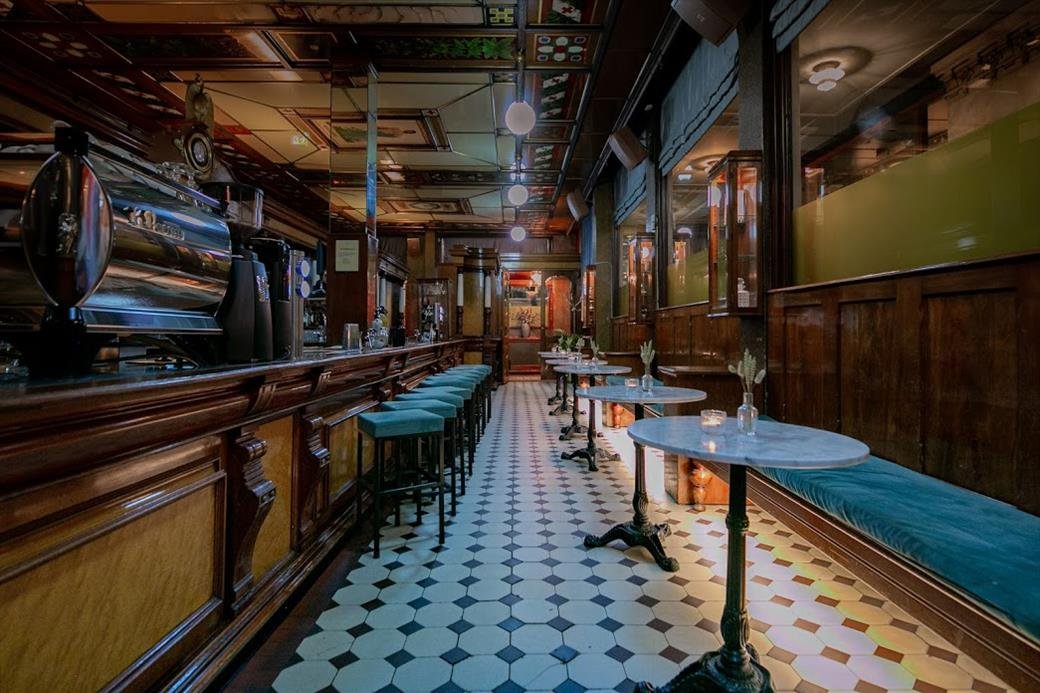
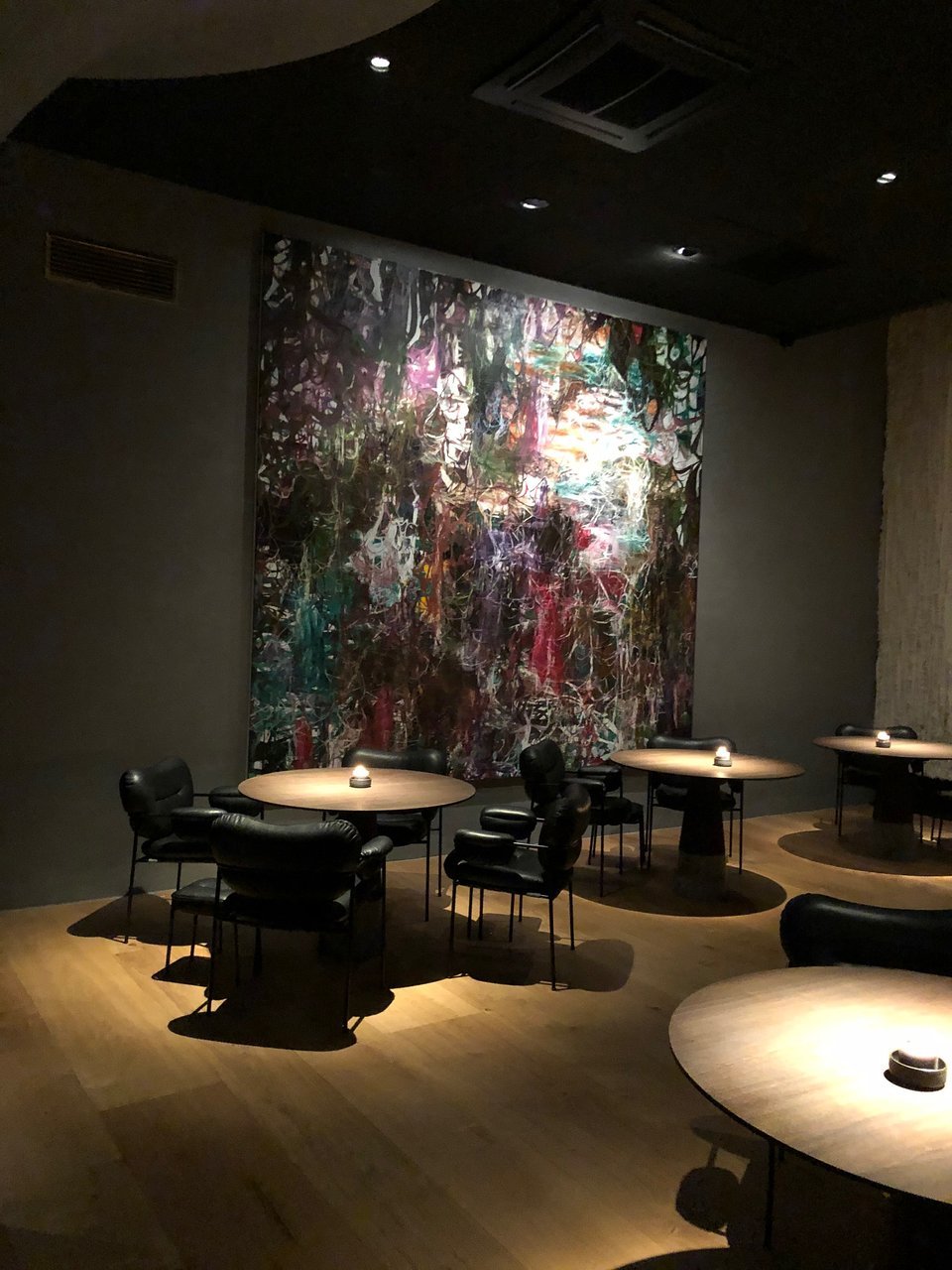
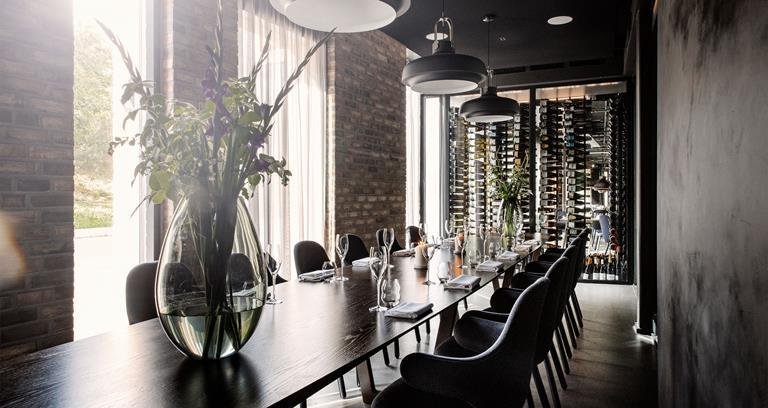
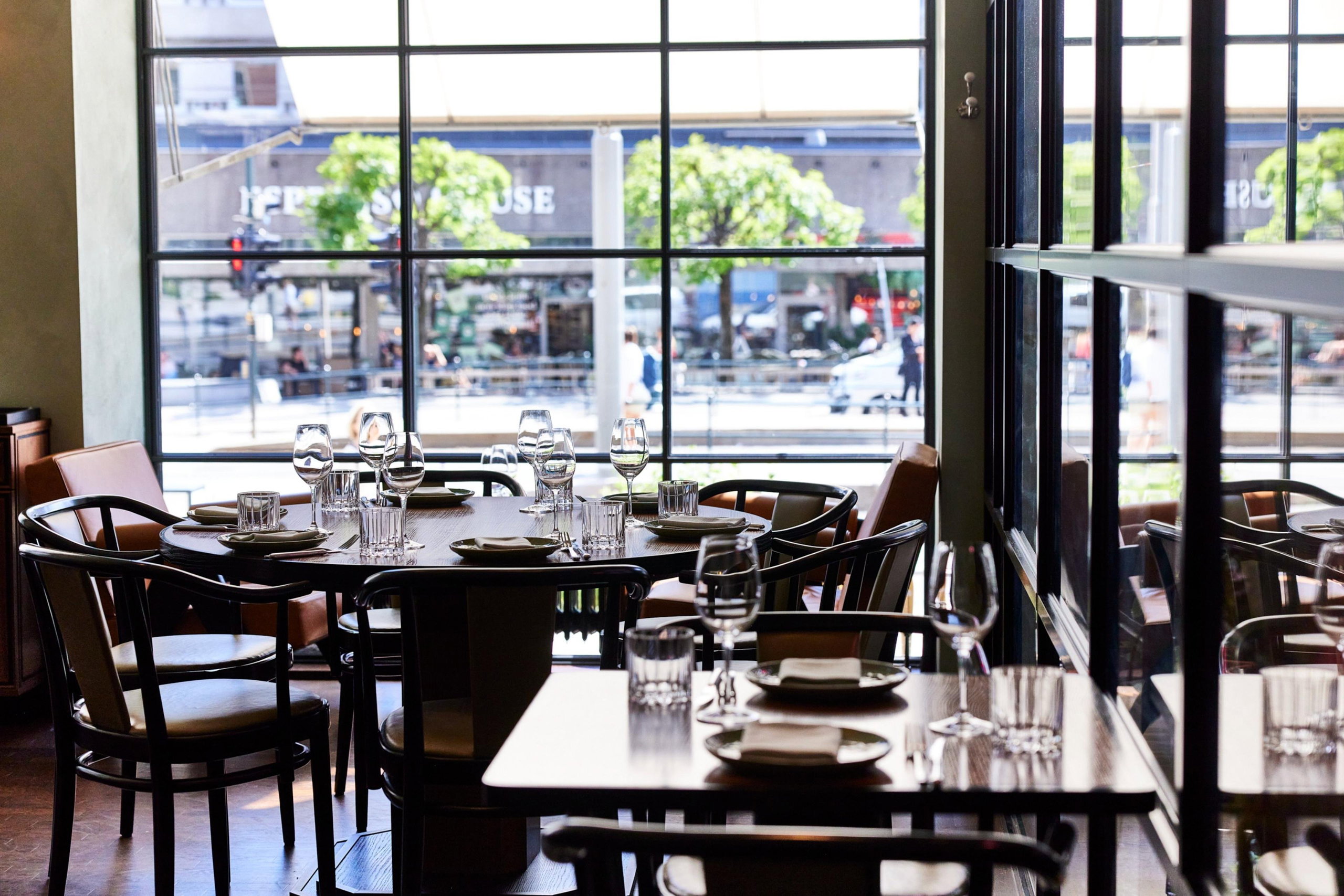
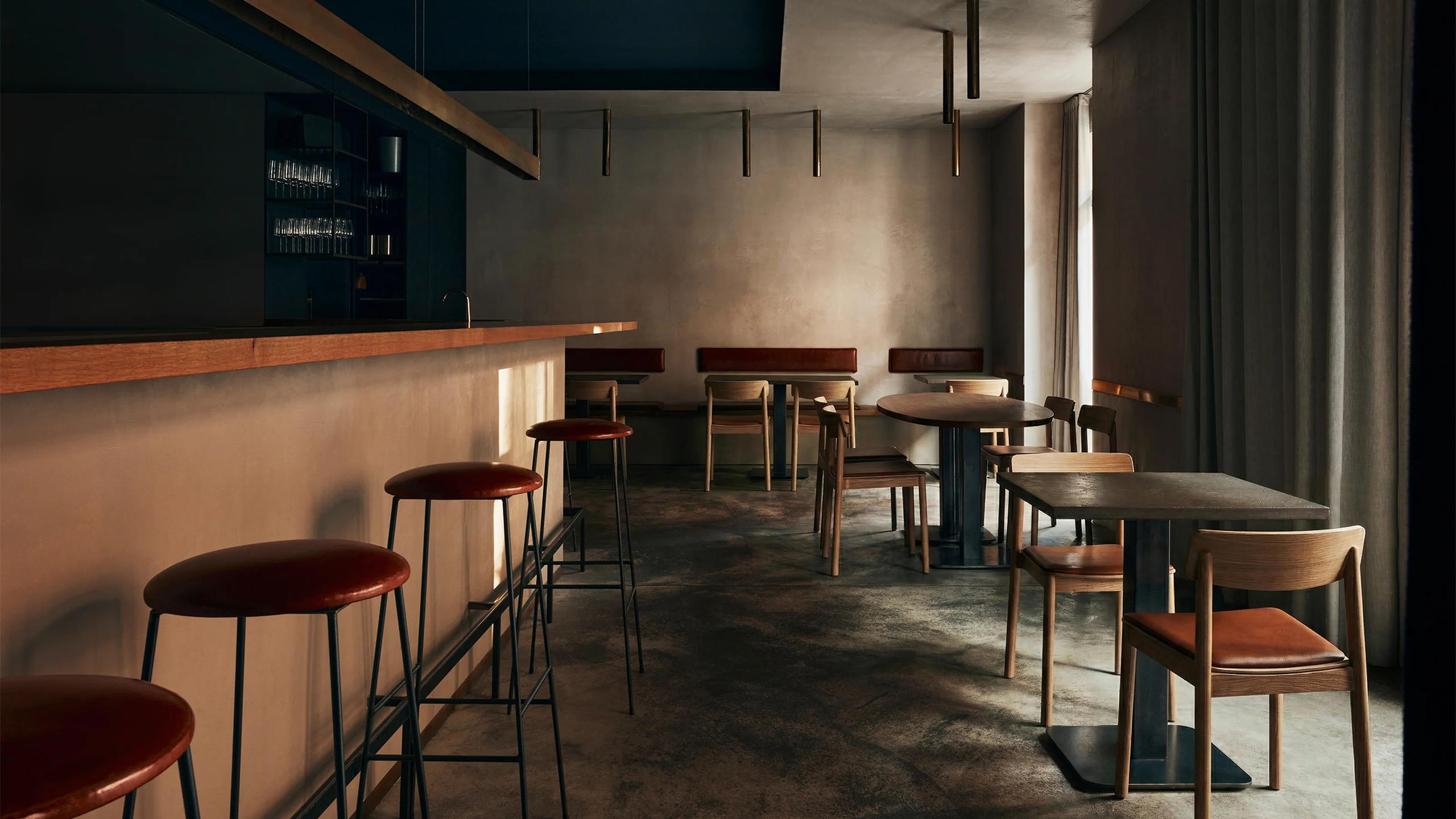
Cozy and stylish atmosphere in an old house with warm, home-like feel and attentive service.
Tags
Vibe
Best For
Experience
Format
At the Bar
- Bar Category
- Wine Bar
Know before you go
Know Before You Go
- Getting there
- Lakkegata 55, 0187 Oslo, Norway
Planning details
Location
Recognition and awards

Also consider
Where to go if this does not fit
If the meal needs to feel more restaurant-led, choose Le Benjamin. If the group wants a wine-bar-first plan, compare Territoriet and Wining before committing.
Bar context
How it compares in Oslo
Vintage Kitchen is easier to recommend for a relaxed wine-led meal than for a formal restaurant night. Compared with Le Benjamin, it feels like the lower-friction choice when the plan is drinks plus food rather than a dining-room-led evening. If the occasion needs a stronger restaurant frame, Le Benjamin is the safer cross-shop.
Against Territoriet, Markveien Mat & Vinhus og Vinbaren Dr. Kneipps, and Wining, the decision comes down to how much food matters. Vintage Kitchen is the better fit when the booking needs to cover both wine and dinner in one stop; the others make more sense when the drink list is the whole point of the night.
Jimmy's is the alternative for readers who want a more obviously bar-led evening. Pick Vintage Kitchen for a date, a small celebration, or a business meal where wine credibility matters; pick Jimmy's when the group wants a looser bar mood.
Explore Oslo
Around this place
Discover more on Pearl
Unlock the full Vintage Kitchen guide in Pearl, including awards, comparisons, FAQs, planning details, and nearby places.
Compare Vintage Kitchen
| Venue | Location | Awards |
|---|---|---|
| Vintage Kitchen | Oslo | Star Wine Lists 2026 |
| Le Benjamin | Oslo | No published awards |
| Territoriet | Oslo | No published awards |
| Jimmy's | Oslo | No published awards |
| Markveien Mat & Vinhus og Vinbaren Dr. Kneipps | Oslo | No published awards |
| Wining | Oslo | No published awards |
How Vintage Kitchen Oslo compares with similar nearby venues.
FAQ
Frequently Asked Questions
Is Vintage Kitchen open late?
Yes. Vintage Kitchen is open Tue–Fri from 11 AM to 12 AM and Sat from 12 PM to 12 AM. It is closed Mon and Sun, so it is a Tuesday-to-Saturday option in Oslo rather than an every-night fallback.
Is the food good at Vintage Kitchen?
Details about cuisine, chef, signature dish, or menu format are not provided, so do not judge the venue from a specific food claim. The dining-relevant signals are its Oslo location, smart-casual dress code, operating hours, and Star Wine List recognition in 2026.
Does Vintage Kitchen have outdoor seating?
What's the crowd like at Vintage Kitchen?
No crowd description is provided. The dress code is smart casual, and the venue has Star Wine List recognition in 2026, but group size, atmosphere, and noise level should be checked directly if they matter to your plans.
Is Vintage Kitchen good for a date?
It may fit a date plan if you want a smart-casual Oslo venue with late Tuesday-to-Saturday hours and Star Wine List recognition. Specific atmosphere, seating, and menu details are not available, so check directly if those details are important.