Mathallen Oslo
Fredensborg, Oslo
Bar in Oslo, Norway
 Book with Pearl
Why go
Mathallen Oslo is worth using as a flexible food-hall stop, not as a formal bar dinner. Choose it for groups, mixed appetites, and low-commitment eating in Oslo; choose Nektar Vinbar or Markveien Mat & Vinhus og Vinbaren Dr. Kneipps when the night needs a more focused wine-bar feel.
About Mathallen Oslo
Mathallen Oslo is a casual Oslo venue. Its opening hours make planning direct: it is closed on Monday, open Tuesday through Saturday from 10 AM to 8 PM, and open Sunday from 11 AM to 6 PM.
When planning your visit, focus on the known details: the Oslo location, the casual dress code, and the hours. For a different kind of Oslo outing, compare Mathallen Oslo with Nektar Vinbar, Markveien Mat & Vinhus og Vinbaren Dr. Kneipps, Klink. Radegast, or Wining.
Go for a casual Oslo stop
Mathallen Oslo is best treated as a casual option rather than a formal occasion venue. Details on specific cuisine, menu format, seating setup, drinks program, price point, or service style are not available, so it's best to confirm those directly with the venue if they are crucial to your plan.
The main planning advantage is the schedule. Tuesday through Saturday hours run from 10 AM to 8 PM, and Sunday hours run from 11 AM to 6 PM. Monday is closed. That makes the venue easier to consider for daytime or early-evening plans than for a late-night itinerary.
How to use it on an Oslo trip
Use Mathallen Oslo when your plan needs a casual stop in Oslo and the published hours fit your day. Readers building a broader itinerary can also use Our full Oslo restaurants guide and Our full Oslo bars guide to compare other dining and drinking options in the city.
The verdict: go if the casual dress code and hours suit your plan. Skip it if you need specific details on a menu, table-service format, beverage focus, prices, outdoor seating, or late-night service before deciding.
Planning details
- Location
- Vulkan 5, 0178 Oslo, Norway
- Website
- mathallenoslo.no
- Phone
- +47 40 00 12 09
The take
The Take
The Vibe
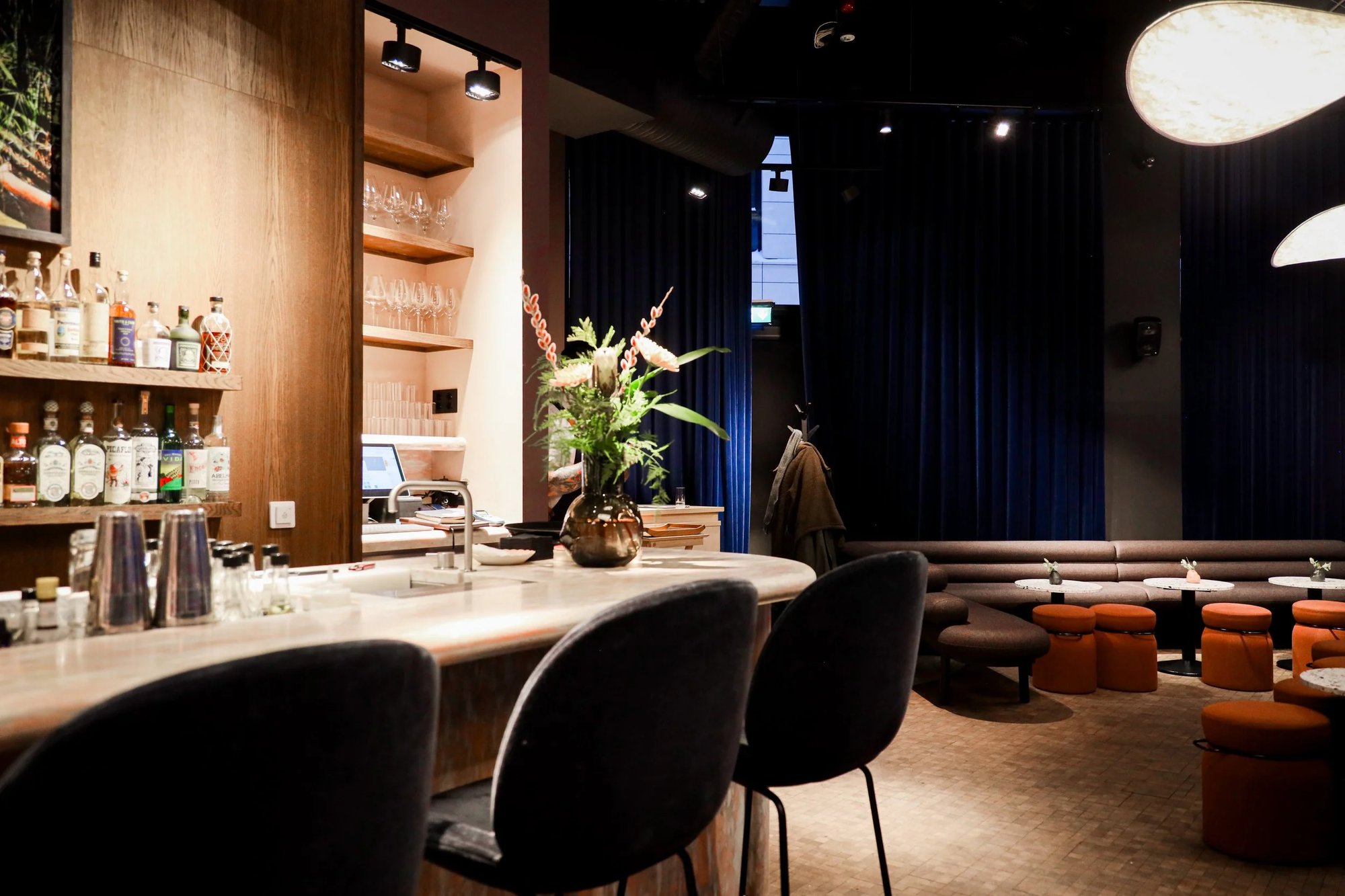
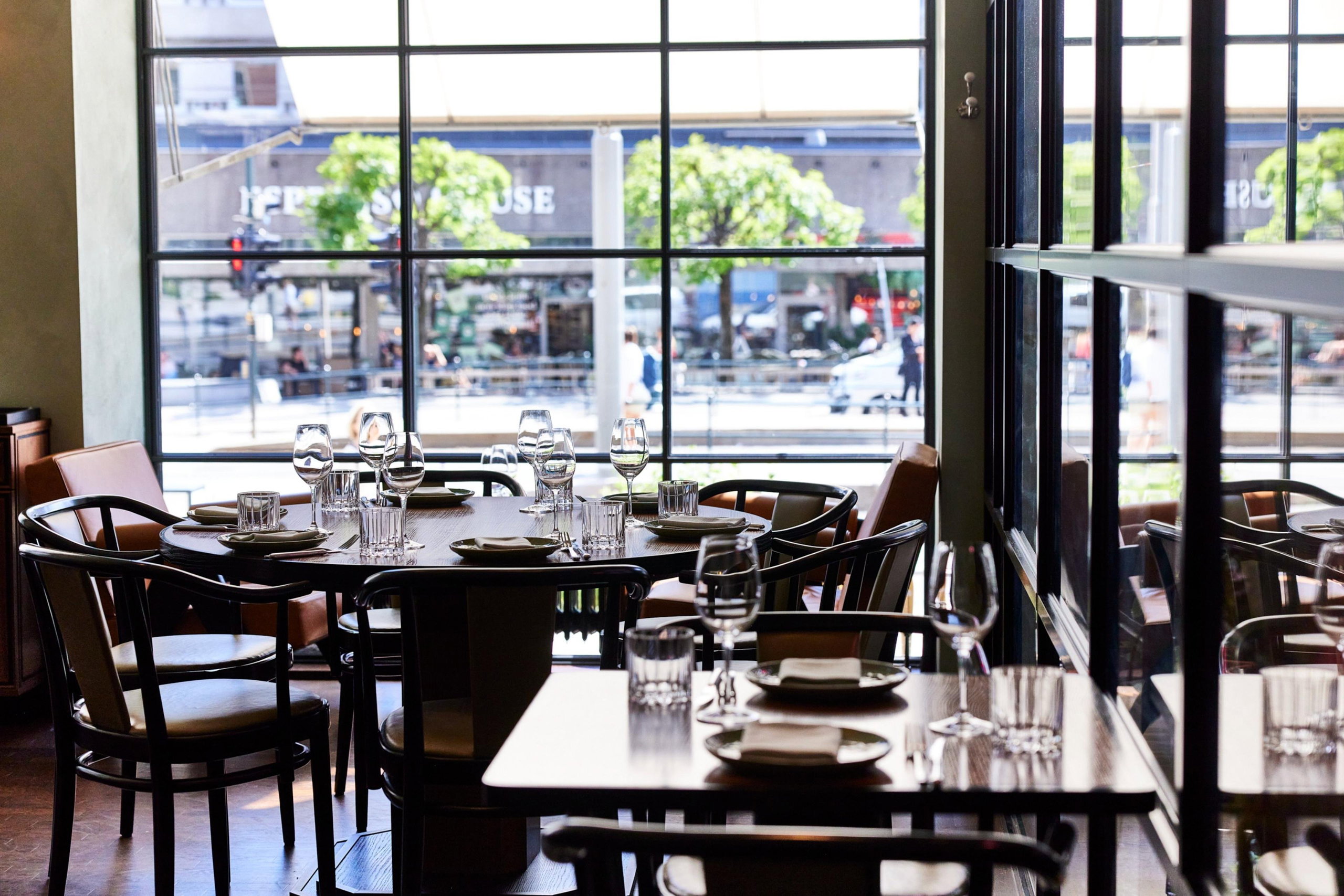
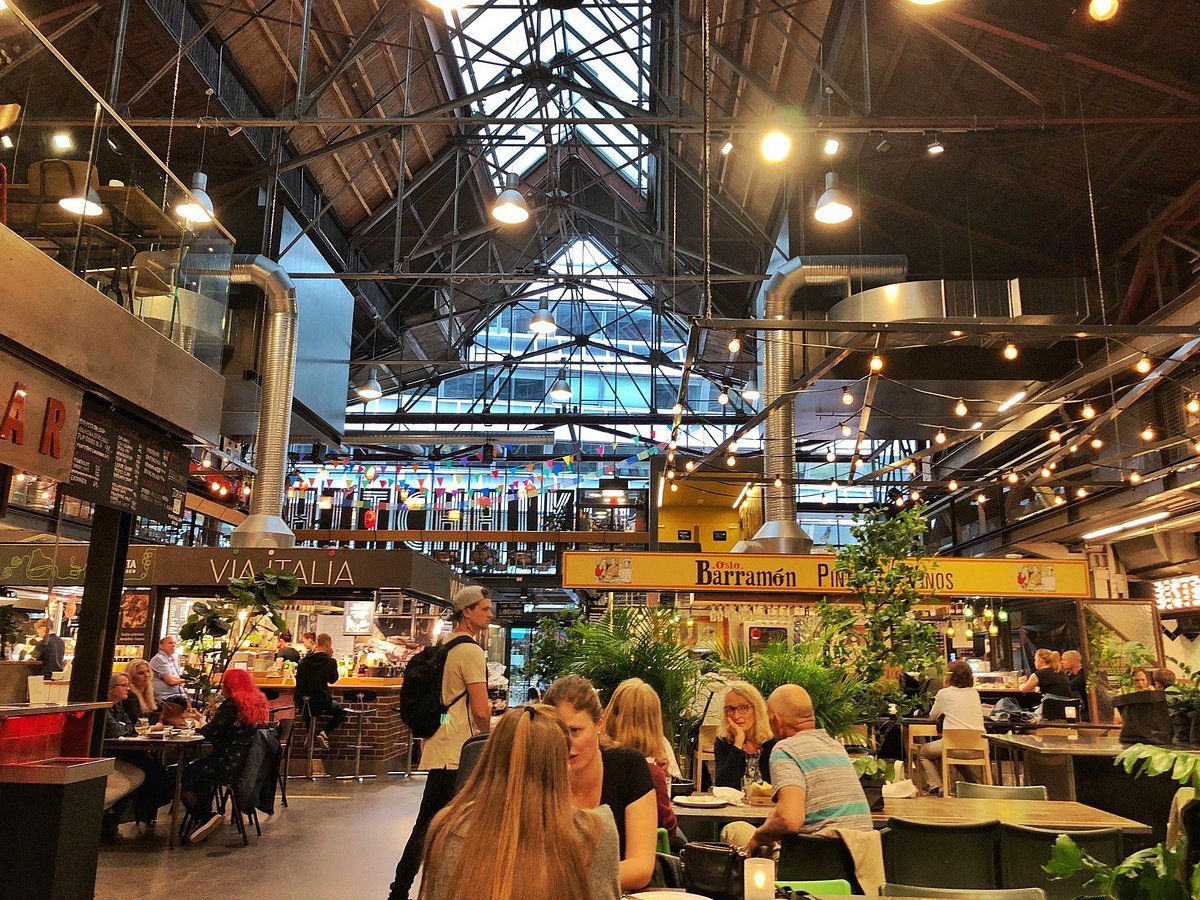
Mathallen reads like an industrial manifesto: a converted heating plant where exposed steel and raw concrete remain proudly on display. The market hall occupies the original bones of the building, and that architectural honesty gives the place an unapologetically urban, workaday character. It feels lively and public rather than private or polished, operating more as a forum for food and drink than as a quiet retail destination. The setting along the Akerselva river and the neighborhood’s post-industrial regeneration add a scenic, civic quality to the market’s energetic, design-forward presence.
Best For
Mathallen is best for social, food-forward outings — casual hangouts and group visits where the joy is in sampling and sharing. Tenants include Norwegian producers, wine importers, and specialty food stalls that sit side by side on the market floor, which encourages moving between counters rather than a single formal meal. Weekends are busy and noisy, so the venue suits convivial groups and anyone interested in seeing how Oslo’s culinary identity has been reshaped by urban regeneration. It functions as an anchor for the Vulkan neighborhood and a destination for those curious about local food culture.
Ordering Tips
Expect curated beverage selections and editorial-minded back bars. Norway’s Vinmonopolet system constrains how wine and spirits are sold, so venues and importers in Oslo respond with intentional curation — what sits behind the bar is a deliberate editorial act. At Mathallen, the mix of producers, wine importers, and specialty stalls means you can talk to vendors about their selections and discover thoughtfully chosen bottles and small-batch producers. Treat the market as a place for exploration: ask tenants about their recommendations and lean into the curated, discovery-driven nature of the offerings.
Venue details
Ambiance
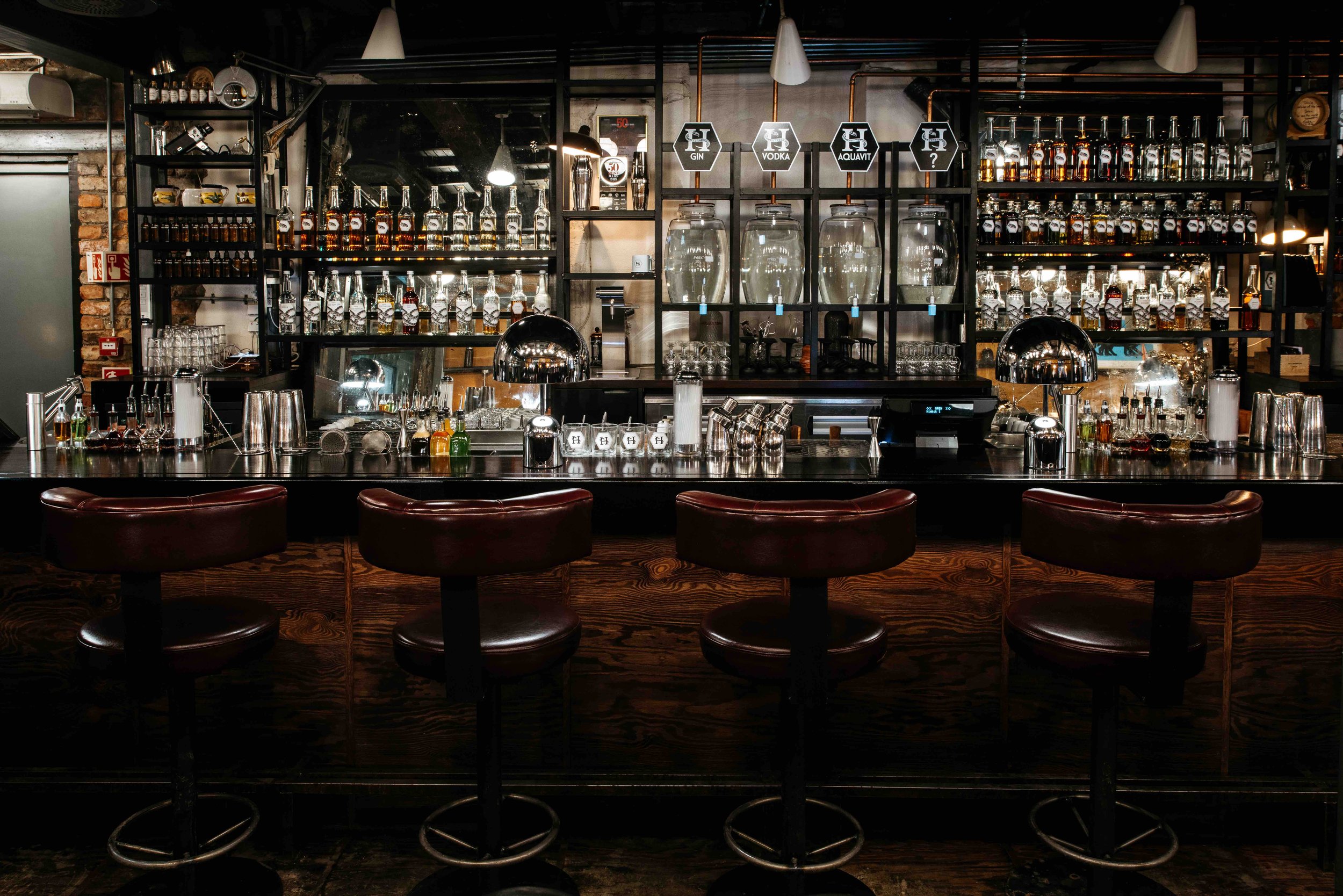
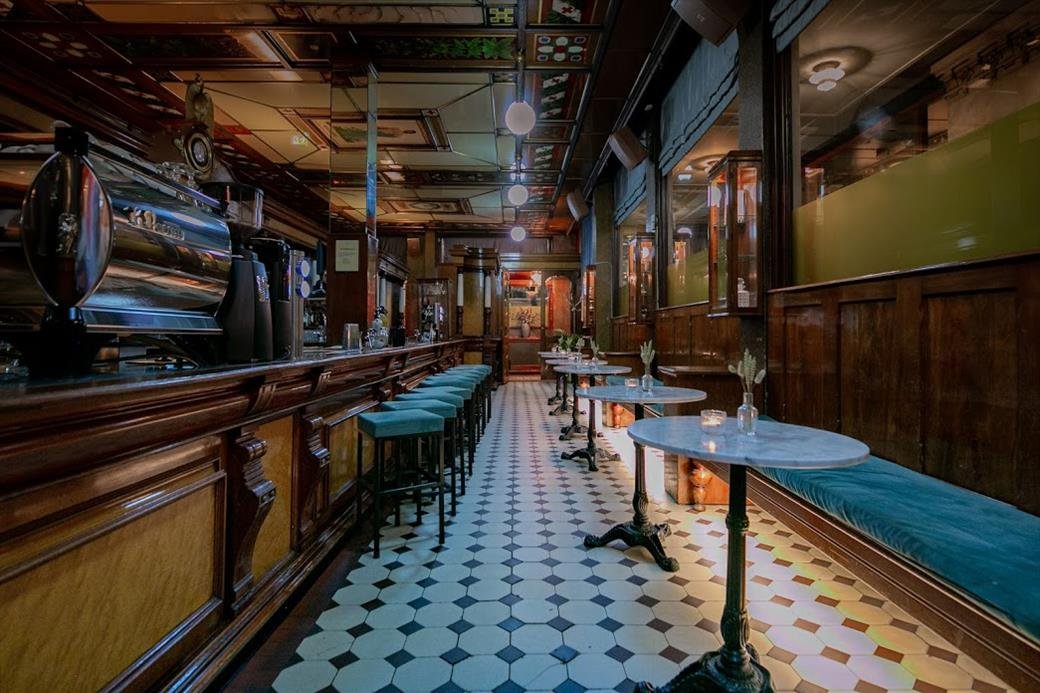
Vibrant and lively atmosphere with a mix of culinary stalls, social meeting places, and occasional DJ beats or live music creating an energetic food hall experience.
Tags
Vibe
Best For
Experience
Format
View
At the Bar
- Bar Category
- Beer Bar
- Late Night
- Closes by Midnight
- Music
- Dj Beats and Live Performances
- Live Music
- Yes
Know before you go
Know Before You Go
- Getting there
- Vulkan 5, 0178 Oslo, Norway
Planning details
Location
Also consider
Also Consider
- Klink., Notable alternative
- Radegast, Notable alternative
- Nektar Vinbar, Notable alternative
- Markveien Mat & Vinhus og Vinbaren Dr. Kneipps, Notable alternative
- Wining, Notable alternative
Bar context
How It Compares
Mathallen Oslo is the easiest choice when flexibility matters more than a tightly edited evening. Compared with Klink. and Radegast, it is better for mixed groups and casual grazing because the format does not force everyone into the same order or pace.
For a more drinks-led night, Nektar Vinbar and Markveien Mat & Vinhus og Vinbaren Dr. Kneipps are stronger fits. They make more sense for couples or smaller groups who want the bar to shape the evening rather than serve as a convenient meeting point.
Wining is the better cross-shop if wine is the main reason for going out. Mathallen Oslo wins on ease and variety; the wine bars win on focus, atmosphere, and a clearer sense of occasion.
Explore Oslo
Around this place
Discover more on Pearl
Unlock the full Mathallen Oslo guide in Pearl, including awards, comparisons, FAQs, planning details, and nearby places.
Compare Mathallen Oslo
| Venue | Location | Awards |
|---|---|---|
| Mathallen Oslo | Oslo | No published awards |
| Klink. | Oslo | No published awards |
| Radegast | Oslo | No published awards |
| Nektar Vinbar | Oslo | No published awards |
| Markveien Mat & Vinhus og Vinbaren Dr. Kneipps | Oslo | No published awards |
| Wining | Oslo | No published awards |
How Mathallen Oslo compares with similar nearby venues.
FAQ
Frequently Asked Questions
Is Mathallen Oslo good for groups?
Group-specific services or seating details are not available. It is a casual Oslo venue with published hours, but groups should confirm current arrangements directly with the venue.
Is the food good at Mathallen Oslo?
Is Mathallen Oslo good for a date?
It can be considered for a casual Oslo plan, but details on atmosphere, seating style, or service format are not available. For a more specific date-night setup, confirm details directly before going.
What's the crowd like at Mathallen Oslo?
Details on the crowd are not available. The dress code is casual, and the published hours are Tuesday through Saturday from 10 AM to 8 PM and Sunday from 11 AM to 6 PM, with Monday closed.