
Bar in Orleans, France
Ver Di Vin SARL
100ptsLoire-Centric Cave à Vins
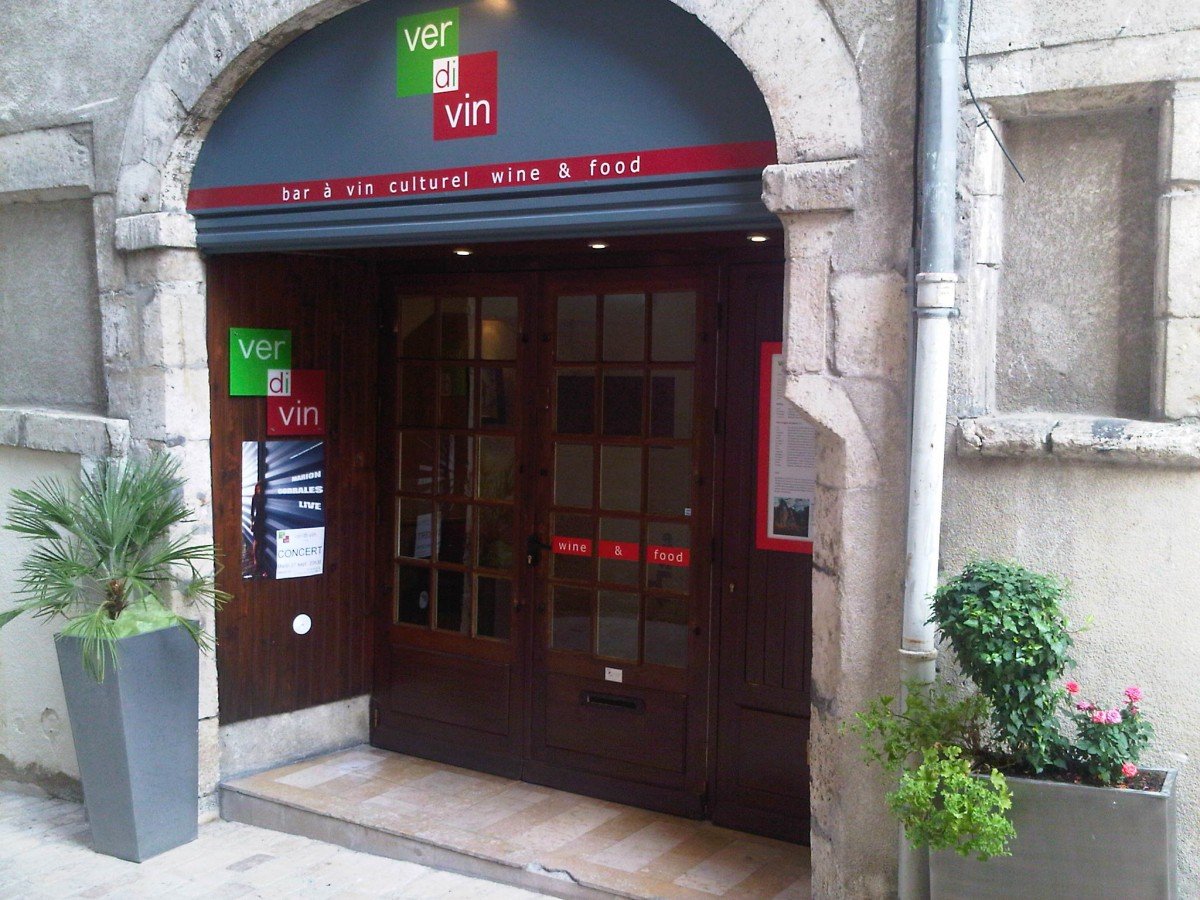
About Ver Di Vin SARL
Ver Di Vin SARL occupies a quiet address on Rue des 3 Maries in Orléans, positioning itself within a city that sits at the understated northern edge of Loire Valley wine country. The bar draws on that regional wine heritage to anchor a programme that rewards those who know what to ask for. For visitors working through the Loire's drinking culture, it earns a deliberate stop.
A Street Address That Tells You Something About the City
Rue des 3 Maries sits in the older quarter of Orléans, close enough to the Loire that the river's dampness and stillness shape the street's mood in the evening. Orléans is not a city that performs for visitors in the way that Tours or Blois might; it holds its dining and drinking culture at a slight remove, which means places like Ver Di Vin SARL tend to be found by people who are already paying attention. The name itself, a French phonetic rendering of verde vino or a nod to wine-green, signals a wine-first sensibility before you've opened the door. That is a particular kind of positioning in a city where the Loire Valley's appellations are not background scenery but the actual reason many travellers are passing through. For context on where Ver Di Vin fits within the broader Orléans drinking scene, see our full Orléans restaurants guide.
The Loire as a Drinking Framework
To understand what a bar at this address is working with, it helps to understand what Orléans sits beside. The Loire Valley runs roughly five hundred kilometres from the Massif Central to the Atlantic, but its most concentrated drinking identity occupies a narrower corridor: Muscadet and Melon de Bourgogne to the west, Vouvray and Montlouis Chenin Blanc in the middle reaches, and Sancerre and Pouilly-Fumé anchoring the eastern end near Orléans. The city is closer geographically and stylistically to the mineral Sauvignon Blanc country of the upper Loire than it is to the fuller, oak-influenced wines of the south. That matters for how a wine bar at this address builds its programme, because the default regional register is restraint: high acid, low residual sugar, wines that reward patience over immediate pleasure. A bar that takes its cue from that tradition will read differently from a Bordeaux-anchored wine list or a Rhône-heavy programme. For comparison, the Loire's sparkling wine tradition is documented at venues like BOUVET LADUBAY in Saumur, while the liqueur heritage of the region finds its most formal expression at the House of Cointreau in Angers — both within the broader Loire corridor that Ver Di Vin draws from.
How the Bar Fits Into the French Wine-Bar Format
France's bar à vins category has fragmented considerably over the past decade. The older bistro-with-wine-list model has given way to specialist formats: natural wine bars in Paris neighbourhoods like the Marais and Oberkampf, cork-and-counter operations that price by the glass against small plates, and a newer generation of bars that treat wine service with the same technical rigour that cocktail bars brought to spirits. Orléans, sitting outside the major metropolitan circuits, has been slower to absorb all of these shifts, which means a wine bar on Rue des 3 Maries is operating in a city where the format itself carries a certain novelty value. The French provincial wine bar at its most purposeful is a different animal from its Paris counterpart: less performative about natural wine credentials, more grounded in regional producer relationships, and priced against a local clientele that treats wine as ordinary rather than aspirational. That grounding can produce something more honest than the capital's more self-conscious equivalents. For comparison with how cocktail-led bars in major French cities handle their programmes, Bar Nouveau in Paris represents the technical end of that spectrum, while Papa Doble in Montpellier shows how southern France interprets the more spirit-forward approach. Regional programmes with distinct local identities can also be found at Au Brasseur in Strasbourg and Bar Casa Bordeaux in Bordeaux.
What a Wine-First Programme Looks Like in Practice
The editorial angle on Ver Di Vin begins with its name's explicit commitment to wine, which in a Loire context means grappling with a region that produces more white wine than almost any other in France and whose reds, particularly Cabernet Franc from Chinon and Bourgueil, occupy a more specific, often undervalued register. A bar serious about this geography has choices to make: does it pour commercially available appellations that visitors already recognise, or does it dig into smaller growers working with older vine material and organic or biodynamic methods? The Loire has been one of France's most active regions for the latter, with producers in Montlouis, Savennières, and the Anjou gaining significant critical attention over the past fifteen years. How a Orléans bar positions itself on that spectrum, between accessibility and producer specificity, determines the kind of conversation that happens over the counter. The more interesting wine bars in smaller French cities tend to be those where the person pouring is also the person who selected the list, because that compression removes the gap between curation and service. For wine-adjacent programming in other contexts, Coté Vin in Toulouse and La Maison M. in Lyon show how mid-sized French cities have developed their own wine bar identities. Further afield, Le Café de la Fontaine in La Turbie and Le Petit Nice Passedat in Marseille anchor the southern French end of the drinking spectrum. For those crossing the Atlantic, Bar Leather Apron in Honolulu represents how wine and cocktail programming has evolved in entirely different cultural contexts.
Planning a Visit
Ver Di Vin SARL is located at 2 Rue des 3 Maries, 45000 Orléans, in the older central quarter of the city. Orléans is served directly by TGV from Paris Austerlitz in roughly an hour, making it a workable day trip from the capital or a natural first stop on a Loire Valley itinerary. The address sits within walking distance of the cathedral and the old town, which means it falls naturally into an evening after a day spent between châteaux and cellar visits. As with most specialist wine bars in smaller French cities, hours and booking policies are leading confirmed directly before visiting, and the format tends to reward those who arrive without a fixed agenda, open to whatever the list and the person behind the counter are inclined to recommend that evening.
Frequently Asked Questions
What should I expect atmosphere-wise at Ver Di Vin SARL?
Orléans is not a city that puts its drinking culture on display. The atmosphere at a bar on Rue des 3 Maries reflects the city's register: lower-key than the major Loire tourist towns, oriented toward local clientele rather than passing trade. The format suggests an intimate counter or small room environment, the kind of space where the wine list does more work than the interior design. Visitors accustomed to the more theatrical end of French wine bars — the Paris natural wine scene or the polished hotel bar model , should calibrate expectations toward something quieter and more locally grounded.
What's the leading thing to order at Ver Di Vin SARL?
The name and location both point toward a Loire-centric wine programme, which means Chenin Blanc in its various registers (dry, demi-sec, sparkling) and Cabernet Franc-based reds are the natural starting points. The upper Loire's Sauvignon Blanc appellations , Sancerre, Pouilly-Fumé, and the less-discussed Menetou-Salon , are also likely to appear. Given the regional specificity implied by the bar's positioning, asking what the staff are currently excited about will typically produce a more useful answer than defaulting to a known appellation name.
Why do people go to Ver Di Vin SARL?
Orléans sits at the edge of some of France's most varied wine country, and Ver Di Vin's wine-forward name signals that it operates as a place to drink seriously within that context. For travellers on a Loire Valley itinerary, it offers a city-based alternative to cellar-door visits, with the added dimension of curation and conversation that a specialist bar provides. The Rue des 3 Maries address places it within easy reach of the city's main attractions, making it a natural endpoint to an afternoon's exploring.
Is Ver Di Vin SARL a good option for discovering lesser-known Loire producers?
The Loire Valley has one of France's most active communities of small, independent growers working outside the major négociant system, particularly in Anjou, Montlouis, and the Touraine. A wine bar with Ver Di Vin's regional positioning and name emphasis is well-placed to carry producers from that circuit alongside more familiar appellation names. Visitors specifically interested in grower Chenin Blanc or natural Cabernet Franc from smaller domaines would find it worth asking about the list's sourcing directly. Orléans itself sits closer to the upper Loire appellations, so expect Sancerre-adjacent producers and eastern Loire whites to feature prominently.
Related editorial
- Best Fine Dining Restaurants in ParisFrom three-Michelin-star icons to the next generation of Parisian chefs pushing boundaries, these are the restaurants that define fine dining in the world's culinary capital.
- Best Luxury Hotels in RomeFrom rooftop terraces overlooking ancient ruins to Michelin-starred hotel dining, these are the luxury hotels that make Rome unforgettable.
- Best Cocktail Bars in KyotoFrom sleek lounges to hidden speakeasies, Kyoto's cocktail scene blends Japanese precision with global influence in ways you won't find anywhere else.
Save or rate Ver Di Vin SARL on Pearl
Keep this venue in your Pearl passport, rate it after you visit, and track it alongside every other place you collect.